
Atrial Septal Defect Diagnosis, Treatment and Cost
PACE Hospitals offers comprehensive care for atrial septal defect in Hyderabad, India, providing accurate diagnosis, effective treatment, and long-term management for children and adults with a heart hole condition. Our experienced team of cardiologists and cardiac surgeons specializes in atrial septal defect diagnosis using advanced imaging and cardiac tests to assess defect size, type, and heart function.
Based on the patient’s condition, we offer individualized atrial septal defect treatment options, including medical management, minimally invasive ASD closure, and heart hole surgery when required. Atrial septal defect surgery is planned with a focus on safety, faster recovery, and improved cardiac outcomes.
Book an Appointment for Atrial Septal Defect Treatment
Atrial Septal Defect Treatment Appointment
Why Choose PACE Hospitals for Atrial Septal Defect Surgery?
Advanced Diagnostic Facilities: 2D & 3D Echocardiography, Transesophageal Echocardiography (TEE), ECG, Chest X-ray & Cardiac MRI
Expert Cardiologists & Cardiothoracic Surgeons in Hyderabad
Complete Atrial Septal Defect Treatment with Minimally Invasive Device Closure & Surgical Repair Options
Affordable ASD Treatment with Insurance & Cashless Options
Recognized for excellence in healthcare delivery with
NABH, NABL, NBE/DNB, NABH Nursing Excellence, and ISCCM accreditations.
Doctors for Atrial Septal Defect (ASD) Treatment
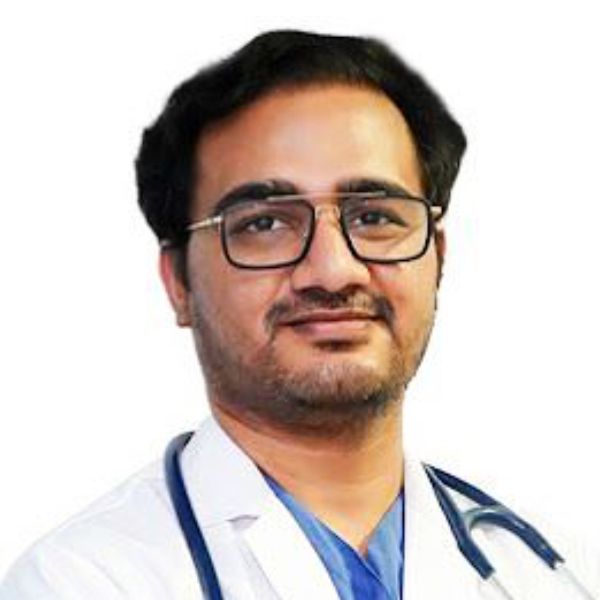
Dr. Seshi Vardhan Janjirala
Interventional Cardiologist, Specialist in Endovascular Procedures
14 years of expertise
Expertise
• ASD device closure (secundum ASD)
• Transcatheter heart defect repair
• Echocardiography-guided interventions
• Adult congenital heart disease management

Dr. Shriniwas Rajamouli Dussa
Cardiothoracic & Vascular Surgeon
24 years of expertise
Expertise
• Surgical repair of large and complex ASDs
• Open-heart congenital defect correction
• Adult and pediatric cardiac surgeries
• Post-surgical cardiac care
Atrial Septal Defect (ASD) Diagnosis
The diagnosis of atrial septal defect (ASD) is usually based on a combination of symptom history, physical examination, and targeted cardiac investigations, which together help the cardiologist confirm the condition. ASDs can be detected before birth, during childhood (often incidentally via murmurs), or in adulthood and are managed based on their size, location, and whether they cause symptoms such as shortness of breath, fatigue, or recurrent chest infections.
To determine the most appropriate diagnostic approach, the cardiologist considers the following factors before selecting tests to diagnose atrial septal defect:
- Medical history
- Physical examination
Medical history
- In atrial septal defect, the medical history may reveal symptoms of left-to-right shunting and increased pulmonary blood flow. Patients may complain of breathlessness on exertion, easy fatigability, recurrent respiratory tract infections in childhood, poor growth, or palpitations in adulthood.
- Some individuals remain asymptomatic for many years, with symptoms appearing later due to progressive right heart enlargement or pulmonary hypertension. These historical features raise suspicion of an underlying congenital cardiac defect such as ASD.
Physical examination
- Physical examination can provide important signs that raise suspicion of an atrial septal defect. On auscultation, the doctor may detect a characteristic, wide and fixed splitting of the second heart sound, caused by delayed pulmonary valve closure. A soft systolic ejection murmur may be heard due to increased blood flow across the pulmonary valve rather than the defect itself.
- In long-standing cases, signs of prominent right ventricular impulse, elevated neck veins, or features of heart failure may be present. These findings prompt confirmatory testing with cardiac imaging.
✅Atrial Septal Defect (ASD) Tests
Based on the above information, a cardiologist recommends diagnostic tests to confirm the presence of an atrial septal defect and assess its size, direction of shunting, type, and possible complications such as right heart enlargement, pulmonary hypertension, or arrhythmias.
The following tests might be recommended for the diagnostic evaluation of atrial septal defects:
Prenatal diagnosis of atrial septal defect (before birth)
- Routine antenatal ultrasound
- Fetal echocardiography (18–24 weeks of gestation)
Postnatal diagnosis of atrial septal defect (after birth)
- Primary imaging studies
- Transthoracic echocardiogram (TTE) with colour Doppler
- Electrocardiography (ECG)
- Chest X-ray
- Advanced and confirmatory tests
- Transesophageal echocardiogram (TEE)
- Cardiac computed tomography (CT)
- Magnetic resonance imaging (MRI) scan
- Cardiac catheterisation
- Functional tests
- Exercise testing
Prenatal diagnosis of atrial septal defect (before birth)
Prenatal diagnosis focuses on identifying defects before birth to enable early counselling, monitoring, and postnatal management planning. Advances in fetal imaging allow the detection of structural heart abnormalities during routine antenatal care. Diagnosis is usually made using the following methods:
Routine antenatal ultrasound
- During a routine antenatal ultrasound, usually performed in the second trimester, the fetal heart is examined as part of the standard anomaly scan. An atrial septal defect may be suspected if there is an abnormal appearance or discontinuity of the atrial septum, disproportion in chamber sizes, or abnormal blood flow patterns.
- However, small atrial septal defects can be difficult to detect on routine scans. Larger defects or indirect signs, such as right atrial or right ventricular enlargement, can raise suspicion and prompt referral for detailed cardiac evaluation.
Fetal echocardiography (18–24 weeks of gestation)
- Fetal echocardiography provides high-resolution images of the atrial septum and uses colour Doppler imaging to assess blood flow between the atria, performed between 18 and 24 weeks of gestation. If ASD is present, it is identified by directly visualising a defect or absence in the atrial septal tissue and by detecting abnormal predominantly left-to-right or bidirectional blood flow across the septum.
- This technique can accurately define the type, size, and location of the atrial septal defect, as well as identify associated cardiac anomalies.
Postnatal diagnosis of atrial septal defect (after birth)
Postnatal diagnosis of ASD helps in identifying the defect after birth, particularly in infants or children who present with cardiac murmurs, recurrent respiratory infections, poor growth, or exercise intolerance.
Diagnosis of ASD is confirmed using the following approaches:
Primary imaging studies
- Transthoracic echocardiogram (TTE) with colour Doppler: This is the primary and most important imaging test for diagnosing an atrial septal defect, which provides direct visualisation of the interatrial septum. A defect appears as a discontinuity or opening in the septum between the right and left atria. Also, colour Doppler is important for the demonstration of abnormal blood flow across the atrial septum, showing left-to-right shunting. TTE also helps assess the size and type of ASD, enlargement of the right atrium and right ventricle, and increased pulmonary blood flow, all of which support the diagnosis.
- Electrocardiography (ECG): In patients with significant ASDs, the ECG may show features such as right axis deviation, right atrial enlargement, or right ventricular hypertrophy, reflecting chronic volume overload of the right heart. Certain ECG patterns, like incomplete right bundle branch block, are commonly associated with secundum-type ASDs. These electrical changes help suggest the diagnosis and indicate the physiological impact of the defect on cardiac function.
- Chest X-ray: Chest X-ray shows cardiomegaly, particularly enlargement of the right atrium and right ventricle, due to long-standing left-to-right shunting. Increased pulmonary blood flow can lead to pulmonary plethora(prominent pulmonary vascular markings due to increased pulmonary blood flow (perfusion) to the lungs), which is visible as prominent pulmonary vascular markings. And in advanced cases, signs of pulmonary hypertension may be present.
Advanced and confirmatory tests
- Transesophageal echocardiogram (TEE) : This allows clear visualisation of small or complex atrial septal defects that may be missed on transthoracic echocardiography. Colour Doppler imaging accurately demonstrates shunting of blood across the septum, confirming the presence, size, and exact location of the defect. TEE is especially valuable in adults, in suspected sinus venosus ASDs, and when planning device or surgical closure.
- Cardiac computed tomography (CT): This helps to identify an atrial septal defect by clearly outlining the anatomy of the interatrial septum and visualising abnormal communications between the atria. CT is useful when echocardiographic windows are poor or when assessing associated structural abnormalities.
- Magnetic resonance imaging (MRI) scan: Cardiac MRI is a non-invasive tool that provides both anatomical and functional assessment of atrial septal defects. It can directly visualise the defect in the atrial septum and accurately measure right atrial and right ventricular enlargement caused by chronic left-to-right shunting.
- Cardiac catheterisation: Cardiac catheterisation is an invasive confirmatory test used when non-invasive imaging is inconclusive or when pulmonary hypertension is suspected. An atrial septal defect is diagnosed by detecting an oxygen saturation step-up in the right atrium, indicating left-to-right shunting. The procedure also accurately calculates shunt size and directly measures intracardiac pressures and pulmonary vascular resistance, which is essential before deciding on ASD closure in complex or advanced cases.
Functional tests
- Exercise testing: Exercise testing plays an important role in evaluating the functional impact of the defect on the cardiovascular system. During graded exercise, patients with significant ASDs may demonstrate reduced exercise tolerance, early fatigue, or shortness of breath due to an inability to appropriately increase cardiac output.
✅Atrial Septal Defect Differential Diagnosis
Differential diagnosis is considered when patients present with signs such as a cardiac murmur, fixed splitting of the second heart sound, right heart enlargement, or signs of pulmonary overcirculation. Several congenital and acquired cardiac conditions can mimic the clinical and echocardiographic findings of ASD. Below are some important conditions that can mimic or resemble ASD symptoms:
- Atrioventricular septal defect (AVSD, also called AV canal defect): This condition involves defects of both the atrial and ventricular septa along with abnormal atrioventricular valves. It may mimic an atrial septal defect because it produces left-to-right shunting and right-sided chamber enlargement, but it features a "goose-neck" deformity on echo and often AV valve regurgitation.
- Pulmonary stenosis: This causes right ventricular pressure overload and a systolic murmur that can resemble the findings of an atrial septal defect (ASD), though it typically shows a pressure gradient across the valve on echo/Doppler without interatrial shunting.
- Total anomalous pulmonary venous return (TAPVR): This particular condition can resemble atrial septal defect because it leads to right heart volume overload and increased pulmonary blood flow. The main difference is that pulmonary veins drain into the right atrium or systemic veins instead of the left atrium, with no interatrial communication on imaging.
- Tricuspid atresia: Tricuspid atresia may resemble severe ASD because blood must pass across the atrial septum to reach the left heart, sometimes producing cyanosis. However, it is characterised by the absence of the tricuspid valve and a hypoplastic right ventricle, confirmed by absent tricuspid inflow on echo.
- Truncus arteriosus: This congenital anomaly can present with pulmonary overcirculation and heart failure symptoms, which are similar to ASD, but features a single arterial trunk and VSD.
- Ventricular septal defect (VSD): VSD may mimic ASD due to left-to-right shunting and increased pulmonary blood flow. However, the defect is located in the ventricular septum and typically produces a harsh pansystolic murmur, best heard at the left sternal border.
- Arrhythmias: Atrial arrhythmias such as atrial fibrillation or flutter (and supraventricular tachycardia in younger patients) can cause symptoms like dyspnea, palpitations, and reduced exercise tolerance, which may resemble ASD but lack shunting on echo.
✅Considerations of a cardiologist before treating atrial septal defect (ASD)
Before planning treatment for an atrial septal defect, a cardiologist analyses the factors listed below:
- Treatment decisions: These are influenced by a patient's age and the occurrence of symptoms such as dyspnea, recurring lung infections, or decreased exercise tolerance. Early closure in childhood can help prevent long-term problems. However, adult patients need to carefully weigh the risks and benefits, with closure typically recommended for defects >10 mm with right ventricular enlargement or symptoms.
- Associated cardiac and extracardiac anomalies: The cardiologist checks for associated congenital heart defects, valve abnormalities, or anomalous pulmonary venous return. These may alter the treatment approach and often require surgical rather than percutaneous repair.
- Risk of arrhythmias and stroke: Long-standing ASD increases the risk of atrial arrhythmias and paradoxical embolism. A history of stroke, transient ischemic attack, or atrial fibrillation strengthens the indication for closure, even in borderline cases, especially if Eisenmenger syndrome is developing.
- Suitability for device and surgical closure: Anatomical factors, such as rim adequacy around the defect, proximity to valves or venous structures, and overall septal morphology, determine whether transcatheter device closure is feasible or whether open surgical repair is safer.
- Patient comorbidities and overall health: Other medical conditions, including lung disease, renal dysfunction, or connective tissue disorders, are considered, as they may increase procedural risk or influence timing and method of intervention.
✅Atrial Septal Defect Treatment Goals
The main treatment goals for ASD are:
- To prevent long-term heart and lung complications: Treating ASD stops abnormal left-to-right blood flow, preventing right heart enlargement, pulmonary hypertension, arrhythmias, and heart failure.
- To ensure normal growth and function: Closure of the defect restores normal circulation, allowing proper heart and lung function and supporting normal growth and physical development, especially in children.
- To improve quality of life: Treatment reduces symptoms such as breathlessness and fatigue, improves exercise tolerance, and lowers the risk of future complications, leading to a better overall quality of life.
Get a Free Second Opinion for Atrial Septal Defect Treatment
At PACE Hospitals, we are committed to providing our patients with the best possible care, and that includes offering second medical opinions with super specialists for treatment or surgery. We recommend everyone to get an expert advance medical second opinion, before taking decision for your treatment or surgery.
Atrial Septal Defect Treatment
As mentioned in considerations, a cardiologist may choose the treatment depending on the type, size, and hemodynamic significance of the atrial septal defect, as well as the patient’s age and symptoms.
Several options are available for managing ASD. The most common atrial septal defect management approaches include:
Non-pharmacological management of atrial septal defect
- Observation and monitoring: Small atrial septal defects that are hemodynamically insignificant may close spontaneously, especially in infancy and early childhood (with ~30-40% closing by age 3). Careful observation with periodic clinical assessment and echocardiography allows the cardiologist to monitor defect size, shunt severity, and right heart dimensions.
- Regular follow-up: Routine follow-up visits help assess disease progression and detect complications. Serial imaging and clinical evaluation ensure that the timing of closure is optimal and that long-term outcomes remain favourable.
- Lifestyle modifications and counselling: Patients and family members are advised on maintaining an active but safe lifestyle, avoiding excessive physical strain, and adopting heart-healthy habits. Counselling helps to understand the level of activity limitations, pregnancy considerations, and psychosocial support, which helps patients adapt to their condition while reducing risk.
- Early detection and timely closure: Early identification of an ASD allows closure before irreversible cardiac or pulmonary damage develops. Timely closure prevents long-term complications and supports normal cardiac development.
- Patient and family education on symptom recognition: Educating patients and caregivers to recognise symptoms such as breathlessness, fatigue, recurrent respiratory infections, or palpitations enables early medical attention. Prompt reporting of symptoms allows timely reassessment and intervention.
Pharmacological management of atrial septal defect
(Note: Medications are supportive for symptoms/complications and do not close the defect.)
- Diuretics: Diuretics help to reduce excess fluid in the body by increasing urine output. Diuretics help relieve breathlessness, edema, and pulmonary congestion by decreasing cardiac workload and improving symptoms.
- Anti-arrhythmic drugs: Long-standing ASD can cause atrial enlargement, predisposing patients to atrial arrhythmias. Anti-arrhythmic medications help control heart rhythm or rate, reducing palpitations, improving cardiac efficiency, and lowering the risk of complications related to abnormal heart rhythms.
- Anticoagulants or antiplatelet agents: Patients with ASD, especially those with atrial arrhythmias or a history of stroke, are at risk of thromboembolism. These drugs reduce blood clot formation and thereby prevent stroke and systemic embolism, particularly in adults with long-standing disease.
- Pulmonary vasodilators: In patients who develop pulmonary hypertension due to prolonged increased pulmonary blood flow, pulmonary vasodilators help lower pulmonary artery pressure and reduce pulmonary vascular resistance. This improves exercise tolerance and symptoms and may stabilize patients who are not suitable for immediate or definitive ASD closure.
Surgical management of atrial septal defect
- Percutaneous transcatheter atrial septal defect closure: This minimally invasive procedure is used mainly for secundum-type ASDs with suitable anatomy. A catheter is inserted via a peripheral vein and guided to the heart, where a closure device is positioned across the atrial septal defect. The device seals the opening and stops abnormal left-to-right blood flow between the atria. This approach reduces right heart volume overload and prevents long-term complications, with a >95% success rate and a short hospital stay.
- Surgical atrial septal defect closure (open-heart surgery): Surgical closure is mainly recommended for large, complex ASDs that are not suited for device closure, like primum ASD, sinus venosus, or coronary sinus defects. The defect is repaired with direct sutures or a patch while the patient is on cardiopulmonary bypass. This completely removes interatrial shunting, corrects the underlying structural defects, and restores normal heart circulation.
ASD Prognosis
- The prognosis of atrial septal defect depends mainly on the size of the defect, the presence of complications, and the timing of treatment. Small ASDs often have an excellent prognosis and may close spontaneously, with affected individuals remaining asymptomatic throughout life.
- When moderate to large defects are diagnosed early and closed in childhood or early adulthood, long-term outcomes are very good, with normal growth, good exercise tolerance, and near-normal life expectancy (survival >90% at 30 years post-closure).
- Untreated ASDs can lead to progressive right heart enlargement, pulmonary hypertension, atrial arrhythmias, heart failure, and an increased risk of stroke, which significantly worsens prognosis.
- In advanced cases where irreversible pulmonary hypertension and Eisenmenger syndrome develop, closure is contraindicated, and prognosis is poor. Overall, early diagnosis and timely intervention result in a favourable prognosis for most patients with atrial septal defects.
Atrial Septal Defect Treatment Cost in Hyderabad, India
The cost of Atrial Septal Defect (ASD) treatment in Hyderabad generally ranges from ₹90,000 to ₹5,50,000 (approx. US $1,080 – US $6,630).
The exact cost of ASD treatment varies depending on factors such as the type and size of the defect (ostium secundum, ostium primum, sinus venosus), patient age, symptoms, heart function, and the treatment approach chosen. Additional factors include whether catheter-based device closure or open-heart surgery is required, use of advanced imaging and cath-lab facilities, ICU stay, surgeon/cardiologist expertise, and hospital facilities — including cashless treatment options, TPA corporate tie-ups, and assistance with medical insurance wherever applicable.
Cost Breakdown According to Type of ASD Treatment
- Medical Management & Monitoring (Small / Asymptomatic ASD) – ₹90,000 – ₹1,50,000 (US $1,080 – US $1,805)
- ASD Device Closure (Catheter-Based Procedure) – ₹1,80,000 – ₹3,80,000 (US $2,165 – US $4,580)
- Minimally Invasive ASD Closure Surgery / Heart Hole Surgery – ₹2,20,000 – ₹4,50,000 (US $2,650 – US $5,420)
- Open-Heart ASD Repair Surgery – ₹2,50,000 – ₹5,50,000 (US $3,010 – US $6,630)
- ASD Repair with Associated Cardiac Procedures – ₹3,20,000 – ₹5,50,000 (US $3,855 – US $6,630)
- Redo / Revision ASD Surgery – ₹3,50,000 – ₹5,50,000 (US $4,210 – US $6,630)
Frequently Asked Questions (FAQs) on Atrial Septal Defect (ASD)
Can an atrial septal defect be cured?
Yes, most atrial septal defects can be completely repaired by inserting a device through a vein or undergoing surgery to restore normal blood flow and heart function. According to studies, more than 90% achieve full closure with excellent long-term outcomes, while uncommon problems such as clots require further monitoring.
Which Is the best hospital for Atrial Septal Defect Treatment in Hyderabad, India?
PACE Hospitals, Hyderabad, is a trusted centre for the diagnosis and treatment of congenital heart defects, including Atrial Septal Defect, offering advanced interventional and surgical cardiac care for children and adults.
We deal complicated cases guided by our experienced interventional cardiologists, cardiac surgeons, pediatric cardiologists, anesthesiologists, and cardiac ICU teams manage ASD using evidence-based protocols, modern catheter-based techniques, and precise surgical methods to ensure safe closure and long-term heart health.
We are equipped with access to state-of-the-art cath labs, advanced echocardiography, cardiac CT imaging, modern operation theatres, and dedicated cardiac ICUs, PACE Hospitals ensures safe, effective, and patient-centred ASD treatment — supported by cashless insurance facilities, TPA corporate tie-ups, and seamless documentation assistance.
Can adults have an atrial septal defect without knowing it?
Yes, adults can have ASD without knowing it. Many small or moderate ASDs cause no clear symptoms for years. The heart may cope well, so daily activities feel normal. The condition is often discovered by chance during a routine health check, heart scan, or test done for another reason. Symptoms, if they appear, usually develop slowly in middle or older age.
Does ASD require lifelong medication?
Atrial septal defect does not need lifelong medication after successful closure. Short-term blood thinners are given for six months to prevent clots on the device. Lifelong drugs are rare and only needed if irregular heartbeats or lung pressure issues continue, based on follow-up checks.
What is the mortality rate after ASD treatment?
The mortality rate after atrial septal defect treatment is very low. Various studies show excellent survival after both surgical and catheter-based closure, especially when done before major complications develop. Death related directly to the procedure is rare in adults. Long-term survival after successful treatment is close to that of the general population.
What Is the Cost of ASD Treatment at PACE Hospitals, Hyderabad?
At PACE Hospitals, Hyderabad, the cost of Atrial Septal Defect (ASD) treatment typically ranges from ₹85,000 to ₹5,20,000 and above (approx. US $1,025 – US $6,265), making it a cost-effective option for advanced congenital heart care compared to others. However, the final cost depends on:
- Type and size of ASD
- Age and overall health of the patient
- Choice of treatment (device closure or surgery)
- Use of minimally invasive or open-heart techniques
- Surgeon/interventional cardiologist expertise
- Duration of ICU and hospital stay
- Diagnostic tests (echocardiography, TEE, CT, cardiac catheterisation)
- Medications, consumables, and follow-up care
Simple secundum ASDs that can be closed using a device usually cost less, while larger or more complex defects needing open-heart surgery are more expensive.
After a detailed cardiac evaluation, imaging review, and risk assessment, our specialists provide a personalised treatment plan and transparent cost estimate, aligned with the patient’s heart condition, recovery expectations, and long-term cardiac health goals.
- Type and size of ASD
Can ASD be detected before birth?
Yes, atrial septal defect can be detected before birth using a fetal heart ultrasound. Many moderate or large ASDs are identified during routine pregnancy scans. However, small defects might be missed because the fetal heart normally has openings that close after birth. Prenatal detection allows planned monitoring and care after delivery.
How is an atrial septal defect treated?
Atrial septal defect treatment may depend on the size of the defect, symptoms, and heart effects. Small defects may not need treatment and can be monitored over time. Medium or large defects often require closure to prevent heart and lung problems. Closure can be done using a minimally invasive catheter procedure or open-heart surgery.
How is an atrial septal defect diagnosed?
Diagnosis of atrial septal defect usually begins with a physical examination, where a heart murmur may be detected. The main test is an echocardiogram, which shows the heart’s structure and blood flow. Additional tests such as an electrocardiogram (ECG), transesophageal echocardiogram (TEE), chest X-ray, or cardiac MRI may be used to assess heart size and rhythm.
How is the size of an atrial septal defect assessed?
The size of an atrial septal defect is largely determined using echocardiography, which allows for direct imaging and measurement of the defect. Transthoracic echocardiography (TTE) is widely utilised, whereas transesophageal echocardiography (TEE) produces clear, high-resolution images, particularly in adults or when the anatomy is complex. In addition to measuring the defect, clinicians evaluate the degree of left-to-right shunting, right atrial and ventricular enlargement, and pulmonary blood flow.
At what age is ASD usually diagnosed?
Diagnosis age may vary widely. Some defects are discovered in childhood during regular checkups. But many cases go unnoticed until adulthood because symptoms can be subtle(mild) or even absent. Adults are diagnosed between 30 and 50 years of age, usually after symptoms like breathlessness appear. Increased use of imaging tests has improved early detection across all age groups.
Is ASD life-threatening?
ASD is not always life-threatening. Small, untreated defects may cause no significant harm, but larger ones increase the risks of heart failure, pulmonary hypertension, and premature death over time. Closing appropriate defects enhances long-term survival, especially in older adults, when compared to leaving them open.
How atrial septal defect is treated in adults?
Treatment of atrial septal defect in adults depends on the type and size of the hole. Many adults are treated using a minimally invasive procedure, where a device is passed through a blood vessel to close the defect. Some ASDs need open-heart surgery, especially if the shape is unsuitable for a device. Medicines may be used to control symptoms, but they do not close the hole.
What is pulmonary hypertension in ASD?
Pulmonary hypertension in atrial septal defect means high blood pressure in the blood vessels of the lungs, which occurs due to extra blood flow from the left side of the heart to the right, sending too much blood to the lungs. Over many years, this overload damages lung vessels, making them stiff and narrow. This raises pressure, strains the heart, and can cause breathlessness, fatigue, and reduced exercise ability.
Can ASD recur after treatment?
Recurrence of atrial septal defect after treatment is uncommon. Modern surgical and device-based closures are highly durable. In rare cases, a small leak may remain around the closure device or surgical patch, but this is usually mild and does not worsen over time. True reopening of a fully closed defect is very rare.
Can an atrial septal defect cause stroke?
Yes, ASD can increase the risk of stroke, especially in adults. The opening in the heart can allow blood clots to pass from the right side to the left side of the heart and then travel to the brain. This is called a paradoxical embolism (vascular blockage). The risk is higher with larger defects, irregular heart rhythm, or untreated ASD over many years.


