
Coronary Artery Bypass Grafting (CABG) Surgery | Procedure & Cost
PACE Hospitals is recognized as one of the best hospitals for Coronary Artery Bypass Graft (CABG) surgery in Hyderabad, India, offering advanced heart bypass procedures for patients with complex coronary artery disease. Our experienced cardiac surgeons specialize in on-pump and off-pump CABG techniques, focusing on precision, safety, and long-term heart health.
With the best technology and comprehensive heart care services, we manage blocked coronary arteries, ischemic heart disease, and high-risk cardiac conditions. Our treatment options include Single, Double, Triple, and Quadruple Bypass Surgery, as well as Redo CABG, ensuring personalized care and faster recovery
Book an Appointment for CABG Surgery
CABG Surgery Appointment
Why Choose PACE Hospitals for Heart Bypass Surgery?

Experienced Cardiothoracic Surgeons with 27 years of experience in delivering Safe & Personalized CABG Treatment
CABG Surgery with a 96–98% Success Rate for Improved Blood Flow and Faster Recovery
Affordable CABG Surgery with Insurance and Cashless Facilities
Recognized for excellence in healthcare delivery with
NABH, NABL, NBE/DNB, NABH Nursing Excellence, and ISCCM accreditations.
Doctors for Coronary Artery Bypass Grafting (CABG) Surgery
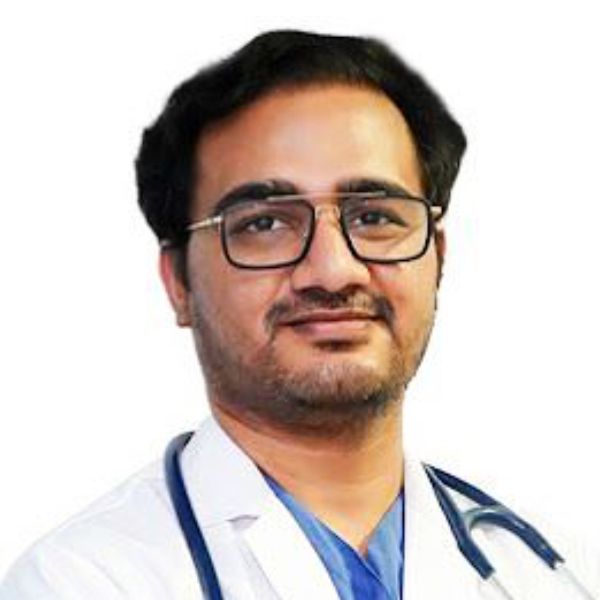
Dr. Seshi Vardhan Janjirala
Interventional Cardiologist, Specialist in Endovascular Procedures
14 years of expertise
Expertise
- Coronary angiography and advanced cardiac imaging for CABG planning
- Risk stratification and lesion assessment in complex coronary artery disease
- Pre-CABG optimization and decision-making with cardiac surgeons
- Post-CABG graft assessment and catheter-based management of residual or recurrent blockages

Dr. Shriniwas Rajamouli Dussa
Cardiothoracic & Vascular Surgeon
24 years of expertise
Expertise
- Coronary artery bypass grafting (CABG) for single and multi-vessel coronary artery disease
- Off-pump and on-pump CABG procedures
- Management of complex and high-risk coronary artery disease
- Comprehensive pre- and post-operative cardiac surgical care
What is CABG surgery?
Coronary artery bypass grafting (CABG), also called
heart bypass surgery, is a surgical approach performed to improve blood flow to the heart muscle by bypassing blocked or narrowed coronary arteries. These vessels are responsible for supplying oxygen-rich blood to the heart. When these arteries become significantly obstructed due to atherosclerosis (plaque buildup), blood flow is restricted, increasing the risk of angina (chest pain), heart attacks, and heart failure.
CABG is typically advised when non-surgical therapy, such as lifestyle changes, medications, or minimally invasive procedures, such as angioplasty with stenting, fail to alleviate symptoms or restore enough blood flow. It is often indicated for patients with coronary artery disease, multiple vessel blockages, left main coronary artery stenosis, or those who have not responded well to other interventions.
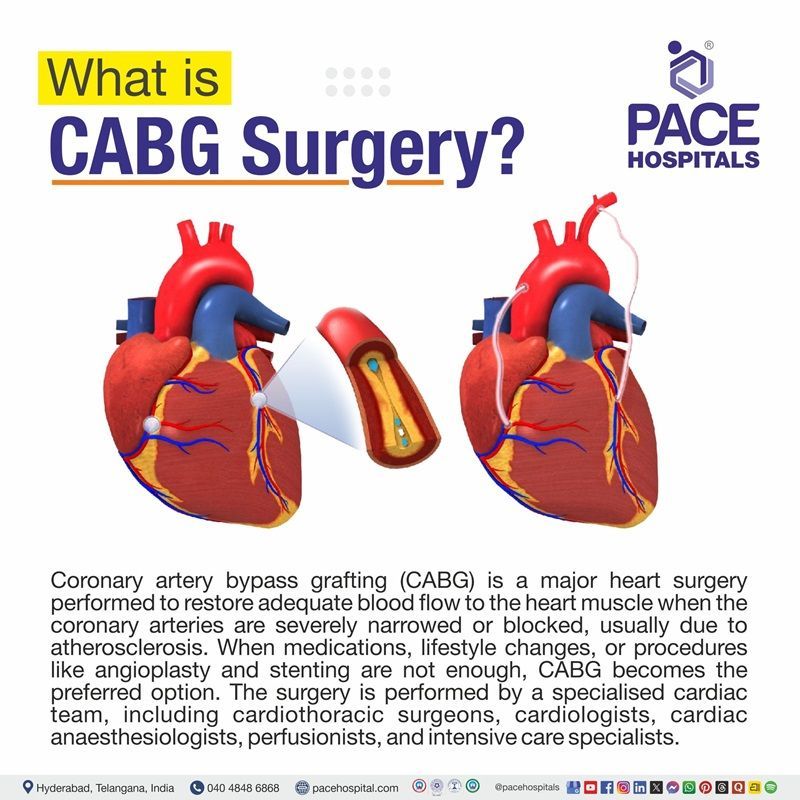
CABG is performed by a multidisciplinary cardiac care team led by cardiothoracic surgeons who specialise in heart and vascular surgeries. They collaborate closely with cardiologists, cardiac anaesthesiologists, perfusionists, and intensive heart care specialists to thoroughly evaluate the patient's condition, determine the precise coronary obstructions, and choose a personalised surgical plan.
Types of CABG
There are several types of coronary artery bypass surgeries based on how the procedure is performed and the surgical techniques used. Types of CABG surgery include:
- On-Pump CABG (Conventional CABG)
- Off-Pump CABG (OPCAB / Beating-Heart Surgery)
- Minimally invasive coronary artery bypass surgery (MICS CABG surgery)
- Minimally invasive direct coronary artery bypass (MIDCAB)
- CABG robotic surgery
- Hybrid bypass surgery
On-Pump CABG (Conventional CABG)
On-pump CABG is a heart bypass surgery in which the heart is intentionally stopped while a heart-lung machine temporarily takes over circulation and oxygenation. Because the heart is still and free of blood, the surgeon can place multiple bypass grafts more easily, which is especially helpful when the blockages are complicated or when several bypasses are required. It is the traditional and most commonly used form of CABG.
Off-Pump CABG (Beating-Heart Surgery)
Off-pump CABG is performed while the heart continues to beat, without using a heart-lung machine. The surgeon uses stabilising devices to steady small areas of the heart while placing grafts. The goal is the same as traditional CABG, but the technique differs because it avoids stopping the heart and bypassing circulation.
Minimally invasive coronary artery bypass surgery
Minimally invasive CABG surgery procedures that avoid traditional large chest incisions in order to minimise damage, pain, and recovery time while ensuring efficient coronary revascularisation. The types of minimally invasive coronary artery bypass surgeries include:
- Minimally invasive direct coronary artery bypass (MIDCAB): In this, the surgeon performs the bypass through a small left-sided chest incision, without opening the breastbone. It is usually performed off-pump, meaning the heart continues to beat during the procedure. MIDCAB is most commonly used to bypass a single critical blockage, especially in the left anterior descending (LAD) artery. It is categorised as a type of CABG because it creates a surgical bypass graft, but it differs from traditional CABG in that it avoids a large incision and often avoids the heart-lung machine.
- CABG robotic surgery: Robotic CABG is a minimally invasive bypass surgery done through very small openings in the chest using robotic instruments and a small camera. In some cases, the entire operation can be done endoscopically, called totally endoscopic coronary artery bypass (TECAB). It is still a type of CABG because the surgeon creates bypass grafts, but it differs from traditional surgery because the robotic system allows the procedure to be performed with smaller incisions, less pain, and a faster recovery.
- Hybrid bypass surgery: Hybrid bypass surgery combines one surgical bypass with stent placement. Usually, the surgeon creates a strong bypass to the LAD artery, and the other blockages are treated with stents instead of additional grafts. This approach reduces surgical extent while improving blood flow. It is considered a type of CABG because it involves a surgical graft, but it differs in that it also uses stents.
CABG Indications
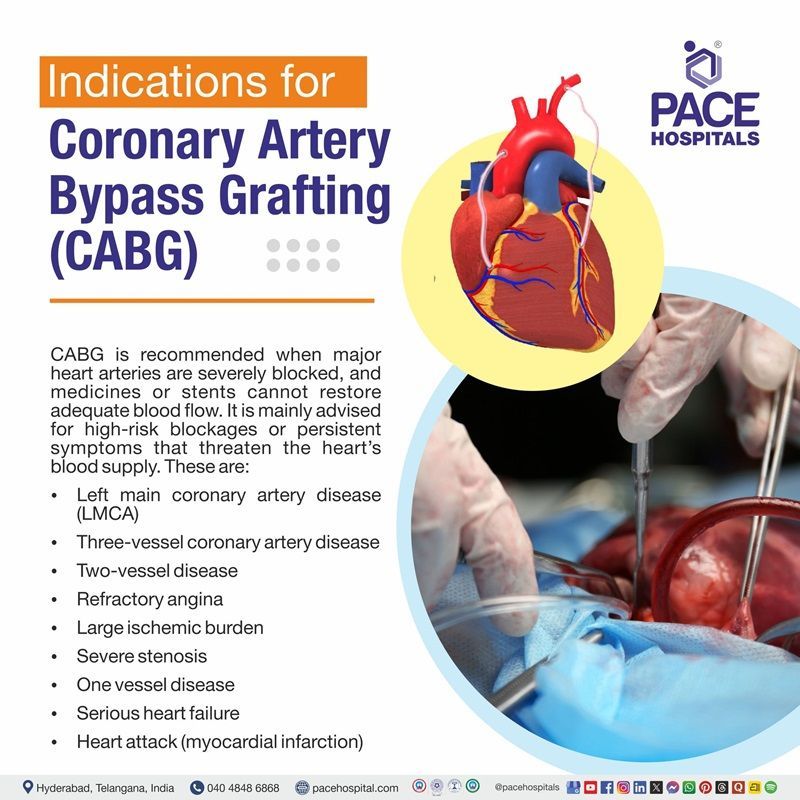
CABG surgery is recommended when the blood arteries of the heart are significantly narrowed or blocked, and other treatments (medicines or stents) are insufficient to restore normal blood flow. It is usually advised in conditions where blood supply to the heart is at high risk, symptoms are difficult to control, or when certain high-risk blockages are present. Common CABG surgery indications include:
- Left main coronary artery disease (LMCA)
- Three-vessel coronary artery disease
- Two-vessel disease
- Refractory angina
- Large Ischemic Burden
- Severe stenosis
- One vessel disease
- Serious heart failure
- Heart attack (myocardial infarction)
Left main coronary artery disease (LMCA)
CABG is recommended for left main disease because the left main coronary artery supplies a large portion of the heart. A major blockage here can lead to severe heart damage or sudden death. However, stents can be utilised in certain cases. CABG is commonly recommended because it provides a more reliable and long-term restoration of blood flow and improves survival, particularly when the blockage is significant or involves a branching area.
Three-Vessel Coronary Artery Disease
CABG is recommended when all three major coronary arteries are blocked, as this greatly reduces blood flow to the heart. Stenting many blockages may not last as long, whereas CABG can bypass all diseased vessels in a single surgery, providing more complete and durable improvement. In people with diabetes or weaker heart function, CABG has also been shown to offer better long-term results than stents.
Two-Vessel Disease
Two-vessel disease means that two major coronary arteries have significant blockages. When more than one major artery is involved, a large portion of the heart muscle receives reduced blood flow. CABG may be considered because bypassing both blocked vessels can more effectively restore circulation, reduce symptoms, and improve long-term outcomes compared with medical therapy or stenting.
Refractory angina
It is a chest discomfort that remains despite effective medical treatment. When symptoms continue due to insufficient blood flow from blocked coronary arteries, CABG is considered the last resort. The surgery can alleviate symptoms by rerouting blood around the obstructed arteries, ensuring the heart muscle receives sufficient oxygen and reducing or eliminating angina episodes.
Large ischemic burden
A large ischemic burden means that a significant portion of the heart muscle is unable to receive enough blood and oxygen during stress or activity. When a large area is ischemic, the risk of heart failure and heart attack increases. CABG is indicated because restoring blood flow to such a large region improves heart function, reduces symptoms, and has been shown to improve survival.
Severe stenosis
CABG is indicated for patients with severe coronary stenosis, especially when multiple vessels, the left main, or the proximal left anterior descending (LAD) artery are involved, because these high-risk blockages threaten myocardial viability, and bypass surgery offers more reliable long-term revascularisation than stenting.
One-vessel disease
CABG is considered in one-vessel disease when the proximal LAD is involved or when stenting isn’t feasible. In these cases, the affected artery supplies an essential area of the heart, and bypass surgery provides more reliable restoration of blood flow.
Serious heart failure
Serious or advanced heart failure can be caused by chronic poor blood supply to the heart muscle (ischemic cardiomyopathy). When reduced heart pumping function is related to blocked coronary arteries, CABG may be indicated to improve blood flow, revive hibernating myocardium, and enhance heart function.
Heart attack (myocardial infarction)
A heart attack indicates a sudden blockage in a coronary artery. CABG is considered when there are multiple blockages, when stenting is not possible or fails, or when the anatomy is too complex. It helps restore blood flow to the compromised heart muscle.
Coronary Artery Bypass Grafting (CABG) Contraindications
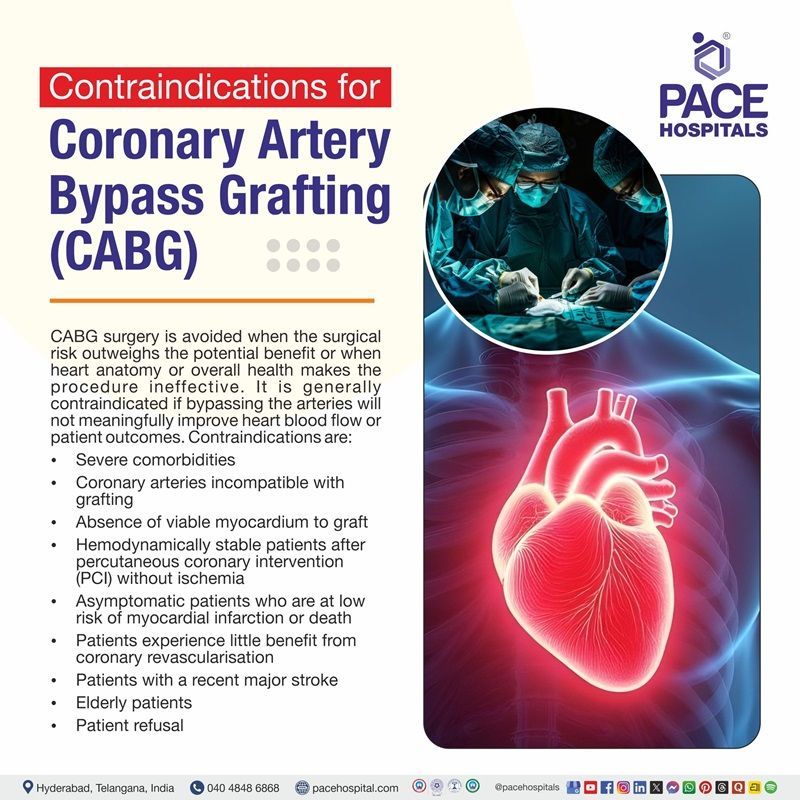
Coronary artery bypass grafting (CABG) is an effective treatment for advanced coronary artery disease, but it is not appropriate for all patients. Contraindications may occur when the surgical risk is too high, when the anatomy or the general prognosis limits the benefit, or when CABG is unlikely to enhance cardiac perfusion. Below are the major contraindications to CABG surgery:
- Severe comorbidities
- Coronary arteries incompatible with grafting
- Absence of viable myocardium to graft
- Hemodynamically stable patients after percutaneous coronary intervention (PCI) without ischemia
- Asymptomatic patients who are at low risk of myocardial infarction or death
- Patients experience little benefit from coronary revascularisation
- Patients with a recent major stroke
- Elderly patients
- Patient refusal
Severe comorbidities
CABG surgery is not used in patients with severe systemic comorbidities such as advanced chronic kidney disease, advanced liver failure, end-stage lung disease, or uncontrolled sepsis because these conditions significantly increase operative mortality and postoperative complications.
Coronary arteries incompatible with grafting
CABG requires suitable target vessels for grafts. Diffusely diseased, small-calibre, severely calcified, or chronically occluded distal coronary vessels may not be graftable or yield successful revascularisation outcomes.
Absence of viable myocardium to graft
If myocardial tissue is nonviable (scarred or dead), revascularisation will not improve function or symptoms. CABG is not beneficial in such cases because restoring blood flow to nonfunctional myocardium offers no medical advantage.
Hemodynamically stable after PCI without ischemia
Stable patients who have undergone successful PCI and have no residual ischemia do not benefit from CABG, since the primary goal of CABG is to relieve ischemia and improve perfusion.
Asymptomatic patients at low risk of myocardial infarction or death
CABG is not indicated in asymptomatic patients with non-critical coronary lesions and a low ischemic burden because surgical revascularisation does not improve survival or prevent myocardial infarction in this group.
Patients experiencing little benefit from coronary revascularisation: When the potential clinical benefits, such as symptom relief, improved survival, or quality of life, are minimal, CABG is contraindicated because the risks of surgery, including morbidity and mortality, outweigh the benefits.
Patients with a recent major stroke
A major stroke within the last 2–4 weeks can increase the risk of perioperative neurological deterioration, haemorrhagic transformation, and mortality. CABG requires cardiopulmonary bypass, anticoagulation, and aortic manipulation, all of which can worsen a recent brain injury.
Elderly patients
Advanced age alone is not an absolute contraindication; elderly patients (over 75-85 years) have increased perioperative morbidity and mortality, prolonged recovery time, and higher complication rates after the surgery. The presence of comorbidities common among older people further increases the risk, so CABG must be considered cautiously.
Patient refusal
Patient autonomy is fundamental in medical decision-making. CABG is contraindicated if the patient refuses consent after understanding the risks, benefits, and alternatives to surgery.

Benefits of CABG Surgery
Coronary artery bypass grafting (CABG) is a highly effective revascularisation procedure for patients with significant or complex coronary artery disease, especially when medical therapy or angioplasty with stenting does not provide adequate relief. CABG bypass surgery helps to restore blood flow to the heart by bypassing blocked arteries, thereby improving heart function, reducing symptoms, and enhancing long-term survival.
Below are the key advantages of coronary artery bypass graft surgery:
- Improved blood flow
- Relieves the symptoms
- Improved survival and reduced mortality
- Lower rates of myocardial infarction (MI) and repeat revascularisation
- Prolongation of life
- Enhanced quality of life
- Improved physical activity
Improved blood flow
CABG makes a new route for blood to reach the heart muscle by bypassing blocked coronary arteries. This restores regular blood supply to areas that were previously deprived of oxygen. As a result, the heart receives continuous, reliable perfusion, reducing the risk of ischemia and preventing further myocardial damage.
Relieves the symptoms
The procedure significantly reduces angina, chest pain, shortness of breath, and fatigue by relieving ischemia and enabling patients to engage in everyday activities without discomfort.
Improved survival and reduced mortality
CABG has been shown to improve long-term survival, especially in patients with multivessel disease, left main coronary artery disease, diabetes, or reduced ventricular function. By addressing multiple blockages at once, the surgery prevents future lethal cardiac events and reduces overall cardiac mortality.
Lower rates of myocardial infarction (MI) and repeat revascularisation
In comparison to angioplasty and stenting, CABG provides more long-term benefits, including graft patency. This lowers the risk of future heart attacks and minimises the need for additional operations. Bypass grafts keep blood flowing for years, giving long-term protection against recurrent ischemia.
Prolongation of life
CABG has been proven to improve long-term survival, especially in high-risk groups such as patients with Left main coronary artery disease, Three-vessel disease, impaired left ventricular function, and stenosis in the proximal third of the left anterior descending artery. By restoring blood flow to large portions of the heart, CABG decreases the chances of future heart attack, heart failure, and sudden cardiac death, thus extending life expectancy.
Enhanced quality of life
CABG surgery may lead to improvements in everyday functioning; some patients report better energy levels, fewer symptoms, and increased independence. Relief from angina and heart-related limitations allows individuals to live more comfortably and confidently.
Improved physical activity
With adequate blood supply restored, the heart is able to support higher activity levels. Patients experience improved exercise tolerance, greater stamina, and the ability to continue their routine activities, hobbies, and work that were previously limited by cardiac symptoms.
Get a Free Second Opinion for CABG Surgery
At PACE Hospitals, we are committed to providing our patients with the best possible care, and that includes offering second medical opinions with super specialists for treatment or surgery. We recommend everyone to get an expert advance medical second opinion, before taking decision for your treatment or surgery.
CABG Procedure Steps
Coronary artery bypass graft (CABG) surgery procedure steps include the following:
Before coronary artery bypass graft surgery
- To ensure the patient is an appropriate candidate for CABG surgery, the cardiac surgeon and cardiology team perform a comprehensive medical evaluation. This includes medical history, physical examination, and review of heart-related tests such as an electrocardiogram (ECG), echocardiogram, blood tests, and coronary angiography. Additional imaging studies, such as a chest X-ray or carotid ultrasound, are needed for surgical planning.
- Patients need to inform their doctor about all allergies, including medications, latex, iodine/contrast dye, and anaesthetics and provide a complete list of medications, including prescriptions, OTC drugs, vitamins, and herbal supplements. Some medicines (especially blood thinners, NSAIDs, and certain herbal products) may need to be stopped before surgery, as advised by the medical team.
- Lifestyle changes may be advised before CABG. Reducing alcohol, quitting smoking, and optimising control of diabetes or high blood pressure help improve healing and lower surgical risks.
- Women who are pregnant or may be pregnant should inform their doctor, as pregnancy may affect surgical planning and anaesthesia decisions.
- Before the procedure, informed consent is taken after the surgeon explains the risks, benefits, alternatives, and recovery. Patients are asked to clarify any doubts before signing.
- They are also instructed to fast from midnight before surgery and arrange transportation and home support for the postoperative period.
During coronary artery bypass graft surgery
- Anaesthesia and Monitoring: The patient is taken to the operating room, where identity and safety protocols are verified. They are positioned supine on the table, and general anaesthesia is administered through intubation, and monitoring (intravenous, arterial line, and Foley catheter) is inserted. The chest is prepped sterilely, followed by median sternotomy to expose the heart.
- Surgical Technique: The Surgeon may choose the technique based on the patient’s coronary anatomy, comorbidities, and surgical goals:
- On-pump coronary artery bypass surgery: In on-pump CABG, the heart is stopped, and a heart–lung machine maintains circulation, giving the surgeon a still, bloodless field for precise grafting. It is commonly used for multivessel or complex disease.
- Off-pump coronary bypass grafting: In off-pump CABG, the heart continues beating. Stabilising devices steady the target area, avoiding the heart–lung machine and potentially decreasing complications in select high-risk patients.
- Minimally invasive CABG: These options avoid full sternotomy. MIDCAB uses small chest incisions, robotic CABG uses robotic arms for precise grafting through tiny ports, and hybrid CABG combines surgical bypass with stenting for a customised revascularisation approach.
- Graft Harvesting: At the beginning of the surgery, the surgeon prepares the blood vessels (grafts) that are used to bypass blocked coronary arteries. Common sources are the internal mammary artery (IMA) from the chest, the saphenous vein from the legs, and the radial artery from the forearm. Harvesting can be done simultaneously while the chest is being prepared.
- Anticoagulation and Cardiopulmonary Bypass (CPB): To keep blood from clotting during surgery, the patient is given an anticoagulant. Then the surgeon inserts cannulas into the aorta and right atrium, which are connected to the CPB machine to divert blood flow and cool the body if needed.
- Cardioplegia and Heart Arrest: To safely stop the heart, the surgical team infuses high-potassium cardioplegia solution (temporarily stops the heart) to arrest the heart, providing the surgeon a still field for anastomosis. Additional doses of cardioplegia are given at intervals to protect the heart muscle during the operation.
- Graft Anastomosis: The surgeon then sews the proximal end of the graft to the aorta (or leaves the arterial graft attached) and the distal end to the coronary artery beyond blockage. In a quadruple coronary artery bypass surgery, the surgeon repeats this process to create four separate flow channels to the heart muscle.
- Weaning from Bypass and Closure: Once all grafts are in place, the heart is restarted slowly (sometimes with gentle electrical shocks if needed). The team then slowly reduces the support from the heart-lung machine until the heart is functioning on its own. The anticoagulant is reversed using an anticoagulant reversal agent. The surgeon closes the sternum with metal wires, chest drains are placed to remove fluid, and the surgical incision is closed in layers.
After CABG Surgery
CABG surgery post op care includes:
Recovery room monitoring: Patients are observed for vital signs stability, bleeding, and pain control in the post-anaesthesia care unit. The breathing tube remains in place starting and is removed once the patient is stable and breathing adequately on their own.
Pain management: Pain control is important for recovery and effective breathing. Intravenous fluid and pain medications are provided immediately after surgery, transitioning to oral analgesics as tolerated.
Cardiac monitoring and medication: Continuous ECG monitoring is performed to detect arrhythmias such as atrial fibrillation. Patients may receive Beta-blockers, Antiplatelet therapy, statins, and other heart medications.
Wound and Chest Tube Care: Chest tubes help drain fluid around the heart and lungs and are removed once output decreases. The sternotomy and graft-harvest sites are checked daily, with clean, dry dressings and infections monitoring.
Activity and Mobility: Early mobilisation starts the day after surgery, including standing, sitting, and short-assisted walks. Precautions, like avoiding heavy lifting, pushing, or pulling, are followed for six to eight weeks. Cardiac rehabilitation is recommended after discharge.
Hospital Stay: Most patients stay 5–7 days in the hospital, with 1–2 days in the intensive care unit (ICU) before moving to a step-down unit. Discharge is planned once breathing, mobility, vital signs, and pain control are stable.
Follow-Up Care: Patients are usually scheduled for follow-up within 1–2 weeks after discharge to assess wound healing, heart rhythm, medications, and rehabilitation progress. Sutures or staples may be removed during this visit.
CABG Complications
Coronary artery bypass grafting (CABG) is a widely performed and generally safe surgery, but as with any major heart operation, some complications can occur. These complications may appear immediately after surgery or during long-term follow-up. Their risk depends on age, general health, pre-existing diseases, and the complexity of heart disease. The common complications of CABG surgery are:
- Bleeding during or after the surgery
- Infection at the incision site
- Stroke
- Respiratory complications
- Saphenous vein graft (SVG) failure
- Postoperative renal dysfunction
- Postoperative atrial fibrillation (AF)
- Perioperative death
Bleeding during or after the surgery
CABG requires opening the chest and attaching graft vessels, which can lead to bleeding during or after surgery. Some patients may need blood transfusions or even a return to the operating room if bleeding is severe.
Infection at the incision site
As any surgical incision carries the risk of infection, but CABG involves a large sternal wound, making infection possible at the chest incision or the leg/arm graft-harvest site. Some of the factors like diabetes, obesity, chronic obstructive pulmonary disease (COPD), and prolonged duration of surgery can increase the risk.
Stroke
Stroke complicates 1-2% of CABG procedures because plaque or small clots can dislodge from the aorta during surgery, reducing blood flow to the brain. Older age and pre-existing vascular disease may further increase this risk.
Respiratory complications
CABG surgery risks may affect breathing due to anaesthesia, chest incision pain, and temporary lung collapse during surgery. Patients may develop pneumonia, atelectasis (lung collapse), or difficulty breathing after the procedure.
Saphenous vein graft (SVG) failure
Vein grafts taken from the leg can gradually narrow or become blocked due to thrombosis or atherosclerosis. SVG failure can occur early (days to weeks) from clotting or late (years later) due to plaque buildup.
Postoperative renal dysfunction
The stress of surgery, the use of a heart-lung bypass machine, and acute blood pressure fluctuations can all affect kidney function. Some patients may develop acute kidney injury (AKI), especially those with pre-existing kidney disease, diabetes, or advanced age.
Postoperative atrial fibrillation (AF)
Atrial fibrillation is the most common rhythm disturbance after CABG surgery. Inflammation, heart stress, and post-surgery changes in electrolytes can trigger irregular and rapid heartbeats.
Perioperative death
CABG surgery is generally safe, but there is still a small risk of death during or shortly after the surgery. This risk depends on the patient's age, heart function, number of blocked arteries, and presence of other diseases such as diabetes or kidney failure.
Heart Bypass Surgery Recovery Time
Coronary artery bypass surgery recovery generally takes 6 to 12 weeks for a full recovery, with most patients staying in the hospital for about a week after surgery. The recovery process includes several phases that emphasise physical healing, symptom management, and long-term lifestyle changes to support heart health. While the speed of recovery differs for each person, early movement, breathing exercises, and cardiac rehabilitation are important parts of the process.
By 6 to 8 weeks post-surgery, many patients drive short distances, return to desk work, and engage in supervised exercise, marking about 50-70% recovery of pre-morbid function. Full recovery to 80-90% of healthy cardiac capacity typically occurs by 3-6 months, supported by lifestyle changes and follow-up monitoring.
What questions can patients ask the healthcare team about CABG surgery?
- When can I go home after the surgery?
- When is my next follow-up visit, and what tests will I need?
- How long will it take for my breastbone (sternum) to heal completely?
- What activities can I safely do in the first few weeks after surgery?
- What medications do I need to continue long-term and why?
- How should I take care of my chest incision and leg/arm graft site?
- What signs of infection should prompt immediate medical attention?
- When should I start cardiac rehabilitation, and what will it include?
- What diet should I follow to protect my heart and grafts?
- What habits should I avoid to prevent graft blockage or recurrent heart disease?
CABG Surgery Survival Rate
Studies show that coronary artery bypass grafting (CABG) has high survival rates. Large registry and cohort studies report operative mortality of about 1–2%, meaning 98–99% of patients survive the early postoperative period. One-year outcomes remain excellent, with ~97% survival. Longer-term follow-up demonstrates durable benefit: most modern studies report ~90–92% survival at 5 years and ~70–80% survival at 10 years after isolated CABG.
At PACE Hospitals, CABG outcomes are reported to be highly successful, with a survival rate of approximately 98%, reflecting strong perioperative safety and surgical expertise. In addition, around 95% of patients experience no major complications like stroke, severe infection, kidney failure, or the need for re-surgery, indicating consistently high standards of peri-operative care, advanced surgical approach, and complete post-operative monitoring.
Difference between CABG and Open-Heart Surgery
CABG vs open heart surgery
Understanding the difference between coronary artery bypass grafting (CABG) and open-heart surgery is essential, as the two terms are often used interchangeably even though they are not the same. CABG is a specific type of heart surgery performed to bypass blocked coronary arteries, while open-heart surgery is a general term that includes any major operation in which the chest is opened and the heart is directly operated on.
Below are some key parameters that show the difference between CABG and open-heart surgery:
| Parameters | Coronary artery bypass grafting (CABG) | Open-heart surgery (general terms) |
|---|---|---|
| Definition | CABG surgery is a specific surgical procedure that creates new pathways for blood to reach the heart muscle by bypassing blocked coronary arteries. | A broad term that includes any major surgery in which the chest is opened and the heart is operated on. CABG is one type of open-heart surgery. |
| Purpose | To treat severe coronary artery disease and improve blood flow to the heart muscle. | This can be done for many conditions, such as valve repair/replacement, congenital disabilities, CABG, tumour removal, aortic surgery, etc. |
| Incision type | Typically, median sternotomy is used (opening the breastbone). | Similar sternotomy is used, but minimally invasive approaches may also be used, depending on the surgery. |
| Duration of surgery | 3–6 hours, depending on the number of grafts. | Varies widely (2–8 hours) depending on the type of heart surgery. |
| Recovery time | Most patients recover in 6–12 weeks. | Varies by procedure; often similar to CABG or longer for complex surgeries |
Heart Bypass Surgery Cost in Hyderabad, India
The cost of Bypass Surgery in Hyderabad generally ranges from ₹2,00,000 to ₹4,80,000 (approx. US $2,410 – US $5,780).
The exact CABG surgery cost varies depending on factors such as the number of blocked coronary arteries, whether a single, double, triple, or quadruple bypass is required, the surgical technique used (on-pump or off-pump beating-heart surgery), patient risk profile, surgeon expertise, ICU stay, and hospital infrastructure — including cashless treatment options, TPA corporate tie-ups, and assistance with medical insurance wherever applicable.
Cost Breakdown According to Type of CABG Surgery
- Single Vessel CABG (Single Bypass) – ₹2,00,000 – ₹2,80,000 (US $2,410 – US $3,375)
- Double Vessel CABG – ₹2,40,000 – ₹3,40,000 (US $2,890 – US $4,090)
- Triple Vessel CABG – ₹2,90,000 – ₹4,20,000 (US $3,495 – US $5,060)
- Quadruple Vessel CABG – ₹3,40,000 – ₹4,80,000 (US $4,090 – US $5,780)
- Off-Pump CABG (Beating Heart Surgery) – ₹2,50,000 – ₹4,20,000 (US $3,010 – US $5,060)
- Redo / Revision CABG Surgery – ₹3,50,000 – ₹4,80,000 (US $4,210 – US $5,780)
Frequently Asked Questions (FAQs) on Coronary Artery Bypass Grafting (CABG)
What to expect after CABG surgery?
After CABG surgery, patients can expect pain and soreness around the chest and where vessels were taken, fatigue, and loss of appetite initially. Hospital stays may last for a week, including time in intensive care. Recovery involves gradually increasing activity levels with support from nurses and physiotherapists. Full recovery takes 6- 12 weeks, during which patients need to follow medical advice on wound care and lifestyle changes.
Which Is the best hospital for Heart Bypass Surgery in Hyderabad, India?
PACE Hospitals, Hyderabad, is among the most trusted centres for advanced cardiac bypass surgery, providing comprehensive care for patients with coronary artery disease, multi-vessel blockages, left main disease, diabetes-associated heart disease, and complex cardiac conditions.
We have highly talented and experienced cardiac surgeons, interventional cardiologists, and cardiac anesthesiology teams perform CABG using evidence-based protocols, minimally invasive and off-pump techniques where suitable, and internationally accepted grafting standards to improve long-term heart function and survival.
We are fully equipped with sophisticated cardiac operation theatres, advanced heart-lung machines, round-the-clock cardiac ICU, digital cath-lab support, in-house diagnostics, structured cardiac rehabilitation, and dedicated post-operative monitoring, PACE Hospitals ensures safe, effective, and patient-centric bypass surgery — supported by cashless insurance facilities, TPA tie-ups, and smooth documentation assistance.
What is the CABG surgery success rate?
CABG has a high success rate, with long-term survival and symptom improvement reported in major studies. The survival after CABG surgery exceeds 95–98%, depending on age and health conditions. The procedure can improve blood flow, reduce angina, and lower the risk of future heart attacks. The long-term success also depends on lifestyle changes and proper control of diabetes, cholesterol, and blood pressure.
What are the alternatives to CABG surgery?
Alternatives to CABG include medications to manage symptoms and prevent progression, angioplasty and stenting (a less invasive surgery to open blocked arteries using a balloon and metal scaffolding), and lifestyle changes to control risk factors. The choice depends on the extent of artery blockage, patient health, and specific heart conditions.
What is the life expectancy after CABG surgery?
Life expectancy after CABG is good, and it frequently improves when compared to untreated serious heart disease. Many studies demonstrate long-term survival benefits, particularly in individuals with left main disease, multivessel disease, or diabetes. Results vary based on age, smoking, diabetes, kidney health, and lifestyle changes.
What Is the cost of CABG Surgery in Hyderabad at PACE Hospitals,?
At PACE Hospitals, Hyderabad, the cost of Coronary Artery Bypass Grafting (CABG) typically ranges from ₹1,95,000 to ₹4,50,000 and above (approx. US $2,350 – US $5,420), making it a cost-effective yet high-quality option for advanced cardiac surgical care in Hyderabad. However, the final cost depends on:
- Number of bypass grafts required
- On-pump vs off-pump CABG technique
- Severity and distribution of coronary artery disease
- Presence of diabetes, kidney disease, or other risk factors
- Surgeon expertise and surgical technology used
- Duration of ICU and hospital stay
- Anesthesia and perfusion requirements
- Diagnostic tests (angiography, echocardiography, blood tests)
- Medications, consumables, and cardiac rehabilitation support
For standard double or triple vessel CABG, costs remain toward the lower end of the range, while complex multi-vessel or redo bypass surgeries fall toward the higher side.
After a detailed cardiac evaluation, angiography review, and risk assessment, our specialists provide a personalised treatment plan and transparent cost estimate, aligned with your heart condition, recovery goals, and financial planning needs.
What is the difference between on-pump and off-pump bypass surgery?
In on-pump CABG, the heart is temporarily stopped and a heart-lung machine takes over circulation and oxygenation during the procedure. This allows cardiovascular surgeons, cardiothoracic (CT) surgeons to operate on a still heart. Off-pump CABG, also called "beating heart surgery," is performed while the heart continues to beat, without using the heart-lung machine. Some studies suggest off-pump surgery may reduce certain complications in selected patients, but long-term outcomes are generally comparable when performed by experienced teams of cardiac/heart surgeons.
What are the common risks and benefits of heart bypass?
CABG improves blood flow to the heart muscle by bypassing blocked coronary arteries. Benefits include better sleep, relief of angina, improved exercise tolerance, and reduced risk of future heart attacks in appropriately selected patients. Risks may include bleeding, infection, arrhythmias, stroke, kidney injury, or graft blockage over time. Overall, CABG has well-established survival benefits in patients with multivessel coronary artery disease.
What are the different types of CABG techniques?
CABG may be performed using conventional sternotomy (opening the chest bone), minimally invasive approaches such as minimally invasive direct CABG (MIDCAB), or robotic-assisted techniques in selected cases. It can be carried out as on-pump CABG, where a heart-lung machine supports circulation while the heart is temporarily stopped, or as off-pump CABG, performed on a beating heart without cardiopulmonary bypass. In selected patients, hybrid coronary revascularization may be considered, combining surgical bypass of key arteries with percutaneous coronary intervention (angioplasty and stenting) to treat other blockages. Cardiac surgeons may use arterial grafts (such as internal mammary arteries) or vein grafts. The number of blocked arteries determines whether to perform a single, double, triple, or quadruple bypass procedure. The technique used is determined on anatomy, disease severity, and overall health.
Is CABG considered open-heart surgery?
Yes, traditional CABG is categorized as open-heart surgery because it involves opening the chest through a sternotomy. In many cases, the heart is temporarily stopped during the procedure. However, minimally invasive techniques including Minimally Invasive Direct Coronary Artery Bypass (MIDCAB), Hybrid Coronary Revascularization (HCR), Robotic-Assisted CABG, and Totally Endoscopic Coronary Artery Bypass (TECAB) may require smaller incisions (often 2-3 inches) while still achieving coronary revascularization.
Who needs this CABG procedure?
CABG is recommended for those patients having significant coronary artery blockages and that cannot be adequately treated with medications or angioplasty. It is usually used in cases of multivessel disease, left main coronary artery stenosis, or reduced heart function. When a long-term survival advantage is expected, clinical guidelines prescribe and prioritize CABG.
Where are the “graft” vessels taken from?
The internal mammary artery from the chest wall, the radial artery from the forearm, and the saphenous vein from the leg are common sources of graft. Arterial grafts typically have higher long-term patency than vein transplants. The decision is made based on the patient's anatomy and surgical plans.
How long does the surgery take?
CABG operation usually lasts 3 to 6 hours, depending on the quantity of grafts needed and the surgical complexity. In circumstances where multiple procedures or difficulties are involved, additional time may be required. Preoperative preparation and postoperative stabilization both add to the entire operating room length.
What is the typical hospital stay for CABG surgery?
Most patients remain hospitalized for around 5 to 7 days following surgery. The first 24-48 hours are often spent in the intensive care unit (ICU) for monitoring. Recovery milestones following CABG surgery include chest tube removal, mild movement, and stable cardiac rhythm and blood pressure control.
How long does full recovery take after CABG surgery?
The initial recovery phase after CABG surgery can last 6 to 8 weeks, especially for the breastbone to repair. However, full physical recovery, including recovering normal stamina and perfection, could take up to 12 weeks.
Is shoulder pain common after surgery?
Shoulder discomfort can occur after CABG due to surgical positioning, chest retraction, or irritation of nearby nerves. It is typically temporary and improves with mobility exercises and physiotherapy. Persistent or severe pain should be evaluated to exclude other causes.
What are the common complications in CABG surgery?
CABG surgery complications can include bleeding, infection, atrial fibrillation, stroke, kidney dysfunction, or wound healing difficulties. Graft occlusion is a potential long-term problem. The risk varies according on age, diabetes, kidney function, and overall health.
What is CABG surgery?
Coronary artery bypass grafting (CABG) is a surgery used to improve blood flow to the heart when the arteries supplying it become severely blocked. Surgeons take a healthy blood vessel from the leg, arm, or chest and make a new path for blood to reach the heart muscle. This helps relieve chest pain, improve heart function, and reduce the risk of a heart attack. CABG is commonly recommended when medicines or stents are not enough.
Why is CABG performed?
Coronary artery bypass grafting is performed to restore blood flow to heart muscle when coronary arteries are severely narrowed or blocked. Reduced blood flow can cause chest pain (angina), shortness of breath, or heart attacks. CABG is usually recommended when blockages are multiple, severe, or not suitable for stents. The procedure helps the heart receive enough oxygen, improves symptoms, and lowers the risk of serious heart events.
Who needs coronary artery bypass grafting surgery?
Patients with advanced coronary artery disease need CABG, especially those with multiple blocked arteries or blockage of the main heart artery. It is commonly advised for people with diabetes, weak heart function, or ongoing chest pain despite taking medication. Patients who do not benefit from stents or have complex artery disease are also candidates for the surgery.
Is CABG open-heart surgery?
Yes. CABG is generally considered an open-heart surgery because it requires opening the chest bone (sternum) to reach the heart. In most cases, the heart is temporarily stopped, and a heart–lung machine is utilised to maintain blood flow. Some patients may have "off-pump" or minimally invasive CABG, where the chest opening is smaller, but the standard method is still classified as open-heart surgery.
How is CABG surgery done?
In CABG surgery, after anaesthesia, an incision is made down the chest, and the breastbone is divided to reach the heart. The surgeon then uses healthy vessels from the chest, arm or leg to connect before and after blocked arteries, creating detours for blood. The heart may be stopped temporarily while a machine keeps blood flowing during the procedure.
What are the complications after CABG surgery
After CABG surgery, complications may occur, such as bleeding, infection, irregular heartbeat, stroke, kidney problems, wound issues, and lung complications. Some patients may experience memory or concentration problems for a short time. Rare but serious risks include heart attack and graft failure. These complications occur because CABG is a major surgery involving the heart, blood vessels, and chest bone.
Explain the recovery time in phases after CABG surgery?
Phases of recovery after CABG surgery include:
- Hospital Recovery Stage: After the surgery, patients generally remain in the hospital for 2–3 days, during which doctors and nurses closely monitor heart rhythm, blood pressure, and breathing. As the patient’s condition stabilises, support equipment is removed gradually. IV fluids and feeding support are discontinued when the patient can continue oral intake.
- Rehabilitation and Activity Phase: During the 4–6 week rehabilitation phase, patients follow a cardiac rehabilitation program to strengthen the heart and improve circulation. Light exercise, light works and gradual return to daily activities are strongly encouraged, while heavy lifting, smoking, and alcohol should be avoided. Patients are instructed to watch for symptoms like fatigue, poor appetite, or sleep problems and follow wound care instructions to reduce swelling.
- Full recovery: Full recovery takes around 3 months after surgery. Most patients feel stronger and more energetic, with reduced chest pain and improved emotional well-being. A heart-healthy diet rich in fruits, veggies, and whole grains and low in salt and fats is advised. Medications should be taken exactly as prescribed, and regular follow-up appointments should be scheduled to ensure proper healing and long-term heart health.
Is CABG a major surgery?
Yes, CABG is considered a major surgery because it requires opening the chest, stopping the heart in many cases, and using a heart-lung machine. Recovery can take several weeks, and risks are significant compared to minor procedures, making pre-surgery preparation and post-surgery care very important.
What home care is recommended after heart bypass surgery?
After heart bypass surgery, home care focuses on safe healing and gradual recovery.
- Incision care: Wound should be kept clean and dry, with daily checks for redness, swelling, discharge, or fever, and only showers should be taken unless advised otherwise.
- Breathing exercise: Deep breathing and coughing exercises, including the use of an incentive spirometer if provided, help prevent lung complications.
- Sleeping position: Sleeping on the back or in a slightly elevated position is usually most comfortable and helps reduce chest pressure. Pillows can be used to support the head, knees, and chest. Side sleeping may be allowed after a few weeks if comfortable, but sleeping on the stomach should be avoided.
- Mental health: Emotional changes such as anxiety, mood swings, or mild depression are common during recovery. These feelings usually improve with time, rest, and support from family. Talking to doctor and staying connected with loved ones helps promote emotional well-being.
How to prepare for CABG surgery?
Preparation for CABG surgery involves preoperative tests like blood work, heart scans, and imaging. Patients will receive instructions on fasting, medications, and stopping smoking. The hospital stay typically starts on the day of surgery, when the care team prepares the patient with anaesthesia and monitoring before the procedure.
What are the different types of heart bypass surgical techniques?
Heart bypass surgery or coronary artery bypass grafting – CABG can be done using different techniques, depending on the patient’s condition and surgeon’s expertise. The main types includes:
- On-pump CABG: This surgery is performed using a heart–lung machine called cardiopulmonary bypass (CPB) machine that temporarily takes over heart and lung function while the heart is stopped.
- Off-pump CABG (Beating-heart surgery): Bypass grafting is done while the heart is still beating, without using a heart–lung machine.
- Minimally invasive CABG: This is performed through small chest incisions instead of opening the breastbone, leading to faster recovery and less pain.
- Hybrid coronary revascularization: This combines less invasive bypass surgery with angioplasty or stenting for selected blocked arteries.
How long to wait for elective surgery after CABG?
Non-cardiac surgery after CABG usually requires waiting until the patient is stable and has recovered sufficiently from the bypass surgery. This typically means waiting at least 100 days to allow the heart and chest to heal, but the exact time depends on individual recovery, overall health, and the urgency of the elective procedure.
How long does CABG surgery last?
The duration of CABG surgery lasts 3–6 hours, depending on how many arteries need to be bypassed, the overall health of the patient, and whether the surgery is done "on-pump" or "off-pump." More complex surgeries may take longer. The duration also includes preparation, anaesthesia, and careful monitoring during the operation. The goal of the surgery is to create safe and effective bypass routes to restore blood flow to the heart muscle.
Is shoulder pain common after CABG surgery?
Yes, shoulder and upper-back pain after CABG surgery are common. Pain occurs because the chest bone is opened during surgery, which strains the nearby muscles and nerves. Posture changes, limited movement, chest-tube placement, and sleeping discomfort can also cause pain. Mild exercises, physiotherapy, and proper pain control usually improve symptoms within a few weeks.
How do costs and recovery times vary for CABG procedures?
The cost and healing time varies according to the procedure performed and the patient's overall condition. Traditional open-heart bypass surgery is typically more expensive and involves longer hospital stays. Recovery time usually takes 6-12 weeks. Whereas, less-invasive procedures cost less and allow faster recovery, sometimes within 4-6 weeks. Additional costs may arise from complications, hospital length of stay, rehabilitation needs, and long-term medication use.
What are the long-term benefits and risks of bypass surgery?
Long-term benefits of bypass surgery include improved blood flow to the heart, reduced chest pain, better exercise ability, and longer survival in high-risk patients. Many patients reported better quality of life for years after surgery. However, risks also exist, such as infection, stroke, heart rhythm problems, or graft blockage over time. Lifestyle modifications and medication are important to maintain long-term benefits and reduce heart problems.
How to take care after CABG surgery?
After CABG surgery, postoperative care such as keeping the incision clean, taking medicines regularly, and following breathing exercises. Walking daily, avoiding heavy lifting for 6–8 weeks, and attending cardiac rehabilitation are important. A heart-healthy diet, quitting smoking, controlling diabetes, and managing blood pressure help long-term recovery. Follow-up visits check wound healing, heart rhythm, and medication adjustments.
What insurance coverage can I expect for CABG surgery at PACE Hospitals, and what expenses may I need to pay out of pocket?
At PACE Hospitals, most insurance policies cover key components of CABG surgery, including hospital admission, surgeon and anesthetist fees, ICU care, operation theatre charges, and standard medications. However, out-of-pocket expenses may still apply based on your policy terms. These can include deductibles, co-payments, room rent differences, costs of specialized consumables, non-medical items, and post-discharge medicines or rehabilitation. Our insurance desk assists with pre-authorization and policy verification to help patients understand coverage limits and expected expenses before the procedure.
Why choose PACE Hospitals?
- A Multi-Super Speciality Hospital.
- NABH, NABL, NBE & NABH - Nursing Excellence accreditation.
- State-of-the-art Liver and Kidney transplant centre.
- Empanelled with all TPAs for smooth cashless benefits.
- Centralized HIMS (Hospital Information System).
- Computerized health records available via website.
- Minimum waiting time for Inpatient and Outpatient.
- Round-the-clock guidance from highly qualified super specialist doctors, surgeons and physicians.
- Standardization of ethical medical care.
- 24X7 Outpatient & Inpatient Pharmacy Services.
- State-of-the-art operation theaters.
- Intensive Care Units (Surgical and Medical) with ISO-9001 accreditation.


