
Heart Valve Repair & Replacement Surgery & Cost
PACE Hospitals offers advanced heart valve surgery in Hyderabad, India, providing both heart valve replacement surgery and heart valve repair surgery based on the patient’s condition and valve involvement. Our cardiac surgeons perform valve operations using minimally invasive and conventional techniques to treat diseased or damaged heart valves, helping restore normal blood flow and improve heart function.
As a trusted hospital for heart valve care, we manage conditions affecting the mitral, aortic, tricuspid, and pulmonary valves with precision and safety. Treatment planning focuses on long-term outcomes, quick recovery, and reduced surgical risks.
Book an Appointment for Heart Valve Surgery
Heart Valve Surgery Appointment
Why Choose PACE Hospitals for Heart Valve Replacement or Repair Surgery?
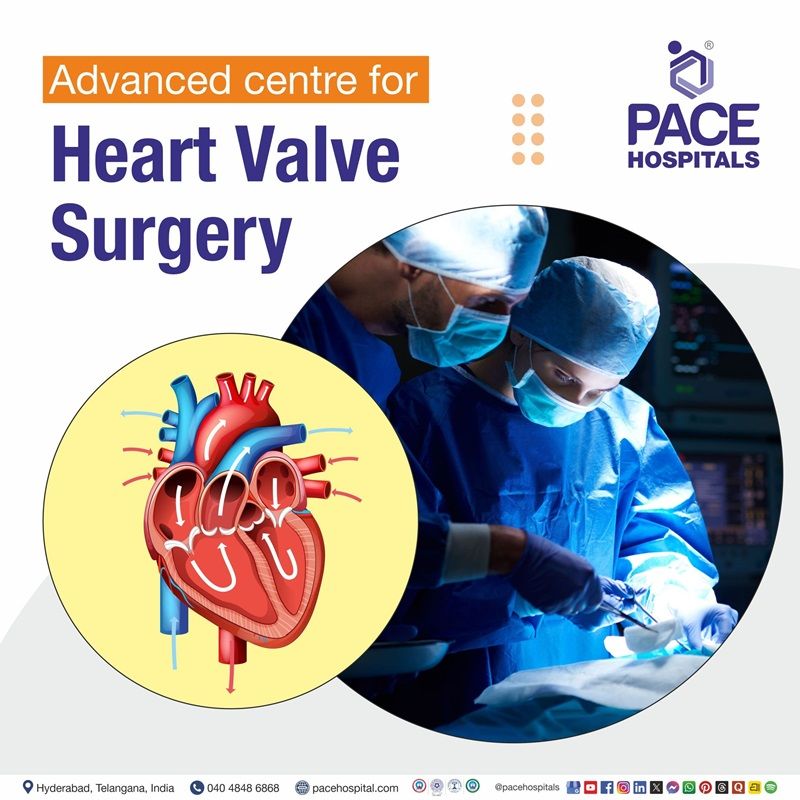
Expert Cardiac Surgeons expertise in Mitral, Aortic & Tricuspid Valve Surgeries
High-Success Heart Valve Surgery with Improved Heart Function & Better Quality of Life
Affordable & Transparent Heart Valve Surgery with Insurance & Cashless Options
Recognized for excellence in healthcare delivery with
NABH, NABL, NBE/DNB, NABH Nursing Excellence, and ISCCM accreditations.
Doctors for
Heart Valve Repair & Replacement Surgery

Dr. Seshi Vardhan Janjirala
Interventional Cardiologist, Specialist in Endovascular Procedures
14 years of expertise
Expertise
- Advanced echocardiography and cardiac imaging for valve disease assessment
- Transcatheter valve therapies including TAVR and catheter-based valve repair procedures
- Pre-procedural risk stratification and patient selection for surgical versus transcatheter valve intervention
- Post-valve intervention surveillance and catheter-based management of valve-related complications

Dr. Shriniwas Rajamouli Dussa
Cardiothoracic & Vascular Surgeon
24 years of expertise
Expertise
- Surgical repair and replacement of aortic, mitral, tricuspid, and pulmonary valves
- Minimally invasive and conventional valve surgery techniques
- Management of complex and redo valve surgeries
- Comprehensive perioperative care and long-term valve function follow-up
What is Heart Valve Surgery?
Heart valve surgery is a heart procedure performed to repair or replace a damaged heart valve that cannot open or close properly, leading to disrupted blood flow within the heart. When a valve narrows (stenosis) or leaks (regurgitation), the heart works harder to pump blood, causing symptoms like shortness of breath, fatigue, chest pain, or heart failure. Heart valve surgery aims to restore normal blood flow, improve heart function, and prevent long-term complications.
This surgery is generally suggested when medical therapy is no longer effective or when structural valve damage is severe enough to impact heart function or overall health. Treatment aims to repair the affected valve whenever possible or replace it with a biological or mechanical prosthetic valve.
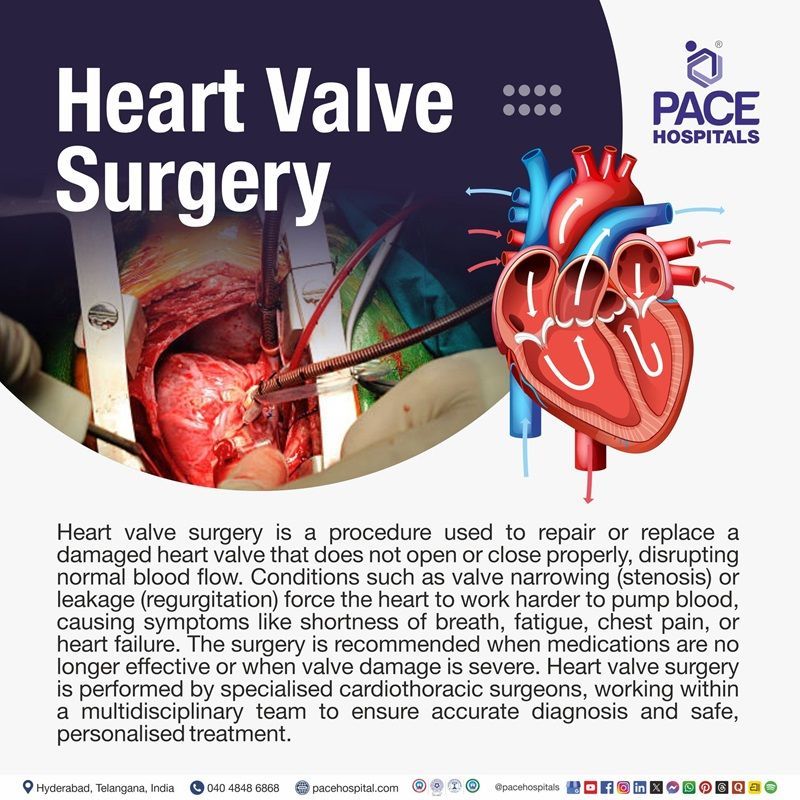
Heart valve surgery is performed by cardiothoracic surgeons who specialise in both open-heart and minimally invasive techniques. They work with a multidisciplinary team that includes cardiologists, cardiac anesthesiologists, imaging specialists, and intensive care teams to accurately identify the cause of valve dysfunction and provide personalised, safe, and effective treatment.
Types of Heart Valve Surgery
Heart valve surgery is done to fix or replace a heart valve that isn't working properly. When a valve is too narrow or leaks, it can affect how blood flows through the heart. To help the heart work normally again, doctors may use various surgical procedures. The main heart valve surgery types include:
Types of heart valve repair surgery procedures
Surgeons often prefer valve repair when possible, as it preserves the patient's native valve tissue and may reduce the need for long-term blood-thinning medication. Heart valve surgical repair includes:
- Annuloplasty: This technique reinforces the valve annulus (a fibrous ring that anchors the valve leaflets) with a prosthetic ring to reduce dilation and improve leaflet closure. This technique is commonly used in mitral and tricuspid regurgitation.
- Valvuloplasty (balloon valvotomy): Balloon heart valve surgery is a minimally invasive, catheter-based procedure that uses a balloon to widen a narrowed valve opening. It is effective for mitral or pulmonary stenosis in noncalcified cases.
- Leaflet repair: It is a surgical or transcatheter procedure used to fix the leaflets (flaps) of a heart valve, most commonly the mitral valve, when they are damaged and not closing properly, which leads to regurgitation.
- Commissurotomy: It is a surgical repair of a heart valve that cuts or separates commissures (fused points) of a heart valve, most often the mitral valve, to relieve stenosis and improve blood flow.
- Transcatheter mitral valve repair: This is a catheter-based technique that clips together parts of the mitral valve to reduce leakage. It is recommended for patients with severe mitral regurgitation who are not suitable candidates for open-heart surgery.
Types of Heart Valve Replacement Surgery
The surgeon performs heart valve replacement surgery when the valve is too damaged to repair. The heart valve replacement types are:
- Mechanical valves: Mechanical heart valve replacement is the procedure that replaces the diseased valves with mechanical valves that are made of durable materials such as carbon and titanium. But mechanical valve surgery of the heart requires lifelong anticoagulation to prevent blood clots, which increases bleeding risk. They are recommended for younger patients or those already on long-term anticoagulation.
- Biological valves (tissue heart valve replacement): Biological heart valve replacement is the procedure in which the diseased heart valves are replaced with implants made from animal tissue or human tissue. They function more naturally and usually do not require long-term anticoagulation. These valves are suitable for older adults or those unable to take blood thinners, though they may wear out over time and require future replacement.
- Autografts (Ross procedure): In this, the diseased aortic valve is replaced with the patient’s own pulmonary valve and roots. The removed pulmonary valve is then replaced with a donor human valve (a homograft or allograft)
- Transcatheter aortic valve replacement (TAVR): A less invasive procedure used mainly for severe aortic stenosis. A new valve is placed through a catheter inserted via the groin or chest, avoiding open-heart surgery.
Heart Valve Surgery Indications
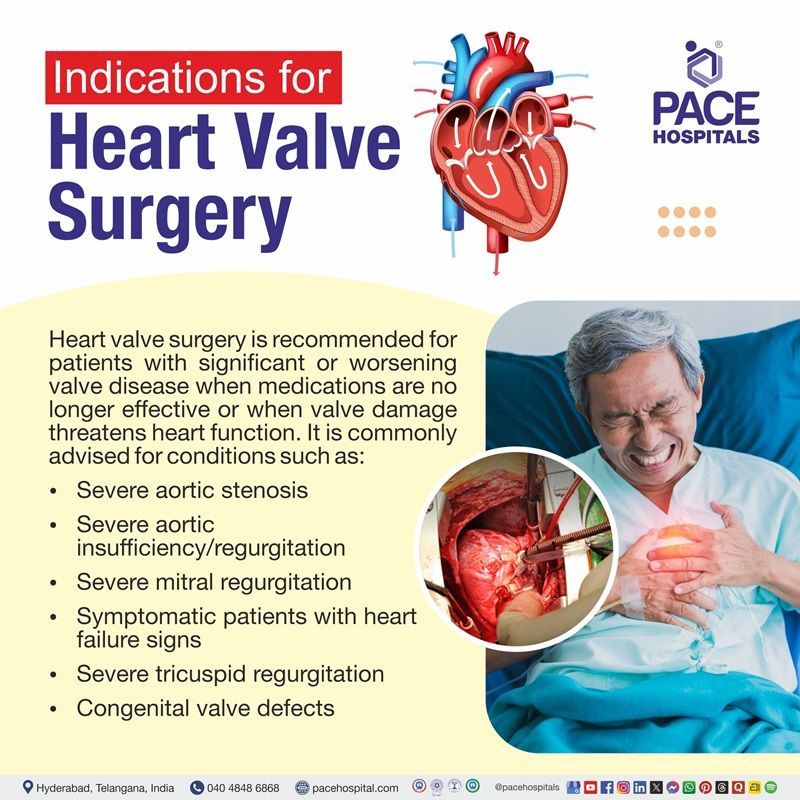
This surgery is considered for patients with significant or progressive valvular heart disease that affects normal cardiac function. These interventions are suggested when medical therapy is unable to control symptoms or when structural valve abnormalities pose a risk of heart failure, arrhythmias, or other complications. Below are some of the conditions where heart valve surgery is recommended:
- Severe aortic stenosis
- Severe aortic insufficiency/regurgitation
- Severe mitral regurgitation
- Symptomatic patients with heart failure signs
- Severe tricuspid regurgitation
- Congenital valve defects
Severe aortic stenosis: This occurs when the aortic valve becomes extremely narrow, restricting blood flow from the heart to the rest of the body. This forces the heart to pump harder, eventually weakening the heart muscle. When symptoms such as chest pain, breathlessness, fainting, or reduced exercise capacity appear, surgery becomes necessary. Valve repair or replacement restores normal blood flow and prevents heart failure from getting worse.
Severe aortic insufficiency/regurgitation:
In severe aortic insufficiency, the aortic valve cannot close completely, allowing blood to leak back into the left ventricle. This backward flow increases the workload on the heart, leading to left ventricular enlargement and reduced pumping strength.
Severe mitral regurgitation: Severe mitral regurgitation occurs when the mitral valve fails to close properly, which allows blood to flow backwards into the left atrium. This increases pressure in the lungs and causes symptoms such as fatigue, shortness of breath, and irregular heartbeat. If untreated, it can lead to heart enlargement and heart failure. Surgical repair or replacement is recommended to prevent long-term complications and improve heart function.
Symptomatic patients with heart failure signs: Patients who experience heart failure symptoms—such as shortness of breath, swelling of the legs, fatigue, or reduced activity tolerance—may need valve repair or replacement if the underlying cause is a diseased valve. When valve dysfunction leads to poor blood flow and increased pressure in the heart, correcting the valve problem becomes essential.
Severe tricuspid regurgitation: Leg swelling, ascites, fatigue, and right heart failure result from severe tricuspid regurgitation, which causes blood to backflow from the right ventricle to the atrium. Surgery (annuloplasty repair) is recommended for severe symptomatic TR or left-sided valve disease.
Congenital valve defects: Congenital valve defects are structural abnormalities present from birth that can interfere with normal blood flow. These defects may cause narrowing, leakage, or abnormal valve movement as the child grows or as an adult ages. When these abnormalities lead to symptoms or risk of complications, valve repair or replacement becomes necessary to ensure proper blood circulation and protect long-term heart health.
Heart Valve Surgery Contraindications
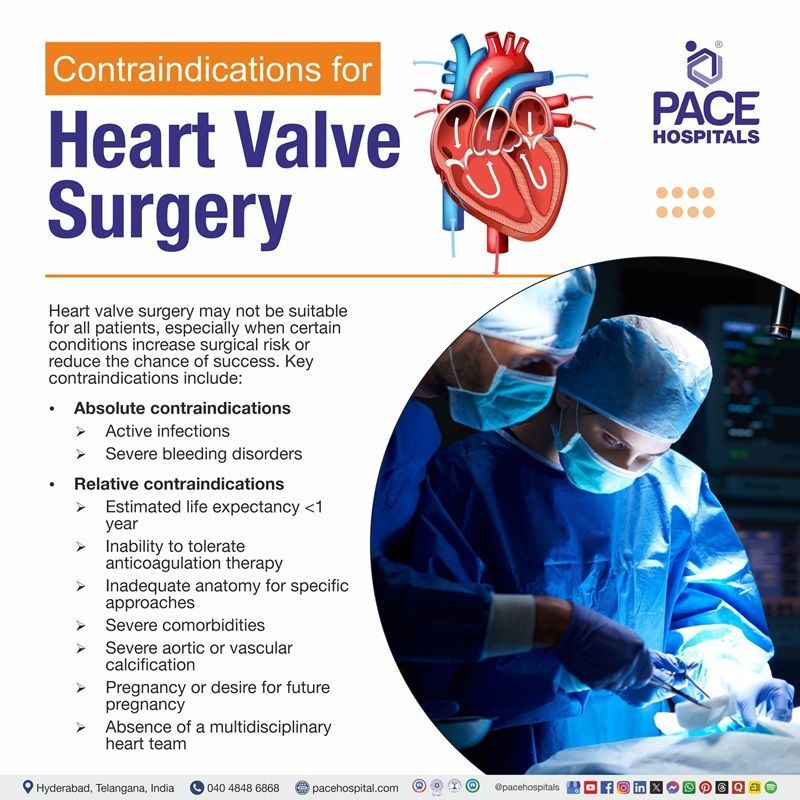
This surgery is effective for managing significant valvular disease, but it may not be appropriate for every patient. Certain medical, anatomical, or systemic conditions can increase surgical risk or limit the likelihood of a successful outcome. The key contraindications for heart valve surgery are:
Absolute contraindications
- Active infections
- Severe bleeding disorders
Relative contraindications
- Estimated life expectancy <1 year
- Inability to tolerate anticoagulation therapy
- Inadequate anatomy for specific approaches
- Severe comorbidities
- Severe aortic or vascular calcification
- Pregnancy or desire for future pregnancy
- Absence of a multidisciplinary heart team
Absolute Contraindications
These are conditions where the surgery should not be performed because the risks are too high or the outcome is unlikely to improve. These conditions are:
- Active infections: Active endocarditis (heart valve infection) makes surgery very risky because bacteria can spread during the procedure or infect the new valve. Surgery is usually postponed until the infection is brought under control by using antibiotics.
- Severe bleeding disorders: Patients with uncontrolled coagulopathy or severe bleeding disorders are at an extremely high risk of intraoperative and postoperative haemorrhage. Therefore, performing surgery on these patients can be life-threatening due to bleeding complications.
Relative Contraindications
These elevate risks but may allow surgery after risk-benefit assessment:
The estimated life expectancy is less than 1 year: If a patient has another serious medical condition that limits life expectancy to less than a year, the benefits of valve surgery may not outweigh the risks. In such cases, treatment usually focuses on symptom control and improving comfort.
Inability to tolerate anticoagulation therapy: A patient who undergoes heart valve replacement mechanically may require lifelong anticoagulation. Patients unable to tolerate anticoagulation due to bleeding risks, compliance issues, or contraindications cannot safely receive mechanical valve replacement. Even for biological valves, short-term anticoagulation is often needed. Without anticoagulation, the risk of valve thrombosis and stroke is very high.
Inadequate anatomy for specific approaches: Some patients have structural limitations (such as small valves, distorted valve structures, or damaged surrounding tissues) that make repair or replacement technically impossible. In such cases, the surgeon may consider alternative procedures or medical management.
Severe comorbidities: Conditions such as advanced lung disease, severe liver failure, renal failure, or uncontrolled cancers can make major heart surgery extremely risky. In these situations, surgery is avoided.
Severe aortic or vascular calcification: Extensive calcium deposits in the aorta or major blood vessels make surgical access difficult and increase the risk of complications. These patients may require alternative approaches such as TAVR instead of open surgery.
Pregnancy or desire for future pregnancy: Mechanical valve replacements usually require lifelong anticoagulants, which are unsafe in pregnancy. Even biological valves carry higher risks due to the stress pregnancy places on the heart. Women who are pregnant or planning pregnancy must be evaluated carefully to avoid harm to both mother and baby.
Absence of a multidisciplinary heart team: Coordinated care from cardiologists, cardiac surgeons, cardiac anesthesiologists, and imaging specialists is necessary for heart valve replacement and repair surgeries. If such a team is not present, the risk of complications increases significantly, making the procedure unsafe.
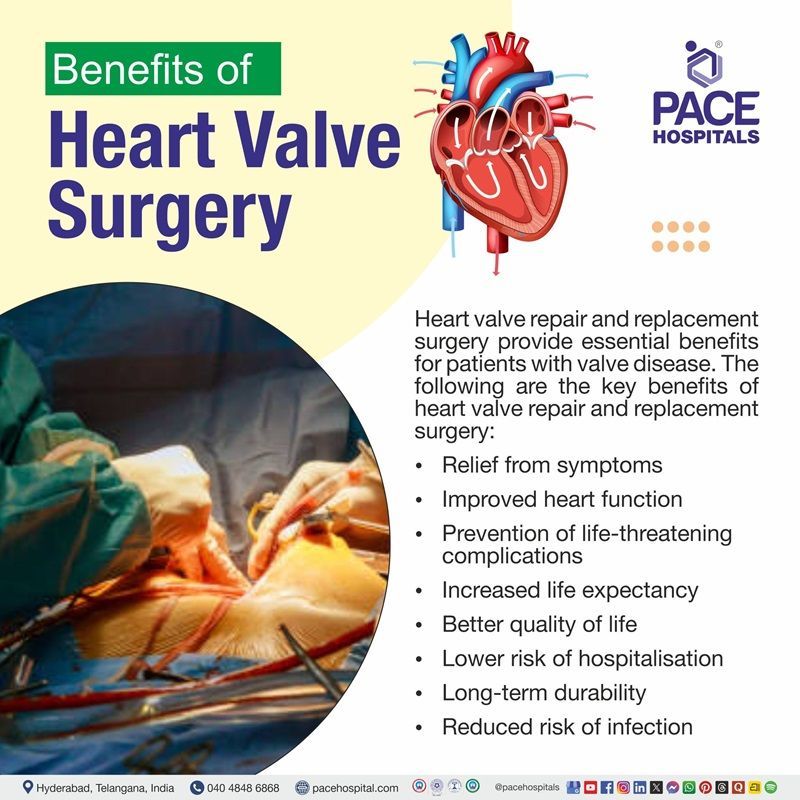
Benefits of Heart Valve Surgery
These procedures have become important interventions in modern cardiovascular care, offering life-saving benefits for individuals with damaged or dysfunctional heart valves. The following are the key benefits of heart valve repair and replacement:
- Relief from symptoms
- Improved heart function
- Prevention of life-threatening complications
- Increased life expectancy
- Better quality of life
- Lower risk of hospitalisation
- Long-term durability
- Reduced risk of infection
Relief from symptoms: Diseased heart valves cause symptoms like breathlessness, chest discomfort, tiredness, swelling in the legs, and fainting spells. Repairing or replacing the valve improves blood flow, which quickly reduces these symptoms.
Improved heart function: These procedures restore normal valve movement and reduce the stress on the heart. This helps the heart pump more efficiently and prevents long-term weakening of the heart muscle.
Prevention of life-threatening complications: Surgery prevents risks like sudden cardiac death, heart failure, pulmonary edema, and thromboembolism by correcting severe valve pathology before irreversible damage occurs.
Increased life expectancy: In conditions such as severe aortic stenosis or severe mitral regurgitation, the survival rates improve greatly with timely valve repair or replacement. Surgery can prevent worsening heart damage and help patients live longer and healthier.
Better quality of life: After surgery, patients can perform routine activities with more ease, have improved energy levels, and can exercise more comfortably. Many patients observed reduced fatigue, better sleep, and overall improvement in day-to-day well-being.
Lower risk of hospitalisation: Treating the valve condition minimises the number of hospital visits for heart failure, arrhythmias, or fluid buildup. Patients with enhanced cardiac function have fewer complications that require emergency care or hospitalisation.
Long-term durability: Heart valve repair procedure preserves the patient’s own valve, which can last for many years with excellent function. Modern replacement valves (both mechanical and biological) are built for long-term performance, providing lasting benefit and stable heart function.
Reduced risk of infection: Replacing or repairing these valves lowers infection risk by removing the diseased tissue and restoring the normal structure and function of the valve.
Get a Free Second Opinion for Heart Valve Surgery
At PACE Hospitals, we are committed to providing our patients with the best possible care, and that includes offering second medical opinions with super specialists for treatment or surgery. We recommend everyone to get an expert advance medical second opinion, before taking decision for your treatment or surgery.
Heart Valve Surgery Procedure Steps
Heart valve surgery steps include the following:
Before heart valve surgery
- Medical evaluation and preoperative tests: Before surgery, the doctor conducts a thorough medical assessment, including a detailed medical history and a full physical examination. Patients need to discuss with the doctor any history of bleeding disorders. Additional tests such as blood work, ECG, echocardiography, X-ray, CT scan, or cardiac catheterisation may be required to check heart function.
- Signing the consent form: Before surgery, the doctor needs to explain everything about the procedure, and after the explanation patient is asked to sign a consent form to authorise the surgical team to perform the procedure.
- Allergies or sensitivities: Patients need to inform the doctor if they are sensitive to or allergic to any medications, tape, latex, or anaesthetic agents (local and general).
- Medication history: Patients need to inform the doctor about every medication they take, including prescription medications, anticoagulants (blood-thinning medications), OTC drugs, vitamins, and herbal supplements. Use of blood-thinning medications may need to be stopped several days before the procedure to reduce bleeding risk.
- Informing about pregnancy: Female patients who are pregnant or suspect they might be pregnant need to tell the doctor.
- Fasting instructions: Patients are usually advised not to eat or drink anything for eight hours before the procedure.
- Lifestyle and pre-surgery preparation: Doctors may also advise patients to stop smoking, limit alcohol, follow a heart-healthy diet, and complete pre-operative dental checks.
During heart valve surgery
- Anaesthesia and monitoring: This procedure is done under general anaesthesia, as the patient must remain entirely unconscious and immobile. The anesthesiologist will continuously monitor heart rate, blood pressure, breathing, and blood oxygen levels all the time during surgery for patient stability. Once the patient is sedated completely, a breathing tube is inserted and connected to a mechanical ventilator during the procedure.
- Surgical access: Depending on the surgery being performed incision is made. For open heart surgery, the surgeon makes a midline incision extending from just below the Adam's apple to above the navel. And for minimally invasive procedures, smaller incisions are used.
- Valve assessment: Once the heart is accessed, the surgeon opens the affected chamber and examines the damaged valve. The anatomy is evaluated to decide whether repair or replacement will give the best long-term outcome.
- Surgical Technique: The surgical technique selected depends on the valve involved and the severity of the disease. Two major categories are:
- Heart valve repair procedure is performed based on the valve (mitral, aortic, or tricuspid). The surgical repair heart valve involves reshaping or reinforcing the valve leaflets, removing excess tissue that causes leakage, repairing or replacing torn valve cords, and tightening or supporting the valve ring with an annuloplasty ring. Repair helps keep the patient's natural valve structure and function.
- Heart valve replacement surgery procedure is performed if the valve is severely damaged; in this procedure, the valve is removed and replaced with either a mechanical or biological (tissue) valve. The new valve is securely stitched in place to ensure proper opening and closing with each heartbeat.
- Intraoperative care: Following surgery, the heart is slowly restarted, and the heart-lung machine's support is eventually withdrawn. The team closely examines heart rhythm, pumping function, and valve function. Surgeons monitor hemostasis and surrounding tissues such as the coronary arteries and conduction pathways to ensure their safety. They also make sure the valve is properly aligned and securely placed, using absorbable materials. The incisions are closed with sutures or staples.
After heart valve surgery
- Recovery room & ICU monitoring: After surgery, patients are taken to the intensive care unit (ICU) for close monitoring. Here, patients' vital signs, heart rhythm, breathing, blood pressure, and oxygen levels are continuously observed. Chest tubes, IV lines, and temporary pacing wires may be used depending on the procedure.
- Pain management: Pain is managed using IV or oral pain medicines. Discomfort usually decreases within a few days. Patients are encouraged to practice breathing exercises and use an incentive spirometer to reduce the risk of lung complications.
- Fluid and wound management: Chest drainage tubes are monitored and removed once drainage decreases. Incisions on the chest must be kept clean and dry.
- Activity restrictions: Patients are encouraged to walk early but must avoid lifting heavy objects, pushing or pulling objects and raising arms above shoulder level excessively.
- Hospital stay: Most patients stay in the hospital for 5 to 7 days, depending on their recovery and the type of surgery.
- Follow-up visits: Patients are advised to follow up within 1–2 weeks after discharge. These visits involve incision checks, adjusting medications, and conducting echocardiograms to evaluate valve function after the surgery.
Heart Valve Surgery Complications
Like any major surgical procedure, heart valve repair and replacement surgery also has a risk of complications that can impact long-term results as well as short-term recovery. The following are some of the heart valve surgery risks:
- Bleeding
- Infection at the incision site
- Blood clots and stroke
- Valve-related issues
- Arrhythmias
- Breathing problems
- Anaesthesia risks
Bleeding: It can occur during or after surgery because the heart and major blood vessels are involved. Patients who use blood thinners or have bleeding disorders may be at higher risk. Sometimes additional medicines or blood transfusions may be required to control the bleeding.
Infection at the incision site: The surgical wound on the chest may become infected, causing redness, warmth, pain, or discharge. In rare cases, the infection can spread deeper to the breastbone or even to the heart valve. Proper wound care and antibiotics help prevent and treat these infections.
Blood clots and stroke: Blood clots may form after valve surgery, especially in patients who receive a mechanical valve and need lifelong anticoagulation. If these clots travel to the brain, they may cause a stroke.
Valve-related issues: It may occur with the repaired valve or the new replacement valve may not function as expected. This may cause leakage, narrowing, or stiffness. Tissue valves may wear down, and mechanical valves may develop clot-related problems.
Arrhythmias (irregular heartbeats): Irregular heart rhythms, especially atrial fibrillation, are common after valve surgery. They may cause palpitations, dizziness, or tiredness.
Breathing problems: After surgery, some patients may experience shortness of breath, lung congestion, or pneumonia. This may occur due to anaesthesia, pain restricting deep breathing, or fluid buildup.
Anaesthesia risks: General anaesthesia can lead to temporary side effects like nausea, a sore throat, low blood pressure, or allergic reactions. Serious complications are uncommon. Anaesthesiologists keep a close watch on patients during the procedure to ensure their safety.
Heart Valve Surgery Recovery Time
- Heart valve repair surgery recovery time starts in the hospital, where patients are encouraged to start basic activities early. This may reduce complications and improve healing.
- After discharge, most recovery takes place at home about 4–8 weeks, although the timeline may vary depending on the type of surgery (such as open or minimally invasive) and overall health of the patient.
- During the recovery time, patients may feel tired and must pace themselves, while gradually increasing activity and avoiding lifting heavy objects or strenuous work.
- Regular follow-up, usually around 6 to 8 weeks after surgery, is essential to monitor heart function, adjust medications, and guide return to daily routine.
- The long-term recovery from surgery involves adopting heart-healthy habits, adherence to the medications as prescribed and following a recovery plan to regain strength and protect long-term heart health.
Questions that patients can ask about heart valve surgery to the health care team?
- Is valve repair possible, or do I need a valve replacement?
- Which type of replacement valve (mechanical or biological) is best for me and why?
- How long will the procedure take?
- What should I expect on the day of surgery?
- What are the possible risks and complications of this surgery?
- When can I return to work, exercise, or daily activities?
- Will I need to take lifelong medication, especially blood thinners?
- What lifestyle changes should I make after surgery?
- What is the expected success rate for this surgery?
Difference between heart valve repair and valve replacement
Heart valve repair vs Valve replacement
Heart valve disease can be surgically treated, with two main approaches: valve repair and valve replacement. Both approaches aim to enhance cardiac function and alleviate symptoms; they differ greatly in method, duration, recovery time, and long-term treatment. Below is a key comparison of differences between heart valve repair and valve replacement:
| Parameters | Heart valve repair | Heart valve replacement |
|---|---|---|
| Definition | A surgery that repairs the patient's damaged valve by reshaping, tightening, or supporting its structure to restore normal function. | A procedure that involves removing the damaged valve and replacing it with a new mechanical or biological (tissue) valve. |
| Purpose | To preserve the natural valve and improve its function without removing it. | To completely replace a valve that is too damaged or cannot be repaired. |
| Commonly used for | Mitral and tricuspid valve problems (especially regurgitation). | Severe valve stenosis or regurgitation, especially of the aortic valve. |
| Need for blood thinners. | Usually not required long-term. | Required lifelong for mechanical valves; short-term for biological valves. |
| Recovery | Recovery is faster with fewer complications. | Recovery depends on valve type and surgical method; it may be longer. |
Heart Valve Surgery Cost in Hyderabad, India
The cost of Heart Valve Surgery in Hyderabad generally ranges from ₹2,30,000 to ₹5,80,000 (approx. US $2,770 – US $6,990).
The exact cost of heart valve surgery varies depending on factors such as the type of valve involved (mitral, aortic, tricuspid, or pulmonary), whether valve repair or valve replacement is required, the type of valve used (mechanical or tissue/bioprosthetic), the surgical approach (open heart surgery or minimally invasive/thoracoscopic techniques), patient risk profile, surgeon expertise, ICU stay, and hospital facilities — including cashless treatment options, TPA corporate tie-ups, and assistance with medical insurance wherever applicable.
Cost Breakdown According to Type of Heart Valve Surgery
- Mitral Valve Repair Surgery – ₹2,30,000 – ₹4,20,000 (US $2,770 – US $5,060)
- Mitral Valve Replacement – ₹2,80,000 – ₹5,20,000 (US $3,375 – US $6,265)
- Aortic Valve Replacement (AVR) – ₹3,00,000 – ₹5,80,000 (US $3,615 – US $6,990)
- Mechanical Valve Replacement – ₹2,70,000 – ₹4,80,000 (US $3,255 – US $5,780)
- Tissue / Bioprosthetic Valve Replacement – ₹3,20,000 – ₹5,80,000 (US $3,855 – US $6,990)
- Minimally Invasive / Thoracoscopic Valve Surgery – ₹3,00,000 – ₹5,50,000 (US $3,615 – US $6,630)
- Redo / Revision Heart Valve Surgery –
₹3,80,000 – ₹5,80,000 (US $4,580 – US $6,990)
Frequently Asked Questions (FAQs) on Heart Valve Replacement and Repairt Surgery
Can a heart valve be replaced without open-heart surgery?
Yes, many people can receive a new heart valve without open-heart surgery through a procedure called transcatheter valve replacement (such as TAVR for the aortic valve). Instead of opening the chest, doctors put a small tube through a blood vessel in the leg or the chest and place the new valve inside the old one. TAVR is a safe and effective procedure, especially for older adults or those at higher surgical risk.
Which Is the best hospital for Heart Valve Surgery in Hyderabad, India?
PACE Hospitals, Hyderabad, is a trusted centre for advanced heart valve repair and replacement surgeries, offering comprehensive cardiac care for patients with valve stenosis, regurgitation, rheumatic heart disease, degenerative valve disorders, and congenital valve defects.
We have highly experienced cardiac surgeons, cardiologists, anesthesiologists, and cardiac ICU teams perform valve surgeries using evidence-based protocols, precision surgical techniques, and internationally approved valves to ensure long-term durability, improved heart function, and better quality of life.
We provide top-notch services equipped with state-of-the-art cardiac operation theatres, advanced imaging guidance, modern heart-lung machines, round-the-clock cardiac ICUs, in-house diagnostics, and structured cardiac rehabilitation programs, PACE Hospitals ensures safe, effective, and patient-focused valve surgeries — supported by cashless insurance facilities, TPA corporate tie-ups, and seamless documentation assistance.
What is the average age for heart valve replacement?
The average age for heart valve replacement is usually in older adults, around 70 years or older. Valve disease often develops or gets worse with age. However, the specific age when someone has valve replacement depends on their health, the severity of the valve disease, and factors like heart function and surgical risk.
How much does heart valve replacement surgery cost in Hyderabad, India?
The heart valve replacement cost in Hyderabad generally ranges from ₹2,70,000 to ₹5,40,000 (approximately US $3,255 – US $6,510), depending on the type of valve involved and the surgical approach used. The overall cost may vary based on whether a mechanical or tissue valve is selected, the complexity of the procedure, and the patient’s overall health condition. At PACE Hospitals, heart valve replacement surgeries are performed by experienced cardiac surgeons using internationally approved valves and advanced surgical techniques, while offering transparent pricing and support for cashless insurance and TPA approvals wherever applicable.
What is the success rate of heart valve replacement surgery?
The success rate of heart valve surgery is generally high, with a five-year survival rate reported at around 90%. Factors that affect the success rate include the patient's age, underlying health conditions, heart function, and the presence of other medical conditions. Both open surgery and transcatheter methods have favourable outcomes, but less invasive approaches are more beneficial for certain high-risk or older patients.
What Is the cost of Heart Valve Surgery at PACE Hospitals, Hyderabad?
At PACE Hospitals, Hyderabad, the cost of heart valve surgery typically ranges from ₹2,20,000 to ₹5,40,000 and above (approx. US $2,650 – US $6,510), making it a cost-effective option for advanced cardiac surgical care compared to many premium hospitals in Hyderabad. However, the final cost depends on:
- Type of valve surgery (repair or replacement)
- Valve involved and number of valves treated
- Type of valve selected (mechanical or tissue)
- Surgical approach (open or minimally invasive/thoracoscopic)
- Patient’s overall health and associated conditions
- Surgeon expertise and technology used
- ICU stay and hospitalisation duration
- Anesthesia, perfusion, and monitoring requirements
- Diagnostic tests (echocardiography, CT scan, angiography)
- Medications, consumables, and rehabilitation support
For single-valve repair or replacement, costs remain toward the lower end of the range, while multi-valve, minimally invasive, or redo valve surgeries fall toward the higher side.
After a detailed cardiac evaluation, imaging review, and surgical planning, our specialists provide a personalised treatment plan and transparent cost estimate, tailored to your heart condition, recovery expectations, and financial planning needs.
Which is more serious: heart bypass or valve replacement?
Both surgeries are major, and they focus on different heart diseases. Bypass surgery aims to improve blood flow around blocked coronary arteries. On the other hand, valve replacement deals with damaged heart valves that affect blood flow regulation.
Can someone live a normal life after heart valve replacement?
Individuals can live a normal life after undergoing replacement surgery. Most return to daily activities, work, and exercise within months, enjoying a good quality of life. Limitations may include lifelong anticoagulation with mechanical valves or activity restrictions, but survival rates exceed 90% at 5 years.
What are the risks of heart valve surgery?
Heart valve surgery is safe, but it still has some risks, such as bleeding, wound infection, irregular heart rhythms, stroke, blood clots, kidney issues, and reactions to anaesthesia. Some patients might later experience valve leakage or narrowing. Overall risk varies based on age, health, type of surgery, and other medical conditions, though modern techniques have greatly reduced complications.
What is the recovery for heart valve replacement?
Many patients stay in the hospital for 5 to 7 days after open-heart valve replacement and for 2 to 3 days after TAVR. Full recovery usually takes 6 to 12 weeks. Patients gradually return to walking, breathing exercises, and their normal daily activities. Doctors often recommend cardiac rehabilitation to support recovery. Follow-up visits help ensure that the new valve is working properly.
What is tricuspid heart valve replacement surgery?
This is a surgical procedure that helps to replace a damaged tricuspid valve with a mechanical or tissue valve to restore normal blood flow between the right atrium and the right ventricle. This surgery improves cardiac function and alleviates symptoms caused by valve dysfunction.
What is heart valve replacement through the groin?
Heart valve replacement through the groin refers to a less invasive procedure called transcatheter valve replacement. In this procedure, a catheter is introduced into the femoral artery in the groin and guided to the damaged heart valve, where a new valve is placed without opening the chest.
How long does a heart valve replacement last?
A heart valve replacement lasts 10 to 20 years, depending on valve type and patient factors. Tissue valves from animals tend to last about 10 to 15 years, while mechanical valves generally last longer but require lifelong blood-thinning medication.
How many times can a heart valve be replaced?
Heart valves can be replaced multiple times as needed, though successive replacements increase complexity and risk. The number of times depends on the patient's health, the type of valve, the reason for replacement, and surgical risks. Repeat valve replacement, called reoperation, that is considered when valves become dysfunctional.
What is leaky heart valve repair?
Leaky heart valve surgery, also called valve regurgitation repair, is a procedure that fixes a valve that does not close tightly, allowing blood to flow backwards. Repair may involve tightening the valve ring, reshaping valve flaps, or adding a support band.
How is congenital heart valve repair performed?
Congenital heart valve repair is a surgical procedure to correct heart valve defects present from birth. This repair improves blood flow, preserves heart function, and is preferred in children to support natural growth and delay the need for valve replacement.
What is the prognosis of heart valve repair?
The prognosis for heart valve repair is generally excellent when performed before major cardiac damage occurs. Studies shows that, repaired valves often last longer and have fewer long-term issues than replacement valves. Patients usually experience major improvement in breathing, exercise capacity, and quality of life. Regular follow-up and heart-healthy lifestyle habits help maintain good outcomes.
How painful is heart valve surgery?
Heart valve surgery involves some pain and discomfort, especially in the first few days after the operation. Pain is commonly felt at the chest incision site and during movement or coughing. However, pain is well controlled using modern pain-relief methods, including medications and supportive care. Discomfort usually decreases steadily over weeks.
Can someone live a normal life after heart valve surgery?
Most people can return to a normal and active life after heart valve surgery. Symptoms such as shortness of breath and fatigue generally improve after recovery. Many people can resume regular activities, work, and exercise with medical guidance. Long-term success is dependent on regular check-ups, prescribed medications, and healthy lifestyle habits.
Why choose PACE Hospitals?
- A Multi-Super Speciality Hospital.
- NABH, NABL, NBE & NABH - Nursing Excellence accreditation.
- State-of-the-art Liver and Kidney transplant centre.
- Empanelled with all TPAs for smooth cashless benefits.
- Centralized HIMS (Hospital Information System).
- Computerized health records available via website.
- Minimum waiting time for Inpatient and Outpatient.
- Round-the-clock guidance from highly qualified super specialist doctors, surgeons and physicians.
- Standardization of ethical medical care.
- 24X7 Outpatient & Inpatient Pharmacy Services.
- State-of-the-art operation theaters.
- Intensive Care Units (Surgical and Medical) with ISO-9001 accreditation.


