
Scleroderma Diagnosis, Treatment and Cost
PACE Hospitals offers comprehensive scleroderma treatment in Hyderabad, India, providing personalized care for patients diagnosed with scleroderma disease, also known as systemic sclerosis. Our multidisciplinary team of expert Rheumatologists & scleroderma specialist ensures accurate diagnosis through advanced diagnostic tests to assess disease extent and guide the most effective treatment approach.
Book an Appointment for Scleroderma Treatment
Scleroderma Treatment Appointment
Why Choose PACE Hospitals for Scleroderma Treatment?
Advanced Diagnostic Facilities: Autoimmune Blood Tests, ANA Profile, Nailfold Capillaroscopy, PFT, HRCT Chest & Echocardiography
Expert Rheumatologists & scleroderma specialist for Comprehensive Scleroderma Treatment
24x7 ICU & Organ-Specific Support for Severe Scleroderma with Lung, Heart, Kidney or GI Involvement
Affordable Scleroderma Treatment with Insurance & Cashless Options
Recognized for excellence in healthcare delivery with
NABH, NABL, NBE/DNB, NABH Nursing Excellence, and ISCCM accreditations.
Scleroderma Diagnosis
Diagnosing scleroderma involves a comprehensive evaluation by a rheumatologist to confirm the presence of skin thickening, vascular changes, and possible involvement of internal organs. Because scleroderma symptoms can resemble other autoimmune or connective tissue diseases, a systematic approach is used to ensure accurate diagnosis.
The rheumatologist considers the following before selecting the appropriate tests to diagnose scleroderma:
- Medical history
- Physical examination
Medical history
A detailed medical history plays a vital role in diagnosing scleroderma.
- The rheumatologist begins by asking about the patient’s symptoms, such as skin tightening, joint stiffness, Raynaud’s phenomenon (fingers turn white or blue in response to cold), heartburn, or difficulty swallowing.
- They will also ask about the duration, severity, and progression of these symptoms, along with any family history of autoimmune diseases.
- A history of exposure to certain chemicals, medications, or occupational hazards may also provide diagnostic clues.
- As the disease advances, patients may report difficulty swallowing, acid reflux, or heartburn, indicating gastrointestinal involvement. Other systemic symptoms may include shortness of breath (due to lung involvement), fatigue, muscle weakness, joint pain, and signs of kidney or cardiac dysfunction.
- By recognising the pattern of symptoms and potential triggers, the rheumatologist can determine if the condition matches localized or systemic scleroderma. This also helps to rule out other diseases that cause similar symptoms.
Physical examination
A thorough physical examination helps confirm the presence and extent of scleroderma.
- The doctor inspects and palpates the skin to detect thickening, hardening, or shiny patches — hallmark features of the disease.
- They may check for digital ulcers, telangiectasia (small dilated blood vessels on the skin), or calcinosis (calcium deposits under the skin).
- The evaluation also includes an assessment of joint mobility, muscular strength, and facial appearance, as scleroderma can induce facial skin tightness and restricted mouth opening.
- The doctor evaluates blood flow to the fingers and toes for signs of Raynaud’s phenomenon and may listen to the heart and lungs for evidence of internal organ involvement. Physical findings, combined with the patient’s medical history, provide strong evidence toward diagnosing scleroderma and determining its severity.
✅Scleroderma Diagnostic Tests
Based on the clinical evaluation and presenting symptoms, a rheumatologist may recommend specific tests to confirm the diagnosis of scleroderma, determine the disease subtype, and assess the extent of internal organ involvement. Early identification is essential to guide treatment and prevent serious complications.
The following diagnostic tests may be suggested for the diagnosis of scleroderma:
- Laboratory evaluation
- Complete blood count
- Kidney function test
- 24-hour urine protein or urine protein creatinine ratio
- Inflammatory markers (ESR and CRP)
- Muscle enzymes
- Autoantibody tests
- Antinuclear antibody (ANA)
- Scleroderma-specific antibody testing
- Ancillary & radiographic evaluation
- X-ray
- Musculoskeletal ultrasound
- Electromyography (EMG)/nerve conduction studies
- Muscle biopsy
- High-resolution computed tomography (HRCT)
- Pulmonary function tests (PFTs)
- Right heart catheterisation
- Electrocardiography (ECG) and Holter monitoring
- Nail-fold capillary microscopy
- Cardiac magnetic resonance imaging (MRI)
- Transthoracic echocardiography
- Gastrointestinal studies
- Upper endoscopy
- Esophageal manometry
- 24-hour pH monitoring
- Computed tomography (CT) scan
Laboratory Evaluation
Laboratory testing is important in identifying scleroderma and determining the level of organ involvement. While no single test can confirm the condition, a combination of laboratory data helps in diagnosis and monitoring disease activity and complications.
Complete blood count (CBC): A CBC helps identify abnormalities that may be associated with scleroderma or its complications.
- Some patients may show mild anemia due to chronic inflammation, gastrointestinal blood loss from telangiectasia, or malabsorption.
- Low white blood cell (WBC) count may suggest bone marrow suppression from medications, while elevated white cell counts can indicate infection or inflammation.
- Platelet abnormalities can also occur in cases of renal crisis or systemic inflammation.
Kidney function test: Scleroderma can cause kidney involvement, most notably scleroderma renal crisis. Kidney function tests measure serum creatinine and blood urea nitrogen (BUN) levels, which help detect early kidney impairment. Monitoring these parameters allows early detection of renal complications and prompt treatment to prevent irreversible kidney damage.
24-hour urine protein or urine protein-creatinine ratio: These tests evaluate protein levels in the urine, which indicate how well the kidneys are functioning. Proteinuria (excess protein in urine) may signal early renal involvement in scleroderma. Tracking protein excretion over time helps detect worsening kidney disease and guide treatment decisions.
Inflammatory markers (ESR and CRP): Inflammatory markers such as erythrocyte sedimentation rate (ESR) and C-reactive protein (CRP) measure systemic inflammation. Elevated levels suggest active disease or overlap with other autoimmune conditions.
Muscle enzymes: Muscle enzymes such as creatine kinase (CK) and aldolase are measured when muscle weakness or pain is present. Elevated levels indicate myositis (inflammation of the muscles), which can occur as part of an overlap syndrome in systemic sclerosis. Detecting muscle involvement early helps in tailoring immunosuppressive therapy to prevent further muscle damage.
Autoantibody tests
Autoantibody testing is essential in identifying scleroderma since it confirms the autoimmune origin of the disease and distinguishes it from other connective tissue disorders. These tests include:
Antinuclear antibody (ANA): The ANA test is usually the first screening test done when scleroderma is suspected. It helps to detect antibodies directed against components of the cell nucleus. A positive ANA is seen in over 90–95% of people with systemic scleroderma, making it a useful screening test. Patterns like speckled or nucleolar may suggest scleroderma. However, ANA is nonspecific and must be considered alongside symptoms and other specific antibody tests to confirm the diagnosis.
Scleroderma-specific antibody testing: Autoantibody tests help confirm the diagnosis of scleroderma, define its subtype, and predict organ involvement.
- Anti-centromere antibodies (ACA): Commonly seen in limited cutaneous disease and CREST syndrome (calcinosis, Raynaud’s phenomenon, esophageal dysmotility, sclerodactyly, and telangiectasia); linked to slower progression but higher risk of pulmonary hypertension.
- Anti-topoisomerase I (Scl-70): Associated with diffuse cutaneous scleroderma and lung fibrosis.
- Anti-RNA polymerase III: Indicates rapidly progressing skin involvement and increased risk of renal crisis.
- Other antibodies (e.g., anti-U3 RNP, anti-PM/Scl, anti-Th/To) may help identify overlap syndromes.
Ancillary & radiographic evaluation
Ancillary and radiographic tests are essential in diagnosing scleroderma and assessing the extent of internal organ involvement. These include:
X-ray: X-rays help find out changes in bones and soft tissues linked to scleroderma. Common findings include acro-osteolysis (resorption of the fingertips), calcinosis ( calcium deposits in soft tissues), and joint contractures caused by skin tightening. Chest X-rays may indicate interstitial lung disease or pulmonary fibrosis in advanced cases.
Musculoskeletal ultrasound: It is an imaging tool that evaluates joint, tendon, and muscle involvement. Ultrasound can detect joint effusions, tenosynovitis, and calcinosis that are not evident on physical examination. It also helps distinguish between inflammatory arthritis and non-inflammatory stiffness caused by skin fibrosis in scleroderma.
Electromyography (EMG) / nerve conduction studies: These tests evaluate muscle and nerve function when patients experience weakness, numbness, or pain. EMG and nerve conduction studies help identify neuropathies or myopathies associated with scleroderma or overlapping autoimmune diseases like polymyositis.
Muscle biopsy: A muscle biopsy may be performed if inflammatory myopathy is suspected. It involves removing a small muscle tissue for microscopic examination. The biopsy reveals fibrosis, inflammation, or damage to muscle fibres, and diagnoses scleroderma-associated myositis or distinguishes it from other muscle disorders.
High-resolution computed tomography (HRCT): HRCT is the most sensitive imaging test for detecting lung involvement in scleroderma. It identifies interstitial lung disease , pulmonary fibrosis, and ground-glass opacities even in the initial stages when X-rays appear normal.
Pulmonary function tests (PFTs): PFTs measure lung volumes and gas exchange capacity. A decreased forced vital capacity (FVC) or diffusing capacity for carbon monoxide (DLCO) suggests pulmonary hypertension or restrictive lung disease.
Right heart catheterisation: This invasive test is the gold standard for diagnosing pulmonary arterial hypertension (PAH), a severe complication of scleroderma. It measures pulmonary artery pressure and right heart function, confirming the diagnosis of PAH and guiding correct medical therapy.
Electrocardiography (ECG) and Holter monitoring: An electrocardiograph monitors the electrical activity of the heart to detect arrhythmias, conduction abnormalities, or signs of right heart strain. Holter monitoring offers continuous ECG recording for 24 to 48 hours. It captures intermittent rhythm problems that may happen in scleroderma because of fibrosis or myocardial ischemia.
Nail-fold capillary microscopy: This non-invasive test examines the small blood vessels (capillaries) at the base of the fingernails using a microscope. In scleroderma, capillary loops show characteristic abnormalities such as dilatation, dropouts, and haemorrhages.
Cardiac magnetic resonance imaging (MRI): Cardiac MRI provides a detailed visualisation of the heart's structure and function. It reveals myocardial fibrosis, inflammation, and decreased ventricular function that are not visible on echocardiography.
Transthoracic echocardiography: This noninvasive ultrasound examination assesses heart structure and pumping efficiency. It can detect pericardial effusion, pulmonary hypertension, and right ventricular failure, which are all possible cardiac manifestations of systemic sclerosis.
Gastrointestinal studies
Gastrointestinal (GI) evaluation is an important part of diagnosing scleroderma because the disease frequently affects the digestive tract, especially the esophagus, stomach, and intestines. These tests are:
Upper endoscopy (EGD): In scleroderma, this examination may suggest esophagitis (acid reflux-related inflammation), erosions, ulcers, or strictures caused by chronic GERD. It also detects gastric antral vascular ectasia (GAVE), commonly known as "watermelon stomach," a characteristic vascular lesion seen in case of systemic sclerosis. Biopsies may be taken during the procedure to rule out infection or malignancy.
Esophageal manometry: It measures the strength and coordination of muscle contractions in the esophagus and the function of the lower esophageal sphincter (LES). Patients with scleroderma generally show absent or weak peristalsis in the lower esophagus and a hypotensive LES, which causes acid reflux and swallowing difficulties.
24-hour pH monitoring: This test measures acid levels in the esophagus over 24 hours. In patients with scleroderma, this study often shows prolonged acid reflux due to LES weakness and poor esophageal clearance.
Computed tomography (CT) scan: A CT scan of the chest and abdomen helps detect GI and lung complications in scleroderma. It may show esophageal dilation, bowel wall thickening, pseudo-obstruction, or aspiration-related lung changes.
✅Stages of Scleroderma
Scleroderma has a particular development pattern that includes changes to both the skin and internal organs. Clinically, the disease can be understood through two key stages: a three-phase pattern of skin involvement and a five-phase systemic process. Understanding these phases helps in early recognition, monitoring progression, and guiding treatment.
Skin stages include:
Edematous phase: The early stages of scleroderma are distinguished by swelling and puffiness of the skin, particularly on the fingers and face. Fluid collection and inflammation cause the skin to seem shiny, smooth, and sensitive.
Sclerotic/indurative phase: In this stage, swelling subsides, and the skin becomes hard, thick, and tight due to excessive collagen buildup. This causes stiffness, shiny skin, and limited joint move ment. When it affects the fingers, it is called sclerodactyly.
Atrophic phase: The late stage, where the skin becomes thin and tightly bound to the underlying tissues. Veins may become visible, fingers may appear claw-like, and ulcers may form because of poor blood supply. This phase indicates irreversible tissue damage.
Systemic disease phases include:
- Stage 1: Immune system malfunction: Scleroderma develops when environmental factors cause the immune system to accidentally target the body's own tissues. This inappropriate immune response leads to inflammation and tissue damage.
- Stage 2: Circulating pathogenic factors: The immune system creates autoantibodies that attack connective tissue and blood vessels, resulting in inflammation and damage. Common autoantibodies in scleroderma include ANA, anti-centromere , and anti-Scl-70.
- Stage 3: Microvascular endothelial damage: Autoantibodies and inflammation damage small blood vessels, causing them to narrow and leak. Reduced blood flow leads to symptoms such as Raynaud's phenomenon and marks the onset of vascular disease in scleroderma.
- Stage 4: Fibrosis (thickening/scarring): Ongoing vessel damage activates fibroblasts to overproduce collagen, causing fibrosis. This causes skin hardening and thickening, as well as reduced organ elasticity.
- Stage 5: Organ damage: Fibrosis disrupts the normal function of the skin, lungs, heart, kidneys, and GI tract, leading to complications such as lung fibrosis, pulmonary hypertension, and renal crisis. Damage is often permanent, so treatment aims to manage symptoms and slow progression.
✅Scleroderma Differential Diagnosis
The differential diagnosis for scleroderma involves distinguishing it from other conditions with similar clinical features. Careful evaluation is essential to rule out diseases such as:
- Nephrogenic systemic fibrosis: It is a fibrosing disorder usually triggered by exposure to gadolinium in patients with kidney failure. It lacks Raynaud’s phenomenon and antinuclear antibodies (ANA), which are common in scleroderma.
- Eosinophilic fasciitis: This presents with thickening and induration of the fascia of the limbs but spares the hands and feet. Unlike scleroderma, it typically has normal nailfold capillaries, no Raynaud’s phenomenon, and negative ANA.
- Eosinophilia-myalgia syndrome: This involves muscle pain and eosinophilia with skin changes but lacks the vascular features, such as Raynaud’s phenomenon and capillaroscopy changes, seen in scleroderma.
- Scleromyxedema: This rare disorder involves deposition of mucin and fibroblast proliferation in the skin, leading to waxy, thickened skin that can resemble scleroderma.
- Scleredema: It presents with non-pitting skin thickening, usually on the neck, shoulders, and upper back, often following infections or in diabetic patients. Unlike scleroderma, it spares the hands and fingers and does not involve autoimmunity or internal organ fibrosis.
- Systemic lupus erythematosus (SLE): It may exhibit skin and systemic involvement similar to scleroderma but usually manifests with photosensitive rashes, oral ulcers, and different autoantibody profiles. Raynaud’s can occur, but sclerodactyly and skin thickening are less common.
- Dermatomyositis: This autoimmune muscle disease causes skin rashes and muscle weakness that may resemble early scleroderma.
✅Consideration of a Rheumatologist for Treating Scleroderma
A rheumatologist considers the following factors before planning treatment for scleroderma:
- Type and extent of scleroderma (limited or diffuse form)
- Organs involved (skin, lungs, heart, kidneys, gastrointestinal tract, etc.)
- Severity and progression of symptoms
- Presence of inflammation or active disease
- Patient’s age and overall health condition
- Response to any previous treatments/ management
- Presence of complications such as pulmonary hypertension or scleroderma renal crisis
- Patient’s lifestyle, preferences, and treatment goals
✅Scleroderma Treatment Goals
The goals of scleroderma treatment are:
- To relieve symptoms: Treatment aims to relieve pain, stiffness, and discomfort caused by skin tightening, digestive issues, and Raynaud's phenomenon. This is done through medication, physiotherapy, and lifestyle changes to improve daily comfort.
- To prevent organ damage: Early and targeted therapy protects important organs like the heart, lungs, and kidneys from complications. Regular monitoring helps in detecting and managing organ involvement before it becomes severe.
- To maintain quality of life: Rehabilitation, nutrition, and emotional support helps patients staying active, manage stress, and maintain independence. The overall goal is to preserve physical function and promote well-being despite the chronic nature of the disease.
Scleroderma Treatment
A rheumatologist plans treatment for scleroderma based on the type of disease, the organs involved, the severity, and the progression of symptoms. Several options are available to manage scleroderma and its complications. The most common treatment modalities include:
- Non-pharmacological management
- Patient education
- Regular exercise
- Healthy diet and lifestyle
- Emotional support
- Routine monitoring of organ involvement
- Pharmacological management
- Immunosuppressive agents
- Corticosteroids
- Organ-specific medications
- Raynaud phenomenon: Calcium channel blockers, PDE-5 inhibitors, prostacyclin analogues, endothelin receptor antagonists
- Pulmonary involvement: Tyrosine kinase inhibitors, supplemental oxygen, diuretics, anticoagulants
- Gastrointestinal symptoms: PPIs, H2 blockers, prokinetic agents, antibiotics for SIBO
- Scleroderma renal crisis: ACE inhibitors
- Supportive medications
- Antihistamines and topical agents for pruritus
- Moisturisers for skin care
- Analgesics
- Surgical intervention
- Digital sympathectomy
- Debridement/ amputation
- Hand surgery
- Removal of calcinotic deposits
- Surgical fundoplication
- Laser ablation/excision
- Gastric antrectomy
Non-pharmacological management
Non-pharmacological management forms the foundation of care for patients with scleroderma (systemic sclerosis). Since this autoimmune connective-tissue disease affects multiple organs and currently has no definitive cure, lifestyle measures and supportive strategies play an essential role in slowing progression, preventing complications, and maintaining overall quality of life.
These approaches include:
- Patient education: Helps patients understand their condition, manage symptoms, recognise complications early, and follow treatments. Education also improves coping, awareness, and cooperation with the care team.
- Regular exercise
- Gentle stretching and range-of-motion exercises preserve joint flexibility and prevent stiffness or contractures caused by skin tightening and fibrosis. Physiotherapy and occupational therapy support hand movement and daily independence, especially for patients with limited mobility.
- Healthy diet and lifestyle: A healthy diet and lifestyle, including nutritious food intake, avoiding smoking, and protection from cold exposure, helps in reducing inflammation, improving vascular symptoms such as Raynaud’s phenomenon, and supporting overall organ health. Ensuring proper hydration and maintaining a healthy body mass index (BMI) helps prevent fatigue.
- Emotional support: Scleroderma is a rare condition that may result in physical changes, pain, and emotional distress. Psychological counselling, supporting groups, and stress-reduction techniques improve coping ability, reduce anxiety, and promote adherence to long-term therapy.
- Routine monitoring of organ involvement: Regular assessment of the lungs, kidneys, heart (echocardiogram), and gastrointestinal tract allows early detection of complications like interstitial lung disease (ILD), pulmonary hypertension, or renal crisis. Early intervention in these conditions can reduce morbidity and mortality.
Pharmacological management
Scleroderma is managed pharmacologically using a combination of medications that target the underlying autoimmune process, reduce inflammation, and treat specific organ complications.
Scleroderma medications include the following:
Immunosuppressive agents: Immunosuppressive agents inhibit the hyperactive immune system that lead to inflammation and tissue fibrosis in scleroderma. By minimising immune-mediated damage to the skin, lungs, and other organs, they help to slow the progression of diseases, reduce collagen formation, and preserve organ function.
Corticosteroids: Corticosteroids help reduce inflammation, joint pain, and muscle involvement in early or active stages of scleroderma. They regulate immune responses and enhance mobility, but must be used cautiously to prevent triggering kidney complications, such as scleroderma renal crisis.
Organ-specific medications
In Raynaud’s phenomenon, several medications are used to improve blood flow and reduce symptoms.
- Calcium channel blockers: Calcium channel blockers help to relax the blood vessel walls, increasing circulation and decreasing the frequency and severity of attacks.
- PDE-5 inhibitors: These enhance nitric oxide–mediated vasodilation, helping improve blood flow to the fingers and toes.
- Prostacyclin analogues: They act as strong vasodilators and platelet inhibitors, which help relieve digital ischemia and promote healing of ulcers.
- Endothelin receptor antagonists: These drugs block the effects of endothelin-1, a powerful vasoconstrictor, thereby preventing further vascular damage and reducing the development of new digital ulcers.
In pulmonary involvement of scleroderma, several treatments help manage lung complications.
- Tyrosine kinase inhibitors: These medications work by blocking fibroblast growth and reducing the buildup of scar tissue in the lungs, which slows the progression of pulmonary fibrosis. For patients with advanced lung disease or pulmonary hypertension,
- Supplemental oxygen: It improves oxygen levels in the blood.
- Diuretics: These are used to reduce fluid buildup and decrease strain on the right side of the heart, especially in cases of pulmonary hypertension or heart failure.
- Anticoagulants: These help prevent blood clots that can worsen pulmonary arterial hypertension or damage blood vessels.
In scleroderma, gastrointestinal symptoms are managed with several types of medications.
- Proton pump inhibitors (PPIs) and H₂ blockers: These reduce stomach acid, helping to relieve acid reflux and prevent damage to the esophagus.
- Prokinetic agents: These improve gut movement, which helps with delayed stomach emptying and poor intestinal motility. When bacterial overgrowth occurs due to slow movement in the intestines.
- Antibiotics for SIBO: Antibiotics are used to control the bacteria, reducing symptoms like bloating and improving nutrient absorption.
- In scleroderma renal crisis,
- ACE inhibitors: These medications help by relaxing the blood vessels in the kidneys, lowering blood pressure, and reversing the sudden vasospasm (narrowing of these vessels). Prompt treatment with ACE inhibitors is essential as they can preserve kidney function and are often life-saving when started immediately after diagnosis.
Supportive medications
Supportive medications play an important role in managing symptoms of scleroderma.
- Antihistamines and topical agents: These help relieve itching caused by skin dryness and fibrosis by blocking irritation from histamine.
- Moisturisers and emollients: This skin care keeps the thickened skin hydrated, improving its elasticity and reducing the risk of cracking or ulcers.
- Analgesics and NSAIDs: Analgesics are prescribed for pain and discomfort related to stiff muscles, joint inflammation, or digital ulcers, analgesics provide effective relief, helping improve daily comfort and function.
Surgical interventions
Surgical management in scleroderma is usually considered when severe or advanced complications do not respond to medical treatment. Scleroderma surgery includes:
- Digital sympathectomy: This procedure involves interrupting the nerves responsible for constricting blood vessels in the fingers or toes. By improving blood flow to these areas, it helps relieve severe Raynaud’s phenomenon, promotes healing of digital ulcers, and prevents gangrene or tissue loss in advanced vascular disease.
- Debridement/amputation: Debridement is the procedure that removes dead or infected tissue from ulcers or gangrenous areas, which helps prevent infection and allows for healing. In severe cases where the tissue cannot recover, amputation may be needed to remove the affected part, prevent widespread infection, and reduce pain.
- Hand surgery: Hand deformities in scleroderma can result from skin tightening, tendon friction, and joint contractures. Surgical correction helps improve mobility, function, and quality of life. It restores the ability to do daily tasks and reduces pain or stiffness caused by fibrosis.
- Removal of calcinotic deposits: Calcium deposits can build up beneath the skin, commonly near joints and fingertips, which can result in pain, infection, and limited movement. Surgical removal of these deposits alleviates discomfort, prevents recurrent infections, and restores mobility in the affected areas.
- Surgical fundoplication: In cases of severe gastroesophageal reflux disease (GERD) unresponsive to medication, this surgery strengthens the LES by wrapping part of the stomach around it. This prevents acid reflux, reduces heartburn, and protects the esophagus from ulceration or stricture formation caused by chronic acid exposure.
- Laser ablation/excision: Laser therapy or surgical excision is used to remove abnormal skin lesions such as telangiectasias (visible blood vessels) or calcinosis. It improves cosmetic appearance, reduces discomfort, and enhances self-esteem, which can be affected by visible skin changes in scleroderma.
- Gastric antrectomy: In severe cases of gastric antral vascular ectasia (GAVE), also known as “watermelon stomach”, which causes chronic bleeding and anemia, surgical removal of the lower part of the stomach (antrectomy) may be performed. This surgery helps control bleeding, improve haemoglobin levels, and prevent recurrent blood loss when other treatments fail.
Scleroderma Prognosis
- Scleroderma can be serious, with a higher risk of death compared to other similar diseases. In the past, kidney problems called scleroderma renal crisis were the main cause of death, but with the introduction and routine use of ACE inhibitors, outcomes have improved significantly. Today, lung complications are the most common cause of death.
- The survival rate has improved, with about 80% of patients living at least five years after diagnosis. However, those with severe lung high blood pressure (pulmonary arterial hypertension) have a poorer outlook.
- The prognosis of scleroderma depends on several factors, including the patient’s age, race, type of disease (limited or diffuse), extent of organ involvement, and specific autoantibodies present in the blood. Some antibodies are linked to milder disease, while others mean the disease may be more aggressive.
- Early diagnosis and treatment are important for improving survival and quality of life.
Differnece between Systemic sclerosis and Scleroderma
Systemic sclerosis vs Scleroderma
Systemic sclerosis and scleroderma are often confused because the terms are closely related and sometimes used interchangeably. Scleroderma is a broad term for conditions causing skin thickening, while systemic sclerosis is a specific autoimmune disease that also affects internal organs. Understanding this distinction helps ensure accurate diagnosis and appropriate long-term management. The table below shows the key differences between the two conditions:
| Parameters | Systemic sclerosis | Scleroderma |
|---|---|---|
| Definition | A specific autoimmune disease where skin thickening occurs along with internal organ involvement. | A general term describing hardening and thickening of the skin. |
| Internal organ involvement | Usually present (lungs, heart, kidneys, gastrointestinal tract) | May or may not occur |
| Cause | Autoimmune process causing excessive collagen deposition | Can be autoimmune (systemic) or localised with unknown triggers |
| Disease progression | Often progressive over time | Usually stable or slowly progressive, especially in localised forms |
Scleroderma Treatment Cost in Hyderabad, India
The cost of scleroderma treatment in Hyderabad generally ranges from ₹35,000 to ₹3,80,000 (approx. US $420 – US $4,580).
The exact cost of treating scleroderma varies depending on the type of the disease (localized or systemic sclerosis), organs involved (skin, lungs, kidneys, heart, gastrointestinal tract), severity of symptoms, duration of treatment, medications required, and need for advanced immunosuppressive or biologic therapy. Diagnostic evaluations, specialist care, physiotherapy, hospitalisation (if required), and hospital facilities — including cashless treatment options, TPA corporate tie-ups, and assistance with medical insurance wherever applicable — also influence the overall cost.
Cost Breakdown According to Type of Scleroderma Treatment
- Localized Scleroderma (Skin-Limited Treatment) – ₹35,000 – ₹80,000 (US $420 – US $960)
- Systemic Scleroderma – Medical Management – ₹60,000 – ₹1,50,000 (US $720 – US $1,805)
- Scleroderma With Lung or Organ Involvement – ₹1,20,000 – ₹2,80,000 (US $1,445 – US $3,375)
- Severe Scleroderma Requiring Immunosuppressive Therapy – ₹1,80,000 – ₹3,80,000 (US $2,165 – US $4,580)
- Scleroderma With IVIG / Biologic Therapy – ₹2,20,000 – ₹3,80,000 (US $2,650 – US $4,580)
Frequently Asked Questions (FAQs) on Scleroderma Treatment
Can scleroderma be reversed?
There is currently no known cure that reverses scleroderma completely. The disease process involves permanent changes such as fibrosis (scarring) of skin and internal organs. However, treatments can slow progression, manage symptoms and organ damage, and improve quality of life. Early diagnosis and intervention are important.
Which Is the best hospital for Scleroderma Treatment in Hyderabad, India?
PACE Hospitals, Hyderabad, is a trusted centre for the diagnosis and long-term management of scleroderma and complex autoimmune connective tissue disorders, offering coordinated, multi-disciplinary care for patients with mild to advanced disease.
We deal complicated cases with our experienced rheumatologists, pulmonologists, cardiologists, nephrologists, gastroenterologists, dermatologists, and internal medicine specialists who work together to manage scleroderma using evidence-based treatment protocols and personalised care plans focused on symptom control and organ protection.
We provide top-notch services and outcomes through advanced autoimmune testing, high-resolution CT imaging, pulmonary function testing, echocardiography, renal monitoring, structured physiotherapy, and long-term follow-up programs, PACE Hospitals ensures safe, effective, and patient-centred care — supported by cashless insurance facilities, TPA corporate tie-ups, and smooth documentation assistance.
Is scleroderma an autoimmune disease?
Yes, systemic sclerosis is classified as an autoimmune disorder, which means the immune system mistakenly attacks the body’s own tissues (especially blood vessels and connective tissue), which leads to inflammation, vascular injury and fibrosis.
Can scleroderma affect your heart?
Yes, scleroderma can affect the heart. Although less common than lung or kidney problems, the disease can involve the heart muscle, the heart’s blood vessels, or its rhythm systems. This may lead to heart failure, arrhythmias, or issues with blood flow in the heart.
What is the scleroderma survival rate?
The survival rate for scleroderma has improved, with about 80% of patients living five or more years after diagnosis, depending on disease subtype and organ involvement. Limited cutaneous scleroderma has a better prognosis than the diffuse types. Lung and heart complications are major factors affecting survival. Early diagnosis and advances in treatments have contributed to better outcomes over recent decades.
What Is the cost of Scleroderma Treatment at PACE Hospitals, Hyderabad?
At PACE Hospitals, Hyderabad, the cost of scleroderma treatment typically ranges from ₹32,000 to ₹3,50,000 and above (approx. US $385 – US $4,210), making it a cost-effective option for specialised autoimmune disease care compared to other. However, the final cost depends on:
- Type and severity of scleroderma
- Extent of skin and organ involvement
- Duration and intensity of medical therapy
- Requirement for immunosuppressants, IVIG, or biologics
- Specialist consultations and monitoring needs
- Diagnostic tests (autoimmune panels, HRCT chest, PFTs, echocardiography)
- Hospitalisation, if required
- Physiotherapy and supportive care
For localized or early systemic scleroderma, costs remain toward the lower end, while severe systemic disease with organ involvement may fall toward the higher range.
After a detailed rheumatological evaluation, laboratory testing, and organ-specific assessment, our specialists provide a personalised treatment plan and transparent cost estimate, aligned with disease severity, symptom management goals, and long-term care needs.
What is scleroderma disease?
Scleroderma is a chronic condition in which the body’s connective tissue becomes thickened and hard because of excess collagen, blood vessel changes, and immune system involvement. It can affect the skin, and in many cases internal organs like lungs, heart, kidneys or the digestive system.
What is systemic sclerosis?
Systemic sclerosis is a type of scleroderma, which is a group of autoimmune connective tissue disorders. These disorders cause the skin to become stiff and tight. In systemic sclerosis, the immune system produces an excess of collagen and damages small blood vessels. This leads to skin thickening and reduced blood flow. Over time, the condition can also affect internal organs and the digestive system.
How rare is scleroderma?
Scleroderma is a rare disease globally. Studies estimate its overall prevalence at about 17.6 cases per 100,000 people and incidence (new cases per year) at approximately 1.4 per 100,000 person-years. Because the numbers vary by region, it remains classified as an uncommon disease.
At what age does scleroderma start?
Scleroderma commonly starts in adults between the ages of 30 and 50, but it can occur at any age. Women tend to develop scleroderma at younger ages than men. Paediatric cases are rare.
Is CREST the same as scleroderma?
CREST syndrome is a limited form of scleroderma characterised by calcinosis, Raynaud’s phenomenon, esophageal dysmotility, sclerodactyly, and telangiectasia. It is not a separate disease but a subtype of scleroderma with milder, more slowly progressing symptoms. Patients with CREST usually have less severe skin involvement but may still experience serious complications, particularly related to blood vessels and the esophagus.
Which drugs trigger scleroderma?
Certain drugs have been associated with triggering scleroderma-like changes or fibrotic skin conditions. These include some chemotherapeutic agents, immune-checkpoint inhibitors, and older medications known to cause fibrosis. It is important to note that such drug-linked cases are rare and may differ from classical scleroderma in several ways.
Can scleroderma go away?
In most cases, scleroderma does not fully go away or reverse completely. Because it involves changes in connective tissue and blood vessels, many of the structural changes are permanent. However, with early diagnosis and appropriate treatment, many people can slow its progression, improve symptoms, maintain function, and live well.
How to diagnose scleroderma?
Scleroderma is diagnosed by a combination of laboratory tests, physical examination, and clinical symptoms. Physicians look for signs of skin thickening, Raynaud's phenomenon, and involvement of internal organs. Blood tests can detect certain antibodies. Additional tests like lung function, echocardiogram, and kidney evaluation help assess organ damage. Early diagnosis improves management and reduces complications.
How to treat scleroderma?
There is no proper cure for scleroderma, but treatment helps control symptoms and prevent organ damage. Medicines such as vasodilators improve blood flow, while immunosuppressants reduce inflammation. ACE inhibitors protect the kidneys, physical therapy preserves movement, and moisturisers soften the skin. Severe cases may need lung or heart treatment. Early, regular care improves quality of life and outcomes.
What does scleroderma look like?
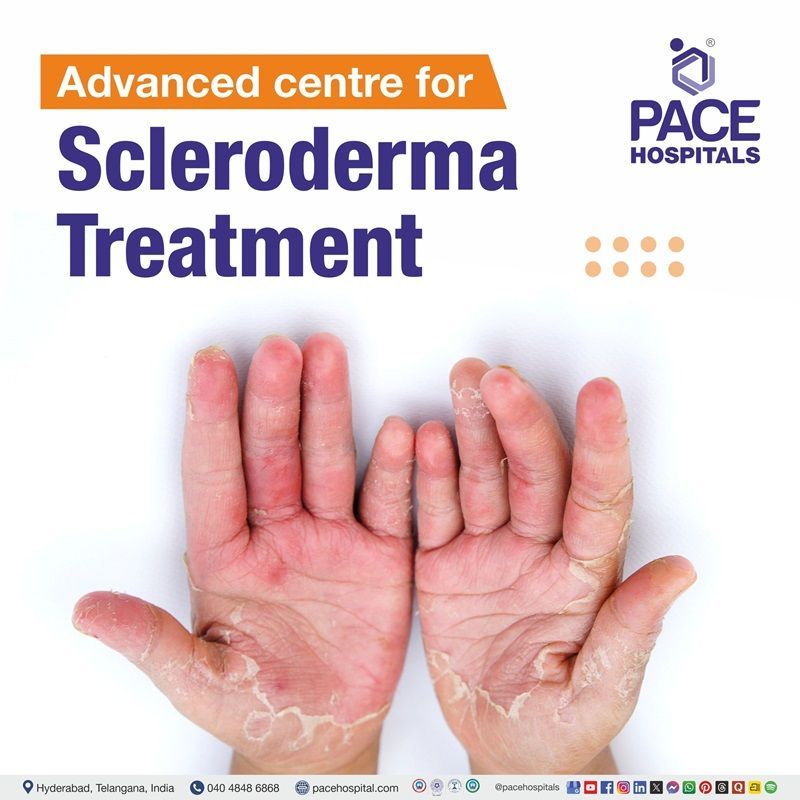
Scleroderma often causes the skin to appear tight, thickened, and shiny, especially on the fingers, face, or hands. The skin may feel hard and stretched, making it difficult to move joints. In some people, the fingers may curl inward (called “sclerodactyly”), and small red spots called telangiectasias can appear on the face or hands.
What part of the heart is most often affected in patients with scleroderma?
Adverse myocardial remodelling and fibrosis cause increased stiffness and decreased compliance of the heart chambers. Clinically, this manifests as left ventricular (LV) diastolic dysfunction, which is quite common in SSc and is associated with higher mortality.


