
Lung Disease Names List & Lung Disorders List | Lung Related Diseases
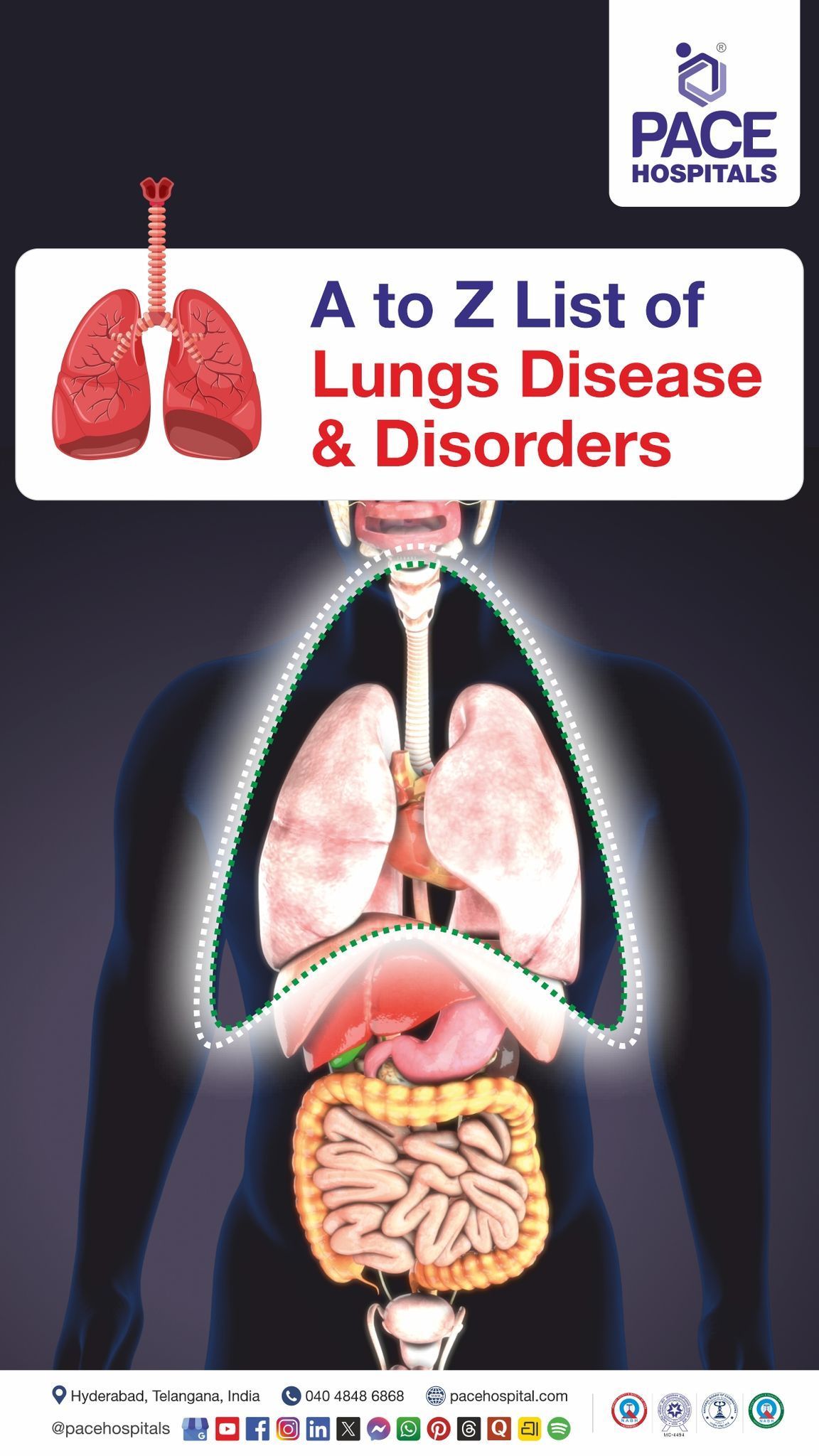
The lungs are two soft, flexible organs that enable breathing, positioned in the chest on either side of the heart and protected by the rib cage, with the diaphragm lying just beneath them. Inside the lungs, air travels from the windpipe (trachea) through branching tubes known as bronchi and bronchioles, eventually reaching millions of microscopic air sacs called alveoli, where oxygen enters the bloodstream, and carbon dioxide is removed.
The right lung is divided into three sections, while the left lung has two, allowing space for the heart. The lungs also function to control blood pH, facilitate vocalisation, and filter minute blood clots and airborne pollutants.
Lung diseases are commonly caused by infections, long-term exposure to air pollution, smoking or tobacco use, occupational hazards, allergies, and certain genetic conditions. In general, the signs and symptoms of lung diseases in humans include:
- Persistent cough (lasting 8 weeks or more)
- Shortness of breath that doesn’t go away or occurs with little exertion
- Chronic mucus (phlegm/sputum) production
- Wheezing or noisy breathing
- Coughing up blood (hemoptysis)
- Ongoing chest pain that persists, especially with breathing or coughing
- Fatigue or unusual tiredness (not relieved by rest)
- Reduced exercise tolerance/trouble breathing during physical activity
- Frequent respiratory infections (bronchitis, pneumonia)
- Bluish colouration of lips, skin, or nails (cyanosis) indicates low oxygen levels
- Swelling in feet or ankles (in advanced lung disease)
However, the signs and symptoms can vary depending on the specific lung or pulmonary condition. Listed below are some of the common lung and respiratory diseases.
List of All Types of Lung Diseases
Infectious Lung Diseases List
Bacterial Lung Infections
- Pneumonia (community-acquired & hospital-acquired)
- Tuberculosis (TB)
- Legionnaires’ disease
- Whooping cough (Pertussis)
- Lung abscess
- Empyema
- Mycoplasma pneumonia
- Chlamydia pneumonia
- Nocardiosis
Viral Lung Infections
- COVID-19
- Influenza (Flu)
- Viral pneumonia
- Respiratory Syncytial Virus (RSV)
- Adenovirus infection
- Parainfluenza virus infection
- Human metapneumovirus
- Severe Acute Respiratory Syndrome (SARS)
- Middle East Respiratory Syndrome (MERS)
Fungal Lung Infections
- Aspergillosis
- Histoplasmosis
- Coccidioidomycosis (Valley fever)
- Blastomycosis
- Pneumocystis jirovecii pneumonia (PCP)
- Cryptococcosis
- Mucormycosis (Black fungus)
Parasitic Lung Infections
- Paragonimiasis (lung fluke infection)
- Ascariasis (roundworm migration to lungs)
- Strongyloidiasis
- Toxoplasmosis (lung involvement in immunocompromised patients)
Other Infectious Conditions Affecting Lungs
- Bronchiolitis
- Acute respiratory infection (ARI)
- Aspiration pneumonia
List of Obstructive Lung Diseases
Chronic Obstructive Pulmonary Disease (COPD)
- Chronic bronchitis
- Emphysema
Upper Airway Obstruction Disorders
- Vocal cord dysfunction
- Tracheomalacia
- Laryngotracheal stenosis
Other Obstructive Airway Conditions
- Allergic bronchopulmonary aspergillosis (ABPA)
- Post-tuberculosis obstructive lung disease
- Asthma–COPD overlap syndrome (ACOS)
Genetic Lung Disease List
Genetic Diseases Affecting Airways
- Cystic Fibrosis
- Primary Ciliary Dyskinesia
- Kartagener Syndrome
- Congenital Lobar Emphysema
Genetic Diseases Affecting Lung Tissue / Alveoli
- Pulmonary Alveolar Proteinosis (hereditary)
- Surfactant Protein Disorders (SP-B, SP-C, ABCA3)
Genetic Diseases Affecting Lung Blood Vessels
- Hereditary Hemorrhagic Telangiectasia
Genetic Disorders with Pulmonary Involvement
- Alpha-1 Antitrypsin Deficiency
- Neurofibromatosis
- Ehlers-Danlos Syndrome
- Marfan Syndrome
- Tuberous Sclerosis Complex (LAM)
List the major Occupational Lung Disorders
Pneumoconioses (Dust-Related Lung Diseases)
Caused by long-term inhalation of inorganic dust.
- Silicosis
- Asbestosis
- Coal Workers’ Pneumoconiosis (Black Lung Disease)
- Talcosis
- Siderosis
- Aluminosis
- Hard Metal Lung Disease
Hypersensitivity Pneumonitis (Organic Dust Exposure)
Immune-mediated lung reactions due to organic particles.
- Farmer’s Lung
- Bagassosis
- Occupational Hypersensitivity Pneumonitis
Chemical & Metal-Induced Lung Diseases
Due to exposure to toxic gases or metals.
- Berylliosis (Chronic Beryllium Disease)
- Metal Fume Fever
Mixed / Other Occupational Lung Conditions
Affect lungs through combined mechanisms.
- Welder’s Lung (can overlap with pneumoconiosis)
- Hard Metal Lung Disease
Suppurative Lung Diseases List
Airway-Based Suppurative Diseases (Pus collects mainly in the airways)
- Bronchiectasis
- Chronic Suppurative Lung Disease (CSLD)
Lung Parenchymal (Tissue) Suppurative Diseases (Pus forms within lung tissue)
- Lung Abscess
- Necrotizing Pneumonia
- Multiple Pulmonary Abscesses
Pleural Space Suppurative Diseases (Pus collects around the lungs)
- Empyema Thoracis
Acute Chest Syndrome
Acute chest syndrome (ACS) is a serious pulmonary complication seen in individuals with sickle cell disease and can occur in both children and adults. Sickle cell disease (SCD), also known as sickle cell anemia, is a genetic blood disorder that alters the structure and function of hemoglobin within red blood cells. One of its most dangerous complications is acute chest syndrome, a condition affecting the lungs that can resemble pneumonia. ACS is a major contributor to illness severity, frequent hospital admissions, and mortality among both paediatric and adult patients with sickle cell disease. The condition develops when abnormally shaped sickle blood cells obstructs blood flow in the lungs, impairing oxygen exchange.
Asbestosis
Asbestosis is a long-standing disease of the lungs that develops after breathing in asbestos fibres over a prolonged period. The condition is most often linked to occupational exposure, especially in work environments where asbestos is commonly present. However, some individuals may also develop asbestosis through indirect contact, such as inhaling asbestos-laden dust brought into the environment from external sources.
Asthma
Asthma is a long-term inflammatory lung condition that affects the lungs' airways. The airways become inflamed, narrowed, swelled and produce mucus, making breathing difficult.
It is commonly seen in children, but the exact cause of asthma is unknown. As per some research studies, environmental and genetic factors are involved in causing asthma, such as allergies, stress, pets and pests, exercise, genetics, respiratory infections, certain medications, dust mites, smoke, fumes, pollen, and toxins. A person with asthma may experience chest tightness, coughing, wheezing, shortness of breath, and trouble sleeping (because of breathing problems). These symptoms may vary from person to person.
Atelectasis
Atelectasis is a respiratory condition in which the complete or partial part of the lung collapses, resulting in decreased or no gas exchange. It is caused by the physical blockage of air sacs by mucus, a tumour, or an object inhaled accidentally.
In addition, it is caused by pressure buildup at the outside of the lungs by fluid or air filled between the lung and chest wall, a deformed bone, scarred lung tissue, pneumonia, or a tumour pressing the airway. It is characterised by shortness of breath, chest tightness, cough, bluish skin or lips, and fast heart rate.
Alpha-1 Antitrypsin Deficiency
Alpha-1 antitrypsin (AAT) deficiency is an inborn condition caused by a mutated gene in both parents that increases the risk of lung and other diseases. AAT is a protein made by the liver that helps to protect the lungs; if it is not delivered enough, the lungs can be easily damaged by smoking and environmental pollution, leading to COPD and cirrhosis, which is more common in children with AAT deficiency.
It is not possible to prevent it because it is inherited and runs in families, but there are some treatments (augmentation therapy) which can slow down liver damage.
Acute Respiratory Disease syndrome (ARDS)
Acute respiratory distress syndrome (ARDS) is a lung ailment that occurs when the lungs do not function normally due to fluid occupancy in the alveoli, leading to inadequate oxygen levels in the blood. It is a complication of other serious diseases, such as sepsis, pneumonia, and COVID-19.
It may develop from a few hours to a few days and worsen quickly. The patient may need to stay in the intensive care unit (ICU) and on a ventilator for breathing. Causes of ARDS are sepsis, accidentally inhaling food or vomit(aspiration), drowning, smoke inhalation, injuries, pneumonia, acute pancreatitis, and Drugs (radiation and chemotherapeutic agents).
Aspiration Pneumonitis and Pneumonia
Aspiration is the breathing (Inhalation) of gastric or oropharyngeal contents into the lungs. It can cause various syndromes. Aspiration pneumonitis (Mendelson's syndrome), also called chemical pneumonitis, is a short-term lung injury caused by the Inhalation of gastric acid from the stomach (Unintentional gulping of small amounts of gastric contents). Aspiration pneumonia is caused by bacteria that inhabit the oral and nasal pharynx.
The signs and symptoms of aspiration pneumonitis and pneumonia range from mildly ill to severely ill. Common symptoms of chemical pneumonitis are wheezing, rapid breathing, irregular heartbeat, fever, and cyanosis. Bacterial aspiration pneumonia may present with symptoms like cough with sputum, fever, difficulty breathing, malaise, and chest pain.
Bronchiectasis
Bronchiectasis is a chronic condition with abnormal widening in bronchi (airways), resulting in the storage of excess mucus. This condition increases the risk of many infections because more mucus is present in the lungs. A cough with more pus and a foul smell of mucus is the prominent symptom. The other symptoms are wheezing, swollen fingertips with clubbed nails (curved nails), difficulty breathing, and chest pain. It will take some years to show the symptoms in patients until they have repeated lung diseases.
Bronchiectasis is caused by whooping cough and measles. Other lung conditions that can cause this disease are severe pneumonia, tuberculosis, and fungal infections (allergic bronchopulmonary aspergillosis).
Bronchiolitis
Bronchiolitis is a short-term inflammatory condition of the bronchioles with swelling and narrowing, leading to difficulty in breathing. It occurs by a viral infection such as flu, respiratory syncytial virus or RSV and is most commonly seen in young infants and children under age 2; the initial symptoms of bronchiolitis appear similar to a cold, such as blocked or runny nose, sneezing, a cough and low-grade fever.
Other signs and symptoms include wheezing, irritability, difficulty feeding or eating, rapid breathing, dehydration, and apnea.
Bronchitis
Bronchitis is a common respiratory condition that develops when the bronchial tubes (airways) become inflamed and swollen. It produces a cough with mucus. Bronchitis can be chronic or acute.
Acute illness is common and contagious, caused by a virus infection, flu, asthma, allergies, and smoking. Patients may recover within a few days and present with low fever, sore throat, body aches, cough, and runny nose. Chronic bronchitis lasts up to 3 months to years; it is more severe and comes back continuously; the patient may present with a persistent cough with mucus (clear, white, yellow, green), wheezing sound while breathing, and shortness of breath.
Blastomycosis
Blastomycosis is an infectious fungal disease caused by the inhalation (breathing) of the spores of a fungus called Blastomyces, which live in moist soil and decomposing matter (wood, leaves). People who are exposed to wooded areas (such as hunting, camping, and forestry work), moist soil (lakes or rivers), and disturbed soil (excavation digging) have a high chance of getting blastomycosis.
People with weak immune systems are at an increased risk of developing blastomycosis. Half of the Infected people will show symptoms, which are similar to those of other lung conditions, such as chest pain, cough, weight loss, fatigue, skin bumps, and night sweats.
Bronchopulmonary Dysplasia
BPD is a severe pulmonary condition that affects newborns(neonates). This condition is caused by underdevelopment of the lungs because of premature birth, infections, continuous mechanical ventilation, supplemental oxygen and inflammation of the lungs before birth.
This condition has newborns born with breathing problems and less weight (less than 2 pounds) before ten weeks from their due dates and leads to other health problems such as Pulmonary hypertension, delayed speech, gastroesophageal reflux disease (GERD), trouble feeding, delayed speech, learning difficulties, and infections such as sepsis.
Bacterial Pneumonia
Pneumonia is a common pulmonary condition caused by bacterial, viral or fungal infection. In this condition, the lung's air sacs may be filled with pus, fluid and cellular debris, which causes inflammation and makes it difficult to breathe.
Common causes for developing bacterial pneumonia are Streptococcus pneumoniae, Pseudomonas, Haemophilus, pneumococcal species, and Klebsiella pneumonia. Patients may present with signs of productive cough with sputum (green or rust or red currant jelly or foul smell), high fever or low fever, rapid breathing, rapid heartbeat, cyanosis, and unstable mental condition.
Bronchiolitis Obliterans (Popcorn Lung)
Bronchiolitis obliterans is a long-term respiratory condition, commonly referred to as “popcorn lung.” It involves injury and scarring of the smallest air passages in the lungs, known as bronchioles, which leads to persistent cough and difficulty breathing.
Common cold
The common cold is an upper respiratory tract infectious disease caused by a virus. It is characterized by inflammation of the membranes that line the throat and nose. Most commonly, it can be caused by the virus rhinovirus.
Common cold symptoms may include sneezing, low-grade fever, sore throat, mild hacking cough, tickly throat, watering eyes, runny or blocked nose, headaches and loss of taste and smell. It can be spread through an infected person's sneeze or cough. This condition leads to secondary infections such as bacterial, sinus, and middle ear infections.
Cyanosis
Cyanosis is a condition caused by insufficient oxygen levels. It causes the colour of skin, lips, tongue, ears, under the nails, gums, hands, and feet to turn blue or purplish. Cyanosis is an indicated sign of severe conditions like asthma or pneumonia, croup, and congenital heart disease (these conditions decrease oxygen levels in the blood).
Other causes are wearing tight clothes or jewellery, staying in freezing water or water, using beta blockers, having blood clots, and some blood vessel and heart malformations that cause blood to enter the heart without entering the lungs for oxygenation. This type of blood flow is referred to as a shunt.
Chronic cough
Cough is a natural protecting mechanism that eliminates bronchial secretions (mucus) and foreign particles. It is a common symptom of many respiratory diseases. A short-term cough can be manageable by treating the underlying cause, but if it lasts up to 8 weeks or more than eight weeks, it is called a chronic cough.
The most common Symptoms of chronic cough are runny nose, heartburn, sore throat, fever, and tickle in the back of the throat (postnasal drip), and severe symptoms include coughing up phlegm or blood, wheezing, overnight sweat, and weight loss. Chronic cough is most commonly caused by respiratory conditions such as asthma, bronchiectasis, bronchitis, COPD, flu, pneumonia, cold and sinusitis, tuberculosis, whooping cough, and fungal infections, and it is a side effect of taking some medications such as ace inhibitors.
Chest Infection
A chest infection is a pulmonary infection that affects the lungs' lower respiratory tract (windpipe and bronchi). It spreads by inhaling air droplets from the infected person's cough or sneeze.
Chest infections can range from mild to severe. Patients may present with a wet cough with mucus (green or yellow), wheezing, difficulty breathing, chest discomfort, fever, headache, weakness, and muscle aches. Depending on the type, bacterial or viral infection can cause chest infections. For instance, the virus is the main cause of bronchitis, whereas in most cases, bacteria cause pneumonia.
Chronic Obstructive Pulmonary Disease (COPD)
Chronic obstructive pulmonary disease (COPD) is a group of conditions that cause airflow blockage and tissue damage. Emphysema and chronic bronchitis are the most common conditions associated with COPD, and the patient with COPD presents with both conditions.
The exact cause is not fully known, as some studies found that smoking is the primary cause of developing COPD. Other causes are air pollution, occupational exposure, breathing dust or chemical fumes, and heredity. Symptoms start with a mild cough and move to recurrent cough and shortness of breath. Severe symptoms include lack of energy, wheezing, chest tightness, chronic cough, frequent colds, and flu.
Read more about Chronic obstructive pulmonary disease (COPD)
Cystic Fibrosis
Cystic fibrosis is a hereditary (inherited) condition caused by two faulty inherited genes that affect the body's tissues, cells, and glands. These genes produce sweat and mucus, which accumulate in the lungs and cause blockages and damage to the airways.
It commonly affects the lungs and produces symptoms such as cough with mucus or blood, wheezing, chest pain, dyspnea, and atypical asthma. Management mainly includes lung clearing (airway clearance techniques). Medicines are used to fight infections, help to breathe and improve and maintain lung function.
Croup
Croup is a respiratory infection commonly seen in children. It is characterized by swelling of the larynx and windpipe(airways), resulting in difficulty breathing, a whistling sound, and a barking cough.
It can be caused by influenza, adenovirus, enterovirus, and parainfluenza virus. It commonly targets children aged 3 – 5 and is mainly active in the winter and fall months. However, it is rarely caused by bacteria, reflux of stomach particles, or allergies and spreads through direct contact with an infected person. Symptoms vary from nose to lungs. They may start mildly, such as runny nose, barking cough, fever, and laryngitis, or moderate and severe, such as difficulty breathing and cyanosis. This condition should worsen at night and disturb the child from sleep.
Community Acquired Pneumonia (CAP)
Community-acquired pneumonia (CAP) is a common lung infection that occurs outside the hospital. Moraxella catarrhalis, Haemophilus influenzae, and Streptococcus pneumoniae are the organisms that can cause this condition by inhalation(breathing).
Patients present with symptoms such as common cold, fever, and cough at early stages with purulent sputum (white, green or yellow-coloured sputum). Severe symptoms include sepsis, lung failure, and acute respiratory distress syndrome. Identification of pathogens plays a vital role in treating this condition. Certain antibiotics will give to a particular pathogen.
Coal Worker's Pneumoconiosis
Coal Worker's Pneumoconiosis, also known as black lung disease, is considered an occupational illness caused by continuous inhalation of coal dust. It is mainly seen in people working at a coal mine. Hence, it is called coal workers' pneumoconiosis (CWP).
Breathing coal dust leads to dust accumulation in the lungs. The healthy tissue in the lungs tries to remove it, and the immune system fights. In this process, the tissue gets inflammation. Over time, this can result in scarring, known as fibrosis. Patients may present with symptoms such as cough with more phlegm, difficulty breathing, and chest pain. Persistent exposure to dust and smoking can increase the risk of this condition.
Chronic Lung Disease
A chronic lung disease refers to long-standing conditions in which breathing does not happen as efficiently as it should. When the lungs are affected, the respiratory system struggles to deliver enough oxygen into the body and remove waste gases like carbon dioxide. Oxygen is essential for keeping all body organs functioning normally, which is why lung health is so important.
These problems can worsen over years and typically start out slowly. Tobacco use at any age, genetic predisposition, occupational exposure to dust, chemicals, or fumes, secondhand smoke inhalation, air pollution, and recurrent childhood respiratory infections are some of the factors that are known to raise the risk of developing chronic lung disease.
Coccidioidomycosis (Valley Fever)
Coccidioidomycosis, widely known as Valley fever, is an illness that begins in the lungs after a person breathes in fungal particles from the environment. The fungus lives in dry soil and can become airborne when the ground is disturbed. This infection is most often reported in certain geographic regions, including parts of the southwestern United States, California, northern Mexico, and selected areas of Central and South America.
Coronavirus (In General)
Coronaviruses (CoVs) belong to a broad group of viruses known to affect the respiratory system. These viruses were first recognised several decades ago and are grouped into four main types: alpha, beta, gamma, and delta. In people, coronavirus infections can cause a wide range of illness-from mild symptoms similar to a common cold to serious conditions such as COVID-19, which can be life-threatening.
The name “coronavirus” comes from the distinctive spike-like projections seen on the surface of the virus, which resemble a crown when viewed under a microscope. The term corona originates from Latin, meaning crown or wreath. Many coronaviruses that infect humans spread easily between individuals. Transmission usually spreads and occur through close contact, such as exposure to droplets released during coughing or sneezing, or by touching contaminated surfaces and then the face.
Some coronaviruses circulate only among animals, including species such as bats, camels, cattle, cats, and rodents. In certain situations, these animal viruses can adapt and cross over to humans, after which they may begin spreading between people. This type of animal-to-human transmission is known as spillover, or zoonotic transmission. Because the human immune system has little or no prior exposure to these newly adapted viruses, infections can sometimes result in severe disease.
Diaphragmatic Dysfunction
The diaphragm is a vital organ as it is the primary inhalation muscle (the muscle that helps expand the thoracic cavity). Its dysfunction is the failure of the force (muscle) itself or phrenic nerve damage, which can be associated with inevitable consequences.
Depending on the severity of the dysfunction, the patients can have different signs and symptoms. One may need ventilator support, and some may not show symptoms. This condition can be caused by Phrenic nerve damage due to Surgery or trauma, Physical(lesion) compression, or neurological disorders such as diabetic neuropathy, multiple sclerosis, Inflammatory diseases and idiopathy. Its dysfunction can be related to respiratory symptoms such as difficulty in breathing, Intolerance to exercise, and sleep disturbances, and rarely, in severe conditions, may cause death.
Dyspnea (Shortness of breath)
Dyspnea/Shortness of breath is a condition in which one cannot get adequate air into the lungs or feels challenged to take a breath. It is a warning sign for other severe conditions that affect the respiratory system. Lung and heart diseases can be the main cause of shortness of breath. Other causes include allergies, asthma, anxiety, intense physical exercise, high altitude stays, choking, a collapsed lung, and sudden blood loss.
A person with dyspnea may experience chest tightness, shortness of breath, suffocation, wheezing, palpitations, and cough.
Emphysema
Emphysema is a long-term respiratory condition that occurs in people who often smoke and are exposed to irritants such as chemical fumes. It can be caused when blockage or damage (breakage) happens to the lining of the lungs' air sacs(alveoli), resulting in less oxygen to the bloodstream. The most prevalent cause for developing emphysema is smoking, and other reasons are irritants, Alpha1antitrypsin (AAT) deficiency, exposure to tobacco, weak, compromised immune system, and rare disorders called Marfan syndrome.
E-cigarette or Vaping Use-Associated Lung Injury (EVALI)
E-cigarette or vaping product use–associated lung injury (EVALI) was recognised as a distinct medical condition in 2019. It is also described in medical literature as vaping-associated pulmonary injury (VAPI) or vaping-associated lung injury (VALI). The condition represents a sudden or gradually worsening breathing disorder and, in severe cases, can be life-threatening. A significant proportion of affected individuals-over half-require treatment in an intensive care setting.
These terms are used to describe different types of lung damage that may occur due to the use of e-cigarettes or vaping products. The associated conditions can include severe breathing failure such as acute respiratory distress syndrome (ARDS), inflammatory reactions of the lungs like hypersensitivity pneumonitis, and scarring of the small airways known as bronchiolitis obliterans, commonly called popcorn lung.
Flu (Influenzae)
The flu is a contagious lung condition caused by the influenza virus. It is caused by the most common types of influenza viruses (A, B, C). Influenza A and B can cause more severe symptoms, which are seasonal (mainly occur in the winter). Influenza C is not seasonal and doesn't cause severe symptoms.
Patients may present with symptoms like cough, headache, sore throat, chills, fever, runny nose, body aches, tiredness, vomiting, or diarrhoea. Flu can be cured in less than two weeks. People with certain existing diseases, including asthma, COPD, stroke, diabetes, Weak immune system, and obesity, can increase the risk of severe complications.
Herpes Simplex Virus Infection
Herpes simplex virus is as HSV or herpes; it is prevalent in humans. It is divided into two types: HSV1 AND HSV2; it is contagious, present on the skin and spreads through moist mouth and genitals and sexual contact. Hsv1 Is associated with respiratory disease, mainly in people with compromised immune systems. Initially, symptoms are not noticeable; however, sometimes, they can present with symptoms such as pharyngitis or gingivostomatitis.
Hypersensitivity Pneumonitis
Hypersensitivity pneumonitis is an allergic condition that causes inflammation of the lungs' alveoli (tiny air sacs). It can be caused by repeated inhalation of certain substances (particles) from the environment, such as hardwood dust, contaminated fluids from metalwork, humidifiers, feathers, bird droppings, skin cells, or moulds shed by fur animals (animals having fur).
These particles trigger the person's immune system after breathing and cause long-term or short-term inflammation in the lungs' alveoli, leading to breathing difficulty. It may present with symptoms such as cough, chest pain, weight loss, clubbing, abnormal breathing sounds (rales), and flu-like symptoms, including fever, chills, muscle pain, and headaches.
Hantavirus Pulmonary Syndrome (HPS)
Hantavirus pulmonary syndrome (HPS) is a rare viral illness that can worsen quickly. When people breathe in particles from settings contaminated by infectious rodents, such mice or rats, through their saliva or excrement, they become unwell. Those whose everyday activities or vocations put them into close contact with rodent-infested places at home or at work have been the main source of reported cases in the southwestern states of the United States.
Histoplasmosis
Histoplasmosis is a fungal illness that develops after exposure to Histoplasma capsulatum. The organism lives in soil and tends to thrive in areas heavily contaminated with bird or bat droppings, where the fungus can easily become airborne and inhaled.
In India, histoplasmosis is thought to be far more common than current records suggest, as many cases go unrecognised or unreported. Even with this limitation, a higher number of cases has been observed in eastern regions such as West Bengal and Assam, especially in areas connected to the Ganges and Brahmaputra river systems. Although the disease tends to occur in specific geographic settings, confirmed cases have also been identified across several other parts of northern and eastern India, including Bihar, Delhi, Haryana, Rajasthan, Punjab, and Uttar Pradesh. In the United States Histoplasma is most common in the central and eastern states, especially in the Ohio and Mississippi River valleys.
Human Metapneumovirus (hMPV) Infection
Human metapneumovirus (hMPV) is a frequently encountered virus that affects the breathing passages and often leads to cold-like symptoms. Infections tend to follow a seasonal pattern, with most cases appearing during the winter months and early spring, much like respiratory syncytial virus (RSV) and influenza.
Idiopathic Pulmonary Fibrosis
Idiopathic Pulmonary fibrosis is a serious(potentially) long-lasting lung condition where lung scarring occurs, leading to difficulty breathing where the causing factor is unknown. Usually, it affects persons who have the range of age group between 70 to 75 years old. People who smoke are highly prone to this condition. Symptoms include dry cough, fatigue, shortness of breath, and shortness of breath. If the disease is progressing, the patient may experience clubbing or cyanosis.
Severe complications of this disease, such as pulmonary hypertension and respiratory failure, can be visible in patients who cannot deliver sufficient oxygen into the blood flow.
Idiopathic Pulmonary Arterial Hypertension
Idiopathic pulmonary arterial hypertension, also known as pulmonary hypertension, is a rare condition characterized by increased blood pressure (elevated pulmonary artery pressure) in the pulmonary arteries with no exact cause.
This condition is diagnosed when the pulmonary artery average blood pressure is higher than 25mmhg during the resting period and higher than 30mm in the active period (exercising). It is serious because repeated increased blood pressure in the pulmonary arteries can strain the heart, resulting in lung and heart problems. Symptoms include dyspnea (difficulty breathing), fatigue, weakness, syncope, heart palpitations, leg swelling, fast pulse, and dizziness.
Interstitial Lung Disease (ILD)
Interstitial lung disease is a group of long-term lung conditions characterized by scarring and inflammation that make it difficult for the lungs to get adequate oxygen. These diseases include idiopathic pulmonary fibrosis, hypersensitivity pneumonitis, cryptogenic organizing pneumonia (COP) and asbestosis. Symptoms may differ from person to person, and a common link between all diseases is that they all start with inflammation.
Shortness of breath is a common symptom for all types of interstitial lung disease. Other symptoms include dry cough, tiredness, chest discomfort, loss of appetite, and weight loss. The causative factors include smoking, family history, radiation therapy, exposure to chemicals at the workplace, and certain drugs.
Interstitial (Nonidiopathic) Pulmonary Fibrosis
Non-idiopathic pulmonary fibrosis is a respiratory condition that causes scarring(fibrosis) and lung inflammation, resulting in impaired exchange of gases (O2 and CO2). It is a potential condition that can lead to respiratory dysfunction and death. Early diagnosis and treatment are necessary to avoid the damage.
It can occur due to numerous factors, such as environmental and occupational exposures to asbestos, silica, and carbon dust, drug-induced lung toxicity, hypersensitivity pneumonitis caused by organic substances, connective tissue diseases, and systemic illnesses. Symptoms may differ from condition to disease. Common symptoms include fever, Church Strauss syndrome, wheezing, and clubbing.
Lung Nodules
A lung nodule is an abnormal (abnormal) growth in the lung. Most of the nodules are noncancerous (benign), but rarely, some nodules are cancerous(malignant) and become a sign of lung cancer. It can be caused due to numerous existing factors, such as tuberculosis or fungal infections, non-infectious inflammation, noncancerous tumours, and if any abnormal growth in the lungs about or larger than 3 cm becomes cancerous.
Ninety-five per cent of lung nodules don't show any symptoms. Underlying health issues for this nodule may cause symptoms. For instance, a person who suffers from an infection may present with cough, fever and sickness.
Legionnaires' Disease
Legionnaires' disease is life-threatening pneumonia caused by Inhalation of (breathing) contaminated aerosols of legionella bacteria which are generally found in the freshwaters such as streams, rivers and lakes and also in soil. This bacterium is too small, so it moves inside the tiny water droplets as water vapour and mist, then quickly enters the lungs. Rarely can it spread by drinking contaminated water.
Symptoms include shortness of breath, coughing, high temperature, chest pain, and flu-like symptoms. It can be caused by humidifiers, spa pools and bathtubs, air conditioning systems, and unused taps and showers.
Lung Cancer
Cancer is the unlimited growth of cells. If it occurs in the lungs (bronchi or alveoli), it is called lung cancer. This type of growth is usually seen in bronchi or alveoli. It starts in the lungs and may spread to the other organs in the body or lymph nodes, and cancer from other organs may also come to the lungs.
Lung cancers are divided into two types: non-small cell (more common) and small cell lung cancer. They grow in different manners, so lung cancer treatment and symptoms depend on the spreading and stages. Symptoms include coughing up phlegm, wheezing, weakness, loss of appetite and weight loss, chest pain, and recurrent respiratory infections.
Lung Abscess
A lung abscess is a space (cavity) occupied with pus caused by the Inhalation (breathing) of bacteria present in the throat or mouth into the tissue of the lungs, resulting in a bacterial infection. The most prominent symptom of this infection is a productive cough (bloody or pus-like contents) with a foul smell. Other symptoms include chest pain, difficulty breathing, excessive sweat or night sweats, weight loss, and fever.
Multiple factors, including excessive consumption of alcohol, aspiration pneumonia, anaesthesia, nervous system disease, sedation, weak immune system, and a blocked airway, can cause it.
Long COVID
Long COVID is a long-term health condition that develops after infection with the SARS-CoV-2 virus and persists for three months or longer. Although it is seen more often in individuals who experienced severe COVID-19 illness, it can affect anyone who has had COVID-19, including children. Post-COVID conditions, post-acute sequelae of SARS-CoV-2 (PASC), post-COVID-19 condition (PCC), chronic COVID, and long-hauler syndrome are some of the names for the condition. These labels all refer to persistent or postponed health problems that persist long after the primary infection has cleared up.
LAM (lymphangioleiomyomatosis)
Lymphangioleiomyomatosis (LAM) is an uncommon condition that primarily affects women during their reproductive years, most often between the ages of 30 and 40. It tends to progress gradually and can involve multiple organs, including the lungs, lymphatic system, and kidneys.
MAC Lung Disease
MAC lung disease is a respiratory infection caused by a group of bacteria known as Mycobacterium avium complex. This group consists mainly of two closely related organisms - Mycobacterium avium and Mycobacterium intracellulare—and the condition is sometimes called MAI.
These bacteria are found naturally in the environment, particularly in soil and water, and can be ingested during routine daily activities. For most people, exposure does not lead to sickness. Those having certain risk factors, however, could get the infection. This includes people who already have lung diseases like bronchiectasis or chronic obstructive pulmonary disease (COPD), as well as people whose immune systems are compromised because of autoimmune diseases or immunosuppressive medications.
Compared to the general population, postmenopausal women and older persons, particularly those over 65, are also more likely to acquire MAC lung disease. MAC is not limited to the lungs alone. In people with severely weakened immunity, especially those with advanced AIDS, the infection can spread beyond the respiratory system and involve multiple organs, a condition known as disseminated MAC. In a different pattern, the bacteria may also affect the lymphatic system, leading to swollen lymph nodes - most commonly seen in young children.
Mesothelioma (Pleural Mesothelioma)
Mesothelioma is an uncommon cancer that arises from the delicate tissue layer, known as the mesothelium, which surrounds many of the body’s internal organs. The form seen most often is pleural mesothelioma, which affects the lining around the lungs.
Middle Eastern Respiratory Syndrome (MERS)
Middle East Respiratory Syndrome, better known as MERS, is an infectious condition that affects the lungs and can become serious in a short period of time. The disease first came to medical attention in Saudi Arabia in 2012. One of the largest outbreaks outside the Middle East occurred in 2015 in South Korea, where 180 people became ill after the virus was brought in from Saudi Arabia. Since then, MERS has been identified in over 20 countries across different regions of the world.
People infected with the virus often begin with symptoms that resemble a seasonal flu. In many cases, the illness progresses further and results in pneumonia. MERS is linked to a specific member of the coronavirus family, known as MERS-CoV. The virus most commonly reaches humans through exposure to infected camels and coming in close contact.
NTM Lung Disease (non-tuberculous mycobacterial disease)
Non-tuberculous mycobacterial (NTM) lung disease is being increasingly recognised in India, although it is still believed to be underdiagnosed and underreported. This is partly because its symptoms often resemble tuberculosis, leading to misdiagnosis or delayed identification. NTM infections are not spread from person to person and are usually acquired from the environment, such as soil and water sources.
In India, reported cases of NTM lung disease are more commonly seen in people with underlying lung conditions like bronchiectasis, COPD, or a history of treated tuberculosis, as well as in individuals with weakened immunity. Although NTM lung illness is not as dangerous to the public's health as tuberculosis, prompt identification and clinician understanding are important to ensuring proper treatment and preventing needless anti-TB medication.
Obesity Hypoventilation Syndrome
Obesity hypoventilation syndrome (OHS), also known as Pickwickian syndrome, is a respiratory disorder caused by hypoventilation in obese people. Hyperventilation, or overbreathing, is a condition that involves deep and more rapid breathing than normal. This abnormal breathing results in low carbon dioxide in the blood, narrowing blood vessels.
Patients may present with shortness of breath, dizziness, headaches, depression, fatigue, lack of energy, loud snoring, choking, and pauses in breathing. Researchers have found that a combination of multiple factors, including Excess fat on the neck, chest, and belly, can produce breathing problems. Treatment options include maintaining a healthy weight.
Obstructive Sleep Apnea (OSA)
Obstructive sleep apnea (OSA) is a respiratory breathing disorder caused by the continuous collapse of part or all of the upper airway while sleeping.
Symptoms include fatigue, dry mouth, restlessness, snoring, high blood pressure, gastroesophageal reflux disease (GERD), less interest in sex, repeated awakenings at night, loud snoring, gasping, choking, and snorting. OSA can lead to different health conditions if it is not treated, including heart disease, diabetes, stroke, and pulmonary hypertension.
Pneumothorax (Collapsed Lungs)
Pneumothorax, also known as a collapsed lung, is caused by air between the pleural space (the space between the chest wall and the lung). It occurs due to open lung tissue injury, leading to air leakage into the pleural space. Air accumulation increases the pressure on the outer side of the lung, causing it to collapse.
These conditions can increase the risk of pneumothorax, such as smoking habit, age group between 15-34, tall man, pregnancy, Marfan syndrome, asthma, COPD, cystic fibrosis, sarcoidosis, and HIV with pneumocystis pneumonia. Symptoms include shortness of breath, chest pain, increased heart rate, rapid breathing, confusion, loss of consciousness, or coma.
Pneumonia
Pneumonia is an infectious disease caused by viruses, bacteria, or fungi. It causes fluid (pus or any liquid) buildup and inflammation of the alveoli or air sacs of the lungs, leading to difficulty breathing.
Any age group can get affected by pneumonia, but having the following conditions can improve the high risk of developing pneumonia such as smoking habits, having an age group of 65 and older, children having an age group under 2, and having preexisting medical problems. Symptoms may vary based on the type. However, common symptoms include shortness of breath, fever, sweating, chills, cough with mucus or phlegm, nausea, vomiting, and chest pain during coughing or breathing.
Pulmonary Edema
Pulmonary oedema, also known as lung water or congestion, is an accumulation of fluid in the lungs that causes insufficient oxygen levels and makes breathing difficult.
Pulmonary oedema can be caused by multiple factors such as congestive heart failure (primary cause), cardiac arrhythmias, pneumonia, kidney failure, sudden hypertension, severe sepsis, exposure to high altitude, drug misuse, inhalation of toxins, near drowning and severe trauma. Symptoms of this condition include wheezing, shortness of breath, rapid weight gain, fatigue, swelling of the lower part of the body, pale skin, breathing difficulties while lying in bed, excessive sweating and anxiety.
Pertussis (Whooping cough)
PERTUSSIS (Whooping cough) is a contagious upper respiratory infection caused by the bacteria Bordetella pertussis. It spreads from person to person through the droplets of cough or sneeze. It is a severe condition in babies.
Initial symptoms visible within 7-10 days after infection include mild fever, cough and runny nose, which gradually progresses into a hacking cough followed by a whooping sound that lasts for weeks to months and vomiting. Persons with this infection are highly contagious up to 3 weeks after the cough starts. Common complications of this infection include 68% of babies having apnea, 22% getting pneumonia,2% will get convulsions, 0.6% will have encephalopathy, and 1% will die.
Pleurisy
Pleurisy is characterized by sharp, stabbing chest or shoulder pain caused by the inflammation of the lung's lining (pleura). Hence, it is also known as pleuritis. It can be caused by infection, and the most common is flu (viral infection), bacterial infections such as tuberculosis or pneumonia, and sometimes due to other conditions, including rheumatoid arthritis, chest pain, lung cancer, and pleural tumour.
Symptoms include chest pain while coughing, sneezing, breathing deeply and moving the trunk or chest, cough, fever and chills. Treatment options involve managing the underlying cause.
Pleural Effusion
Pleural Effusion, or water on the lung, occurs due to fluid collection in the space (cavity) between the chest cavity or pleural cavity and the lungs. Pleura, called thin membranes, cover the inside of the chest cavity or pleural cavity and outside of the lungs. Usually, some fluid is present to lubricate the lungs, which helps expand during breathing. But in some medical conditions, the excess liquid is going to accumulate. This condition can affect breathing.
The result of some medical treatments and
other health conditions such as cirrhosis, congestive heart failure, pancreatitis, tuberculosis, asbestos exposure, pulmonary embolism, congestive heart failure and open heart surgery, radiation therapy, and ovarian hyperstimulation can cause it. Symptoms of pleural effusion include shortness of breath, fever, dry cough and chest pain, especially when the patient is deep breathing.
Pectus Malformation
Pectus Malformation, also called a funnel, sunken chest, or hollowed chest, is characterized by an abnormality of the rib cage, with the breastbone (sternum) growing inward, leading to a noticeable sunken appearance in the chest.
It is a joint congenital deformity and most commonly affects men. It occurs in adults and children but is most seen in early teens. Due to this abnormality, patients don't have more space in the chest, leading to reduced functioning of the lungs and heart. Symptoms of this condition include fatigue, chest pain, irregular heartbeat, decreased stamina during exercise, self-esteem issues, and clinical depression.
Pulmonary Hypertension
Pulmonary hypertension is an illness caused by increased blood pressure in the lungs. It makes it more challenging to work for the heart than usual to circulate the blood into the lungs. It can progressively damage the heart and produce symptoms such as chest pain, light-headedness, swelling, palpitations, faintness, and chest pain.
Worldwide, 50% of pulmonary hypertension cases are noticed without any particular cause. The most common type of pulmonary hypertension occurs in left-side heart disease. Initial symptoms of this condition include fatigue and breathing difficulties, and severe symptoms can include chest pain, ankle, foot or abdomen swelling, palpitations, and dizziness.
Pulmonary Embolism
A pulmonary embolism is a blood clot (blockage) that forms in the lungs' blood vessels. It occurs when a chunk (blood clot) moves from another body part, such as the leg or arms, into the veins of the lung. The embolism restricts blood flow to the lungs, leading to decreased oxygen levels and increased blood pressure in the pulmonary arteries.
Causes of pulmonary embolism include injury to a vein, cardiovascular disease, changes in blood clotting factors (elevated clotting factors due to hormone replacement or some cancers), and blood accumulation due to inactivity from more extended periods such as bed rest or surgery. Symptoms of this condition include sudden shortness of breath, chest pain (which worsens during breathing), anxiety, irregular heartbeat, sweating, and coughing.
Pulmonary Fibrosis
Pulmonary fibrosis is a serious(potentially) long-lasting lung condition in which lung scarring occurs, leading to difficulty breathing. It usually affects people between the ages of 70 and 75.
People who smoke are highly prone to this condition. Symptoms include dry cough, fatigue, shortness of breath, and shortness of breath. If the disease is progressing, the patient may experience clubbing or cyanosis. Severe complications of this disease, such as pulmonary hypertension and respiratory failure, can be visible in patients who cannot deliver sufficient oxygen into the blood flow.
Pulmonary Hamartoma
Pulmonary hamartoma is a benign (noncancerous) lung tumour composed of tissue components, including epithelium, cartilage, muscle, fat and bone. It is the most common noncancerous respiratory growth of the lung in adults.
Pulmonary hamartoma symptoms are not noticeable; it can appear only when one can go for chest imaging tests for other conditions. However, some patients can present with complaints such as continuous coughing or wheezing, bronchial obstruction, dyspnea (difficulty breathing) and hemoptysis (coughing up of blood).
Pulmonary Stenosis
Pulmonary stenosis is a typically noncancerous (benign) condition in many patients. It is a stiffening of the pulmonary valve caused by a defect, resulting in an obstruction to flow.
This condition is usually inborn (congenital), noncancerous (benign) and diagnosed in children with curable treatments. Most of the patients don't show any symptoms. Still, some patients may present with associated fatigue or dyspnea on exertion (difficulty breathing during physical exercise), but rarely angina or sudden cardiac arrest is seen. Treatment options include balloon angioplasty or open-heart surgery.
Pneumoconiosis
Pneumoconiosis is an array of interstitial lung diseases caused by inhalation of some specific kinds of dust particles, resulting in lung damage. It is an occupational disease caused by exposure to environmental particles in the workplace, such as asbestos, silica and coal mine dust, leading to illnesses called asbestosis, silicosis, and coal workers' pneumoconiosis.
Developing these conditions will take many years, but in severe cases, they may lead to lung disability and premature death. Some dust particles, such as iron, kaolin, talc, aluminium, antimony, barium, mica, and graphite, can cause other pneumoconiosis types. Depending on the severity, symptoms include cough, shortness of breath, and phlegm.
Pulmonary Alveolar Proteinosis
Pulmonary alveolar proteinosis is an uncommon disorder caused by the accumulation of surfactants, such as proteins, fats, and other substances, in the lungs' alveoli (air sacs), which leads to clogging.
This condition is divided into three types: autoimmune pulmonary alveolar proteinosis (the most common), secondary Pulmonary alveolar proteinosis, which occurs due to exposure to toxins or any other medical condition, and congenital pulmonary alveolar proteinosis, which occurs due to genetic defects. It commonly affects men more than women; about 70% of patients who have this disease are smokers. Symptoms of this condition include cough, fever, chest pain, weight loss, low oxygen levels, shortness of breath and clubbing.
Pulmonary Vascular Disease
Pulmonary vascular disease encompasses different conditions that affect the blood vessels, which lead to the middle of the heart and the lungs. Most pulmonary vascular disease conditions can cause the prominent symptom of shortness of breath.
Causes and symptoms of pulmonary vascular disease differ in which lung blood vessel is affected. These conditions are divided into several forms: pulmonary arterial hypertension, pulmonary venous hypertension, pulmonary embolism, and chronic thromboembolic disease. Symptoms of pulmonary vascular disease include chest pain or fainting, shortness of breath, rapid heartbeat, and oedema.
Parvovirus B19 Infection
Parvovirus B19 is a virus that tends to circulate at certain times of the year and is commonly passed between people through droplets released during coughing or sneezing. Less commonly, it can also be transmitted through blood exposure or from a pregnant parent to the developing baby. Most infections cause little to no illness, and the virus can still be passed on even when an infected person has no noticeable symptoms.
Primary Ciliary Dyskinesia (PCD)
Primary ciliary dyskinesia (PCD) is an uncommon inherited disorder that affects the normal movement of cilia and can result in repeated infections of the lungs, ears, and sinuses. The condition may cause ongoing health issues in both children and adults.
Respiratory Failure
Respiratory Failure is a life-threatening condition. The human respiratory system is usually responsible for gas exchange (oxygen in and carbon dioxide out), and the inability to execute either or both tasks leads to respiratory Failure. It is divided into two types.
- When the respiratory system cannot provide enough oxygen to the body, it is called type 1 respiratory failure, leading to low oxygen levels (hypoxemia).
- When the respiratory system cannot remove enough carbon dioxide from the body, it is called type 2 respiratory failure, leading to increased carbon dioxide production (hypercapnia).
Symptoms of respiratory failure include difficulty breathing, rapid breathing, exhaustion, heart palpitations, bluish skin, nails, or lips (cyanosis), pale skin, and excessive sweating.
Respiratory Syncytial Virus (RSV)
Respiratory Syncytial virus (RSV) is a contagious, seasonal infection affecting the respiratory system. It involves the lungs' small airways, affecting both adults and children. However, children who are under two years old are more prone to developing this infection.
Most people can recover within a
week or two. Symptoms of this infection include fever, runny nose, coughing, sneezing, and wheezing.
Recurrent Respiratory Papillomatosis
Recurrent respiratory papillomatosis is an infectious disease caused by the human papillomavirus (HPV). It is characterised by the development (growth) of noncancerous papillomas (tumours) in the air passages leading from the mouth and nose to the lungs. They usually grow around vocal cords, are located in the larynx, and sometimes spread to other structures such as the trachea and bronchi. These tumours may be different in size, grow quickly, and often need surgical removal.
Two forms of human papillomavirus, HPV 6 and HPV 11, can cause it. Symptoms of this condition include loss of voice or hoarse voice, chronic cough, difficulty breathing, and chronic cough.
Sarcoidosis
Sarcoidosis is an inflammatory illness of unknown cause that affects multiple body organs, most commonly the lymph nodes and lungs. It is characterized by the formation of abnormal nodules or masses (granulomas) with inflamed tissues in specific organs.
Symptoms of this condition may differ based on the area, and lung symptoms include wheezing, dry cough, difficulty breathing, and chest pain.
Severe Acute Respiratory Syndrome (SARS)
Severe acute respiratory syndrome (SARS) is an infectious respiratory condition caused by the SARS-associated coronavirus (SARS-CoV). It was first found in February 2003 in China and spread to other countries. It is defined as an airborne virus that spreads through droplets of saliva. It can cause upper respiratory problems in humans.
Signs and symptoms of this infection include headache, fever higher than 100.4 degrees, body aches, chills, sore throat, cough, breathing difficulties, pneumonia and diarrhoea (in 10% to 20% of people). No vaccine is available to treat SARS, but preventive measures must be taken to avoid it.
Tracheal Stenosis
Tracheal stenosis is a condition that occurs due to inflammation or scarring of the trachea, leading to the trachea being narrower and making it difficult to breathe air. Lungs are not developed fully in premature babies, which leads to relying on breathing tubes for a long time, which might have the chance of developing tracheal stenosis.
Acquired or congenital tracheal stenosis are the two forms. Acquired is the most common condition affecting adults and children, and Congenital refers to a severe disease present at birth. Symptoms of tracheal stenosis include persistent cough, wheezing, difficulty breathing, sleep apnea, persistent asthma, and chest congestion. Children may present with noisy breathing, difficulty breastfeeding, choking, and difficulty breathing.
Tuberculosis (TB)
Tuberculosis (TB) is a common infectious condition caused by the bacterium called Mycobacterium tuberculosis, it usually attacks the lungs, but TB bacteria can enter any part of the body, including the spine, brain and kidney. Everyone who is infected with TB bacteria is not sick.
It spreads through the tiny air dropMycobacterium tuberculosis. It usually attacks the lungs, but the TB bacteria can enter any part of the body, including the spine, brain, and kidneyslets produced by the infected person's coughing, sneezing or spitting. Symptoms may vary depending on the area. Common symptoms of tuberculosis in the lungs include coughing up blood or sputum, chest pain, a bad cough (lasts up to more than three weeks), and other symptoms include loss of appetite, weight loss, chills, fever, night sweats, weakness or fatigue.
Silicosis
Silicosis is an occupational lung disease caused by the continuous inhalation(breathing) of small crystalline silica dust particles. It is usually found in specific stones, rocks, sands, and clays. Working with these substances can produce very tiny dust, which can be easy to inhale. Once it enters the lungs, it causes inflammation, hardening, and scarring of lung tissue.
Mining, construction, glass manufacturing and road repair are the sites where one can have a higher risk of developing silicosis. Initial Symptoms include trouble breathing (early symptoms) and persistent cough, and later symptoms include weight loss, swollen legs, chest pain, fever, weakness, shortness of breath and blue lips.
Leading lungs specialist doctors in Hyderabad, providing advanced, minimally invasive diagnosis and treatment for complex airway and lung conditions such as airway obstruction, pleural diseases, persistent lung infections, and mediastinal disorders using bronchoscopic and image-guided interventional procedures.


