
Asthma Treatment, Diagnosis, Tests & Cost
PACE Hospitals is recognized as the
Best Asthma Hospital in Hyderabad, India, offering comprehensive care for all types of asthma, including allergic and bronchial forms. Our experienced asthma specialists use advanced diagnostic tools to ensure accurate evaluation and timely management through precise asthma tests. With state-of-the-art facilities and a personalized care approach, we design tailored treatment plans that help patients prevent flare-ups and manage symptoms more effectively.
Book an Appointment for Asthma Treatment
Asthma treatment - appointment
Why Choose PACE Hospitals for Asthma Treatment in Hyderabad?
Asthma Diagnosis & Treatment with State-of-the-Art Technology
Team of the Best Pulmonologists & Asthma Specialists in Hyderabad
24/7 Emergency Care for Severe Asthma Attacks & Continuous Support
Affordable & Reliable Asthma Management and Treatment Plans
Recognized for excellence in healthcare delivery with
NABH, NABL, NBE/DNB, NABH Nursing Excellence, and ISCCM accreditations.
Asthma Diagnosis
Early diagnosis and treatment of asthma are necessary to prevent further progression of the disease. Asthma diagnosis involves a comprehensive approach which includes gathering complete medical history of the patient, conducting physical examinations and various lung function tests.
The pulmonologist may consider the following before selecting the appropriate tests to diagnose asthma:
Initial diagnostic evaluation of asthma
- Medical history
- Physical examination
Medical history: The physician enquires about the complete medical history of the patient. The physician tries to understand the symptoms and their causes. Wheezing, cough (worse at night), shortness of breath, and chest tightness are the four symptoms that are associated with asthma.
These symptoms occur intermittently, which last for hours to days, and they resolve upon the removal of triggers or with the administration of medications. While taking patient history, physicians can inquire about particular triggers that worsen the symptoms. The common household triggers are dust, animals, and infestations of rodents and cockroaches. Family history of asthma and allergies can also be enquired.
Physical examination: On physical examination high-pitched wheezes are found which can be characteristic findings associated with asthma. But wheezing is not specific to asthma. For severe asthma exacerbation, the findings may include tachypnea (rapid breathing), tachycardia (rapid heart rate), a prolonged expiratory phase, reduced air movement, and difficulty in speaking and in completing sentences. Physicians may identify extrapulmonary findings such as pale, boggy nasal mucous membranes, nasal polyps, and atopic dermatitis (chronic skin condition characterized by inflamed, itchy skin), which support the diagnosis of asthma.
Asthma diagnosis tests
Based on the above information, the pulmonologist may recommend the following tests:
- Laboratory testing: In diagnosing asthma, there are no requirements for specific laboratory tests. However, in patients with severe asthma, the following laboratory tests are suggested:
- Complete blood cell (CBC) count: This test is recommended to evaluate eosinophil levels and check for anemia in patients with severe asthma because anemia can be the underlying cause of the patient's dyspnea.
- Serum alpha 1 antitrypsin level: This laboratory test is conducted to rule out emphysema caused by homozygous α1-antitrypsin deficiency in non-smoking patients presenting with irreversible airflow obstruction.
- Serum IgE: This test is performed in moderate-to-severe persistent asthmatic patients when treatment with anti-IgE monoclonal antibodies is considered or when there is suspicion of allergic bronchopulmonary aspergillosis.
- Imaging studies:
- Chest radiographs: Chest X-rays are usually normal in asthma patients; however, during exacerbations abnormal findings like hyperinflation and bronchial thickening may be observed. Chest X-ray is suggested for patients aged 40 years or older with new onset or moderate or severe asthma. It also rules out conditions that are similar to asthma mediastinal mass with tracheal compression.
- Computed tomography (CT) scan: This imaging study is used to clarify any abnormalities noted on chest radiographs or to visualize other suspected conditions that may not be well visualized on routine radiographs.
- Lung function tests: It is also called a pulmonary function test; this test detects how well the air is inhaled and exhaled out from the lungs. It also measures the lung capacity and checks if there may be some obstruction (narrowing or blockage) in the airways. The following are some of the commonly used lung function tests:
- Spirometry – It is a pulmonary function test that measures the amount of air inhaled or exhaled. It measures forced expiratory volume in 1 sec (FEV) and forced vital capacity (FVC) by measuring maximum inhalation, which is followed by rapid and forced exhalation into a spirometer.
- Feno test (exhaled nitric oxide test) - Inflammation in airways results in enhanced activity of nitric oxide synthase that leads to increased levels of nitric oxide in exhaled breath. A fractional exhaled nitric oxide test value greater than 40 to 50 ppb confirms the diagnosis of asthma.
- Bronchoprovocation Testing – This method is used for patients who present atypical symptoms or with only cough as the presenting symptom. Incremental doses of the provocative agent are administered to patients, which is followed by spirometry to draw a dose-response curve. Decrease or fall in the values of forced expiratory volume of 20% or more from baseline with the standard dose of methacholine or drop of 15% or more with the standard dose of hypertonic saline, mannitol, or hyperventilation indicates a positive test.
- Peak flow meter – This test method is used to monitor patients with known asthma rather than for the initial diagnosis of asthma. Peak flow is measured by allowing patients to take maximal breaths and seal the peak flow meter between their lips before blowing forcefully for 1 to 2 seconds. This is repeated 3 times, and the highest reading is considered as the value of the current peak flow measurement.
✅Asthma Stages
Asthma is categorized into different stages based on spirometry and clinical indications. There are four stages based on the severity of asthma: intermittent, mild, moderate, and severe. Treatment and management of asthma depend on the stage of asthma. The stages of asthma are described below:
Intermittent asthma
This stage of asthma occurs when one has symptoms less than two days a week and nighttime awakenings that are less than two times a month.
Mild asthma
In this stage of asthma, episodes occur more than two days a week (but not daily), with nighttime awakenings of 3 to 4 times a month.
Moderate asthma
In this stage of asthma, symptoms appear daily, and nighttime awakenings are greater than once a week but not nightly (every night).
Severe asthma
In this stage, the symptoms appear throughout the day, and the nighttime awakenings occur more than seven times within a week.
✅ Asthma Differential Diagnosis
Differential diagnosis of asthma includes considering different conditions which can mimic symptoms of asthma such as wheezing and cough. The following are some of the conditions that have similar symptoms similar to asthma:
- Bronchiectasis: It is a chronic lung disease where the large airways in the lungs are damaged. This results in the airways becoming wider permanently. It is characterized by symptoms of cough, shortness of breath (SOB), and wheezing.
- Chronic obstructive pulmonary disease (COPD): It is a lung disease which causes restricted airflow and breathing problems. It is characterized by the symptoms of difficulty in breathing and cough.
- Bronchiolitis: It is a respiratory tract infection that is common during the fall and winter months. Runny nose, cough, and fever are some of the symptoms.
- Chronic sinusitis: It is an inflammation or swelling of the sinus that occurs for more than 12 weeks at a time. Cough, runny or blocked nose, and pain over the affected sinuses are some of the symptoms of chronic sinusitis.
- Cystic fibrosis: It is characterized by thick mucus buildup that causes damage to organs like the liver and cancer. Wheezing, cough, trouble in breathing, and sinus infection are some of the symptoms of cystic fibrosis.
- Aspergillosis: It is a fungal infection that affects the respiratory system. It is characterized by the symptoms of cough, coughing up blood or brownish mucus plugs and fever.
- Exercise-induced anaphylaxis: It is a serious allergic reaction that occurs during physical exercise. Cough, difficulty breathing or wheezing, along with other symptoms such as flushing and swelling of face are some of the symptoms of exercise induced anaphylaxis.
- Tracheomalacia: It is a condition which causes the trachea to collapse. It is characterized by symptoms of noisy breathing, breathing difficulty while coughing, high-pitched cough.
- Gastroesophageal reflux disease (GERD): It is a chronic disorder characterized by the backflow of gastric contents into the esophagus. Shortness of breath, cough, sore throat and heartburn are some of the symptoms of this disorder.
- Pulmonary embolism: It is a blood clot which develops in blood vessels, often in leg, which travels to the lung artery and causes a sudden blockage of the artery. Chest pain, shortness of breath, anxiety, and palpitations are some of the symptoms.
- Pulmonary eosinophilia: It is a condition which is characterized by swelling or inflammation of the lungs due to an increased number of eosinophils (a type of white blood cells). Chest pain, dry cough, and fever are some symptoms of pulmonary eosinophilia.
- Upper respiratory tract infection: It is an acute illness caused when a bacterium or a virus invades the mucous membrane of the upper respiratory tract, which includes the sinus, nasal passage and pharynx.
- Post-viral tussive syndrome: It is a cough that exists after a respiratory tract infection. A stuffy or runny nose, sore throat, and cough are some of the symptoms of post viral tussive syndrome.
- Bronchogenic carcinoma: It is a cancer that originates in the tissues of the lungs. Symptoms include cough, chest pain, and difficulty in breathing.
- Obesity or being overweight: It is abnormal fat accumulation which presents a risk to the health of the individual. A body mass index which exceeds 25 is considered obesity or overweight.
- Interstitial lung disease: It is a lung disorder that causes inflammation and scarring of lungs. Symptoms include shortness of breath, fatigue, weight loss, and joint pain.
- Recurrent oropharyngeal aspiration: It is the repeated aspiration of saliva and fluid into the throat below the vocal cords. Cough, wheezing, and respiratory problems are some of the symptoms of recurrent oropharyngeal aspiration.
✅ Asthma Treatment Goals
Treatment of asthma basically focuses on short term symptom management and long term outcomes. The following are the goals of asthma treatment:
- The primary goal of asthma treatment is to prevent asthma symptoms.
- To maintain normal pulmonary function.
- To prevent asthmatic exacerbations
- To avoid possible adverse effects from medications.
Asthma Treatment
Physicians provide priority to symptomatic control and preventing future progression through tailored treatment by considering the severity and potential risk in a systematic and step-wise approach. Treatment of asthma generally depends on the age of the patient; how serious the symptoms are and the response of the body towards the treatment.
Nonpharmacological Treatment of Asthma
Drug therapies are necessary to prevent asthma attacks and keep the condition under control. But many people prefer to do more than just taking medications. These additional interventions are scientifically helpful and are included as non-pharmacological interventions or non-pharmacological treatment in management of asthma.
Nonpharmacological treatment of asthma includes:
- Breathing exercises: Different breathing exercises and techniques are meant to have a general relaxing effect and to maintain controlled breathing during asthma attacks. Breathing and relaxation techniques similar to those practiced in yoga help to prevent and limit symptoms and the overall wellbeing of the patient. Certain techniques help breathe calmly and in a controlled way during an asthma attack or at the beginning of an attack. The majority of people can still breathe in well during asthma attacks, even during more severe attacks. Breathing out can be a problem. Education can be provided to the patients on the usage of breathing techniques such as “pursed-lip breathing,” which is slow breathing out through tightly pressed lips.
- Regular exercise: Regular exercise and physical activity improves the overall performance of lungs and heart. Physical activity increases the uptake of oxygen when air is exhaled. As physical strain is one of the common triggers of asthma (exercise-induced asthma), patients opt to avoid physical exercise. Many research studies have suggested that physical activity and exercise in the long term can actually reduce asthma symptoms. There is also some evidence that exercise-induced asthma can be prevented with interval training, where high-energy exercise is replaced with periods of rest.
- Maintaining healthy body weight: Being obese or overweight (with a body mass index above 30) can worsen the symptoms of asthma. Obesity is one of the major risk factors of asthma. A few studies indicated that maintaining a healthy body weight can keep asthma under control.
- Avoiding allergic triggers: Individuals with allergic asthma can prevent attacks by avoiding the particular allergic component. But this is not possible in every case.
- Stop smoking: Asthmatic patients have oversensitive airways, so it is very important for them to avoid smoking. Many substances other than nicotine target into the airways when smoke from the cigarette is inhaled. This worsens inflammation in the airways and makes them narrower.
- Bronchial thermoplasty - The Food and Drug Administration (FDA) in the year 2010 approved bronchial thermoplasty, which is a device-based nonpharmacological treatment for severe asthma. In this procedure, radiofrequency energy is released during bronchoscopy to selectively separate or remove airway smooth muscle. The right middle lobe part of the lung is not treated using bronchial thermoplasty.
Pharmacological Treatment of Asthma
Pharmacological treatment of asthma includes the following:
- Quick relief medications: These medications help prevent or ease asthma symptoms. They are often prescribed when asthma is mild or when it is exercise induced. The following are some of the commonly used quick relief medications:
- Inhaled short-acting beta 2 agonist – This drug class acts by opening the airways so that air can flow easily. Tremors and rapid heartbeat are some of the common side effects of this drug class.
- Oral corticosteroids – This drug class reduces inflammation or swelling of airways.
- Short-acting anticholinergics – This drug class opens the airways quickly; even though their efficacy is low compared to short-acting beta 2 agonists, they are used as an option in patients who develop side effects from short-acting beta 2 agonist drug.
- Long term control medications: These medications help in preventing asthma attacks and control the symptoms. The following are the common long-term control medications used:
- Corticosteroids – These medications reduce swelling or inflammation in the body, they are administered in the form of pill or can be inhaled. The pill form has side effects that are more serious than the inhaled form. Inhaled corticosteroids cause some common side effects, such as a hoarse voice or a mouth infection (thrush). High doses of this drug in the long term increases the risk of cataracts.
- Biologic medicines – These medications are injected into the vein or below the skin, these medications are helpful in treating asthma that is difficult to control.
- Leukotriene modifiers – These medications are prescribed as monotherapy (single) or in combination with steroid medicines. They reduce swelling and keep the airways open.
- Inhaled mast cell stabilizers – This drug class helps in reducing swelling or inflammation when a patient is exposed to allergens or asthma triggers.
- Inhaled long-acting bronchodilators – This drug class, such as long-acting beta 2 agonists or long-acting muscarinic antagonist, are added to inhalers in order to prevent airways from narrowing.
- Allergy shots – These are also called subcutaneous immunotherapy; they lower the body’s response to allergens.
Surgical Treatment of Asthma
Surgical treatment methods of asthma are classified as:
- Tissue therapy includes glomectomy (removal of glomus cell or glomus body), pulmonary roots denervation, ganglionectomy (removal of ganglion or ganglion cyst), and vagotomy (removal or excision of vagus) as the first generation.
- Intervention in the vegetative nervous system like the implantation of neurostimulators of sino carotid, vagus, and diaphragmal nerves, and sympathetic trunks as second generation
- Implants of programmed microchips as third-generation therapy.
✅ Prognosis of Asthma
The development and prognosis of asthma include a complex interplay of genetic and environmental factors. Social factors of health, like poor housing quality and indoor and outdoor pollution, profoundly affect the prognosis of asthma. Individuals who are living below the poverty line and racial and ethnic minorities experience higher morbidity rates, increased emergency room visits, hospitalizations, and mortality due to asthma. Lack of access to healthcare due to difficulties in accessing clinicians or lack of insurance worsens prognosis related challenges.
The mortality rate of asthma internationally reaches as high as 0.86 deaths per 100,000 persons in specific countries. The overall prognosis of asthma is linked to lung function with mortality rates that are 8 times higher among patients in the base 25% of lung function. There are several factors that account for poor prognosis of asthma, and these factors are inadequate asthma treatment, age greater than or equal to 40 years, history of cigarette smoking (20 packs – year), and forced expiratory volume (FEV1) of 40 to 69 percent of predicted values.
Asthma Treatment Cost in Hyderabad, Telangana, India
The cost of Asthma Treatment in Hyderabad generally ranges from ₹8,000 to ₹28,000 (approximately US $95 – US $335). The exact asthma allergy test cost varies depending on several factors such as the severity of asthma (mild, moderate, severe), need for pulmonary function tests, emergency treatment requirement, type of inhalers or nebulisers prescribed, pulmonologist expertise, and the hospital facilities chosen — including cashless treatment options, TPA corporate tie-ups, and assistance with medical insurance approvals wherever applicable.
Cost Breakdown According to Type of Asthma Treatment
- Pulmonary Function Test (PFT / Spirometry) - ₹800 – ₹2,000 (US $9 – US $24)
- Nebulisation Therapy (Acute Episode) ₹500 – ₹1,200 (US $6 – US $14)
- Outpatient Asthma Management (Consultation + PFT + Medication Plan) ₹1,500 – ₹5,000 (US $18 – US $60)
- Emergency Asthma Attack Treatment (ER Stabilisation) ₹6,000 – ₹15,000 (US $72 – US $180)
- Severe Asthma Hospital Admission (24–72 Hours) ₹15,000 – ₹28,000 (US $180 – US $335)

Frequently Asked Questions (FAQs) on Asthma
What are the causes of asthma?
The exact cause of asthma is not known, and the causes may vary from person to person, however, asthma can develop when the body’s defense system reacts strongly to a new substance in the lungs.
Which Is the best hospital for asthma treatment in Hyderabad, India?
PACE Hospitals, Hyderabad, is regarded as one of the most reliable centres for asthma treatment, respiratory care, and lung disease management.
Our pulmonology team specialises in diagnosing and treating all forms of asthma — including allergic asthma, exercise-induced asthma, occupational asthma, and severe steroid-dependent asthma — using evidence-based protocols and advanced respiratory technologies.
With high-quality pulmonary function labs, dedicated emergency care, personalised medication plans, and intensive monitoring units, PACE Hospitals ensures safe, precise, and long-term asthma control — supported by cashless facilities, TPA corporate tie-ups, and complete assistance with medical insurance processing for eligible patients.
Is asthma curable?
Asthma is a disease of hyper reactivity (increased response and reaction to a particular stimuli) of airways. Its symptoms vary with age, exposure to allergens, other allergic diseases, climatic change etc., It can be controlled i.e., the symptoms can be controlled, but altogether cure is not possible. Being said that, it has been observed in some patients where the symptoms of asthma have disappeared completely with no obvious reasons.
Also, there are different types of asthma, of which the one called allergic / atopic asthma which occurs because of allergy of a person to a particular substance/material can be cured completely if the person avoids the particular substance/material for the rest of his life.
Certain causes of asthma include symptoms arising as a result of disease of another organ like GERD (Gastroesophageal Reflux Disease), adenoids, tonsils, sinusitis where curing/controlling the causative disease can lead to disappearance of asthma symptoms.
Is asthma hereditary?
Yes, asthma is hereditary, but it is not always the case. It has been known for a long time that asthma runs in families; children whose parents are asthmatic are at increased risk of developing asthma. However, the transmission of disease through generations does not follow simple mendelian inheritance as asthma is not caused by a single mutation in one gene. Asthma is polygenic multifactorial which means that there are various factors that result in the development of asthma.
What are the common symptoms of asthma?
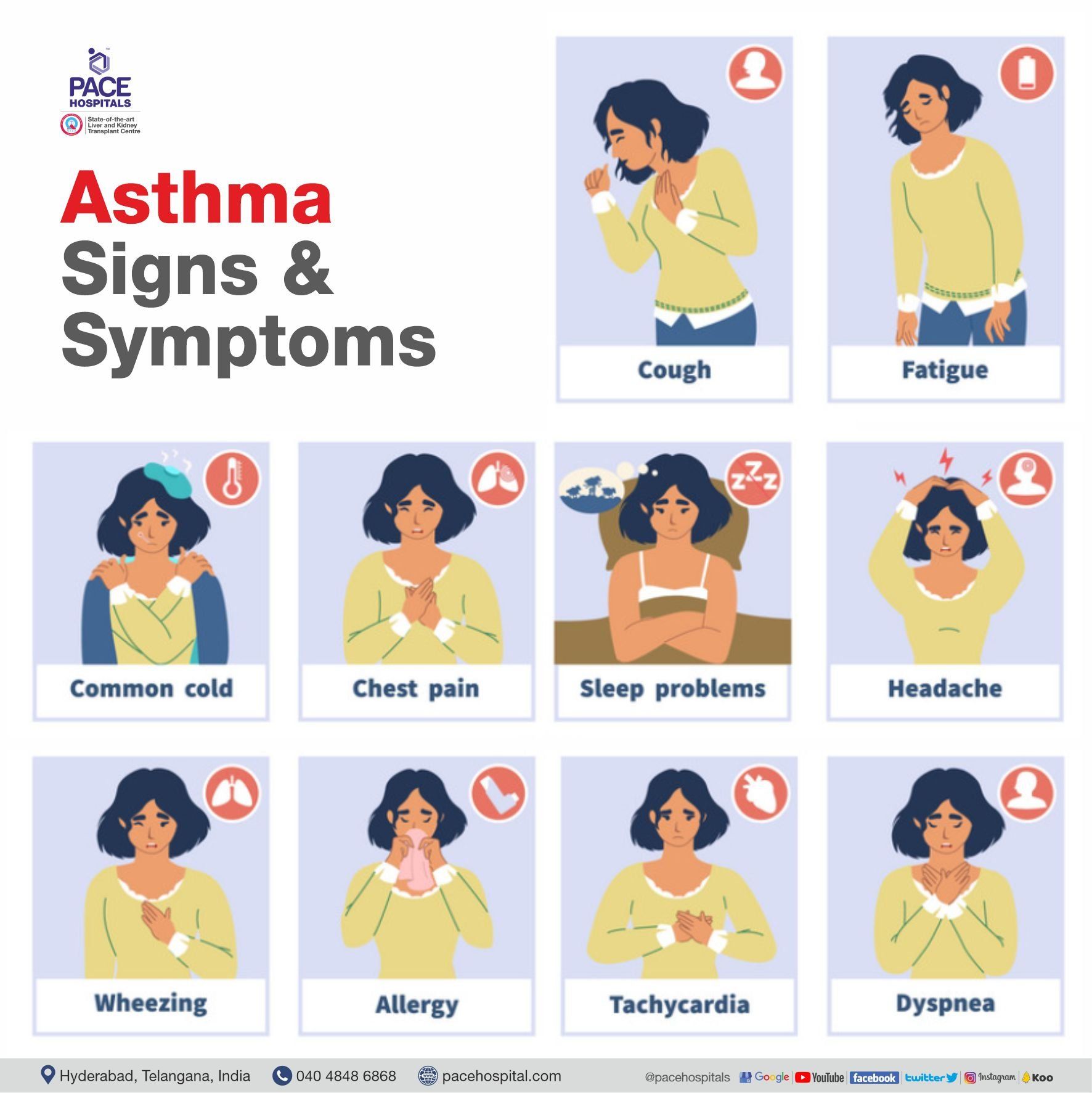
Shortness of breath (SOB), cough, tightness of chest, decrease in peak flow meter, and waking up at night due to a worsening of cough are the most common symptoms of asthma.
What Is the cost of asthma treatment at PACE Hospitals, Hyderabad?
At PACE Hospitals, Hyderabad, the cost of Asthma Treatment typically ranges from ₹8,000 to ₹26,000 (approximately US $95 – US $312), depending on:
- Severity of symptoms (mild, moderate, severe)
- Need for spirometry, peak flow testing, or FeNO testing
- Requirement for nebulisation or inhalation therapy
- Use of advanced bronchodilators or corticosteroid inhalers
- Emergency treatment requirements
- Duration of hospital monitoring
- Additional investigations such as X-ray or allergy panel
For mild to moderate asthma, costs fall at the lower end, while severe asthma attacks or hospital admission may fall toward the higher end.
After a complete respiratory evaluation and lung function testing, our pulmonology team provides a personalised treatment plan and an accurate cost estimate based on your clinical condition and long-term respiratory needs.
What is an asthma attack, and when does it occur?
An asthma attack is the sudden onset and worsening of asthma symptoms, it occurs when narrowing and swelling tightens the airways, making it difficult to breathe. This asthma attack occurs gradually or quickly, and it is life-threatening.
How long asthma symptoms last?
There is no particular time limit for the symptoms to be present in asthma. It can range from a few minutes when it is called mild asthmatic attack to a condition where the patient can become so breathless that he can lose consciousness inspite of emergency treatment when it is called severe asthma attack / status asthmatics. The symptoms not only vary in time for each episode, but the frequency of the episode also varies greatly.
Does asthma cause COPD?
Asthma and COPD are diseases of different spectrum, although the symptoms for both of them are almost the same. The causes for both diseases also vary greatly. It has been seen in a number of cases where the diagnosis have been confused in the above diseases. The treatment is almost the same in both of them, but the complication rate and lung damage is much more severe in COPD when compared to asthma.
In recent studies, it has been observed that poorly controlled asthma for a long time can sometimes convert to COPD. There’s a special disease called Asthma-COPD Overlap Syndrome (ACOS) where the symptoms and findings of both asthma and COPD are present and is a borderline between asthma and COPD.
What are the complications of asthma?
Asthma includes complications that are disease-related and adverse effects of glucocorticoids and endotracheal intubation. Some of the common complications associated with asthma are the decline in lung function, osteoporosis, infection, high blood pressure, diabetes, sleep disorder, mood disorder, and cardiac arrest.
What are the risk factors of asthma?
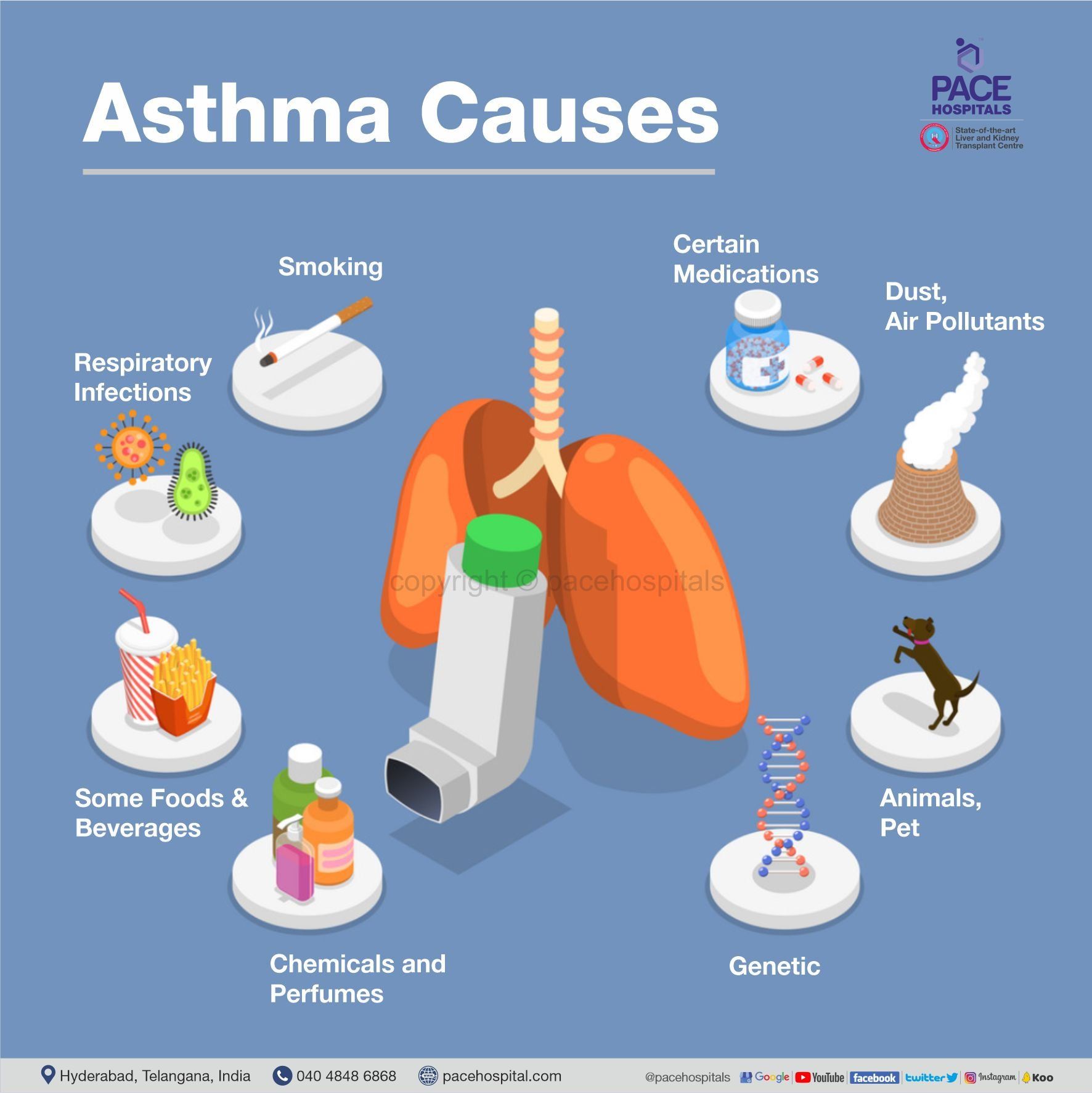
Asthma is believed to result from the interaction between genetic and environmental factors. There are several factors which can increase the risk of developing asthma. These include tobacco use, pollution, obesity, occupational risk factors, microbes and stress.
What is the best treatment for asthma?
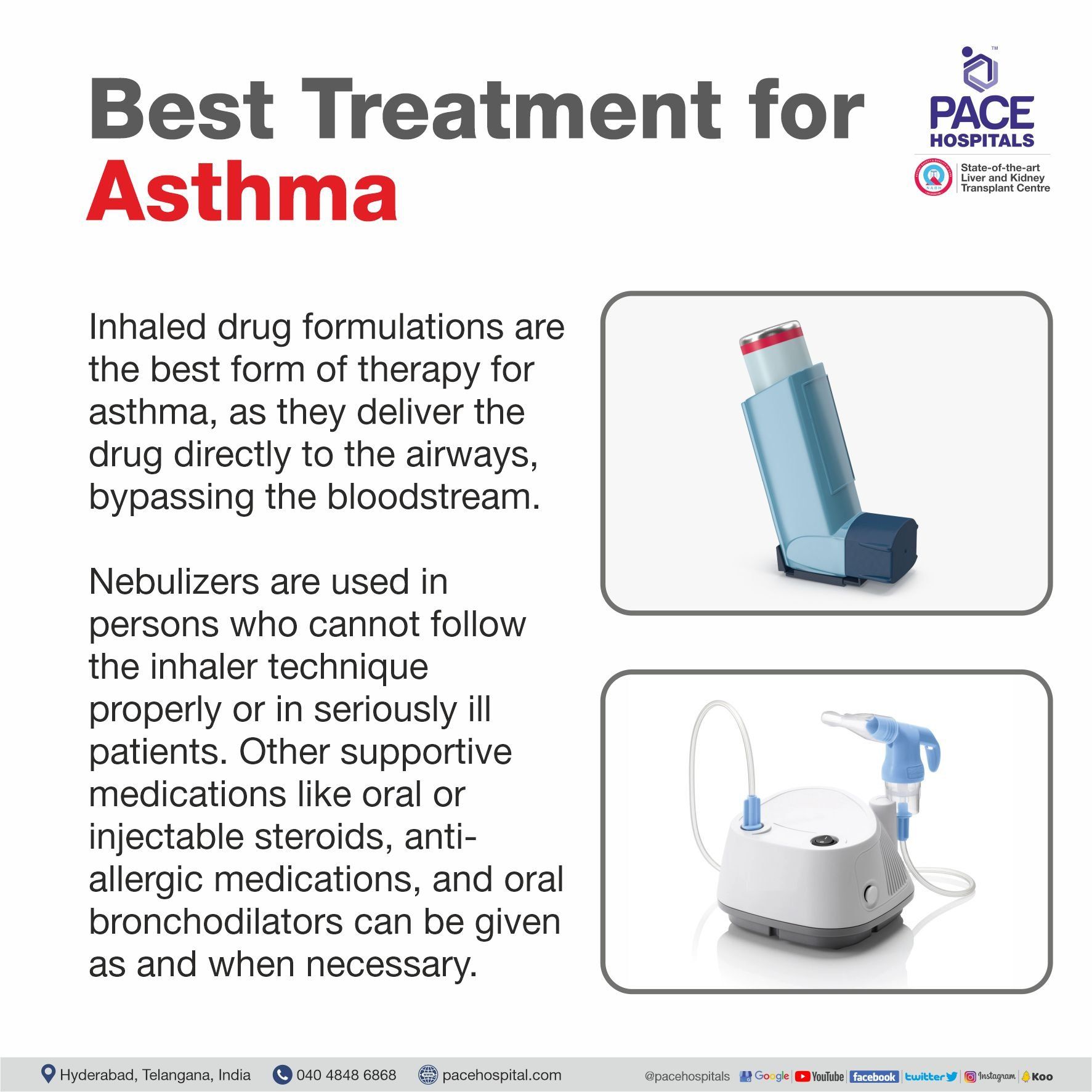
Inhaled drug formulations are the best form of therapy for asthma, as they deliver the drug directly to the airways, bypassing the bloodstream. The side effects are negligible in this form of therapy. Inhalers can be of different types, and the treating doctor decides which is best for the patient after discussing clearly. The drugs used for the inhaler differ, and the dosage and combination of the drugs shall be prescribed by the Pulmonologist as per the requirement of the patient. Nebulizers are used in persons who cannot follow the inhaler technique properly or in seriously ill patients. Other supportive medications like oral or injectable steroids, anti-allergic medications, and oral bronchodilators can be given as and when necessary.
How to prevent asthma?
The exact cause of asthma is unknown; therefore, it may not be possible to prevent asthma, but the severity and further progression of the disease can be prevented. Below are some of the measures to prevent asthma from further progression and severity:
- Encouraging patients to build a healthy lifestyle by educating them about the potential triggers of asthma.
- Recognizing early warning signs of an asthma attack and seeking medical attention when necessary.
- Emphasizing the importance of medication adherence to prevent further progression of disease severity.
- Individuals with active asthma are recommended for routine follow up visits every six months. During this follow-up physicians assess lung function, exacerbations, the efficacy of medications, quality of life, and patient satisfaction.
What is allergic asthma?
Allergic asthma is also called atopic asthma, it is the onset or development of asthma symptoms due to allergic reactions caused by inhaled allergens. These allergens include pollen, dust, animal dander, and mold.
Is asthma restrictive or obstructive?
Asthma is an obstructive pulmonary disease; it is a serious global health problem with an estimated number of 3000 lakh people affected worldwide. People of all ages are affected by this disease.
Can asthma patients travel in flights?
Asthma patients can travel in flights provided their symptoms are under control. In case of symptoms persisting, they need to take advice of the pulmonologist before going on journey.
How to control asthma?
Control of asthma depends on 2 factors:
Avoidance of allergens, taking proper precautions during climatic change, proper adherence to drugs, correct inhaler technique and getting treated for associated diseases like GERD. In spite of good treatment, sudden attacks are common, which when happens immediate doctor consultation is required.
What triggers asthma?
Asthma trigger can be anything which irritates the airway and worsens the asthma symptoms. Respiratory infections such as cold and flu, different weather conditions such as hot and cold weather, hay fever, pollen, dust, indoor air pollution, allergies, pet fur, alcohol, and recreational drugs are triggers of asthma.
Can smoking cause asthma attacks?
Anything that irritates the normal airways of the lung can cause or precipitate an asthma attack. As smoking of cigarettes causes irritation and inflammation of the airways, it definitely increases both the onset and increase in frequency of asthma attacks. The attacks can be much more severe when compared to a non-smoking person.
Does asthma cause chest pain?
Yes, asthma can cause chest pain. Chest pain is one of the symptoms of asthma, and it is caused by changes in airways, such as swelling or inflammation of airways and muscle tightening around the airways.
Can asthma lead to lung cancer?
Yes, asthma can increase the risk of developing lung cancer. Many studies have found a significant link between asthma and lung cancer. A University of Florida research study has found that asthmatic patients are one and half times more likely to develop cancer compared to individuals with no respiratory disease conditions.


