Dietary Tips to Reduce Weight | Everyone Should Know and Follow

PACE Hospitals
People those who are obese or overweight can start healthy and a balanced diet to reduce weight by avoiding and including the foods as per the mentioned list.
What is Obesity?
Obesity is a complex disease involving an excessive amount of body fat. Every 4th person in India is suffering from obesity. Obesity isn't just a cosmetic concern. It's a medical problem that increases the risk of other diseases and health problems, such as heart disease, diabetes, high blood pressure and certain cancers.
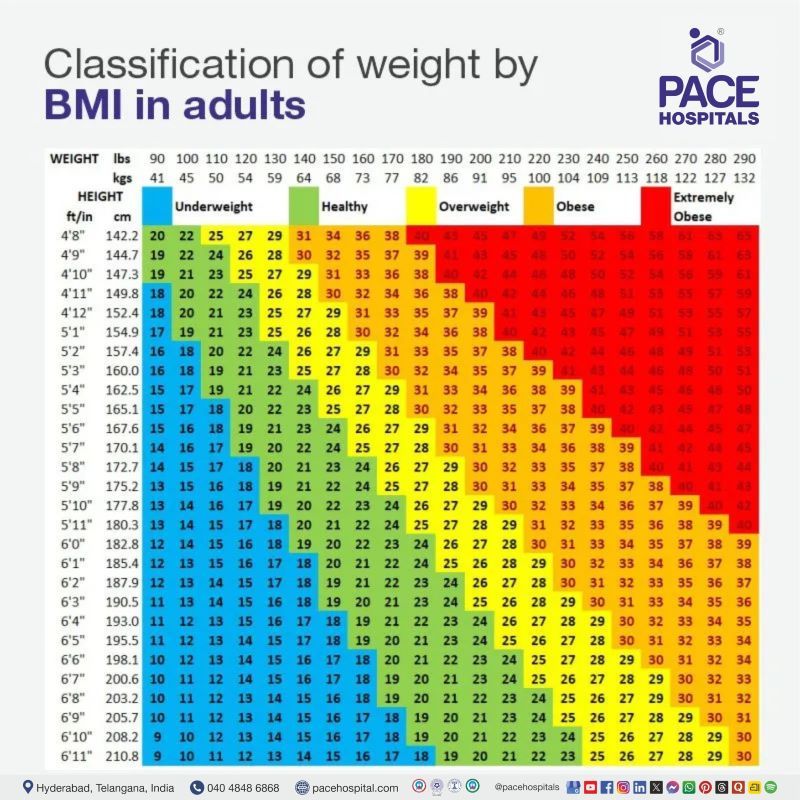
Classification of weight by BMI for adults
Height and weight are the simplest and commonly used measures. A number of weight-for-height indices have been developed, of which the body mass index (BMI) (defined as weight/height (kg/m2) is the most widely used.
BMI generally correlates highly with adiposity, although it can sometimes misclassify total body fat content. For example, athletes who are muscular have a high BMI, due to muscle weighing more than fat, and will have BMIs within the overweight range, even though they are not fat. The shortest and tallest subjects also tend to be misclassified as obese. It is possible to measure adipose tissue mass by vanous means, but most of these require sophisticated apparatus and techniques beyond the scope of most clinical practices. Although bioelectrical impedance (BIA) is easily applied, this technique requires further evaluation for its reproducibility in clinical and epidemiological population-based studies. Therefore, BMI, which is easy to calculate, has been recommended as the measure of obesity for adults to be used.
Dietary tips to reduce weight
Fiber adds bulk to the diet, it can be helpful in controlling weight, aids digestion, helps prevent constipation. To reduce weight and maintain healthy weight, everyone should follow the tips given below:
- Daily intake of water: 8-10 glasses
- Include fruits, vegetables and sprouts in diet.
- Avoid spicy and masala foods.
- Include unprocessed foods like (brown rice, whole wheat flour, brown bread).
- Prefer wheat products to increase fiber in diet.
People are above 30 BMI should do regular health checkups to avoid obesity complications. It is advised for everyone to do regular exercise and follow healthy diet to avoid becoming overweight.
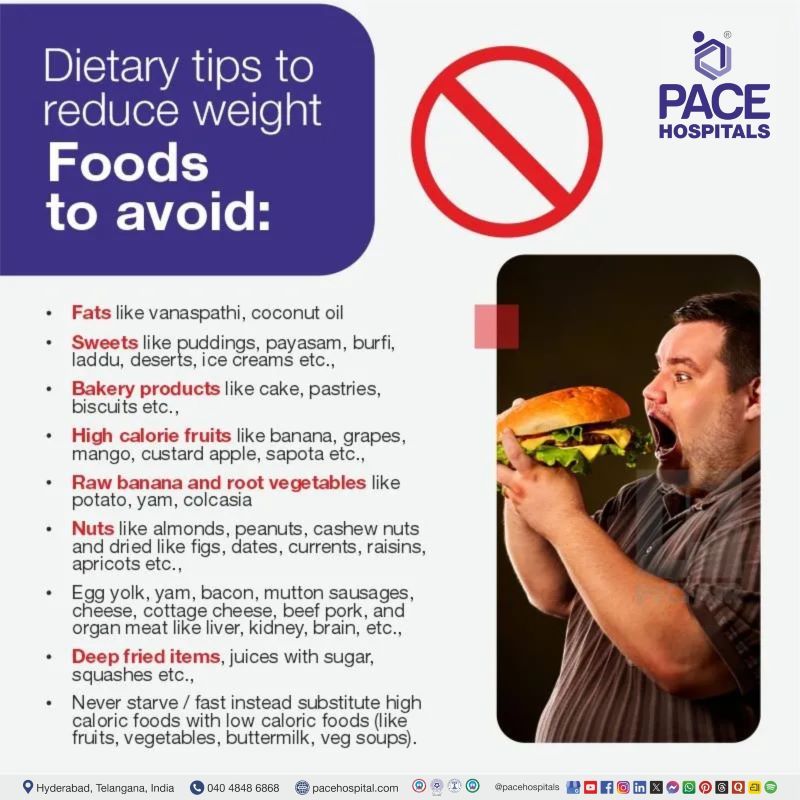
Foods to avoid:
- Fats like vanaspathi, coconut oil
- Sweets like puddings, payasam, burfi, laddu, deserts, ice creams etc.,
- Bakery products like cake, pastries, biscuits etc.,
- High calorie fruits like banana, grapes, mango, custard apple, sapota etc.,
- Raw banana and root vegetables like potato, yam, colcasia
- Nuts like almonds, peanuts, cashew nuts and dried like figs, dates, currents, raisins, apricots etc.,
- Egg yolk, yam, bacon, mutton sausages, cheese, cottage cheese, beef pork, and organ meat like liver, kidney, brain, etc.,
- Deep-fried items, juices with sugar, squashes etc.,
- Never starve/ fast, instead substitute high caloric foods with low caloric foods (like fruits, vegetables, buttermilk, veg soups).

Foods to be included
- High protein food items
- Milk and milk products: milk, yogurt, soya milk, tofu, low fat cheese.
- Nuts and oily seeds: pumpkin, squash, and watermelon seeds, peanuts, almond, flax seeds.
- Cereals and millets: oats, brown rice, bread (whole meal), spaghetti, whole wheat.
- Pulses and legumes: all pulses and legumes rich in protein (like soya beans, rajma, peas).
- Other foods: like broccoli, spinach, potato, apricots dried, quinoa.
Frequently Asked Questions on Weight Reduction, Diet, and Obesity Care
What does body mass index (BMI) indicate in weight assessment?
The body mass index (BMI) measures height and weight to assess weight-related risk. While it does not directly measure body fat, it aids in the screening for health concerns associated with being overweight (obesity) and provides recommendations for initial decision-making in conjunction with clinical evaluation.
How does daily diet influence long-term weight control?
Dietary choices have an impact on calorie intake, hunger hormones, and energy levels. Balanced meals lessen cravings and improve consistency. Compared to restricted regimens, this technique enhances adherence and outcomes over time.
How does Obesity impact overall health?
Obesity increases the risk of metabolic disorders (diabetes, fatty liver), cardiovascular diseases (heart attack), joint issues (arthritis), and hormonal problems. Gradual weight reduction lowers these risks and improves quality of life, mobility, and energy levels.
Are carbohydrates necessary during a weight-loss plan?
Carbohydrates are an important energy source. Choosing complex carbs (vegetables, whole grains), fibers aids digestion and fullness while avoiding the energy crashes associated with excessive restriction.
Does skipping meals help with weight loss?
Skipping meals often give rise to feeling of increasing hunger and overeating later. But, regular and balanced meals help maintain stable blood sugar and consistent intake.
Is exercise necessary alongside dietary changes?
Diet alteration promotes weight loss, whereas exercise improves metabolic health and longevity. Combining both of these two factors yields better long-term outcomes and physical fitness.
How does sleep affect body weight?
Poor sleep disrupts appetite regulation and increases desires for high-calorie foods. Adequate sleep improves hunger control and metabolic balance to get smooth balance of life. By reducing weight, sleep apnea severity can be managed effectively to lead a better life.
Why is sustainable weight loss preferred over rapid weight loss?
Sustainable weight loss preserves muscle mass and metabolic balance while progressively reducing fat levels in the human body. However, quick approaches for rapid weight loss are typically accompanied with food insecurity and weight increase. Long-term practices are more beneficial to retaining result oriented outcomes and overall health.
Can portion control alone support weight reduction?
Portion control reduces calorie intake without deleting nutritional groups. When combined with nutrient-dense foods, understanding optimal portion sizes helps to minimize overeating and encourages constant growth.
Why is protein emphasized in weight-loss diets?
Protein plays a potential role in muscle preservation and increases satiety. Consuming enough protein helps to alleviate appetite, regulates blood sugar (diabetes), and promotes calorie-controlled diet adherence.
How does hydration assist weight management?
Adequate water promotes digestion and hunger control. Drinking plenty of water can help you distinguish between thirst and hunger, allowing you to avoid extra calories.
Can stress interfere with weight-loss efforts?
Chronic stress affects appetite hormones and also increases fat storage. Managing stress improves eating habits and promotes long-term lifestyle changes giving better outcomes.
Can modest weight loss improve metabolic health?
Yes. Even small reductions of body weight can improve insulin sensitivity, blood pressure, and lipid profiles—lowering long-term health risks and issues.
Why do some people struggle to lose weight despite dieting?
Some people's growth is hampered by hormonal imbalances, drugs, stress, and metabolic rate. Personalized examination can assist overcome these barriers successfully.
When should medical guidance be considered for weight loss?
Medical advice is helpful when lifestyle efforts stall, health risks increase, or Obesity is present with complications, ensuring safety and effectiveness.
How does PACE Hospitals support individuals with weight-management challenges?
PACE Hospitals provides:
- Clinical assessment of weight-related risks
- Evaluation of diet, lifestyle, and medical history
- Personalized nutrition and activity guidance
- Ongoing follow-up for sustainable progress
When should someone consult PACE Hospitals for professional weight care?
Consultation is advised when an individual has following:
- Body mass index (BMI) indicates overweight or obesity
- Weight gain persists despite efforts like exercises, natural home remedies are not effective
- Metabolic issues (e.g., diabetes, joint pain) are present
- Structured medical guidance is needed
How does PACE Hospitals assess obesity-related risks?
To carry out obesity- related risks treatment, key assessment includes:
- Interpretation of body mass index (BMI)
- Screening for metabolic and hormonal contributors
- Evaluation of associated health conditions
- Risk stratification to guide treatment choices in accordance to particular health condition
Does PACE Hospitals offer both non-surgical and surgical options?
Yes. Care options include:
- Lifestyle and diet-based programs
- Medical management when indicated
- Evaluation for Bariatric surgery in eligible patients
- Long-term post-treatment monitoring
Why choose PACE Hospitals for long-term weight management?
PACE Hospitals provides:
- Multidisciplinary expertise in weight loss surgery (Bariatric Surgery) and integrated obesity care
- Evidence-based care and patient-centered treatment plans
- Focus on durable health improvement aligned with holistic approach as per requirement
- Continuity of care under one system
Share on
Request an appointment
Fill in the appointment form or call us instantly to book a confirmed appointment with our super specialist at 04048486868
Appointment request - health articles
Recent Articles