Blood Cancer: Types, Symptoms, Causes & Treatment
PACE Hospitals
Written by: Editorial Team
Medically reviewed by: Dr. Ramesh Parimi, Senior Consultant – Surgical Oncology, Specialist in Cancer Surgery
Overview | Statistics | Types | Symptoms | Causes | Risk Factors | Complications | Diagnosis | Treatment | Prevention | Blood Cancer vs Leukemia | FAQs | When to consult a Doctor
Blood cancer definition
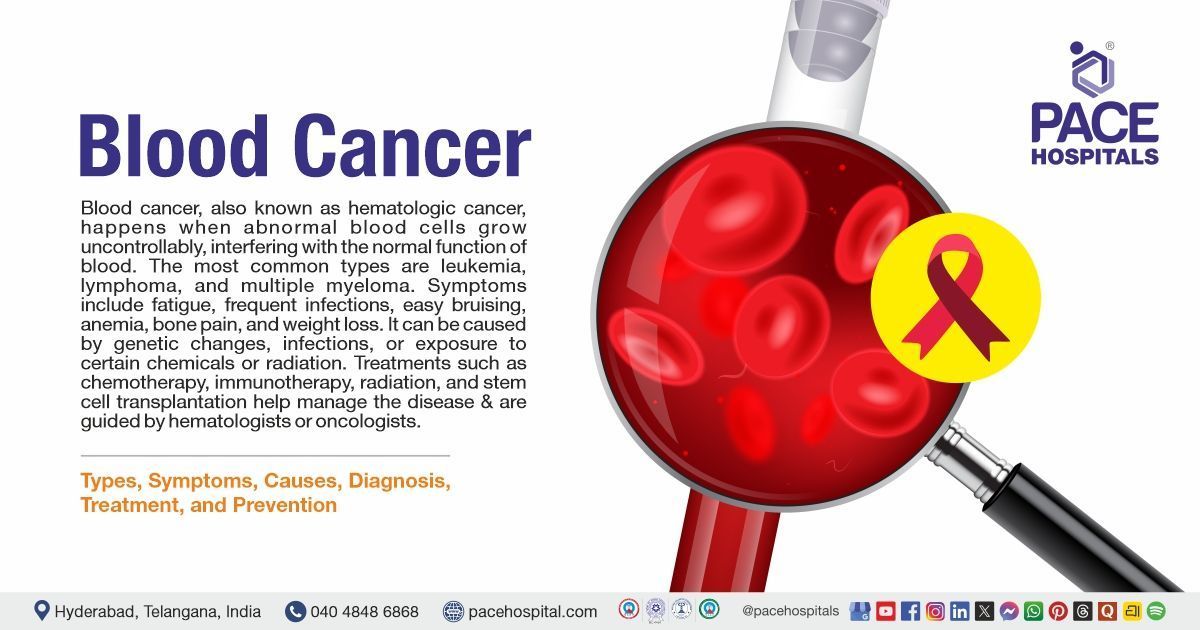
Blood cancer refers to a group of diseases in which abnormal blood cells grow uncontrollably and interfere with the normal function of healthy blood cells. These cancers usually begin in the bone marrow, where blood is produced, and are also known as hematologic cancers. Common types of blood cancer such as leukemia, lymphoma, and multiple myeloma.
Blood cancer is associated with symptoms such as fatigue, frequent infections, unexplained bruising or bleeding, anemia, bone pain, swollen lymph nodes, weight loss, and weakness. It can be caused by genetic alterations in blood cells, exposure to certain chemicals or radiation, infections, or inherited risk factors.
Although blood cancer can be serious and, in some cases, chronic (long-term), treatments including chemotherapy, targeted therapy, radiation therapy, immunotherapy and stem cell transplantation can help manage the disease and improve patient outcomes.
Diagnosis and treatment are managed by a doctor, usually a hematologist or
oncologist, using blood tests, bone marrow examinations, imaging studies, and genetic testing to confirm the type of blood cancer and guide appropriate treatment.
Blood cancer meaning
The term blood cancer is derived from English and Latin:
- The modern English word “blood” comes from Old English blōd (around 1000 AD), meaning the fluid circulating in arteries and veins.
- “Cancer” is derived from the Latin word “cancer”, meaning crab, and is used to describe diseases in which cells grow uncontrollably.
Thus, blood cancer refers to a condition in which abnormal cells grow uncontrollably in the blood, bone marrow, or lymphatic system.
Blood Cancer Statistics
Blood cancer statistics in the World
Blood cancers, including leukemia, lymphoma, and multiple myeloma, are a major global health burden. According to global cancer estimates from the International Agency for Research on Cancer and the World Health Organization, over 13 lakh new blood cancer cases are diagnosed worldwide each year, accounting for about 6–7% of all new cancers. Non-Hodgkin lymphoma is the most common type globally. The burden is rising due to population growth, ageing, improved diagnosis, and better survival.
Blood cancer statistics in India
Blood cancers, including leukemia, lymphoma, and multiple myeloma, are a significant and growing health burden in India. According to the International Agency for Research on Cancer (GLOBOCAN) and the World Health Organization, India reports around 1.2–1.3 lakh new blood cancer cases annually. These cancers account for 8–9% of cancers in men and 5–6% in women. Leukemia is most common in children and young adults, while non-Hodgkin lymphoma predominates in adults.
Blood Cancer Types
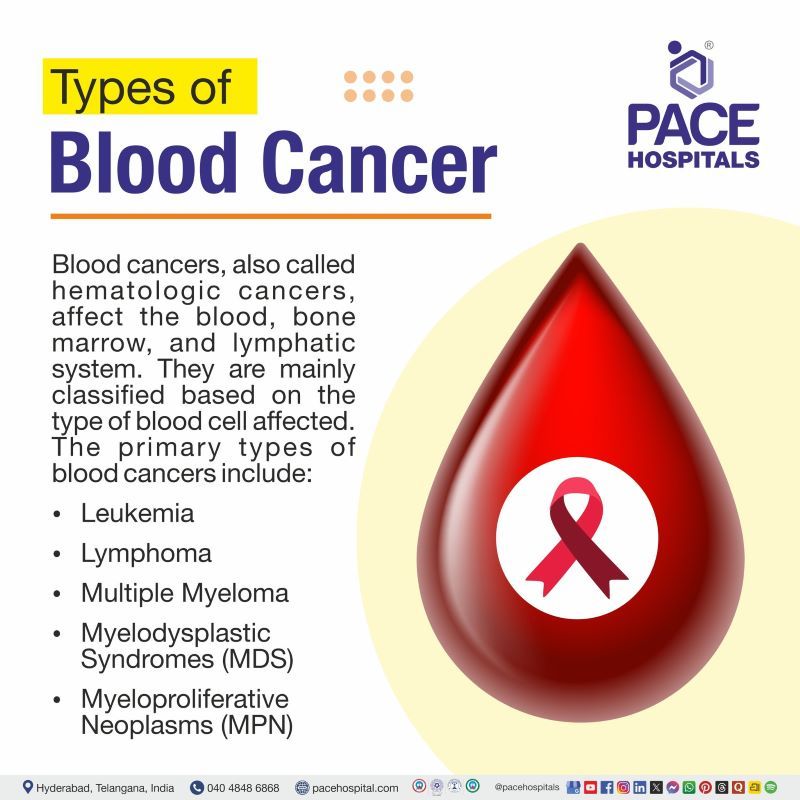
Blood cancers, also called hematologic cancers, affect the blood, bone marrow, and lymphatic system. They are mainly classified based on the type of blood cell affected. The primary types of blood cancers include:
- Leukemia
- Lymphoma
- Multiple Myeloma
- Myelodysplastic Syndromes (MDS)
- Myeloproliferative Neoplasms (MPN)
Leukemia
Leukemia is a cancer of the bone marrow and blood, where the body produces an excessive number of abnormal white blood cells that do not function properly. These abnormal cells crowd out healthy blood cells, leading to anemia, infections, and bleeding problems.
Subtypes of leukemia:
- Acute Lymphoblastic Leukemia (ALL): It rapidly progressing, and mainly affects children, involves lymphoid cells.
- Acute Myeloid Leukemia (AML): Rapid progression, more common in adults, involves myeloid cells.
- Chronic Lymphocytic Leukemia (CLL): Slowly progressing, usually in older adults, affects B lymphocytes.
- Chronic Myeloid Leukemia (CML): Slowly progressing, affects myeloid cells, often linked to the Philadelphia chromosome mutation.
Lymphoma
Lymphoma is a cancer of the lymphatic system, which is part of the immune system. It mainly affects lymphocytes, a type of white blood cell.
Two main types of Lymphoma :
- Hodgkin Lymphoma (HL): Characterised by Reed-Sternberg cells; usually starts in lymph nodes and spreads in an orderly manner. Common in young adults (20–40 years).
- Non-Hodgkin Lymphoma (NHL): More common than HL, can involve B-cells or T-cells, spreads unpredictably, and may affect organs like the liver or bone marrow.
Multiple Myeloma
Multiple myeloma is a cancer of plasma cells, specialised B lymphocytes that produce antibodies. In this disease, abnormal plasma cells accumulate in the bone marrow, interfering with normal blood cell production and causing bone damage.
Myelodysplastic Syndromes (MDS)
MDS is a group of disorders caused by abnormal development of blood cells in the bone marrow. The bone marrow produces immature or defective blood cells, which leads to low levels of healthy blood cells.
Myeloproliferative Neoplasms (MPN)
MPN is a group of blood cancers where the bone marrow produces too many blood cells, red cells, white cells, or platelets. Unlike leukemia, the cells are mature but abnormal in function.
Common types of Myeloproliferative Neoplasms (MPN):
- Polycythemia Vera (PV): Excess production of red blood cells.
- Essential Thrombocythemia (ET): Excess platelets.
- Primary Myelofibrosis (PMF): Scar tissue builds up in the bone marrow, leading to low blood counts and spleen enlargement.
Blood Cancer Symptoms
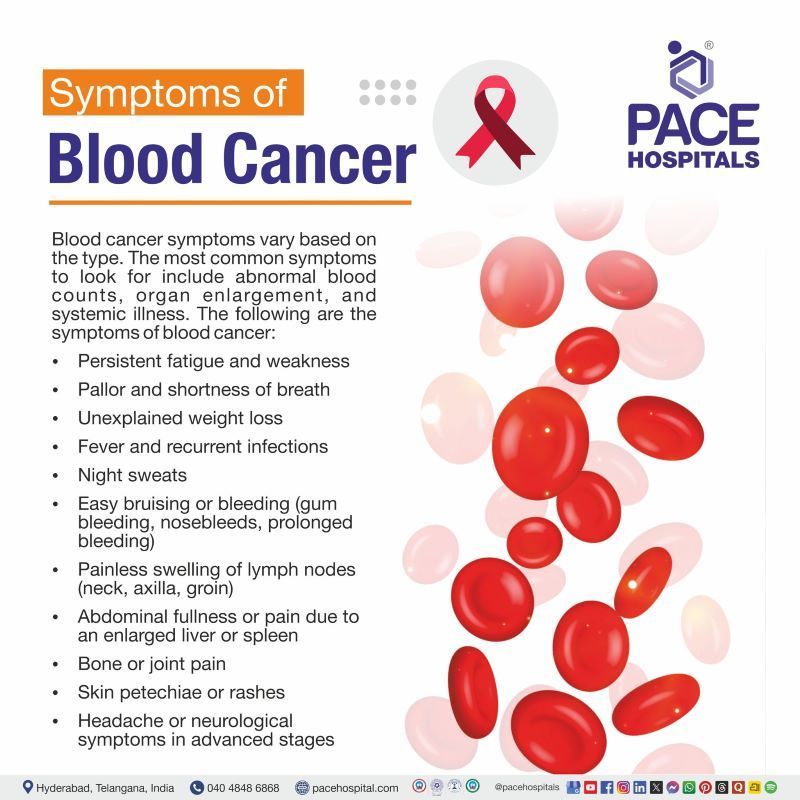
Blood cancer symptoms vary based on the type. The most common symptoms to look for include abnormal blood counts, organ enlargement, and systemic illness. The following are the symptoms of blood cancer:
- Persistent fatigue and weakness
- Pallor and shortness of breath
- Unexplained weight loss
- Fever and recurrent infections
- Night sweats
- Easy bruising or bleeding (gum bleeding, nosebleeds, prolonged bleeding)
- Painless swelling of lymph nodes (neck, axilla, groin)
- Abdominal fullness or pain due to an enlarged liver or spleen
- Bone or joint pain
- Skin petechiae or rashes
- Headache or neurological symptoms in advanced stages
Persistent fatigue and weakness: Blood cancer reduces the number of healthy red blood cells, resulting in anemia. This makes everyday tasks exhausting and lowers overall stamina.
Pallor and shortness of breath: A lack of sufficient red blood cells makes the skin appear pale, and oxygen delivery to organs becomes inefficient. This can also make even small activities like climbing stairs feel difficult.
Unexplained weight loss: Cancer cells may consume nutrients intended for the body, and the disease can also affect appetite. Over time, this can lead to prominent and rapid weight loss.
Fever and recurrent infections: Low white blood cell (WBC) counts compromise the immune system, making the body vulnerable to bacteria and viruses. Recurrent infections or continuous fever are common warning signs.
Night sweats: These are often drenching and may soak clothing and bedding. They occur because the cancer affects hormone and immune responses, leading to issues with temperature regulation.
Easy bruising or bleeding (gum bleeding, nosebleeds, prolonged bleeding): With fewer platelets, minor injuries can lead to prolonged bleeding or large bruises. Even minor cuts can take much longer to stop bleeding.
Painless swelling of lymph nodes (neck, axilla, and groin): The accumulation of abnormal blood cells in lymph nodes causes swelling. Since it is often painless, it may go unnoticed until it becomes prominent.
Abdominal fullness or pain due to an enlarged liver or spleen: Enlargement of these organs can compress surrounding tissues. This can lead to discomfort, early satiety, or a feeling of abdominal pressure.
Bone or joint pain: Cancer cells crowding the bone marrow increase pressure inside the bones. Pain is often dull, persistent, and may worsen at night or during activity.
Skin petechiae or rashes: These are tiny spots appear when blood leaks from capillaries under the skin. They can signal low platelet levels and often signal clotting problems.
Headache or neurological symptoms in advanced stages: If cancer spreads or affects blood flow in the brain, it can cause headaches, vision changes, numbness, or difficulty concentrating.
Causes of Blood Cancer
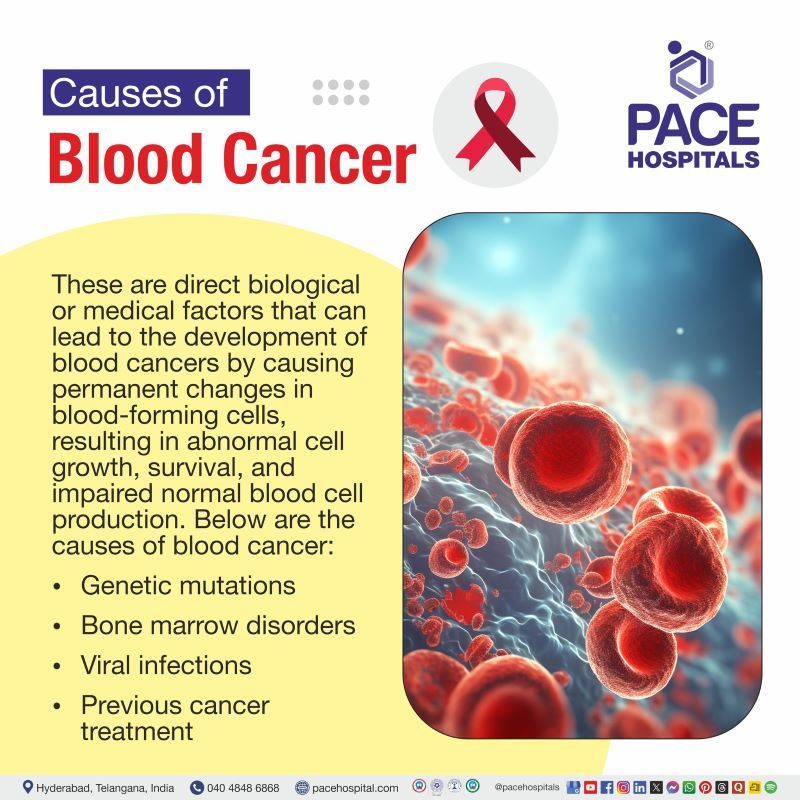
These are direct biological or medical factors that can lead to the development of blood cancers by causing permanent changes in blood-forming cells, resulting in abnormal cell growth, survival, and impaired normal blood cell production. Below are the causes of blood cancer:
- Genetic mutations
- Bone marrow disorders
- Viral infections
- Previous cancer treatment
Genetic mutations: Acquired or inherited DNA changes cause uncontrolled growth and division of blood cells. These mutations may affect genes responsible for cell cycle control, DNA repair, or apoptosis, allowing abnormal cells to survive and multiply.
Bone marrow disorders: Conditions such as myelodysplastic syndrome disrupt normal blood cell production and promote abnormal cell growth. Over time, ineffective marrow function creates an environment where malignant blood cells can replace healthy cells.
Viral infections: Viruses like Epstein–Barr virus (EBV) and HTLV-1 interfere with normal blood cell regulation and trigger malignant transformation. Chronic viral infection can accelerate persistent immune activation and genetic instability, increasing cancer risk.
Previous cancer treatment: Chemotherapy or radiotherapy can damage bone marrow cells, leading to secondary blood cancers years later. The risk depends on the type, dose, and duration of treatment, as well as individual susceptibility.
Blood Cancer Risk Factors
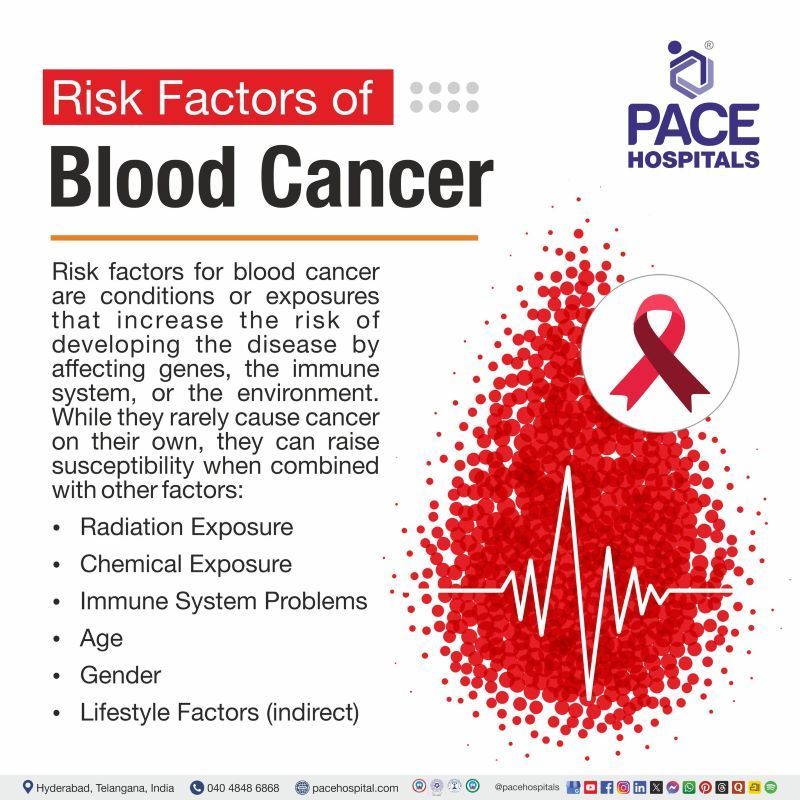
Risk factors for blood cancer are conditions or exposures that increase the risk of developing the disease by affecting genes, the immune system, or the environment. While they rarely cause cancer on their own, they can raise susceptibility when combined with other factors:
- Radiation Exposure
- Chemical Exposure
- Immune System Problems
- Age
- Gender
- Lifestyle Factors (indirect)
Radiation Exposure: Therapeutic radiation and certain chemotherapy treatments can raise the incidence of subsequent blood malignancies, particularly acute myeloid leukemia, for many years following exposure.
Chemical Exposure: Long-term contact with carcinogenic chemicals like benzene, pesticides, or industrial toxins triggers chromosomal abnormalities in bone marrow. Benzene, which is commonly found in gasoline and solvents, shows dose-dependent links to acute myeloid leukemia in occupational and epidemiological studies.
Immune System Problems: Immunodeficiency states, including HIV infection, autoimmune disorders, or immunosuppression after organ transplant, impair surveillance against malignant clones. HIV-associated lymphomas arise from chronic B-cell stimulation by the virus.
Age: The incidence of many blood cancers increases with age, particularly in older adults, due to cumulative genetic damage and age-related changes in bone marrow function.
Gender: Blood cancers are generally more common in men than in women. This may be due to differences in hormones, immune response, genetics, and environmental or occupational exposures, which can influence how blood cancers develop.
Lifestyle Factors (indirect): Smoking, obesity, and persistent exposure to hazardous substances may all raise the risk of blood cancer by causing inflammation, immunological dysregulation, and genetic damage.
Blood Cancer Complications
Blood cancers can lead to multiple serious complications due to abnormal blood cell production, immune suppression, and treatment effects. These complications may affect the blood, immune system, bones, and vital organs, and can become life-threatening without timely management. The following are the complications of blood cancer:
- Anemia
- Thrombocytopenia and bleeding
- Neutropenia and severe infections
- Immunosuppression
- Sepsis
- Thromboembolism (DVT, pulmonary embolism)
- Bone marrow failure/pancytopenia
- Organ dysfunction (kidney, liver, heart)
- Bone destruction and fractures
- Tumor lysis syndrome
- Hypercalcemia
- Neurologic complications (e.g., spinal cord compression, CNS involvement)
- Treatment-related toxicity
- Secondary malignancies
Anemia: In blood cancers like leukemia, lymphoma, or multiple myeloma, cancer cells crowd the bone marrow, reducing red blood cell production. This leads to fatigue, weakness, and shortness of breath, common symptoms in these patients.
Thrombocytopenia and Bleeding: Cancer infiltration of the bone marrow reduces platelet production, causing low platelet counts. This increases the risk of bruising, nosebleeds, gum bleeding, or severe internal hemorrhage.
Neutropenia and Severe Infections: Blood cancers suppress white blood cell production, weakening the immune system. Patients are prone to recurrent, severe infections caused by bacteria or fungi that generally do not cause illness.
Immunosuppression: Both the cancer and treatments like chemotherapy impair immune function. This makes patients highly susceptible to infections and can delay recovery from even minor illnesses.
Sepsis: Because of neutropenia and immunosuppression, infections can rapidly progress to sepsis in blood cancer patients. This is a life-threatening systemic response requiring urgent treatment.
Thromboembolism (DVT, Pulmonary Embolism): Some blood cancers increase clotting factors and blood inflammation, raising the risk of deep vein thrombosis and pulmonary embolism. Cancer therapy can further exacerbate this risk.
Bone Marrow Failure / Pancytopenia: Malignant cells replace normal marrow, reducing production of red cells, white cells, and platelets. This leads to combined problems: anemia, infection risk, and bleeding tendencies.
Organ Dysfunction (Kidney, Liver, and Heart): Blood cancers can directly affect organs through infiltration or indirectly through metabolic changes. Cancer treatments like chemotherapy can also cause organ toxicity, leading to kidney, liver, or heart failure.
Bone Destruction and Fractures: In multiple myeloma and some leukemias, cancer cells produce factors that erode bone tissue. This causes bone pain, weakened bones, and fractures.
Tumor Lysis Syndrome: Rapid breakdown of cancer cells, especially after chemotherapy, releases potassium, uric acid, and phosphate into the blood. This can lead to acute kidney injury and cause severe metabolic imbalances.
Hypercalcemia: Bone destruction by malignant plasma cells releases calcium into the bloodstream. Elevated calcium levels can cause nausea, confusion, dehydration, and heart rhythm problems.
Neurologic Complications: Blood cancers can invade the central nervous system or compress the spinal cord through tumors or bone lesions. This leads to weakness, numbness, pain, or even paralysis.
Treatment-Related Toxicity: Chemotherapy, radiation, steroids, targeted therapies, and immunotherapy can damage normal tissues and cause complications like organ toxicity, infections, or long-term side effects.
Secondary Malignancies: Patients with blood cancers are at risk for new cancers due to genetic instability from the disease or as a late effect of chemotherapy and radiation therapy.
Blood Cancer Diagnosis
Blood cancer diagnosis is primarily based on clinical evaluation, including medical history and physical examination, to identify suspicious symptoms and signs. Below are the steps involved in the diagnosis of blood cancer:
- Medical history
- Physical examination
- Laboratory Tests
- Complete Blood Count (CBC)
- Peripheral Blood Smear
- Biochemical and Metabolic Tests
- Comprehensive Metabolic Panel
- Calcium and Creatinine
- Lactate Dehydrogenase (LDH) & Uric Acid
- Coagulation Profile
- Plasma Cell / Myeloma-Specific Tests (if suspected)
- Serum Protein Electrophoresis (SPEP) + Immunofixation
- Serum Free Light Chain Assay (FLC)
- 24-hour Urine Protein Electrophoresis (UPEP) + Immunofixation
- Bone Marrow Examination
- Bone Marrow Aspiration
- Bone Marrow Trephine (Core) Biopsy
- Additional Bone Marrow Studies:
- Immunophenotyping / Flow Cytometry
- Cytogenetic Tests:
- Conventional karyotyping
- Fluorescence in situ hybridisation (FISH)
- Molecular Tests:
- PCR-based assays (detect recurrent fusions/mutations)
- Next-generation sequencing (NGS) panels for classification, risk stratification, and actionable mutations
- Tissue Biopsy (for suspected lymphoma)
- Excisional Lymph Node Biopsy
- Histopathology & Ancillary Studies
- Imaging Studies
- PET/CT – Positron Emission Tomography / Computed Tomography
- CT – Computed Tomography
- MRI – Magnetic Resonance Imaging
- Supportive/Optional Imaging
- USG (Ultrasound)
- X-rays
- Additional Tests (Selected Cases)
- Lumbar Puncture / CSF Evaluation
Blood Cancer Treatment
Treatment of blood cancers focuses on eliminating malignant cells and restoring healthy blood cell function, under the guidance of a hematologist /oncologist. Therapy is tailored to the specific type and stage of leukemia, lymphoma, or myeloma. The treatment options include the following:
- Active Monitoring (Watch and Wait)
- Pharmacological Therapy
- Chemotherapy
- Targeted Therapy
- Immunomodulatory Drugs
- Antibody-based Agents
- Immunotherapy
- Checkpoint Inhibitors
- Cellular Therapies (CAR T-cell therapy)
- Other Cell-based Therapies
- Hematopoietic Stem Cell Transplantation (HSCT)
- Autologous Transplantation
- Allogeneic Transplantation
- Radiation Therapy
- External Beam Radiation
- Total Body Irradiation
- Supportive and Adjunctive Care
- Growth Factor Support
- Transfusion Support
- Infection Prevention & Nutritional Support
- Pain management & psychosocial support
Why Choose PACE Hospitals?
Expert Super Specialist Doctors
Advanced Diagnostics & Treatment
Affordable & Transparent Care
24x7 Emergency & ICU Support
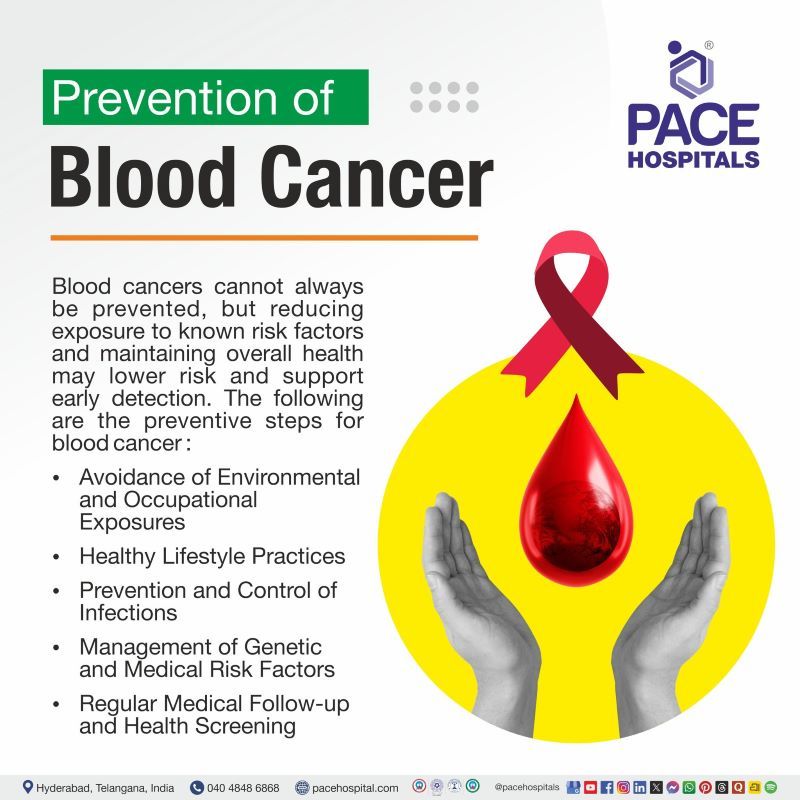
Prevention of Blood Cancer
Blood cancers cannot always be prevented, but reducing exposure to known risk factors and maintaining overall health may lower risk and support early detection. The following are the preventive steps for blood cancer:
- Avoidance of Environmental and Occupational Exposures
- Healthy Lifestyle Practices
- Prevention and Control of Infections
- Management of Genetic and Medical Risk Factors
- Regular Medical Follow-up and Health Screening
Avoidance of Environmental and Occupational Exposures: Limiting exposure to harmful chemicals such as benzene, pesticides, and industrial solvents can reduce the risk. Use of protective equipment and adherence to workplace safety regulations are essential, especially in high-risk occupations.
Healthy Lifestyle Practices: Maintaining a balanced diet, regular physical activity, and a healthy body mass index (BMI) supports immune function. Avoidance of tobacco, excessive alcohol consumption, and substance abuse further decreases cancer-related risks.
Prevention and Control of Infections: Certain viral infections are associated with blood cancers; timely vaccination and early treatment of chronic infections help to reduce the risk. Practising good hygiene and safe medical practices is important, particularly in immunocompromised individuals.
Management of Genetic and Medical Risk Factors: Individuals with inherited syndromes or underlying blood disorders need regular monitoring. Early medical intervention and counseling may help reduce progression to malignancy.
Regular Medical Follow-up and Health Screening: Routine health check-ups and blood tests help in the early detection of abnormalities. Early diagnosis allows timely management and improves overall outcomes.
Difference between Leukemia and Blood Cancer
Blood Cancer vs Leukemia
Blood cancer is a broad category of malignancies affecting blood, bone marrow, and lymphatic tissues. At the same time, leukemia is a specific type of blood cancer that primarily affects white blood cells in the bone marrow. Understanding the differences helps in identifying the disease, assessing severity, and planning appropriate treatment. The main differences between blood cancer and leukemia are as follows:
| Aspect | Blood Cancer | Leukemia |
|---|---|---|
| Definition | A broad term for cancers that affect blood-forming tissues, including bone marrow and the lymphatic system. | A specific type of blood cancer that originates in the bone marrow and primarily affects white blood cells. |
| Types | Includes leukemia, lymphoma, and multiple myeloma. | Classified into acute or chronic, and lymphoid or myeloid (e.g., ALL, AML, CLL, CML). |
| Primary Site of Origin | It may arise in bone marrow, lymph nodes, or plasma cells, depending on subtype. | Originates mainly in the bone marrow with spillover into peripheral blood. |
| Main Cell Affected | It may arise in bone marrow, lymph nodes, or plasma cells, depending on subtype. | Predominantly affects white blood cells. |
| Clinical Presentation | Symptoms vary widely depending on the subtype and may include lymph node enlargement, bone pain, anemia, bleeding or infections. | Standard features include fatigue, recurrent infections, fever, bleeding tendencies, and abnormal blood counts. |
| Treatment Approach | Treatment depends on the subtype and may include chemotherapy, targeted therapy, immunotherapy, radiation, or stem cell transplant. | Managed with leukaemia-specific chemotherapy, targeted therapy, immunotherapy, and sometimes stem cell transplantation. |
Frequently asked questions (FAQs) on Blood Cancer
Is blood cancer curable?
Yes, many blood cancers can be cured or put into long-term remission, especially when diagnosed early and treated appropriately with chemotherapy, immunotherapy, stem cell transplant, or combinations. Outcomes vary by cancer type, stage, and patient factors, with some leukemias and lymphomas having high cure rates.
What is blood cancer?
Blood cancer (hematologic malignancy) is a group of cancers that begin in the blood-forming tissues, such as bone marrow or lymphatic system, leading to abnormal growth of blood cells that crowd out healthy cells and impair immune function.
What are the symptoms of blood cancer?
Symptoms of blood cancer often include persistent fatigue, weakness, frequent infections, swollen lymph nodes, unexplained weight loss, easy bruising or bleeding, night sweats, bone pain, and shortness of breath, though they can be nonspecific and mimic other illnesses.
What cancer causes a high white blood cell count?
Leukemias, particularly acute leukemias and certain chronic leukemias, are blood cancers characterized by excessive proliferation of abnormal white blood cells, which can be detected as a high white blood cell count on routine blood tests.
What causes blood cancer?
Blood cancers usually result from DNA mutations in blood cell precursors. Risk factors include older age, genetic predisposition, prior exposure to radiation or toxic chemicals, and previous chemotherapy, though many cases occur with no identifiable cause.
Can cancer spread from one person to another through the blood?
No, blood cancers are not contagious and cannot be transmitted from one person to another through blood, contact, or casual exposure. Transmission of cancer cells between people does not occur under natural conditions.
Which type of blood cancer is most dangerous?
Aggressive forms such as acute leukaemias (e.g., acute myeloid leukaemia or acute lymphoblastic leukaemia) are often considered most immediately life-threatening due to rapid progression without treatment. Risk also depends on patient age and disease severity.
What blood test shows cancer?
A complete blood count (CBC) can reveal abnormal cell counts that raise suspicion. Definitive diagnosis typically needs a bone marrow biopsy and additional tests to confirm the presence and type of malignant cells.
Is blood cancer genetic?
Most blood cancers are not directly inherited, but genetic mutations and familial syndromes can increase risk. Certain inherited disorders and gene mutations are associated with a higher incidence, though the majority of cases are sporadic.
How to prevent blood cancer?
Complete prevention is not possible; many causes are unknown, but risk alleviation includes avoiding smoking, minimising exposure to toxic chemicals and radiation, and maintaining overall health. Regular check-ups may help with early diagnosis.
Can cancer patients donate blood?
Generally, people who are undergoing treatment for or have active blood cancer should not donate blood due to safety concerns. After successful treatment and a period of sustained remission, eligibility to donate is determined based on medical evaluation and local guidelines.
Is blood cancer dangerous?
Yes, blood cancers can be life-threatening because they interfere with critical functions like infection defence, oxygen transport, and clotting. Without timely treatment, progression can lead to severe complications.
Is blood cancer painful?
Blood cancers may cause discomfort, including bone or joint pain, headaches, and lymph node tenderness. This pain can result from bone marrow expansion or enlargement of organs and may vary in intensity depending on the type of blood cancer and the extent of disease progression.
When to consult a doctor for blood cancer?
Consult a doctor for blood cancer if symptoms persist for several weeks, get worse, or interfere with daily activities. Signs that need attention include:
- Persistent fatigue or weakness
- Frequent infections
- Unexplained bruising or bleeding
- Persistent fever or night sweats
- Unexplained weight loss
- Swollen lymph nodes
- Bone or joint pain
- Pale skin or shortness of breath
If these symptoms continue, it is essential to consult a blood cancer specialist who can evaluate the cause through blood tests and other investigations and recommend the right treatment plan. Seek emergency medical care if you experience severe or uncontrolled bleeding, high fever, sudden chest pain, extreme breathlessness, or sudden confusion, as these may indicate severe complications. A general physician, haematologist, or oncologist can provide correct blood cancer treatment to manage the condition and help prevent complications.
Share on
Request an appointment
Fill in the appointment form or call us instantly to book a confirmed appointment with our super specialist at 04048486868
Appointment request - health articles
Recent Articles