What Is the Role of Hepatology in Liver Health?
PACE Hospitals
Written by: Editorial Team
Medically reviewed by: Dr. Govind Verma - Senior Consultant Gastroenterologist & Hepatologist
Hepatology is the medical specialty focused on preventing, diagnosing, and treating liver disease, especially fatty liver, hepatitis, cirrhosis, and liver cancer, so problems are caught early, complications are prevented, and treatment is started on time.
Your liver performs hundreds of essential tasks every day, including processing nutrients, producing bile, and supporting immunity, balancing hormones, and helping remove toxins. The challenge is that many liver conditions stay “silent” until they become advanced, which is why hepatology emphasizes screening, early staging (like FibroScan), and long-term surveillance when needed.
In India, liver disease is a major and growing public health burden, and hepatology in India plays a critical role in early detection, structured monitoring, and prevention of advanced liver complications. Fatty liver disease is common in adults, especially among people with diabetes, obesity, and metabolic syndrome. Viral hepatitis also remains significant, WHO estimates ~40 million people in India live with chronic hepatitis B and ~6–12 million with chronic hepatitis C.
The good news: modern hepatology has dramatically improved outcomes, hepatitis C is now curable, hepatitis B is highly controllable with antivirals, and early detection of fibrosis/cirrhosis can prevent life-threatening complications and reduce liver cancer risk through structured monitoring.
Liver Disease Quick Summary
- Many liver diseases cause no symptoms early - screening matters more than waiting for signs.
- Fatty liver can often be reversed with sustained weight and metabolic control when caught early.
- Chronic hepatitis B and C are common in India; hepatitis C is often curable with DAAs.
- If fibrosis/cirrhosis is present, the goal is complication prevention + liver cancer surveillance every 6 months.
- A hepatologist helps you understand: cause → stage → risk → treatment plan → follow-up schedule.
Liver Screening for High-Risk People (Even Without Symptoms)
You should consider liver screening if you have:
- Diabetes, obesity, high triglycerides, high BP, or metabolic syndrome
- Regular alcohol intake or a history of heavy drinking
- Past exposure risk: unsafe injections, unsterile tattoos/piercings, dialysis, transfusions, or a household contact with hepatitis
- Long courses of potentially liver-toxic medicines (e.g., TB treatment)
- Family history of cirrhosis, fatty liver, Wilson’s disease, hemochromatosis, or early liver cancer
Common screening tests
- Blood tests: ALT/AST, bilirubin, alkaline phosphatase, albumin, INR
- Ultrasound abdomen
- Viral markers: HBsAg (HBV), Anti-HCV (HCV)
- Fibrosis assessment when indicated: FibroScan / non-invasive fibrosis scores (to identify people at risk of progression)
When Liver Symptoms Are an Emergency
Seek urgent medical care if you have any of the following:
- Vomiting blood or black, tarry stools
- Confusion, extreme sleepiness, or sudden behavior changes (possible encephalopathy)
- Fever with abdominal swelling/pain (possible ascitic infection/SBP in cirrhosis)
- Severe jaundice with bleeding tendency or fainting
- Severe abdominal pain + vomiting + jaundice (can indicate serious bile-duct or liver inflammation)
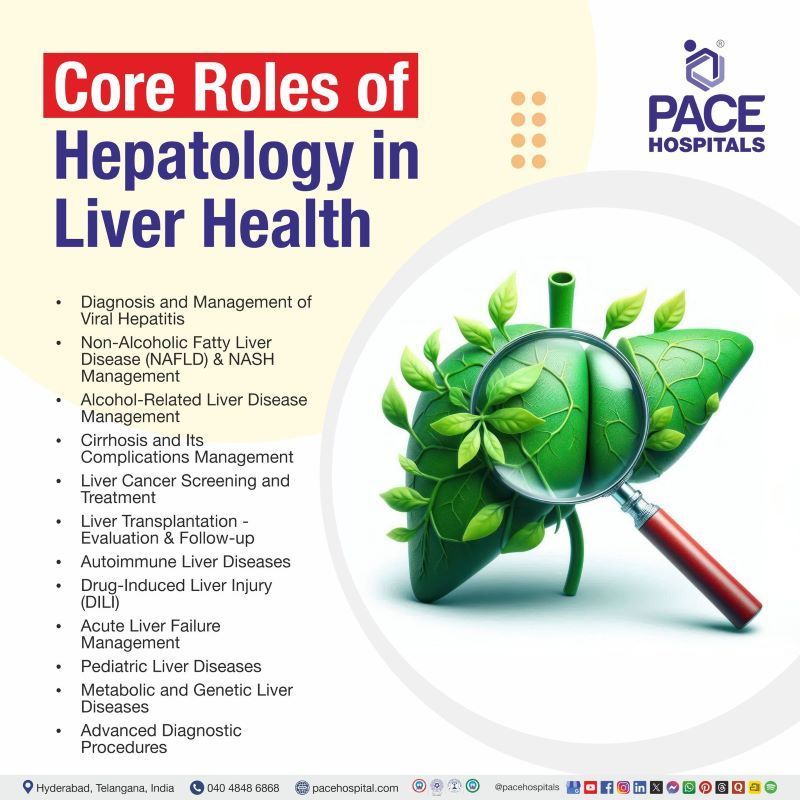
Core Roles of Hepatology in Liver Health
1. Diagnosis and Management of Viral Hepatitis
Viral hepatitis remains a major public health challenge in India, affecting millions and causing significant morbidity and mortality. Hepatologists play a critical role in managing all forms of viral hepatitis:
Hepatitis B (HBV):
- Prevalence in India: 3-4% of the population (40-50 million people) are chronic hepatitis B carriers
- Diagnosis: HBsAg testing, HBV DNA viral load quantification, liver function tests, FibroScan for fibrosis assessment
- Treatment: Long-term antiviral therapy with nucleoside analogue agents to suppress viral replication and prevent progression to cirrhosis and liver cancer
- Monitoring: Regular surveillance for hepatocellular carcinoma (HCC) in high-risk patients
- Prevention: Vaccination programs (now part of Universal Immunization Programme in India)
Hepatitis C (HCV):
- Prevalence in India: 0.5-1.5% of population (6-12 million people) with significant regional variation
- Revolutionary treatment: Direct-acting antiviral regimens targeting viral replication achieve cure rates of approximately 95–99% within 8–12 weeks.
- India's advantage: Generic DAA production makes treatment affordable (₹10,000-50,000 for complete course vs. lakhs internationally)
- Elimination goal: WHO aims for hepatitis C elimination by 2030; India has made significant progress
Hepatitis A and E:
- Acute infections: Common in areas with poor sanitation
- Hepatitis E concern: Can cause fulminant hepatic failure in pregnant women (mortality up to 25%)
- Management: Supportive care, monitoring for complications
- Prevention: Clean water, sanitation, vaccination (for Hepatitis A)
Hepatitis D:
- Co-infection with hepatitis B, causing more severe disease
- Screening in HBV-positive patients from endemic areas
Key achievement: Hepatology has transformed hepatitis C from a progressive, incurable disease to one that can be completely eradicated with short-term oral medication.
2. Non-Alcoholic Fatty Liver Disease (NAFLD) and NASH Management
NAFLD has emerged as the most common liver disease globally and in India, affecting an estimated 9-32% of the Indian population (higher in urban areas and among those with diabetes/obesity).
Understanding NAFLD Spectrum:
- Simple steatosis (fatty liver): Fat accumulation without inflammation - generally benign
- Non-alcoholic steatohepatitis (NASH): Fat + inflammation + liver cell damage - can progress to cirrhosis
- NASH-related cirrhosis: Advanced scarring leading to liver failure
- NASH-related liver cancer: Increasing cause of hepatocellular carcinoma
Risk Factors Prevalent in India:
- Type 2 diabetes (77 million Indians affected)
- Obesity and metabolic syndrome (rapidly increasing)
- Sedentary lifestyle
- High-carbohydrate diets
- Genetic predisposition (PNPLA3 gene variants common in South Asians)
Hepatologist's Role:
- Diagnosis: Liver function tests, imaging (ultrasound, FibroScan, MRI), FibroScan elastography to assess fibrosis without biopsy
- Risk stratification: Identifying who will progress to NASH vs. benign fatty liver
- Treatment strategy:
- Weight loss (7-10% body weight target)
- Diabetes and lipid management
- Medications: Antioxidant therapy; insulin-sensitizing agent for select patients
- Clinical trial access for emerging therapies
- Monitoring: Regular assessment for disease progression and cancer screening in cirrhotic patients
Emerging concern: "Lean NAFLD" affects 20-30% of NAFLD patients in India who aren't obese, requiring different management approaches.
3. Alcohol-Related Liver Disease Management
India has seen a 38% increase in alcohol consumption over the past decade, leading to rising rates of alcohol-related liver disease (ALD).
Disease Spectrum:
- Alcoholic fatty liver: Reversible with abstinence
- Alcoholic hepatitis: Acute inflammation, can be life-threatening (severe cases have 30-50% mortality)
- Alcoholic cirrhosis: Permanent scarring from chronic heavy drinking
Statistics in India:
- Alcohol consumption: 5.7 liters per capita annually (among drinkers)
- ALD accounts for 20-30% of cirrhosis cases
- Male-to-female ratio: 10:1 (though female rates increasing)
- Lower threshold for liver damage in Indians compared to Western populations
Hepatologist's Comprehensive Approach:
- Assessment: Determining severity using clinical scores (Maddrey's discriminant function, MELD score)
- Acute management: Corticosteroids for severe alcoholic hepatitis, nutritional support, infection prevention
- Abstinence support: Coordination with addiction specialists, counseling, rehabilitation programs
- Liver transplant evaluation: After documented abstinence period (typically 6 months)
- Complication management: Ascites, hepatic encephalopathy, variceal bleeding
Critical message: Abstinence can lead to significant liver recovery even in advanced disease, making addiction treatment integral to hepatology care.
4. Cirrhosis and Its Complications Management
Cirrhosis is the end result of chronic liver damage from any cause—irreversible scarring that disrupts liver architecture and function. India has an estimated 10-20 lakh (1-2 million) cirrhosis patients.
Major Causes in India:
- Alcohol (20-30%)
- Hepatitis B and C (40-50%)
- NAFLD/NASH (15-20%, increasing)
- Autoimmune liver diseases
- Metabolic disorders (Wilson's disease, hemochromatosis)
Hepatologist's Role in Managing Complications:
Portal Hypertension:
- Variceal bleeding: Endoscopic band ligation, sclerotherapy, TIPS (transjugular intrahepatic portosystemic shunt)
- Prevention: Beta-blockers to reduce bleeding risk
- Screening: Regular endoscopy to detect varices before they bleed
Ascites (Fluid Accumulation):
- Management: Salt restriction, diuretics (spironolactone, furosemide)
- Paracentesis: Draining large-volume fluid with albumin replacement
- Refractory ascites: TIPS or transplant evaluation
Hepatic Encephalopathy (Brain Dysfunction):
- Causes: Toxins (especially ammonia) not cleared by diseased liver
- Treatment: Non-absorbable disaccharide therapy, non-absorbable antibiotic therapy, and dietary protein restriction if needed
- Prevention: Treating precipitating factors (infections, constipation, GI bleeding)
Hepatorenal Syndrome:
- Kidney failure secondary to advanced cirrhosis
- Treatment: Vasoconstrictor therapy, plasma volume expansion, and urgent transplant evaluation
Spontaneous Bacterial Peritonitis (SBP):
- Life-threatening infection of ascitic fluid
- Diagnosis: Diagnostic paracentesis
- Treatment: Antibiotics, long-term prevention in high-risk patients
Hepatopulmonary Syndrome and Portopulmonary Hypertension:
- Lung complications of cirrhosis requiring specialized management
Critical role:
Hepatologistsprevent, detect early, and manage these life-threatening complications, significantly extending survival while awaiting transplantation.
5. Liver Cancer (Hepatocellular Carcinoma) Screening and Treatment
Hepatocellular carcinoma (HCC) is the most common primary liver cancer and the third leading cause of cancer deaths in India, with 20,000-30,000 new cases annually.
High-Risk Populations Requiring Surveillance:
- Cirrhosis from any cause
- Chronic hepatitis B (even without cirrhosis in certain populations)
- NAFLD with advanced fibrosis
- Family history of liver cancer
Screening Protocol:
- Frequency: Every 6 months
- Tests: Ultrasound + AFP (alpha-fetoprotein) blood test
- Advanced imaging:
CT/MRI if suspicious findings
Treatment Options Hepatologists Coordinate:
Early Stage (Single Small Tumor):
- Surgical resection: If liver function adequate and no cirrhosis
- Liver transplantation: Curative for select patients meeting Milan criteria
- Ablation: Radiofrequency ablation (RFA) or microwave ablation for tumors <3 cm
Intermediate Stage:
- TACE (Transarterial Chemoembolization): Delivering chemotherapy directly to tumor via catheter
- TARE (Transarterial Radioembolization): Radiation microspheres
Advanced Stage:
- Systemic therapy: Targeted kinase inhibitor therapy and immune checkpoint inhibitor–based combination therapy
- Clinical trials: Access to newer agents
India-Specific Challenges:
- Late presentation (60-70% diagnosed at advanced stages)
- Limited access to liver transplantation
- Cost of targeted therapies (though generic options increasingly available)
- Regional variation in hepatitis prevalence affecting cancer patterns
Survival impact: Surveillance detects cancer early when curative options exist—5-year survival >70% for early-stage vs. <20% for advanced stage.
6. Liver Transplantation - Evaluation and Follow-up
Liver transplantation is the definitive treatment for end-stage liver disease and select cases of acute liver failure. India has made remarkable progress in transplant capabilities.
India Liver Transplant Statistics:
- Annual transplants: Approximately 1,500-2,000 liver transplants performed annually (growing 15-20% yearly)
- Major centers: 60+ liver transplant centers across India
- Living donor dominance: 90-95% are living donor transplants (vs. 30-40% globally) due to limited deceased donor program
- Success rates: 1-year survival 80-90% at major centers, comparable to international standards
Hepatologist's Role in Transplantation:
Pre-Transplant:
- Evaluation: Determining transplant candidacy
- MELD score calculation: Priority scoring for deceased donor allocation (based on bilirubin, INR, creatinine)
- Managing complications while awaiting transplant
- Donor evaluation: Assessing living donor suitability and safety
- Listing and coordination: Working with transplant surgeons and coordinators
Post-Transplant:
- Immunosuppression management: Balancing rejection prevention with infection/cancer risk
- Rejection monitoring: Liver function tests, biopsies when needed
- Complication management: Infections, drug side effects, metabolic issues
- Long-term surveillance: Cancer screening, cardiovascular risk management
- Recurrent disease monitoring: Hepatitis, autoimmune disease can recur
Cost Considerations in India:
- Living donor transplant: ₹20-35 lakhs in private hospitals
- Government/trust hospitals: ₹5-15 lakhs with subsidies
- State government schemes (Tamil Nadu, Kerala, Karnataka) provide financial assistance
- Insurance coverage increasing but often inadequate
Ethical considerations: India follows strict regulations under Transplantation of Human Organs and Tissues Act to prevent organ trafficking.
7. Autoimmune Liver Diseases
Autoimmune liver diseases occur when the immune system attacks the liver. While less common than viral or metabolic liver disease, they require specialized management.
Autoimmune Hepatitis (AIH):
- Prevalence in India: Increasing recognition, affects primarily young to middle-aged women
- Diagnosis: Elevated liver enzymes, high IgG levels, positive autoantibodies (ANA, anti-smooth muscle, anti-LKM)
- Treatment: Immunosuppression with corticosteroid therapy plus antimetabolite immunosuppressive therapy
- Outcomes: Excellent with treatment—remission achieved in 80-90%
- Monitoring: Lifelong follow-up as relapse common with treatment withdrawal
Primary Biliary Cholangitis (PBC):
- Autoimmune destruction of small bile ducts
- Predominantly affects middle-aged women
- Symptoms: Fatigue, itching, eventually jaundice
- Diagnosis: Positive anti-mitochondrial antibody (AMA), elevated alkaline phosphatase
- Treatment: Hydrophilic bile acid therapy to slow disease progression
- Monitoring: Disease progression, osteoporosis screening
Primary Sclerosing Cholangitis (PSC):
- Progressive destruction of bile ducts
- Strong association with inflammatory bowel disease (70-80% have ulcerative colitis)
- Diagnosis: MRCP showing bile duct strictures
- Treatment: No effective medical therapy; hydrophilic bile acid therapy may help relieve symptoms
- Complications: Cholangitis, bile duct cancer (10-15% lifetime risk)
- Definitive treatment: Liver transplantation
Overlap Syndromes:
- Patients with features of both AIH and PBC or PSC
- Require individualized treatment approaches
8. Drug-Induced Liver Injury (DILI)
India has a high burden of drug-induced liver injury due to widespread use of traditional medicines, over-the-counter drugs, and antibiotics.
Common Culprits in India:
- Tuberculosis medications: First-line antitubercular agents (major cause given high TB burden)
- Ayurvedic/herbal preparations: Heavy metal contamination, hepatotoxic herbs
- Antibiotics: Beta-lactam/beta-lactamase inhibitor, fluoroquinolone, and antifungal therapy
- NSAIDs: Nonsteroidal anti-inflammatory drugs (NSAIDs) with selective and non-selective formulations
- Antiepileptics: Sodium channel blockers and broad-spectrum anticonvulsants
- Complementary medicines: Weight loss supplements, bodybuilding products
Hepatologist's Approach:
- Diagnosis: Detailed medication history, excluding other causes, pattern recognition
- Causality assessment: Using RUCAM (Roussel Uclaf Causality Assessment Method) scale
- Management: Immediate discontinuation of offending agent, supportive care, and antidote therapy for hepatotoxicity
- Severe cases: Monitoring for acute liver failure, transplant evaluation if needed
- Prevention: Patient education, avoiding hepatotoxic combinations, baseline and monitoring liver tests for high-risk drugs
Unique Indian challenge: Regulation of herbal/Ayurvedic products less stringent; many patients don't disclose herbal use, complicating diagnosis.
9. Acute Liver Failure Management
Acute liver failure (ALF) is a rare but life-threatening condition where a previously healthy liver rapidly loses function, often within days to weeks.
Causes in India:
- Viral hepatitis: Hepatitis E (especially in pregnant women), Hepatitis A, Hepatitis B
- Drug-induced: Antitubercular agents, herbal/traditional remedies, and analgesic/antipyretic agents
- Autoimmune hepatitis: Can present acutely
- Wilson's disease: Copper accumulation disorder
- Acute fatty liver of pregnancy
- Cryptogenic: Unknown cause (20-30% of cases)
Clinical Features:
- Jaundice
- Hepatic encephalopathy (confusion, altered consciousness)
- Coagulopathy (bleeding tendency)
- Multi-organ failure
Critical Care Management:
- ICU admission: Continuous monitoring
- Encephalopathy management: Non-absorbable disaccharides, non-absorbable antibiotics, and ammonia-lowering agents
- Coagulopathy: Vitamin K, fresh frozen plasma only for active bleeding or procedures
- Infection surveillance: Prophylactic antibiotics, antifungals
- Cerebral edema monitoring: Intracranial pressure monitoring in some centers
- Nutritional support: Adequate protein and calories
- Dialysis: For renal failure
Outcomes:
- Spontaneous recovery: 40-50% with supportive care
- Transplant: 1-year survival 70-80%
- Without transplant in non-recovery: High mortality
10. Pediatric Liver Diseases
Children with liver diseases require specialized hepatology care distinct from adult management.
Common Pediatric Liver Conditions:
Biliary Atresia:
- Most common reason for liver transplant in children
- Bile duct obstruction requiring Kasai procedure (surgery) in first 2 months of life
- 70-80% eventually need transplantation
- Early diagnosis critical, yellowing beyond 14 days of life requires evaluation
Neonatal Hepatitis:
- Liver inflammation in infants from viral infections, metabolic disorders
- Requires differentiation from biliary atresia
Wilson's Disease:
- Genetic copper accumulation disorder
- Presents in childhood/adolescence with liver disease and/or neurological symptoms
- Diagnosis: Low ceruloplasmin, high urine copper, Kayser-Fleischer rings in eyes
- Treatment: Lifelong copper chelation therapy or zinc-based therapy
- India context: Relatively more common due to consanguinity in some populations
Glycogen Storage Diseases:
- Genetic disorders affecting carbohydrate metabolism
- Can cause liver enlargement, hypoglycemia
Progressive Familial Intrahepatic Cholestasis (PFIC):
- Genetic bile transport disorders
- Often requires transplantation
Hepatology's Pediatric Role:
- Early diagnosis: Newborn screening, prompt evaluation
- Medical management: Specialized treatments for metabolic disorders
- Nutritional support: Critical for growth in chronic liver disease
- Transplant coordination: Pediatric transplant evaluation and care
- Genetic counseling: Family planning for inherited disorders
- Transition care: Moving adolescents to adult hepatology
Pediatric transplant in India: Approximately 200-300 pediatric liver transplants annually; improving outcomes but still limited by organ availability and cost.
11. Metabolic and Genetic Liver Diseases
Hemochromatosis:
- Genetic iron overload disorder
- More common in certain Indian populations
- Diagnosis: High ferritin, transferrin saturation, genetic testing (HFE gene)
- Treatment: Phlebotomy (blood removal) to reduce iron
- Untreated: Leads to cirrhosis, diabetes, heart disease
Wilson's Disease: (Covered in pediatric section but affects adults too)
- Requires lifelong monitoring and treatment
- Transplant for acute liver failure or decompensated cirrhosis
Alpha-1 Antitrypsin Deficiency:
- Rare in Indian population
- Causes emphysema and liver disease
Hepatologists manage these complex disorders with specialized testing, treatment protocols, and family screening.
12. Advanced Diagnostic Procedures
Modern hepatology employs sophisticated diagnostic tools:
Non-Invasive Fibrosis Assessment:
- FibroScan (Transient Elastography): Ultrasound-based liver stiffness measurement replacing many liver biopsies
- FIB-4 and APRI scores: Blood test calculations estimating fibrosis
- Enhanced liver fibrosis (ELF) test: Blood-based biomarker panel
Liver Biopsy:
- Percutaneous: Through skin using ultrasound guidance
- Transjugular: Through neck vein for patients with ascites/coagulopathy
- Provides: Definitive diagnosis, grading inflammation, staging fibrosis
- Indications: When non-invasive tests inconclusive, suspected autoimmune disease, drug-induced liver injury
Advanced Imaging:
- MRI elastography: Detailed fibrosis mapping
- Contrast-enhanced ultrasound: Better lesion characterization
- Liver-specific MRI: Enhanced tumor detection
Endoscopic Procedures:
- Upper endoscopy: Screening/treating esophageal and gastric varices
- ERCP (Endoscopic Retrograde Cholangiopancreatography): Bile duct imaging and intervention
- EUS (Endoscopic Ultrasound): Detailed pancreatic and biliary assessment
How a Hepatologist Chooses the Right Treatment Plan?
Hepatology care is highly individualized, no two patients with liver disease are managed exactly the same way. A hepatologist develops a treatment plan by carefully evaluating the cause, stage, risks, and progression potential of liver disease, while considering the patient’s overall health and lifestyle factors.
Key steps in hepatology decision-making include:
1. Identifying the Underlying Cause
The first step is confirming why liver disease has developed. This may include viral causes (hepatitis B or C), metabolic conditions (fatty liver disease), alcohol-related injury, autoimmune disorders, genetic conditions, or drug-induced liver injury. Correctly identifying the cause ensures treatment targets the root problem rather than just symptoms.
2. Assessing Disease Severity and Fibrosis Stage
Hepatologists determine how advanced the disease is by assessing liver inflammation and fibrosis (scarring). This is done using blood tests, imaging such as ultrasound or FibroScan, non-invasive fibrosis scores, and sometimes liver biopsy. Staging helps distinguish reversible disease from advanced cirrhosis and guides urgency of treatment.
3. Evaluating Symptoms and Complications
The presence of complications, such as ascites, variceal bleeding, hepatic encephalopathy, or jaundice—signals more advanced disease and requires aggressive management. Patients without complications may be managed with lifestyle changes, medications, and structured monitoring.
4. Reviewing Risk of Disease Progression
Not all liver diseases progress at the same rate. Hepatologists evaluate risk factors such as diabetes, obesity, continued alcohol use, viral load, genetic predisposition, and medication exposure to estimate the likelihood of progression to cirrhosis or liver cancer.
5. Choosing the Appropriate Treatment Strategy
Based on the above factors, hepatologists create a personalized plan that may include:
- Lifestyle and dietary modification
- Antiviral or immunosuppressive medications
- Treatment of metabolic conditions (diabetes, dyslipidemia)
- Endoscopic or radiologic interventions for complications
- Structured surveillance for liver cancer and varices
- Referral for liver transplant evaluation when indicated
6. Establishing a Monitoring and Follow-Up Schedule
Liver disease management requires regular follow-up. Hepatologists define how often blood tests, imaging, FibroScan, and endoscopy are needed. This ensures early detection of progression or complications and allows timely adjustment of treatment.
7. Reassessing and Adapting the Plan Over Time
Liver disease is dynamic. Treatment plans are continuously re-evaluated based on response, side effects, lifestyle changes, and new therapies. Early improvement may allow de-escalation, while worsening disease may require escalation or transplant evaluation.
In essence, hepatology treatment is not a one-time decision but an ongoing process, aimed at preserving liver function, preventing complications, and improving long-term survival and quality of life.
Why Hepatology Is Essential for Liver Health?
- Silent disease progression: Most liver diseases are asymptomatic until advanced stages—hepatologists detect and intervene early
- Reversibility window: Many liver conditions (fatty liver, early fibrosis, even early cirrhosis) can improve with treatment, but only if caught in time
- Life-threatening complications: Portal hypertension, variceal bleeding, liver failure require expert emergency management
- Cancer prevention: Regular surveillance in high-risk patients detects liver cancer when curable
- Cure now possible: Hepatitis C is now curable with >95% success; antiviral therapy controls hepatitis B
- Transplant advances: Liver transplantation offers second chance at life for end-stage disease
- Multisystem impact: Liver disease affects brain (encephalopathy), kidneys (hepatorenal syndrome), heart, lungs—comprehensive hepatology care manages all aspects
- India-specific burden: With rising diabetes, obesity, alcohol consumption, and persistent viral hepatitis, India faces an epidemic requiring specialized hepatology care
When Should Someone Consult a Hepatologist?
Your primary care doctor or gastroenterologist may refer you to a hepatologist if you have:
Laboratory Abnormalities:
- Persistently elevated liver enzymes (ALT, AST, alkaline phosphatase) for >6 months
- Abnormal bilirubin levels (jaundice)
- Low albumin or prolonged INR/PT suggesting liver dysfunction
- Positive hepatitis B or C tests
Symptoms:
- Yellowing of skin or eyes (jaundice)
- Persistent fatigue and weakness
- Abdominal swelling or pain (especially right upper quadrant)
- Unexplained weight loss
- Easy bruising or bleeding
- Dark urine or pale stools
- Severe itching without skin rash
- Confusion or altered mental status (encephalopathy)
Diagnosed Conditions:
- Chronic hepatitis B or C
- Fatty liver disease with elevated enzymes or advanced fibrosis
- Cirrhosis from any cause
- Autoimmune liver diseases
- Liver masses or tumors
- Recurrent gallstones or bile duct stones
- Genetic liver diseases (Wilson's disease, hemochromatosis)
Risk Factors:
- Heavy alcohol use (>2 drinks/day for men, >1 for women)
- Obesity with diabetes or metabolic syndrome
- Family history of liver disease
- Prior blood transfusions (before mandatory screening)
- Tattoos or body piercings with unsterile equipment
- Injectable drug use
Special Situations:
- Pregnancy with liver enzyme abnormalities
- Starting medications with potential liver toxicity (TB drugs, chemotherapy)
- Elevated AFP (alpha-fetoprotein) on routine screening
Early consultation is key. Many patients are referred too late when options are limited. If you have risk factors, proactive screening and hepatology consultation can prevent disease progression.
Hepatology Care at PACE Hospitals, Hyderabad
At PACE Hospitals, hepatology care focuses on early diagnosis, accurate fibrosis staging, and personalized treatment plans for fatty liver disease, viral hepatitis, cirrhosis, and liver cancer risk management. Patients benefit from coordinated care across gastroenterology, radiology, critical care, and rehabilitation teams, with structured follow-up plans designed to prevent complications and support long-term liver health—aligned with PACE Hospitals’ Next Gen Medicare approach.
Frequently Asked Questions (FAQs) on Hepatology and Liver Health
What are the early warning signs of liver disease?
The challenge with liver disease is that early stages are often completely asymptomatic—the liver has remarkable reserve capacity and symptoms don't appear until 70-80% of function is lost.
However, subtle warning signs include: Fatigue and weakness (most common early symptom, often dismissed), loss of appetite or unexplained weight loss, mild abdominal discomfort in right upper abdomen, dark urine (tea or cola-colored), pale or clay-colored stools, mild itching without rash.
More obvious signs suggesting advanced disease: Jaundice (yellowing of eyes/skin), abdominal swelling (ascites), swelling in legs/ankles, easy bruising or prolonged bleeding, spider angiomas (small red blood vessel clusters on skin), confusion or personality changes (encephalopathy).
Important: Many people discover liver disease through routine blood tests showing elevated liver enzymes. If you have risk factors (obesity, diabetes, alcohol use, viral hepatitis), proactive screening is essential, waiting for symptoms often means advanced disease. Annual liver enzyme testing and ultrasound for high-risk individuals can catch disease while still reversible.
What is the difference between a hepatologist and a gastroenterologist?
Gastroenterologists are specialists in all digestive system disorders including the stomach, intestines, esophagus, pancreas, and liver.
Hepatologists are gastroenterologists with additional specialized training (1-2 years fellowship) focused exclusively on liver diseases, biliary disorders, and liver transplantation.
Think of it this way: all hepatologists are gastroenterologists, but not all gastroenterologists are hepatologists.
For simple liver issues like mildly elevated enzymes or uncomplicated fatty liver, a gastroenterologist can provide care. For complex liver diseases—cirrhosis, hepatitis management, pre/post-transplant care, liver cancer, autoimmune liver diseases—a hepatologist's specialized expertise is crucial. Many patients see both: gastroenterologists for overall digestive health and hepatologists when liver disease requires specialized management.
How much alcohol is safe for my liver?
This is a common question with a complex answer.
General guidelines: For men, <2 standard drinks/day; for women, <1 standard drink/day (one standard drink = 30ml spirits, 150ml wine, 330ml beer).
However, "safe" varies by individual: Women develop liver damage at lower consumption levels than men due to differences in alcohol metabolism. Indians and many Asians have genetic variants (ALDH2 deficiency) causing faster acetaldehyde accumulation, increasing liver damage risk.
Pre-existing liver disease (hepatitis B/C, fatty liver) means no amount is safe. Obesity and diabetes increase alcohol-related liver injury risk.
Pattern matters: Binge drinking (>4-5 drinks in one sitting) is more harmful than spread consumption.
Liver disease risk: Drinking >40-60g alcohol daily (roughly 3-4 drinks) for 10+ years significantly increases cirrhosis risk.
For fatty liver patients: Complete abstinence recommended.
Bottom line: If you have liver disease or risk factors, abstinence is safest. Otherwise, moderate consumption with several alcohol-free days weekly minimizes risk. Discuss your individual situation with a hepatologist.
What tests diagnose liver disease?
Liver disease diagnosis uses multiple approaches:
Blood tests:
- Liver function tests (LFTs): ALT, AST (liver cell damage markers), alkaline phosphatase, GGT (bile duct markers), bilirubin (yellow pigment), albumin and PT/INR (liver synthetic function).
- Viral markers: HBsAg, anti-HCV antibody, HBV DNA, HCV RNA.
- Autoimmune markers: ANA, anti-smooth muscle antibody, AMA.
- Tumor markers: AFP for liver cancer screening.
- Metabolic tests: Ferritin (iron), ceruloplasmin (copper), alpha-1 antitrypsin.
Imaging:
- Ultrasound: First-line, detects fatty liver, cirrhosis, liver masses, gallstones.
- FibroScan: Measures liver stiffness (fibrosis) non-invasively.
- CT/MRI: Detailed imaging for tumors, blood vessel problems.
- MRCP: Non-invasive bile duct imaging.
Endoscopy: Upper endoscopy screens for esophageal/gastric varices in cirrhosis patients.
Liver biopsy: Gold standard when non-invasive tests inconclusive—provides definitive diagnosis and severity staging.
Screening approach: Basic LFTs + ultrasound catches most liver diseases; hepatologist determines which additional tests needed based on findings.
Is liver transplant the only option for cirrhosis?
No, transplant is not the only option, and many cirrhosis patients live years without needing transplant.
Treatment depends on stage:
Compensated cirrhosis (liver still functioning adequately, no complications): Treat underlying cause (antiviral therapy for hepatitis, abstinence for alcohol-related, weight loss for NASH), prevent complications with beta-blockers and endoscopic surveillance, regular cancer screening—many patients remain stable for years or decades.
Decompensated cirrhosis (complications present—ascites, encephalopathy, variceal bleeding): Manage complications medically, transplant evaluation becomes important.
Transplant indications: MELD score >15 (indicates <85% 3-month survival without transplant), recurrent complications despite treatment, liver cancer within transplant criteria, or acute liver failure.
Alternatives to transplant: New therapies are emerging—antifibrotic drugs in clinical trials, cell-based therapies, artificial liver support systems.
India reality: Limited organ availability means <10% of patients needing transplant receive one; living donor transplant is life-saving option.
Bottom line: Cirrhosis requires expert management, transplant is option for advanced cases, but early-stage cirrhosis can be managed medically for years with good quality of life.
Can liver disease cause symptoms outside the liver?
Absolutely—liver disease affects every organ system due to the liver's central metabolic role.
Brain: Hepatic encephalopathy (confusion, personality changes, coma) from toxin accumulation; seizures from low blood sugar.
Kidneys: Hepatorenal syndrome (kidney failure from cirrhosis), usually fatal without transplant.
Heart/lungs: Portopulmonary hypertension (high blood pressure in lung arteries), hepatopulmonary syndrome (low oxygen from abnormal lung blood vessels), both cause severe shortness of breath.
Blood: Anemia from GI bleeding or bone marrow suppression, thrombocytopenia (low platelets), coagulopathy (bleeding tendency).
Bones: Osteoporosis and osteomalacia from vitamin D malabsorption.
Skin: Spider angiomas, palmar erythema (red palms), jaundice, severe itching in cholestatic diseases.
Hormones: Gynecomastia (breast enlargement in men), testicular atrophy, menstrual irregularities, decreased libido from hormone imbalances. Immune system: Increased infection risk.
Muscles: Sarcopenia (muscle wasting), weakness.
This is why hepatologists provide comprehensive care—managing liver disease means addressing all these systemic manifestations to improve quality of life and outcomes.
What dietary changes help liver health?
Diet profoundly impacts liver health, especially for fatty liver disease, but recommendations vary by condition:
For Fatty Liver (NAFLD/NASH):
- Weight loss: 7-10% body weight reduction improves liver fat and inflammation—most important intervention.
- Mediterranean diet: Olive oil, fish, nuts, fruits, vegetables, whole grains—shown to reduce liver fat.
- Reduce refined carbohydrates and sugar: Especially fructose (soft drinks, sweets, processed foods).
- Coffee: 2-3 cups daily may reduce fibrosis progression (antioxidant effects).
- Limit saturated fat: Red meat, full-fat dairy.
- Increase fiber: Whole grains, legumes, vegetables.
For Cirrhosis:
- Adequate protein: 1.2-1.5 g/kg body weight (higher than previously thought)—prevents muscle wasting.
- Small frequent meals: Prevents overnight fasting catabolism.
- Late evening snack: Complex carbohydrates before bed.
- Sodium restriction: <2g daily for ascites management.
- Fluid restriction: Only if severe hyponatremia (low sodium).
For Hepatic Encephalopathy: Branched-chain amino acid supplements may help; protein restriction only if severe encephalopathy.
Universal liver-protective foods: Leafy greens, berries, grapes, nuts, fatty fish, turmeric, green tea.
Foods to avoid/limit: Alcohol (completely avoid in liver disease), processed foods, excess salt, raw/undercooked shellfish (infection risk in cirrhosis).
Indian context: Traditional diets high in carbohydrates/low in protein—may need modification. Consult liver dietitian for personalized plan.
What advances are coming in liver disease treatment?
Hepatology is experiencing rapid innovation with exciting developments:
- NAFLD/NASH treatments: Multiple drugs in late-stage trials targeting different pathways—FGF21 analogues, THR-beta agonists , anti-fibrotic agents , PPAR agonists. Approval expected 2024-2026.
- Hepatitis B cure: Functional cure (stopping treatment while maintaining viral suppression) being pursued through capsid assembly inhibitors, siRNA therapies, therapeutic vaccines, CRISPR gene editing—clinical trials ongoing.
- Artificial intelligence: AI analyzing FibroScan and imaging data for early fibrosis detection; predicting disease progression and treatment response; identifying patients needing intervention.
- Liquid biopsies: Blood tests detecting liver cancer DNA (cell-free tumor DNA) earlier than imaging.
- Immunotherapy for liver cancer: Combination immunotherapy now first-line treatment for advanced HCC; CAR-T cell therapy in trials.
- Targeted therapies: Precision medicine matching liver cancer genetic profile to specific treatments.
- Cell-based therapies: Hepatocyte transplantation, mesenchymal stem cells for cirrhosis and acute liver failure—early trials showing promise.
- Bioartificial liver support: Devices providing temporary liver function support during acute failure or bridge to transplant.
- Organ bioengineering: Growing functional liver tissue from stem cells; 3D bioprinting of liver structures.
- Deceased donor expansion: Machine perfusion keeping donor livers viable longer; using previously unsuitable donors.
- Xenotransplantation: Genetically modified pig livers for human transplant—breakthrough pig-to-human kidney transplants suggest liver next.
- India-specific: Indigenous research on herbal hepatoprotectants; affordable generic drugs for emerging therapies; expansion of transplant infrastructure.
- Timeline: Expect NASH drugs, improved HCC treatments, and AI-enhanced diagnostics within 2-5 years; regenerative therapies and hepatitis B cure in 5-10 years; bioengineered organs longer-term but progressing rapidly.
Can fatty liver disease be reversed completely?
Yes, in many cases non-alcoholic fatty liver disease (NAFLD) can be completely reversed, but it depends on the stage.
Simple steatosis (just fat): Highly reversible with 7-10% body weight loss through diet and exercise—studies show 90% reversal in 1 year with sustained lifestyle changes.
NASH (fat + inflammation): Weight loss improves inflammation and some fibrosis in 50-60% of patients, though complete reversal is less certain.
Advanced fibrosis/cirrhosis: Permanent scarring doesn't reverse, but disease stabilization prevents progression to liver failure.
Key factors for reversal: Weight reduction (most important), controlling diabetes, exercise (150 minutes/week), Mediterranean diet, avoiding alcohol and fructose-rich foods. The challenge isn't reversal—it's maintaining lifestyle changes long-term. Most patients regain weight and liver fat returns.
Medications such as antioxidants and insulin-sensitizing agents help selected patients, but lifestyle remains the foundation. Early detection and intervention offer the best reversal chances.
How serious is hepatitis B, and can it be cured?
Hepatitis B is very serious—it's 50-100 times more infectious than HIV and affects 400–500 lakh people in India. Chronic infection (acquired at birth or childhood) persists lifelong in 90-95% of cases and significantly increases liver cancer risk (100x higher than general population).
Serious complications: 15-40% of chronically infected develop cirrhosis, liver failure, or liver cancer if untreated.
Can it be cured? Unlike hepatitis C, hepatitis B cannot be completely cured with current medications because the virus integrates into liver cell DNA.
However, it can be controlled: Antiviral medications suppress viral replication to undetectable levels in >95% of patients, preventing liver damage and dramatically reducing cancer risk. Treatment is usually lifelong, though some patients achieve "functional cure" after many years.
Prevention is key: Hepatitis B vaccine (now part of India's immunization program) is 95% effective—all infants and high-risk adults should be vaccinated.
Bottom line: While not curable, chronic hepatitis B is manageable with treatment, and new curative therapies are in clinical trials.
What is MELD score and why does it matter?
MELD (Model for End-Stage Liver Disease) is a scoring system (6-40 points) that predicts 3-month mortality risk in cirrhosis patients, calculated using three blood tests: bilirubin (jaundice measure), INR (blood clotting measure), and creatinine (kidney function measure).
Why it matters:
- Transplant priority: In deceased donor allocation, higher MELD scores get priority—ensures sickest patients transplanted first.
- Prognosis: Tells patients and doctors how urgent transplant need is: MELD <10 = 1.9% 3-month mortality (low urgency), MELD 10-19 = 6-20% mortality (moderate), MELD 20-29 = 20-45% mortality (high), MELD 30-40 = >50% mortality (very high urgency).
- Treatment timing: Helps decide when to list for transplant vs. continue medical management.
- Exceptions: Some conditions (liver cancer, hepatopulmonary syndrome) get MELD exception points despite lower calculated scores.
India context: Living donor transplants don't use MELD for allocation (donor chosen by recipient), but MELD still guides timing.
Calculation: Online calculators available; hepatologists track MELD changes over time to monitor disease progression. MELD isn't perfect—doesn't capture all disease severity aspects, but it's the best objective measure available.
What is the success rate of hepatitis C treatment in India?
Hepatitis C treatment success rates in India are excellent—95-99% cure rates with modern direct-acting antiviral (DAA) medications.
Revolutionary treatment: Before 2014, treatment involved interferon injections (6-12 months, severe side effects, 50-70% cure rates). DAAs changed everything: oral tablets only (no injections), 8-12 week treatment (vs. 6-12 months), minimal side effects, >95% cure regardless of genotype (India has mainly genotypes 1 and 3).
India's advantage: As a generic drug manufacturing hub, DAA costs in India are dramatically lower than Western countries: Complete treatment course: ₹10,000-50,000 in India vs. $50,000-80,000 internationally. Government programs provide free/subsidized treatment.
Common regimens: NS5B polymerase inhibitor + NS5A inhibitor, NS3/4A protease inhibitor + NS5A inhibitor.
Cure definition: Undetectable HCV RNA 12 weeks after treatment completion (SVR12) = permanent cure.
Challenges:
- Identifying infected individuals (many undiagnosed)
- cirrhosis patients may need longer treatment
- drug resistance rare but exists.
After cure: Risk of reinfection exists with continued exposure (injection drug use), but immunity doesn't develop.
Bottom line: Hepatitis C is now one of medicine's great success stories—a chronic, progressive disease made completely curable with short, well-tolerated treatment.
How often should I get liver function tests if I have risk factors?
Screening frequency depends on your specific risk factors and existing disease:
- No liver disease but risk factors (diabetes, obesity, metabolic syndrome, alcohol use >moderate levels): LFTs annually; consider FibroScan or ultrasound every 2-3 years.
- Chronic hepatitis B or C: Before treatment: every 3-6 months; on antiviral therapy: every 3-6 months (monitor viral suppression, treatment response).
- Compensated cirrhosis: Every 3-6 months plus ultrasound + AFP every 6 months (cancer screening).
- Decompensated cirrhosis: Every 1-3 months or more frequently as needed. NAFLD/NASH: With normal enzymes: annually; with elevated enzymes or fibrosis: every 6 months.
- Post-liver transplant: Initially weekly, then monthly, then every 3-6 months lifelong.
- Family history of liver disease: Start baseline screening, then every 1-2 years.
- Medications with liver toxicity (TB drugs, antimetabolites): Baseline, then monthly during treatment or as recommended.
- After hepatitis C cure: Monitor 6 and 12 months post-treatment, then annually if cirrhosis present (cancer risk persists).
- Emerging guideline: For NAFLD risk groups (obesity + diabetes), non-invasive fibrosis testing (FIB-4 score or FibroScan) every 2-3 years to catch advancing disease. Your hepatologist personalizes the schedule based on your situation.
Are Ayurvedic or herbal medicines safe for liver health?
This is a critical question in India where herbal/Ayurvedic medicines are widely used.
The reality: Many Ayurvedic and herbal products can cause liver damage, sometimes severe or even fatal.
Common problems:
- Heavy metal contamination: Lead, mercury, arsenic found in many traditional preparations, directly hepatotoxic.
- Inherently hepatotoxic herbs: Kava, germander, chaparral, comfrey, greater celandine, Ma Huang (ephedra) cause liver injury.
- Adulteration: Products contaminated with synthetic drugs or industrial chemicals.
- Lack of standardization: Inconsistent potency and ingredients across batches.
- Herb-drug interactions: Can affect prescription medication metabolism.
Drug-induced liver injury (DILI) in India: Ayurvedic/herbal products account for 10-15% of DILI cases, second only to TB medications.
Products of concern: Weight loss supplements, bodybuilding products, sexual enhancement formulas, skin lightening preparations. However: Properly manufactured, standardized Ayurvedic medicines from reputable companies following GMP standards can be safe.
Recommendations:
- Inform your hepatologist about ALL herbal/Ayurvedic use.
- Avoid in active liver disease, liver can't handle additional toxin burden.
- Choose certified products from established manufacturers.
- Monitor liver enzymes if using regularly.
- Stop immediately if symptoms develop (jaundice, fatigue, abdominal pain).
Bottom line: Natural doesn't mean safe, exercise same caution with herbal products as with prescription medications.
Can liver disease be inherited in families?
Yes, several liver diseases have genetic components:
Clearly inherited conditions:
- Wilson's disease: Autosomal recessive copper metabolism disorder—25% chance if both parents are carriers. Siblings of affected individuals have 25% chance. Requires genetic testing and family screening.
- Hemochromatosis: Genetic iron overload—more common in certain populations, siblings should be screened.
- Alpha-1 antitrypsin deficiency: Causes liver disease in 10-15% of carriers.
- Cystic fibrosis: Can cause liver disease in some patients.
- Glycogen storage diseases, urea cycle disorders, other metabolic conditions.
Genetic predisposition (increased risk, not guaranteed):
- NAFLD: PNPLA3, TM6SF2, MBOAT7 gene variants increase risk—explains familial clustering and ethnic differences (South Asians at higher risk).
- Autoimmune hepatitis, PBC: Genetic susceptibility but not directly inherited.
- Hepatocellular carcinoma: Familial clustering observed, especially with hepatitis B.
- Infectious diseases with family spread: Hepatitis B commonly transmitted mother-to-child or within households through shared razors, toothbrushes.
Recommendations:
- First-degree relatives of patients with inherited liver diseases should undergo genetic counseling and testing.
- Family members of patients with NAFLD, especially with diabetes/obesity, should be screened (higher risk).
- Children of hepatitis B-positive mothers need vaccination at birth (prevents transmission).
- Consider family screening in unexplained liver disease, especially if young onset. Early family detection allows preventive interventions before disease develops.
Conclusion
Hepatology plays a vital role in protecting liver health through early detection, targeted treatments, complication management, and life-saving interventions like liver transplantation. India's growing burden of liver disease—driven by viral hepatitis, fatty liver disease, and alcohol use—makes specialized hepatology care more critical than ever.
The liver's remarkable regenerative capacity offers hope: with timely intervention, many liver diseases can be halted, reversed, or cured. From the revolutionary direct-acting antivirals curing hepatitis C to lifestyle changes reversing fatty liver, from immune suppression controlling autoimmune hepatitis to transplantation offering second chances, modern hepatology provides solutions across the disease spectrum.
If you have risk factors or concerning symptoms, consult a hepatologist promptly. Early detection transforms outcomes—catching disease while reversible versus waiting until advanced stages means the difference between simple lifestyle changes and needing transplantation.
Share on
Request an appointment
Fill in the appointment form or call us instantly to book a confirmed appointment with our super specialist at 04048486868
Appointment request - health articles
Recent Articles