What Is the Role of Neurosurgery in Brain & Spine Treatment?
PACE Hospitals
Written by: Editorial Team
Medically reviewed by: Dr. U L Sandeep Varma - Consultant Brain (Neuro) and Spine Surgeon
Neurosurgery plays a lifesaving and life-restoring role in diagnosing and treating complex brain, spine, and nervous system disorders using advanced surgical and minimally invasive techniques.
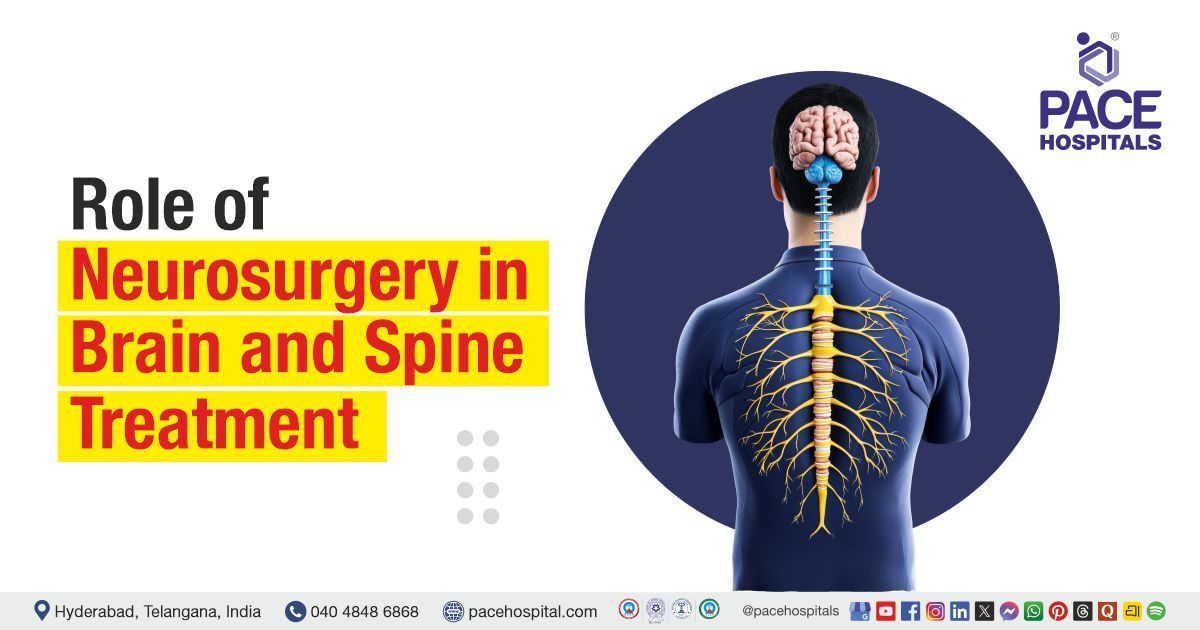
Neurosurgery is a highly specialized medical discipline dedicated to the surgical treatment of conditions that affects brain, spine, spinal cord, and nervous system. Neurosurgeons are some of the most thoroughly trained doctors. After medical school, they spend 7–8 years in residency learning complex procedures that can mean the difference between life and death, between being paralyzed or mobile, or between cognitive decline and recovery.
The nervous system controls every aspect of human function, from breathing and heartbeat to movement, sensation, thought, and emotion. When the brain or spine is injured or diseased, the consequences can be devastating. This is where neurosurgery plays a critical, often lifesaving role.
Modern neurosurgery has evolved far beyond traditional "open" procedures. Today's neurosurgeons use minimally invasive methods, robotic help, advanced imaging, and precise tools to work on structures just millimetres in size. From removing brain tumors and repairing spinal fractures to treating aneurysms and relieving nerve compression, neurosurgery covers a variety of procedures that restore function and save lives.
Non-Surgical & Conservative Role of Neurosurgeons
Not every patient who consults a neurosurgeon requires surgery. Today, neurosurgeons play a vital role not only in surgery but also in diagnosis, treatment planning, and ongoing care. Many neurological and spinal conditions can be safely treated without surgery, with neurosurgeons guiding the most appropriate approach.
Neurosurgeons often recommend:
- Careful observation with periodic imaging (MRI/CT follow-up)
- Medications to ease pain, inflammation, seizures, or nerve symptoms
- Engagement in physical therapy and rehabilitation programs
- Image-guided procedures, including epidural injections and nerve blocks
- Adopting lifestyle adjustments and improving posture
- Collaborative care with neurologists, physiatrists, and pain management specialists
Surgery is advised only when conservative treatment fails, neurological deficits worsen, or there is a risk of permanent damage or life-threatening complications. A neurosurgical consultation ensures that all treatment options, surgical and non-surgical are carefully evaluated.
Neurosurgery: Benefits vs Risks
Potential Benefits
- Prevents permanent paralysis or neurological damage
- Saves lives in emergencies like stroke or trauma
- Relieves chronic pain and nerve compression
- Restores mobility, function, and independence
- It can increase survival and improve the quality of life in patients with tumors.
Potential Risks
- Bleeding or infection
- Temporary or permanent neurological deficits (rare with modern techniques)
- Need for rehabilitation
- Possibility of repeat surgery in select conditions
Improvements in imaging, monitoring, and minimally invasive methods have made procedures safer and led to better results.
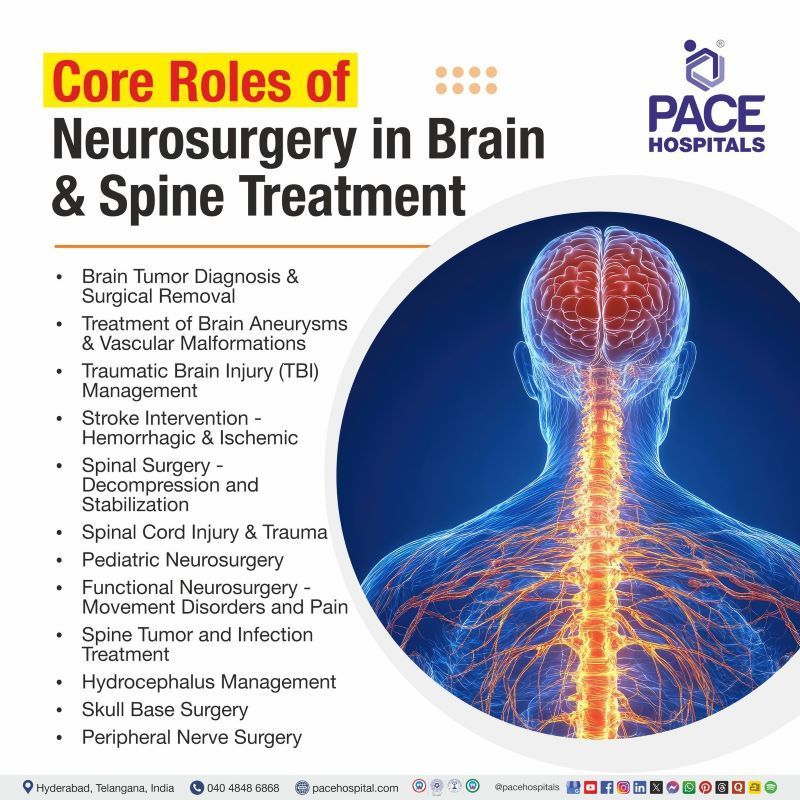
Core Roles of Neurosurgery in Brain and Spine Treatment
1. Brain Tumor Diagnosis and Surgical Removal
Brain tumors, whether benign or malignant, primary or metastatic, require expert surgical management. Neurosurgeons play an important role in:
- Using advanced imaging (MRI, CT, PET) to pinpoint the exact location of tumors
- Surgical resection (removal) of tumors while preserving critical brain function
- Stereotactic biopsy for diagnosis when complete removal isn't possible
- Awake brain surgery for tumours near language or motor areas, allowing real-time monitoring
- Placement of chemotherapy wafers (Gliadel) during surgery for certain cancers
- Decompression surgery to relieve pressure from swelling tumors
Key fact: Approximately 40,000-50,000 new cases of brain tumors are diagnosed annually in India, with an incidence rate of 5-10 per 100,000 population. The All India Institute of Medical Sciences (AIIMS) and other tertiary care centers report increasing case loads, particularly gliomas (30-35% of all brain tumors) and meningiomas (20-25%). Early surgical intervention often provides the best outcomes, particularly for benign tumors like meningiomas and acoustic neuromas.
Advanced techniques:
- Intraoperative MRI: Real-time imaging during surgery allows surgeons to remove as much of the tumor as possible.
- Fluorescence-guided surgery: Special dyes cause tumor tissue to glow under specific lighting, helping surgeons remove it more easily.
- Neuronavigation: GPS-like technology guides surgeons with precise, millimeter-level accuracy
- Laser ablation: It is a minimally invasive procedure that uses focused heat to destroy tumors.
2. Treatment of Brain Aneurysms and Vascular Malformations
Neurovascular surgery addresses life-threatening conditions that involves blood vessels in the brain:
Brain Aneurysms:
- Surgical clipping: Placing a titanium clip at the aneurysm base to prevent rupture
- Endovascular coiling: Threading a catheter through the arteries to fill the aneurysm with platinum coils
- Flow diversion: Using stent-like devices to redirect blood flow away from aneurysms
- Emergency rupture repair: Lifesaving surgery for ruptured aneurysms causing hemorrhagic stroke
Arteriovenous Malformations (AVMs):
- Surgical resection of abnormal blood vessel tangles
- Stereotactic radiosurgery (Gamma Knife, CyberKnife)
- Embolization procedures to reduce AVM size before surgery
Critical statistics: Each year, an estimated 15,000–20,000 people in India suffer ruptured brain aneurysms. Studies from major neurosurgical centers show that aneurysmal subarachnoid hemorrhage occurs in about 8–10 per 100,000 people in India, with mortality rates of 40–50%. Unruptured aneurysms are estimated to affect 2–4% of the population, though many go undiagnosed due to limited screening. Treating aneurysms surgically before they rupture greatly improves survival.
3. Traumatic Brain Injury (TBI) Management
Neurosurgeons provide emergency and ongoing care for head trauma patients:
- Evacuation of hematomas (blood clots) - epidural, subdural, or intracerebral
- Decompressive craniectomy: Temporarily removing skull sections to relieve dangerous brain swelling.
- Skull fracture repair and reconstruction
- Intracranial pressure (ICP) monitoring: Placing sensors to track brain pressure.
- Penetrating injury treatment: Removing foreign objects and repairing tissue.
- Post-traumatic hydrocephalus treatment: Shunt placement for fluid buildup.
Impact: India reports approximately 1.5-2 million traumatic brain injury cases per year, with over 10 lakhs deaths and an equal number suffering from permanent disabilities. Road traffic accidents account for 60% of TBI cases in India, followed by falls (20-25%) and violence (10%). With only 0.5 neurosurgeons per 100,000 population, access to timely neurosurgical care remains a significant challenge, especially in rural regions. Immediate neurosurgical intervention can prevent secondary brain damage and save lives
4. Stroke Intervention - Hemorrhagic and Ischemic
Neurosurgery plays distinct roles in both major stroke types:
Hemorrhagic Stroke (bleeding):
- Emergency hematoma evacuation
- Aneurysm clipping or coiling
- AVM resection
- External ventricular drain (EVD) placement for hydrocephalus
Ischemic Stroke (blockage):
- Decompressive craniectomy for malignant cerebral infarction
- Carotid endarterectomy: Removing plaque from neck arteries
- Carotid stenting: Opening narrowed arteries
- Mechanical thrombectomy: Catheter-based clot removal (often performed with interventional neuroradiologists)
Time-critical care: For ischemic stroke, "time is brain"—neurons die at a rate of 1.9 million per minute. Neurosurgical teams work alongside stroke neurologists to provide comprehensive care, with mechanical thrombectomy extending the treatment window to 24 hours in select cases.
Key Facts: India faces a growing stroke burden with approximately 1.8 million new stroke cases annually—the highest in the world. Hemorrhagic strokes account for 30-40% of cases in India (higher than in Western countries, where ischemic strokes dominate). The mean age of stroke in India is 15-20 years younger than in developed countries, with an increasing incidence in the 40-50 age group. Stroke is the second leading cause of death in India after ischemic heart disease.
5. Spinal Surgery - Decompression and Stabilization
The spine is neurosurgery's second primary focus. Standard spine procedures include:
Decompression Surgeries:
- Laminectomy: Removing bone spurs or lamina to relieve nerve compression
- Discectomy: It includes removing herniated disc material pressing on the nerves
- Foraminotomy: Enlarging the opening where nerves exit the spinal canal
- Corpectomy: Removing the vertebral body for spinal cord decompression
Stabilization Surgeries:
- Spinal fusion: It includes joining two or more vertebrae to eliminate painful motion
- Instrumentation: Placing rods, screws, and cages for structural support
- Artificial disc replacement: Maintains spinal movement while reducing pain and strain on nearby segments.
- Vertebroplasty/Kyphoplasty: Injecting cement to stabilize fractured vertebrae
Minimally Invasive Spine Surgery (MISS): Modern practices use tiny incisions, tubular retractors, and endoscopes, resulting in:
- Less muscle damage
- Reduced blood loss
- Shorter hospital stays (often outpatient)
- Faster recovery
- Lower infection rates
Patient volume: Around 75,000–100,000 spinal surgeries are performed in India each year, with numbers increasing by 15–20% annually as awareness and access improve. Major neurosurgical centers in cities such as Delhi, Mumbai, Chennai, Bangalore, and Hyderabad handle most of the complex spine procedures. Degenerative disc disease and spinal tuberculosis (Pott's disease) are among the most common reasons for surgery in India.
6. Spinal Cord Injury and Trauma
Neurosurgeons provide critical care for spinal cord injuries:
- Emergency decompression to prevent permanent paralysis
- Spinal stabilization after fractures or dislocations
- Bullet/foreign object removal from penetrating injuries
- Spinal cord monitoring during surgery to preserve function
- Tethered cord release in children
Urgency matters: The "golden hour" principle applies—early decompression within 24 hours greatly improves neurological recovery. In India, around 20,000–25,000 new spinal cord injury cases occur each year, with more than 60% resulting from road traffic accidents. Falls from height (20%), violence (10%), and occupational injuries are other significant causes. The male-to-female ratio is nearly 4:1, with Spinal cord injuries most commonly occur in people aged 20–40. Access to emergency spinal surgery within the critical "golden hour" is limited in many areas.
7. Pediatric Neurosurgery
Children requires specialized neurosurgical care for conditions such as:
Congenital Disorders:
- Hydrocephalus: Shunt placement or endoscopic third ventriculostomy (ETV)
- Chiari malformations: Posterior fossa decompression
- Craniosynostosis: Skull reshaping surgery for premature skull fusion
- Spina bifida: Spinal closure and tethered cord release
- Neural tube defects: Early surgical repair
Acquired Conditions:
- Pediatric brain tumors -the most common solid tumors in children
- Epilepsy surgery for medication-resistant seizures
- Traumatic injuries
- Vascular malformations
Special considerations: Children's developing brains have unique characteristics, greater plasticity allows remarkable recovery, but surgery requires extreme precision to avoid developmental impacts.
8. Functional Neurosurgery - Movement Disorders and Pain
Neurosurgeons treat neurological dysfunction through targeted interventions:
Movement Disorders:
- Deep brain stimulation (DBS): Implanting electrodes in the brain to help control tremors associated with Parkinson's disease, essential tremor, and dystonia.
- Focused ultrasound: Non-invasive treatment using sound waves to reduce tremors
- Ablative procedures: Surgical treatments, such as thalamotomy or pallidotomy, are used for severe symptoms.
Pain Management:
- Spinal cord stimulation: Implanting devices in the spine to block pain signals
- Intrathecal drug pumps: Injecting medication directly into the spinal fluid
- Trigeminal neuralgia surgery: Microvascular decompression to decrease severe facial pain
- Nerve ablation: Destroying nerves that transmit pain signals
Epilepsy Surgery:
- Resective surgery: Removing seizure-producing brain tissue
- Corpus callosotomy: A procedure that separates the two brain hemispheres to control severe seizures
- Vagus nerve stimulation (VNS): Implanting a device that helps reduce and control seizures
- Responsive neurostimulation (RNS): "Brain pacemaker" detecting and stopping seizures
9. Spine Tumor and Infection Treatment
Neurosurgeons manage tumors and infections of the spine:
Spinal Tumors:
- Intramedullary tumors: Located within the spinal cord (e.g., ependymomas, astrocytomas)
- Extramedullary-intradural tumors: Outside the spinal cord but inside the dura (e.g., meningiomas, nerve sheath tumors)
- Extradural tumors: Outside the dura, often metastatic from cancers such as lung, breast, or prostate
Surgical goals such as tumor resection, spinal cord decompression, and structural stabilization.
Spinal Infections:
- Discitis/osteomyelitis: Infection of the disc space and vertebrae
- Epidural abscesses: Requiring emergency drainage
- Tuberculous spondylitis
(Pott's disease)
10. Hydrocephalus Management
Neurosurgeons treat abnormal cerebrospinal fluid (CSF) accumulation:
- Ventriculoperitoneal (VP) shunt: It means draining excess fluid to the abdomen
- Ventriculoatrial (VA) shunt: It means draining to the heart
- Endoscopic third ventriculostomy (ETV): A procedure that creates a new cerebrospinal fluid (CSF) pathway without the need for implanted devices.
- Shunt revision: Addressing malfunction or infection
Prevalence: Hydrocephalus affects around 1–3 out of every 1,000 live births in India, leading to approximately 25,000–30,000 new cases of congenital hydrocephalus each year. Post-infectious hydrocephalus, usually caused by meningitis or tuberculosis, is more prevalent in India than in developed countries. Government programs and charitable organizations offer ventriculoperitoneal (VP) shunt surgeries at reduced costs, though follow-up care and shunt revisions remain difficult in underserved regions. Among older adults, normal pressure hydrocephalus (NPH) is relatively common and is marked by the classic triad of walking difficulties, cognitive decline, and urinary incontinence.
11. Skull Base Surgery
Complex procedures at the brain–skull junction include:
- Removal of acoustic neuromas (vestibular schwannomas)
- Transsphenoidal resection of pituitary tumors
- Skull base meningioma removal
- Craniopharyngioma surgery
- Treatment of chordomas and chondrosarcomas
- Repair of cerebrospinal fluid (CSF) leaks to reduce the risk of infection
These surgeries often require collaboration between neurosurgeons and
ENT (ear, nose, throat) surgeons, utilising endoscopic techniques through the nose to access deep brain structures without external incisions.
12. Peripheral Nerve Surgery
Neurosurgeons also treat nerves outside the brain and spine:
- Carpal tunnel release: It includes decompressing the median nerve at the wrist
- Ulnar nerve transposition: Treating cubital tunnel syndrome
- Nerve repair: After trauma or tumor removal
- Nerve grafting: Replacing damaged nerve segments
- Brachial plexus surgery: Repairing shoulder nerve networks after injury
Emergency vs Planned Neurosurgery
Neurosurgical procedures can be broadly classified into emergency and elective (planned) surgeries.
Emergency Neurosurgery is required when immediate intervention is needed to prevent death or permanent disability, such as:
- Severe head injury with bleeding
- Ruptured brain aneurysm
- Acute spinal cord compression
- Sudden paralysis or cauda equina syndrome
- Rapidly deteriorating brain tumors
- Intracranial infections or abscesses
Planned (Elective) Neurosurgery is scheduled after careful evaluation and preparation, including:
- Herniated discs and spinal stenosis
- Benign brain tumors
- Epilepsy surgery
- Deep brain stimulation (DBS)
- Degenerative spine conditions
- Scoliosis and spinal deformities
Understanding this distinction helps patients and families respond appropriately and seek timely care.
How Neurosurgeons Decide When Surgery Is Necessary?
Neurosurgical decision-making is highly individualized and evidence-based. Surgery is recommended only when the expected benefits clearly outweigh the risks.
Key factors neurosurgeons evaluate include:
- Correlation between symptoms and imaging findings (MRI, CT, angiography)
- Presence of neurological deficits such as weakness, numbness, or loss of coordination
- Failure of conservative treatment over an adequate trial period (usually 6–12 weeks)
- Risk of disease progression or permanent neurological damage
- Impact on quality of life, mobility and independence
- Emergency vs elective nature of the condition
- Patient age, overall health, and medical comorbidities
This careful evaluation ensures that surgery is necessary, timely, and appropriately tailored to each patient’s condition.
Advanced Neurosurgical Technologies
Modern neurosurgery leverages cutting-edge technology:
Intraoperative Imaging:
- Intraoperative MRI (iMRI): Real-time brain visualization during surgery
- Intraoperative CT: Instant verification of hardware placement in spine surgery
- Fluoroscopy: X-ray guidance for minimally invasive procedures
Neuronavigation and Robotics:
- Stealth systems: GPS-like surgical guidance with submillimeter accuracy
- Robotic assistance: Enhanced precision for spinal instrumentation
- Exoscope systems: High-definition 3D visualization replacing microscopes
Minimally Invasive Tools:
- Endoscopic surgery: Brain and spine procedures through tiny incisions
- Tubular retractors: Minimising muscle and tissue damage
- Laser technology: Precise tissue ablation
Functional Monitoring:
- Electrophysiological monitoring: Real-time nerve and spinal cord function assessment
- Awake craniotomy with brain mapping: Preserving language and motor function
- Cortical stimulation: Identifying critical brain areas during surgery
Post-Neurosurgery Care, Rehabilitation & Long-Term Follow-Up
Successful neurosurgical treatment extends beyond the operating room. Post-operative care and rehabilitation are essential for effective recovery and long-term results.
- Post-surgery care mainly includes:
- Monitoring in the ICU or Neuro-ICU when required
- Pain control and infection prevention
- Early mobilization to prevent complications
- Physical therapy to restore strength and movement
- Occupational therapy for everyday functional recovery
- Speech and cognitive treatment when needed
- Regular follow-up imaging for tumors, aneurysms, or spinal hardware
- Long term neurological monitoring and lifestyle guidance
Comprehensive rehabilitation significantly improves independence, quality of life, and long-term neurological function.
Why Neurosurgery Is Critical for Neurological Health?
- Time-sensitive conditions: Many neurological emergencie conditions (including ruptured aneurysm, spinal cord compression, and subdural hematoma) require immediate surgery to prevent death or permanent disability
- Quality of life restoration: Surgery can eliminate chronic pain, restore mobility, stop seizures, and improve cognitive function
- Life extension: Tumor removal, stroke intervention, and trauma care directly extend survival
- Preventing progression: Timely surgical intervention can slow or stop degenerative changes.
- Multidisciplinary approach: Neurosurgeons work together with neurologists, oncologists, radiologists, and rehabilitation specialists for comprehensive care
- Technological advancement: Continuous innovation makes previously inoperable conditions manageable
Challenges and Advances of Neurosurgery in India:
Healthcare Infrastructure:
- India has nearly 1,500 neurosurgeons for a population of 1.4 billion (0.1 per 100,000), compared to the world wide recommended ratio of 1 per 100,000
- Most neurosurgical expertise is concentrated in tier-1 cities, leaving rural and semi-urban areas underserved
- Government schemes like Ayushman Bharat offer financial coverage for neurosurgical procedures to support economically disadvantaged patients.
Cost Considerations:
- Neurosurgical procedures in India range from ₹1,49,000 to ₹10,00,005+, depending on the complexity
- Government hospitals provide subsidized care, offering a range of essential procedures at minimal cost to ensure access for patients from all economic backgrounds.
- Medical tourism brings international patients seeking quality neurosurgery at competitive prices
Disease Burden Unique to India:
- Spinal tuberculosis (Pott's disease): This remains a significant indication for spine surgery
- Neurocysticercosis: It is a leading cause of acquired epilepsy in India, often requiring neurosurgical intervention
- Head injuries from road accidents: A growing epidemic requiring trauma neurosurgery services
- Posterior fossa tumors in children: Greater incidence reported in Indian pediatric populations
When Should Someone Consult a Neurosurgeon?
Your primary doctor or neurologist may refer you to a neurosurgeon if you have:
Emergency Situations:
- Severe head injury with loss of consciousness
- Sudden severe headache ("worst headache of my life") suggesting aneurysm rupture
- Sudden weakness, numbness, or paralysis
- Severe neck or back pain after trauma
- Loss of bowel/bladder control with back pain (cauda equina syndrome)
Progressive Symptoms:
- Persistent headaches with vision changes, nausea, or personality changes may indicate a serious neurological issue needing urgent evaluation.
- Progressive weakness, numbness, or coordination problems
- Seizures not controlled by medication
- Chronic severe back or neck pain not responding to conservative treatment
- Radiating leg or arm pain (sciatica, radiculopathy)
- Progressive gait difficulties or balance problems
Diagnosed Conditions:
- Brain tumors or spinal tumors
- Brain aneurysm or AVM
- Severe spinal stenosis or herniated disc
- Spinal fracture or instability
- Hydrocephalus
- Movement disorders requiring DBS
- Trigeminal neuralgia or other nerve pain
Important: Many neurosurgical conditions have non-surgical treatment options. A neurosurgical consultation doesn't automatically mean you need surgery, it means getting expert evaluation of all treatment options available.
Neurosurgery Care at PACE Hospitals
Complex brain and spine conditions demand advanced expertise, precision technology, and round-the-clock care. PACE Hospitals’ dedicated Neurosurgery Center in Hyderabad is designed to provide comprehensive, patient-centric neurosurgical care under one roof.
At PACE Hospitals, patients benefit from:
- 24/7 neurosurgical emergency care for stroke, head injury, spinal trauma, and acute neurological conditions
- Advanced Neuro-ICU and stroke care units with continuous neurological monitoring
- High-resolution imaging and neuronavigation systems for correct diagnosis and safer surgery
- Multidisciplinary tumor board approach, involving neurosurgeons, neurologists, oncologists, radiologists, and rehabilitation specialists
- Minimally invasive and advanced spine surgery techniques, aimed at less pain, minute incisions, and speed recovery
- Integrated rehabilitation services, including physiotherapy, neuro-rehabilitation, and post-surgical recovery programs
This coordinated, technology-driven approach reflects PACE Hospitals’ “Next Gen Medicare” philosophy, providing safer neurosurgical procedures, faster recovery, and improved long-term neurological outcomes for patients.
Frequently Asked Questions (FAQs)
Do all brain tumors need surgery?
No. Some brain tumors can be safely monitored or treated with radiation or medication, depending on their size, location, growth rate, and symptoms. Surgery is recommended only when it offers clear benefit or symptom relief.
Can spine problems heal without surgery?
Yes. Most spine conditions improve with conservative treatments such as medication, physiotherapy, lifestyle modification, and pain management. Surgery is reserved for cases with persistent pain, neurological deficits, or structural instability.
What's the difference between a neurosurgeon and a neurologist?
Neurologists are medical doctors who diagnose and treat nervous system disorders non-surgically using medications, therapy, and lifestyle modifications. Neurosurgeons are surgeons who perform operations on the brain, spine, and nervous system.
Think of it this way: a neurologist manages your epilepsy with medications; if medications fail, a neurosurgeon may perform epilepsy surgery. Many patients see both specialists—neurologists for diagnosis and medical management, and neurosurgeons when surgery becomes necessary. They often work together as a team to treat complex conditions such as brain tumours or stroke.
How dangerous is brain surgery?
Modern brain surgery is significantly safer than most people imagine, though all surgery carries risks. Complication rates vary by procedure type: routine procedures like burr hole placement for subdural hematoma have <5% serious complication rates, while complex tumor resections may have 10-15% rates.
Significant risks include bleeding, infection, seizures, stroke and impacts on speech, movement, or cognition. However, advances in imaging, surgical techniques, and monitoring have dramatically reduced risks. Your surgeon will discuss specific risks based on your condition, location of the problem, and your overall health. Often, the risk of not having surgery (tumor growth, aneurysm rupture, paralysis) far exceeds surgical risks.
Are there non-surgical alternatives to spine surgery?
Most spine conditions are initially managed with non-surgical, conservative approaches. These may include physical therapy to improve flexibility and strength, medications like anti-inflammatories and muscle relaxants, and treatment options for nerve pain, such as epidural steroid injections or radiofrequency ablation to relieve pain from affected nerves. Additional options may include chiropractic care, acupuncture, lifestyle modifications such as weight loss and regular exercise, and modifying daily activities to reduce strain and support recovery.
Generally, 6-12 weeks of conservative treatment is attempted first unless you have "red flag" symptoms: progressive weakness, loss of bowel/bladder control, or severe unrelenting pain. About 80-90% of herniated discs improve without surgery. However, if conservative treatment fails or you have concerning neurological symptoms, surgery becomes appropriate. Surgery is about enhancing the quality of life, not just treating pain.
Can brain tumors be cured entirely with surgery?
It depends on tumor type and location.
- Benign tumors (meningiomas, acoustic neuromas, pituitary adenomas) can often be completely cured with surgical removal—cure rates exceed 90% for many types when caught early.
- Low-grade gliomas may be controlled long-term with surgery plus possible radiation.
- Malignant tumors (glioblastoma, anaplastic astrocytoma) are rarely "cured" by surgery alone but need multimodal treatment: surgery (maximal safe resection) + radiation + chemotherapy. Even if not curative, tumor removal (debulking) improves symptoms, provides tissue for genetic analysis, and improves effectiveness of other treatments. Location matters enormously—tumors in accessible areas have better surgical outcomes than those in deep or eloquent (critical function) regions.
In India, the results of brain tumor surgery can vary significantly based on the availability of advanced medical care. Major neurosurgical centers report cure rates for benign tumors that match international standards.
However, overall survival is often affected by late diagnosis—40–50% of patients present with advanced disease—limited availability of radiation and chemotherapy in smaller cities, and socioeconomic challenges. Government initiatives are working to expand cancer care infrastructure across the country.
What is a craniotomy, and how is it performed?
A craniotomy is a surgical procedure in which a small or large section of the skull is temporarily removed to allow access to the brain for treatment of conditions such as tumors, bleeding, aneurysms, or trauma.
- Procedure: After anesthesia, the scalp is opened, a bone flap is carefully removed, and the brain is accessed. Once the surgery is completed, the bone flap is replaced and secured with titanium plates or screws.
- Variations: The size of the craniotomy can range from minimally invasive “keyhole” openings to larger craniotomies, depending on the condition and surgical approach.
- Recovery: Most patients are monitored in the ICU for at least 24 hours, followed by a hospital stay of 2–5 days. Temporary headaches and scalp swelling are common and usually resolve over a few weeks.
What are the risks of delaying necessary neurosurgery?
Delaying surgery for certain conditions can have serious consequences.
- Progressive neurological damage: Compression of the spinal cord or nerves can lead to permanent paralysis, loss of sensation, or bladder and bowel problems if not treated promptly.
- Tumor growth: Brain tumors can become inoperable as they enlarge, engulf blood vessels, or cause severe brain swelling.
- Aneurysm rupture: Unruptured aneurysms have rupture rates of 0.5-2% per year, depending on size/location—rupture carries 40% mortality and 60% severe disability rates among survivors.
- Hydrocephalus damage: Untreated CSF buildup causes brain damage.
- Infection spread: Spinal or brain abscesses can become life-threatening.
- Chronic pain syndrome: Prolonged nerve compression can cause permanent neuropathic pain even after decompression. However, not all neurosurgical conditions are emergent—many can be monitored and scheduled electively. Discuss timing urgency with your surgeon.
How do I choose the right neurosurgeon?
Critical factors in selecting a neurosurgeon:
- Specialization: Look for subspecialty expertise (spine surgeon for back problems, cerebrovascular surgeon for aneurysms, tumor specialist for brain tumors).
- Experience volume: Higher-volume surgeons have better outcomes—ask about annual case numbers for your specific condition.
- Board certification: Verify American Board of Neurological Surgery certification.
- Hospital quality: Procedures should be available at hospitals with neuroscience centres of excellence and neurocritical care units.
- Communication: Choose a doctor who explains things clearly, listens to your concerns, and discusses all treatment options, including non-surgical approaches. Good communication helps you understand your condition better and feel confident in the decisions about your care.
- Second opinions: Strongly recommended for complex cases, never offensive to request.
- Technology access: Modern equipment (intraoperative MRI, neuronavigation) improves outcomes.
- References: Check online reviews, ask your primary doctor or neurologist, and, if possible, talk to former patients. Don't hesitate to consult multiple surgeons before deciding.
In India, it's important to check if the hospital is part of government health insurance programs like Ayushman Bharat, CGHS, ECHS, or state schemes if cost is a concern. Also, make sure the doctor is registered with the National Medical Commission (NMC) and has an MCh or DNB qualification in neurosurgery.
For complex cases, consider traveling to tier-1 city centers of excellence. Ask about post-operative care availability and emergency support. Many patients seek multiple opinions across hospitals—this is standard practice and encouraged. Medical tourism companies can help coordinate care for NRIs and international patients.
Is neurosurgery always risky?
All surgical procedures carry some risk, but modern neurosurgery is far safer than in the past due to advanced imaging, neuronavigation systems, real-time monitoring, and minimally invasive techniques that significantly reduce complications.
Is neurosurgery only for emergencies?
No. While neurosurgeons manage emergencies like trauma and stroke, many neurosurgical procedures are planned and elective, focusing on long-term pain relief, functional improvement, and quality of life.
Will I be awake during brain surgery?
Only for specific procedures in which surgeons need to preserve critical functions such as speech, language, or movement. Awake craniotomy is used when operating near these areas—you're sedated during skull opening and closing, but awakened during the critical portion to perform tasks (speaking, moving limbs, answering questions), so surgeons know they're not damaging essential brain regions.
Most brain surgeries are performed under general anesthesia where you're completely asleep. The decision depends entirely on tumor location and the need to map brain function. Despite how it sounds, awake procedures are well-tolerated—the brain itself has no pain receptors.
How long is the recovery after spine surgery?
Recovery changes dramatically by procedure type.
- Minimally invasive microdiscectomy: Most patients can walk the same day, return to desk work in 2–3 weeks, and resume full activity in 6–8 weeks.
- Simple laminectomy: Recovery is generally similar to microdiscectomy.
- Spinal fusion: Walking is usually possible within a few days, light activities can start around 6 weeks, the fusion itself takes 3–6 months to heal, and full recovery may take 6–12 months.
- Multi-level complex fusion: up to 12-18 months for complete recovery.
- Artificial disc replacement: often faster than fusion, 3-6 months. Factors affecting recovery include age, overall health, smoking status (significantly delays healing), and following post-operative restrictions. Physical therapy accelerates recovery. Your surgeon provides a specific timeline based on your procedure.
What is minimally invasive neurosurgery?
Minimally invasive neurosurgery uses smaller incisions, specialized instruments, and advanced imaging to perform procedures with less tissue disruption.
- For brain: endoscopic approaches through the nose (transsphenoidal) for pituitary tumors, keyhole craniotomies using smaller skull openings, endoscopic removal of brain tumors and cysts.
- For the spine: Using tubular retractors to create a working channel through the muscles instead of cutting them, performing endoscopic discectomy through incisions smaller than 1 inch, and placing screws percutaneously with X-ray guidance.
- Benefits: Reduced pain, shorter hospital stays (often allowing same-day discharge), quicker return to work, minimized blood loss, lower risk of infection, and smaller scars.
- Limitations: not suitable for all conditions—large complex tumors or extensive spinal disease may require traditional open approaches.
How successful is surgery for herniated discs?
Very successful for appropriate candidates.
- Microdiscectomy, the most common procedure for herniated lumbar discs, relieves leg pain (sciatica) in 85–95% of patients.
- For herniated cervical (neck) discs, anterior cervical discectomy and fusion (ACDF) provides 90–95% success in relieving arm pain. Success depends on several factors, such as choosing patients whose leg or arm pain is greater than their back or neck pain, confirming that imaging matches their symptoms, attempting conservative treatments first unless it's an emergency, and closely following post-operative instructions.
- Recurrence rates: About 5-10% experience recurrent herniation, either at the same level or adjacent levels. Success is defined as significant pain reduction, not necessarily complete elimination. Most patients are satisfied and would choose surgery again, given the results.
Will I need physical therapy after neurosurgery?
Depends on the procedure.
- Spine surgery: Almost always beneficial, sometimes essential. PT helps restore strength and flexibility, improve proper body mechanics, and prevent future problems. Usually starts 2-6 weeks post-op.
- Brain tumor surgery: Needed if there's weakness, coordination problems, or balance issues. Occupational therapy may help with fine motor skills and daily activities.
- Stroke or trauma surgery: Intensive rehabilitation (physical, occupational, speech therapy) is critical for recovery.
- Routine procedures (for example, carpal tunnel release (CTR) or simple tumor removal without neurological deficits): These may not require formal physical therapy (PT).
- Deep Brain Stimulation (DBS) or functional neurosurgery: Physical therapy (PT) improves movement and function. The team works all together on care, and insurance mainly covers physical therapy. Staying committed to rehabilitation is important for a full recovery.
Can I fly after brain or spine surgery?
Generally, yes, but timing is different.
- After brain surgery, most surgeons suggest waiting 2–4 weeks. Concern is that cabin pressure changes could affect healing or increase swelling. If you had air trapped inside the skull (common after craniotomy), it needs to reabsorb first (1-2 weeks).
- After spine surgery without fusion, it is usually safe after 2 weeks.
- After spinal fusion, it often takes 4-6 weeks to ensure adequate healing.
- General guidelines: Short flights (<2 hours) are safer than long international flights. Get up and walk regularly to prevent blood clots (a concern post-surgery). Stay hydrated. Bring medications in a carry-on. Get your surgeon's explicit clearance before booking, especially for international travel. Some surgeons provide "fit to fly" letters for airlines if travelling soon after surgery.
What is stereotactic radiosurgery, and is it really surgery?
Despite the name, stereotactic radiosurgery (SRS) is not surgery—it's an exact radiation treatment. No incisions are made.
- How it works: Multiple radiation beams converge on a specific target (tumor, AVM, nerve), delivering a high dose to that spot while sparing surrounding tissue.
- Types: Gamma Knife (most common for the brain), CyberKnife, Linac-based systems.
- Uses: Small to medium brain tumors (metastases, meningiomas, acoustic neuromas), AVMs, trigeminal neuralgia.
- Procedure: You wear a head frame (or a frameless system), MRI/CT maps the target, treatment takes 15 minutes to a few hours, and you go home the same day.
- Results: Takes weeks to months—tumors shrink gradually.
- Advantages: No anesthesia, no recovery time, minimal side effects.
- Limitations: Only for smaller lesions (<3-4 cm), not suitable for all tumor types, may take months to see results. Sometimes used in place of or in combination with traditional surgery.
What innovations are coming in neurosurgery?
Neurosurgery is rapidly evolving with exciting developments:
- Robotic surgery: Allows more precise placement of spinal implants and accurate removal of tumors.
- Advanced imaging analysis: Using computer-assisted tools to study scans, helping detect tumors earlier and guide treatment decisions.
- Immunotherapy for brain tumors: Uses the body's immune system to target and fight glioblastomas.
- Gene therapy: Delivers genetic treatments directly to brain tumors for more targeted therapy. This approach targets the tumor at the molecular level, offering the potential for more precise and effective treatment.
- Focused ultrasound: A non-invasive treatment for tumors, epilepsy, and movement disorders. It uses sound waves to treat affected areas without the need for surgery, reducing recovery time and risks.
- Advanced imaging: High-resolution MRI, functional MRI, and PET scans are used to guide surgery. These tools let surgeons visualize important structures and plan procedures with greater precision, leading to better results.
- Biomaterials: Improved bone grafts, disc replacements, and flexible spinal implants are now used in spine surgery. These materials support healing, restore function, and can lower the risk of complications compared to older technologies. They also allow for more durable, long-lasting results and better overall patient outcomes.
- Liquid biopsies: Blood tests detecting tumor DNA for monitoring.
- Nerve regeneration: Stem cells and nerve grafts improving spinal cord injury recovery.
- Augmented reality: Surgeons viewing 3D holographic anatomy during procedures.
Personalized medicine: Tumor genetic profiling guiding individualized treatment. The field is in a "golden age" of innovation.
Conclusion
Neurosurgery is an essential part of modern medicine, providing treatments that can save lives and enhance the quality of life for people with serious brain and spine conditions. The field includes a wide range of procedures, from emergency trauma care and tumor removal to spine surgery that restores movement and neurosurgery that helps control seizures. These procedures play an important role in improving both survival and quality of life for patients.
Neurosurgery has advanced significantly with improvements in technology, surgical expertise, and multidisciplinary care. These developments have enabled the treatment of conditions previously considered inoperable, while improving safety and recovery outcomes.
If you or someone close to you is dealing with a neurological condition that may require surgical assessment, consulting a specialised neurosurgeon can help clarify the available options. These may range from non-surgical care to advanced surgical treatments. Even when surgery isn't immediately necessary, an early evaluation can provide valuable insight and help you make well-informed decisions about neurological health.
Share on
Request an appointment
Fill in the appointment form or call us instantly to book a confirmed appointment with our super specialist at 04048486868
Appointment request - health articles
Recent Articles