
Advanced Care for Orthopedic Diseases and Conditions
PACE Hospitals provides comprehensive care for orthopedic diseases affecting bones, joints, muscles, ligaments, and the spine. Our experienced orthopedic specialists evaluate a wide range of orthopedic conditions and orthopedic disorders, including arthritis, fractures, ligament injuries, and other musculoskeletal problems.
Using advanced diagnostic technology and a patient-centered approach, we ensure accurate evaluation of orthopedic diseases to identify the underlying cause of orthopedic conditions and orthopedic disorders, enabling timely and effective medical care.
Book an Appointment
Orthopedic Disease Appointment Enquiry
Comprehensive Orthopedic Care
Providing care for a wide range of orthopedic diseases, including orthopedic conditions and orthopedic disorders affecting bones, joints, muscles, ligaments, tendons, and sports-related injuries.
Advanced State-of-the-Art Facility
Equipped with advanced and modern diagnostic technology along with robotic and minimally invasive surgical facilities to manage various orthopedic diseases and musculoskeletal disorders.
Skilled & Experienced Orthopaedic Specialist
A team of experienced orthopedic doctors, orthopedic physicians, sports medicine specialists, and orthopedic surgeons with expertise in diagnosing and managing orthopedic conditions and orthopedic disorders.
Orthopedic Diseases, Disorders and Conditions
At PACE Hospitals, we diagnose and manage a wide range of orthopedic and musculoskeletal conditions affecting bones, joints, muscles, ligaments, tendons, and the spine. To help patients easily understand their symptoms and find the right care, our orthopedic conditions are organized by body region and specialty area below.
This structured approach allows patients to quickly identify their problems related to joints, fractures, sports injuries, spinal disorders, and degenerative bone diseases, which ensures timely evaluation and treatment by our
orthopedic specialists.
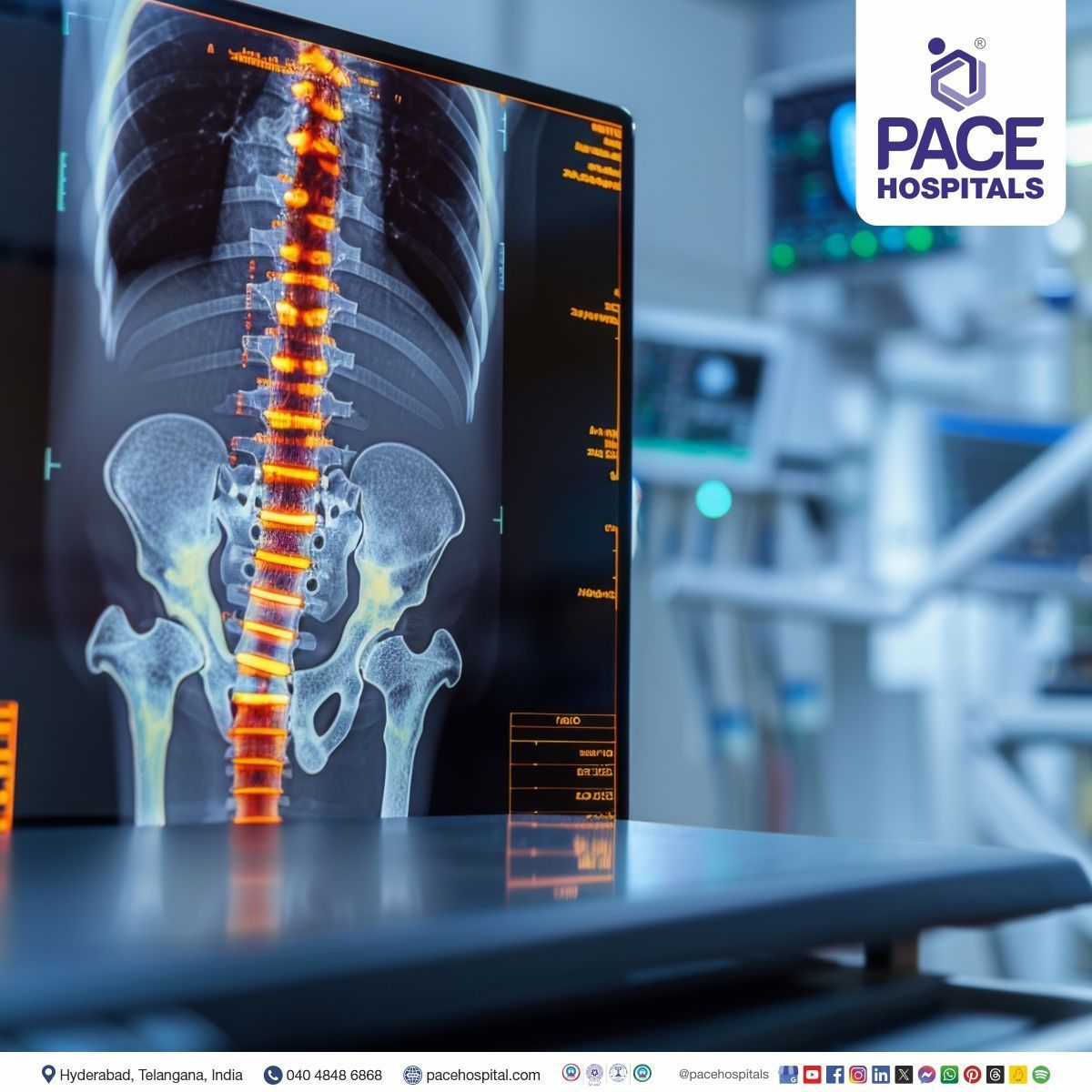
Arthritis / Joint Degenerative Disorders
Diseases causing joint inflammation, cartilage damage, and stiffness.
Arthritis
The term "arthritis" is often called inflammation of the joints. The joint is the part of the body where two or more bones meet to allow movement, such as elbows and knees. There are different types of arthritis conditions with different causes and specific treatments. The symptoms of arthritis include redness, pain, swelling, and joint heat. In some arthritis cases, it also affects the heart, eyes, and skin. Arthritis is mainly caused by joint wear and tear, autoimmune attacks, and the buildup of crystals in joints. In addition, gender, age, weight, hereditary factors, injuries, and infections also lead to arthritis.
Osteoarthritis
Osteoarthritis (OA) is the most common type of arthritis that causes joint inflammation. It can be classified into primary and secondary osteoarthritis. OA is a monoarticular or polyarticular condition characterized by joint pain and loss of function; however, the disease is clinically variable and can present merely as asymptomatic. This condition affects 3.3-3.6% of the population globally. The symptoms of osteoarthritis are stiffness, pain, locomotor restriction, joint deformities, bony swelling, instability, and joint swelling. The causes of osteoarthritis include ageing, anatomical factors, female gender, muscle weakness, occupational or sporting activities, trauma, congenital disorders, necrosis, infections, etc.
Rheumatoid Arthritis
Rheumatoid arthritis (RA) is an autoimmune disease in which the immune system mistakenly attacks its own healthy cells, leading to inflammation of affected parts of the body. RA affects the joints, commonly in the hands, knees, and wrists. In this condition, the tissue lining is damaged due to inflammation, causing deformities, chronic pain, and lack of balance. The symptoms of RA include pain in joints, joint stiffness, fever, tenderness, swelling, weight loss, weakness and fatigue. The specific cause of RA is unknown, but factors such as sex, age, early life exposures, genetic traits, history of live births, and obesity may be associated and increase the risk for this condition.
Shoulder Arthritis
Shoulder arthritis is a condition in which damage to the cartilage inside the shoulder joint is seen. The shoulder has two joints, the ball-and-socket joint and the glenohumeral joint; the cartilage covers these two joints. In shoulder arthritis conditions, the breakdown of this cartilage occurs on the surface and deeper layers. Symptoms of shoulder arthritis include pain at the shoulder joint, a clicking, grinding, or cracking sensation, joint stiffness, and a limited range of motion. Causes include trauma or injury, rotator cuff tear arthropathy, avascular necrosis, rheumatoid arthritis, and osteoarthritis.
Elbow Arthritis
Elbow arthritis is a condition in which the cartilage in the elbow becomes worn or damaged. This condition may be due to overuse, repetitive activities, or an injury (fractures and dislocations). It is extremely painful and can interfere with daily tasks such as arm bending. Symptoms of elbow arthritis are pain, stiffness, swelling, unable to move the elbow, and tingling or numbness in elbows. The causes of elbow arthritis are injuries or trauma, rheumatoid arthritis, osteoarthritis,
gout, and
juvenile arthritis.
Thumb Arthritis
Thumb arthritis is a state in which the cartilage wears out from the thumb. The sites that are commonly affected are basal joints (carpals and metacarpals). The symptoms of thumb arthritis are pain while gripping, swelling, tenderness, loss of strength, limited motion, aching, and enlarged out-of-joint. The causes of thumb arthritis are osteoarthritis (main cause), wear and tear on ageing, injuries (fractures and dislocations), and infections. In addition to these, several factors such as sex, weight, genetics, age, hormones and occupation may also contribute to this condition.
Neck and Back Arthritis
Arthritis in the neck and back is often referred to as spinal arthritis. In this condition, inflammation is seen in facet joints of the spine or sacroiliac, especially between the spine and pelvis. Spinal arthritis is related to autoimmune disorders, infections or wear and tear conditions. Inflammation might affect the sites where the ligaments and tendons attach to the bones. Spinal arthritis can be painful, sometimes leading to chronic inflammation. Symptoms include
headaches, popping noise or grinding sensation of the neck on movements, loss of balance, generalised weakness in hands and legs, muscle spasms at neck or shoulders, and rarely numbness. The causes of neck and back arthritis are autoimmune triggers, genetic components, age factors, obesity, and conditions such as Lyme disease,
irritable bowel syndrome,
tuberculosis,
diabetes, gout, and
psoriasis.
Bone Disorders / Metabolic Bone Diseases
Conditions affecting bone strength, density, or structure.
Osteoporosis
Osteoporosis is a type of bone disease that is developed due to a decrease in bone mass and mineral density or due to the structural changes of bone. Osteoporosis leads to a decrease in bone strength, increasing the risk of fractures. Osteoporosis is a "silent" disease because it is asymptomatic, and individuals may not know it is undeveloped due to decreased bone mass and mineral density or structural changes in bone until they experience bone breakage. Osteoporosis is the major source of fractures in postmenopausal women and older men.
Symptoms of osteoporosis include severe back pain, spine malformations, loss of height, and kyphosis (abnormal postural deformities). The causes of osteoporosis are deterioration in ageing, medications such as glucocorticoids and anti-epileptics, anorexia, hyperparathyroidism, and renal failure. In addition, obesity, age, family history, female gender, smoking and alcohol intake, and history of fractures may also lead to this condition.
Osteonecrosis
The bones comprise living cells that require a blood supply to stay healthy. In osteonecrosis, blood flow to part of a bone is disrupted. This results in the death of bone tissue, and thereby, the bone can eventually break down and cause the joint to collapse. Osteonecrosis is also called Aseptic necrosis, avascular necrosis, or ischemic necrosis of bone. Initially, the symptoms are not experienced, but after the gradual increase of the condition, the patient may experience pain in the thigh bone and groin regions, joint stiffness, limited motion, and osteoarthritis over time. Causes of osteonecrosis are injury, use of corticosteroids, excessive tobacco and alcohol use, and certain medical conditions such as gout, cancer, blood disorders, rheumatoid arthritis, etc.
Avascular Necrosis (AVN)
It is a disease condition in which bone tissue temporarily or permanently dies due to loss of blood supply. It most affects the femoral head of the hip and can lead to collapse of the bone and secondary arthritis if not treated early. Common causes include trauma, long-term steroid use, alcohol abuse, and certain medical conditions.
Paget’s Disease of Bone
Rickets: It is a pediatric bone disorder caused by defective mineralisation of growing bones. This most commonly occurs due to vitamin D deficiency, lactose intolerance, or not consuming milk products. It affects the growth plates, leading to bone deformities such as bowed legs, delayed growth, and skeletal abnormalities.
Osteomalacia: This is the adult counterpart of rickets and results from inadequate mineralisation of mature bone. It may lead to soft, weak bones, causing bone pain, muscle weakness, and an increased risk of fractures. Vitamin D deficiency is the most common underlying cause.
Bone Cysts: Bone cysts are fluid-filled or hollow cavities within a growing bone that have not developed into osseous tissue or actual bone. These cysts are benign in nature. They are often seen in children and young adults and may remain asymptomatic unless they weaken the bone enough to cause a fracture. Common types include simple bone cysts and aneurysmal bone cysts.
Fractures (Bone Breaks)
Injuries where bone continuity is disrupted.
Fractures
A fracture is a break or cracks in the bone. A condition where the broken bone punctures the skin is called an open or compound fracture. Depending on the location of the injury, there are several types of fractures. Symptoms of fractures include deformities of the limbs, intense pain, bruising and swelling of the bones, tenderness at the site of injury, inability to move the limbs, tingling, and numbness. The fractures are usually caused due to sports injuries, accidents, osteoporosis, low bone densities, and overuse of the limbs.
Wrist Fractures
Wrist fractures are often called distal radius fractures. In this condition, the neck portion of the distal radius is involved. Likewise, distal ulna, radioulnar, joint, and radiocarpal joints may or may not involved in this condition. It is associated with high energy mechanisms in younger ones, whereas low energy mechanisms in lower ones. Wrist fractures are caused by falls, compressions, high-energy injuries, falls from height, injuries during sporting activities and athletic participation, simple falls from standing, and motor vehicle accidents. Symptoms include wrist pain, swelling, bruising, wrist deformity, and tenderness.
Hand Fractures
A hand fracture, also called a broken hand, is a condition in which the breakage of hand bones occurs; the breakage may be in phalanges (small bones of fingers) or metacarpals (long bones of the palm). Most cases heal with non-surgical treatments, and few require splints, straps, and surgeries to realign the broken bone. The symptoms of hand fracture are swelling, tenderness, unable to move the finger, bruising, deformity, shortened finger and sunken knuckle (boxer’s fracture). The common causes of hand fractures are falls, twisting, crush injuries and direct contact in sports.
Foot and Ankle Fracture
Fractures result from injury or break to the bones of the foot and ankles. The foot and ankles contain many bones that intricately work together. Extreme pain and impairment of mobility occur when a fracture occurs. The symptoms of foot and ankle fractures are bruising, throbbing pain, pain during activity, difficulty walking and bearing weight, and deformities in the foot or anklefractures include weakness of ligaments and tendons, overstretching or overextending, extreme force on ankles or feet, hard falls, and injuries.
Fractured Arm or Elbow
The humerus, radius and ulna together form an elbow joint. These bones are well organised together by ligaments, tendons and muscles. Fractured elbow, often called an olecranon fracture. In this condition, breakage of "pointy bone" takes place; it occurs due to a direct blow to the elbow. Symptoms of an elbow fracture include tenderness at the site of injury, pain when moving, swelling, bruising, and inability to move the elbow. This condition is mainly caused by an injury or trauma to the elbow (direct blow or impact on the elbow joint).
Broken Shoulder
A fracture to the humerus (ball) or glenoid (socket) of the shoulder joint due to trauma is often called a shoulder fracture. Most of these injuries are treated without surgery. Few cases are treated with surgery because they may have a high risk of arthritis if left untreated. Fractures are of two types, either displaced or non-displaced. Nearly 80 per cent of all shoulder fracture cases are non-displaced. Symptoms of shoulder fractures are swelling, shoulder pain, deformities, tenderness, discolouration and inability to move the shoulder. The causes include direct collisions, trauma or injury, and falls.
Spine Compression Fractures
Fractures to the vertebrae of the spine often lead to spine compression fractures. Vertebrae are the spine's bones; spine compression fractures are commonly called compression fractures or vertebral compression fractures. The symptoms of this condition are pain in the middle or lower spine, intermittent sharp 'knife-like' pain, loss of height, over posture, numbness or tingling sensation, loss of control of bowel or bladder, difficulty in walking, and weakness. The causes of spine fractures are trauma, tumours that start in the bone or spread to the bone from other sites, and multiple myeloma (tumours in the spine).
Stress Fractures: These are small cracks in a bone caused by repetitive mechanical stress rather than a single traumatic event. These fractures commonly occur in weight-bearing bones such as the tibia, metatarsals, and femur. Patients typically present with localised pain that worsens with activity and improves with rest.
Spine Disorders
Conditions affecting the vertebral column and spinal structures.
Degenerative Discs
Damage or injuries to the spinal discs due to wear and tear result in degenerative disc disease. Spinal discs act like shock absorbers between bones and spinal cord vertebrae and provide flexibility for bending and twisting. The symptoms of degenerative disc disease are pain in the buttocks and thigh region, inability to bear the pain when walking and moving, and feeling worse when performing activities such as bending, twisting, and lifting. The causes of degenerative disc disease are dryness in discs due to water loss due to ageing and cracking due to stress from daily activities.
Herniated Discs
Herniated discs are often called slipped, bulged, or ruptured discs. Disk herniation occurs when the nucleus pulposus (located in the centre of the disc) is displaced from the intervertebral space. The symptoms of herniated discs include low back pain, sciatica or radiculopathy, which induces burning, numbness, and tingling sensations, and cervical radiculopathy, which induces sharp pain. The causes of disc herniation are degeneration due to ageing, trauma or injury, connective tissue disorders, and congenital disorders. In addition to these, smoking, obesity, lifting heavy things, repetitive twisting or bending, standing or sitting for many hours in the same place, and an inactive lifestyle are the factors that may cause herniated discs.
Spinal Stenosis
Spinal stenosis is the condition where the spine becomes narrow and exerts pressure on the spinal cord and nerve roots. The narrowing is seen in one or more areas, commonly in the cervical and lumbar spine. It might occur in any age or any gender. Symptoms of spinal stenosis are based on the location where the spine gets narrowed. Symptoms of the lower back include lower back pain, burning pain radiating to buttocks, weakness in feet and legs, numbness, etc. Upper back symptoms are generalised weakness in arms or hands, neck pain and numbness. Severe stenosis may interfere with sexual function, bladder, and bowel function. The causes of spinal stenosis are ageing, trauma or injury, genetic factors, and other diseases.
Spondylolisthesis
Spondylolisthesis is the condition where the slippage of one vertebral body with the adjacent vertebral body takes place, thus causing mechanical symptoms or pain. This condition may be caused due to congenital, acquired, or idiopathic factors. Spondylolisthesis is classified and graded based on the degree of slippage. The symptoms of spondylolisthesis are pain like muscle strain, back stiffness, difficulty in walking or standing, tingling, numbness, and weakness in the legs. The major causes of spondylolisthesis are degenerative (disc degeneration), isthmic (injuries related to sporting activities), trauma, dysplastic (congenital abnormalities), and pathologic (connective tissue and bone disorders).
Sciatica
Sciatica is a condition which weakens the person. The patient with sciatica experiences pain, numbness and paraesthesia in the sciatic nerve or lumbar sacral nerve. It is mistakenly referred to as leg or lower back pain. Sciatica is the symptom of a medical condition; it is not the medical condition itself. Sciatica symptoms include a dull ache, tingling and burning sensation, and unilateral pain in the leg, hip, calf, or sole of the foot. The condition worsens during bowel movements, breathing, standing, sitting, coughing, sneezing, walking and bending. The causes of sciatica are compression of the sciatic nerve due to various conditions, bulging or lumbar herniated disc, lumbar spine stenosis in elderly patients, spondylolisthesis, or misalignment of vertebra, pelvic or lumbar muscle spasms, inflammation, malignancy, and epidural hematoma or abscess.
Spine Deformities
Spinal deformity is when the alignment or spinal curvature deviates from its range. These deformities affect the coronal, axial and sagittal planes. The signs of spinal deformities include kyphosis (abnormally rounded upper back), scoliosis (S or C-shaped back), and lordosis (lower back with inward curve). The symptoms of this condition are dyspnoea (shortness of breath), ataxia (coordination problems), and severe back pain. The causes of spinal deformities are degeneration due to ageing, neuromuscular diseases, congenital abnormalities, trauma, imbalance of vertebral muscles and poor postures.
Spinal Deformities / Postural Disorders
Abnormal curvature of the spine.
Scoliosis
Scoliosis is the sideway spine curvature in which the curve may occur on the left or right side. If the angle of curvature is diagnosed with more than 10° on the X-ray, then the condition is considered scoliosis. Usually, doctors describe this condition as 'C' or 'S'. There are three types of scoliosis: congenital, neuromuscular, and degenerative. Symptoms of scoliosis include curves on the back, uneven shoulders or hips, lower back pain, stiffness, ribs postured on the sides of the body, dyspnoea (breathing difficulties), fatigue, etc. The causes of scoliosis are ageing, genetic factors, neuromuscular conditions, uneven leg length, and osteoporosis. In addition to these factors, poor posture, spinal curvatures, connective tissue disorders, and some injuries may also cause scoliosis.
Kyphosis (Hunch Back)
Kyphosis is also called “hunch back”. It is a condition with the spine curvature measuring 50 degrees or greater on the X-ray; a normal spine appears straight. However, a spine affected by kyphosis shows a curvature of the vertebrae in the upper region of the back, resulting in an abnormally rounded or "humpback" appearance. It is more common in females. Different types of kyphosis are postural, Scheuermann’s and congenital. The signs and symptoms of kyphosis are different in shoulder and shoulder blade height, height of upper back, tight back thigh muscles, and back pain. Neuromuscular conditions, metabolic problems, osteoporosis, low bone density, and hereditary factors cause kyphosis.
Lordosis (Sway Back)
Lordosis, commonly called sway back, is a condition characterized by exaggerated inward curvature of the spine. It typically occurs in the lower back (lumbar lordosis) and neck (cervical lordosis). This condition doesn't cause symptoms except in severe cases. The symptoms of lordosis are neck or back pain radiating to the legs and feet and a numbness or tingling sensation. In rare conditions, it may cause severe leg pain, weakness, and loss of control of bowel and bladder habits. The exact cause of this condition is usually unknown, but factors such as osteoporosis, obesity, osteosarcoma, spondylolisthesis, muscular dystrophy, and static encephalopathy may lead to it.
Ligament Injuries
Damage to ligaments stabilizing joints.
Torn or Sprained ACL
The ligament is a part of the knee that holds bones together and enables motion. The two ligaments that intersect inside the knee are termed the
anterior cruciate ligament (ACL) and posterior cruciate ligament (PCL). The ACL is commonly injured due to sudden foot rotation during sporting activities like soccer, football, and basketball. The injury is sometimes heard with a pop or snap, resulting in severe pain. The symptoms of an ACL tear are swelling of the knee, instability of the knee, inability to bear weight on the leg, and a pop or snap at the time of the injury. The causes of an ACL tear are accidents, work injuries, rapid change of direction and sudden stoppage during sporting activities, direct collision or attacks during a football tackle, and landing incorrectly while jumping.
Torn or Sprained MCL
MCL (medial collateral ligament) is the ligament that holds bones and cartilage in the knee joint. It is the connective link that connects the lower part of the thigh bone to the top of the shin bone. The injury or tear to the MCL is due to too much stretching. The tear of MCL may be partial or complete. The symptoms of MCL are pain and 'pop' on a knee injury, swelling, and instability of the knee, which may lead to a fall or stumble. The common causes of MCL are changing direction, twisting the knee during running, and knee twisting on sudden jumps and landing. In addition to this, the players may experience the MCL sprain during sporting activities such as skating, skiing, football, soccer, tennis, and basketball.
Sprains
A sprain is an injury or trauma to the ligaments. The ligament is the connective tissue which connects joints, bones, and organs together and holds them in their places. Sprains occur if the shoulder's ligament tears or is stretched beyond its limitation. Symptoms of sprains include swelling, joint or muscle pain, bruising, and discolouration. Causes of sprains include trauma and injuries due to falling, twisting, hitting and overuse (sporting activities and occupation).
Shoulder Sprains
Shoulder sprains occur if the shoulder's ligament tears or is stretched beyond its limitation. The ligament is the connective tissue which connects joints, bones, and organs. The clavicle, scapula and sternum are the three bones responsible for the shoulder function. The symptoms of shoulder sprains are pain, bruising, unable to move the shoulder, swelling, and pop sound during injury. Causes of shoulder sprains include trauma and injuries due to falling, twisting, hitting and overuse (sporting activities and occupation).
Sprained Ankle
Ankle sprains are conditions in which ligaments tear and stretch beyond their limits. Ligaments are fibrous tissues that help connect bones. Sprains are common in people of all ages. In most cases, sprains heal by conservative management, but severe fractures and sprains need surgical reconstruction. The symptoms of ankle sprains include pain in rest / weight-bearing, tenderness to touch, bruising, swelling, and instability. Causes include exercises or walking on uneven surfaces, tripping, falling down, and sporting and athletic activities.
Tendon and Soft Tissue Injuries
Damage to tendons connecting muscles to bones.
Tendonitis
Tendonitis, often called an inflamed or irritated tendon, is the tissue band that connects muscles to bones. It may occur anywhere in the body, but it is commonly seen in ankles, wrists, shoulders, and elbows. Tendonitis may be acute (sudden onset) or chronic (long-term inflammation, where the tendon degenerates progressively). The symptoms of tendonitis are swelling, grating sensation on tendon movement, lump on the tendon, pain, tenderness at the site of the affected tendon, and decreased motion or movement of the tendon. The exact cause of tendonitis is not known. However, it might be caused by injury, overuse, excessive straining, or exercise. Tendonitis is also related to rheumatoid arthritis, diabetes, or infections.
Achilles Tendon Rupture: This is a common tenson rupture that leads to complete or partial tear of the Achilles tendon, which connects the calf muscles to the heel bone. It usually occurs due to sudden forceful movements or degeneration of the tendon and presents with sudden pain, difficulty walking, and loss of push-off strength.
Quadriceps Tendon Rupture: A quadriceps tendon rupture is a tear of the tendon above the kneecap that allows the quadriceps muscle to extend the knee. It commonly affects middle-aged/older adults. This is associated with tendon degeneration or risk factors such as chronic systemic disease (e.g., diabetes, renal disease) or medication exposures that affect tendon health. Typical presentation is sudden pain above the kneecap, swelling, difficulty bearing weight, and inability to extend the knee or perform a straight-leg raise in a complete rupture.
Rotator Cuff Tear
An injury to the rotator cuff is termed a rotator cuff tear. The rotator cuff is a part of the shoulder that holds the muscles and tendons in place and allows the arm to be lifted. It is the common cause of pain and disability in adults. Symptoms of a rotator cuff tear are recurrent pain, limited arm movement, muscle weakness, and grating or crackling sounds. The causes of the rotator cuff are injury (tear) and degeneration with age.
Trigger Finger
Trigger function contributes to functional impairment. In this condition, inflammation and swelling occur in the tendons and wrist due to repetitive use. Narrowing of the flexor pulley with hypertrophy leads to trigger finger or stenosing tenosynovitis. This condition is mostly seen in the thumb and ring finger. Symptoms of this condition include locking digits on extension or flexion, problematic extensions, pain, odd aches during movement, and snapping sounds on extension. Usually, the trigger finger is caused by multiple factors. The trigger finger is associated with conditions such as trauma, rheumatoid arthritis, osteoarthritis, amyloidosis, gout, diabetes, and carpel tunnel syndrome. In children, most cases are idiopathic but are associated with inflammatory and congenital conditions.
Muscle Injuries
Conditions affecting muscle tissue.
Hamstring Pulls
Hamstring pulls, commonly called hamstring muscle injuries, are frequently seen in athletes. This condition occurs if there is one or more injuries to the back thigh muscles. Hamstring muscles run downwards at the back thigh; these are categorised into semitendinosus, semimembranosus, and biceps femoris. They start from the bottom of the pelvis, cross the knee joint, and end at the lower leg. It helps to extend the leg straight and bend the knee. Symptoms of this condition include swelling, pain, bruising, weakness, and discolouration at the back of the leg below the knee. Causes of hamstring pulls include muscle overload, tightness, weak muscles, fatigue, imbalance, and sporting or athletic activities.
Groin Pulls
A groin pull or strain results from too much stress on the groin and thigh muscles. When pressure is applied, these muscles become overstretched or torn. It is commonly seen in people who play sports that require running and jumping. A groin pull is caused by jumping or suddenly changing direction. This condition is also seen in people who play soccer and football, making up about 10% of all injuries in professional hockey players. Symptoms of groin pulls include pain and tenderness in the groin region, pain when raising the knee and bringing the legs together, and a popping or snapping sensation during injury.
Muscle Contusions
Muscle contusion, also called a muscle bruise, in this condition bruise occurs in the muscle. It is the second leading cause of sports injuries. In most cases, they heal quickly, but in severe cases, they may cause tissue damage and lead to complications. The symptoms of contusions are pain and swelling at the site of injury, bluish discolouration on torn blood vessels, and muscle becoming weak, stiff, and lumpy. In some conditions, they may lead to dislocation of joints, sprains, and other injuries. Muscle contusions are caused by direct blows (injury or trauma).
Nerve Compression Syndromes
Conditions caused by nerve pressure or entrapment.
Carpal Tunnel Syndrome
Carpal tunnel syndrome (CTS) is a neurological disorder caused when the palm's median nerve gets squeezed or pressed at the wrist. It may cause weakness, numbness, and pain in the hand and wrist; the fingers may become swollen and useless. This condition makes you wake up and feel like shaking your hand or wrist. The symptoms of CTS are numbness and tingling sensation in fingers, mild to severe pain which worsens at night, weakness in hands, inability to grasp objects and can't perform tasks. The causes of CTS are injury or trauma to the wrist, ageing, imbalance in either the thyroid or pituitary gland, application of vibrating tools, bent wrist, metabolic disorders, rheumatoid arthritis, etc.
Cubital Tunnel Syndrome
Tarsal Tunnel Syndrome
Tarsal tunnel syndrome is often called tibial nerve dysfunction or posterior tibial nerve neuralgia. It is a neuropathic condition associated with the compression of tarsal tunnel structures. This condition is similar to carpal tunnel syndrome. The tarsal tunnel is a small fibro-osseous space that moves behind and inferior to the medial malleolus. The symptoms of tarsal tunnel syndrome are numbness on the plantar surface, sharp shooting pain in the foot, paraesthesia, burning or tingling sensation, and pain in extremities. The causes of tarsal tunnel syndrome are categorised into two types: extrinsic and intrinsic. Extrinsic causes include trauma, anatomical and biochemical abnormalities, oedema, poor shoe fitting, post-surgical scarring, systemic diseases, and arthropathies. Intrinsic causes include tendinopathy, tenosynovitis, lipoma, neoplasm, and nerve ischemia.
Shoulder Disorders
Specific conditions affecting the shoulder joint.
Frozen Shoulder
Frozen shoulder is also called Adhesive capsulitis (AC), which is a painful shoulder condition that has been present for more than three months due to inflammation. This inflammatory condition causes fibrosis of the glenohumeral joint capsule, accompanied by progressive stiffness and significant restriction. The symptoms of a frozen shoulder are restricted or limited motions, neck pain, stiffness, pain in activities, and inflammation. The cause of the frozen shoulder is not clearly determined. However, some possible causes of frozen shoulder are injuries or trauma to the shoulders, diabetes mellitus,
thyroid disorder, Dupuytren disease,
Parkinson's disease, cancer and complex regional pain syndrome.
Dislocated Shoulder
The shoulder joint is one of the mobile joints in the body. It can turn in many directions, but it is easy to dislocate from its position. A partial dislocation (subluxation) is a condition where the head of the humerus comes partially outside of the socket (glenoid). A complete dislocation is a condition where the socket is completely out. Both partial and absolute dislocations cause pain and instability in the shoulder.
Symptoms of this condition include weakness, bruising, deformity, pain and swelling. Causes include falls, injuries or trauma, and sporting activities.
Shoulder Bursitis
Shoulder bursitis is a condition that results due to inflammation of the bursa. The bursae are fluid-filled sacs of the skeletal system. They cushion the space between connective tissues and bones, allowing tendons, muscles, and bones to move together. Bursae make the bones and tendons glide without friction. These are acute, chronic and infectious. The symptoms of shoulder bursitis are pain, stiffness, and swelling, especially at night when lying. The causes of shoulder bursitis are overuse of repetitive movement and conditions such as arthritis, uraemia, diabetes, rheumatoid arthritis, and
thyroid disease.
Knee Disorders
Conditions affecting the knee joint.
Chronic Knee Pain
Knee pain is common among adults and is associated with general tear and wear from daily activities such as standing, walking, bending, and lifting. The knee consists of the tibia, femur, and patella. It bears excessive stress every day. Common knee problems are torn cartilage, sprained or strained ligaments, tendonitis, and arthritis. Symptoms of knee pain include pain and inflammation. The causes of knee pain are injury, ageing, repeated stress on the knee, obesity, infections, degenerative disorders, and autoimmune conditions.
Runner’s Knee (Chondromalacia)
This condition is often referred to as patellofemoral pain syndrome. In this condition, the pain is seen around the kneecap due to overuse and exposure to frequent / too much strain. This condition is commonly seen in mountaineering, cycling, jogging and sports activities. The symptoms of this condition are dull or aching pain at the back or next to the kneecap (patellofemoral pain) and feel of crunching or crackling on movement (noisy knees). Runner's knee is caused due to overuse of the knee, foot deformities, anatomical abnormalities such as having one leg longer than the other, weak thigh and hip muscles, short muscles and having knock-kneed or bow-legged.
Meniscal Injuries
This condition is often referred to as torn meniscus. The menisci are located between the tibia (lower leg bone) and femur (thigh bone), which protects the lower part of the leg; the medial meniscus is inside the knee, whereas the lateral meniscus is outside the knee. The meniscus tear or torn meniscus is commonly seen in athletes due to turns or twists of the upper leg when the foot is placed and the knee is bent. The symptoms of meniscal injuries are swelling and pain at the knee joint, especially in the lateral or medial position, locking or catching (a sign of cartilage degeneration), inability to move or bend the knee joint, and limping (difficulty walking). Meniscal injuries are commonly caused by rotational or shearing forces, lifting or carrying heavy weights, activities with rapid acceleration or deceleration, jumping, and trauma.
Foot and Toe Deformities
Structural abnormalities in the foot or toes.
Bunions
Bunions are also known as 'Hallux valgus' (HV). HV is the common forefoot condition with a deviation of the proximal phalanx to lateral and first metatarsal head to medial due to adduction of the first meta tarsus, often called metatarsus primus varus. The symptoms of bunions are medial dorsal cutaneous nerve neuritis, ulcerations, blisters, interdigital keratosis, and irritated skin. These symptoms may also cause morbidity and limit physical activity. The cause of HV is not known, but theories have stated that it is caused by genetic factors, dorsiflexed or short first metatarsal, abnormal foot mechanics, and hypermobility. It is also commonly seen in people with connective tissue disorders, muscle imbalances in the foot, and wearing heels or tight shoes.
Hammer Toe
Hammer toe is a common forefoot deformity resulting in an imbalance between the weak intrinsic muscles and the stronger extrinsic muscles surrounding the lesser digits' metatarsophalangeal joints (MTPJ). It is a condition with a deformity that involves flexion at the interphalangeal joints (IPJ) and is categorised as a classic hammer toe, mallet toe, or claw toe. Initially, the patient gets conservative management; if it fails and the condition worsens, the patient may advise a surgical approach. Hammer toe symptoms include the inability to move the toe, tenderness on wearing shoes or walking, callus formation on the foot, and bent toe. The causes of hammer toe are congenital factors, biomechanical dysfunction, diabetes, neuromuscular functions, hallux valgus, pes planus, long metatarsals, inflammatory arthropathies, wearing of inappropriate shoes, and some neuromuscular conditions.
Infections
Infections affecting bones or joints.
Osteomyelitis (Bone Infections)
Infections to the bones are called osteomyelitis. Osteomyelitis is an acute or long-lasting infection of the bone. It is a severe infection involving the inflammatory process in the bone and its structures due to pyogenic organisms that spread through fractures, the bloodstream, or surgery. The pyogenic organisms are bacteria, fungi and mycobacteria. The symptoms of acute osteomyelitis include swelling, erythema, warmth, and fever or chills. In sub-acute cases, the symptoms include mild pain and malaise with fever. At the same time, the symptoms of chronic osteomyelitis occur for a longer duration of time. The main cause of osteomyelitis is bacterial, fundal or germ infections due to trauma or fractures. The factors that may increase the risk of osteomyelitis are diabetes, injuries, poor blood supply, bone surgeries,
haemodialysis and a weak immune system.
Septic Arthritis
Septic arthritis is a condition characterized by joint inflammation caused by joint infections by bacteria and occasionally by fungal, mycobacterial, viral, or other uncommon pathogens. It is usually a monoarticular infection involving one large joint, such as the knee or hip; however, polyarticular septic arthritis is also seen in some cases. In some conditions, septic arthritis leads to severe infection and may lead to morbidity or mortality. The symptoms of septic arthritis include joint pain, swelling, fever, and refusal to move the joints; in some cases, severe
sepsis with associated conditions is seen. Only local symptoms are seen in children affected with this condition. The local symptoms are joint swelling, fever, and erythema. In comparison, systemic symptoms such as tachycardia, fever, irritability and loss of appetite are seen. Dermatological symptoms such as dermatitis and tenosynovitis are also seen. The causes of septic arthritis are bacterial, viral and fungal infections due to trauma or injuries (open wounds), surgeries, and abdominal infections. Individuals with leukaemia and rheumatoid arthritis conditions develop septic arthritis.
Neck Abscess
Infection of the deep neck tissues leads to neck abscesses, which are complicated to diagnose, access, and manage. The affected tissues are deep and unable to be seen externally. Inflammation is seen in nearby structures and leads to bony, neurovascular, and airway issues. The symptoms of neck abscess may include severe pain, upper respiratory infections, neck or mouth trauma, respiratory distress,
dysphagia or dysphonia, spiking fevers, and shortness of breath. The causes of neck abscess are tonsillitis, pharyngitis, odontogenic (in adults), a history of surgical procedures, infections, trauma, malignant lymph nodes, cleft anomalies, and a suppressed immune system.
Tumors / Masses
Abnormal growth of tissues.
Spinal Tumours
A spinal tumour is a condition where the abnormal mass of cells or tissues surrounding the spinal column or spinal cord. The tumours may be malignant (cancerous) or benign (non-cancerous). Primary tumours originate from the spinal cord, whereas secondary or metastatic tumours originate from other sites to the spine, spreading cancer. Symptoms of spinal tumours include back pain in the middle or lower back and spreading to arms, feet, hips, and legs. Additional symptoms of spinal tumours include a stiff neck, neurological symptoms, difficulty in walking, loss of bladder function, paralysis, and scoliosis. The exact cause of spinal tumours is unknown. but some factors contribute to this condition, such as exposure to cancer-producing agents,
lymphoma, and genetic conditions such as neurofibromatosis-2 and Von Hippel-Lindau diseases.
Soft Tissue Masses
Soft tissue masses are also called soft tissue sarcomas (STC). STCs are a group of more than 60 neoplasms commonly seen in individuals of extreme age. They can originate from any location all over the body and are evaluated by imaging and biopsy studies. Benign lipomas and metastatic angiosarcomas of skeletal muscle, connective tissues, and adipose tissues are clinically seen.The symptoms include painless lumps, swelling under the skin and near the lungs, and swelling in the abdomen. These symptoms, in turn, cause
constipation, abdominal pain, breathlessness and cough. The causes of soft tissue masses are germline mutations (Neurofibromatosis Type 1 (NF1) Von Recklinghausen Disease, Li-Fraumeni Syndrome, Familial Adenomatous Polyposis (FAP), carcinogens, lymphedemas and radiation.
Ganglion Cysts
Ganglion cysts are synovial cysts filled up with gelatinous mucoid material, and the condition is commonly seen in orthopaedic practice. Studies have stated that they arise due to repetitive trauma, resulting in the degeneration of connective tissue. These cysts are soft tissue masses, especially found in the hand and wrist. Most of the cysts are asymptomatic. The patient may experience tenderness, pain, and weakness in wrist motion. Patients with volar ganglion cysts may present with carpal tunnel syndrome secondary to compression in the median nerve and intrusion of flexor tendon sheath as well as ulnar nerve neuropraxia. No exact cause has been reported for this condition until now. Theories in 1746 and 1926 stated that ganglion cysts are caused by herniation of synovial tissues from joints and mucinous degeneration of connective tissue, respectively.
Congenital / Genetic Disorders
Conditions present from birth or genetic causes.
Muscular Dystrophy
Muscular dystrophy is caused by more than 30 genetic conditions, resulting in muscle weakness and muscle-related symptoms that worsen over time. This condition may present at birth or develop in childhood or adulthood. Muscle atrophy, irregular walking (toe walking), tightening of muscles, stiff or loose joints, muscle pain, and spasticity are symptoms of muscular dystrophy. Genetic mutations, such as recessive, X-linked, and dominant inheritance, cause muscular dystrophy.
Pain Syndromes / General Conditions
Conditions involving chronic pain without a single structural cause.
Fibromyalgia
Fibromyalgia is a chronic or long-lasting disorder that causes pain, tenderness all over the body, trouble sleeping, and fatigue. Currently, there is no cure for this condition, but doctors manage the symptoms through movement and psychological and medical therapies. The symptoms of fibromyalgia are chronic pain all over the body, fatigue, disturbed sleep, joint or muscle stiffness, tenderness, altered memory or concentrations, bloating, constipation and sensation to light or noise. Fibromyalgia is idiopathic (the cause is unknown), but researchers found it might be happening due to genetic factors. Fibromyalgia is most likely in conditions such as osteoarthritis, rheumatoid arthritis, systemic lupus erythematosus, depression, and inflammatory bowel disease.
Neck and Back Pain
Injury to the neck and back leads to pain, which can range from mild to severe, such as dull or annoying aches. Back pain restricts mobility and quality of life. The pain is acute in some cases, whereas chronic in others; it may eventually be continuous or intermittent. Symptoms of neck and back pain include dull or sharp pain, tingling or numbness above the knee, sharp pain from the lower back to the buttock, and consistent aches after sitting or standing. Causes include strenuous activities, trauma, injury, tumours, infection, degeneration of vertebrae, poor muscle tone, obesity, spasms, strain or sprain, arthritis, ligament or muscle tears, osteoporosis, and congenital abnormalities.
Neck and Back Sprains & Strains
Due to injury, sprain of ligaments and strain of muscles in the neck and back regions tend to these conditions. It occurs mainly due to abnormal rotation or twisting of the neck and back region. The pain might be mild or severe and appears later after injury. Symptoms of this condition include back pain or neck pain on movements, pain and muscle spasms in the shoulder, headache on the backside of the head, difficulty in sleeping and concentrating, weakness and numbness in the arms, irritability, etc. Hard falls, vehicle collisions, and injuries to the neck and back are common causes of these sprains and strains.
Hip Pain
Hip pain is a condition involving any pain in and around the hip joint. The person may not feel pain from the hip directly but experiences pain in the groin, thigh, or knee regions. Symptoms include hip pain, bruising, swelling, leg deformities, bleeding, and inability to move the hip. Some serious signs include fever and rash with pain. The causes of hip pain are fractures, labral tears, infections, osteonecrosis, arthritis, injuries or trauma, and strains.
Sports Injuries
Sports injuries are injuries caused by sporting activities and exercises. Usually, these sports injuries affect the musculoskeletal system. The muscles, tendons, bones, tissues, and ligaments collectively form the musculoskeletal system, providing stability and allowing movement. Sports injuries are classified into acute and chronic sports injuries. Acute sports injuries occur due to sudden falls, twists, or blows to a joint. "E.g.," dislocations and sprains, whereas chronic sports injuries result from overuse. "E.g.," stress fractures, shin splints. Symptoms include sudden severe pain, bruising and swelling of joints or bones, weakness, unable to move the limbs, and dull ache. The common causes of sports injuries include overuse of limbs, trauma or history of sudden falls, and ankle twists. In addition, overtraining, running or jumping on hard surfaces, and not using proper equipment for activities may cause sports injuries.
Pediatrics othopedic conditions
Clubfoot (congenital talipes equinovarus)
This is a congenital deformity in which a baby is born with one or both feet turned inward and downward. The condition involves abnormal development of bones, muscles, tendons, and ligaments of the foot and ankle. Without timely treatment, clubfoot can lead to difficulty in walking and long-term disability. Early treatment generally starts soon after birth, commonly involves serial casting (Ponseti method), followed by bracing to maintain correction. With timely management, most children achieve near-normal foot function.
Developmental dysplasia of the hip (DDH)
This refers to abnormal development of the hip joint in infants and young children, where the femoral head may be loose, partially dislocated, or completely dislocated from the acetabulum (hip socket). Risk factors include positioning, family history, and female gender. If untreated, DDH can lead to limping, leg length discrepancy, early hip arthritis, and reduced mobility later in life.
Perthes disease (Legg–Calvé–Perthes disease)
Perthes disease is a childhood hip disorder caused by the temporary loss of blood supply to the femoral (thighbone), leading to avascular necrosis. Eventually, the weakened femoral head may collapse and later remodel as blood supply returns. Common symptoms that are seen in children are hip or groin pain, limping, and reduced hip movement.
Slipped capital femoral epiphysis (SCFE)
This is a condition in adolescents where the growth plate of the femoral head weakens, causing the femoral head to slip backwards relative to the femoral neck. This causes pain, stiffness, and instability in the affected hip. It is commonly seen during rapid growth periods, especially in overweight adolescents.
3,28,338
99,825
684
2011
Best Orthopedic Doctors in Hyderabad | Top Orthopaedic Surgeons
A team of the best Orthopaedic Doctor in Hyderabad, India, having extensive expertise in diagnosing and managing a wide range of musculoskeletal diseases and disorders, including arthritis, fractures, osteoporosis, scoliosis, joint pain, ligament injuries, and sports-related injuries are committed to delivering patient-centric, evidence-based and compassionate musculoskeletal disorders treatment to the pediatric, adult and geriatric patients. The skilled and experienced team of orthopaedic specialists and sports injury doctor thoroughly analyse the diagnosis report to understand the root cause of discomforts to cater to complete orthopaedic care tailored to individual needs. Orthopaedic surgeons are highly skilled in using advanced procedures like joint & knee replacements and minimally invasive techniques to treat complex and critical musculoskeletal disorders with minimal complications and high success rates.
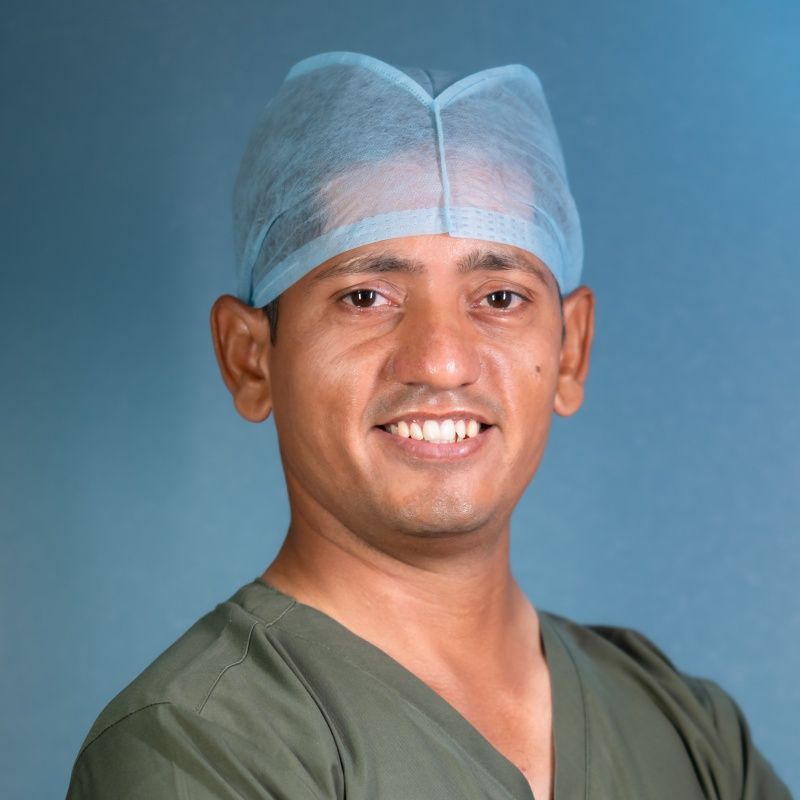
Dr. Anand Agroya
MBBS, D.Ortho, Fellow in Joint Replacement, Arthroscopy & Sports Medicine
Experience : 15+ years
Senior Orthopaedic Consultant, Trauma Surgeon & Sports Medicine Specialist | Expert in Knee & Joint Replacement & Arthroscopy Surgery
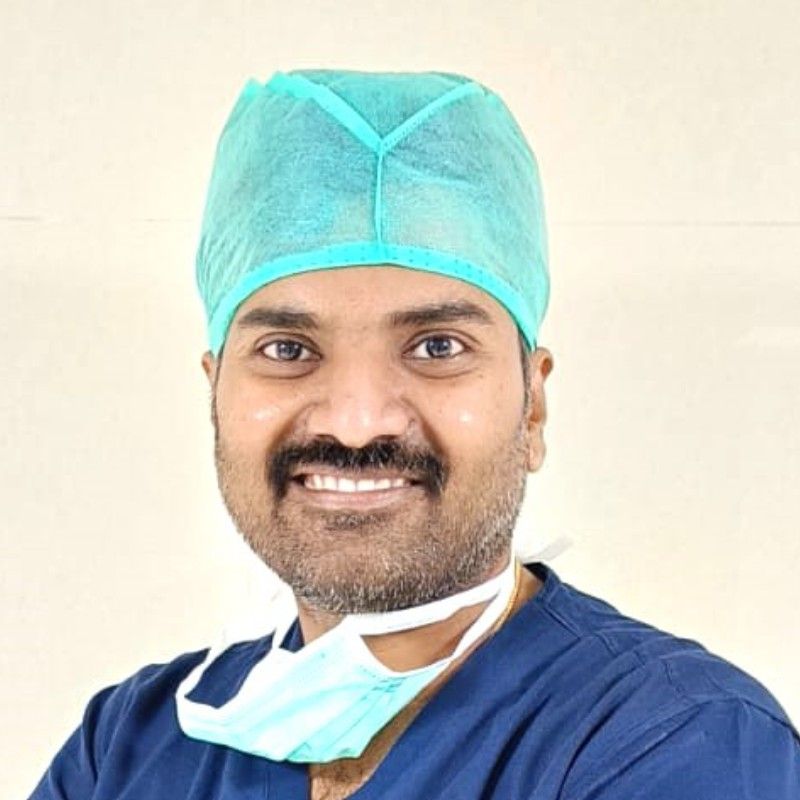
Dr. Raghuram
MBBS, DNB ORTHO, Fellowship in Joint Replacement and Arthroscopy, Fellowship in Shoulder and Upper limb, Sports medicine and Replacement
Experience : 14+ years
Orthopaedic Consultant, Trauma, Shoulder and Knee Arthroscopic Surgeon, Hip and Knee Joint Replacement Specialist
Orthopaedic Diseases and Disorders Explained
Get a free second opinion before starting treatment for orthopaedic diseases and conditions
At PACE Hospitals, we are committed to providing our patients with the best possible care, and that includes offering second medical opinions with super specialists for treatment or surgery. We recommend everyone to get an expert advance medical second opinion, before taking decision for your treatment or surgery.
Frequently Asked Questions (FAQs) on Orthopedic Diseases
What are orthopedic diseases?
Orthopedic diseases are medical conditions that affect the bones, joints, muscles, ligaments, tendons, and spine. These structures support the body, allow movement, and protect vital organs. Injuries, wear and strain, infection, inadequate bone health, or inherited factors can cause orthopedic conditions. These conditions may limit movement, cause pain, or reduce strength. However, early detection and timely treatment help reduce discomfort, maintain mobility, and prevent long-term disability in daily life.
What are the most common orthopedic disorders?
These orthopedic disorders occur commonly and affect bones, joints, muscles, and the spine. These include osteoarthritis, low back pain, fractures, osteoporosis, tendon injuries, and joint inflammation. Many develop due to repeated stress, injury, sports injuries, ageing, poor posture, or reduced bone strength. These disorders can interfere with walking, lifting, or daily tasks, especially if treatment is delayed.
What are the signs and symptoms of orthopedic diseases?
These conditions can interfere with normal movement and daily activities. The signs and symptoms vary depending on the specific disorder, but there are several common features seen in most orthopedic diseases:
- Pain in bones, joints, or muscles
- Joint stiffness, especially after rest or in the morning
- Swelling around the affected area
- Reduced range of movement of joints
- Muscle weakness or wasting
- Joint deformity or abnormal posture
- Joint instability or feeling of looseness
- Grinding, clicking, or popping sounds during movement
- Back pain or neck pain
- Difficulty in walking, standing, or performing daily activities
- Frequent fractures or delayed healing of bones
What are degenerative orthopedic disorders?
Degenerative orthopedic disorders are conditions in which bones, joints, or spinal structures slowly wear down over time. These disorders often develop due to ageing, repeated joint use, excess body weight, or poor joint alignment. Symptoms usually progress gradually and include pain, stiffness, and reduced mobility. Common degenerative disorders are:
- Osteoarthritis
- Degenerative disc disease
- Spondylosis
- Spinal stenosis
- Osteoporosis
- Avascular necrosis (osteonecrosis)
- Facet joint degeneration
- Kyphosis (degenerative type)
- degenerative scoliosis
- Paget’s disease of bone
What are inflammatory orthopedic diseases?
Inflammatory orthopedic diseases are conditions in which the immune system causes inflammation in joints, bones, or surrounding tissues. Common inflammatory orthopedic diseases are rheumatoid arthritis (RA), psoriatic arthritis (PsA), ankylosing spondylitis, gout, and juvenile idiopathic arthritis (JIA). If not managed early, they can cause progressive joint damage and deformity.
Can orthopedic diseases be prevented?
Not all orthopedic diseases can be prevented, but the risk of many conditions can be reduced. These simple steps help to protect bone and promote joint health.
Helpful preventive steps are:
- Maintaining a healthy weight
- staying physically active
- practising correct posture
- ensuring adequate calcium
- Adequate vitamin D intake
- Avoiding prolonged inactivity
Is orthopaedics only related to bone fractures?
Orthopedics is not limited to treating bone fractures. It also focuses on conditions affecting joints, muscles, ligaments, tendons, spine, and soft tissues. Orthopedic care includes managing arthritis, back pain, sports injuries, joint degeneration, deformities, and mobility problems. Both surgical and non-surgical treatments are used to relieve pain, restore movement, and improve function, making orthopedics a comprehensive musculoskeletal speciality.
Which hospital is best for the treatment of orthopedic diseases in Hyderabad?
For comprehensive orthopedic care in Hyderabad, PACE Hospitals – HITEC City is among the leading choices. PACE Hospitals is a multi-super speciality tertiary care hospital known for delivering advanced, evidence-based treatment across a full range of orthopedic and musculoskeletal conditions.
We combine state-of-the-art medical technology, highly skilled orthopedic surgeons and specialists, and a patient-centric approach to provide personalised treatment plans for each individual’s needs. Our multidisciplinary team uses modern diagnostic tools and evidence-based protocols to ensure patients get the best possible outcomes — whether it’s non-surgical management, minimally invasive surgery, complex reconstructive procedures, or rehabilitation support.
Patients benefit are:
- Advanced orthopaedic and sports medicine care for adults and children
- Comprehensive management of fractures, arthritis, trauma, and spine problems
- Joint replacement and reconstructive surgery expertise
- Dedicated rehabilitation and physiotherapy support
- 24×7 emergency and orthopaedic trauma services
Why choose PACE Hospitals for orthopedic disease treatment in Hyderabad?
PACE Hospitals in Hyderabad is a leading choice for orthopaedic care because it delivers high-quality treatment for a wide range of bone, joint, muscle, and spine conditions.
Key reasons to choose PACE Hospitals for orthopedic treatment include:
- Comprehensive orthopaedic services: Care for fractures, arthritis, ligament injuries, sports injuries, joint pain, spine conditions, and more — from diagnosis to recovery.
- Experienced specialists: A team of highly trained orthopaedic surgeons, sports medicine doctors, and trauma care experts who provide individualised, evidence-based treatment plans.
- 24×7 orthopaedic emergency care: We provide 24/7 services for urgent trauma cases, fractures, dislocations, and acute musculoskeletal injuries.
- Advanced Infrastructure: Modern diagnostic tools, advanced imaging, and minimally invasive surgeries for precise treatment and quick recovery.
- Integrated rehabilitation and physiotherapy: In-house post-treatment rehabilitation programs to restore mobility, strength, and independence.
What is metabolic bone disease?
Metabolic bone disease refers to a group of conditions in which bones become weak, soft, or fragile due to problems with mineral balance or hormone regulation. Common causes of metabolic bone diseases are low vitamin D, calcium deficiency, or disorders affecting bone renewal. These conditions reduce bone strength and increase the risk of fractures, even with minor injury. People are generally presented with symptoms like bone pain, muscle weakness, or repeated fractures. Early diagnosis helps restore bone health and prevent complications.
Why choose PACE Hospitals?
- A Multi-Super Speciality Hospital.
- NABH, NABL, NBE & NABH - Nursing Excellence accreditation.
- State-of-the-art Liver and Kidney transplant centre.
- Empanelled with all TPAs for smooth cashless benefits.
- Centralized HIMS (Hospital Information System).
- Computerized health records available via website.
- Minimum waiting time for Inpatient and Outpatient.
- Round-the-clock guidance from highly qualified super specialist doctors, surgeons and physicians.
- Standardization of ethical medical care.
- 24X7 Outpatient & Inpatient Pharmacy Services.
- State-of-the-art operation theaters.
- Intensive Care Units (Surgical and Medical) with ISO-9001 accreditation.


