
Neurology Patient Resources: Educational, Videos, Blogs, Case Studies & Testimonials
Our Neurology Patient Resources section offers a comprehensive understanding of neurological health through expert-led videos, real patient case studies, and personal testimonials. Gain a better understanding of neurological conditions, treatment options, and recovery journeys with guidance from experienced and fellow patients.
Book an Appointment
Neurology Appointment Enquiry
Neurology Educational Blogs & Articles
Explore insightful blogs on neurological topics such as stroke, epilepsy, migraines, Parkinson’s disease, and multiple sclerosis. Our expert-written blogs help patients understand their conditions and treatment options with clarity and confidence.

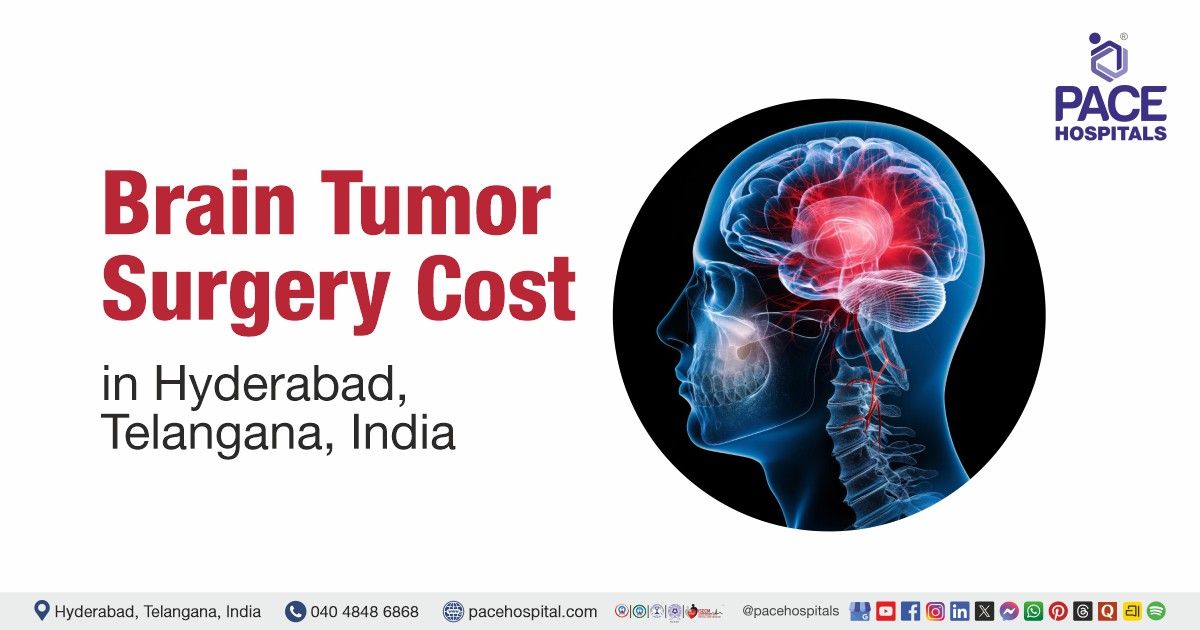




Expert Video Library - Watch & Learn About Neurology
Access a collection of educational neurology videos that cover common neurological conditions, treatment methods, and expert advice from our top neurologists. Learn at your own pace with detailed, patient-friendly videos.
Neurology Patient Case Studies - Treatment Journeys & Outcomes
Real patient stories showcasing their neurological health challenges and the successful treatments they underwent. Understand the path to recovery through detailed case studies, and gain confidence in your treatment decisions.

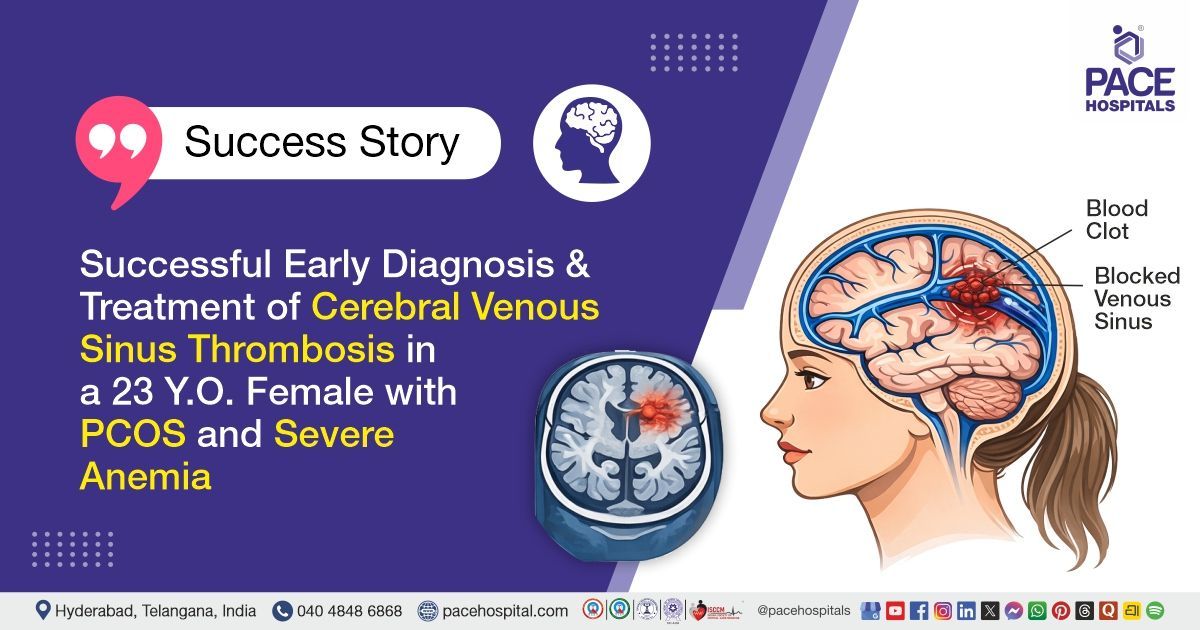
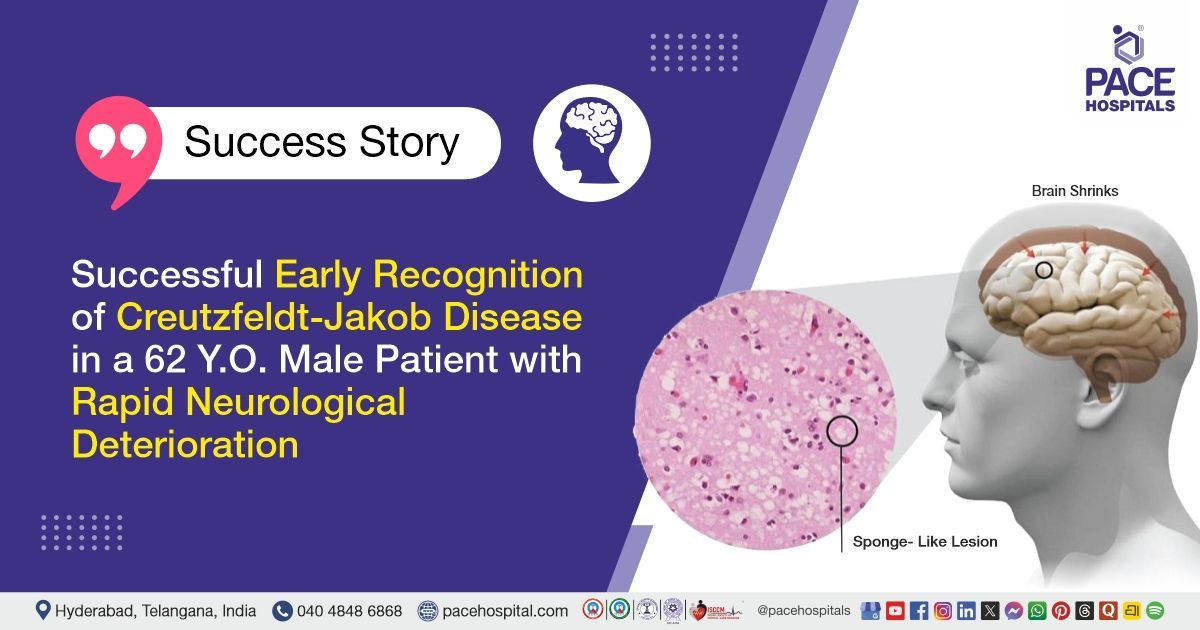


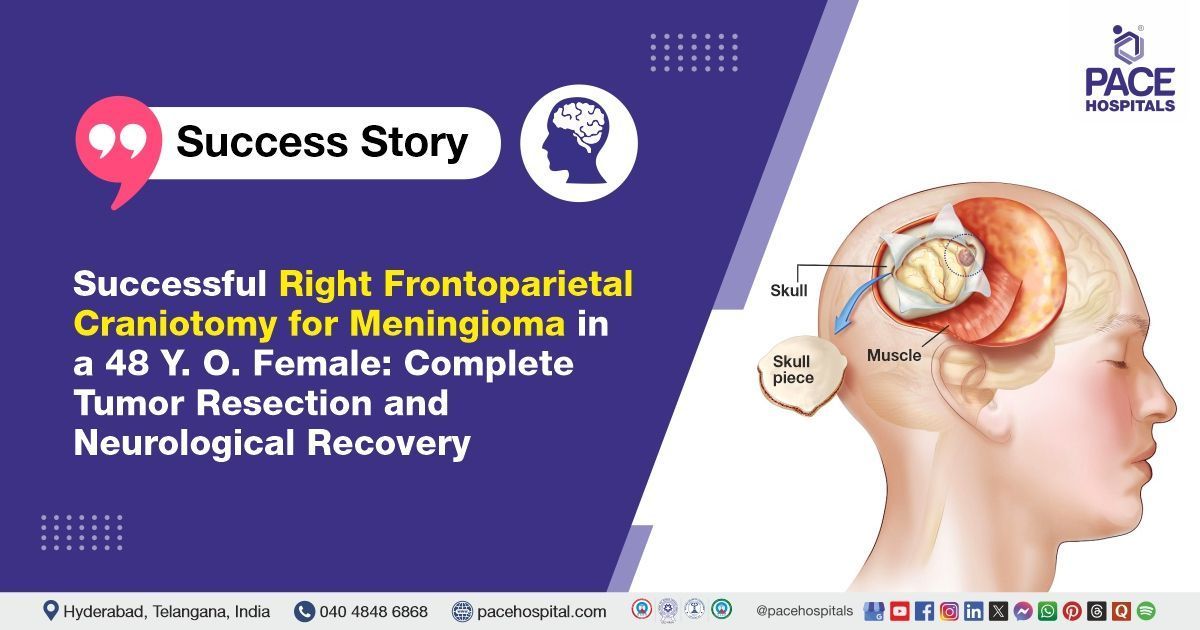
Neurology Testimonials - Hear From Patients
Testimonials from patients who have experienced life-changing neurological treatments at PACE Hospitals. Their stories of recovery and satisfaction serve as a testament to our commitment to exceptional care and expertise in neurology.
Frequently Asked Questions (FAQs) on Neurology
What is neurology?
Neurology is the medical specialty that focuses on the diagnosis, treatment, and prevention of disorders affecting the nervous system, including the brain, spine, nerves, and muscles. Neurologists treat conditions like stroke, epilepsy, migraines, Parkinson’s disease, and multiple sclerosis.speciality
When should I see a neurologist?
You should consult a neurologist if you experience symptoms like persistent headaches, dizziness, muscle weakness, numbness, seizures, or changes in vision. Early evaluation is crucial for conditions that affect the nervous system to prevent further complications.
What are common neurological conditions treated by neurologists?
Common neurological conditions include stroke, epilepsy, Parkinson’s disease, Alzheimer’s disease, migraines, multiple sclerosis (MS), and neuropathy. Neurologists use specialized tests and imaging to diagnose and treat these conditions.
What tests are used to diagnose neurological disorders?
Neurologists use a variety of tests to diagnose conditions, including MRI scans, CT scans, EEG (electroencephalogram), nerve conduction studies, and lumbar puncture (spinal tap) to evaluate brain and spinal cord health, nerve function, and muscle activity.
What is a stroke and how is it treated?
A stroke occurs when blood flow to the brain is interrupted, leading to potential brain damage. Symptoms include sudden numbness, confusion, difficulty speaking, or severe headache. Immediate treatment is critical and may include medications, surgery, or rehabilitation to improve recovery.
How is epilepsy treated?
Epilepsy, characterized by recurrent seizures, is often treated with medications (antiepileptic drugs), lifestyle changes, and in some cases, surgical procedures. If seizures are uncontrolled by medication, options like vagus nerve stimulation or brain surgery may be considered.
What causes migraines and how are they treated?
Migraines are intense headaches often accompanied by nausea, vomiting, and sensitivity to light or sound. Triggers include stress, hormonal changes, certain foods, or environmental factors. Treatment may involve medications, dietary changes, and lifestyle adjustments.
What are neurodegenerative diseases?
Neurodegenerative diseases, like Alzheimer’s, Parkinson’s, and amyotrophic lateral sclerosis (ALS), involve the progressive degeneration of the nervous system, often leading to memory loss, movement difficulties, and cognitive decline. Treatment focuses on symptom management and slowing disease progression.
What is Parkinson’s disease and how is it managed?
Parkinson’s disease is a progressive neurological disorder that affects movement and causes symptoms like tremors, stiffness, and slow movement. Treatment includes medications, physical therapy, and in advanced cases, surgical interventions like deep brain stimulation (DBS).
How can I manage symptoms of multiple sclerosis (MS)?
Multiple sclerosis (MS) is a chronic autoimmune condition affecting the brain and spinal cord. Treatment includes medications to manage symptoms and slow disease progression, along with physical therapy and lifestyle adjustments for better mobility and function.
How can I prevent neurological disorders?
Preventing neurological disorders involves maintaining a healthy lifestyle, such as eating a balanced diet, exercising regularly, avoiding smoking, and managing chronic conditions like diabetes and hypertension. Regular checkups with a neurologist can also help identify risks early.
What is the role of physical therapy in neurological recovery?
Physical therapy plays a crucial role in neurological recovery by helping patients regain strength, flexibility, and mobility. After neurological conditions like stroke or brain injury, rehabilitation can significantly improve outcomes and quality of life.
How is a neurological exam performed?
A neurological exam evaluates a patient’s nervous system function. It typically includes testing muscle strength, coordination, reflexes, and mental status. The exam helps neurologists diagnose conditions like neuropathy, stroke, and seizure disorders.
What is a lumbar puncture and why is it needed?
A lumbar puncture (spinal tap) involves collecting cerebrospinal fluid (CSF) from the spinal canal to diagnose conditions like meningitis, multiple sclerosis (MS), or infections. It helps neurologists identify abnormalities in the central nervous system.
What is the role of neuroimaging in neurology?
Neuroimaging (such as MRI, CT scans, and PET scans) plays a critical role in diagnosing neurological conditions like stroke, brain tumors, neurodegenerative diseases, and multiple sclerosis. These advanced imaging techniques help doctors visualize the brain and spine, providing accurate diagnoses.
Can neurological conditions affect my daily life?
Yes, neurological conditions like Parkinson’s disease, multiple sclerosis, and epilepsy can affect daily activities, including mobility, concentration, and memory. However, with proper treatment, rehabilitation, and support, many patients lead active, independent lives.
Get Expert Help - Online Appointment with Top Neurologists
Ready to take the next step in your neurological health? Consult the best neurologists or schedule an appointment online today to start your journey toward better neurological health.

Dr. S Pramod Kumar
MBBS, DNB (General Medicine), DM (Neurology)
Experience : 12+ years
Neurophysician & Neuromuscular Specialist

Dr. U L Sandeep Varma
MBBS, M.S. (General Surgery), M.Ch (Neurosurgery), Post Doctoral Fellowship in Minimal Invasive and Advanced Spine Surgery
Experience : 10+ years
Consultant Brain and Spine Surgeon


