
Advanced Endocrinology Treatments | Complete Hormone Care
PACE Hospitals provides comprehensive endocrinology treatment for a wide range of hormone-related disorders affecting glands such as the thyroid, pancreas, adrenal glands, pituitary, and reproductive system. Our expert endocrinologists evaluate and manage conditions including diabetes, thyroid disorders, hormonal imbalances, metabolic disorders, and endocrine tumors.
Using advanced medical technology and a patient-focused approach, we ensure accurate diagnosis and effective treatment of endocrine disorders, helping restore hormonal balance and improve overall health outcomes.
Book an Appointment
Endocrinology Treatment Appointment Enquiry
Why Choose PACE Hospitals for Endocrine Disorders Treatment?
Comprehensive Evaluation of Endocrine Disorders
Thorough assessment of endocrine disorders and hormone imbalances using advanced diagnostic tests to identify the root cause of symptoms such as fatigue, weight changes, abnormal blood sugar levels, menstrual irregularities, or growth abnormalities.
Advanced Endocrinology Treatment & Management
Personalized treatment plans for endocrine disorders including medication management, hormone therapy, lifestyle modifications, and long-term disease monitoring to ensure optimal control and improved quality of life.
Experienced Endocrinologists
A team of highly skilled endocrinologists and hormone specialists who carefully evaluate clinical findings and diagnostic reports to provide accurate diagnosis and the most effective treatment approach for endocrine diseases.
Comprehensive Endocrinology Treatments
We provide comprehensive treatment for endocrine disorders through personalised medical management, lifestyle guidance, and advanced hormonal therapies. Our endocrinology specialists focus on restoring hormonal balance, controlling symptoms, and ensuring long-term metabolic health and well-being.
Non-pharmacological management
Lifestyle-based interventions (diet, exercise, stress management, and behavioral changes) play a crucial role in the management of endocrine disorders.
- Diet & Nutrition: Diet helps regulate hormones and metabolism. Controlling carbohydrates improves blood glucose in diabetes mellitus, while nutrients like iodine, calcium, and vitamin D support thyroid and bone health.
- Exercise: Improves insulin sensitivity and metabolism, which aids in the management of diabetes and obesity. It also promotes hormone balance and helps with illnesses such as polycystic ovarian syndrome and hypothyroidism.
- Weight Management: Reduces insulin resistance and hormonal imbalance. Even modest weight loss improves control of diabetes mellitus and helps restore cycles in PCOS.
- Stress Management: Stress increases cortisol, disrupting hormonal balance. Techniques like yoga, meditation, and proper sleep help normalise hormone levels and prevent worsening of endocrine disorders.
- Patient Education: It helps in better adherence, early detection of complications, and long-term management of endocrine diseases.
Pharmacological management
Pharmacological management of endocrine disorders involves the use of medications to restore hormonal balance and control disease progression.
Hormone Replacement Therapy (HRT)
This therapy works by supplying deficient or absent hormones, thereby restoring normal physiological functions regulated by the endocrine system. This therapy generally includes:
- Thyroid hormone: These medications are synthetic forms of thyroxine (T4). In conditions like hypothyroidism, the thyroid gland fails to produce sufficient hormones, leading to reduced metabolic activity. Administration of synthetic thyroxine increases circulating thyroid hormone levels, which in turn stimulates cellular metabolism. This improves oxygen consumption, heat production, and energy utilization. As a result, symptoms such as fatigue, weight gain, cold intolerance,
constipation, and bradycardia are reversed.
- Insulin therapy: Administration of insulin compensates for lack of insulin in diabetes mellitus. It helps glucose enter cells, lowers blood sugar levels, prevents complications, and maintains normal energy metabolism.
- Hormonal Therapy (for menopause or ovarian failure):These medications are used in menopause or ovarian failure to relieve symptoms, regulate cycles, preserve bone density, and support reproductive and cardiovascular health.
- Hormonal Replacement Therapy (for Hypogonadism): This is used in males with hypogonadism, where the testes produce insufficient testosterone. These hormones play a key role in the development of male secondary sexual characteristics such as facial hair, deep voice, and muscle mass. It also supports libido, sperm production, red blood cell formation, and bone density.
Hormone Suppression / Antagonists: These therapies work by reducing excessive hormone production or blocking hormone action. They are mainly used in conditions where there is hormone overactivity. This includes:
Antithyroid drugs
Antithyroid drugs, used in hyperthyroidism (e.g., Graves’ Disease), block thyroid hormone production and reduce T4-to-T3 conversion. They relieve symptoms like rapid heartbeat, weight loss, tremors, and heat intolerance, helping restore normal thyroid function.
Cortisol blockers
These drugs are used in conditions like Cushing’s Syndrome, where excess cortisol is produced by the adrenal glands. They work by inhibiting enzymes involved in cortisol synthesis or by blocking cortisol receptors, reducing its effects on target tissues. By lowering cortisol levels, these drugs help reverse complications such as central obesity, hypertension, hyperglycemia, muscle weakness, and bone loss, thereby normalising metabolism and reducing systemic harm.
Gonadotropin-Releasing Hormone (GnRH) analogs
These are used in disorders of the reproductive endocrine axis, including precocious puberty, endometriosis, and hormone-sensitive tumors like prostate cancer. When given continuously, they initially stimulate but then suppress pituitary release of key reproductive hormones that regulate sexual function. This suppression slows early puberty, reduces growth of hormone-dependent tumors, and alleviates endometriosis symptoms.
Oral & Injectable Medications
These medications act by modifying hormone action, improving metabolic control, or protecting target organs affected by endocrine imbalance.
Oral hypoglycemics
These drugs lower blood glucose levels in diabetes mellitus by improving insulin secretion, enhancing insulin sensitivity, or reducing glucose absorption. They help maintain normal blood sugar and prevent complications like neuropathy, nephropathy, and retinopathy.
GLP-1 receptor agonists
These injectable drugs mimic the incretin hormone GLP-1, stimulating insulin release in response to meals, suppressing glucagon, slowing gastric emptying, and promoting satiety. They improve glycemic control and aid weight loss in diabetes mellitus.
Bisphosphonates
This is used in endocrine-related bone disorders such as osteoporosis. Bisphosphonates inhibit bone resorption by osteoclasts, strengthening bones and reducing the risk of fractures. They help restore skeletal health when hormone deficiencies lead to bone loss.
Symptomatic Treatment
This does not directly correct the underlying hormonal imbalance but relieves clinical symptoms and stabilises the patient until definitive therapy works.
Beta blockers
This is used in conditions like hyperthyroidism to control symptoms caused by excess hormones, such as rapid heartbeat, tremors, anxiety, and high blood pressure. They do not alter hormone levels but relieve the effects of hormone overactivity.
Electrolyte correction in adrenal disorders
In conditions like Addison’s disease, adrenal hormone deficiency can cause imbalances in sodium, potassium, and other electrolytes. Correcting these restores fluid balance, prevents cardiac and muscular complications, and supports metabolic stability.
Interventional / Minimally Invasive Endocrine Procedures
Ablation techniques are used to destroy abnormal or overactive endocrine tissue without open surgery.
Ablation Techniques
This is used to destroy abnormal endocrine tissue (tumors, nodules, or hyperactive glands) without removing them surgically. They are usually performed under image guidance. This includes:
- Radiofrequency Ablation (RFA): RFA uses high-frequency alternating current to generate heat within the target tissue. This heat causes coagulative necrosis (cell death) of the abnormal cells. In endocrine disorders, RFA is commonly used for: benign thyroid nodules, recurrent thyroid cancers, and some adrenal tumors. By destroying the overactive or enlarged tissue, RFA reduces hormone overproduction and shrinks the lesion, relieving symptoms without the need for open surgery.
- Cryoablation: This procedure works by freezing the abnormal tissue using extremely low temperatures. It is used in adrenal tumors and neuroendocrine tumors. This method effectively destroys hormone-secreting cells while preserving surrounding normal tissue, making it useful when surgery is high-risk.
- Laser Ablation: This procedure uses focused laser energy delivered through a thin fibre inserted into the target tissue. The heat generated causes localized thermal destruction of abnormal cells. It is mainly used for benign thyroid nodules. This procedure reduces the size of the nodules, improves cosmetic appearance, and alleviates pressure symptoms without removing the thyroid gland.
- Ethanol Ablation: Ethanol ablation involves injecting concentrated alcohol directly into the abnormal endocrine tissue. The ethanol causes cell dehydration, protein denaturation, and vascular thrombosis, leading to tissue destruction. It is commonly used for thyroid cysts and parathyroid adenomas.
Targeted Radiotherapy / Nuclear Methods
These are used to treat endocrine tumors or overactive hormone-producing glands by delivering focused radiation to abnormal tissue while minimising damage to healthy tissue.
- Peptide Receptor Radionuclide Therapy (PRRT): A targeted treatment for neuroendocrine tumors where a radioactive substance binds to tumor cell receptors. It delivers radiation directly to the tumor, shrinking it, controlling excess hormone production, and relieving symptoms like flushing and
diarrhea.
- Radioiodine therapy: This uses radioactive iodine (I-131) to treat thyroid disorders such as hyperthyroidism and thyroid cancer. The thyroid gland naturally takes up iodine to produce thyroid hormones. When radioactive iodine is administered, it is selectively absorbed by thyroid cells, where it emits radiation that destroys overactive or malignant tissue. This reduces excess hormone production in hyperthyroidism and eliminates residual cancer cells after thyroid surgery.
- Pituitary radiosurgery: This is a non-invasive technique (such as Gamma Knife) used to treat pituitary tumors. It delivers beams of radiation precisely to the tumor without damaging surrounding brain tissue. The radiation gradually reduces tumor size and suppresses excess hormone secretion. This method is especially useful for patients who are not suitable for surgery or for residual/recurrent tumors after surgical removal.
- Transsphenoidal Surgery (Pituitary Surgery): This is a minimally invasive procedure used to remove tumors of the pituitary gland through the nasal passage. It is commonly performed for conditions such as pituitary adenomas that cause hormone overproduction. By removing the tumor, the surgery helps restore normal hormone balance, relieve symptoms like vision problems and headaches, and prevent further complications.
Nerve Block (Supportive)
Supportive nerve blocks are procedures used to relieve severe pain by blocking nerve signals. This improves comfort and reduces the need for strong pain medications.
- Celiac plexus block : A procedure that injects anesthetic or alcohol near the celiac plexus to reduce pain from endocrine tumors (like pancreatic or adrenal tumors). It doesn’t treat the disease itself but provides symptom relief and improves patient comfort.
Surgical Management
Surgical management of endocrine disorders involves operative interventions to remove or correct diseased glands when medical therapy is insufficient or inappropriate.
Thyroidectomy
Thyroidectomy is the surgical removal of part or all of the thyroid gland. It is used to treat conditions like hyperthyroidism, goiter, and thyroid cancer. By removing the overactive or diseased thyroid tissue, the surgery eliminates excess hormone production or cancerous cells. After total removal, patients require lifelong thyroid hormone replacement to maintain normal metabolism.
Parathyroidectomy
Parathyroidectomy involves the removal of one or more parathyroid glands and is mainly performed for hyperparathyroidism. Overactive glands produce too much parathyroid hormone (PTH), which leads to high calcium levels. Removing the abnormal glands can restore normal PTH secretion and calcium balance, preventing complications like renal stones and bone loss.
Adrenalectomy
This involves the excision of one or both adrenal glands. It is used to treat hormone-secreting tumors such Cushing's disease (excess cortisol), pheochromocytoma (excess adrenaline), and hyperaldosteronism. By removing the source of excess hormone production, the surgery corrects hormonal imbalance and relieves symptoms like hypertension, weight gain, and metabolic disturbances.
Pancreatic Endocrine Surgery
This surgery treats disorders of the hormone-producing pancreas, mainly for conditions such as severe diabetes and pancreatic neuroendocrine tumors. This aims to restore hormonal balance and improve metabolic function. This includes:
- Pancreas transplantation: This surgery involves replacing a diseased pancreas with a healthy donor pancreas, primarily in patients with severe type 1 diabetes. This surgery restores the body’s ability to produce insulin naturally, eliminating or reducing the need for insulin injections. It promotes improved blood glucose management and protects against long-term issues like kidney damage, nerve problems, and eyesight loss.
- Islet cell transplantation: In this procedure, insulin-producing islet cells from a donor pancreas are infused into the patient’s liver. These cells begin to produce insulin, which helps regulate blood sugar levels. It is mostly used in type 1 diabetic patients who have trouble managing their glucose levels or have recurrent hypoglycemia. The procedure is less invasive than full pancreas transplantation and improves quality of life.
- Tumor resection: Tumor resection involves surgically removing hormone-secreting tumors of the pancreas, such as insulinomas, gastrinomas, or glucagonomas. These tumors can cause excessive hormone production, leading to serious metabolic disturbances. Removing the tumor helps normalize hormone levels, relieve symptoms, and prevent tumor spread. In many cases, this surgery can be curative, especially when the tumor is detected early.
3,28,338
99,825
684
2011
Best Endocrinologists in Hyderabad | Hormone Disorder Specialists
A team of leading endocrinologists in Hyderabad, India offers expert care for a wide range of treatments for endocrine disorders including diabetes, thyroid diseases, PCOS, adrenal disorders, and metabolic conditions. Our specialists provide precise evaluation and personalized treatment plans tailored to individual patient needs.
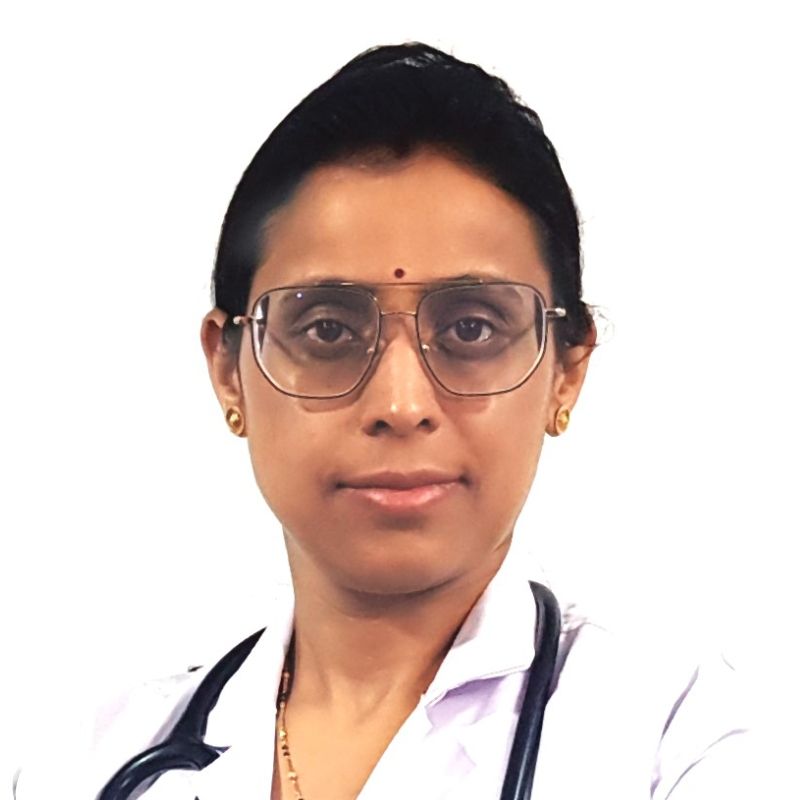
Dr. Tripti Sharma
Experience : 15+ years
MBBS, MD (General Medicine), DM (Endocrinology, Diabetes & Metabolism)
Endocrinologist (Adult & Paediatric), Physician & Diabetologist
Endocrinology Diseases and Disorders Explained
Consult our endocrinologists for a free second opinion on endocrine disorders.
At PACE Hospitals, we are committed to providing our patients with the best possible care, and that includes offering second medical opinions with super specialists for treatment or surgery. We recommend everyone to get an expert advance medical second opinion, before taking decision for your treatment or surgery.
Frequently Asked Questions (FAQs) on Endocrinology Treatments
How are endocrine diseases treated?
Endocrine diseases are treated by addressing hormone imbalances and treating the underlying cause. Treatment may depend on the specific condition and may include medications, hormone therapy, lifestyle modifications, or surgery. For example, diabetes is managed with blood sugar control, thyroid disorders with hormone regulation, and tumors may require surgical removal. Regular monitoring and long-term care are essential for effective management.
What are the main types of endocrinology treatments?
The main types of endocrinology treatments include:
- Medications: To control hormone levels (e.g., antithyroid drugs, insulin)
- Hormone Replacement Therapy (HRT): To replace deficient hormones
- Surgery: To remove hormone-secreting tumors or glands when required
- Radiation Therapy: Utilised in certain conditions like thyroid disorders
- Lifestyle Management: Diet, exercise, stress management and weight control to support hormonal balance.
What is hormone replacement therapy (HRT)?
Hormone replacement therapy is a treatment used to replace hormones that the body is not producing in sufficient amounts. It is commonly used in conditions such as menopause, hypothyroidism, and adrenal insufficiency. HRT helps relieve symptoms like fatigue, hot flashes, and hormonal imbalances, improving overall quality of life when used under medical supervision.
Is diabetes permanently curable?
Currently, diabetes mellitus is not permanently curable in most cases, especially type 1 diabetes. However, type 2 diabetes can often be effectively controlled or even put into remission through lifestyle changes such as a healthy diet, regular exercise, and weight loss, along with medications when required. Early diagnosis and consistent management play a key role in preventing complications.
What lifestyle changes help with endocrine disorders?
Lifestyle changes play a crucial role in managing endocrine disorders. Important measures include:
- Balanced diet: Rich in nutrients, low in processed sugars and unhealthy fats
- Regular physical activity: Helps regulate metabolism and hormone levels
- Weight management: Reduces risk of conditions like diabetes and thyroid disorders
- Stress management: Through yoga, meditation, or relaxation techniques
- Adequate sleep: Supports proper hormonal function.
How often should I visit an endocrinologist?
The frequency of visits depends on the condition and how well it is controlled. For chronic conditions like diabetes mellitus or thyroid disorders, patients may need to visit every 3 to 6 months for routine monitoring. If the condition is newly detected or unstable, visits can be more frequent. Regular follow-ups aid in adjusting treatment, monitoring hormone levels, and preventing complications.
What is the role of insulin in treatment?
Insulin is a hormone produced by the pancreas that helps control blood sugar levels. In people with diabetes, insulin therapy is used when the body does not produce enough insulin or cannot use it effectively. It helps move glucose from the blood into cells for energy, preventing high blood sugar and reducing the risk of complications like nerve damage, kidney disease, and heart problems.
What are advanced treatments available in endocrinology?
There are several advanced and patient-friendly treatments, including:
- Insulin pumps: Automated insulin delivery systems for better control
- Continuous glucose monitoring (CGM): This is the real-time tracking of blood sugar levels.
- Minimal invasive endocrine surgery: for thyroid, adrenal, and pituitary problems.
- Radioactive iodine therapy: It is widely utilised in thyroid conditions.
- Targeted therapies: For hormone-related tumors and complex endocrine conditions.
Can thyroid problems affect heart health?
Yes, thyroid conditions can impair heart function. Hyperthyroidism, or an overactive thyroid, can result in a fast pulse, abnormal heart rhythm, and high blood pressure. On the other hand, an underactive thyroid or hypothyroidism may lead to slow heart rate, increased cholesterol levels, and reduced heart function. Proper diagnosis and treatment of thyroid conditions are essential to protect heart health.
What is the treatment for hyperthyroidism?
Treatment for Hyperthyroidism aims to reduce excess thyroid hormone production and control symptoms. The main options include:
- Antithyroid medications: These are used to block hormone production
- Radioactive iodine therapy: To shrink or destroy overactive thyroid tissue
- Beta-blockers: To control symptoms such as palpitations and tremors
- Surgery: Thyroidectomy is advised in certain instances, such as a large goiter, a suspicion of cancer, or when other treatments are not appropriate.
What is the role of diet in endocrine treatment?
Diet plays an important part in the treatment of endocrine diseases since it helps control hormone levels and metabolism. A well-balanced diet that includes enough amounts of carbs, proteins, healthy fats, vitamins, and minerals promotes overall hormonal balance. For example, in Diabetes mellitus, controlling carbohydrate intake helps maintain stable blood sugar levels. In thyroid disorders, adequate iodine and nutrient intake are important.
What is continuous glucose monitoring (CGM) in treatment?
Continuous Glucose Monitoring (CGM) is an advanced technology used mainly in diabetes care. It involves a small sensor placed under the skin that continuously measures glucose levels throughout the day and night. CGM provides real-time data, trends, and alerts for high or low blood sugar, helping patients and doctors make better treatment decisions and improve glucose control.
How is hypoglycemia managed?
Hypoglycemia is managed by restoring blood sugar levels and preventing recurrence. Immediate treatment includes taking fast-acting carbohydrates, such as glucose pills, fruit juice, or sugar. In more severe situations, glucagon injections may be necessary. Long-term management involves modifying
medications, eating on a regular schedule, monitoring blood sugar levels, and detecting triggers such as missed meals or excessive insulin use. Patient education and awareness are essential in preventing complications.
Which hospital in Hyderabad is the best for endocrine disease treatment?
When looking for the best hospital for endocrine disease treatment in Hyderabad, it is important to choose a center that offers comprehensive endocrine care, experienced specialists, and advanced diagnostic facilities.
PACE Hospitals, Hyderabad, is considered one of the leading centers for endocrine care, offering a multidisciplinary approach with expert endocrinologists doctor, modern laboratory support, and advanced treatment options. With a strong focus on patient-centric care and evidence-based treatment, PACE Hospitals ensures effective management of both common and complex endocrine disorders.
Why choose PACE Hospitals for endocrine disease treatment in Hyderabad?
PACE Hospitals, Hyderabad, is a preferred choice for endocrine treatment due to its commitment to quality care and advanced medical expertise.
Below are the key reasons to choose PACE Hospitals include:
- Experienced Endocrinology Team: Highly skilled endocrinologist specialists with expertise in managing diabetes, thyroid, and complex hormonal disorders
- Advanced Diagnostic Facilities: Access to advanced lab investigations, hormone testing, and imaging tools for accurate diagnosis
- Comprehensive Treatment Approach: Medical management, lifestyle guidance, and less invasive surgical options when required
- Personalised Patient Care: Individualised treatment plans tailored to each patient’s condition and needs
- Modern Infrastructure & ICU Support: Equipped well with advanced facilities for managing complicated endocrine conditions
- Affordable Treatment with Insurance Support: Cashless treatment options and support with major insurance providers.
Why choose PACE Hospitals?
- A Multi-Super Speciality Hospital.
- NABH, NABL, NBE & NABH - Nursing Excellence accreditation.
- State-of-the-art Liver and Kidney transplant centre.
- Empanelled with all TPAs for smooth cashless benefits.
- Centralized HIMS (Hospital Information System).
- Computerized health records available via website.
- Minimum waiting time for Inpatient and Outpatient.
- Round-the-clock guidance from highly qualified super specialist doctors, surgeons and physicians.
- Standardization of ethical medical care.
- 24X7 Outpatient & Inpatient Pharmacy Services.
- State-of-the-art operation theaters.
- Intensive Care Units (Surgical and Medical) with ISO-9001 accreditation.


