
Comprehensive Diabetes Treatments and Advanced Diabetology Care
PACE Hospitals provides comprehensive diabetes treatment and advanced diabetology care for a wide range of diabetes-related conditions and metabolic disorders. Our specialists manage type 1, type 2, and gestational diabetes, along with complications such as diabetic ketoacidosis (DKA), hyperglycaemia, hypoglycaemia, and insulin resistance. Each patient is carefully evaluated to create a personalized treatment plan for optimal glycaemic control and long-term health.
With advanced diagnostics and a patient-focused approach, we offer medical management, insulin therapy, lifestyle modification, and continuous glucose monitoring. Early intervention and multidisciplinary care help prevent complications and improve overall quality of life.
Book an Appointment
Diabetology Treatment Appointment Enquiry
Why Choose PACE Hospitals for Diabetology Treatments?
Comprehensive Evaluation for Diabetes and Metabolic Disorders
Detailed assessment including blood glucose tests, HbA1c, insulin levels, and metabolic profiling to accurately diagnose diabetes, monitor control, and identify complications at an early stage.
Advanced Diabetology Treatment Technologies and Monitoring
State-of-the-art facilities including continuous glucose monitoring systems (CGM), insulin pumps, and advanced laboratory support for precise diabetes management and better glycaemic outcomes.
Expert Diabetologists and Endocrinology Specialists
Experienced specialists provide personalized, evidence-based treatment plans including oral medications, insulin therapy, and lifestyle counselling tailored to each patient’s condition.
Full Range of Treatments for Diabetic Conditions
At PACE Hospitals, our diabetology services focus on the effective management of diabetes and associated conditions. We combine modern diagnostics with individualized care plans, including lifestyle guidance, medications, and complication screening.
Non-Pharmacological Management (Lifestyle Care)
These are the foundation of diabetes treatment and are essential at every stage:
- Medical Nutrition Therapy (Diet Control): A balanced diet with controlled carbohydrates, high fiber, and low sugar intake
- Regular Physical Activity: Ensuring at least 150 minutes/week (walking, cycling, yoga) improves insulin sensitivity
- Weight Management: Reducing excess weight helps control blood sugar, especially in type 2 diabetes
- Lifestyle Modification: Avoid cigarette smoking, limit alcohol consumption, manage sleep and stress
- Self-Monitoring of Blood Glucose: Regular sugar checks help track control levels and take measures in time.
- Diabetes Education & Counseling: This can improve awareness and long-term adherence.
- Gestational Diabetes Lifestyle Management: In gestational diabetes, diet control, regular physical activity, and weight monitoring help maintain normal blood sugar levels during pregnancy.
- Foot-Care Education and Ulcer Prevention Strategies: Diabetes can reduce sensation and blood flow in the feet, increasing the risk of wounds. Proper foot care, regular inspection, and early treatment of minor injuries help avoid ulcers, infections, and serious complications like amputations.
Pharmacological Management (Medical Therapy)
- Oral Glucose-Lowering Medicines: These medications are used to manage blood sugar levels in people with type 2 diabetes. They work in different ways to keep glucose within a healthy range. Some improve the body's response to insulin, allowing cells to absorb sugar from the bloodstream more effectively. Others reduce the amount of glucose produced by the liver, which helps prevent blood sugar from rising too high. There are also medications that slow down how quickly carbohydrates are broken down and absorbed in the digestive system. These medicines help maintain more stable blood sugar levels throughout the day. This reduces the risk of sudden spikes or drops and helps prevent long-term complications associated with diabetes.
- Injectable Non-Insulin Therapies (e.g., GLP-1 Receptor Agonists): These injections help the body release insulin when needed, slow down digestion, and reduce appetite. This leads to better blood sugar control and can also support weight loss in people with type 2 diabetes.
- Insulin Therapy: Insulin is a hormone that the body normally produces to control blood sugar levels. In people who do not make enough insulin, or cannot use it properly, insulin therapy helps replace or add to what the body is missing. It allows glucose in the blood to enter the cells, where it is used for energy. It is essential for people with type 1 diabetes, as their bodies produce little or no insulin. In type 2 diabetes, insulin may be needed when other treatments such as tablets, diet, and exercise are no longer enough to keep blood sugar levels under control.
- Basal–Bolus Insulin Regimens: This approach helps keep blood sugar levels closer to normal throughout the day.They provide more flexibility with meal timing and portion sizes compared to simpler insulin plans. Because it closely matches the body's natural insulin pattern, it is often used in people with type 1 diabetes and in some people with type 2 diabetes who need tighter blood sugar control.
- Insulin Pump Therapy: An insulin pump administers modest, continuous doses of insulin throughout the day, with additional doses given at mealtime. It offers more precise control and flexibility, particularly for people who have Type 1 diabetes.
- Treatment of Hyperglycemia and Hypoglycemia Episodes: Medications and timely interventions are used to correct both high and low blood sugar levels. Prompt treatment helps prevent symptoms like dizziness, confusion, or fatigue and avoids serious complications in individuals with Type 2 Diabetes and other forms of diabetes.
- Emergency medical management: Severe diabetes-related emergencies require immediate hospital care:
- Diabetic Ketoacidosis (DKA): Treated with insulin, fluids, and electrolyte correction, which helps to reduce acid buildup in the blood
- Hyperosmolar Hyperglycemic State (HHS): Managed with intensive hydration, insulin therapy, and monitoring to safely lower extremely high blood sugar
- Medications for Complication Control: Additional medications are used to prevent or manage diabetes-related complications. These include drugs for neuropathy pain, heart protection, blood pressure control, and kidney protection, helping reduce long-term risks and improve overall health outcomes.
3,28,338
99,825
684
2011
Best Diabetologists in Hyderabad | Advanced Diabetes Care Specialists
A team of leading diabetologists provides expert care using advanced treatment protocols and modern monitoring technologies. From routine diabetes management to complex metabolic disorders, our specialists focus on precision, prevention of complications, and long-term health improvement.
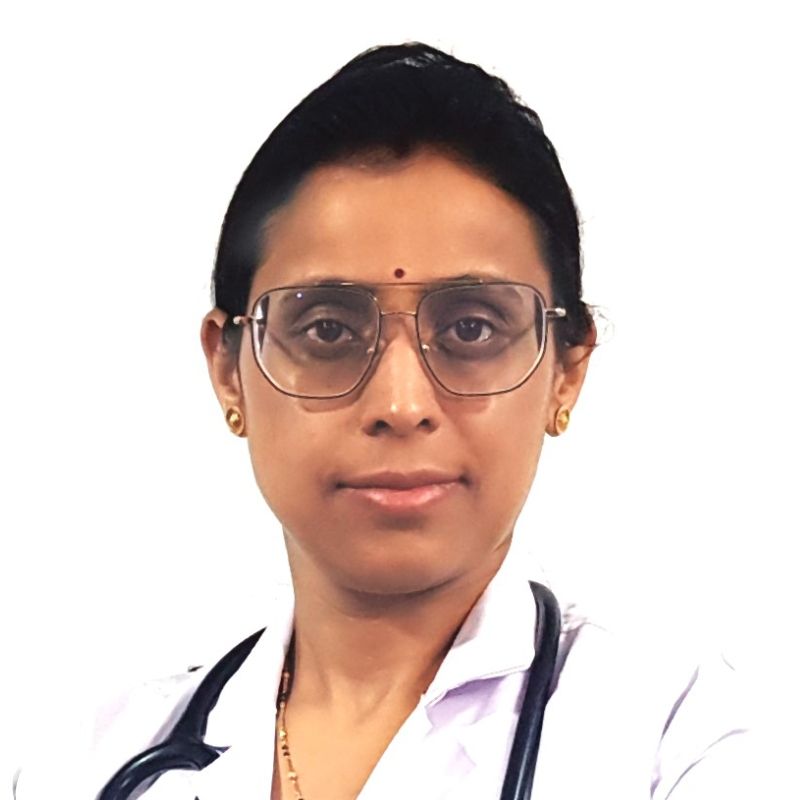
Dr. Tripti Sharma
MBBS, MD (General Medicine), DM (Endocrinology, Diabetes & Metabolism)
Experience : 15+ years
Endocrinologist (Adult & Paediatric), Physician & Diabetologist

Dr. Mounika Jetti
MBBS, MD (General Medicine)
Experience : 9+ years
General Physician and Diabetologist

Dr. Snigda Panuganti
MBBS, MD (General Medicine), PG Diploma in Endocrinology (UK), GMC Registered Physician (UK)
Experience : 7+ years
General Physician and Diabetologist
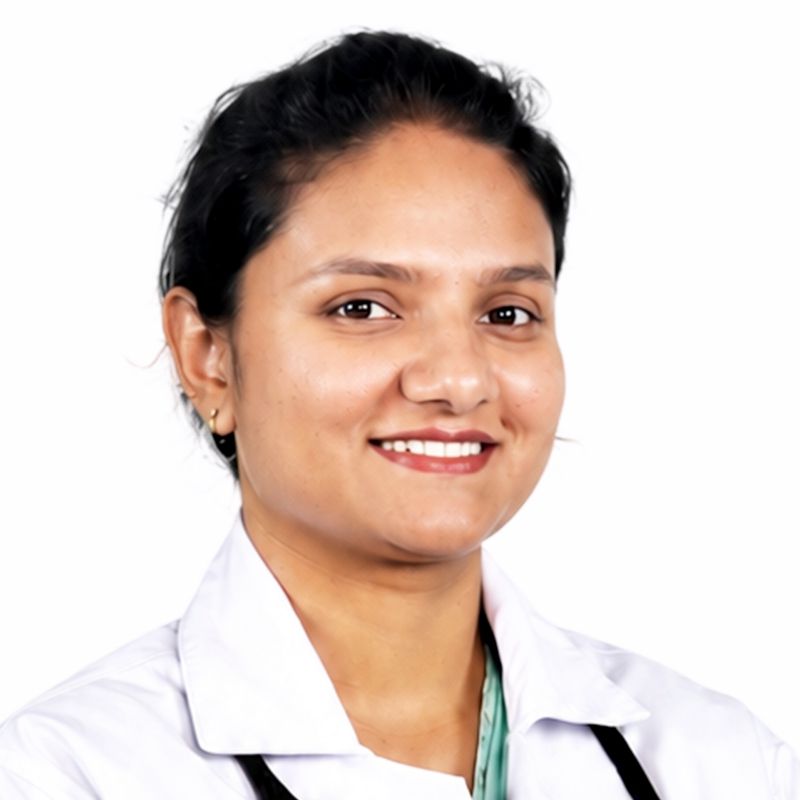
Dr. Neha Padaniya
MBBS, DNB (General Medicine)
Experience : 7+ years
General Physician and Diabetologist
Diabetic Diseases, Conditions & Tests Explained
Don’t ignore early signs of diabetes or related condition.
Get a free second opinion from our expert diabetologists
At PACE Hospitals, we are committed to providing our patients with the best possible care, and that includes offering second medical opinions with super specialists for treatment or surgery. We recommend everyone to get an expert advance medical second opinion, before taking decision for your treatment or surgery.
Frequently Asked Questions (FAQs) on Diabetic Diseases Treatments
What treatment options are available for diabetes?
Treatment for diabetes mellitus depends on the type and severity of the condition. It usually includes lifestyle changes such as a healthy diet, regular physical activity, and weight management. Medications includes oral tablets or injectable drugs to control blood sugar. In some cases, insulin therapy is needed. Regular monitoring of blood sugar and routine check-ups are also important to prevent complications and keep diabetes under control.
Is insulin therapy required for all patients with diabetes?
No, insulin therapy is not required for everyone with diabetes mellitus. People with Type 1 diabetes need insulin because the body does not produce it. However, many people with type 2 diabetes may control their disease with a healthy diet, regular exercise, and prescription oral medications. Insulin may be prescribed later if blood sugar levels are not properly controlled, or during certain circumstances such as illness, surgery, or pregnancy.
How important is physical activity in diabetes management?
Physical activity plays a very important role in managing Diabetes Mellitus. Key benefits of physical activity for diabetes include:
- Enhanced Insulin Sensitivity: Exercise allows cells to use insulin more effectively to take up glucose during and after activity.
- Improved Glycemic Control: Consistent activity can reduce HbA1c by 10% to 20%, aiding in long-term blood sugar regulation.
- Reduced Complications: It strengthens heart health and reduces the risk of complications such as heart disease and neuropathy
What kind of diet is recommended for people with diabetes?
A balanced diet is key to managing diabetes. It includes:
- Food high in fibre like whole grains, fruits, and vegetables.
- Lean proteins like chicken, fish, tofu, and legumes.
- Healthy fats like olive oil, nuts, and avocados.
- Limiting sugary foods and drinks is essential.
- It's also important to control portion sizes and eat at regular times to help maintain stable blood sugar levels.
Why is foot care important in diabetes?
Diabetes can affect blood flow and nerve sensation in the feet. Poor circulation and nerve damage can lead to problems like infections or sores that may go unnoticed. Proper foot care, which include keeping feet clean, checking for cuts or blisters, and wearing well-fitting shoes, helps prevent serious complications like infections and amputations.
What is insulin pump therapy?
An insulin pump is a small device that delivers insulin continuously to help control blood sugar levels. It is worn on the body and works by providing a steady stream of insulin, mimicking the natural function of the pancreas. The pump can be adjusted based on the needs, making it a more flexible option for many people with diabetes.
Why choose PACE Hospitals for diabetes treatment?
PACE Hospitals, Hyderabad, is renowned for its comprehensive, advanced, and patient-focused diabetes treatment. We provide personalised care for all types of diabetes as well as managing complications. Our expert team of endocrinologists, certified diabetes educators, and specialized healthcare professionals work together to ensure optimal diabetes control, enhancing the quality of life for every patient.
Key reasons to choose PACE Hospitals for diabetes treatment are:
- Expert Care Team: Highly skilled endocrinologists, diabetologists, nutritionists, and healthcare professionals collaborate to provide comprehensive diabetes care.
- Advanced Treatment Options: We offer state-of-the-art therapies, including insulin therapy, oral medications, advanced glucose monitoring, and insulin pumps.
- Comprehensive Management: PACE Hospitals focuses on holistic diabetes care, including lifestyle modifications, dietary counseling, blood sugar monitoring, and psychological support.
- Personalized Treatment Plans: Each treatment plan is tailored to the individual's needs, considering their age, health condition, and severity of diabetes.
- Managing Complications: Specialized care for managing and preventing diabetes-related complications such as diabetic neuropathy, retinopathy, nephropathy, and cardiovascular risks.
- 24/7 Emergency Support: Round-the-clock medical support for emergencies, including diabetic ketoacidosis (DKA), hypoglycemia, and other acute diabetes-related conditions.
- Continuous Follow-Up: We ensure consistent monitoring and follow-up care to adjust treatment as needed for better blood sugar control and health outcomes.
Can diabetes be managed without medications?
Yes, type 2 diabetes can sometimes be managed without medication, especially in the early stages. This can be done via a combination of a healthy diet, regular physical activity, and weight management. However, for type 1 diabetes or if type 2 diabetes progresses, medications or insulin therapy are required to help control blood sugar levels.
What are diabetic emergencies like diabetic ketoacidosis and hyperosmolar hyperglycemic state?
- Diabetic Ketoacidosis (DKA): This is a serious condition that occurs mostly in people with type 1 diabetes. It happens when the body starts breaking down fat instead of sugar for energy, causing a buildup of ketones in the blood, which makes the blood acidic. Symptoms include extreme thirst, frequent urination, nausea, vomiting, confusion, and fruity-smelling breath. DKA is a medical emergency and requires immediate treatment with insulin, fluids, and electrolytes.
- Hyperosmolar Hyperglycemic State (HHS): This affects people with type 2 diabetes. It occurs when blood sugar levels become extremely high, leading to severe dehydration, confusion, and even unconsciousness. It usually develops more slowly than DKA and can lead to organ failure if not treated promptly. Like DKA, it requires emergency medical care, including fluids, insulin, and electrolyte replacement.
What services are provided in a diabetology department?
A diabetology department deals with the care and management of diabetes. Services include: -
- Blood sugar monitoring and assessment of overall diabetes control.
- Diet and nutrition counseling to help create a personalized eating plan.
- Insulin management and other medications to control blood sugar.
- Education and lifestyle support to teach patients how to manage diabetes effectively.
- Foot care services to prevent complications like infections or sores.
- Regular screenings for complications such as diabetic retinopathy, kidney problems, and nerve damage.
- Psychological support to help manage the mental and emotional impact of diabetes.
Why is a multidisciplinary approach important in diabetes care?
A multidisciplinary approach involves a team of doctors working together to provide comprehensive care for people with diabetes. This approach is very important because diabetes affects many parts of the body, and no single healthcare professionals can address all aspects of the condition. The team might include:
- Endocrinologists to manage blood sugar and medications.
- Dietitians to create nutrition plans.
- Podiatrists for foot care.
- Diabetes educators to teach patients how to monitor and manage their condition.
- Psychologists or counselors to support mental well-being.
Working together, these professionals ensure that all aspects of the patient's health are addressed, leading to better overall outcomes and preventing complications.
Which hospital is best for diabetes treatment in Hyderabad?
PACE Hospitals is one of the best hospitals for diabetes treatment in Hyderabad. PACE Hospitals offers a comprehensive range of services for diabetes treatment, from precise diagnosis and advanced therapies to lifestyle counseling and complication management. With expert care, personalized treatment plans, and modern technology, PACE Hospitals is well-equipped to help patients manage their diabetes effectively and live healthier lives.
Why choose PACE Hospitals?
- A Multi-Super Speciality Hospital.
- NABH, NABL, NBE & NABH - Nursing Excellence accreditation.
- State-of-the-art Liver and Kidney transplant centre.
- Empanelled with all TPAs for smooth cashless benefits.
- Centralized HIMS (Hospital Information System).
- Computerized health records available via website.
- Minimum waiting time for Inpatient and Outpatient.
- Round-the-clock guidance from highly qualified super specialist doctors, surgeons and physicians.
- Standardization of ethical medical care.
- 24X7 Outpatient & Inpatient Pharmacy Services.
- State-of-the-art operation theaters.
- Intensive Care Units (Surgical and Medical) with ISO-9001 accreditation.


