
Cardiology Tests and Cardiovascular Disease Diagnosis
PACE Hospitals provides advanced cardiology care with comprehensive heart tests and accurate cardiovascular diagnosis to evaluate conditions affecting the heart and blood vessels. Our specialised diagnostic services help detect coronary artery disease, arrhythmias, heart failure, and other cardiovascular disorders with precision.
From blood tests and ECG to imaging such as echocardiography, CT scans, and cardiac MRI, along with procedures like stress testing and cardiac catheterization, we ensure accurate cardiovascular diagnosis that supports early detection and effective treatment planning.
Book an Appointment
Cardiology Tests Appointment Enquiry
Why Choose PACE Hospitals for Cardiovascular Disease Tests?
Comprehensive Cardiology Testing Services
Thorough evaluation for heart and cardiovascular conditions using advanced cardiology tests and diagnostic methods to identify the exact cause of heart disease, blockages, rhythm disorders, or functional abnormalities.
Advanced Diagnostic Technology
Modern diagnostic tools such as ECG, echocardiography, stress tests, blood tests, CT scans, cardiac MRI, and specialised cardiology assessments for precise and early cardiovascular diagnosis.
Experienced Cardiology Specialists
Highly skilled cardiologists and heart specialists who carefully interpret test results to determine the most effective treatment plan.
Complete Range of Cardiology Tests for Heart Disease Diagnosis
At PACE Hospitals, our cardiology department offers comprehensive and advanced diagnostic services to accurately evaluate heart health. Using modern technology and expert
cardiologists, we identify heart conditions early and provide precise diagnoses to guide effective treatment and long-term cardiac care.
Blood Tests
- Cardiac Troponin Test: This test measures the levels of troponin proteins released into the blood when heart muscle cells are damaged. Elevated troponin levels are a key marker of acute myocardial infarction (heart attack) and other conditions that injure the heart muscle, such as myocarditis or severe heart failure. By detecting even small amounts of cardiac injury, this test helps doctors diagnose heart attacks early and assess the severity of heart muscle damage.
- Lipid Profile: This measures different types of cholesterol and fats in the blood, including total cholesterol, low-density lipoprotein (LDL), high-density lipoprotein (HDL), and triglycerides. Abnormal lipid levels are a major risk factor for atherosclerosis, coronary artery disease, and heart attack. By identifying elevated cholesterol levels, this test helps doctors evaluate cardiovascular risk and guide preventive strategies for heart disease.
- BNP / NT-proBNP Test: The B-type natriuretic peptide (BNP) or N-terminal pro-BNP (NT-proBNP) test detects hormones secreted by the heart under increasing pressure or strain. Elevated levels of these markers are seen in heart failure. Measuring BNP or NT-proBNP helps doctors diagnose heart failure, determine its severity, and monitor how well treatment is working.
- C-Reactive Protein (CRP) Test: CRP test measures a protein produced by the liver in response to inflammation. Elevated CRP levels can indicate systemic inflammation that may be associated with cardiovascular diseases, including atherosclerosis and coronary artery disease. High-sensitivity CRP (hs-CRP) testing is often used to assess the risk of future heart attacks and strokes, helping doctors identify individuals at higher risk of cardiovascular events.
Electrocardiographic Tests (Electrical Activity Tests)
- Electrocardiogram (ECG/EKG): An electrocardiogram is a non-invasive test record of the electrical action of the heart and can help identify abnormal heart rhythms, evidence of a prior heart attack, or signs of inadequate blood flow to the heart muscle.
- Holter Monitor Test: The Holter monitor test is a non-invasive method that records the heart's electrical activity for 24 to 48 hours, detecting arrhythmias, assessing symptoms, evaluating medication effectiveness, and monitoring patients with heart disease history. It captures transient heart issues that may not be detected in routine ECGs, allowing patients to continue with normal activities during monitoring.
- Electrophysiology Study (EPS): An electrophysiology study is an advanced invasive test used to evaluate the electrical activity and conduction pathways of the heart. EPS helps cardiologists identify the exact source of abnormal heart rhythms such as atrial fibrillation, supraventricular tachycardia, or ventricular tachycardia. It is also used to guide treatments such as catheter ablation or the implantation of pacemakers and implantable cardioverter-defibrillators (ICDs).
Echocardiography (Ultrasound-Based Heart Imaging)
- 2D Echocardiography – Heart function and valve assessment: 2D Echocardiography (2D Echo) is a non-invasive diagnostic test that uses ultrasound waves to create moving images of the heart. It's a crucial tool for cardiologists to assess the structure and function of the heart, helping to diagnose and manage a wide range of heart conditions.
- Echocardiogram: Echocardiogram is an ultrasound test to use sound waves to create images of the heart. It provides information about the heart's structure, pumping function, and blood flow. Echocardiography can help identify areas of the heart with reduced blood flow due to CAD.
- Transesophageal Echocardiography (TEE): Transesophageal echocardiography involves passing an ultrasound probe into the esophagus to obtain high-resolution images of the heart. Because the esophagus lies close to the heart, TEE produces detailed and more detailed images than standard echocardiography. It is commonly used to diagnose valvular heart disease, infective endocarditis, intracardiac clots, prosthetic valve dysfunction, atrial septal defects, and aortic dissection.
Stress Testing
- Stress Testing: Stress tests assess the heart's function during physical activity. The two main types are:
- Exercise Stress Test: It is done when the patient walks on a treadmill or pedals an immobile bicycle while connected to an ECG machine. This test helps evaluate how the heart responds to physical exertion and can detect reduced blood flow to the heart.
- Nuclear Stress Test: It involves injecting a little amount of radioactive tracer into the bloodstream. Images are grasping of the heart at rest and during exercise to assess blood flow to the heart muscle.
Imaging Tests
- Chest X-ray: This helps to visualize the size and shape of the heart as well as the lungs and major blood vessels. It can detect conditions like cardiomegaly, fluid accumulation in the lungs due to heart failure, and abnormalities in the aorta or pulmonary vessels. This test does not provide detailed information about heart function; it is often used as an initial investigation to identify structural alterations associated with cardiovascular diseases.
- Cardiac MRI & CT Scan:
Cardiac MRI and
CT Scan provide detailed, high-resolution images of the heart and blood vessels. These advanced imaging techniques help in the precise diagnosis of various heart conditions such as coronary artery disease, heart failure, valve disorders, and cardiac tumors. By using state-of-the-art technology, our experts can detect and assess heart diseases early, enabling timely and effective treatment. Whether for routine checkups or complex diagnostics, our Cardiac MRI and CT Scan services play a vital role in delivering exceptional heart care.
- Carotid Doppler Ultrasound: Carotid Doppler ultrasound uses sound waves to evaluate blood flow through the carotid arteries located in the neck, which supply blood to the brain. This test helps to detect narrowing or blockage of the carotid arteries caused by atherosclerotic plaque accumulation. Identifying carotid artery stenosis is important because it increases the risk of stroke and reflects underlying cardiovascular disease.
- Peripheral Arterial Doppler Study: This is a non-invasive ultrasound study used to assess blood flow in the arteries of the arms and legs. It helps detect peripheral arterial disease (PAD) by identifying narrowing or blockage of blood vessels due to plaque buildup. By measuring blood flow velocity and pressure differences in different parts of the limbs. This test helps determine the severity of reduced circulation and guides treatment planning.
- Coronary Angiography: Coronary Angiography is an invasive test is considered the gold standard for diagnosing CAD. Typically, in the groin or wrist, a catheter is inserted into a blood vessel to travel to the coronary arteries. A contrast dye is then injected, and X-ray images are taken to visualize any blockages or narrowing in the arteries.
- Computed Tomography Angiography (CTA): Computed Tomography Angiography is a non-invasive imaging test captures images of the heart and coronary arteries using X-rays and computer technology. It can identify artery constriction and plaque formation.
Nuclear Cardiology Tests
- Myocardial Perfusion Scan (MIBI): MIBI is the test that compares blood flow to the heart muscle during stress and at rest. By showing differences in tracer uptake, it helps find coronary artery blockages, reversible ischemia, and old scars from myocardial infarctions. This test also estimates the severity and extent of coronary artery disease, guiding decisions about medical therapy, angiography, or revascularization procedures such as stenting or bypass surgery.
- Cardiac PET Scan: A Cardiac PET scan is an advanced nuclear imaging test that provides a highly accurate measurement of myocardial blood flow and metabolism. It is important in diagnosing early coronary artery disease, microvascular dysfunction, and myocardial viability. Cardiac PET can detect abnormalities even when coronary angiography appears normal and is especially useful in patients with diabetes, women with atypical symptoms, and individuals with suspected inflammatory or infiltrative heart diseases.
Blood Pressure Monitoring
- Ambulatory Blood Pressure Monitoring (ABPM): This is used to measure a patient’s blood pressure continuously over a 24-hour period during normal daily activities and sleep. Recording readings every 15–30 minutes, it helps to determine true blood pressure patterns rather than isolated clinic measurements. ABPM is useful for diagnosing white-coat hypertension, masked hypertension, nocturnal hypertension, and resistant
hypertension. It allows cardiologists to assess how sustained or fluctuating blood pressure contributes to heart conditions.
3,28,338
99,825
684
2011
Best Cardiovascular Doctors in Hyderabad | Top Heart Specialists
A team of the best cardiovascular doctors in Hyderabad, India, with extensive expertise in diagnosing and managing a wide range of cardiovascular diseases and heart conditions, including coronary artery disease, heart failure, arrhythmias, and other cardiac disorders. The experienced cardiovascular disease specialists carefully evaluate diagnostic reports to identify the underlying cause and provide patient-centered, evidence-based heart care for pediatric, adult, and geriatric patients. Advanced treatment approaches and modern medical techniques are used to manage complex cardiovascular conditions with precision and improved outcomes.

Dr. Shriniwas Rajamouli Dussa
MBBS, M.S (General Surgery), M.Ch (Cardiovascular & Thoracic Surgery)
Experience : 24+ years
Consultant Cardiothoracic & Vascular Surgeon
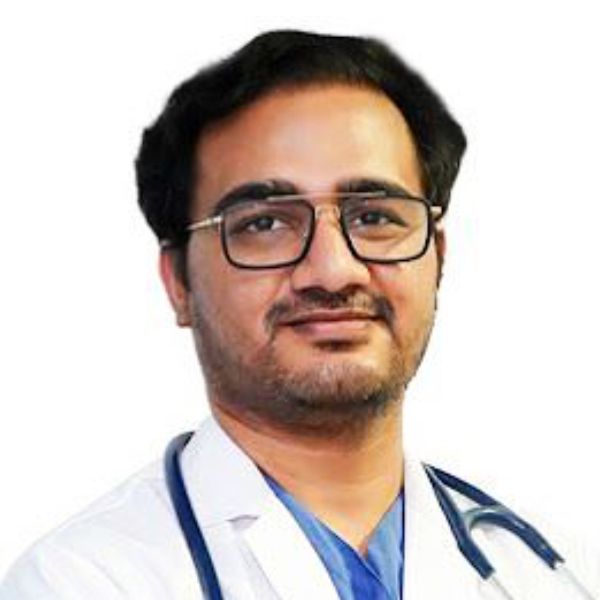
Dr. Seshi Vardhan Janjirala
MBBS, DNB (General Medicine), DM (Cardiology), Certified ROTA Operator (Mount Sinai, Newyork), Certified TAVI Operator (UMC, Astana), Certified CTO Operator (Sakurabashi Watanabe Hospital, Japan)
Experience : 40+ years
Consultant Interventional Cardiologist, Specialist in Endovascular Procedures, Certified CTO Operator, ROTA Operator and TAVI Operator
Cardiology Diseases and Disorders Explained
Consult for a free second opinion before going through Cardiology Tests.
At PACE Hospitals, we are committed to providing our patients with the best possible care, and that includes offering second medical opinions with super specialists for treatment or surgery. We recommend everyone to get an expert advance medical second opinion, before taking decision for your treatment or surgery.
Frequently Asked Questions (FAQs) on Cardiology Tests
What is a cardiology diagnostic test?
A cardiology diagnostic test is a medical procedure used to assess how well the heart is working and to detect possible heart disease. These tests include assessing heart rhythm, blood flow, muscle strength, or how the heart responds to activity, such as exercise or rest. They help find problems like blocked vessels, irregular heartbeats, or weakened heart muscle.
What is holter test?
A Holter test is a non-invasive procedure that involves wearing a small, portable device to continuously monitor the heart's electrical activity for 24-48 hours. Electrodes are placed on the chest, and the device records the patient's cardiac rhythm as they go about their daily activities. This test is mainly used to detect arrhythmias, evaluate unexplained symptoms and monitor the effectiveness of heart-related treatments. It provides crucial insights into cardiac function throughout time, capturing abnormalities that would not be noticed by a typical ECG.
What is an Echocardiography Test?
Echocardiography (echo) is a non-invasive imaging test that uses sound waves to create moving pictures of the heart. It helps doctors to evaluate the heart’s structure and function, providing valuable insights into various heart conditions.
Below are the common uses of echocardiography:
- Assess heart valves: It can detect valve problems, such as stenosis (narrowing) or regurgitation (leakage).
- Evaluate heart function: It assesses the heart's pumping power and the overall function of the left ventricle, which is responsible for pumping blood throughout the body.
- Detect heart conditions: It can detect conditions like heart failure, congenital heart defects, cardiomyopathy, and pericardial disease (fluid around the heart).
- Measure blood flow: Doppler echocardiography, a specific type of echocardiogram, is used to measure blood flow through the heart and blood vessels.
What is a cardiovascular endurance test?
A cardiovascular endurance test measures how well the heart, lungs, and muscles work together to sustain prolonged physical activity. This test assesses the cardiovascular system's ability to deliver oxygen to muscles during sustained exercise, which is an indicator of overall heart and lung health.
The test typically involves physical activities such as running, cycling, or walking, often using a treadmill or stationary bike, while monitoring heart rate, blood pressure, and oxygen levels. Common types of cardiovascular endurance tests include:
- The Bruce Treadmill Test: A progressively challenging test where the intensity of the treadmill increases over time, measuring how long you can exercise before exhaustion.
- The Cooper Test: A 12-minute run or walk to measure how far you can cover within that time, commonly used to assess aerobic fitness.
- Submaximal Exercise Testing: Involves exercising at lower intensities to estimate cardiovascular fitness without pushing the heart to its maximum capacity.
What is Transesophageal Echocardiogram (TEE) test, and when is it recommended?
A Transesophageal Echocardiogram (TEE) is a diagnostic test that uses ultrasound waves to create detailed images of the heart. In this procedure, a flexible probe is passed down the esophagus, which lies close to the heart, allowing clearer and more precise images than a standard echocardiogram.
TEE is recommended when more detailed visualization of the heart is needed, such as in cases of suspected blood clots, valve disorders, infections like infective endocarditis, congenital heart defects, or when standard echocardiography does not provide sufficient information. It is also commonly used during certain heart surgeries or procedures for real-time monitoring.
What is a cardiovascular stress test, and why is it important?
A cardiovascular stress test is a diagnostic procedure that evaluates how well the heart performs under physical exertion. During the test, the patient is asked to exercise on a treadmill or stationary bike while their heart rate, blood pressure, and electrocardiogram (ECG) are monitored. It helps detect heart conditions such as coronary artery disease, assess heart function, and guide treatment decisions. The test is important for evaluating unexplained symptoms like chest pain or shortness of breath, and it helps physicians create safe exercise plans for patients with heart conditions.
What is the best test to check for heart problems?
The best test to check for heart problems depends on the symptoms, risk factors, and specific condition being evaluated. The most commonly used and effective tests include:
- Electrocardiogram (ECG or EKG): Measures the electrical activity of the heart. It helps diagnose arrhythmias, heart attacks, and other heart conditions.
- Echocardiogram: This provides detailed images of the heart’s structure and function.
- Stress Test: Evaluates how the heart performs under physical stress. It helps detect coronary artery disease and assess overall heart health.
- Cardiac CT Scan (CT Coronary Angiography): This helps visualize the coronary arteries, identifying blockages or narrowing due to plaque buildup.
- Cardiac MRI: This provides detailed images of the heart, used to assess heart structure, function, and tissue health.
- Coronary Angiography (Catheterization): It’s often considered the gold standard for diagnosing coronary artery disease.
- Blood Tests (e.g., Troponin, Lipid Profile): Blood tests help identify markers for heart damage, cholesterol levels, and inflammation, providing key information about heart health.
How is congenital heart disease diagnosed?
Congenital heart disease (CHD) is diagnosed through a combination of clinical evaluation and specialised tests. Doctors usually begin with a detailed medical history and physical examination, where they may detect signs such as a heart murmur, cyanosis (bluish discoloration of the skin), or poor growth in infants. If CHD is suspected, imaging tests are essential—most importantly, echocardiography (ultrasound of the heart), which provides detailed information about the heart’s structure and blood flow. Other investigations may include chest X-rays to assess heart size and lung condition, electrocardiography (ECG) to evaluate the heart’s electrical activity, and pulse oximetry to measure oxygen saturation level. In more complex cases, advanced techniques like cardiac MRI, CT scans, or cardiac catheterisation may be used for precise diagnosis. In some instances, congenital heart defects can even be detected before birth through fetal echocardiography during pregnancy.
Are cardiology diagnostic tests painful?
Most cardiology diagnostic tests are not painful and generally involve little discomfort. Tests like heart rhythm recordings or ultrasound scans are non-invasive and painless. Some procedures may cause mild pressure, short-term skin irritation, or the use of a needle. Overall, patient discomfort is usually low and short-lived.
How does an ECG help diagnose heart disease?
An ECG helps diagnose heart disease by recording the electrical signals that control each heartbeat. It shows heart rate, rhythm, and patterns that suggest strain or damage to the heart muscle. ECGs can detect irregular heartbeats, reduced blood supply, or past heart injury. The test is quick and simple, allowing clinicians to identify abnormal heart activity early and decide whether further testing or treatment is needed.
Why are multiple heart tests sometimes needed?
Multiple heart tests are sometimes required because heart conditions can be complex and affect different parts of the heart in different ways. There is no single test that can provide a complete picture of heart health. Some check the heartbeat, some look at how well the heart pumps, some assess blood flow in the arteries, and others check for damage. Using more than one test helps doctors understand the problem clearly, plan the right treatment, and make sure the heart is safe and healthy.
What is the purpose of stress testing?
The purpose of stress testing is to evaluate how the heart performs during physical activity or simulated exertion. Exercise increases the heart’s demand for oxygen, which can reveal problems not seen at rest. Stress testing helps identify reduced blood flow, exercise-related symptoms, and fitness levels. It supports decisions about treatment, activity safety, and further testing by showing how well the heart adapts to increased workload.
Is coronary angiography a diagnostic or treatment procedure?
Coronary angiography is a diagnostic procedure used to identify narrowed or blocked heart arteries. It involves injecting a dye to make blood vessels visible on imaging. Coronary angiography provides detailed information about blood flow and blockage severity. Although treatment can sometimes follow immediately, such as opening a blockage, the primary purpose is diagnosis and planning the most appropriate treatment strategy for heart disease.
Can heart disease be diagnosed before symptoms appear?
Heart disease can be diagnosed before symptoms show up by using screening tests and evaluating risks. Tests that measure heart rhythm, blood flow, and artery health can indicate early disease. Risk factors such as family history, blood pressure, cholesterol levels, and imaging studies results help identify risk.
Do I need special preparation before heart tests?
Preparation before heart tests varies based on the type of test. Some tests need no preparation, while other tests may require you to avoid food, caffeine, or certain medications before the test. Good preparation helps ensure the test is accurate and safe. Clear instructions are typically given in advance.
What is the difference between ECG and Echo?
An electrocardiogram (ECG) records the electrical activity of the heart, showing how fast and regularly it beats. It helps identify rhythm problems or signs of heart strain. An echocardiogram (Echo) uses sound waves to create moving images of the heart’s structure and motion. ECG focuses on heart signals, while Echo shows heart shape, valve movement, and pumping strength. Together, they provide complementary information about heart health.
Why choose PACE Hospitals for cardiology diagnosis in Hyderabad?
PACE Hospitals in Hyderabad is a trusted choice for heart diagnosis and care because:
- Comprehensive heart care services: Hospital provide a complete cardiac service, from basic evaluations to advanced heart disease management, including preventive cardiology, interventional procedures, and complex heart treatments.
- Advanced Diagnostic Technology: The cardiology department is equipped with modern imaging tools like the Cath Lab and other advanced diagnostic systems that help in accurate, early, and precise detection.
- Expert Cardiologists & Specialists: PACE Hospitals has a team of highly experienced cardiologists, interventional specialists, and heart surgeons who can diagnose and treat a wide range of heart conditions effectively.
- 24/7 Emergency Heart Care: They offer round-the-clock emergency cardiac care, ensuring timely response and critical care for urgent heart conditions.
- Patient-Centric & Evidence-Based Approach: Care is tailored to individual needs with evidence-based protocols, compassionate support, and personalized treatment planning to improve outcomes.
Which hospitals in Hyderabad provide complete cardiology diagnostic tests?
If you’re specifically looking at complete cardiology diagnostic services within PACE Hospitals, here’s what they offer as part of their cardiac diagnostics:
- Electrocardiogram (ECG/EKG): Measures the electrical activity of the heart to detect rhythm abnormalities.
- 2D Echocardiography (2D Echo): Uses ultrasound imaging to assess heart structure and function.
- Stress Tests / Treadmill Tests (TMT): Evaluates heart performance under physical stress.
- Coronary Angiography: Gold-standard test for diagnosing coronary artery blockages.
- Advanced Imaging (CT & MRI): Cardiac CT and MRI scans for detailed heart and vessel imaging when needed.
- Holter Monitoring: 24–48-hour heart rhythm monitoring to detect intermittent issues.
- Cardiovascular Risk Assessment: Comprehensive risk evaluation for early detection of heart disease.
These diagnostic services are integrated within PACE Hospitals’ cardiology department, ensuring that diagnosis and interpretation are seamless and backed by specialist cardiologists on site.
Why choose PACE Hospitals?
- A Multi-Super Speciality Hospital.
- NABH, NABL, NBE & NABH - Nursing Excellence accreditation.
- State-of-the-art Liver and Kidney transplant centre.
- Empanelled with all TPAs for smooth cashless benefits.
- Centralized HIMS (Hospital Information System).
- Computerized health records available via website.
- Minimum waiting time for Inpatient and Outpatient.
- Round-the-clock guidance from highly qualified super specialist doctors, surgeons and physicians.
- Standardization of ethical medical care.
- 24X7 Outpatient & Inpatient Pharmacy Services.
- State-of-the-art operation theaters.
- Intensive Care Units (Surgical and Medical) with ISO-9001 accreditation.


