
Advanced Orthopaedic Treatments and Surgeries
PACE Hospitals is a best hospital for orthopedic treatment in Hyderabad, India, offering comprehensive diagnosis, management, and surgery for a wide range of orthopedic problems affecting bones, joints, ligaments, and muscles. From arthritis and fractures to sports injuries and spine disorders, our orthopedic specialists provide evidence-based orthopedic care tailored to each patient.
With state-of-the-art facilities, advanced imaging, minimally invasive and laser-assisted orthopedic procedures, and experienced orthopedic surgeons, we focus on accurate diagnosis, effective treatment planning, faster recovery, and improved long-term mobility.
Book an Appointment
Orthopaedic Treatment Appointment Enquiry
Why Choose PACE Hospitals for Orthopaedic Treatment?
Comprehensive Orthopaedic Treatment
We provide complete medical and surgical care for bone, joint, spine, and musculoskeletal conditions — from fractures and arthritis to complex ligament and joint disorders.
Advanced Orthopaedic Technology
Our department uses modern imaging systems, minimally invasive techniques, and advanced surgical equipment to ensure precise diagnosis and effective treatment.
Experienced Orthopaedic Specialists
Our orthopaedic doctors and surgeons have extensive expertise in joint replacement, arthroscopy, trauma care, and sports injury management, ensuring safe and high-quality treatment.
Complete Range of Orthopaedic Treatments and Procedures
At PACE Hospitals, we offer comprehensive orthopedic care for bones, joints, muscles, ligaments, tendons, and the spine. Our specialists use advanced diagnostics and individualised treatment plans for injuries, degenerative conditions, sports injuries, and congenital disorders. Treatments are categorized by condition and approach, including non-surgical care, minimally invasive procedures, fracture management, and advanced surgeries.
Non-Pharmalogical Treatment
Physical Therapy & Rehabilitation
This approach helps to improve strength, flexibility, joint stability, and range of motion. Strengthening surrounding muscles reduces stress on injured joints and bones, while stretching decreases stiffness and contractures. Rehabilitation also restores proper movement patterns and prevents re-injury. It is especially helpful in arthritis, ligament injuries, back pain, post-fracture recovery, and post-surgical healing.
Bracing, Casting & Immobilization
Braces, splints, and casts stabilize injured bones and joints, allowing tissues to heal in the correct alignment. Immobilization reduces pain by limiting movement and prevents further damage. For fractures, it ensures proper bone union; for ligament injuries, it protects healing structures; and for spinal conditions, it limits excessive motion.
Lifestyle & Supportive Measures
Lifestyle modifications reduce mechanical stress on joints and the spine. Assistive devices like canes or walkers decrease joint load, particularly in knee or hip arthritis. These measures slow disease progression and improve daily function.
Weight Management
Excess body mass index (BMI) can increase pressure on weight-bearing joints like the knees, hips, and spine. Even modest weight loss significantly reduces joint stress and pain, especially in osteoarthritis.
Heat / Cold Therapy
Cold therapy reduces inflammation, swelling, and acute pain by constricting blood vessels—ideal for recent injuries like sprains or contusions. Heat therapy helps to relax muscles, improve blood circulation, and relieve stiffness, making it beneficial for chronic conditions like arthritis and muscle spasms.
Electrical / Mechanical Modalities
Modalities such as transcutaneous electrical nerve stimulation (TENS), ultrasound therapy, traction, and electrical muscle stimulation help reduce pain, improve circulation, and promote tissue healing. These treatments can decrease muscle spasm, stimulate weak muscles, and relieve nerve compression in certain spine conditions.
Patient Education & Self-Management
Educating patients about their condition empowers them to manage symptoms effectively. Learning correct exercise, posture habits, joint protection strategies, and early warning signs helps to prevent complications and recurrence.
Pharmalogical Treatment (Medications)
Pain Relievers
Pain relievers are medicines used to reduce discomfort caused by
orthopedic problems such as fractures, joint pain, muscle injuries, or after surgery. These medicines work by blocking pain signals sent to the brain or by reducing the body’s perception of pain
Anti-Inflammatory / Disease-Modifying
Many conditions cause inflammation, which leads to swelling, stiffness, and pain in joints and soft tissues. Anti-inflammatory medicines help reduce this swelling and ease pain, allowing joints to move more freely. Disease-modifying medications go a step further by slowing down the progression of certain diseases, especially autoimmune conditions like
rheumatoid arthritis, helping to protect joints from long-term damage.
Antibiotics
Antibiotics are used when orthopedic problems are caused by bacterial infections in the bones or joints. These medicines kill bacteria or stop them from multiplying. They are especially important in conditions such as bone infections or joint infections.
Bone-Strengthening Medications
These medicines help to improve bone density and make bones stronger. They are commonly prescribed for conditions where bones become weak or fragile, such as osteoporosis. These medicines may slow down bone loss or help the body build stronger bone tissue.
Disease-Modifying Drugs
These drugs are used to treat conditions that affect the joints and immune system over time. Instead of only relieving symptoms, these medicines work on the underlying disease process. They help reduce joint inflammation, prevent damage to cartilage and bones, and maintain joint function.
Anticoagulants / DVT Prevention
After major orthopedic surgeries or long periods of immobility, there is a risk of developing blood clots in the legs, a condition known as
deep vein thrombosis (DVT). Anticoagulants, also called blood thinners, help prevent these clots from forming. By improving blood flow and reducing clotting, these medications lower the risk of serious complications such as pulmonary embolism.
Muscle Relaxants
These are medicines that help relieve muscle spasms, tightness, and stiffness that can occur after injuries or in spine-related conditions. These medications work by calming the signals between the nerves and muscles, allowing the muscles to relax.
Local / Injectable Medications
In this, the treatments are delivered directly into the affected area, like a joint or tendon. These injections provide targeted relief by reducing inflammation, easing pain, or improving joint lubrication. Because the medication acts directly at the problem site, patients may experience rapid relief in conditions like joint inflammation or tendon problems.
Surgical Treatment
Arthroscopic Procedures
These use a small camera (arthroscope) and tiny incisions:
ACL Reconstruction
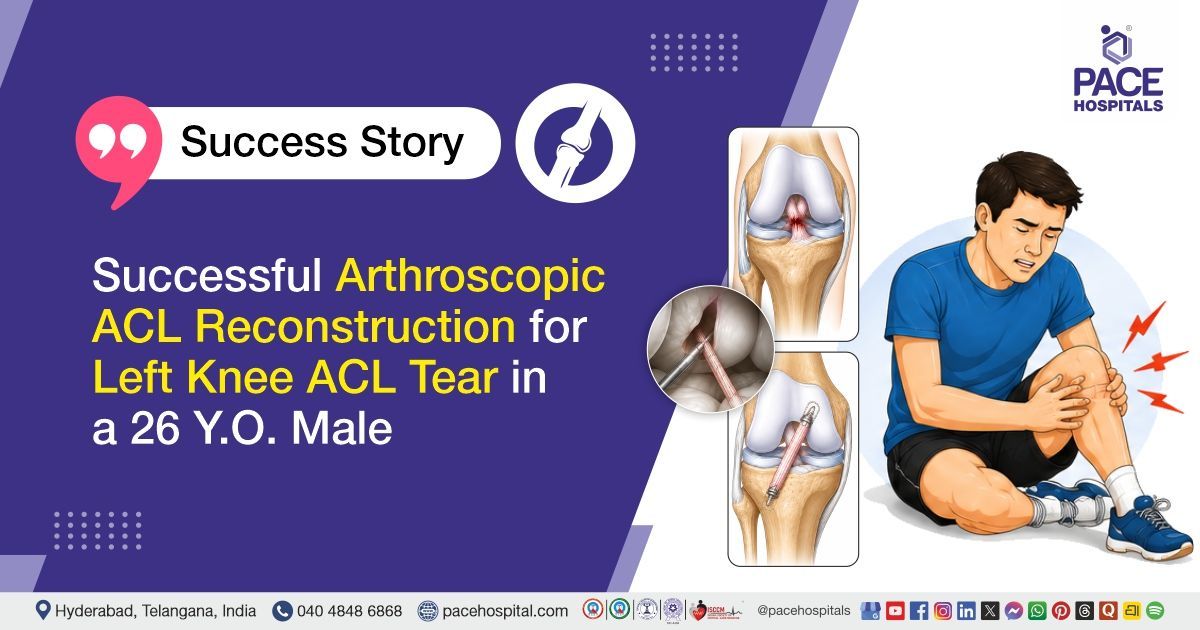
ACL reconstruction surgery is indicated to reconstruct the ligament in the centre of the knee. This procedure is usually done with the help of knee arthroscopy by inserting a tiny camera into the knee through a small surgical cut. The surgeon will make necessary small cuts around the knee and insert medical instruments to fix or correct the abnormality. After the insertion, the surgeon will stitch with sutures and covers the area with a dressing.
Meniscus Repair
Meniscus repair will be done based on the grade of the condition (meniscus tear). The meniscus tear of grade-3 is suggested with surgeries such as either arthroscopic repair or arthroscopic partial meniscectomy, or total meniscectomy. The
arthroscopic procedure is done by inserting the arthroscope to look at the tear and placing small devices like darts to stitch it. Arthroscopic partial meniscectomy involves the removal of a piece of the torn meniscus to make the knee functional, whereas total meniscectomy involves the complete removal of the meniscus.
Rotator Cuff Repair
Rotator cuff (tendons and muscles that form a cuff on the shoulder) repair is a surgery used to correct a torn tendon in the shoulder. The procedure can be done with an open incision or with arthroscopy. Prior to this procedure, general anaesthesia is given. Three common techniques that are used to repair the rotator cuff tear are open repair (used for large or complex tears), shoulder arthroscopy, and mini-open repair surgery.
Joint Debridement
Debridement is referred to as the surgical removal of damaged tissue. This procedure is usually done with an arthroscopy technique and requires general or local anaesthesia; Arthroscopic debridement is an accessible treatment modality that involves chondroplasty, synovectomy, toilet lavage, and meniscectomy which aims to reduce the symptoms by removal of inflammatory factors and cartilaginous debris. It is well-indicated for mild to moderate osteoarthritis, especially in the knee and joints. Irrigation, often known as "lavage," is essential to rinse out the fluid from the knee.
Joint Aspiration
Joint aspiration is a procedure that removes the fluid from the space surrounding a joint using a needle and syringe. This procedure requires local or regional anaesthesia to relieve swelling or obtain fluid for analysis to diagnose a patient with a joint disorder or problem. Joint aspiration is mostly done on the knee. However, this procedure can also be used to remove the fluid from other joints, such as the hip, shoulder, elbow, ankle, or wrist.
Joint Distension / Hydrodilation
Joint distension, commonly known as arthrographic or hydrodialtion, is performed under local anaesthesia. This procedure initially injects a dye into the joint to visualize it clearly on an imaging device. This procedure involves injecting sterile water into the joint to expand the area and make the adhesions loose and pull away. This frees up the space near the joints and improves the range of movement. It is a less invasive and the best alternative to shoulder injury procedures.
Synovectomy
Synovectomy is a surgical procedure involving destroying or removing the synovial membrane. A synovial joint is the largest articulation, is frequently affected by chronic inflammation, and often undergoes synovectomy. Open surgical, radiation, chemical, and arthroscopic synovectomies are the surgical types indicated to remove potentially damaging synovium from the knee. The common indications for synovectomy are chronic inflammatory arthritis conditions, benign neoplastic disorders and recurrent hemarthrosis.
Endoscopic Carpal Tunnel Release
Carpal tunnel release is a kind of surgery indicated to treat and heal painful carpal tunnel syndrome. During this procedure, the surgeon cuts through the ligament, pressing down on the carpal tunnel, making more space for the tendons and median nerve to pass through the tunnel, thereby reducing the pain and improving the function. This outpatient procedure is usually done in traditional or open carpal tunnel release and endoscopic carpal tunnel release.
Minimally Invasive / Small Incision Procedures
These involve small incisions or device-guided techniques:
Achilles Tendon Repair
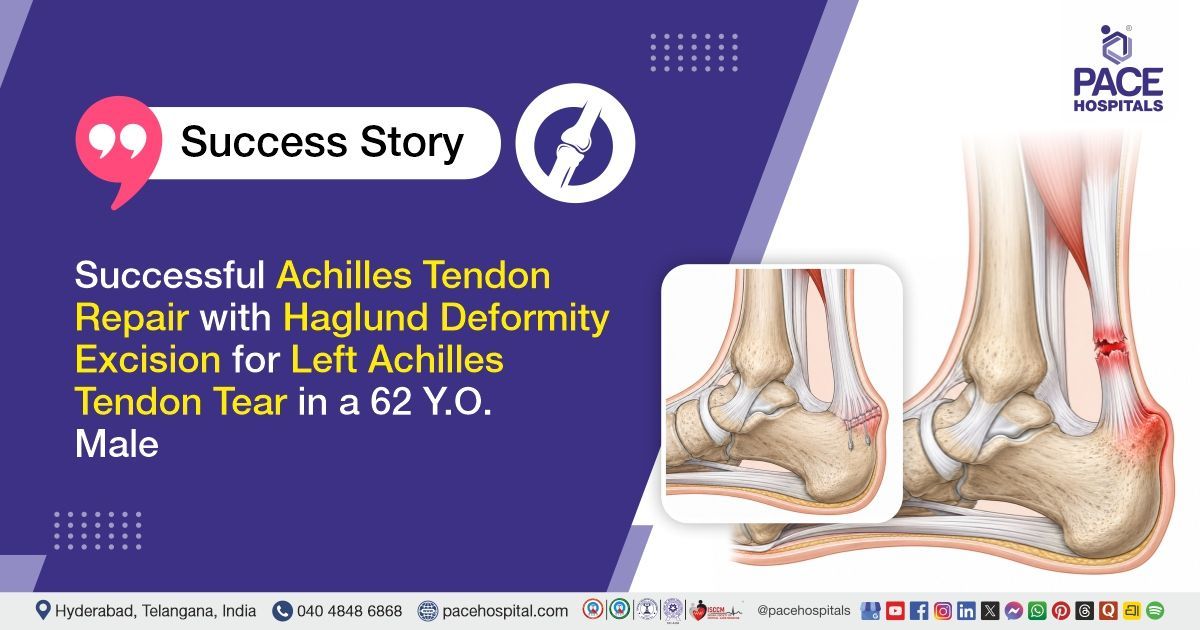
Achilles tendon repair is a type of surgery that is done to fix the damaged Achilles tendon. During this procedure, an incision is made in the backside of the calf. The surgeon will stitch the tendon if it ruptures. In some occasional scenarios, the Achilles tendon repair surgery will be minimally invasive with several small incisions. A special scope with a tiny camera and a light is used in this procedure to help or guide during the surgery.
Hammertoe Correction
Hammer toe surgery is one of the outpatient procedure which requires anaesthesia or numbing medications. The type of procedure is suggested based on the severity of the hammer toe. A flexible toe requires tendon transfer, whereas joint resection or joint fusion is suggested for stiff or fixed toes.
Tendon Repair
Tendon repair is a surgical procedure indicated to treat a damaged or torn tendon. Tendon repair surgery is commonly suggested to people with tendon injuries (lacerations and sports injuries) that are painful and make it difficult to move. The aim of this surgery is to bring back the normal movement. This procedure requires a small incision followed by sewing the torn ends of tendons; thereby, the incision is closed with stitches and dressings. Prior to the procedure, regional or local anaesthesia is given.
Prolotherapy
Prolotherapy is a type of medical therapy indicated to treat joint and muscle pain. Prolotherapy is commonly called proliferation therapy or regenerative injection therapy. This procedure involves an injection of saline or sugar substance into the muscle or sore joints, this substance acts as an irritant, and thereby the body sends the immune cells and other chemicals to the injected area, which in turn starts the natural healing process. This process is used to repair the damaged soft tissue in muscle or joint areas such as muscle tissues, nerves and blood vessels.
Visco-supplementation
Visco supplementation is a procedure where the ortho surgeon injects hyaluronic acid into the joints. This fluid reduces the pain and swelling in the joints. Before this procedure, numbing medicine is injected into the space around your knee joint, followed by draining of fluid that causes swelling and pain. This method is commonly indicated to treat arthritis conditions.
Electrical Stimulation
Electrical stimulation is a therapy developed in recent years for healing bone abnormalities or fractures related to bones. Bone stimulators are the devices that are often used in this procedure to treat fractures which are failed to heal on their own. These types of fractures are called "non-unions."
Extracorporeal Shock Wave Therapy (ESWT)
Extracorporeal shockwave therapy (ESWT) is a non-invasive treatment used to treat several conditions, such as chronic plantar fasciitis, tendonitis, and Achilles tendonitis. Shockwave therapy helps to induce the body's normal healing process. Extracorporeal shockwave therapy works by using either focused shockwaves or radial pressure waves. These are outpatient procedures that last for 5–15 minutes. On turning on the ESTW machine, the instrument or shockwave gun is pressed against the affected site to deliver rapid impulses to the patient.
Open / Conventional Surgeries
These require larger incisions and direct visualization:
Arthroplasty / Joint Replacement
Arthroplasty is a surgical procedure that is done to restore the functionality of a joint by resurfacing the bones. An artificial joint (often called a prosthesis) is used in this procedure. This surgical procedure is indicated when other medical treatments are no longer effective in relieving joint pain and disability.
Hip Replacement
Hip replacement, often called hip arthroplasty, is a surgical procedure used to treat hip pain. This surgery replaces parts of the hip joint with an artificial implant. Hip replacement surgery may require replacement of one or both parts. The motto of hip replacement is to allow the individual to resume daily activities and exercises.
Knee Replacement
Knee replacement, commonly called as knee athroplasty, is a surgical procedure to resurface a knee damaged due to arthritis. Metal and plastic parts are incorporated to seal the bones' ends that form a knee joint alongside the kneecap. This surgery is considered for individuals with severe arthritis or a severe knee injury.
Osteotomy
An osteotomy is a type of surgical procedure used to cut and reshape the bones. This procedure is commonly used to repair the joint and to shorten or lengthen the deformed bones. During this osteotomy procedure, general or regional anaesthesia is given prior to the procedure, and then the surgeon will make a small cut in the skin to guide a special wire that measures the bone. The section is taken out by using a special surgical saw, followed by filling the open space. Tiny screws and metal plates are commonly used in this procedure to hold the bones. The types of osteotomy are knee, hip, spine, toe, chin, and jaw.
Fracture Repair (ORIF)
Bone fracture repair is a type of surgical procedure that fixes a broken bone using pins, plates, metal screws, or rods to hold the bone in its place. This procedure is also called open reduction and internal fixation (ORIF) surgery.
Decompression Surgery (Laminectomy / Discectomy)
Decompression surgery is indicated to treat chronic lower back pain. This surgery involves either the partial or complete removal of anatomical structures from the lumbar spine, which causes neural impingement. The types of decompression surgery are
laminectomy and
discectomy, whereas the procedures include open conventional and microscopic. The indications of decompression surgery are disc herniations, neurological dysfunction and spinal stenosis.
Spinal Fusion
Spinal fusion is a type of surgical procedure indicated to correct the problems that are found in the bones of vertebrae (spine). Spine fusion is a welding process done to eliminate pain and restore the spine's stability. This surgery is usually recommended when the ortho surgeon confirms the source of the pain. This procedure uses an imaging test, such as X-rays,
computed tomography scans (CT-scan), and
magnetic resonance imaging (MRI) scans.
Bunionectomy
Bunion surgery, or bunionectomy, is a treatment that is used to correct bunions. A bunion (hallux valgus), is a bony bump-like structure present aside from the big toe joint. There are a few types of bunion surgery that are involved in repositioning the big toe to get relief from the pain and to improve its function. This surgery uses different techniques such as Exostectomy, Osteotomy, and Arthrodesis.
Rotator Cuff Repair (large tears)
Rotator cuff (tendons and muscles that form a cuff on the shoulder) repair is a surgery used to correct a torn tendon in the shoulder. The procedure can be done with an open incision or with arthroscopy. Prior to this procedure, general anaesthesia is given. Three common techniques that are used to repair the rotator cuff tear are open repair (used for large or complex tears), shoulder arthroscopy, and mini-open repair surgery.
Laminectomy
Laminectomy is a type of procedure involving the removal of a part or total of the vertebral bone (lamina). This procedure reduces pressure on the spinal cord or the nerve roots that are caused by injury,
stenosis,
herniated disc, or tumours. The laminectomy is suggested if the medical therapy is failed. This procedure is usually done for neck or back pain that continues on medical treatment or is done when the pain is due to nerve damage, such as numbness / weakness in the arms or legs.
Clubfoot Correction
Clubfoot correction is performed to treat a birth condition where a baby’s foot is twisted inward and downward. Treatment usually starts with gentle casting and stretching, followed by minor surgery if needed.
Limb Deformity Correction
This is a corrective surgery done to straighten bones that are abnormally shaped due to birth defects, injury, or disease. Surgeons carefully cut and re-align the bone, using plates, rods, or external frames. This improves limb alignment, walking pattern, joint function, and reduces pain.
Intramedullary Nailing
Intramedullary nailing is a surgical method used to treat long bone fractures (femur or tibia). A metal rod is inserted into the central canal of the bone to hold the broken pieces in proper alignment. This technique provides strong internal support, allows early movement, and helps the bone heal in the correct position.
Bone Grafting Procedures
Bone grafting is the process of transplanting healthy bone tissue into an area where bone healing is inadequate or bone is lacking. The graft can come from the patient's own body, a donor, or a synthetic source. It promotes new bone growth, strengthens the body, and aids in the healing of fractures, spinal fusions, or bone abnormalities.
Orthopedic Surgery and Procedures
Intramedullary nailing
Intramedullary nailing is a surgical method used to treat long bone fractures (femur or tibia). A metal rod is inserted into the central canal of the bone to hold the broken pieces in proper alignment. This technique provides strong internal support, allows early movement, and helps the bone heal in the correct position.
Bone grafting procedures
Bone grafting is the process of transplanting healthy bone tissue into an area where bone healing is inadequate or bone is lacking. The graft can come from the patient's own body, a donor, or a synthetic source. It promotes new bone growth, strengthens the body, and aids in the healing of fractures, spinal fusions, or bone abnormalities.
Clubfoot correction
Clubfoot correction is performed to treat a birth condition where a baby’s foot is twisted inward and downward. Treatment usually starts with gentle casting and stretching, followed by minor surgery if needed.
Limb deformity correction
This is a corrective surgery done to straighten bones that are abnormally shaped due to birth defects, injury, or disease. Surgeons carefully cut and re-align the bone, using plates, rods, or external frames. This improves limb alignment, walking pattern, joint function, and reduces pain.
3,28,338
99,825
684
2011
Best Orthopedic Doctors in Hyderabad | Top Orthopaedic Surgeons
A team of the best orthopaedic doctors in Hyderabad, India provides advanced orthopaedic treatment and surgeries for a wide range of musculoskeletal conditions, including arthritis, fractures, osteoporosis, joint pain, ligament injuries, and sports injuries. Our experienced specialists use modern surgical techniques and personalized treatment plans to restore mobility, relieve pain, and ensure better recovery for patients of all ages.

Dr. Anand Agroya
MBBS, D.Ortho, Fellow in Joint Replacement, Arthroscopy & Sports Medicine
Experience : 15+ years
Senior Orthopaedic Consultant, Trauma Surgeon & Sports Medicine Specialist | Expert in Knee & Joint Replacement & Arthroscopy Surgery

Dr. Raghuram
MBBS, DNB ORTHO, Fellowship in Joint Replacement and Arthroscopy, Fellowship in Shoulder and Upper limb, Sports medicine and Replacement
Experience : 14+ years
Orthopaedic Consultant, Trauma, Shoulder and Knee Arthroscopic Surgeon, Hip and Knee Joint Replacement Specialist
Successful Orthopaedic Treatment Cases
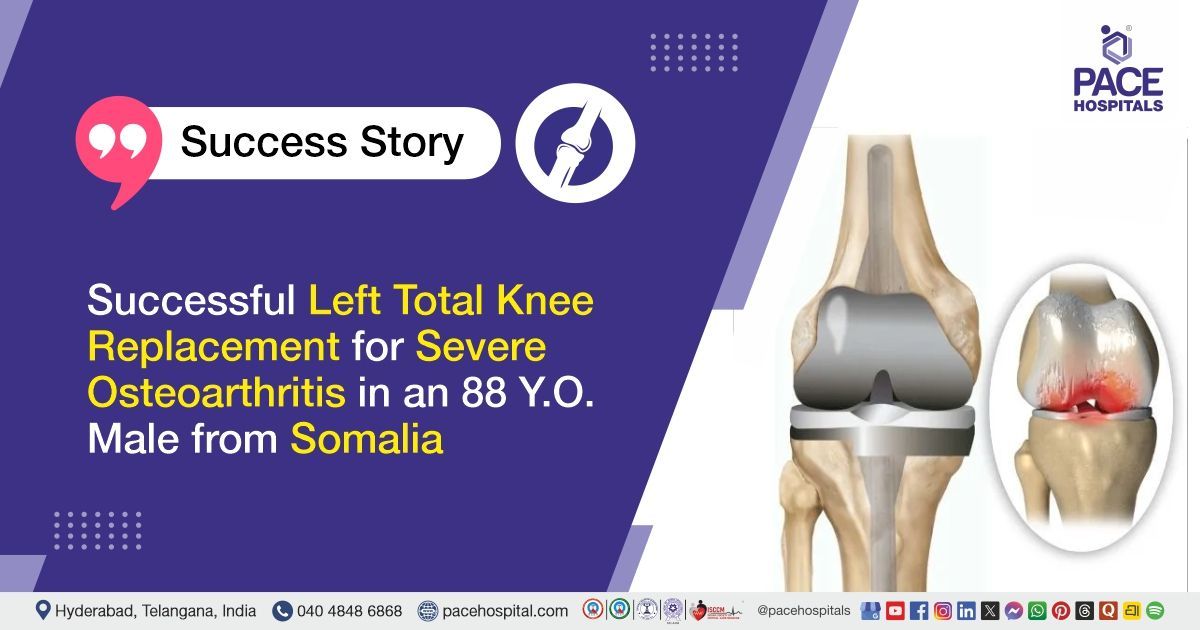
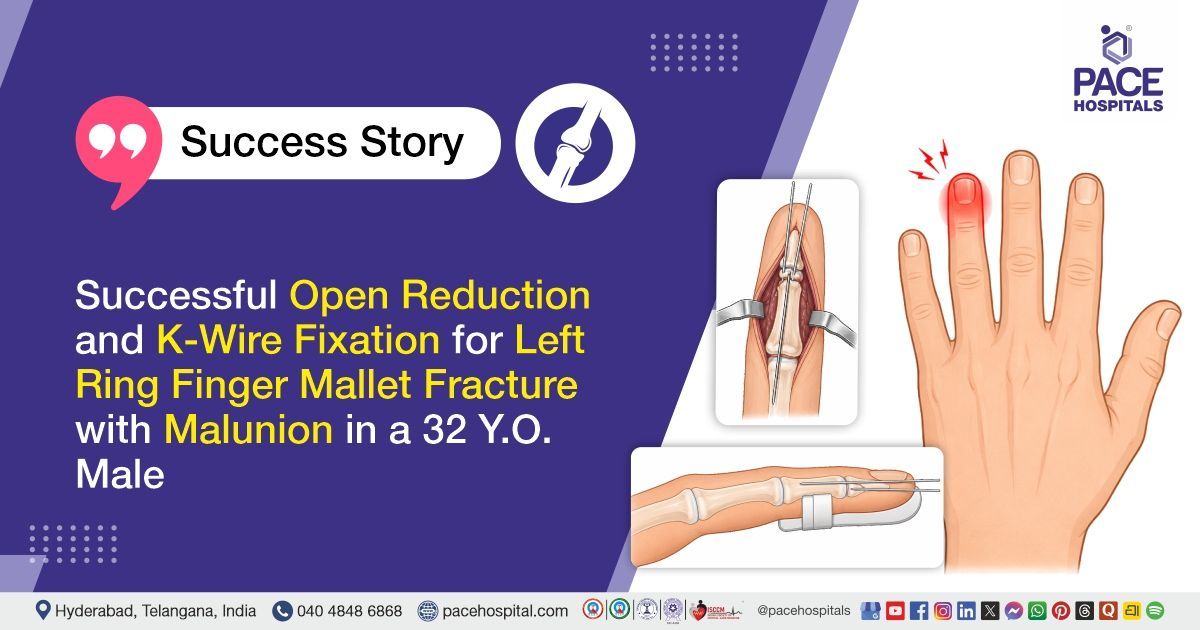
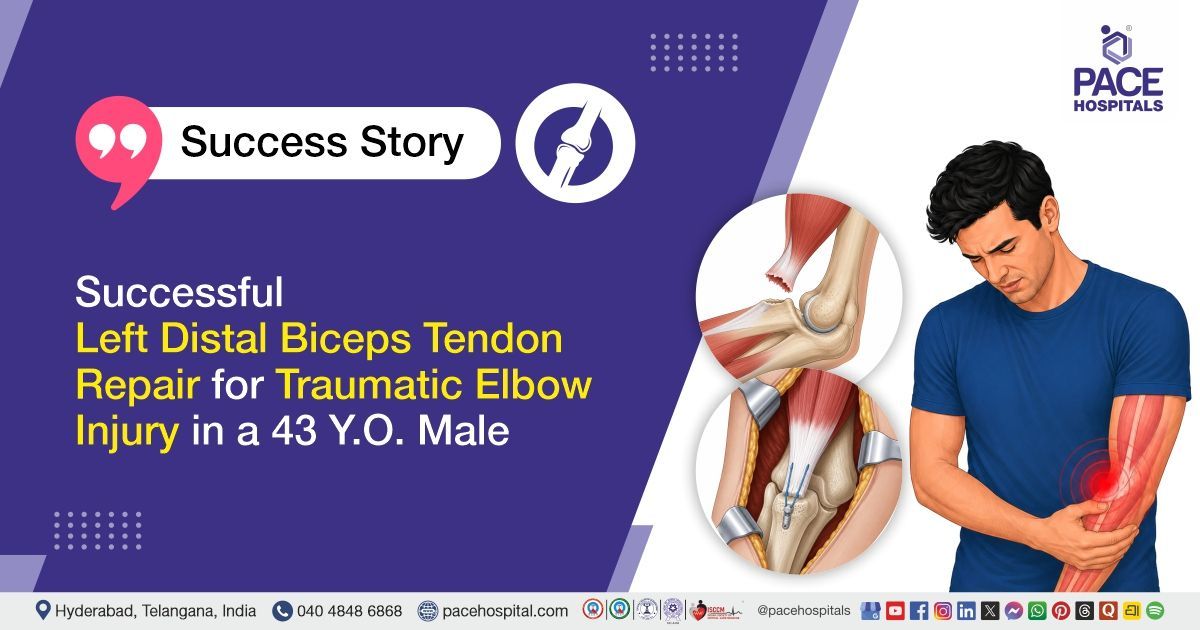
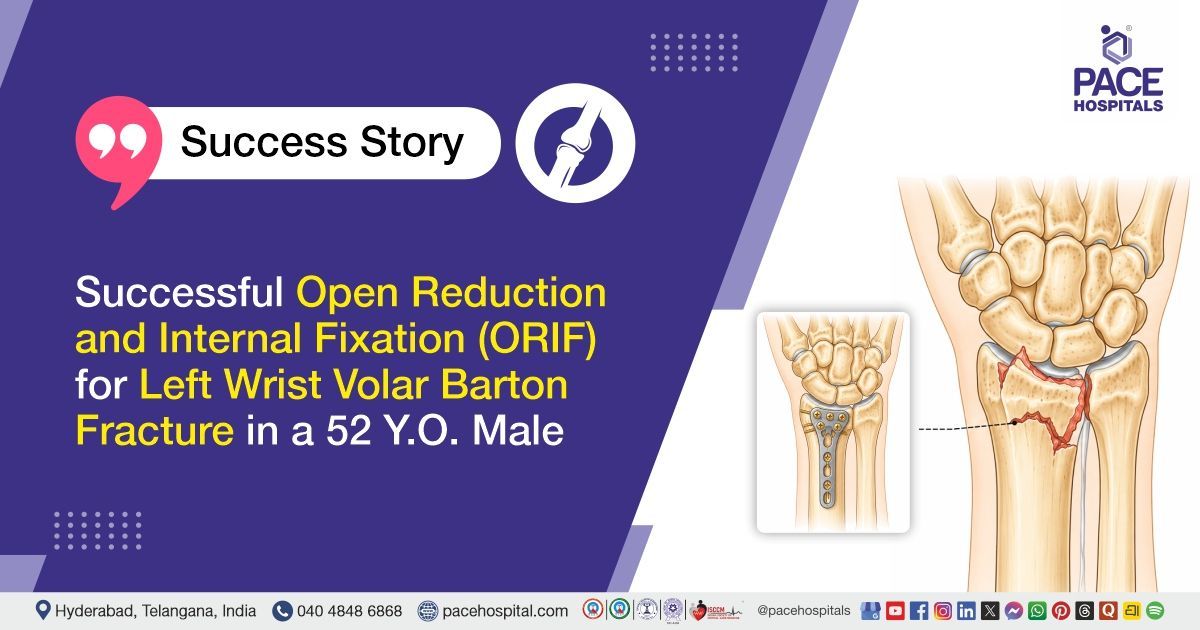
Orthopaedic Diseases and Disorders Explained
Get a free second opinion before proceeding with orthopaedic Treatment.
At PACE Hospitals, we are committed to providing our patients with the best possible care, and that includes offering second medical opinions with super specialists for treatment or surgery. We recommend everyone to get an expert advance medical second opinion, before taking decision for your treatment or surgery.
FAQs on Orthopaedic Treatment and Surgical Procedures
What is orthopedic surgery?
Orthopedic surgery is a medical procedure that aims to treat conditions that affect bones, joints, muscles, ligaments, and tendons. These surgeries aims to restore movement, alleivates pain, and improve daily function. Orthopedic surgery may involve repairing broken bones, replacing damaged joints, or correcting deformities. These procedures can be done using open surgery or minimally invasive techniques, depending on the condition and severity, and are supported by strong clinical evidence for improving mobility and quality of life.
When is orthopedic surgery recommended?
Orthopedic surgery is suggested when symptoms like pain, stiffness, or loss of movement do not improve with non-surgical treatments like medications, physiotherapy or rest. Surgery is advised for severe fractures, advanced joint damage, nerve compression, or structural problems affecting function. It is also considered when daily activities become difficult or when delaying treatment may lead to permanent damage, disability, or reduced quality of life.
What conditions are commonly treated with orthopedic surgery?
Orthopaedic surgery commonly treats bone conditions like fractures, arthritis, spinal disc problems, sports injuries, and bone deformities. Conditions such as osteoarthritis, ligament tears, and congenital problems are frequently managed surgically. Infections, tumors of bone, and complications from injuries may also require surgery. These procedures are supported by evidence showing improved pain control, stability, and long-term physical function.
Is orthopedic surgery always the first treatment option?
Orthopedic surgery is usually not preferred as the first treatment option. Conditions always start with conservative care such as rest, pain-relief medicines, lifestyle changes, and physiotherapy. Surgery is considered only if these methods fail to provide relief or if the condition is severe, such as unstable fractures or nerve damage. This step-wise approach helps avoid unnecessary surgery while ensuring effective treatment when non-surgical options are insufficient.
How is joint replacement surgery helpful?
Joint replacement surgery helps reduce long-term pain and restore movement in joints damaged by arthritis, injury, or wear and tear. Surgery replaces the damaged joint with an artificial implant, which improves walking ability, joint stability, and quality of life. It allows patients to return to daily activities that were limited by pain or stiffness. This surgery is especially effective when joint damage is severe and non-surgical treatments no longer provide relief.
What are the most common orthopedic surgeries?
The most common orthopedic surgeries include fracture fixation, joint replacement, spine surgeries, and ligament repair. Knee and hip replacements are frequently performed for advanced arthritis. Fracture fixation using rods or plates is common after accidents. Spine procedures like disc surgery help relieve nerve pressure. Arthroscopy, a minimally invasive technique, is widely used for joint injuries due to faster recovery and good clinical outcomes.
What is minimally invasive orthopedic surgery?
Minimally invasive orthopaedic surgery uses smaller incisions and specialised instruments to treat bone or joint problems. These approaches cause less damage to surrounding muscles and tissues compared to the traditional surgery. Patients usually experience less pain, reduced blood loss, shorter hospital stays, and faster recovery.
Is orthopedic surgery safe?
Orthopaedic surgery is generally considered safe when performed by trained surgeons under proper medical care. Studies show high success rates for many orthopaedic procedures, especially joint replacements and fracture-related surgeries. Advances in surgical techniques, anaesthesia, and infection control have improved safety. However, safety depends on factors such as the patient’s age, general health, and the type of surgery. Careful evaluation before surgery helps to reduce surgical risks.
What are the risks of orthopedic surgery?
Like any other surgery, orthopedic surgery also carries some risks. Possible complications include infection, bleeding, blood clots, nerve injury, or delayed healing. In certain cases, implants may loosen or wear out over time. The risk level varies depending on the procedure and the patient's health. Proper surgical planning, sterile techniques, and follow-up care lower these risks and improve recovery outcomes.
Why is physiotherapy needed after orthopedic surgery?
Yes, physiotherapy is usually required after orthopedic surgery as it plays a vital role in proper recovery and long-term success of the treatment. It helps restore joint movement, improve flexibility, and rebuild muscle strength around the operated area while reducing pain, stiffness, and swelling. Physiotherapy also enhances balance and coordination, speeds up healing, and allows patients to safely return to daily activities. In most orthopedic procedures, such as joint replacements, fracture repairs, spine surgeries, and sports injury treatments, post-surgical physiotherapy is essential to prevent complications and achieve the best possible functional outcome.
Why Choose PACE Hospitals for Orthopedic Surgery in Hyderabad?
PACE Hospitals is a preferred destination for orthopedic consultations and surgeries due to its highly skilled and experienced orthopedic doctors, renowned joint replacement and trauma surgeons, advanced surgical infrastructure, and patient-centric treatment approach. The orthopaedic specialists provide:
- Experienced team of specialised orthopaedic surgeons
- Expertise in joint replacement, trauma, spine, and sports injury surgeries
- Advanced operating theatres and modern surgical technology
- Minimally invasive techniques for fast recovery and less pain
- Personalised treatment plans for each patient
- Complete post-surgical care, physiotherapy, and rehabilitation under one roof
- Strong focus on patient safety, comfort, and outcomes.
Which Hospital in Hyderabad Provides a Complete Orthopedic Surgical Solution?
PACE Hospitals offers a comprehensive, end-to-end orthopedic surgical solution, including:
- Pre-surgical consultation and detailed evaluation
- Advanced orthopedic surgeries
- In-house rehabilitation and physiotherapy services
- Continuous follow-up and recovery support
Why choose PACE Hospitals?
- A Multi-Super Speciality Hospital.
- NABH, NABL, NBE & NABH - Nursing Excellence accreditation.
- State-of-the-art Liver and Kidney transplant centre.
- Empanelled with all TPAs for smooth cashless benefits.
- Centralized HIMS (Hospital Information System).
- Computerized health records available via website.
- Minimum waiting time for Inpatient and Outpatient.
- Round-the-clock guidance from highly qualified super specialist doctors, surgeons and physicians.
- Standardization of ethical medical care.
- 24X7 Outpatient & Inpatient Pharmacy Services.
- State-of-the-art operation theaters.
- Intensive Care Units (Surgical and Medical) with ISO-9001 accreditation.


