
Best Emergency Hospital in Hyderabad, India
PACE Hospitals is a leading emergency and trauma care center in Hyderabad, India, offering 24/7 life-saving treatment for accidents, severe injuries, cardiac emergencies, strokes, and other critical conditions, supported by a reliable emergency ambulance service in Hyderabad for rapid patient transport. Our trauma and emergency ward is equipped with advanced life-support systems, rapid diagnostics, and a highly skilled critical care team trained to act within the “golden hour,” ensuring prompt assessment and coordinated care to save lives.
Why Choose PACE Hospitals for Emergency and Trauma Care?
24*7 Availability
Round the clock care for all emergenices
Quick Response
Trained team and advane infrastructure for best care
Advanced Technology
Best critical care and diagnostic support
Experinced Team
Critical care experts and trauma team
Our Facilities

Advanced Trauma Care Unit
Equipped for all types of medical & surgical emergencies
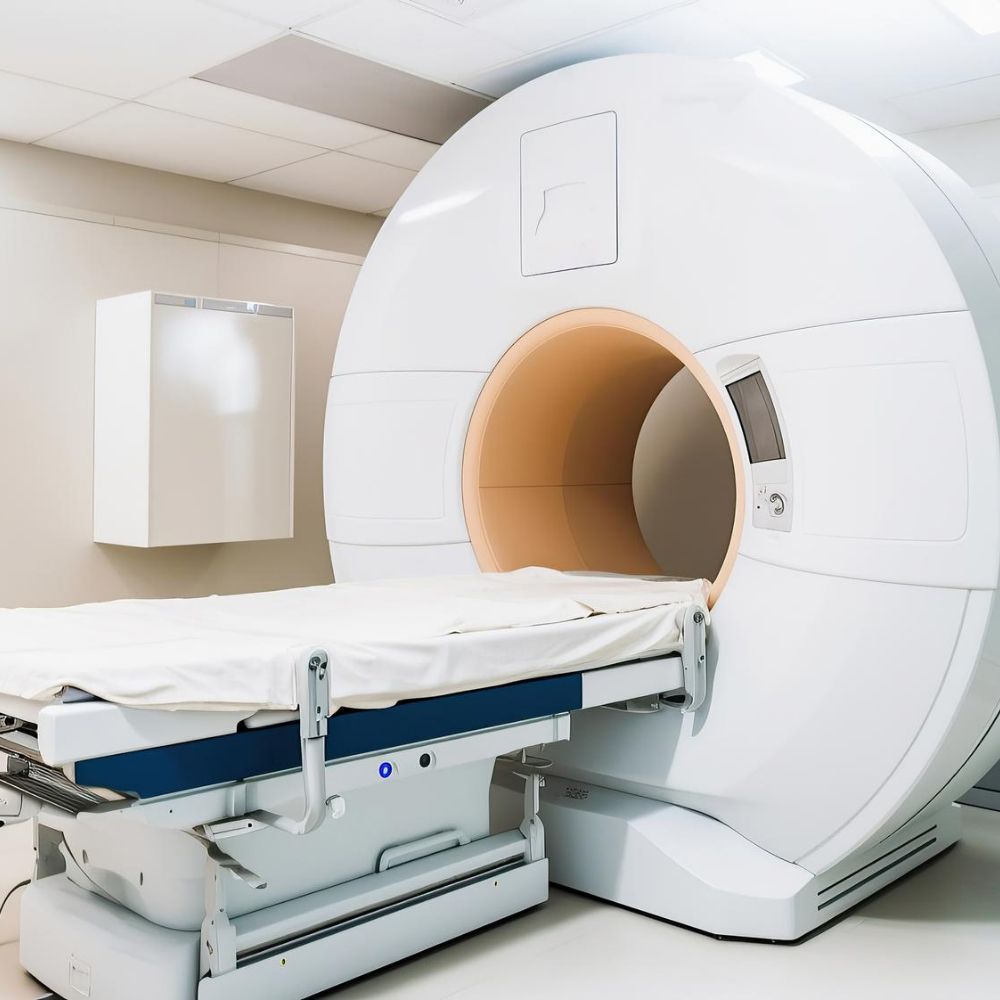
CT Scan and Imaging 24*7
On-site advanced imaging for quick and accurate diagnosis
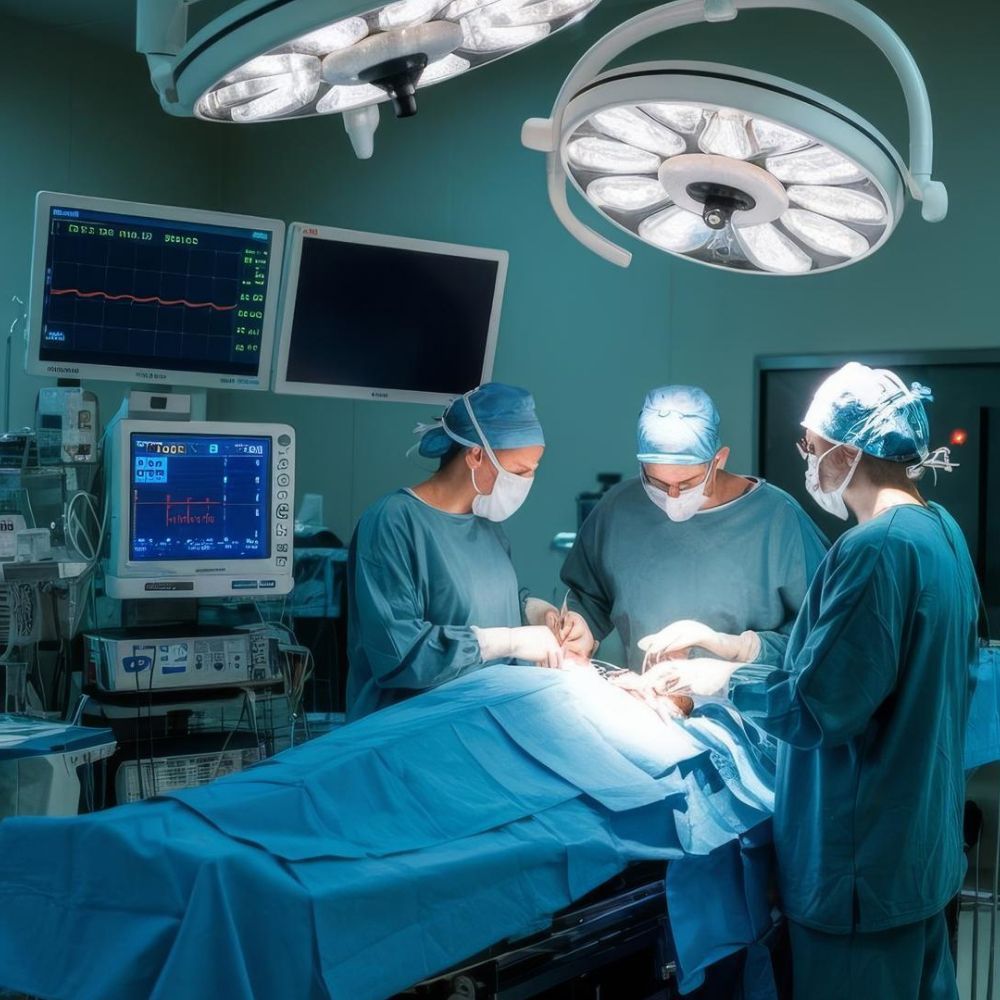
Emergency Operation Theaters
Fully equipped modular OTs for live-saving surgeries & Procedures
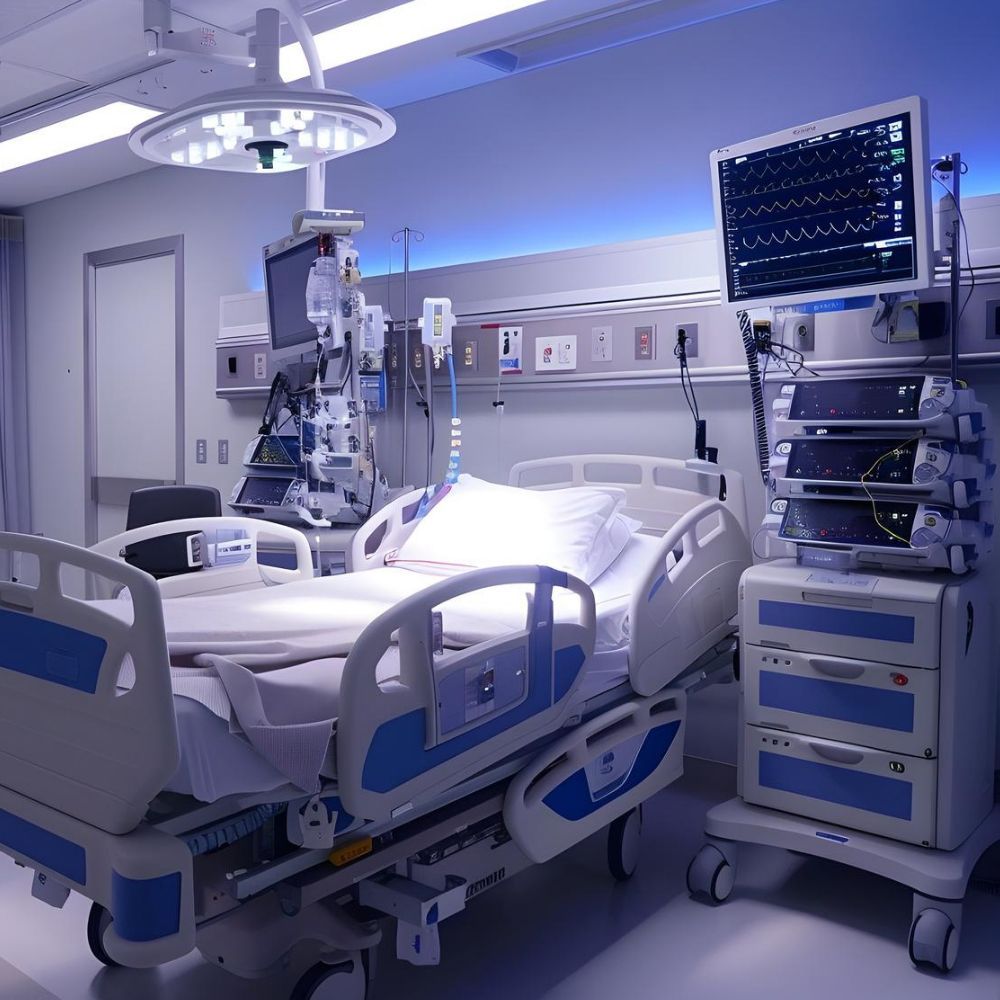
Critical Care (ICU) & (HDU)
Highly Advanced critical care units for unstable patients
Help Is Just a Call Away
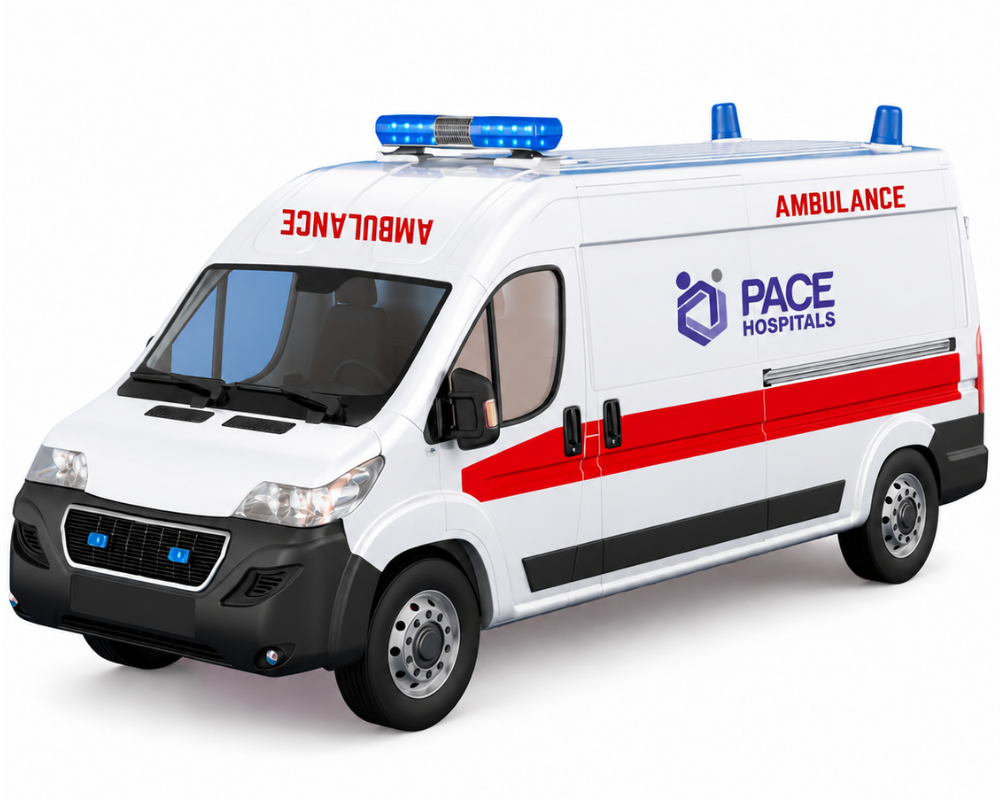
Our 24/7 ambulance service is ready to provide prompt transportation and emergency medical support when every second matters.
Advanced Emergency and Trauma Care Hospital in Hyderabad, Telangana
PACE Hospitals provides comprehensive emergency and trauma services in Hyderabad, Telangana, for patients requiring rapid medical evaluation, stabilisation, and timely treatment of critical illnesses and serious injuries. The department is supported by experienced emergency care teams, advanced medical technology, and coordinated multidisciplinary specialist care. Key strengths include:
- Rapid Emergency Assessment & Stabilisation
- Advanced Emergency & Trauma Treatment
- Multidisciplinary Specialist Support
- Comprehensive Trauma Care
- Critical Care Support for Emergencies
- Integrated Emergency-to-Specialist Care
- Care Across Different Emergency Conditions
- Experienced Emergency Care Team
Emergency and Trauma Care Services at PACE Hospitals, Hyderabad
Cardiac Emergency
- Suspected heart attack / acute coronary syndrome
- Severe chest pain or chest pressure
- Cardiac arrest
- Acute heart failure
- Dangerous arrhythmias
- Severe palpitations
- Hypertensive cardiac emergencies
Stroke Emergency
- Ischemic stroke
- Hemorrhagic stroke
- Transient ischemic attack (TIA)
- Sudden paralysis / one-sided weakness
- Facial drooping
- Slurred speech
- Sudden vision problems
- Sudden loss of balance
- Sudden severe headache
- FAST / BE-FAST warning signs (feature prominently)
Neuro Emergency
- Seizures/status epilepticus
- Loss of consciousness
- Severe sudden headache
- Altered mental status
- Suspected meningitis/encephalitis
- Acute neurological weakness
- Rapid neurological deterioration
Trauma & Accident Emergency
- Road traffic accidents
- Falls and workplace injuries
- Multiple injuries or polytrauma
- Head injury (life-threatening presentation)
- Chest trauma
- Abdominal trauma
- Uncontrolled bleeding
- Suspected internal injury
- Deformity or severe pain after injury
Respiratory Emergency
- Severe asthma attack
- COPD exacerbation
- Pneumonia with respiratory distress
- Low oxygen saturation
- Pulmonary edema
- Pneumothorax
- Suspected pulmonary embolism
- Coughing up blood
Poisoning Emergency
- Accidental or intentional poisoning
- Drug overdose
- Chemical/household product ingestion
- Food poisoning with severe dehydration or systemic involvement
- Carbon monoxide exposure
Gastrointestinal Emergency
- Gastrointestinal bleeding
- Vomiting blood
- Black, tarry stools
- Severe abdominal pain
- Acute pancreatitis
- Bowel obstruction
- Bowel perforation
- Severe vomiting with dehydration
Liver / Hepatic Emergency
- Acute liver failure
- Hepatic encephalopathy
- Variceal bleeding
- Cholangitis or bile-duct infection
- Severe or rapidly worsening jaundice
- Decompensated cirrhosis complications
Urology Emergency
- Acute urinary retention
- Severe kidney/ureteric stone pain
- Obstructed kidney due to stone
- Kidney stone with fever/infection
- Blood in urine (hematuria)
- Urinary tract bleeding
- Complicated UTI
- Urosepsis
- Pyelonephritis with obstruction
- Bladder obstruction
- Urethral or bladder injury
- Urinary catheter-related emergencies
- Post-urological procedure complications
Kidney & Dialysis Emergency
- Acute kidney injury (AKI)
- Sudden reduction in urine output/anuria
- Severe hyperkalemia
- Severe electrolyte imbalance
- Fluid overload
- Pulmonary edema due to kidney failure
- Severe metabolic acidosis
- Uremic complications
- Emergency dialysis
- Dialysis-related emergencies
- Acute glomerulonephritis
Orthopaedic Emergency
- Fractures (closed and open)
- Joint dislocations
- Severe sprains with inability to bear weight
- Compartment syndrome
- Joint injuries requiring urgent reduction
- Severe deformity or pain following injury
- Post-injury swelling with loss of function
Sepsis Emergency
- Suspected sepsis / septic shock
- Fever with confusion or low blood pressure
- Rapidly worsening infection
- Signs of multi-organ dysfunction
- Post-surgical infection with systemic signs
- Source-unclear systemic infection requiring urgent workup
Fever, Infectious Disease & Heat-Related Emergency
- Dengue fever with warning signs (bleeding, low platelets, severe abdominal pain)
- H1N1 / severe influenza
- Typhoid
- Malaria
- Viral fever with red-flag symptoms
- Heat stroke
- Heat exhaustion
Andrology Emergency
- Testicular torsion
- Sudden severe testicular pain
- Acute scrotal pain/swelling
- Penile fracture
- Priapism / prolonged painful erection
- Paraphimosis
- Genital trauma
- Severe genital infection
- Fournier's gangrene
ENT Emergency
- Severe epistaxis (nosebleed)
- Foreign body in ear, nose, or throat
- Sudden severe ear pain
- Peritonsillar abscess
- Airway obstruction of ENT origin
- Facial or nasal trauma
- Sudden hearing loss
Proctology Emergency
- Strangulated or thrombosed hemorrhoids
- Severe rectal bleeding
- Perianal abscess
- Fistula-related complications
- Rectal prolapse
- Anal fissure with severe pain or bleeding
Brain & Spine Emergency
- Traumatic brain injury
- Brain hemorrhage
- Spinal cord injury
- Spinal fracture or compression
- Acute paralysis following trauma
- Loss of bladder/bowel control after trauma
- Severe neck or back pain after trauma
Burn Emergency
- Thermal burns
- Scald burns
- Electrical burns
- Chemical burns
- Inhalation/smoke injury
- Facial burns
- Hand burns
- Genital/perineal burns
- Large body-surface-area burns
- Deep second- and third-degree burns
Endocrine & Diabetic Emergency
- Severe hypoglycemia
- Diabetic ketoacidosis (DKA)
- Hyperosmolar hyperglycemic state (HHS)
- Adrenal crisis
- Thyroid storm
- Severe metabolic/electrolyte abnormalities
Rheumatology Emergency
- Severe lupus flare with organ involvement
- Vasculitis affecting major organs
- Rapidly progressive muscle weakness
- Severe systemic inflammatory response
- Joint swelling with fever (rule out septic arthritis)
- Serious complications from immunosuppressive therapy
Sports Injury Emergency
- ACL/PCL injuries
- Meniscus injuries
- Joint dislocations
- Fractures
- Tendon rupture
- Achilles tendon injury
- Rotator cuff/shoulder injuries
- Severe ankle sprains
- Acute knee swelling
- Sports-related head injury
- Inability to walk or bear weight
Dermatology Emergency
- Stevens-Johnson syndrome / toxic epidermal necrolysis
- Severe drug reactions
- Angioedema
- Necrotizing skin/soft-tissue infections (necrotizing fasciitis)
- Severe cellulitis
- Widespread urticaria with systemic involvement
- Severe allergic reaction/anaphylaxis (skin/systemic presentation)
Emergency and Trauma Assessment & Diagnostic Evaluation
Accurate and rapid assessment is the cornerstone of effective emergency and trauma care. At PACE Hospitals, our Emergency and Trauma Department follows a complete systematic, evidence-based evaluation protocol to ensure timely stabilization, correct diagnosis, and immediate life-saving intervention.
Our team of emergency physicians, trauma surgeons, intensivists, and paramedics work together to deliver a precise and comprehensive diagnostic workup, enabling fast decision-making during critical conditions. This structured approach ensures accurate triage, appropriate prioritization, and optimal patient outcomes.
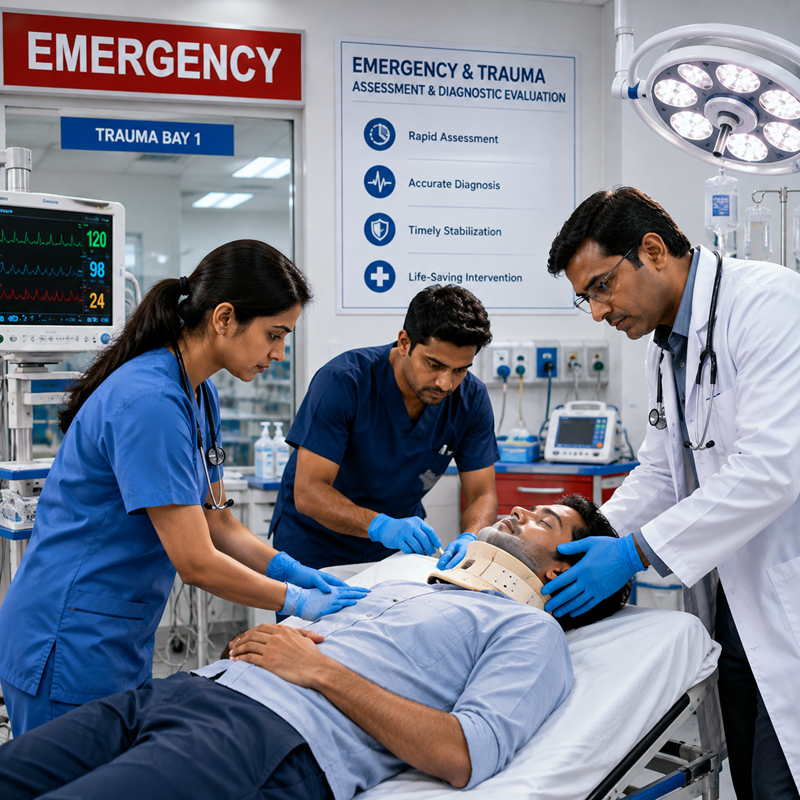
Our Emergency & Trauma Diagnostic Process Includes:
Rapid Triage and Vital Assessment
Immediate evaluation of patient condition using internationally approved triage systems to categorize emergencies based on urgency and required further steps to follow.
Different types of assessment include:
- Airway, Breathing, Circulation (ABC protocol)
- Level of consciousness (Glasgow Coma Scale)
- Vital parameters: Pulse, blood pressure, oxygen saturation, temperature
- Pain score evaluation
Detailed Emergency History Following the "AMPLE" Method
A fast yet focused history is obtained utilizing trauma-specific guidelines:
- A – Allergies
- M – Medications
- P – Past medical/surgical history
- L – Last meal
- E – Events leading to the injury or illness
Primary Survey (Life-Threat Assessment)
A structured initial examination to detect and manage life-threatening conditions, such as:
- Airway obstruction
- Breathlessness or chest injuries
- Major bleeding or shock
- Head and spinal injuries
- Severe fractures
- Cardiac or neurological deficits
Immediate interventions are performed during this stage.
Secondary Survey (Head-to-Toe Clinical Examination)
A comprehensive assessment once the patient's condition is stable, includes:
- Neurological screening
- Spine examination
- Limb and joint evaluation
- Abdominal, pelvic, and chest examination
- Injury pattern analysis
- Wound assessment
Advanced Imaging & Diagnostic Tools
Emergency diagnostics available 24/7 include:
- X-ray
- Ultrasound (FAST scan for internal bleeding)
- CT scan (brain, chest, abdomen, spine)
- MRI (when indicated)
- Bedside echocardiography
These tests help to give an initial strategy for rapid identification of fractures, head injuries, internal bleeding, organ damage, stroke, and cardiac events.
Point-of-Care Testing (POCT)
Immediate laboratory investigations and test reports include:
- Toxicology tests
- Coagulation studies
- Blood glucose assessment
- Complete blood count (CBC)
- Kidney function tests (KFTs) and Liver function tests (LFTs)
- Electrolyte evaluation
- Cardiac markers such as Troponin and CK-MB
- Arterial or venous blood gas analysis
These quick investigations help guide urgent clinical decisions and to follow what further steps to be taken.
Trauma-Specific Evaluation
Performed for accident or injury-related cases:
- Neurovascular examination
- Cervical spine protection
- Limb alignment & fracture assessment
- Pelvic stability testing
- Compartment pressure evaluation (if suspected)
Stroke and Cardiac Emergency Protocols
Specialized diagnostic pathways include:
- Stroke Assessment: NIHSS score, CT or MRI brain imaging
- Cardiac Evaluation: ECG, cardiac enzymes, bedside echo, pulse oximetry
These ensure quick eligibility checks for thrombolysis or catheter-based interventions.
Airway & Respiratory Assessment
Required for patients in respiratory distress:
- Oxygenation and ventilation evaluation
- Need for intubation or non-invasive ventilation
- Lung ultrasound
- Spirometry (If stable)
Multidisciplinary Collaboration
Coordination with the respective departments of emergency specialists, including:
- Orthopedicians
- Neurosurgeons
- Cardiologists
- General surgeons
- Critical care experts
- Radiologists
This ensures accurate final diagnosis and timely intervention.
Continuous Monitoring & Follow-up Evaluation
Patients in emergency care are continuously observed for:
- Vital signs
- Consciousness levels
- Response to treatment
- Progression of symptoms
- Monitored beds with advanced life-support systems help identify complications early.
Life-Saving Emergency Medical Care at PACE Hospitals for Critical and Trauma Cases
A Centre of Excellence for Life-Saving Emergency & Trauma Services
At PACE Hospitals, we are always prepared to undertake major and critical medical crises, accidents, and urgent situations that necessitate prompt, precise, and skilled care. Our Emergency and Trauma Care Department is committed to saving lives by delivering prompt assessment, innovative treatment, and continuous monitoring during critical situations. We focus on immediately stabilising patients, reducing problems, and providing seamless treatment from admission to recovery.
Comprehensive & Integrated Emergency Care
In an emergency, every second counts. Our approach is a combined strategy involving rapid triage, advanced diagnostics, evidence-based emergency protocols, and multidisciplinary teamwork to ensure swift and accurate treatment. From trauma and cardiac events to neurological crises and respiratory failures, every patient receives care tailored to their critical needs.
We don’t just treat symptoms — we provide complete emergency management, including stabilization, definitive treatment, and coordinated follow-up care.
Trauma Level IV Services at PACE Hospitals
We at PACE Hospitals provide Trauma Level IV services, offering prompt and effective care for patients with minor to moderate injuries. Our trauma services focus on rapid assessment, stabilization, treatment, and referrals when higher-level trauma care is required, including:
- 24/7 Emergency Department with trained doctors, surgeons, nursing staff, and ambulance service.
- Management of minor to moderate injuries, including soft tissue injuries, fractures, and blunt trauma
- On-site laboratory services for urgent and immediate investigations
- Rapid trauma evaluation, proper assessment, and stabilization
- Basic trauma life support - Advanced Trauma Life Support (ATLS-based care)
- Emergency imaging services such as X-ray scans and ultrasound tests
- Pain management, accidental burns, and wound care
- Innovative splinting, immobilization, and fracture stabilization techniques
- Initial airway, breathing support, and effective circulation management
- Post-trauma monitoring and post-surgical follow-up care
At PACE Hospitals, Trauma Level IV services are supported by a fully integrated multidisciplinary team comprising experienced and highly skilled orthopaedic surgeons, emergency physicians, trauma and general surgeons, neurosurgeons, gastroenterologists, urologists, cardiovascular specialists, pulmonologists, anesthesiologists, radiologists, critical care specialists, rehabilitation physicians, and experienced nursing teams, working together with well-equipped emergency and diagnostic facilities to ensure timely and coordinated trauma care.
Trusted Experts in Emergency Medicine & Trauma Care
Our team consists of emergency physicians, trauma surgeons, neurosurgeons, orthopedicians, cardiologists, anesthesiologists, and critical care experts who are all qualified to handle complex and high-risk situations. Our professionals provide safe, efficient, and life-saving care based on their extensive expertise and ongoing training in worldwide emergency protocols.
Whether it is a major accident, stroke, heart attack, severe infection, or respiratory distress, you will receive the highest level of medical expertise every minute of your care.
Compassionate, Patient-Centered & Accessible Emergency Care
Emergencies can be overwhelming for patients and their families. At PACE Hospitals, we provide care with empathy, transparency, and reassurance. Our staff ensures that patients receive prompt attention, clear communication, and supportive guidance through each step of the emergency process.
Our emergency department is designed to be accessible 24/7, offering high-quality, affordable, and dependable emergency care to all.
Excellence in Emergency and Trauma Care in Hyderabad
PACE Hospitals is recognized as one of the most trusted names in Emergency and Trauma Care in Hyderabad, Telangana, India. Patients rely on us for our:
- Rapid response systems
- High survival outcomes
- Modern emergency infrastructure
- Skilled trauma management
- Effective coordination with ICU, OT, and speciality departments
Our excellence lies in our ability to manage time-sensitive and complex critical cases with precision and compassion.
We Specialize in Managing Emergency Conditions Such As:
- Major road traffic accidents and high-impact trauma
- Severe head injuries and spinal trauma
- Heart attacks, chest pain, and cardiac arrhythmias
- Stroke and neurological emergencies
- Respiratory failure, acute asthma, and COPD attacks
- Severe infections, sepsis, and high fever emergencies
- Abdominal emergencies (appendicitis, perforation, obstruction)
- Burns, electric shocks, and chemical injuries
- Pediatric medical emergencies
- Allergic reactions and anaphylaxis
- Poisoning, overdose, and toxic exposures
- Obstetric and gynecological emergencies
- Polytrauma requiring surgical intervention
Our goal is simple — to save lives, minimize complications, and ensure safe recovery during medical emergencies.
Our Strength in Numbers
- Thousands of lives saved through timely emergency interventions
- High survival and recovery rates across trauma and critical care services
- Dedicated 24/7 teams of emergency physicians, trauma surgeons, and critical care specialists
- Over a decade of trusted excellence in emergency and trauma care
Frequently Asked Questions (FAQs) on Emergency and Trauma Care
Do I need an appointment for emergency care?
No appointment is required for emergency treatment. Patients can seek immediate medical attention when an urgent condition occurs. Emergency situations can arise without warning and may require immediate medical attention. The following points explain how emergency care can be accessed at PACE Hospitals:
- Direct access: Emergency care can be accessed without prior appointment or referral.
- 24/7 care: Emergency services are available around the clock for urgent medical conditions and injuries.
- Immediate assessment: Patients are evaluated according to the severity and urgency of their condition.
- Serious symptoms: Chest pain, breathing difficulty, severe bleeding, loss of consciousness, stroke symptoms, or major injuries require immediate emergency care.
What should I bring during a medical emergency?
During an emergency, treatment should never be delayed while collecting documents. If they are readily available, the following can be carried:
- Medical records: Recent investigation reports, scans, prescriptions, discharge summaries, and previous treatment records.
- Medicine details: Current medicines with doses, along with information about known drug allergies.
- Health details: Information about existing conditions such as diabetes, hypertension, heart disease, kidney disease, or other major illnesses.
- Identification: Aadhaar card or another valid photo ID, if available.
- Insurance details: Health insurance card, policy details, or cashless facility information, if applicable.
- Family contact: Phone number or valid cell phone/mobile phone number of a relative or caregiver who can provide medical history or consent-related information when required, as without it, critical cases cannot be handled.
Note: In a life-threatening emergency, reach the nearest emergency department immediately; documents and other details can be provided later
What is emergency and trauma care?
Emergency and Trauma Care is a specialized branch of medicine focused on immediate evaluation, stabilization, and treatment of patients experiencing life-threatening injuries or sudden medical emergencies.
At PACE Hospitals, our emergency specialists use rapid diagnostics, resuscitation techniques, advanced monitoring, and multidisciplinary coordination to provide timely and effective care during critical situations.
When should I visit an emergency hospital immediately?
You must seek emergency medical ailments if you or someone else experiences:
- Severe chest pain or suspected heart attack
- Sudden weakness, slurred speech, or suspected stroke
- Difficulty in breathing or severe asthma attacks
- Uncontrolled bleeding or major injury
- Loss of consciousness or seizures
- High-grade fever with convulsions
- Road traffic accidents (RTA)
- Poisoning, snakebite, or drug overdose
- Severe abdominal pain or hematemesis (vomiting blood)
- Electric shock, burns, or head injuries
Prompt emergency evaluation saves lives and prevents complications.
What are the most common conditions treated in the Emergency and Trauma Department?
Our department handles a wide range of emergency conditions, including:
- Cardiac emergencies (heart attack, cardiac arrhythmia, acute heart failure)
- Neurological emergencies (stroke, seizures, and head injuries)
- Trauma and accident injuries (fractures, bleeding, polytrauma)
- Respiratory emergencies (asthma, respiratory failure)
- Abdominal emergencies (appendicitis, perforation, and internal bleeding)
- Severe infections and sepsis
- Pediatric emergencies
- Poisoning, toxic exposures and snakebite
- Burns and electrical injuries
- Obstetric and gynecological emergencies
What is the main purpose of emergency and trauma treatment?
The primary goal of emergency and trauma care is to:
- Ensure quick assessment and timely treatment
- Manage urgent, life-threatening (serious) situations
- Safeguard important organs and prevent worsening injury
- Control bleeding, shock, and airway or breathing emergencies
- Reduce the risk of complications, disability, or mortality
At PACE Hospitals, we focus on timely treatment, continuous monitoring, and coordinated care to ensure the best possible results.
Why is PACE Hospitals considered one of the best emergency and trauma care hospitals in Hyderabad?
PACE Hospitals is recognized among the top emergency and trauma centers in India, providing round-the-clock, advanced life-saving care for patients with critical injuries, accidents, cardiac emergencies, strokes, poisoning, and severe medical conditions.
Our emergency department delivers rapid triage, evidence-based emergency protocols, and immediate intervention supported by state-of-the-art facilities and an expert multidisciplinary team.
Our hospital is equipped with:
- 24/7 emergency and trauma bays
- Advanced life-support systems (ACLS, PALS, ATLS)
- 24/7 CT, MRI, X-ray, and emergency laboratory services
- Rapid-response teams including emergency physicians, trauma surgeons, and also intensivists
- Fully equipped ambulances and pre-hospital care services
How does early emergency intervention improve survival and recovery?
Early emergency intervention is important in saving lives. Timely treatment ensures:
- Faster stabilization of vital functions
- Prevention of complications like cardiac arrest or stroke progression
- Reduced blood loss and controlled bleeding
- Better trauma results and reduced disability
- Increased chances of survival in serious conditions
- Early access to ICU, surgery, or specialty care
PACE Hospitals emphasizes golden-hour response, rapid diagnostics, and immediate treatment for optimal recovery.
What is the difference between emergency medicine and trauma care?
Emergency medicine addresses all types of medical crises, including cardiac events, strokes, infections, respiratory distress, and poisoning.
Trauma care specifically focuses on injury-related emergencies such as accidents, fractures, head injuries, bleeding, and multi-organ trauma.
Both departments work together at PACE Hospitals to deliver holistic and life-saving treatment for critically ill patients.
Looking for the best emergency hospital near me?
If you are searching for the best emergency care near me in areas like HITEC City, Madhapur, Gachibowli, Kondapur, Kukatpally, or KPHB—choose a hospital with:
- 24/7 emergency doctors and trauma surgeons
- Advanced imaging and diagnostic facilities
- Life-support systems and ventilators
- Rapid ambulance and pre-hospital care
PACE Hospitals provides trusted emergency and trauma services for all critical health conditions with round-the-clock availability.
What diagnostic tools and treatments are used in emergency and trauma care?
To assess and treat critical conditions, our emergency team uses cutting-edge tools such as:
- ECG and cardiac markers
- CT scan, MRI, and X-ray
- FAST ultrasound for internal bleeding
- Ventilator and airway management
- Defibrillation and pacing
- Blood gas analysis
- Emergency endoscopy
- Point-of-care tests for quick results
These diagnostics facilitate accurate, fast decision-making essential in emergencies.
What are the most common emergency procedures performed at PACE Hospitals?
Our emergency center performs life-saving procedures like :
- CPR and advanced resuscitation
- Intubation and ventilator support
- Central line and arterial line insertion
- Fracture management and trauma stabilization
- Insertion of chest tube
- Emergency wound care and suturing
- Thrombolysis for stroke
- Cardiac emergency care
- Burn care and fluid resuscitation
PACE Hospitals is known for delivering high-quality emergency procedures with precision and speed.
What is pediatric emergency care?
Pediatric emergency care provides the instantaneous management of children facing urgent medical conditions, that includes:
- High-grade fever along with febrile seizures
- Sudden injuries, trauma, and bone fractures
- Respiratory distress or breathing problems
- Severe dehydration
- Accidental ingestion of harmful or toxic substances
- Acute allergic reactions
At PACE Hospitals, our pediatric emergency team provides gentle, child-friendly, and age-appropriate treatment to ensure safe and effective care for infants, children, and adolescents.
Why choose PACE Hospitals?
- A Multi-Super Speciality Hospital.
- NABH, NABL, NBE & NABH - Nursing Excellence accreditation.
- State-of-the-art Liver and Kidney transplant centre.
- Empanelled with all TPAs for smooth cashless benefits.
- Centralized HIMS (Hospital Information System).
- Computerized health records available via website.
- Minimum waiting time for Inpatient and Outpatient.
- Round-the-clock guidance from highly qualified super specialist doctors, surgeons and physicians.
- Standardization of ethical medical care.
- 24X7 Outpatient & Inpatient Pharmacy Services.
- State-of-the-art operation theaters.
- Intensive Care Units (Surgical and Medical) with ISO-9001 accreditation.


