
Advanced Neurology Treatment for Neurological Disorders
PACE Hospitals is one of the best hospitals for neurology treatment in Hyderabad, India, offering comprehensive care for a wide range of neurological disorders. From stroke and epilepsy to Parkinson’s disease and other complex brain and nerve conditions, our neurology specialists provide evidence-based treatment tailored to each patient.
With advanced technology and experienced neurologists, we focus on accurate diagnosis, effective treatment planning, and improved long-term neurological health outcomes.
Book an Appointment
Neurology Treatment Appointment Enquiry
Why Choose PACE Hospitals for Neurology Treatments?
Comprehensive Neurology Treatment
We provide complete care for a wide range of neurological disorders, including stroke, epilepsy, Parkinson’s disease, multiple sclerosis, neuropathy, and other complex brain and nerve conditions.
Advanced Neurology Technology
Our neurology department uses advanced diagnostic tools, neuroimaging, and evidence-based treatment approaches to ensure accurate diagnosis and effective management of neurological disorders.
Experienced Neurology Specialists
Our team of neurologists and neurospecialists has extensive experience in diagnosing and treating various neurological conditions, delivering safe, precise, and high-quality neurology care.
Wide Range of Neurology Treatments
At PACE Hospitals, neurology treatment focuses on advanced, patient-centred care using medications, minimally invasive procedures, and rehabilitation for effective recovery.
Non-Pharmacological Treatment
Lifestyle and Preventive Measures
These measures play an important role in supporting brain and nerve health, improving symptoms, and reducing the risk of progression of many neurological disorders.
- Dietary and nutritional management: A balanced diet high in vitamins, antioxidants, and omega-3 fatty acids helps to support brain function, improve nerve health, and help reduce inflammation associated with neurological conditions.
- Regular physical activity programs: Exercise improves blood circulation to the brain, strengthens muscles, and enhances coordination and balance.
- Sleep regulation therapy: Adequate and regular sleep helps the brain repair and maintain cognitive function.
- Stress management techniques: Chronic stress can worsen neurological symptoms. Relaxation methods like meditation, breathing exercises, and mindfulness help stabilise the nervous system and improve general neurological health.
- Smoking cessation programs: Quitting smoking helps to improve blood circulation and protect brain function.
- Control of chronic conditions: Proper management of chronic diseases like hypertension, diabetes, and high cholesterol helps prevent complications and other neurological disorders.
- Alcohol moderation counseling: Chronic alcohol drinking can damage nerve cells and lead to neurological problems. Stopping alcohol intake helps to protect brain and nerve health.
Pharmacological Treatment
Medical management helps to control symptoms, slow disease progression, and improve neurological function by targeting specific mechanisms in the nervous system.
- Antiepileptic Therapy: These medications stabilise electrical activity in the brain and prevent abnormal neuronal discharges that cause seizures. They are primarily used in epilepsy and other seizure-related disorders.
- Dopaminergic Therapy: They help improve motor symptoms such as tremors, stiffness, and slowed movements commonly seen in disorders like Parkinson’s disease.
- Anti-Migraine Therapy: These medications help reduce inflammation of blood vessels and regulate neurotransmitters involved in migraine attacks. They relieve headache pain, reduce associated symptoms such as nausea and sensitivity to light, and help prevent recurrent attacks.
- Neuropathic Pain Management Therapy: These drugs act on nerve signalling pathways to reduce abnormal pain transmission. They help manage chronic nerve-related pain conditions like diabetic neuropathy, trigeminal neuralgia, and post-herpetic neuralgia.
- Cognitive Enhancement Therapy: These medications improve neurotransmitter activity involved in memory and learning. They are used in conditions like Alzheimer’s disease and other dementias.
- Immunomodulatory Therapy: These drugs regulate or modify the immune system to prevent immune-mediated damage to the nervous system. They are commonly used in autoimmune neurological disorders such as multiple sclerosis.
- Corticosteroid Therapy: Corticosteroids reduce inflammation in nervous system tissues. They are used in conditions such as multiple sclerosis relapses, brain inflammation, and autoimmune neurological disorders.
- Antispasticity Therapy: These medications reduce muscle stiffness and involuntary muscle contractions caused by damage to the brain or spinal cord.
- Antidepressant and Anxiolytic Therapy: These drugs help regulate brain chemicals that affect mood and emotional balance.
- Antiplatelet Therapy: Antiplatelet medications prevent blood platelets from clumping together and forming clots. They are used to reduce the risk of ischemic stroke and prevent recurrent strokes.
- Anticoagulation Therapy: This reduces the blood’s ability to clot, helping prevent clot formation in conditions such as atrial fibrillation that can lead to stroke.
- Thrombolytic Therapy: These medications dissolve blood clots that block blood flow to the brain. They are used in emergency treatment of acute ischemic stroke to restore blood circulation and minimise brain damage.
Neurological Rehabilitation Therapies
These rehabilitation therapies help patients to recover lost functions, improve independence, and enhance quality of life.
- Physical Rehabilitation Therapy: This therapy aims to improve muscle strength, balance, coordination, and mobility. It assists patients in regaining mobility and physical function following illnesses like stroke, traumatic brain injury (TBI), spinal cord damage, and Parkinson's disease.
- Occupational Rehabilitation Therapy: This helps patients relearn daily activities such as eating, dressing, writing, and using household tools. It supports individuals with neurological disorders in becoming more independent in their daily lives.
- Speech and Language Therapy: This therapy helps patients improve speech, language, and swallowing difficulties caused by neurological conditions.
- Cognitive Rehabilitation Therapy: Cognitive therapy focuses on improving memory, attention, problem-solving, and thinking skills that may be affected by neurological diseases such as dementia, traumatic brain injury, or stroke.
- Neuropsychological Therapy: This therapy evaluates and treats cognitive, emotional, and behavioral changes related to brain disorders.
- Behavioral Therapy: Behavioral therapy helps patients modify harmful behaviors and develop healthy coping strategies. It is useful in neurological conditions associated with behavioral changes, emotional disturbances, or cognitive impairment.
- Psychological Counseling and Mental Health Support: Neurological diseases usually affect emotional well-being. Counseling and mental health support assist patients in coping with anxiety, depression, stress, and emotional difficulties linked with chronic neurological illnesses.
Supportive Neurological Care
These approaches help patients manage symptoms and maintain a better quality of life.
- Assistive Device Therapy: Assistive devices such as walkers, wheelchairs, braces, communication aids, and adaptive equipment help patients with neurological disabilities improve mobility, maintain independence, and perform daily activities safely.
- Pain Management Programs: Chronic pain is common in many neurological conditions. Pain management programs use a combination of therapies, including medications, physiotherapy, and relaxation techniques, to reduce pain and improve patient comfort.
- Nutritional Support Therapy: Nutritional support ensures patients receive adequate nutrients to maintain strength, support recovery, and prevent complications.
Surgical Management
Brain Surgery (Cranial Procedures)
- Craniotomy: A craniotomy is a surgical procedure that includes removing a portion of the skull bone to expose the brain. This procedure involves specialised tools to temporarily remove the bone flap, a part of the skull bone that will be replaced following the brain surgery. Some craniotomy procedures will be performed with the guidance of magnetic resonance imaging [MRI] or computerised tomography [CT] scans for the identification of the precise location of the brain to be treated.
- Posterior fossa craniotomy: Posterior Fossa Craniotomy is a specific type of craniotomy that involves removing and replacing a bone flap to treat lesions in the posterior fossa (a small space at the base of the skull, near the brainstem and cerebellum). This procedure is often used to treat conditions like brainstem tumours, cerebellar tumours, or Chiari malformation.
- Brain tumour surgery: Brain Tumour surgery is a common surgical approach in people with brain tumours, including Pineal region tumours, Pituitary tumours, Rathke's cleft cysts, Skull base tumours and Ventricular tumours. The several methods of brain tumour surgery include craniotomies, MRI-guided laser ablation, and endoscopic brain tumour surgery (neuroendoscopy).
- Epilepsy surgery: Epilepsy surgery is a surgical procedure that eliminates the part of the brain that causes seizures; thereby, it inhibits further seizure activities or reduces its severity. Epilepsy surgery is indicated in patients with refractory seizure disorders after receiving two antiepileptic medications (drug-resistant seizure disorder) in a sufficient dosage for a year. Superficial hemosiderosis, Sinus thrombosis, progressive hydrocephalus, memory decline, disconnection syndrome, cough, hoarseness of voice, hemiparesis and dysphagia are some of the major complications of epilepsy surgery.
- Craniectomy: A craniectomy is a major brain surgery that involves removing a part of the skull to reduce Intracranial pressure (ICP) in the brain due to swelling, inflammation, or extra fluid. This pressure can be life-threatening and cause brain damage. It's often performed after a traumatic brain injury (TBI) or to treat conditions that cause brain swelling or bleeding.
- Burr hole drainage: Burr hole drainage is a surgical procedure that treats conditions caused by excess fluid around the brain, such as subdural hematomas and hydrocephalus. During the procedure, a surgeon drills one or more small holes in the skull and also inserts a flexible rubber tube to drain the fluid and leaves it in place for a few days to relieve pressure on the brain.
- Lesionectomy: A lesionectomy is a surgical procedure performed to remove a brain lesion, or abnormality, that causes seizures. A neurosurgeon makes a temporary opening in the skull, called a craniotomy, and removes the lesion with surgical tools. Less invasive methods are also available, such as using thin probes guided by MRI to enter the brain. It may cause language deficit, memory, and cognitive decline.
- Anterior Temporal Lobectomy: Anterior temporal lobectomy is a surgical procedure where a portion of the front part of the temporal lobe of the brain is removed. It is commonly performed to treat drug-resistant epilepsy. The procedure aims to control seizures by removing parts of the brain such as the amygdala, hippocampus, and anterior temporal gyri.
- Clot Evacuation: Clot evacuation is a procedure to remove a blood clot in the brain. A surgeon typically performs clot evacuation through a craniotomy. The procedure aims to relieve pressure on the brain caused by the build-up of blood, which can lead to brain damage; removing this clot helps restore normal function of the brain and reduces the risk of further complications like brain herniation.
- Aneurysm Clipping Surgery: This procedure is used to treat brain aneurysms. A small metal clip is placed at the base of the aneurysm to stop blood flow into the bulging vessel, preventing rupture or rebleeding and reducing the risk of life-threatening brain hemorrhage.
- Ventriculoperitoneal (VP) shunt surgery: A ventriculoperitoneal (VP) shunt is a surgical procedure and device that treats hydrocephalus, a condition where there is too much cerebrospinal fluid (CSF) accumulation in the brain and spinal cord. During the procedure, a surgeon places a thin plastic tube or catheter into a ventricle of the brain and another catheter under the skin behind the ear. The procedure takes about 1.5 hours and is performed in an operating room under general anaesthesia. This prevents pressure from building up in the brain.
Vascular Neurosurgery
- Surgical Clipping: Surgical clipping, or microsurgical clipping, is a procedure used to treat brain aneurysms by placing a metal clip at the neck of the aneurysm to block blood flow and prevent rupture. The recovery time typically takes 4 to 6 weeks, though it may be longer if the aneurysm has ruptured. This method carries a low risk of bleeding in the brain or disrupting blood flow to surrounding areas.
- Endovascular coiling procedures: Endovascular coiling, or coil embolization or placement, is a minimally invasive procedure that treats brain aneurysms and arteriovenous malformations (AVMs). During this procedure the surgeon inserts a small tube into a blood vessel using a special X-ray (called fluoroscopy), moves the catheter into the aneurysm and inserts tiny platinum coils to fill it to block blood flow, which seals it off and prevent it from bursting or rupture.
- Transluminal Angioplasty: Extracerebral arterial stenosis (narrowing of the artery) can be treated with percutaneous transluminal angioplasty (PCTA). It is also indicated for the treatment of extracranial stenosis secondary to atherosclerosis, fibromuscular dysplasia, and vasculitis. In selected cases, percutaneous transluminal angioplasty could also be indicated in symptomatic intracranial stenosis as it produced excellent symptom reduction without any evidence of early restenosis.
Functional and Neuromodulation Neurosurgery
- Deep brain stimulation (DBS): Deep Brain Stimulation (DBS) is a neurosurgical procedure that is indicated to treat movement disorders associated with Essential tremor, dystonia, Parkinson's disease (PD), and other neurological conditions using implanted electrodes and electrical stimulation. DBS is often referred to as a brain pacemaker or neuromodulation. A
neurosurgeon will insert a device beneath the patient’s skin during deep brain stimulation (DBS). Specific areas of the brain get electrical impulses from the device that block the abnormal signals that underlie several neurological conditions.
- Occipital Nerve Stimulation (ONS): This is a surgical procedure that uses a medical device to treat chronic headaches and craniofacial pain. The ONS procedure is the least invasive procedure, which uses electrodes to send electrical impulses to the occipital nerves at the back of the head. This helps regulate pain signals and reduce headache intensity and frequency. It is considered for patients who have not responded to conventional medical therapies and offers an effective and reversible option for pain relief.
- Spinal Cord Stimulation: This procedure is carried out by inserting a spinal cord stimulator device that emits low levels of electricity into the spinal cord to reduce pain. This procedure is frequently used when nonsurgical pain management alternatives are ineffective. Spinal cord stimulators consist of thin electrodes and a battery pack (generator). The generator is positioned beneath the skin, typically close to the abdomen or buttocks, and the electrodes are positioned in the epidural space (space between the spinal cord and the vertebrae). These spinal cord stimulator aids in reducing pain by sending electrical impulses with the help of a remote operated by the patient.
- Transcranial Magnetic Stimulation (TMS): Transcranial magnetic stimulation (TMS) is a non-invasive procedure and a type of Brain stimulation therapy that stimulates nerve cells using electromagnetic pulses, which may reduce the symptoms of neurological or mental health conditions. Repetitive transcranial magnetic stimulation and deep transcranial magnetic stimulation are the two subtypes of TMS therapy. Patients with certain diseases, such as depression, anxiety, post-traumatic stress disorder (PTSD), stroke recovery, and Parkinson's disease, are indicated for TMS. Some adverse effects of this surgical procedure include headaches, discomfort, light-headedness, and tingling.
Epilepsy Surgery
- Stereotactic Radiosurgery: Stereotactic radiosurgery (SRS) is a precise radiation therapy that treats abnormalities in the brain and spine. It uses X-rays to destroy abnormal tissue by damaging the DNA of cells. This prevents the cells from reproducing and growing. This procedure attaches a special frame with pins to the patient's head. A CT, CAT scan, or MRI determines the tumour's location. A large dose of radiation is delivered from multiple directions. SRS can treat brain tumours, epilepsy, trigeminal neuralgia, and arteriovenous malformations (AVMs).
Spine Surgery
- Discectomy: It is a surgical procedure used to remove the damaged portion of a disk in the spine that has its soft centre protruding through the tough outer layer. A herniated disk may compress the nearby nerves, resulting in pain radiating down the arms or legs. Discectomy is preferred if the nerve pain causes trouble in standing or walking, failure of other standard treatment for 6 to 12 weeks, such as physical therapy or steroid injections, and difficulty managing the pain in the buttocks, arms, legs or chest. Infection, bleeding, leaking spinal fluid, and injury to adjacent spine blood vessels and nerves are the risks associated with this procedure.
- Microdiscectomy: Microdiscectomy is a precise surgical procedure used to remove a part of a herniated disc that is pressing on a spinal nerve. Relieving nerve compression helps reduce symptoms such as severe back pain, sciatica, numbness, and weakness.
- Laminectomy: It is a surgical procedure where the spinal bone (lamina) is completely or partially removed, resulting in reducing the pressure that may be placed on the spinal cord or the nerve roots as a result of an accident, a
herniated disk, a stenosis (narrowing) of the canal, or tumors. Laminectomy is indicated in patients if other medical therapies are not effective. Infection, blood clots in the legs or lungs, bleeding and spinal cord injury are the complications associated with the procedure.
- Spinal Decompression Surgery: This procedure relieves pressure on the spinal cord or nerve roots caused by conditions such as spinal stenosis, herniated discs, or bone overgrowth. By removing the compressing structures, the surgery helps reduce pain, numbness, weakness and improves nerve function.
- Spinal Fusion Surgery: Spinal fusion stabilises the spine by permanently joining two or more vertebrae. It is commonly performed in conditions like spinal instability, severe degenerative disc disease, spinal fractures, or scoliosis to reduce pain and prevent abnormal spinal movement.
- Minimally Invasive Spine Surgery (MISS): This surgical technique uses small incisions and specialised instruments to treat spinal disorders such as herniated discs, spinal stenosis, or spinal instability. It reduces tissue damage, minimizes blood loss, and allows faster recovery compared to traditional open surgery.
- Endoscopic Spine Surgery: Endoscopic spine surgery uses a thin tube with a camera inserted through a small incision to treat spinal conditions. It allows surgeons to visualise and remove disc fragments or relieve nerve compression while preserving surrounding tissues.
- Nerve decompression surgery: This is a surgical procedure aimed at relieving pressure on a nerve, often due to herniated discs, spinal stenosis, or nerve entrapment syndromes like carpal tunnel syndrome. The aim of the surgery is to reduce pain, restore its function, and prevent further nerve damage. Nerve decompression surgery, which involves removing bone spurs, disc material, or tissue compressing the nerve, is often performed after conservative treatments like medications, physical therapy, or injections fail to provide adequate relief, especially for chronic pain and mobility loss.
- Neuroplasty: Epidural adhesion is an inflammatory reaction created by a scar due to trauma in the epidural space. It is one of the prime causes of back pain, and various novel treatment approaches have been developed. Neuroplasty is one such treatment modality with the principle of removing the adhesion cause and reducing the inflammation, as it was understood that adhesion and inflammation of the epidural space stimulate the nerve roots, which cause the pain.
Reconstructive and Congenital Neurosurgery
- Craniosynostosis Correction: A congenital abnormality of the infant skull is known as craniosynostosis. It happens when the cranial sutures, which are the fibrous joints connecting the skull's bones, close prematurely. This results in the development of an abnormal shape of the baby's skull. This procedure is carried out by making an incision on the baby's scalp, removing the affected bone, and reshaping and replacing the bone for an improved head shape, thereby increasing space for the developing brain . This procedure can be carried out through endoscopic or open surgery, which yields good cosmetic results with low complications.
- Expansile Duraplasty: Chiari malformation type I is characterised by a downward displacement of the cerebellar tonsils through the foramen magnum, leading to disruption of normal cerebrospinal fluid flow in the posterior fossa and compression of the medulla/ upper cervical cord. This condition is mostly treated with suboccipital craniectomy, C1laminectomy, and expansile duraplasty. Expansile duraplasty is often performed to achieve a watertight closure in the posterior fossa while also increasing the space available for the hindbrain. Various dural grafts, including autologous, allograft, xenograft, and synthetic products, can be used.
Other Neurosurgical Procedures
- Microvascular Decompression (MVD): Microvascular decompression (MVD) is a procedure that treats trigeminal neuralgia, a condition that leads to severe facial pain. The procedure involves making a small cut behind the ear and then drilling a small hole in the skull to reach the nerve. The surgeon then moves the blood vessels away from the nerve and inserts a pad between the nerve and the arteries, helping to reduce the pain or other symptoms. MVD has a long-term success rate of about 80%. Most patients experience immediate pain relief, and 75–80% experience complete pain relief after 1–2 years.
- Rhizotomy: Rhizotomy is a procedure that involves cutting or removing specific nerve roots in the spinal cord to treat chronic pain or muscle spasticity. During a rhizotomy, a surgeon uses a surgical tool, chemical, or electrical current to destroy nerve fibres that send pain signals to the brain. It can provide immediate pain relief that can last for several years. However, the pain can return if the nerve heals and regrows. Other risks of the procedure include excess bleeding, local infection, nausea or vomiting, and sensory changes like numbness or sensitivity.
- Surgical Drainage: Surgical drainage is a procedure that involves inserting a tube into a wound, body cavity, or organs to remove blood, pus, or other fluids. There are different drains, including closed drains (connected to a collection device) and open drains (which allow fluid to drain freely into a dressing or container). Surgical drainage is commonly used in procedures involving abscesses, infections, or after surgeries like abdominal or orthopaedic operations.
- Surgical Excision: Surgical excision is a medical procedure that removes tissue from the body using a sharp knife, laser, or other cutting tool for diagnostic or therapeutic purposes. It is commonly used to remove abnormal growths or tumours, such as skin lesions, moles, cysts, and skin cancers. This procedure is carried out under local anaesthesia, and it can be done in various parts of the body, such as the skin, organs and bones, depending on the condition the incision is then closed with stitches.
- Surgical Debridement: Surgical debridement is a medical procedure that removes dead, damaged and infected tissue from a wound using a scalpel or other surgical instrument. During this procedure, the surgeon cleans and disinfects the skin around the wound, examines the wound to check for foreign objects, and removes the infected or damaged tissue. The goal of debridement is to improve the healing potential of the remaining healthy tissue.
3,28,338
99,825
684
2011
Best Neurology Doctors in Hyderabad | Neurology Specialists
A team of expert neurology doctors in Hyderabad experienced in treating a wide range of neurological disorders, including stroke, epilepsy, Parkinson’s disease, and other complex brain and nerve conditions. Our neurology specialists provide patient-centered, evidence-based care, ensuring accurate diagnosis and effective treatment. Recognized among the top neurology doctors, we use advanced techniques to deliver precise management and improved outcomes.

Dr. S Pramod Kumar
MBBS, DNB (General Medicine), DM (Neurology)
Experience : 12+ years
Neurophysician & Neuromuscular Specialist
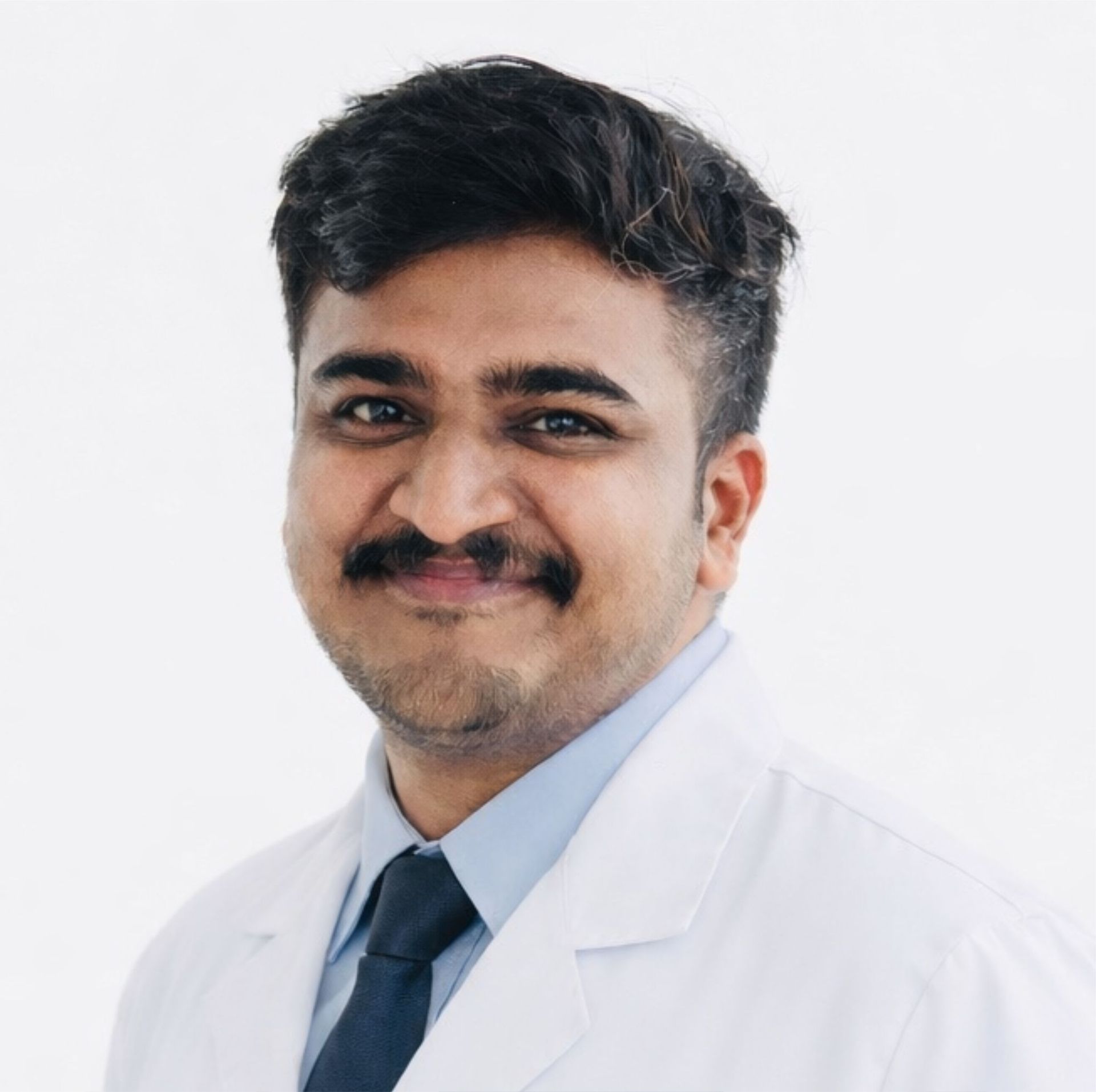
Dr. U L Sandeep Varma
MBBS, M.S. (General Surgery), M.Ch (Neurosurgery), Post Doctoral Fellowship in Minimal Invasive and Advanced Spine Surgery
Experience : 10+ years
Consultant Brain and Spine Surgeon
Neurological Diseases and Disorders Explained
Get a free second opinion before starting neurological disorders treatment.
At PACE Hospitals, we are committed to providing our patients with the best possible care, and that includes offering second medical opinions with super specialists for treatment or surgery. We recommend everyone to get an expert advance medical second opinion, before taking decision for your treatment or surgery.
Frequently Asked Questions (FAQs) on Neurology Treatments
Can neurological diseases be cured?
The possibility of curing a neurological disease depends on the specific condition and its underlying cause. Some neurological conditions, such as infections of the nervous system or certain nerve injuries, can be treated effectively and may fully recover with proper medical care. However, many neurological disorders, such as Alzheimer’s disease, Parkinson’s disease, and multiple sclerosis, are chronic conditions that currently have no complete cure.
What treatment options are available for neurological diseases?
Treatment for neurological diseases depends on the type and severity of the condition. Common approaches may include medications to control symptoms, physical and rehabilitation therapies, and in some cases, surgical procedures. Doctors may also recommend some lifestyle changes, dietary adjustments, and supportive care to improve overall neurological function.
What medications are commonly used in neurological treatment?
Several types of medications are used to treat neurological disorders, depending on the condition. These may include:
- Antiepileptic drugs to control seizure episodes
- Dopaminergic medications for parkinson’s disease
- Pain relievers and nerve pain medications for neuropathy
- Anti-inflammatory or immunosuppressive drugs for autoimmune neurological conditions.
- In some cases, medications may also be prescribed to manage symptoms such as muscle stiffness, headaches, anxiety, or sleep disturbances.
What is rehabilitation therapy in neurology?
Rehabilitation therapy in neurology focuses on helping patients regain lost abilities and improve their functional independence after a neurological illness or injury. It generally includes physical therapy, occupational therapy, and speech therapy. These therapies help patients improve movement, coordination, communication, and daily living skills, especially after conditions such as stroke, spinal cord injury, or traumatic brain injury.
Are neurological treatments long-term?
Many neurological treatments are long-term, especially for chronic or progressive conditions like Parkinson’s disease, multiple sclerosis, or epilepsy. These treatments generally aims to control symptoms, prevent complications, and maintain quality of life over time. Patients also require regular follow-up with a neurologist, medication adjustments, and ongoing rehabilitation therapies to manage their condition effectively.
Is physical therapy really effective for managing neurological conditions?
Yes, physical therapy is highly effective in managing many neurological conditions. It aids to improve strength, balance, coordination, mobility, and overall functional independence. Physical therapy is frequently advised for people recuperating from strokes, Parkinson's disease, and multiple sclerosis. Regular physiotherapy can also help reduce muscle stiffness, improve walking capacity, and improve overall quality of life.
Can lifestyle changes improve neurological health?
Yes, certain lifestyle changes can significantly support neurological health and may reduce the risk of some neurological disorders. Maintaining a healthy diet rich in nutrients, engaging in regular physical exercise, getting adequate sleep, and managing stress levels all contribute to better brain and nerve function. Avoiding harmful habits such as smoking and chronic alcohol consumption, and controlling medical conditions can also help protect the nervous system and lower the risk of neurological diseases.
When is surgery recommended for neurological disorders?
Surgery is usually recommended when neurological conditions are caused by structural problems in the brain or spine that cannot be effectively managed with medications or conservative therapies. It may be required in conditions such as brain tumors, spinal cord compression, severe herniated discs, aneurysms, or drug-resistant epilepsy. Surgical procedures are utilised to relieve pressure on nerves, remove abnormal tissue, repair damaged structures, or restore blood flow to the brain. The choice to undergo surgery is based on the severity of the symptoms, the course of the condition, and the patient's general health.
What treatments are available for neuropathic pain?
Neuropathic pain is treated using a combination of pharmacological and supportive therapies. Medications like anticonvulsants, antidepressants, and certain pain modulators help to regulate abnormal nerve signals that cause chronic pain. In addition, physical therapy, nerve stimulation techniques, and lifestyle modifications may help improve nerve function and reduce discomfort.
Why choose PACE Hospitals for neurology treatment in Hyderabad?
PACE Hospitals offers comprehensive care for a wide range of neurological diseases and disorders with a multidisciplinary approach. The hospital is equipped with modern diagnostic technologies such as MRI, CT scan, neurophysiology testing, and specialised neuroimaging that help in accurate and early diagnosis of neurological conditions.
The neurology department is supported by experienced neurologists, neurosurgeons, rehabilitation specialists, and critical care experts who work together to provide personalised treatment plans. PACE Hospitals also provides advanced treatment approaches that include pharmacological management, minimally invasive neurosurgical procedures, and neurological rehabilitation programs to improve recovery and long-term outcomes. With modern infrastructure, dedicated neuro-critical care support, and patient-centred care, PACE Hospitals is committed to delivering high-quality neurological treatment.
Which hospital is best for neurology treatment in Hyderabad?
PACE Hospitals is considered one of the leading hospitals for neurology treatment in Hyderabad due to its advanced facilities, experienced specialists, and complete approach to neurological care. The hospital provides diagnosis and treatment for many neurological conditions, including stroke, epilepsy, Parkinson’s disease, neuropathy, multiple sclerosis, and other brain and spine disorders.
With access to state-of-the-art diagnostic equipment, specialised neurology and neurosurgery teams, and integrated rehabilitation services, PACE Hospitals ensures accurate diagnosis and effective treatment. To provide the best possible outcomes for patients suffering from neurological diseases, the hospital prioritizes personalised care, advanced technology, and continuous monitoring.
Why choose PACE Hospitals?
- A Multi-Super Speciality Hospital.
- NABH, NABL, NBE & NABH - Nursing Excellence accreditation.
- State-of-the-art Liver and Kidney transplant centre.
- Empanelled with all TPAs for smooth cashless benefits.
- Centralized HIMS (Hospital Information System).
- Computerized health records available via website.
- Minimum waiting time for Inpatient and Outpatient.
- Round-the-clock guidance from highly qualified super specialist doctors, surgeons and physicians.
- Standardization of ethical medical care.
- 24X7 Outpatient & Inpatient Pharmacy Services.
- State-of-the-art operation theaters.
- Intensive Care Units (Surgical and Medical) with ISO-9001 accreditation.


