Traumatic Brain Injury (TBI) - Symptoms, Causes & Treatment
PACE Hospitals
Written by: Editorial Team
Medically reviewed by: Dr. U L Sandeep Varma - Consultant Brain (Neuro) and Spine Surgeon
Traumatic brain injury (TBI) definition
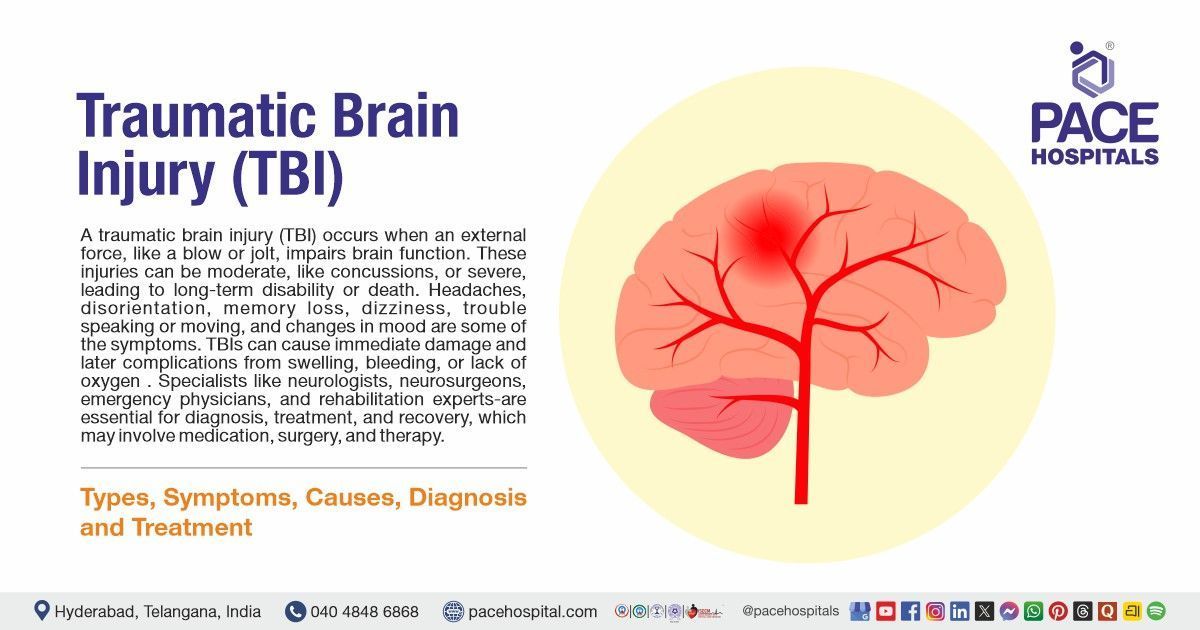
A traumatic brain injury (TBI), also known as an intracranial injury or acquired brain injury, is a brain injury caused by an external force, such as a blow, bump, or jolt to the head, or a penetrating injury, that disrupts normal brain function. It can range from mild cases, such as a concussion, to severe injuries that may lead to long-term disability or death. TBI is one of the main causes of disability in the world and can affect people of all ages.
The effects of TBI vary depending on the severity and location of the injury. Common symptoms include headaches, confusion, memory loss, dizziness, difficulty concentrating, speech problems, movement difficulties, and changes in mood or behavior.
In severe cases, a person may experience loss of consciousness, coma, or permanent cognitive and physical impairment. TBIs can involve primary injury, which occurs at the time of impact, and secondary injury, which develops later due to swelling, bleeding, or lack of oxygen to the brain.
Diagnosis and treatment require specialized medical care. Neurologists, neurosurgeons, emergency physicians, and rehabilitation specialists, play an important role in managing TBI.
Treatment may include medication, surgery, and rehabilitation therapies such as physical, occupational, and speech therapy. Early diagnosis and proper treatment significantly improve recovery and long-term outcomes.
TBI meaning
TBI's full form in medical is Traumatic Brain Injury
- The word “traumatic” originated from the Greek trauma, meaning “wound,” and originally referred to physical injuries before later describing emotional shock.
- The word “Brain” is derived from Old English brægen, from Proto-Germanic roots, meaning the organ inside the skull responsible for thought and consciousness.
- The word “Injury” derives from Latin iniuria, meaning "harm" or "wrong," combining in- (“not”) and ius (“law”), originally implying unlawful damage.
Traumatic Brain Injury Epidemiology
Traumatic brain injury epidemiology worldwide
Traumatic brain injury (TBI) is a major global cause of death and disability, affecting lakhs of people each year. According to the Global Burden of Disease (GBD) 2021 study, there were approximately 208 lakh incident TBI cases worldwide in 2021, with an age-standardized incidence rate of 259 cases per 100,000 population. TBI contributes substantially to disability-adjusted life years (DALYs) and remains one of the leading causes of long-term neurological disability worldwide.
The highest burden is seen in young adults (15–44 years), primarily due to road traffic accidents and interpersonal violence. Older adults (>65 years) are more commonly affected due to falls. In most regions, males are affected 2–3 times more commonly than females. Severe traumatic brain injury carries a high mortality rate ranging from 20% to 40%, particularly in low- and middle-income countries due to limited access to timely trauma and neurosurgical care.
Leading causes globally include:
- Road traffic injuries
- Falls (especially in older people and children)
- Assault and interpersonal violence
- Sports and occupational injuries
Traumatic brain injury epidemiology in India
Traumatic brain injury is a fast-growing public health issue in India, owing primarily to road traffic accidents and urbanisation. The annual incidence of TBI is estimated to be between 150 and 500 per 100,000 population, annually, with India bearing ~15–20% of the global TBI burden per GBD 2021.
TBI accounts for 30-60% of all trauma-related hospital admissions in India, and it is a leading cause of trauma-related deaths and disabilities. Mortality rates among hospitalised patients range from 10% to 30%, depending on the severity of the injury and access to specialised trauma care.
The most affected population group is young adult males, reflecting increased exposure to high-speed travel and occupational risks. Road traffic accidents contribute to nearly 60–90% of TBIs in India, followed by falls and assaults.
Types of Traumatic Brain Injury (TBI)
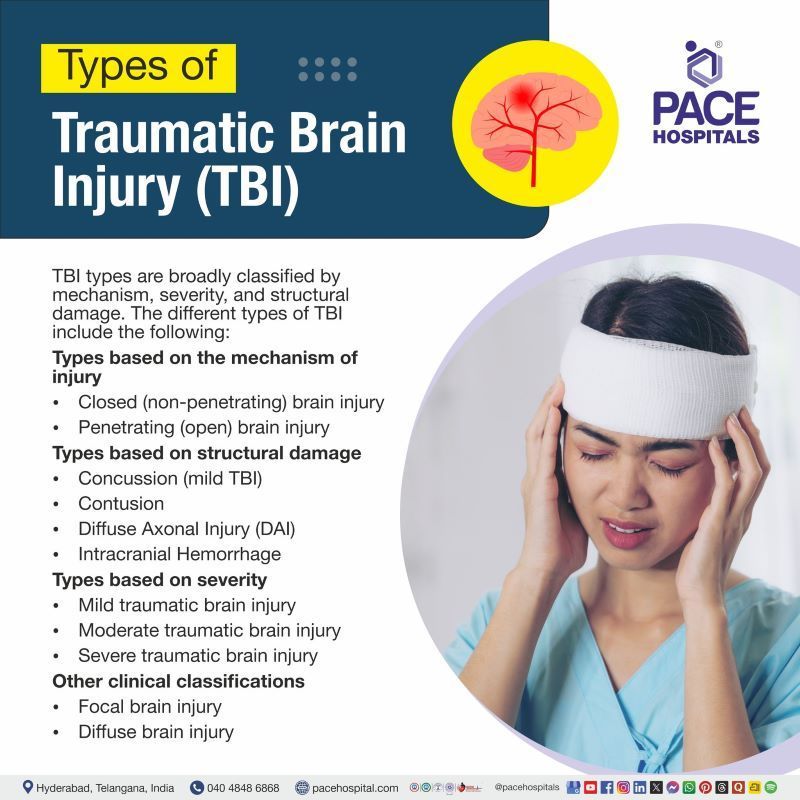
TBI types are broadly classified by mechanism, severity, and structural damage. The different types of TBI include the following:
Types based on the mechanism of injury
- Closed (non-penetrating) brain injury
- Penetrating (open) brain injury
Types based on structural damage
- Concussion (mild TBI)
- Contusion
- Diffuse Axonal Injury (DAI)
- Intracranial Hemorrhage
- Epidural hematoma
- Subdural hematoma
- Subarachnoid hemorrhage
- Intracerebral hemorrhage
Types based on severity
- Mild traumatic brain injury
- Moderate traumatic brain injury
- Severe traumatic brain injury
Other clinical classifications
- Focal brain injury
- Diffuse brain injury
Types based on the mechanism of injury
Closed (non-penetrating) brain injury: It is a type of traumatic brain injury in which the skull remains intact, but the brain is damaged due to a blow or sudden movement of the head. The brain moves inside the skull, causing bruising, bleeding, or swelling that disrupts normal brain function.
Penetrating (open) brain injury: It is a TBI that occurs when an object breaks through the skull and enters the brain tissue. This causes direct damage to the brain, along with bleeding and swelling, leading to serious impairment of brain function.
Types based on structural damage
Concussion (Mild TBI): A concussion is a temporary disturbance of brain function caused by a blow or jolt to the head. It may cause headache, dizziness, confusion, or brief loss of consciousness, but usually does not cause structural damage visible on scans.
Contusion: A contusion is a bruise of the brain tissue caused by direct impact. It can lead to localized bleeding, swelling, and tissue damage.
Diffuse Axonal Injury (DAI): This type occurs due to strong rotational or shearing forces that tear nerve fibres (axons) throughout the brain. It often results in loss of consciousness and can cause severe, long-term neurological impairment.
Intracranial Hemorrhage (Brain Bleeds): These involve bleeding within or around the brain and are classified into:
- Epidural hematoma (bleeding between the skull and the dura mater)
- Subdural hematoma (bleeding between the dura and the brain surface)
- Subarachnoid hemorrhage
- Intracerebral hemorrhage
Types Based on Severity
Mild traumatic brain injury (Glasgow Coma Scale 13–15): It is classified as mild because the individual experiences only a brief loss of consciousness (or none at all) with mild confusion, headache, or dizziness. Most concussions fall under this category and generally recover with proper rest and care.
Moderate traumatic brain injury (Glasgow Coma Scale 9–12): It is considered moderate due to a longer period of unconsciousness and more noticeable neurological symptoms such as confusion, memory loss, or difficulty responding. Medical evaluation and close monitoring are necessary.
Severe traumatic brain injury (Glasgow Coma Scale 3–8): It is termed severe because it involves prolonged unconsciousness or coma, indicating significant brain damage and a high risk of life-threatening complications, requiring intensive medical management.
Other clinical classifications
- Focal brain injury: This type of injury happens in a specific, localized area of the brain. It typically involves conditions, including contusions or hematomas that cause damage to a localised area.
- Diffuse brain injury: This type of injury causes widespread damage to several parts of the brain. It frequently involves disorders such as diffuse axonal damage or extensive brain edema, which impair overall brain function.
TBI Symptoms
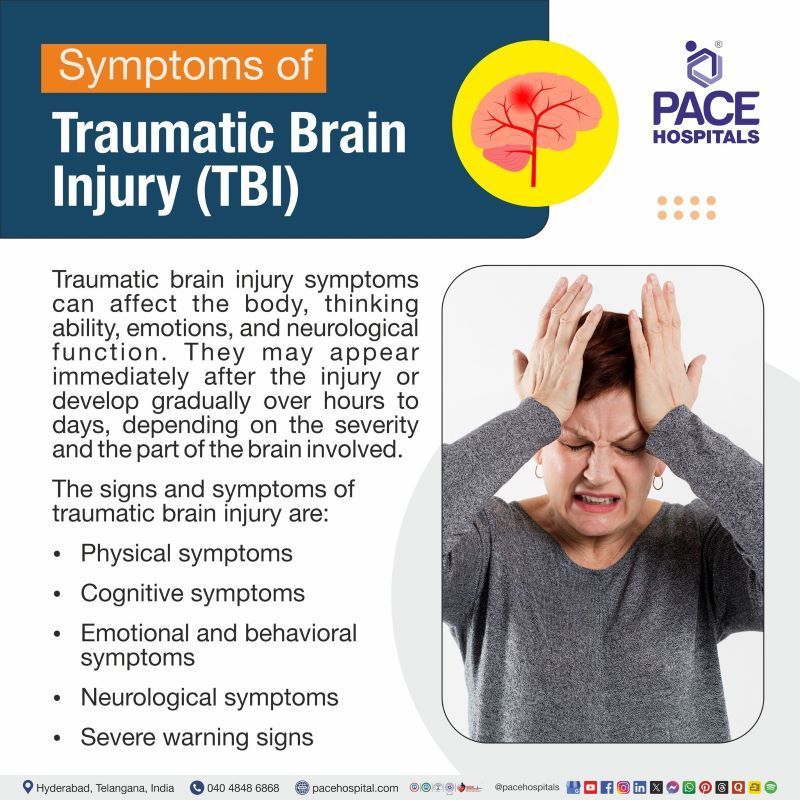
Traumatic brain injury symptoms can affect the body, thinking ability, emotions, and neurological function. They may appear immediately after the injury or develop gradually over hours to days, depending on the severity and the part of the brain involved.
The signs and symptoms of traumatic brain injury are:
- Physical symptoms: These symptoms are typically caused by a direct impact on the brain or increased pressure within the skull. They can range from mild concussions to serious, life-threatening injuries.
- Headache (continuous or worsening)
- Loss of consciousness (brief or prolonged)
- Blurred or double vision
- Nausea and vomiting
- Fatigue or drowsiness
- Sensitivity to light or sound
- Dizziness or loss of balance
- Cognitive (thinking and memory) symptoms: These symptoms often include problems with memory, attention, and thinking capability, which can affect daily life and decision-making.
- Confusion or disorientation
- Memory loss particularly for recent occurrences
- Poor judgment or decision-making
- Difficulty concentrating
- Slowed thinking
- Emotional and behavioral symptoms: These happen when an injury affects the brain regions responsible for mood and behavior control, causing significant personality and emotional changes.
- Irritability or mood swings
- Anxiety or depression
- Agitation or restlessness
- Personality changes
- Sleep disturbances (sleeping too much or too little)
- Neurological symptoms (more common in moderate–severe TBI): These symptoms may indicate damage to specific brain areas controlling movement, speech, or sensation and usually suggest a more serious injury.
- Weakness or numbness in arms or legs
- Slurred speech or difficulty speaking
- Difficulty understanding speech
- Loss of coordination
- Unequal pupil size
- Seizures
- Clear fluid leaking from nose or ears
- Severe warning signs (medical emergency): These are serious red flags that suggest brain swelling or bleeding and require immediate emergency medical care.
- Repeated vomiting
- Severe or worsening headache
- Inability to wake up or stay awake
- Persistent confusion or agitation
- Seizures
- Prolonged loss of consciousness
- Reduced or altered level of consciousness
Physical symptoms
Headache (persistent or worsening): It is one of the most frequent symptoms of traumatic brain injury and results from irritation of brain tissues or increased pressure within the skull after trauma. A headache that continues or becomes more severe may suggest brain swelling or internal bleeding and requires medical evaluation.
Loss of consciousness (short or prolonged): It occurs when the brain’s alertness and awareness centers are temporarily or severely affected by the injury. The length of unconsciousness is an important indicator of the severity of TBI and risk of complications.
Blurred or double vision: These arise from damage to the visual pathways, optic nerves, or eye-movement control centres in the brain. This may cause difficulty focusing, visibility, or coordinating eye movements, especially in moderate to severe injuries.
Nausea and vomiting: These symptoms may occur after head trauma due to increased intracranial pressure or irritation of the brainstem. Persistent or repeated vomiting is considered a warning sign of a potentially serious brain injury and requires urgent medical evaluation.
Fatigue or drowsiness: Following a brain injury, reduced brain energy levels and slower neural activity can lead to excessive tiredness or sleepiness. Patients may feel unusually fatigued even after a mild injury.
Sensitivity to light or sound: This occurs when sensory processing areas of the brain become hypersensitive after injury. It is a common feature of concussion and may continue for some time during recovery.
Dizziness or loss of balance: Dizziness results from disturbance of the brain’s balance (vestibular) system. Patients may feel unsteady, experience difficulty walking, or have a spinning sensation.
Cognitive (thinking and memory) symptoms
Confusion or disorientation: It develops when the brain’s orientation and awareness systems are affected by injury. Patients may feel lost, unable to recognize familiar places or people, or become unsure about time and situation.
Memory loss, especially for recent occurrences: Traumatic brain injury can impair the areas of the brain responsible for memory, resulting in difficulty storing and recalling recent information. Individuals may experience partial or complete loss of memory for events that occurred immediately before or after the injury.
Poor judgment or decision-making: Injury to the brain’s executive control centers, particularly the frontal lobe, can disrupt reasoning, judgment and planning. As a result, the individual may exhibit impulsive behaviour and have difficulty making safe or socially appropriate decisions.
Difficulty concentrating: Damage to attention-regulating circuits impairs the brain's ability to concentrate and sustain mental clarity. Patients may struggle to finish tasks, follow discussions, or remain alert.
Slow thinking: Following a brain injury, neuronal processing slows due to broken connections, resulting in delayed comprehension and reaction to information.
Emotional and behavioral symptoms
Irritability or mood swings: Because of decreased emotional regulation, a person who has had brain damage may become quickly irritated or emotionally unstable. Sudden changes between anger, grief, or irritation can occur without explanation.
Anxiety or depression: Traumatic brain damage can alter brain chemistry and emotional equilibrium, causing ongoing emotions of anxiety, dread, or melancholy (deep sadness). These emotional changes may occur shortly after the injury or over the rehabilitation period.
Agitation or restlessness: Damage to behaviour-regulating circuits may result in feelings of inner restlessness or an inability to remain calm. Patients may appear unsettled, fidgety, or unable to sit quietly for long durations.
Personality changes: Injury to the frontal regions of the brain can result in changes in behavior, social conduct, and personality traits. The individual may act differently than before, showing reduced self-control or altered social responses.
Sleep disturbances (sleeping too much or too little): Sleep disturbances after TBI happen because the injury affects brain areas that regulate the sleep-wake cycle, such as the hypothalamus and brainstem. This can lead to insomnia, excessive sleepiness, or altered sleep patterns.
Neurological symptoms (more common in moderate–severe TBI)
Weakness or numbness in arms or legs: This occurs when the injury affects the motor or sensory pathways of the brain, especially the cortex or internal capsule. Patients may develop reduced strength or loss of sensation on one side of the body, indicating focal brain damage.
Slurred speech or difficulty speaking: Speech problems arise due to injury to speech-producing areas (such as Broca’s area) or motor control of speech muscles. Patients may have unclear speech, difficulty forming words, or reduced verbal output.
Difficulty understanding speech: This occurs when the language comprehension centers (such as Wernicke’s area) are affected. Patients may hear speech but cannot correctly interpret or understand what is being said.
Loss of coordination: Damage to the cerebellum or motor coordination pathways affects balance and smooth movement. Patients may have difficulty walking, maintaining posture, or performing coordinated actions.
Anisocoria (unequal pupil size): It may indicate increased intracranial pressure or compression of cranial nerves, particularly the third cranial nerve. This is an important emergency sign suggesting possible brain swelling or bleeding.
Seizures: These happen due to abnormal electrical activity in injured brain tissue. They are more common in moderate to severe TBI and may appear immediately or later during recovery.
Clear fluid leaking from nose or ears: Leakage of clear fluid is usually cerebrospinal fluid (CSF) and indicates a skull fracture with tear in protective brain membranes. This condition increases the risk of infection and requires urgent medical care.
Severe warning signs (medical emergency)
Repeated vomiting: Repeated episodes of vomiting occur due to increased intracranial pressure or brainstem irritation after trauma. Persistent vomiting is a strong indicator of worsening brain injury or intracranial bleeding and needs urgent evaluation.
Severe or worsening headache: A progressively worsening headache may indicate brain swelling, hematoma formation, or raised intracranial pressure. This is an important warning sign of potential life-threatening intracranial complications.
Inability to wake up or stay awake: Difficulty in arousal reflects reduced brain consciousness levels due to injury to the reticular activating system or increased intracranial pressure. This is a medical emergency requiring immediate neurological assessment.
Persistent confusion or agitation: This occurs in TBI because brain injury affects normal cognitive and emotional functions, especially in the frontal and temporal lobes, leading to difficulty thinking clearly, remembering, and controlling emotions.
Seizures: Seizures occur due to abnormal electrical activity in injured brain tissue. Their presence after trauma is a sign of significant brain injury and increases the risk of further neurological damage.
Prolonged loss of consciousness: Loss of consciousness lasting more than a few minutes indicates severe traumatic brain injury with possible structural brain damage. It is associated with a higher risk of long-term disability and mortality.
Reduced or altered level of consciousness: Any decline in alertness, responsiveness, or awareness indicates worsening brain function, often due to increasing intracranial pressure or bleeding. This requires immediate emergency intervention.
Traumatic Brain Injury Causes
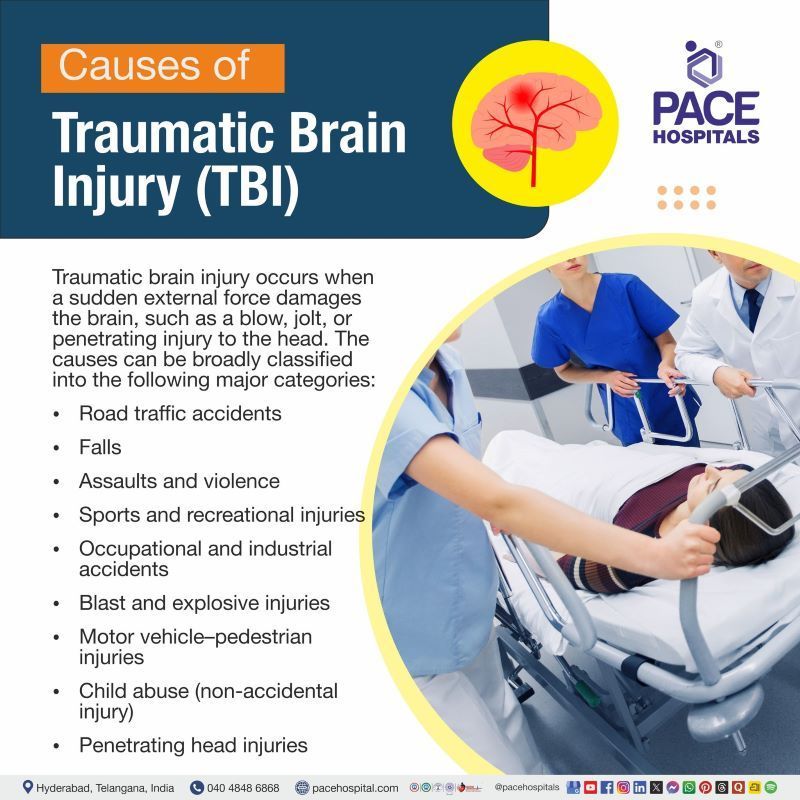
Traumatic brain injury occurs when a sudden external force damages the brain, such as a blow, jolt, or penetrating injury to the head. The causes can be broadly classified into the following major categories:
- Road traffic accidents
- Falls
- Assaults and violence
- Sports and recreational injuries
- Occupational and industrial accidents
- Blast and explosive injuries
- Motor vehicle–pedestrian injuries
- Child abuse (non-accidental injury)
- Penetrating head injuries
Road Traffic Accidents: Road traffic injuries are the leading cause of TBI worldwide, especially in young adults. High-speed collisions, motorcycle accidents, and lack of helmet or seatbelt use result in direct head impact and rapid acceleration–deceleration forces, causing brain injury.
Falls: Falls are a major cause of TBI in children and the elderly. Slipping, falling from heights, or falling at home can cause the brain to strike the skull, leading to contusions, concussions, or intracranial bleeding.
Assaults and Violence: Physical assault, domestic violence, and gunshot or sharp-object injuries can lead to blunt or penetrating head trauma. These injuries may cause focal brain damage, hemorrhage, or skull fractures.
Sports and Recreational Injuries: Contact sports such as football, boxing, and cricket, as well as activities like cycling or skating, can lead to repeated head impacts or concussions. Lack of protective gear increases the risk of sports-related TBI.
Occupational and Industrial Accidents: Workers in industries like construction, mining, or manufacturing are at risk of falls from heights, being struck by heavy machinery, or having objects fall on their heads. Such incidents can cause direct blows to the skull, leading to brain contusions or hematomas.
Blast and Explosive Injuries: Explosions, whether in a military or industrial environment, cause high-pressure shock waves that can harm the brain. The blast can compress and deflate the skull, causing brain tissue damage.
Motor Vehicle–Pedestrian Injuries: Pedestrians struck by vehicles experience rapid, high-force impacts. The head may collide with the vehicle, the ground, or nearby structures. Rapid acceleration and deceleration of the head can lead to diffuse axonal injury, while direct impact may cause skull fractures and underlying contusions or hematomas.
Child Abuse (Non-accidental Injury): In infants and young children, shaken baby syndrome or intentional trauma can cause severe brain injury due to violent shaking or impact, leading to bleeding and brain swelling.
Penetrating Head Injuries: These occur when an object such as a bullet, sharp object, or bone fragment penetrates the skull and directly damages brain tissue. These injuries are usually severe and life-threatening.
Traumatic Brain Injury Risk Factors
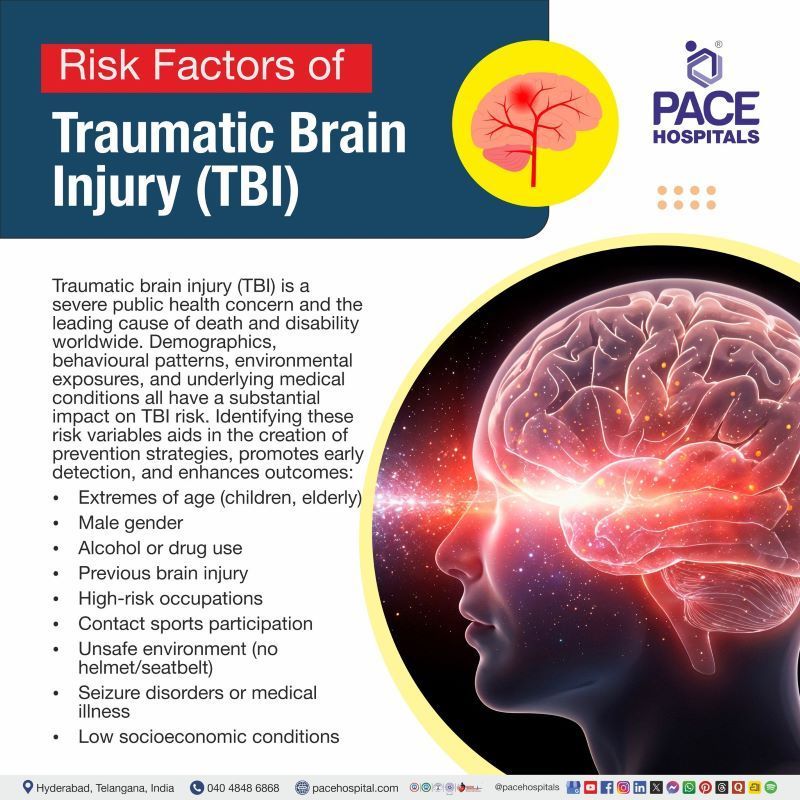
Traumatic brain injury (TBI) is a severe public health concern and the leading cause of death and disability worldwide. Demographics, behavioural patterns, environmental exposures, and underlying medical conditions all have a substantial impact on TBI risk. Identifying these risk variables aids in the creation of prevention strategies, promotes early detection, and enhances outcomes.
- Extremes of age (children, elderly)
- Male gender
- Alcohol or drug use
- Previous brain injury
- High-risk occupations
- Contact sports participation
- Unsafe environment (no helmet/seatbelt)
- Seizure disorders or medical illness
- Low socioeconomic conditions
Extremes of age (children, elderly): Young children have poor coordination and awareness of danger, making them prone to falls. Elderly people have reduced balance, weaker bones, and may have vision problems, increasing fall risk and severity of injury.
Male gender: Males are more likely to engage in high-risk behaviors such as reckless driving, physical fights, and contact sports. This increases their exposure to situations that can cause head injuries.
Alcohol or drug use: Alcohol and drugs impair judgment, coordination, and reaction time. This increases the likelihood of accidents such as falls, road traffic injuries, and violent incidents.
Previous brain injury: A person with a past TBI is more vulnerable to another injury due to residual weakness or impaired balance. Repeated injuries can also cause more severe brain damage.
High-risk occupations: Construction, mining, and factory jobs all require working at heights, with heavy machinery and in hazardous settings. These heighten the danger of brain injuries if safety precautions are not rigorously followed.
Contact sports participation: Sports such as football, boxing, and hockey involve frequent physical collisions. These impacts can lead to concussions or more serious brain injuries over time.
Unsafe environment (no helmet/seatbelt): The absence of protective equipment, such as helmets or seatbelts, increases the severity of injuries during accidents. Poor road safety and dangerous housing conditions increase the risk of head trauma.
Seizure disorders or medical illness: Conditions like epilepsy or disorders causing dizziness can lead to sudden falls. These unexpected falls increase the risk of hitting the head and sustaining a brain injury.
Low socioeconomic conditions: Limited access to safety equipment, poor living conditions, and a lack of awareness increase exposure to hazards. This raises the overall likelihood of accidents and injuries.
Complications of Traumatic Brain Injury
Many people may develop long-term consequences that impair physical, cognitive, emotional, and behavioral abilities. These consequences may result from initial brain injuries, secondary inflammation or bleeding, or prolonged interruption of normal brain activity, and they can have a major influence on a person's quality of life. Early detection and interdisciplinary care are critical to lowering long-term impairment and mortality.
The following are the TBI complications:
- Intracranial hemorrhage
- Cerebral edema
- Post-traumatic seizures and epilepsy
- Cognitive impairment
- Motor and sensory deficits
- Behavioral and emotional changes
- Chronic headache and pain syndromes
- Hydrocephalus
- Neuroendocrine (pituitary) dysfunction
- Increased risk of neurodegenerative diseases
- Infection and systemic complications
- Persistent vegetative state or disability
Intracranial Hemorrhage: TBI can cause bleeding within the skull, including epidural, subdural, subarachnoid, and intracerebral hemorrhages. The collection of blood raises intracranial pressure, which can compress nearby brain regions and cause considerable neurological disability. Prompt neurosurgical intervention is often necessary to prevent further damage and life-threatening complications.
Cerebral Edema: Damage to the brain can cause an inflammatory reaction, resulting in tissue swelling. As the edema worsens, intracranial pressure rises and cerebral perfusion may decrease, resulting in more neurological damage. Significant cerebral edema, if not treated promptly, can result in brain herniation and other potentially fatal complications.
Post-Traumatic Seizures and Epilepsy: TBI can interfere with the brain's normal electrical activity, resulting in early or late seizures. Repeated seizures, especially in moderate to severe traumas, might result in post-traumatic epilepsy. Long-term antiepileptic medication may be required in those cases.
Cognitive Impairment: Patients may experience difficulties with memory, attention, concentration, and executive functioning. These impairments can last for months or even become permanent in difficult situations. Cognitive rehabilitation is often required to aid with functional recovery.
Motor and Sensory Deficits: Damage to certain brain regions can cause weakness, paralysis, poor coordination, or loss of sensation. Patients may have trouble walking, keeping balance, or carrying out daily tasks. Physiotherapy and neurorehabilitation are important parts of the recovery process.
Behavioral and Emotional Changes: TBI can result in personality changes, anger, depression, anxiety, and impulsive behavior. These changes are caused by injuries to the frontal and limbic brain areas. Psychological counseling and psychiatric help are frequently needed.
Chronic Headache and Pain Syndromes: Persistent headaches are common after TBI and may resemble migraines or tension-type headaches. Chronic pain can significantly affect quality of life and daily functioning. Multimodal pain management strategies are often needed.
Hydrocephalus: In some cases, cerebrospinal fluid (CSF) flow is disturbed following TBI, resulting in hydrocephalus (fluid collection in the brain). This can include headaches, gait issues, and cognitive decline. Surgical intervention, such as shunt implantation, may be necessary.
Neuroendocrine (Pituitary) Dysfunction: TBI can disrupt the hypothalamic-pituitary axis, causing hormonal imbalances. Patients may have growth hormone deficiencies, thyroid problems, or adrenal insufficiency. These difficulties may arise months after the event, necessitating an endocrine study.
Increased Risk of Neurodegenerative Diseases: Moderate to severe or repeated TBIs have been linked to an increased risk of long-term neurodegenerative illnesses such as Alzheimer's, Parkinson's, and chronic traumatic encephalopathy (CTE). These changes might occur years after the initial damage.
Infection and Systemic Complications: Patients with severe TBI, particularly those who require intensive care units (ICU) care or surgery, are at risk for infections such as pneumonia, meningitis, or sepsis. Prolonged immobility may also result in consequences such as deep vein thrombosis (DVT) and pressure ulcers.
Persistent Vegetative State or Disability: In severe cases, TBI can lead to prolonged unconsciousness, vegetative state, or permanent disability. These outcomes significantly affect quality of life and require long-term supportive care and rehabilitation.
TBI Diagnosis
Diagnosis of traumatic brain injury starts with a detailed clinical history and examination. This is followed by a neurological assessment and necessary tests. It emphasises early recognition of brain injury, rapid imaging, and continuous monitoring to prevent secondary damage and improve patient outcomes.
The following are the steps involved in the traumatic brain injury diagnosis:
- Medical history
- Physical examination
- Neurological examination
- Laboratory investigations
- Complete blood count (CBC) – infection, anemia
- Serum electrolytes and glucose – metabolic causes of altered sensorium
- Coagulation profile (PT/INR) – especially in anticoagulant users
- Arterial blood gases (ABG) – oxygenation status in severe TBI
- Toxicology screening – alcohol or drug intoxication
These tests assist in overall patient stabilization and management, though they do not directly confirm TBI.
- Imaging studies
- Non-contrast CT scan of the brain (first-line)
- Magnetic resonance imaging (MRI brain)
- CT Angiography / MR Angiography (Selected cases)
- Cervical Spine Imaging
- Diagnostic procedures and monitoring
- Intracranial Pressure (ICP) Monitoring
- Neuropsychological Testing
- Continuous Neurological Monitoring
Traumatic Brain Injury Therapy
Traumatic brain injury treatment focuses on rapid stabilisation, prevention of secondary brain damage, and long-term neurological recovery. Early resuscitation, timely neuro-imaging, and structured ICU-based management significantly improve survival and functional outcomes. Treatment varies depending on the severity of injury (mild, moderate, or severe) and associated complications.
The following are the treatment options for TBI:
Emergency Stabilization
The initial goal of treating traumatic brain injury (TBI) is to save lives and prevent additional brain damage by employing the ABCDE method.
- Airway protection: If the Glasgow Coma Scale (GCS) is < 8, perform endotracheal intubation to protect the airway.
- Breathing support: Provide supplemental oxygen or initiate mechanical ventilation as needed.
- Circulation: Control external bleeding and maintain required blood pressure.
- Disability: Rapid neurological assessment (e.g., Glasgow Coma Scale (GCS), pupil response).
- Exposure and Environment: Fully expose the patient to identify injuries while preventing hypothermia.
Ensuring sufficient oxygen delivery and maintaining cerebral blood flow are essential to reduce the risk of secondary brain injury.
Early Assessment and Monitoring
- Glasgow Coma Scale (GCS) monitoring
- Pupillary size and reaction
- Vital signs and oxygen saturation
- Continuous neurological observation
- Non-contrast CT brain
- Intracranial pressure (ICP) monitoring in severe TBI
Medical (Non-Surgical) Management
- Control of Intracranial Pressure (ICP)
- Seizure Prevention and Management
- Pain and Sedation Management
- Blood Pressure and Oxygen Management
- Temperature and Metabolic Control
Surgical Management
- Craniotomy (evacuation of epidural/subdural hematoma)
- Decompressive Craniectomy
- Repair of depressed skull fractures
- Ventriculostomy
Intensive Care Unit (ICU) Management
- Continuous ICP monitoring
- Mechanical ventilation support
- Sedation and neuromuscular relaxation (if needed)
- Fluid and electrolyte management
- Prevention of complications such as infections, DVT, and pressure sores
Rehabilitation and Long-Term Care
- Physical Rehabilitation
- Occupational Therapy
- Speech and Cognitive Therapy
- Psychological Support
- Social and vocational reintegration
Management Based on Severity
- Mild TBI (Concussion): Observation, symptomatic treatment, discharge with warning signs if stable.
- Moderate TBI: Hospital admission, close neurological monitoring, repeat imaging if needed.
- Severe TBI: ICU admission, airway protection, ICP monitoring, aggressive medical and/or surgical management.
Medical Services at PACE Hospitals
Specialist Doctors Across Medical Disciplines
Diagnostic & Treatment Services
Clear Information on Care & Costs
24x7 Emergency & ICU Services
Traumatic Brain Injury Prevention
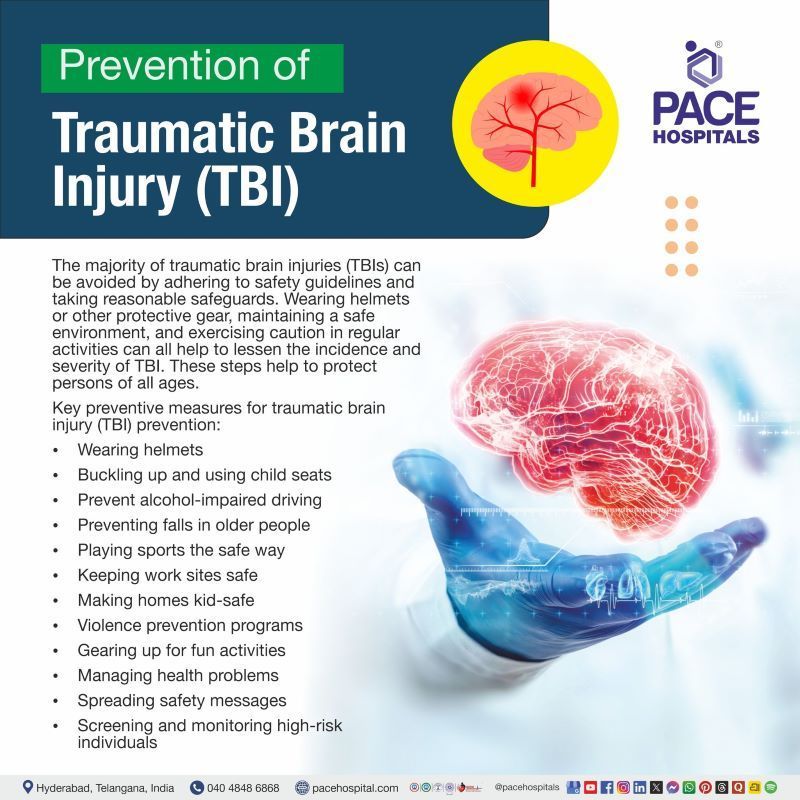
The majority of traumatic brain injuries (TBIs) can be avoided by adhering to safety guidelines and taking reasonable safeguards. Wearing helmets or other protective gear, maintaining a safe environment, and exercising caution in regular activities can all help to lessen the incidence and severity of TBI. These steps help to protect persons of all ages.
- Key preventive measures for traumatic brain injury (TBI) prevention:
- Wearing helmets
- Buckling up and using child seats
- Prevent alcohol-impaired driving
- Preventing falls in older people
- Playing sports the safe way
- Keeping work sites safe
- Making homes kid-safe
- Violence prevention programs
- Gearing up for fun activities
- Managing health problems
- Spreading safety messages
- Screening and monitoring high-risk individuals
Wearing helmets: Wearing helmets when riding bikes, motorcycles, or playing sports. Helmets help to absorb the hit, which keeps the skull and brain safe from severe damage.
Buckling up and using child seats: Wearing seatbelts, using the correct car seats for children, preventing people from being thrown in accidents, and reducing the impact on the head.
Prevent alcohol-impaired driving: Avoiding alcohol and drugs while driving improves reaction time, judgment, and coordination. Sobriety significantly lowers the risk of motor vehicle crashes and related TBIs.
Preventing falls in older people: Preventing falls in older adults is key to reducing traumatic brain injuries (TBI), as falls are the leading cause of head trauma in this age group. Simple measures like improving home safety, doing balance exercises, and using assistive devices can lower fall risk. By avoiding falls, the likelihood of TBI and related complications is greatly reduced.
Playing sports the safe way: Wearing complete protective gear, following the rules, receiving proper coaching, allowing time to recover after impacts, waiting for medical clearance before returning to play, and avoiding head injuries.
Keeping work sites safe: Maintaining workplace safety is essential in high-risk occupations such as construction and mining. Workers should wear protective helmets, follow safety regulations, use fall-protection systems when working at heights, and participate in regular safety training programs.
Making homes kid-safe: Making homes safe for children helps prevent head injuries. Installing stair gates, covering windows, closely supervising children, creating safe play areas, and preventing falls and injuries.
Violence prevention programs: Preventing violence and abuse, reducing access to firearms, organizing community programs, promoting safety education, and supporting law enforcement efforts.
Gearing up for fun activities: Using protective gear during recreational activities such as skating, skiing, or horseback riding reduces the risk of head injuries.
Managing health problems: Managing health problems such as epilepsy, balance disorders, vision impairment, and other neurological conditions can help reduce the risk of falls and head injuries.
Spreading safety messages: Spreading safety awareness through education and community programs encourages safe behaviors such as helmet use, road safety practices, and fall prevention.
Screening and monitoring high-risk individuals: This includes older adults, athletes, and individuals with previous head injuries, helps identify potential risks early. Early intervention and preventive measures can significantly reduce the likelihood of traumatic brain injury.
Difference between Traumatic Brain Injury and Concussion
Traumatic brain injury vs Concussion
Traumatic brain injury (TBI) and concussion are related conditions that result from an external force to the head, but they differ in severity and scope. Understanding the distinction between the two is important for accurate diagnosis, management, and prevention of complications. Below are the key differences between Traumatic brain injury (TBI) and Concussion:
| Feature | Traumatic Brain Injury (TBI) | Concussion |
|---|---|---|
| Definition | Any brain injury caused by an external force, ranging from mild to severe | A type of mild TBI caused by a blow, bump, or jolt to the head that temporarily affects brain function |
| Severity | Mild, moderate, or severe | Always mild |
| Severity | Can include loss of consciousness, memory loss, motor deficits, speech issues, seizures, and personality changes | Headache, dizziness, disorientation(confusion), temporary memory gaps, nausea, balance problems |
| Diagnosis | Often requires imaging (CT or MRI) to detect structural damage | Usually, clinical diagnosis is based on symptoms; imaging is often normal |
| Long-term Effects | Moderate-to-severe cases may cause permanent cognitive, physical, or emotional impairments | Typically resolves in days to weeks; repeated concussions may lead to long-term complications |
| Duration | Variable; severe cases may be permanent | Usually resolves in 7-30 days |
Frequently asked questions (FAQs) on Traumatic Brain Injury (TBI)
What is traumatic brain injury?
Traumatic brain injury (TBI) occurs when an external force, such as a blow, bump, jolt, fall, or object striking the head, causes damage to the brain. It disrupts normal brain function and can affect thinking, movement, emotions, or consciousness. TBI can be mild, moderate, or severe depending on the force and the injury’s effects on the brain.
What are the symptoms of traumatic brain injury (TBI)?
The symptoms of traumatic brain injury (TBI) differ depending on the severity and location of the brain damage. Mild TBI symptoms may include headaches, dizziness, nausea, sensitivity to light/noise, and transient confusion or difficulty concentrating.
Moderate to severe TBI can cause loss of consciousness, repeated vomiting, memory loss, difficulty speaking or walking, seizures, weakness, or abnormal behavior and mood changes.
Some symptoms appear immediately after the injury, while others may develop gradually over several hours or days, so ongoing observation is important.
What causes traumatic brain injury (TBI)?
Traumatic brain damage occurs when a sudden external force or impact to the head affects normal brain function. Leading causes include motor vehicle accidents, falls (especially in children and the elderly), physical attacks, sports-related injuries, and blast or explosion injuries.
A direct hit to the head, penetration of the skull, or sudden acceleration and deceleration forces that cause the brain to move inside the skull can all cause traumatic brain injury (TBI). These forces have the ability to damage nearby tissues, blood vessels, and brain cells.
Is traumatic brain injury permanent?
TBI is not always permanent. Many people, especially those with mild injuries, recover fully with rest and proper medical care. However, moderate‑to‑severe TBIs cause long-term or permanent alterations in thinking, behavior, movement, or feeling can result from traumatic brain injury. Some patients need constant help since their symptoms last for years.
Is a concussion a traumatic brain injury?
Yes, a concussion is classified as a minor kind of traumatic brain injury. It occurs when a strong blow or rapid movement of the head forces the brain to shift within the skull, leading to temporary impairment of brain function. Short-term symptoms of concussion are headaches, disorientation, lightheadedness, and memory problems, which usually resolve with adequate rest and attention. Although considered minor, recurrent or poorly managed concussions can have serious long-term neurological consequences, therefore adequate examination and monitoring are essential.
How long does a TBI take to recover?
The recovery time from a traumatic brain injury can change based on how severe it is. TBI cases, which are mild or concussions, usually get better in a few days to some weeks. In contrast, moderate to severe TBI can take months or even years to heal. Some individuals experience long-term effects that require ongoing therapy and support. Recovery is influenced by factors such as age, overall health, the type and location of the injury, and the speed of medical care.
Is it possible to recover from a severe brain injury?
Yes, recovery from a severe brain injury is possible, although it can be a long and challenging process. While some brain cells may be permanently damaged, the brain has the ability to reorganize and form new neural connections through a process known as neuroplasticity, which can help restore lost functions.
The most significant recovery typically occurs within the first six months after injury. However, gradual improvement may continue for months or even years with comprehensive rehabilitation, including physical therapy, occupational therapy, speech therapy, and psychological support.
What to avoid after traumatic brain injury?
After a traumatic brain injury, it is important to protect the brain and support recovery by avoiding things that could cause further damage or slow healing. This include:
- Risky activities: High-impact exercises, or situations where fall or hit on the head.
- Alcohol and drugs: Drinking alcohol, using recreational drugs, or taking medications without a doctor's approval can affect healing and worsen brain function.
- Unhealthy foods: Diets high in saturated fats or processed foods may slow recovery.
- Poor sleep or overexertion: Lack of rest or pushing the body too hard can delay brain recovery.
- Breathing practices that reduce blood flow: Activities like hyperventilation or breath-holding may lower oxygen delivery to the brain.
Do traumatic brain injuries get worse with age?
No. Traumatic brain injuries doesn't worsen with age, but their long-term effects may become more noticeable after some time. As the brain naturally changes with ageing, prior injury-related damage can contribute to memory difficulties, balance problems, or slower thinking. Individuals with a history of moderate or severe TBI may have an increased risk of developing conditions such as dementia or Parkinson's disease later in life. However, many people remain stable for years, especially with appropriate treatment, rehabilitation, and a healthy lifestyle.
What are the long-term symptoms of traumatic brain injury (TBI)?
Long-term symptoms can include cognitive problems (slower thinking, poor memory, attention and executive-function difficulty), personality or behaviour changes (irritability, reduced motivation, poor impulse control), and emotional symptoms such as depression and anxiety. Persistent physical issues like post-traumatic headache, dizziness, sleep disturbance, and fatigue are also reported in some patients, especially after repeated injuries or more severe TBI.
What happens years later after a traumatic brain injury?
Years after a TBI, some people remain stable. Still, research links moderate-to-severe TBI (and repeated head impacts) to a higher risk of later-life neurodegenerative conditions, including dementia and Parkinson's disease. These long-term effects are thought to result from chronic brain changes that persist after the initial injury.
How long can a person live with traumatic brain injury?
Many people, especially after mild TBI, can live for decades. But, several studies have shown that survivors of TBI overall have higher long-term mortality and reduced life expectancy compared to general population, with risk increasing as injury severity and disability increase. Long-term survival is affected by factors such as age, injury severity, functional limitations, and medical complications.
When to consult a doctor for traumatic brain injury?
Consult a doctor for traumatic brain injury (TBI) if any symptoms appear after a head injury or worsen over time. Signs that need attention include:
- Loss of consciousness, even briefly
- Persistent or worsening headache
- Repeated vomiting or nausea
- Dizziness, confusion, or memory problems
- Seizures or unusual behavior
- Weakness, numbness, or difficulty speaking
- Clear fluid or blood from the nose or ears
If these symptoms continue, it is important to consult a traumatic brain injury specialist who can evaluate the cause and recommend the appropriate traumatic brain injury treatment. Seek emergency medical attention if anyone experiences prolonged unconsciousness, severe confusion, or sudden neurological changes, as timely specialist care can prevent complications and support recovery.
Share on
Request an appointment
Fill in the appointment form or call us instantly to book a confirmed appointment with our super specialist at 04048486868
Appointment request - health articles
Recent Articles