Migraine Headache: Symptoms, Causes & Treatment
PACE Hospitals
Written by: Editorial Team
Medically reviewed by: Dr. S Pramod Kumar - Consultant Neurophysician & Neuromuscular Specialist
Overview | Prevalence | Types | Pathophysiology | Symptoms | Causes | Risk Factors | Complications | Diagnosis | Treatment | Prevention | Migraine vs Headache | Sinus vs Migraine | FAQs | When to consult a Doctor
Migraine Definition
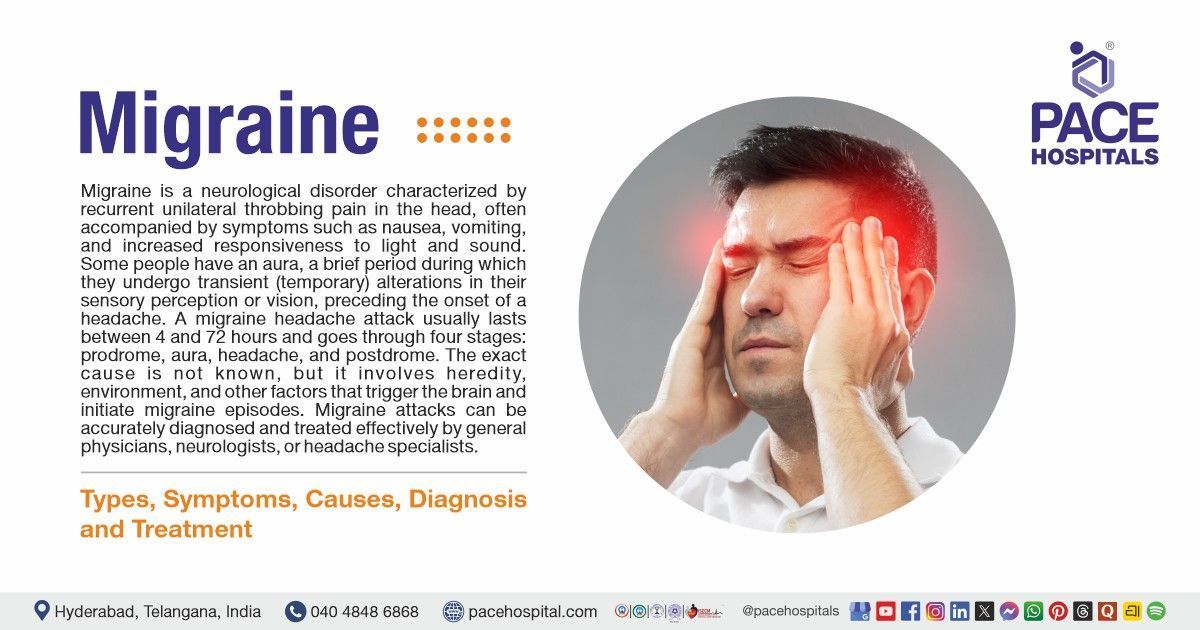
Migraine is a primary neurological condition characterized by recurrent attacks of moderate to severe pain, which is throbbing (pain repeatedly like a drumbeat) in nature, often on one side of the head, associated with symptoms such as nausea, vomiting, sensitivity to light and sound. Some individuals may experience aura symptoms (which are reversible), such as sensory, visual or other neurological disturbances. Migraine attacks usually last for 4-72 hours. Migraine basically occurs in four phases: prodrome (hours to days before, with mood changes, yawning, or food cravings), aura (if present, 5-60 minutes), headache (pain phase), and postdrome (exhaustion or "hangover").
The exact cause of migraine is not fully known, but a combination of genetic, environmental and specific triggers affects the brain nerve and blood vessel function, leading to migraine attacks. Complications of migraine are status migrainosus, migrainous infarction, migraine aura-triggered seizure and persistent aura without infarction.
Migraine attacks can be accurately diagnosed and treated effectively by general physicians, neurologists, or headache specialists.
Migraine meaning
Migraine originates from the Greek word Hemikrania (hemi-half, kranion-skull, reflecting head pain); later, it was translated into Latin as hemigranea, and in French, it is known as Migraine.
Migraine indicates pain in the head, typically in half of the region of the skull, reflecting as a one-sided headache (throbbing headache) associated with vomiting and nausea.
Migraine Prevalence
Prevalence of migraine in the world
According to reports from 2025 that looked at data from 2021 to 2023, about 116 to 120 crores people around the world have migraine. This makes migraine the second most common neurological disease. It is thought that about 14–15% of the world's population has this condition, with much higher rates in females, young adults, and adolescents.
Prevalence of migraine in India
A recent study from 2025 showed that approximately 25% of people in India have attacks of migraine, which is considerably greater than the worldwide average of 14.7%. Migraine is an important factor to disability-adjusted life-years (DALYs) in the whole country, especially among women, particularly those of reproductive age, and showing a higher prevalence in rural regions, according to certain studies.
Types of Migraine Headaches
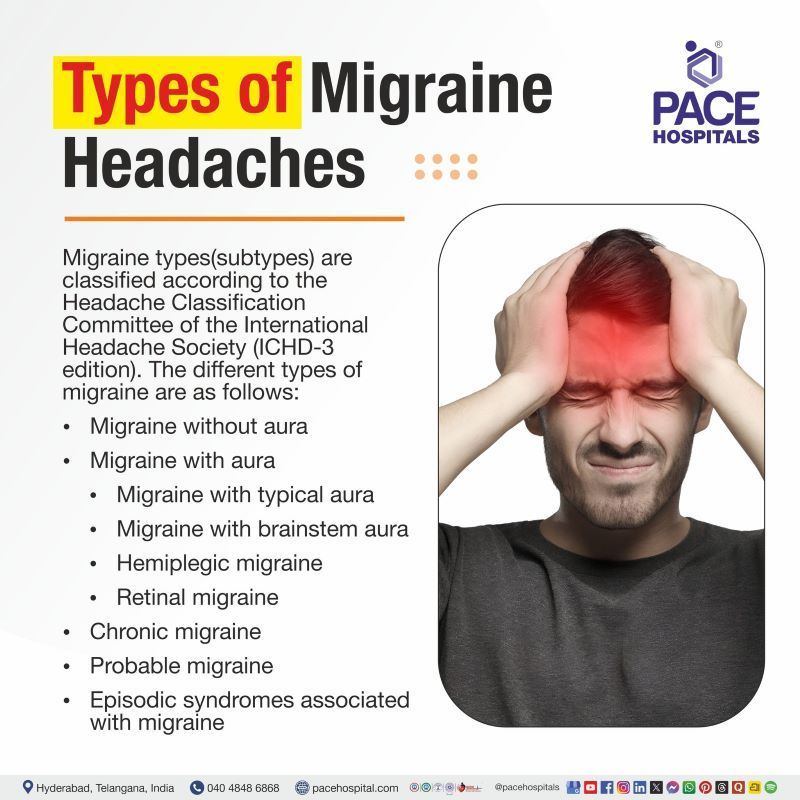
Migraine types (subtypes) are classified according to the Headache Classification Committee of the International Headache Society (ICHD-3 edition). The different types of migraine are as follows:
- Migraine without aura
- Migraine with aura
- Migraine with typical aura
- Migraine with brainstem aura
- Hemiplegic migraine
- Retinal migraine
- Chronic migraine
- Probable migraine
- Episodic syndromes associated with migraine
Migraine without aura
This type of migraine attack lasts for 4 to 72 hours, which is exacerbated by physical activity, with presentation of symptoms such as nausea, sensitivity to sound and light. The pain is rhythmic and throbbing, affecting only one side of the head, with varying intensity ranging from moderate to severe.
Migraine with aura
Migraine aura is a group of reversible neurological symptoms that can occur before or during a migraine headache. These symptoms usually include changes in vision, sensory changes, or speech difficulty. It happens when the activity of brain nerves and blood flow changes for a short time. It usually worsens over time and lasts 5 to 60 minutes.
It is basically divided into 4 subtypes:
- Migraine with typical aura: In this type of migraine attack, individuals usually experience symptoms such as vision changes, tingling sensations and difficulty in speaking. The symptoms usually disappear after migraine attack, indicating that the symptoms are reversible.
- Migraine with brainstem aura: During this attack, people experience any of these 2 symptoms: double vision, vertigo (dizziness), tremors (shaking of the body due to imbalance of muscle coordination), tinnitus (ringing in the ears), hearing loss, fainting, and slurred speech.
- Hemiplegic migraine: Hemiplegic migraine is a rare (uncommon) and severe form of migraine characterized by temporary paralysis or weakness on one side of the body, accompanied by various neurological symptoms before or during the headache. Familial hemiplegic migraine (FHM) is when the condition runs in families, and sporadic hemiplegic migraine (SHM) is when it happens to someone who doesn't have a family history of it. "
- Retinal migraine: Retinal migraine is a rare (uncommon) form of migraine marked by transient vision loss or disturbances in one eye, typically succeeded by a headache within approximately one hour. It is thought to be related to temporary changes in the blood flow or nerve activity in the retina, and the symptoms are usually reversible.
Chronic migraine
Headache on ≥15 days/month for >3 months, with migraine features on ≥8 days, is referred to as chronic migraine.
Probable migraine
A probable migraine is a headache attack that feels like a migraine but doesn't have all of the signs that make it a definite migraine. It also doesn't fit the criteria for any other headache disorder. It is diagnosed when attacks meet all but one of the standard criteria for migraine with or without aura. This means that they are very similar to migraine but not fully diagnostic.
Episodic syndromes associated with migraine
Episodic syndromes linked to migraine are a group of recurring, stereotyped disorders that are thought to be early signs of the migraine spectrum. They happen most often in children and can happen before or at the same time as migraine. Some of these are cyclic vomiting syndrome, abdominal migraine, benign paroxysmal vertigo and benign paroxysmal torticollis. They can happen in teens and adults as well.
Migraine Pathophysiology
The pathophysiology of migraine is a complicated combination of neuronal hyperexcitability, trigeminovascular activation, and neurogenic inflammation. The following are the steps in the pathophysiology of migraine headache, which include:
Genetic Predisposition: Inherited changes in brain excitability make the brain more susceptible to triggers. Genetic differences affecting chemical regulation and synapse changes, resulting in increased sensitivity to sensory stimuli and disrupted habituation.
Phase of Premonition: When the brainstem, hypothalamus, and thalamus, together known as subcortical aminergic systems, are dysregulated and do not function properly, they cannot modulate sensory input properly. Cortical spreading depression (CSD) can initiate in susceptible brains, resulting in the release of potassium and ATP.
Aura (If Present): CSD moves through the cortex at a speed of 2 to 3 mm/min, depolarising neurons and glial cells, causing temporary aura symptoms like visual and sensory symptoms.
Starting a headache: CSD or triggers turn on the trigeminovascular pathway. Meningeal afferents send signals through the trigeminal ganglion C-fibres. This releases Calcitonin Gene-Related Peptide (CGRP) and substance P, which makes blood vessels widen(vasodilation) and causes inflammation in the nervous system.
Cascade of Sensitization: Peripheral sensitization of trigeminal nociceptors transpires initially, followed by central sensitization in the trigeminal nucleus caudalis. Less descending inhibition from the periaqueductal grey makes pain worse.
Resolution Phase: The attack lessens as brainstem modulation returns to normal, but residual allodynia (pain triggered by non-painful factors such as light, touch and temperature) shows that the body has been sensitized for a long time.
Migraine Symptoms
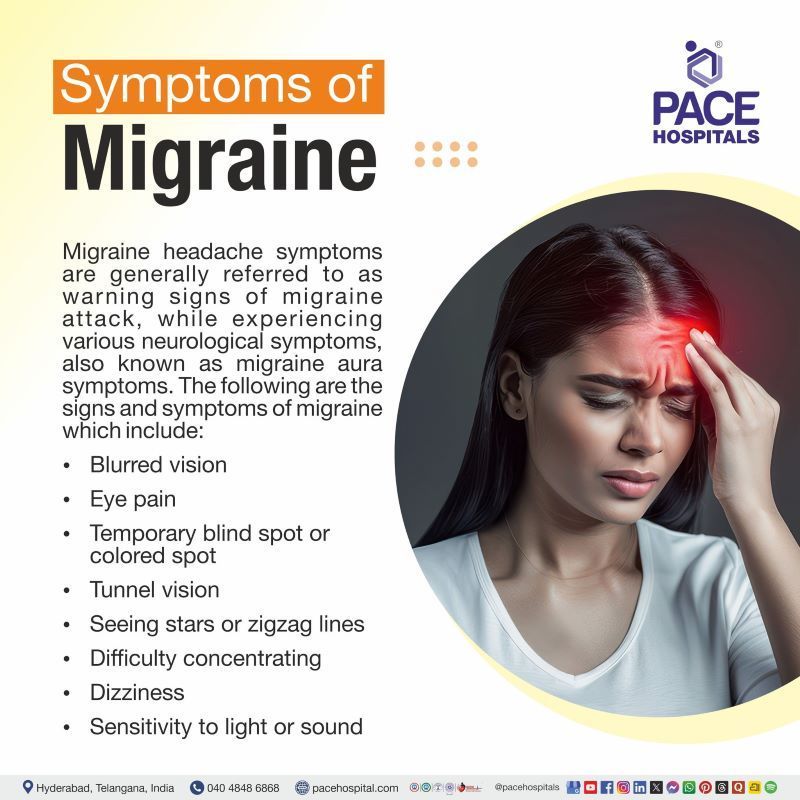
Migraine headache symptoms are generally referred to as warning signs of migraine attack, while experiencing various neurological symptoms, also known as aura symptoms. Most commonly, migraine affects the vision, but it can also cause any of the following migraine pain symptoms mentioned below:
- Blurred vision
- Eye pain
- Temporary blind spot or colored spot
- Tunnel vision
- Seeing stars or zigzag lines
- Difficulty concentrating
- Dizziness
- Sensitivity to light or sound
- Fatigue
- Nausea and vomiting
- Sleep issues
- Increased urination
Blurred vision: It is seen in people with aura phase, which temporarily reduces blood flow and disturbs electrical activity in the cortex (the region of the brain responsible for vision), resulting in blurred vision and the cortical spreading depression phenomenon (nerve activity slows down and spreads across the brain).
Eye pain: Eye pain in a migraine attack is due to activation of the trigeminal system, which usually sensitizes the eye or its surrounding area and sends signals to the brain. This is temporary and resolves with migraine attack suppression.
Temporary blind spot or colored spot: These are symptoms of the aura phase, which occur before or during a headache and include visual disturbances known as scotomas. It usually appears as temporary blind spots, with flashing lights and loss of monocular vision for 5-20 minutes.
Tunnel vision: It is a visual aura symptom in migraine in which a person temporarily loses side vision (peripheral vision), and central vision stays clearer, resulting in tunnel vision. It usually starts before the migraine starts, which is reversible and lasts for 5-30 minutes.
Seeing stars or zigzag lines: It is a common visual aura symptom that occurs due to a temporary process in the brain called cortical spreading depression (due to abnormal nerve activity in the visual cortex), resulting in the appearance of stars or zigzag lines, which are reversible and last for 20-60 minutes.
Difficulty concentrating: During migraine attacks, due to various neurological symptoms such as headache pain, fatigue and confusion, which usually affect cognitive function, such as thinking and learning abilities, resulting in difficulty concentrating.
Dizziness: Dizziness in migraines is due to the triggered migraine mechanism (abnormal brain activity), including vertigo or loss of balance symptoms along with headache, often referred to as vestibular migraine, which lasts for seconds to days.
Sensitivity to light or sound: Photophobia (sensitivity to light) and phonophobia (sensitivity to sound) are common during migraine attacks, due to disturbances in the processing of sensory stimuli in the brain, which can affect daily life activities.
Fatigue: Fatigue is a feeling of exhaustion or confusion that usually appears after a headache subsides (postdrome phase), often accompanied by dizziness or difficulty concentrating.
Nausea and vomiting: During migraine attacks, nausea and vomiting are common symptoms, which make the episode more severe than the headache itself, and it usually starts before the onset of headache and delays the oral therapy due to impairment of drug absorption.
Sleep issues: Sleep issues occur in migraine due to the brainstem dysfunction that affects sleep stage transitions, including difficulty in falling asleep and recurrent awakenings during nighttime, resulting in poor quality sleep.
Increased urination: A migraine usually dysregulates the activity of the hypothalamus (located at the base of the brain) by suppressing the release of antidiuretic hormone, which is responsible for fluid balance, resulting in diuresis (increased urination).
Migraine Aura Symptoms
Migraine with aura is a type of migraine that comes with temporary neurological symptoms, such as flashing lights, zigzag lines, or blind spots. Most of the time, these symptoms happen before or during a severe, throbbing headache. These reversible symptoms, which affect 25–30% of people with migraines, usually last 5-60 minutes and may include changes in sensation (numbness or tingling), difficulty speaking, or weakness.
Migraine Causes
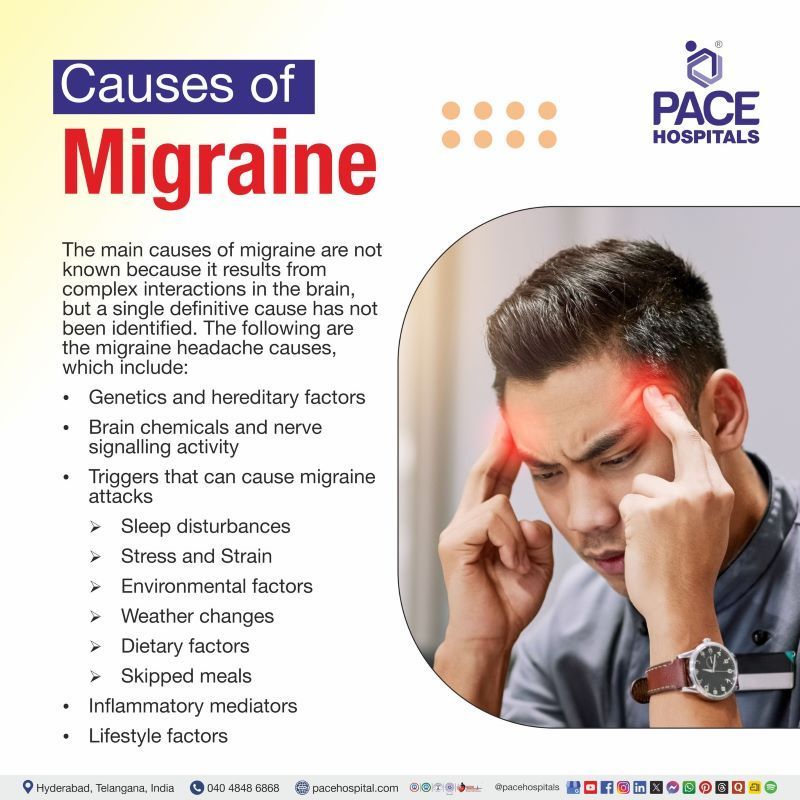
The main causes of migraine are not known because it results from complex interactions in the brain, but a single definitive cause has not been identified. The following are the migraine headache causes, which include:
- Genetics and hereditary factors
- Brain chemicals and nerve signalling activity
- Triggers that can cause migraine attacks
- Sleep disturbances
- Stress and Strain
- Environmental factors
- Weather changes
- Dietary factors
- Skipped meals
- Inflammatory mediators
- Lifestyle factors
Genetics and hereditary factors: Migraine attacks run in families, indicating that genetic components can be inherited if any person in the family has a migraine history, suggesting a greater probability of inheriting migraine attacks from the same person.
Brain chemicals and nerve signalling activity: During a migraine attack, abnormal nerve signalling and chemical imbalances occur in the brain and brainstem, which normally regulate pain and nerve function. So, these abnormal changes result in triggering migraine process.
Triggers that can cause migraine attacks: Triggers are not the root cause of migraines, but they are a factor that initiates migraine attacks. The following are several migraine triggers.
- Sleep disturbances: Sleep cycle imbalance, which means not having enough sleep because of a busy schedule or stress, and sleeping for longer durations, can also trigger migraine attacks.
- Stress and Strain: Mental, emotional stress and strain that does not trigger migraine directly, but for individuals already suffering from a neurological condition, it may trigger migraine attacks, and at the same time, anxiety issues also precipitate migraine attacks.
- Environmental factors: Individuals who are sensitive to environmental factors such as strong smells, bright or flashing lights, and extreme noise pollution can trigger migraine attacks.
- Weather changes: Individuals sensitive to changes in the weather or air pressure are prone to the precipitation of migraine episodes.
- Dietary factors: Certain foods, such as chocolate, aged cheese, and drinks like alcohol or even changes in the consumption of caffeine, can trigger migraine attacks in individuals who are sensitive to such types of foods and drinks. Withdrawal of caffeine consumption can also trigger migraine attacks.
- Skipped meals: In case of missing meals due to a hectic schedule and workload, this results in low blood sugar levels. So, missing meals may precipitate migraine episode onset.
Inflammatory mediators: The release of inflammatory mediators during migraine episodes can result in pain sensitization around nerves and blood vessels in the brain and brainstem, but the exact cause remains unknown.
Lifestyle factors: Intense physical exercise can rarely trigger migraine attacks because increased blood pressure and heart rate can affect the blood flow to the brain. Alcohol consumption, including wine and other types, can trigger migraine episodes because of partial dehydration, vasodilation of blood vessels around the brain and its chemical composition, whereas tobacco use can also initiate migraine onset due to its chemicals and nicotine constituent affecting blood vessels and nerve signalling that are involved in migraine attacks.
Migraine Risk Factors
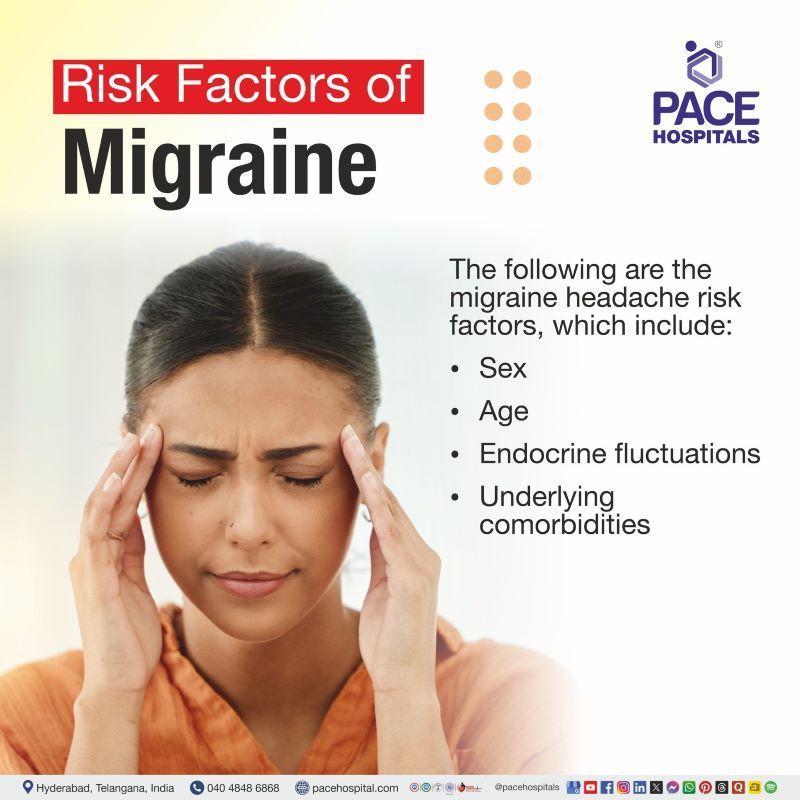
The following are the migraine headache risk factors, which include:
- Sex
- Age
- Endocrine fluctuations
- Underlying comorbidities
Sex: Females are more prone to developing migraine attacks than the male population because of endocrine fluctuations during their menstrual cycles, pregnancy and menopause (where menses are completely absent after a certain age period).
Age: It is also one of the risk factors for developing migraine attacks starting at puberty, indicating that it often can be experienced in the ages ranging between 35-45, most commonly; however, migraine can precipitate at any age of life.
Endocrine fluctuations: Migraine episodes can be triggered in women during the menstrual period, pregnancy and menopause because of changes in the endocrine levels in the body.
Underlying comorbidities: Certain neurological conditions increases the risk for onset of migraine episodes such as insomnia (sleep issues), irregular sleep pattern, anxiety, depression and some other conditions which co-occurs with migraine such as epilepsy increases migraine probability because of sharing same neuronal excitability, stroke and cerebrovascular disease specifically with migraine (aura type) increases the risk of stroke, Restless Legs Syndrome (urge to move the legs due to unpleasant sensation in the legs) and psychiatric disorders (schizophrenia, depression) co-occurring conditions can increases the risk of migraine because of sharing same neurological mechanism.
Migraine Complications
Migraine headaches occur due to the complex underlying neurological mechanisms that result in the stages of various complications due to abnormal nerve signalling patterns, and repeated attacks of mental stress and strain disturb the neural and vascular systems (blood vessels). The following are the main complications of migraine, which include:
- Status migrainosus
- Migrainous infarction
- Migraine aura-triggered seizure
- Persistent aura without infarction
- Headache due to medication overuse
- Disability and life impact
- Chronic migraine
Status migrainosus: This type of migraine can last for 3 days (72 hours) despite the treatment, and it requires hospitalization and supportive intervention (I.V fluids) because the pain and symptoms associated with migraine attacks do not resolve on their own.
Migrainous infarction: This is a type of stroke in which the symptoms like weakness of limbs and slurred speech indicating of brain ischemia on imaging test such as CT/MRI is visible together with migraine attack specifically with aura symptoms (such as blurred vision, Eye pain, temporary blind spot or colored spot, difficulty concentrating, dizziness, sensitivity to light or sound, fatigue, sleep issues, nausea and vomiting).
Migraine aura-triggered seizure: Some individuals, during migraine attacks, specifically with the aura phase, can trigger seizures directly, which are known and relatively rare neurological complications in people suffering from migraine.
Persistent aura without infarction: The symptoms of migraine aura, which persist for more than one week without any evidence of ischemia/infarction (usually occurs due to the depletion of blood supply to the brain, causing tissue death), whereas migraine aura persists for a longer duration, which is usually reversible, are considered a complication of migraine.
Headache due to medication overuse: Using pain relievers and triptans very frequently to treat acute headache pain can cause chronic headache symptoms, which can be difficult to treat, considering it is a complication of headache and is known as the most common secondary headache disorder.
Disability and life impact: Chronic migraine and recurrent migraine attacks are leading causes of disability globally, such as decreased performance at work or school, inability to work properly and decreased engagement in various social activities, thereby affecting the quality of life and considered as a long-term life impact.
Chronic migraine: Migraine recurrent attacks progress into a chronic headache over time, indicating that headaches occur more than or equal to 15 days per month for greater than 3 months, with the experience of migraine symptoms on more than or equal to 8 days per month even though it is a progression rather than complication leading to more disabled condition impacting quality of life with higher burden of migraine symptoms.
Migraine Diagnosis
To diagnose migraine, neurologists generally use clinical evaluation and imaging tests (only to rule out underlying neurological conditions) to fulfil the diagnostic criteria. The following are the steps commonly involved in migraine headache diagnosis:
- Collection of patient history and demographics
- Apply International Classification of Headache Disorders, 3rd Edition (ICHD-3) diagnostic criteria does it match?
- Migraine without aura
- Migraine with aura
- Typical aura
- Brainstem aura
- Hemiplegic migraine
- Retinal migraine
- Chronic migraine
- Physical and neurological examination
- To rule out the SNOOP acronym (for neuroimaging consideration)
- Decide on imaging/tests (consider neuroimaging if SNOOP positive)
Migraine Treatment
Migraine headache treatment has no cure, but it involves a multifactorial approach to relieve symptoms and recurrent attacks and improve quality of life, using acute treatment to relieve pain immediately, preventive strategies, and personalized lifestyle modification based on individual needs and triggers. The following are the treatment options for migraine:
Non-pharmacological
- Regular exercise
- Yoga
- Cognitive behavioural therapy (CBT)
- Biofeedback
- Relaxation training
- Reduction of triggers
- Neuromodulation device
Pharmacological
- Acute treatment (for immediate relief of pain)
- Over-the-counter drugs (OTC)- NSAIDs
- Migraine-specific prescription medications
- Triptans
- Antiemetics
- Ditans
- Preventive/prophylactic treatment (for reducing future attacks)
- Beta-blockers
- Antiepileptic drugs.
- Antidepressants
- Calcitonin gene-related peptide (CGRP) antagonists (Gepants)
Medical Services at PACE Hospitals
Specialist Doctors Across Medical Disciplines
Diagnostic & Treatment Services
Clear Information on Care & Costs
24x7 Emergency & ICU Services
Migraine Prevention
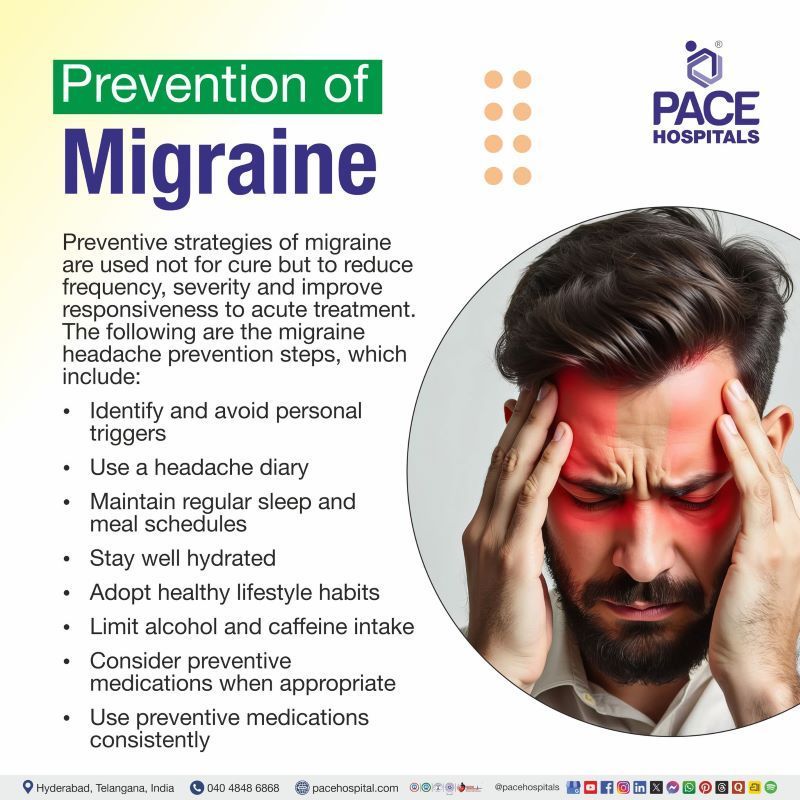
Preventive strategies of migraine are used not for cure but to reduce frequency, severity and improve responsiveness to acute treatment by improving quality of life with enhanced daily activities and reduced disability. The following are the migraine headache prevention steps, which include:
- Identify and avoid personal triggers
- Use a headache diary
- Maintain regular sleep and meal schedules
- Stay well hydrated
- Adopt healthy lifestyle habits
- Limit alcohol and caffeine intake
- Consider preventive medications when appropriate
- Use preventive medications consistently
Identify and avoid personal triggers: Individuals suffering from frequent migraine attacks should always understand the specific triggers that might be causing them, such as certain foods, stress, irregular sleep, environmental factors, weather changes and skipped meals, etc. Understanding individual triggering factors helps individuals to avoid them whenever possible.
Use a headache diary: It is recommended that individuals suffering from migraine attacks maintain a headache diary. It will clarify the frequency of migraine, severity, duration and specific triggers. It will also help to understand the patient's response to the treatment.
Maintain regular sleep and meal schedules: It is recommended to maintain an appropriate sleeping schedule, which means going to bed early and waking up at the same time, and avoiding skipping meals, which results in low levels of blood sugar. So, irregular sleep habits and fasting conditions are known triggers of migraine episodes for most individuals.
Stay well hydrated: Always staying hydrated and avoiding dehydration is the preventive measure of migraine attacks, and it is also considered that individuals sensitive to mild dehydration can also trigger the migraine onset/migraine episodes.
Adopt healthy lifestyle habits: Maintaining healthy lifestyle habits, such as eating a healthy, balanced diet and regularly engaging in exercise for at least 30-40 minutes, which support physical health and wellbeing, is essential for preventing migraine triggers, along with medical management of migraine. Practising stress management techniques like relaxation therapies helps manage migraine attacks.
Limit alcohol and caffeine intake: Consumption of alcohol, including wine and caffeine-containing food such as coffee, tea, chocolate and chocolate-based desserts, including cakes, brownies and ice cream, etc., is a known trigger of migraines in some individuals. So, limiting the use of alcohol and caffeine intake can reduce the frequency or intensity of migraine attacks.
Consider preventive medicines when appropriate: Preventive medicines are not painkillers, but they are taken to reduce the frequency and severity of migraine attacks over time. They are considered when attacks are frequent (weekly or multiple times in a month), even though avoidance of migraine triggers by the individuals has not helped, and it severely affects their quality of life. These are the preventive approaches for migraine episodes.
Use preventive medicines consistently: Using preventive medications consistently by individuals helps to take at least several weeks to show benefits. Usage of medications for certain conditions, such as hypertension (high blood pressure), seizures and antidepressants, is effective in preventing migraine attacks when taken as prescribed.
Difference between Headache and Migraine
Migraine vs Headache
Headaches are referred to as pain in the head that can occur on its own or from any other condition, and they have many types, whereas migraine is a chronic neurological condition and classified under primary headaches, with recurrent attacks with moderate to severe pain associated with aura symptoms, nausea and sensitivity to triggering factors of migraine. Below are the key differences between a headache and migraine.
| Characteristic | Headache | Migraine |
|---|---|---|
| Definition | It is a broad headache set with unusual pain or discomfort in the head. | It is a type of primary headache disorder with recurrent attacks and exerting neurological symptoms, with pain ranging from moderate to severe. |
| Cause | The cause can be primarily from stress, dehydration, muscle tension, sinus problems, or secondary to another underlying condition (brain trauma and infection). | The cause of migraine is an underlying neurological complex mechanism that involves abnormal nerve signalling in the brain, activation of the trigeminovascular network (which connects blood vessels around the brain's layers (meninges) and sends pain signals to the brain), and abnormal electrical activity (cortical spreading depression) that activates the trigeminovascular system. Often genetic or triggered by multiple factors (endocrine shift, sensory stimuli and stress). |
| Pain features | Pain can be on both sides of the head, ranging from mild to severe, often pressure-like or general pain. | In migraine, moderate to severe throbbing pain is seen on one side of the head, and sometimes, on both sides, in the later stages of migraine. |
| Symptoms | It is just a headache and may be characterized by mild sensitivity to light or noise. | Symptoms involve vomiting, nausea, sensitivity to light and sound and may have aura symptoms which include blurred vision, eye pain, temporary blind spot, etc. |
| Duration of pain | Pain varies from a tension-type headache lasting 30 minutes to 7 days, depending on the type and cause of the headache. | Pain usually remains for 4-72 hours during migraine attacks. |
| Disability | Pain does not interfere with daily activities, indicating it will not affect quality of life. | Pain usually interferes with daily life activities, affecting the quality of life. |
| Classification | It includes multiple types of primary headaches termed as umbrella, involving tension type headache, cluster headache and secondary headaches (trauma, infection, etc.) | Migraine is a subtype of primary headache which is classified under different types of headaches. |
Difference between Sinus and Migraine
Sinus vs Migraine
Migraine is a neurological condition that does not occur due to sinus pressure, and true sinus headache is less common when compared with migraine, having overlapping symptoms but differs in underlying cause, which often leads to misdiagnosis. The following are the key differences between sinus and migraine, which include:
| Characteristics | Sinus Headache | Migraine |
|---|---|---|
| Definition | Pain is due to pressure from infection/inflammation of the sinus passages (air-filled spaces inside the bones of the skull around the nose, cheeks, eyes, and forehead), which often occurs with a cold. | It is a neurological condition involving abnormal brain activity, and pain does not arise from sinus pressure. |
| Cause | Sinus headaches are caused by an infection (viral/bacterial) or inflammation of the sinus passages following a cold/allergy. | The cause of migraine is an underlying neurological complex mechanism that involves abnormal nerve signalling in the brain, activation of the trigeminovascular network (which connects blood vessels around the brain's layers (meninges) and sends pain signals to the brain), and abnormal electrical activity (cortical spreading depression) that activates the trigeminovascular system. Often genetic or triggered by multiple factors (endocrine shift, sensory stimuli and stress). |
| Pain location | Pain is mainly around the forehead, cheeks, and nose, where the sinuses are located. | In migraine, moderate to severe throbbing pain is seen, on one side of the head and can radiate to the neck and face. |
| Symptoms | Facial pain, thick nasal mucus, fever and reduced sensitivity to smell. | Symptoms involve vomiting, nausea, sensitivity to light and sound and may have aura symptoms which include blurred vision, eye pain, temporary blind spot, etc. |
| Duration of pain | Pain often lasts from several days to weeks, depending on the sinus condition. | Pain usually remains for 4-72 hours during migraine attacks. |
| Treatment | It can be treated with antibiotics if a bacterial infection is suspected, as well as decongestants and pain-relief medications. | Migraines are treated by acute treatments targeting neurological pathways, preventive medications (to reduce future attacks) and lifestyle modifications. |
Frequently Asked Questions (FAQs) on Migraine
What is a migraine?
Migraine is not just a headache; it is a complicated neurological disorder that causes recurrent episodes, usually on one side of the head (throbbing/pulsating quality), and is accompanied by symptoms like nausea, vomiting, sensitivity to light (photophobia) or sound (phonophobia), and sometimes aura symptoms. Migraine attacks last from 4 hours to 72 hours, affecting quality of life due to the severity of symptoms.
What are the symptoms of migraine?
Early warning symptoms that may occur before the headache starts, which include feeling extremely tired, mood changes, craving for certain foods, stiff neck and increased urination, whereas aura symptoms, which can be experienced by the individuals just before or at the starting of migraine such as vision problems, dizziness, numbness or tingling pain(like piercing pain) and difficulty speaking. These symptoms can vary among individuals, and not everyone experiences aura symptoms.
What triggers migraines?
Some of the following triggers of migraines are disturbed sleep patterns, hormonal fluctuations, certain foods and drinks (alcohol, caffeine withdrawal, chocolate, aged cheese), stress, anxiety, sensitivity to sound and light, weather changes, skipped meals, some medicines, strong smells, tobacco smoke, etc. However, triggers vary among individuals, and not everyone is sensitive to these triggers.
Does migraine cause death?
No, migraine does not directly cause death in most cases, but it can contribute to the increased risk factors, such as stroke, which may lead to death in specific subgroups, but it is a clearly indirect pathway.
What is the difference between a headache and migraine?
Headaches are a broad term for head pain and can result from many causes, whereas migraines are classified as primary headaches, specific, recurrent neurological disorders associated with symptoms that impair daily life activities, thereby affecting quality of life.
Can migraine cause dizziness?
Yes, in case of vestibular migraine, individuals experience dizziness that may occur before, during the migraine episode or even without a typical migraine headache.
Which doctor to consult for migraines?
It is recommended to consult doctors based on the severity of the symptoms. For migraine attacks occurring for the first time with mild to moderate pain, it is advised to consult a general physician for diagnosis and treatment of migraine, whereas complex or persistent migraine, which is not managed by primary care (general physician), refers to the neurologist/headache specialist.
What causes migraines in females?
Migraines in females often begin or worsen at menarche (first period) due to the fluctuations of endocrine shifts and these hormonal changes seen during pregnancy. When hormonal levels become normal or stable after menopause (a condition where menses/periods stop completely after a certain age), many females see improvement in migraine attacks.
Why does migraine occur?
The exact cause of migraine is fully not known, but it occurs because of complex neurological abnormal activity in the brain by genetic susceptibility (having family history of migraine) and triggers such as stress and strain, sleep disturbances, weather changes, environmental and dietary factors when these factors combined with abnormal nerve activity and chemical signaling in the brain leading to recurrent migraine attacks.
What is the meaning of migraine?
Migraine originates from the Greek word Hemikrania (hemi-half, kranion-skull, reflecting head pain); later, it was translated into Latin as hemigranea, and in French, it is known as Migraine. Migraine indicates the pain in the head, typically in half of the region of the skull, reflecting as a one-sided headache (throbbing headache) associated with vomiting and nausea.
How long do migraines last?
Most of the untreated migraine attacks last typically from 4-72hrs, starting from prodrome phase (early warning condition of migraine) that last for up to 48hrs followed by aura phase (temporary experience of neurological symptoms by the individuals that happen just before or during a migraine) that lasts up to 5-60mins, headache phase lasts for 4-72hrs then followed by postdrome phase (after migraine attack) which usually lasts for 24-48hrs indicating that migraine can extend up to 1-2 days rarely over a week.
How to prevent migraines?
Migraines can be prevented by maintaining healthy lifestyle habits and identifying triggers. Taking preventive medications consistently helps individuals experiencing frequent migraine attacks, and maintaining a diary for tracking migraine patterns and triggers helps personalize preventive strategies.
What to do when a migraine starts?
When a migraine starts, it is recommended to take pain-relieving medications early, rest in a calm, dark room to reduce light and sound sensitivity associated with migraine, consume plenty of water, and sleep or take small naps to reduce migraine intensity.
When to consult a doctor for migraine?
Consult a doctor if headaches are ongoing or severe, affect daily activities, or if migraine symptoms worsen or change. Signs that indicate a need for medical attention immediately include:
- A sudden and the worst headache ever
- Weakness, paralysis or numbness of the face, arm or leg
- Difficulty speaking, loss of consciousness or confusion
- Sudden vision loss or double vision
- Fever with stiff neck, seizures, rash or recurrent vomiting’s
- Headache that begins after a head injury or severe headache with vertigo(dizziness)
If these symptoms continue, it is best to see a migraine specialist for an accurate diagnosis and treatment. Seek emergency medical attention if individuals with migraine experience weakness or numbness, have trouble speaking or seeing, and develop confusion or loss of consciousness, as these may signal serious complications. A general physician or neurologist can provide the right migraine treatment to manage symptoms and reduce long-term risks.
Share on
Request an appointment
Fill in the appointment form or call us instantly to book a confirmed appointment with our super specialist at 04048486868
Appointment request - health articles
Recent Articles