
Endocrine Disorders and Hormonal Conditions
PACE Hospitals provides comprehensive care for endocrine disorders and hormonal conditions affecting the body’s endocrine system, including the thyroid, pancreas, adrenal glands, pituitary gland, and reproductive hormones. Our specialists evaluate a wide range of conditions such as thyroid disorders, diabetes, growth hormone disorders, and disorders of sex hormones.
With advanced diagnostic technology and a patient-focused approach, we ensure accurate evaluation of endocrine system disorders to identify the underlying hormonal imbalance and provide timely, effective treatment.
Book an Appointment
Endocrinology Diseases Appointment Enquiry
Why Choose PACE Hospitals for Endocrinology Diseases?
Comprehensive Evaluation of Endocrine Disorders
Thorough assessment of endocrine disorders and hormonal imbalances using advanced diagnostic tests to identify the exact cause of symptoms such as fatigue, weight changes, irregular periods, growth abnormalities, or metabolic disturbances.
Advanced Endocrine Diagnostic Technology
Modern tools including hormone blood tests, imaging studies, stimulation and suppression tests, and specialized endocrine evaluations for accurate detection of endocrinological disorders and diseases.
Experienced Endocrinology Specialists
Skilled specialists who carefully interpret diagnostic findings to identify endocrine system disorders and guide the most appropriate treatment approach for each patient.
Endocrine Diseases and Conditions
At PACE Hospitals, we offer specialized care for endocrine disorders that affect metabolism, growth, and hormonal balance. The range of endocrinology diseases managed at our centre is structured below to help patients identify their condition.
Thyroid Disorders
Hypothyroidism
Hypothyroidism is a condition in which the thyroid gland does not produce enough thyroid hormones, leading to a slowdown of the body's metabolism. It commonly presents with symptoms such as fatigue, weight gain, constipation, cold intolerance, dry skin, and depression. Causes include iodine deficiency, autoimmune disease, thyroid surgery, or certain medications. If untreated, it can lead to complications such as high cholesterol and heart problems. Management typically involves lifelong thyroid hormone replacement therapy (levothyroxine).
Hashimoto’s Thyroiditis
Hashimoto’s thyroiditis is an autoimmune disorder in which the body’s immune system attacks the thyroid gland, gradually reducing its ability to produce hormones. It is the most common cause of hypothyroidism in many regions. Patients may initially have a painless swelling of the thyroid (goitre), followed by symptoms of hypothyroidism such as fatigue, weight gain, and hair loss.
Subacute Thyroiditis
Subacute thyroiditis, also known as De Quervain’s thyroiditis, is a temporary inflammatory condition of the thyroid, often following a viral infection. It presents with pain and tenderness in the neck, fever, and symptoms of hyperthyroidism (like palpitations and anxiety) in the early phase, followed by a transient hypothyroid phase. The condition is self-limiting and resolves over weeks to months.
Postpartum Thyroiditis
It is a temporary thyroid disorder that occurs in some women within the first year after childbirth. It is considered an autoimmune condition. The condition often follows a biphasic pattern: initially, the damaged thyroid releases excess hormones, causing symptoms of hyperthyroidism such as anxiety, irritability, rapid heartbeat, and weight loss. This phase may last a few weeks to months and is often mild, so it can be overlooked. It is commonly followed by a hypothyroid phase, where the thyroid becomes underactive, leading to fatigue, weight gain, depression, dry skin, and sensitivity to cold.
Thyroid Storm
Thyroid storm is an uncommon but life-threatening complication of severe hyperthyroidism, characterised by an extreme excess of thyroid hormones. It is often triggered by stress, infection, surgery, or untreated hyperthyroidism (especially in conditions like Graves’ disease). Thyroid storm is a medical emergency requiring immediate hospitalisation and intensive treatment.
Graves’ Disease
Graves’ disease is an autoimmune disorder and the most common cause of hyperthyroidism. In this condition, the immune system produces antibodies (TSI) that stimulate the thyroid gland to produce excessive hormones. Symptoms include weight loss, heat intolerance, palpitations, anxiety, tremors, and, in some cases, ocular involvement known as Graves' ophthalmopathy.
Goitre
Goitre refers to an abnormal enlargement of the thyroid gland, which can occur with normal, increased, or decreased thyroid hormone levels. Common causes include iodine deficiency and autoimmune diseases. It may present as a visible swelling in the neck and can sometimes cause difficulty swallowing or breathing if large.
Thyroid Nodules
Thyroid nodules are discrete lumps or growths within the thyroid gland, which may be solid or fluid-filled (cysts). Most nodules are benign and asymptomatic, but some may produce excess thyroid hormones or, rarely, be cancerous. These thyroid nodules are often detected incidentally during physical examination or imaging.
Thyroid Cancer
Thyroid cancer is a malignant growth of thyroid cells and is one of the most treatable cancers when detected early. Common types are papillary, follicular, medullary, and anaplastic thyroid cancer. These conditions are presented with a painless lump in the neck, hoarseness, difficulty swallowing, or swollen lymph nodes. Risk factors include radiation exposure and family history.
Adrenal Gland Disorders
Cushing Syndrome
Cushing syndrome is a hormonal disorder caused by prolonged exposure to excessive cortisol levels. It may result from long-term use of corticosteroid medications or from tumors of the pituitary gland, adrenal gland, or elsewhere producing excess cortisol (Cushing's disease when pituitary-related). Common features include weight gain (especially around the face and trunk), “moon face,” purple stretch marks (striae), muscle weakness, hypertension, diabetes, and thinning of the skin.
Addison’s Disease (Adrenal Insufficiency)
This is a condition in which the adrenal glands fail to produce adequate cortisol and aldosterone. It is caused by autoimmune destruction of the adrenal cortex. Symptoms develop gradually, which include fatigue, weight loss, low blood pressure, salt craving, and characteristic skin hyperpigmentation. In severe cases, an Addisonian crisis can occur, leading to shock and requiring emergency treatment.
Primary Hyperaldosteronism (Conn’s Syndrome)
This is a disorder in which the adrenal glands produce excess aldosterone, leading to sodium retention and potassium loss. This results in high blood pressure (often resistant to treatment), muscle weakness, fatigue, and low potassium levels (hypokalemia). It is commonly caused by an adrenal adenoma or bilateral adrenal hyperplasia.
Congenital Adrenal Hyperplasia (CAH)
This is a group of inherited disorders affecting enzymes required for cortisol synthesis, most commonly 21-hydroxylase deficiency. This leads to decreased cortisol and increased male hormones (androgens) production. In severe cases, it can cause salt-wasting, dehydration, and life-threatening crises in newborns.
Pituitary Disorders
Pituitary Adenoma
Pituitary adenoma is a usually benign tumor arising from the pituitary gland, which can affect hormone production. These tumors may be functioning (hormone-secreting) or non-functioning. Depending on the type, they can cause excess hormone symptoms or compress nearby structures, leading to headaches and vision problems (especially loss of peripheral vision).
Prolactinoma
Prolactinoma is a common, noncancerous tumor of the pituitary gland that secretes excess prolactin, often leading to infertility, irregular menstruation, or galactorrhea in women, and decreased libido or erectile dysfunction in men.
Hypopituitarism
This is a condition in which the pituitary gland fails to produce one or more of its hormones, leading to deficiencies affecting multiple body systems. The causes include pituitary tumors, head injuries, infections, or radiation therapy. Symptoms depend on the hormones affected and may include fatigue, weakness, weight changes, infertility, and growth failure in children.
Gigantism
Gigantism is an uncommon condition caused by excessive secretion of growth hormone (GH) during childhood, before the closure of growth plates. It results in abnormal increase in height and overall body size, along with features like enlarged hands and feet. It is usually due to a growth hormone–secreting pituitary adenoma. Early diagnosis and treatment are important to prevent complications.
Acromegaly
Acromegaly occurs when excess growth hormone is produced in adulthood, after growth plates have closed. Instead of increased height, it leads to enlargement of hands, feet, and facial features (such as jaw and nose), along with thickened skin, joint pain, and organ enlargement. It is most commonly caused by a pituitary adenoma. If untreated, it can lead to serious complications such as diabetes, hypertension, and heart disease.
Diabetes Insipidus
Diabetes insipidus is a disorder characterised by excessive urination (polyuria) and intense thirst (polydipsia) due to problems with antidiuretic hormone (ADH), also known as vasopressin. It is classified into central diabetes insipidus, caused by reduced production or release of ADH from the hypothalamus or pituitary gland; nephrogenic diabetes insipidus, caused by the kidneys’ inability to respond to ADH; dipsogenic diabetes insipidus, resulting from a defect in the thirst mechanism leading to excessive fluid intake; and gestational diabetes insipidus, which occurs during pregnancy due to increased breakdown of ADH by placental enzymes. Common causes include head injury, tumors, infections, genetic factors, certain medications, and pregnancy-related changes
Parathyroid Disorders
Hyperparathyroidism
Hyperparathyroidism is a condition in which the parathyroid glands produce excessive parathyroid hormone (PTH), leading to increased calcium levels in the blood. It is most commonly caused by a benign parathyroid adenoma. Elevated PTH results in bone resorption, kidney stone formation, abdominal pain, and neuropsychiatric symptoms such as fatigue or depression.
Hypoparathyroidism
This occurs when the parathyroid glands produce insufficient parathyroid hormone (PTH), which leads to low calcium levels. It is caused by accidental damage or removal of the parathyroid glands during thyroid or neck surgery, but may also result from autoimmune disorders or genetic conditions. Symptoms include muscle cramps, tingling sensations (especially in fingers and lips), seizures, and cardiac rhythm disturbances.
Hypercalcemia
Hypercalcemia refers to an abnormally high level of calcium in the blood, which is a result of underlying conditions such as hyperparathyroidism or malignancy. Symptoms can range from mild to severe and include vomiting, constipation, excessive thirst, frequent urination, confusion, and kidney stones. Severe cases may lead to cardiac arrhythmias or coma.
Diabetes & Metabolic Disorders
Type 1 Diabetes Mellitus
Type 1 diabetes is a chronic autoimmune condition in which the body’s immune system destroys insulin-producing beta cells in the pancreas. As a result, little or no insulin is produced, which leads to high blood glucose levels. It commonly develops in children and young adults but can occur at any age. Symptoms include excessive thirst, frequent urination, unexplained weight loss, and fatigue. Management requires lifelong insulin therapy, regular blood sugar monitoring, and lifestyle adjustments.
Type 2 Diabetes Mellitus
Type 2 diabetes is the common form of diabetes, which occurs when the body becomes resistant to insulin or does not produce enough insulin. It is strongly associated with excess body mass (obesity), sedentary lifestyle, and genetic factors. Symptoms may develop gradually and include increased thirst, frequent urination, fatigue, and blurred vision. It can be managed with lifestyle modifications such as diet and exercise, along with oral medications or insulin if needed.
Prediabetes
Prediabetes is a condition in which blood sugar levels are higher than normal but not high enough to be classified as diabetes. It is an early warning stage and increases the risk of developing type 2 diabetes, heart disease, and stroke. Many individuals with prediabetes may not have noticeable symptoms. Early intervention via weight management, healthy diet, and regular physical activity can prevent or delay progression to diabetes.
Gestational Diabetes
Gestational diabetes is a type of diabetes that develops during pregnancy due to hormonal changes that affect insulin function. It usually occurs in the second or third trimester and may not cause noticeable symptoms. If not managed properly, it can lead to complications for both the mother and baby, such as large birth weight or increased risk of type 2 diabetes later in life.
Metabolic Syndrome
Metabolic syndrome is a cluster of conditions that occur together and increase the risk of heart disease, type 2 diabetes, and stroke. It generally includes abdominal obesity, high blood pressure, elevated blood sugar, high triglycerides, and low HDL (good cholesterol). The underlying cause is often linked to insulin resistance and unhealthy lifestyle factors such as poor diet and physical inactivity.
Diabetic Ketoacidosis (DKA)
Diabetic ketoacidosis is a serious and life-threatening complication of diabetes, most commonly seen in individuals with type 1 diabetes. It occurs when the body lacks insulin and starts breaking down fat for energy, producing acidic ketones that accumulate in the blood. Symptoms may include extreme thirst, frequent urination, vomiting, stomach discomfort, fruity breath, and confusion.
Insulin Resistance
Insulin resistance is a metabolic condition in which the body's cells do not properly respond to insulin, resulting in high blood sugar levels. It plays a crucial role in the progression of type 2 diabetes and is strongly linked to obesity, sedentary lifestyle, and genetic risk. Over time, the pancreas compensates by producing more insulin, but this may eventually lead to diabetes.
Endocrine-Related Obesity
These conditions refer to weight gain caused or influenced by hormonal imbalances rather than lifestyle factors alone. Conditions such as hypothyroidism, Cushing Syndrome, and
polycystic ovary syndrome (PCOS) can contribute to abnormal fat accumulation and difficulty losing weight. Patients may also experience fatigue, hormonal symptoms, and metabolic disturbances. Treatment focuses on managing the underlying endocrine disorder along with lifestyle modifications.
Reproductive & Hormonal Disorders
Polycystic Ovary Syndrome (PCOS)
Polycystic ovary syndrome (PCOS) is a common hormonal disorder affecting women of reproductive age, characterised by irregular menstrual cycles, excess androgen (male hormone) levels, and polycystic ovaries. It is associated with insulin resistance, which contributes to symptoms such as weight gain, acne, and excessive hair growth. PCOS can also lead to infertility and an increased risk of type 2 diabetes.
Erectile Dysfunction
This is the inability to achieve or maintain an erection sufficient for satisfactory sexual activity. Physical causes include diabetes, cardiovascular disease, hormonal imbalance, or neurological problems, as well as psychological variables like stress and anxiety. Reduced blood flow, nerve damage, or low hormone levels are common contributing factors are common contributing factors.
Hypogonadism
Hypogonadism is a condition in which the body produces insufficient sex hormones in both men and women. It may be primary (due to problems in the gonads) or secondary (due to pituitary or hypothalamic disorders). Causes include genetic conditions, infections, or endocrine disorders. Symptoms are reduced libido, infertility, fatigue, decreased muscle mass, and delayed puberty in adolescents.
Menopause & Perimenopause
Menopause is the natural end of a woman's menstrual cycles, which typically occurs between the ages of 45 and 55. Perimenopause is the transitional phase leading up to menopause. During this time, hormone levels drop, resulting in symptoms including hot flashes, night sweats, mood swings, irregular periods, and vaginal dryness. Long-term effects may include bone loss and increased cardiovascular risk.
Hirsutism
Hirsutism is a condition in women characterized by excessive growth of coarse, dark hair in a male-pattern distribution (such as the face, chest, and back). It is usually caused by elevated male hormone levels or increased sensitivity of hair follicles to androgens (male hormones). It may also be associated with acne and menstrual irregularities.
Bone & Mineral Disorders
Osteoporosis
Osteoporosis is a condition characterised by decreased bone density and deterioration of bone structure, leading to fragile bones and an increased risk of fractures, especially in the hip, spine, and wrist. It affects older adults, particularly postmenopausal women, due to reduced levels of hormones responsible for female secondary sexual characteristics. It is often asymptomatic until a fracture occurs.
Osteopenia
Osteopenia is a condition where bone mineral density is lower than normal but not low enough to be classified as osteoporosis. It is considered a precursor to osteoporosis and indicates an increased risk of developing fractures in the future. It is usually detected through bone density scans (DEXA scan). Lifestyle changes such as improved nutrition, regular exercise, and adequate intake of calcium and vitamin D can help prevent progression to osteoporosis.
Rickets
Rickets is a childhood disorder caused by a deficiency of vitamin D, calcium, or phosphate, leading to soft and weak bones. It results in skeletal deformities such as bowed legs, delayed growth, bone pain, and dental problems. The condition occurs due to inadequate sunlight exposure, poor nutrition, or malabsorption disorders.
Vitamin D Deficiency
This occurs when the body does not have enough vitamin D to maintain healthy bone metabolism and calcium balance. It can result from inadequate sunlight exposure, poor dietary intake, or absorption issues. Symptoms may include bone pain, muscle weakness, fatigue, and increased risk of fractures. In children, it can lead to rickets, and in adults, it may contribute to osteomalacia and osteoporosis.
Genetic & Rare Endocrine Disorders
Klinefelter Syndrome
Klinefelter syndrome is a genetic condition that occurs in males due to the presence of an extra X chromosome. It impairs testicular growth, leading to reduced androgenic activity from the testes. Common features include tall stature, small testes, infertility, decreased muscle mass, and sometimes breast tissue enlargement. Learning difficulties and delayed puberty may also be seen.
Turner Syndrome
Turner syndrome is a chromosomal disorder affecting females, caused by the partial or complete absence of one X chromosome. It leads to short stature, delayed puberty, infertility, and characteristic physical features such as a webbed neck and broad chest. Patients may also have heart defects and kidney abnormalities.
Multiple Endocrine Neoplasia (MEN)
This refers to a group of inherited disorders characterised by tumors in multiple endocrine glands. The main types include MEN type 1 and MEN type 2, each associated with different gland involvement such as the parathyroid, pancreas, pituitary, thyroid, and adrenal glands. These tumors may be benign or malignant and can lead to excessive hormone production. MEN is caused by genetic mutations and often runs in families.
3,28,338
99,825
684
2011
Best Endocrinologists in Hyderabad | Top Hormonal Disorder Specialists
A team of leading endocrinologists in Hyderabad, India provides expert care for a wide range of endocrine disorders and hormonal imbalances, including thyroid conditions, diabetes, growth hormone disorders, and disorders of sex hormones. Our specialists carefully assess clinical findings and diagnostic results to ensure accurate diagnosis and effective treatment.
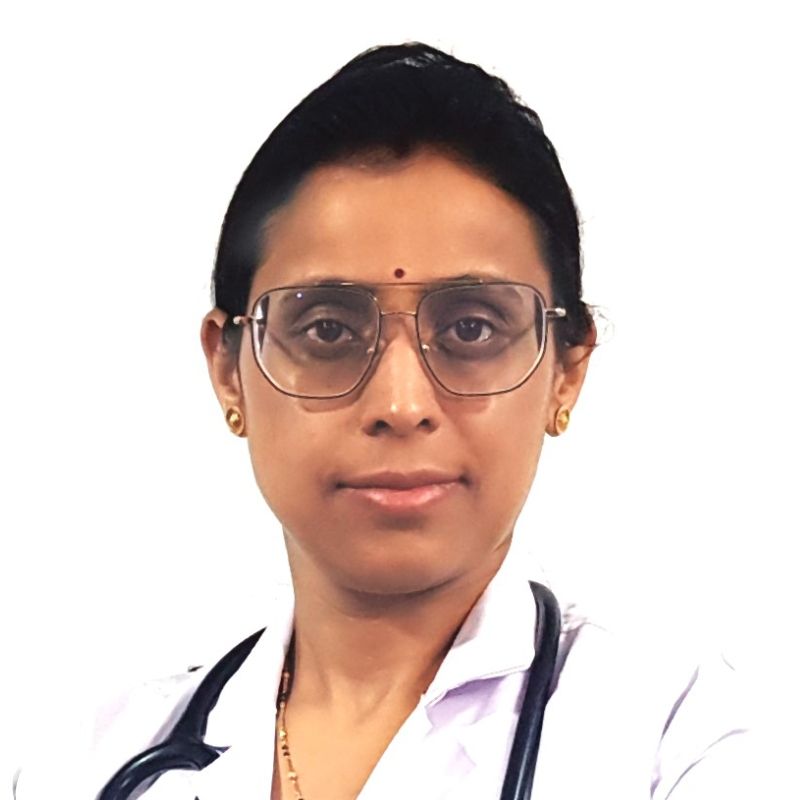
Dr. Tripti Sharma
Experience : 15+ years
MBBS, MD (General Medicine), DM (Endocrinology, Diabetes & Metabolism)
Endocrinologist (Adult & Paediatric), Physician & Diabetologist
Endocrinology Diseases and Disorders Explained
Get clarity on your condition, Consult our endocrinologists for a free second opinion.
At PACE Hospitals, we are committed to providing our patients with the best possible care, and that includes offering second medical opinions with super specialists for treatment or surgery. We recommend everyone to get an expert advance medical second opinion, before taking decision for your treatment or surgery.
Frequently Asked Questions (FAQs) on Endocrinology Diseases
What are endocrine diseases?
Endocrine diseases are medical conditions that affect the endocrine system, a network of glands that produce hormones. These hormones regulate essential body functions such as metabolism, growth, reproduction, mood, and energy levels. When hormone production is too high, too low, or imbalanced, it can lead to endocrine disorders such as diabetes, thyroid diseases, and hormonal imbalances.
What are the common endocrine disorders?
Common endocrine disorders include diabetes (Type 1 and Type 2), thyroid disorders (hypothyroidism and hyperthyroidism), polycystic ovary syndrome (PCOS), osteoporosis, adrenal disorders (such as Cushing syndrome and Addison’s disease), and pituitary gland disorders. These conditions are widely seen and often require long-term management.
What are the symptoms of endocrine disorders?
Symptoms of endocrine disorders vary depending on the gland involved, but commonly include fatigue, unexplained weight gain or loss, excessive thirst or urination, mood changes, irregular menstruation, infertility, hair loss or excess hair growth, and changes in heart rate. Some patients may also experience weakness, sleep disturbances, or changes in skin texture.
What causes endocrine disorders?
Endocrine disorders can be caused by hormonal imbalances, genetic factors, autoimmune conditions, infections, tumors in endocrine glands, or lifestyle factors like poor diet and lack of physical activity. Some medications and chronic diseases can also affect hormone production and function.
Who is at risk of endocrine diseases?
Endocrine illnesses can affect people of all ages, but some groups are more vulnerable. Individuals with a family history of hormone-related illnesses, obesity, and long-term stress or poor nutrition are among those at risk. Women during pregnancy or menopause may also be more vulnerable. Ageing increases risk as hormone levels naturally change. Some autoimmune conditions can also increase susceptibility. Early lifestyle habits, such as diet and physical activity, play an important role in long-term endocrine health.
Can endocrine disorders be prevented?
Not all endocrine disorders can be prevented, especially those caused by genetics or autoimmune conditions. However, the risk of some conditions, like Type 2 diabetes, obesity-related hormonal disorders, and metabolic syndrome, can be reduced by maintaining a healthy lifestyle, including balanced nutrition, regular exercise, weight management, and routine health check-ups for early detection.
What happens if endocrine disorders are left untreated?
If endocrine disorders are left untreated, they can affect many body systems. Hormones control vital functions such as growth, metabolism, and mood, so an imbalance may lead to weight changes, tiredness, or organ damage. For example, untreated diabetes can harm the heart, kidneys, and eyes. Thyroid problems may affect energy levels and mental clarity. Over time, complications can become serious and harder to manage.
Are endocrine disorders common?
Yes, endocrine disorders are quite common. Conditions like diabetes, thyroid diseases, and obesity-related hormonal imbalances affect millions of people all around the worldwide. Thyroid disorders are especially common in women, while diabetes prevalence is rapidly increasing due to lifestyle changes. Many endocrine conditions are chronic but manageable with proper medical care and lifestyle modifications.
Can endocrine disorders affect fertility?
Yes, endocrine disorders can affect fertility in both men and women. Conditions like PCOS, thyroid disorders, hyperprolactinemia, and hypogonadism can disrupt hormone balance, leading to irregular ovulation, menstrual disturbances, low sperm count, or reduced libido. With proper diagnosis and treatment, many endocrine-related fertility issues can be effectively managed.
Why choose PACE Hospitals for endocrinology disease management in Hyderabad?
PACE Hospitals, Hyderabad, is known for providing advanced, patient-centred endocrinology care with a focus on accurate diagnosis and long-term disease management.
Key reasons to choose PACE Hospitals include:
- Expert Endocrinologists: Highly experienced specialists managing diabetes, thyroid disorders, adrenal and pituitary diseases.
- Comprehensive Care: Integrated approach involving dieticians, physicians, and specialists for holistic hormone management.
- Personalised Treatment Plans: Tailored therapies for every patient, including medication, lifestyle modification, and long-term monitoring.
- Diabetes & Metabolic Care: Special focus on managing Type 1, Type 2 diabetes, gestational diabetes, and metabolic syndrome.
- Preventive & Lifestyle Support: Diet, exercise, and weight management recommendations for optimal endocrine condition control.
- Affordable & Accessible Care: Cost-effective treatment options with insurance and cashless facility support.
Which hospitals in Hyderabad are best for managing endocrinology diseases?
PACE Hospitals is one of the best hospitals in Hyderabad for endocrinology care, especially for conditions like diabetes, thyroid disorders, PCOS, and obesity. It offers a multidisciplinary approach with endocrinologists, dietitians, and diabetes educators, making it suitable for long-term management. Compared to larger hospitals, PACE is often preferred for easier access, shorter waiting times, and more personalized care, though very complex cases may still require larger tertiary centers.
What is the difference between endocrinology and diabetology?
Endocrinology is a broad medical specialty that deals with all hormone-related disorders, including thyroid diseases, adrenal disorders, pituitary conditions, and diabetes.
Diabetology, on the other hand, is a sub-specialty focused specifically on the diagnosis, treatment, and management of diabetes. In simple terms, all diabetology is part of endocrinology, but endocrinology covers much more than just diabetes.
Why choose PACE Hospitals?
- A Multi-Super Speciality Hospital.
- NABH, NABL, NBE & NABH - Nursing Excellence accreditation.
- State-of-the-art Liver and Kidney transplant centre.
- Empanelled with all TPAs for smooth cashless benefits.
- Centralized HIMS (Hospital Information System).
- Computerized health records available via website.
- Minimum waiting time for Inpatient and Outpatient.
- Round-the-clock guidance from highly qualified super specialist doctors, surgeons and physicians.
- Standardization of ethical medical care.
- 24X7 Outpatient & Inpatient Pharmacy Services.
- State-of-the-art operation theaters.
- Intensive Care Units (Surgical and Medical) with ISO-9001 accreditation.


