
Internal Medicine Treatments and Care
PACE Hospitals provides comprehensive general medicine treatment and internal medicine care for a wide range of medical conditions affecting multiple organ systems, including the heart, lungs, kidneys, liver, endocrine system, and metabolic functions. Our specialists manage common medical conditions such as infections, diabetes, hypertension, respiratory disorders, and chronic illnesses.
With best support and a patient-centered approach, we ensure accurate evaluation and effective treatment for general medicine conditions, focusing on timely care and long-term health management.
Book an Appointment
Internal Medicine Treatment Appointment Enquiry
Why Choose PACE Hospitals for General Medicine Treatment?
Comprehensive Evaluation and Treatment for Medical Conditions
Thorough assessment and treatment of general medicine conditions and internal medicine disorders using advanced diagnostic methods to identify the exact cause of symptoms such as fever, fatigue, infections, and systemic complications.
Advanced Diagnostic and Treatment Facilities
Modern diagnostic tools including laboratory tests, imaging, cardiac evaluation, and specialized investigations to support accurate diagnosis and effective treatment of common medical conditions.
Experienced General Physicians and Internal Medicine Specialists
Skilled general physicians and internal medicine specialists who carefully evaluate clinical findings to provide accurate diagnosis and personalized treatment plans for a wide range of health conditions.
Extensive Intenal Medicine Treatments
At PACE Hospitals, our specialists provide comprehensive management for a wide range of conditions, using the latest medical advancements, medications, and therapies. We emphasize minimally invasive treatments and holistic care to ensure the best possible outcomes for our patients.
Non-Pharmacological Management
This involves treating general health conditions through lifestyle changes, diet, exercise, and behavioral interventions rather than medications.
Lifestyle Modifications
- Dietary Changes: Adopting a healthy, balanced diet helps manage conditions like obesity, diabetes, hypertension, and heart disease.
- Exercise: Physical activity, if performed regularly, can improve heart health, control blood sugar, manage weight, and reduce stress.
- Smoking Cessation: Stopping smoking to reduce the risk of cardiovascular diseases, lung diseases, and improve overall health.
- Alcohol Moderation: Limiting alcohol intake can help reduce liver disease and cardiovascular problems. It can also improve liver function.
Stress Management
- Cognitive Behavioral Therapy (CBT): Techniques to manage stress, anxiety, and depression.
- Mindfulness Meditation: Practices to reduce stress and improve mental health by increasing awareness and focusing on the present moment.
Physical Therapies
- Physiotherapy: Helps in the rehabilitation of musculoskeletal conditions (e.g., arthritis, back pain, stroke recovery).
- Occupational Therapy: Improves daily functioning for patients with chronic conditions, disabilities, or recovery from surgery.
Nutritional Support
- Nutritional Counseling: Personalised dietary plans to manage chronic conditions like diabetes, hypertension, obesity, and gastrointestinal disorders.
- Hydration: Ensuring enough fluid intake is important for overall health and helps prevent dehydration in conditions such as kidney disease, diarrhea, and infections.
Patient Education
Patient education is important for providing information about disease management, lifestyle modifications, and prevention to empower patients in making informed decisions about their health.
Complementary Therapies
- Acupuncture: Used for pain management, stress relief, and certain chronic conditions.
- Chiropractic Care: For musculoskeletal problems like back pain and neck issues.
Pharmacological Management
This involves treating general health conditions using medications to control symptoms, treat underlying causes, or prevent complications.
Analgesics
- Non-Steroidal Anti-Inflammatory Drugs (NSAIDs): NSAIDs help reduce pain, inflammation, and fever by blocking enzymes that are involved in the production of inflammatory substances. They are commonly used to treat conditions like arthritis, musculoskeletal pain, fever, and inflammatory disorders. By reducing inflammation, they relieve swelling, stiffness, and discomfort.
- Acetaminophen: Acetaminophen works mainly by acting on the brain to reduce pain perception and regulate body temperature. It is widely used for mild to moderate pain (such as headaches, body aches) and fever. Unlike NSAIDs, it has minimal anti-inflammatory effects but is safer for patients with gastric issues when used appropriately.
Antibiotics
- Broad-spectrum Antibiotics: These antibiotics act against a wide range of bacteria by either killing them (bactericidal) or stopping their growth (bacteriostatic). They are commonly used to treat infections such as
pneumonia,
urinary tract infections, skin infections, and
sepsis, especially when the exact organism is not initially known. Once the organism is identified, therapy may be adjusted.
- Antitubercular Drugs: These are special medicines used to treat tuberculosis (TB). They kill TB bacteria and are taken for several months to completely cure the infection.
Antihypertensive Medications (Blood Pressure Control)
- Angiotensin-Converting Enzyme (ACE) Inhibitors: These medicines relax and widen blood vessels, making it easier for blood to flow. This helps lower blood pressure and protects the heart and kidneys, especially in patients with diabetes or heart disease.
- Beta-Blockers: Beta-blockers reduce the heart rate and the force of heart contraction. This lowers blood pressure and reduces strain on the heart. They are also useful in conditions like heart disease and arrhythmias.
- Calcium Channel Blockers: These medicines relax the muscles of blood vessels, allowing them to widen. This improves blood flow and lowers blood pressure. They are also used to treat chest pain (angina) and some heart rhythm problems.
Diuretics
- Loop Diuretics: These are powerful diuretics used to treat conditions like
heart failure, kidney disease, or edema (fluid retention). They work by helping the kidneys remove more salt and water from the body, which lowers blood pressure and reduces swelling.
- Thiazide Diuretics: These are commonly used to treat high blood pressure and mild fluid retention. They help the kidneys remove excess sodium and water from the body, which helps lower blood pressure.
Antidiabetic Medications
- Insulin: Insulin is a hormone that helps regulate blood sugar levels. Individuals with
Type 1 diabetes, and sometimes
Type 2 diabetes, need insulin injections to help their bodies use sugar properly for energy.
- Oral Hypoglycemic Agents: These medications help control blood sugar in people with Type 2 diabetes. They work in different ways, such as improving insulin sensitivity, increasing insulin production, or slowing sugar absorption from the food you eat.
Statins (Cholesterol-lowering drugs)
Statins are medications that help lower cholesterol levels in the blood, which reduces the risk of heart disease,
stroke, and
heart attacks. They work by blocking a substance the body needs to make cholesterol, thus reducing the buildup of fatty deposits in the arteries.
Blood thinners
Antiplatelet Agents: These medicines help to prevent platelets in the blood from sticking together and forming clots. They are often used to prevent heart attacks or strokes in people at risk.
Anticoagulant Drugs: Anticoagulants slow down the blood clotting process. They are used to treat or prevent blood clots in conditions like deep vein thrombosis, pulmonary embolism, or atrial fibrillation.
Steroid Medications
- Corticosteroids: Corticosteroids are used to reduce inflammation and treat a variety of conditions such as arthritis, allergies, asthma, and autoimmune diseases.
- Topical Steroids: These are steroids applied directly to the skin to treat skin conditions like eczema,
psoriasis, and dermatitis. They help reduce inflammation, itching, and redness.
Anti-acid Medications
- Antacids: Antacids neutralize stomach acid, providing quick relief from symptoms like
heartburn or indigestion. They work by reducing the acidity in the stomach, which helps prevent irritation and discomfort.
- Proton Pump Inhibitors (PPIs): PPIs reduce the production of stomach acid. They are used to treat conditions like GERD, stomach ulcers, and damage caused by acid reflux. PPIs provide longer-lasting relief than antacids.
Immunosuppressants
Immunosuppressants are used to weaken or suppress the immune system, usually to prevent organ rejection after transplants or treat autoimmune diseases like
rheumatoid arthritis or
lupus.
Antidepressants and Antianxiety Medications:
- Selective Serotonin Reuptake Inhibitors (SSRIs): These drugs are widely administered to treat depression and anxiety. They function by raising the brain's levels of serotonin, a chemical that improves mood and reduces anxiety.
- Benzodiazepines: These are used for short-term treatment of anxiety, insomnia, or muscle spasms. They work by calming the nervous system and providing relief from anxiety or stress. They are generally prescribed for short durations due to the risk of dependency.
Antiviral Medications
Antiviral drugs treat infections caused by viruses, such as the flu, HIV, or herpes. These medications work by inhibiting the replication of the virus, reducing the severity of symptoms and helping the body fight off the infection more effectively.
Calcium and Bone Health Medications
These medications help by strengthening bones and preventing bone loss. Calcium supplements provide essential minerals for bone formation, while other drugs (like vitamin D or bisphosphonates) improve calcium absorption or reduce bone breakdown. These medications are commonly used for treating osteoporosis.
Antidiarrheal Medications
These medications reduce diarrhea by slowing down intestinal movement or improving water absorption in the gut. Some also help restore fluid balance or target infections. They are used to manage conditions involving frequent loose stools and dehydration.
Antihistamines
Antihistamines block the action of histamine, which is a chemical released during allergic reactions. This helps relieve symptoms like sneezing, itching, and runny nose seen in allergic rhinitis and other allergies.
Bronchodilators
Bronchodilators help to relax the muscles around the airways, making it easier to breathe. They are commonly used in respiratory conditions like asthma and chronic obstructive pulmonary disease (COPD).
Antiemetics
Antiemetics are medications that prevent or relieve nausea and vomiting by acting on the brain’s vomiting center or the gastrointestinal tract. They are used for motion sickness, infections, or after surgery and chemotherapy.
Antifungal Medications
These drugs treat fungal infections by killing fungi or stopping their growth. They are used in conditions like candidiasis, which affects the skin, mouth, or other body parts.
Vitamins and Mineral Supplements
These supplements provide essential nutrients that the body may lack due to poor diet, illness, or increased needs. They support normal body functions such as immunity, metabolism, and growth, and help prevent deficiency-related disorders.
Minor Therapeutic Procedures
These are non-surgical interventions performed to treat or manage acute and chronic conditions.
Intravenous (IV) fluid therapy: This involves the administration of fluids directly into a vein using an IV line. This is commonly performed to rehydrate patients, provide nutrients, or administer medications when oral intake is not possible.
Blood transfusions: This involves the transfer of blood or blood products into a patient's bloodstream, typically to treat conditions like anemia, blood loss, or clotting disorders.
Oxygen therapy: Oxygen therapy involves the administration of oxygen to patients with respiratory distress or low oxygen levels (hypoxia). It can be given via nasal cannulas, masks, or, in more severe cases, through mechanical ventilation.
Paracentesis: Paracentesis is the removal of excess fluid from the abdomen (ascites) using a needle. It is typically performed to relieve symptoms or diagnose the cause of the fluid buildup, such as liver disease or cancer.
Thoracentesis: Thoracentesis involves the removal of fluid or air from the pleural space (the space between the lungs and the chest wall). It is performed using a needle to relieve symptoms like shortness of breath or to diagnose the cause of pleural effusion.
Central or peripheral line insertion: Insertion of a central or peripheral line is done to provide long-term access to the bloodstream for administering medications, fluids, or taking blood samples. A peripheral line is inserted into smaller veins, while a central line is placed into larger veins.
Medication infusions: Medication infusion involves administering drugs intravenously over a period of time. This is used for patients who need continuous or controlled delivery of medications.
Basic endoscopic procedures: Basic endoscopic procedures involve the use of a flexible tube with a camera to examine the inside of organs such as the gastrointestinal tract (esophagus, stomach, and colon). This includes procedures like gastroscopy (upper GI endoscopy) and colonoscopy to diagnose conditions like ulcers, polyps, or cancers.
3,28,338
99,825
684
2011
Best General Physicians in Hyderabad | Top Internal Medicine Doctors
A leading team of highly experienced general physicians in Hyderabad delivers exceptional care for a broad spectrum of general medicine conditions and internal medicine disorders, including infections, lifestyle diseases, and chronic illnesses. With a strong focus on clinical excellence, our specialists combine in-depth evaluation with advanced diagnostics to ensure precise diagnosis and highly effective treatment outcomes.
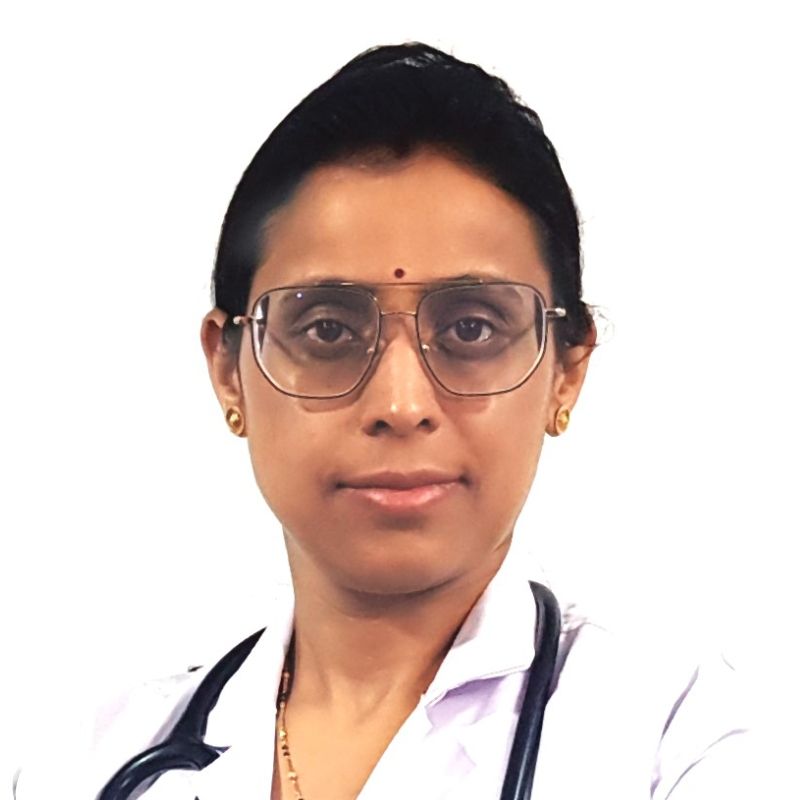
Dr. Tripti Sharma
MBBS, MD (General Medicine), DM (Endocrinology, Diabetes & Metabolism)
Experience : 15+ years
Endocrinologist (Adult & Paediatric), Physician & Diabetologist

Dr. Mounika Jetti
MBBS, MD (General Medicine)
Experience : 9+ years
General Physician and Diabetologist

Dr. Snigda Panuganti
MBBS, MD (General Medicine), PG Diploma in Endocrinology (UK), GMC Registered Physician (UK)
Experience : 7+ years
General Physician and Diabetologist
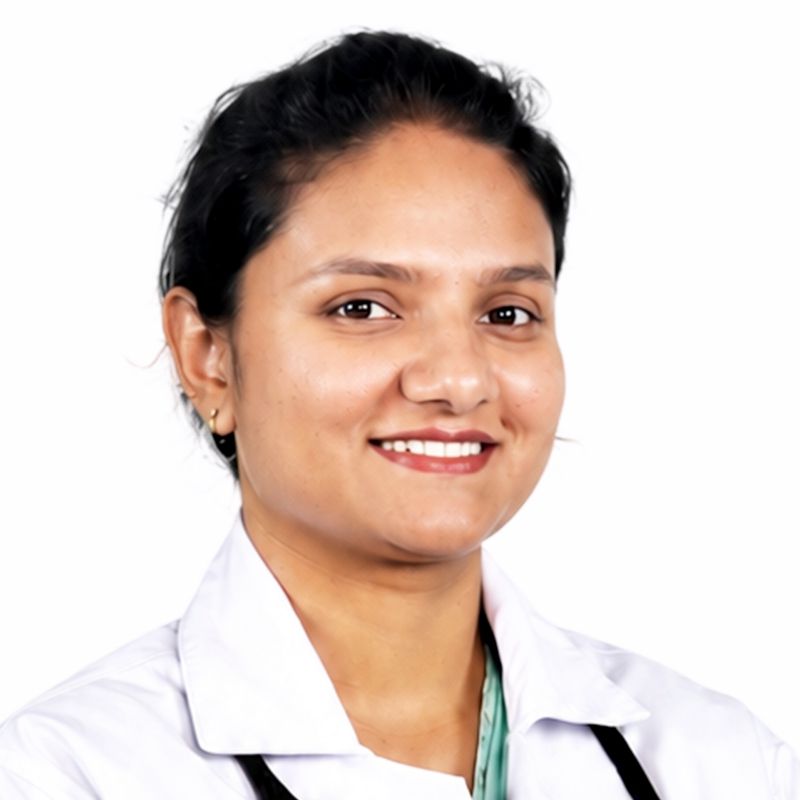
Dr. Neha Padaniya
MBBS, DNB (General Medicine)
Experience : 7+ years
General Physician and Diabetologist
Internal Medicine Diseases and Disorders Explained
Consult our General physicians for a free second opinion on general medicine Treatment.
At PACE Hospitals, we are committed to providing our patients with the best possible care, and that includes offering second medical opinions with super specialists for treatment or surgery. We recommend everyone to get an expert advance medical second opinion, before taking decision for your treatment or surgery.
Frequently Asked Questions (FAQs) on Internal Medicine Treatment
What kinds of conditions are treated in general medicine?
There is a wide range of conditions affecting various body systems. Some common conditions include:
- Infections: Respiratory infections (for example: pneumonia, bronchitis), gastrointestinal infections, urinary tract infections, and skin infections.
- Chronic diseases: Hypertension, diabetes, asthma, heart disease, and chronic obstructive pulmonary disease (COPD).
- Gastrointestinal disorders: Acid reflux, irritable bowel syndrome (IBS), peptic ulcers, and liver diseases.
- Endocrine disorders: Thyroid disorders, diabetes, and adrenal problems.
- Cardiovascular diseases: High blood pressure, heart disease, and arrhythmias.
- Neurological conditions: Migraines, seizures, and memory issues.
- Musculoskeletal disorders: Arthritis, back pain, and joint problems.
- Acute conditions: Fever, fatigue, pain, and other symptoms that require initial investigation.
How are chronic diseases managed?
Chronic diseases are managed through a combination of medications, lifestyle changes, and regular monitoring. The goal is to manage symptoms, avoid problems, and improve overall quality of life. For example, people with diabetes require regular blood sugar monitoring and medication modifications, whereas those with hypertension may be prescribed blood pressure drugs and instructed to follow a healthy diet and exercise program. Doctors often provide long-term management plans, which include regular follow-ups to monitor the progression of the disease and make necessary adjustments to treatment.
What medications are commonly prescribed in general medicine?
Medications commonly prescribed in general medicine depend on the specific condition being treated. For example:
- Pain relievers: Used to relieve pain.
- Antibiotics: For bacterial infections such as urinary tract infections (UTIs) and respiratory infections.
- Antihypertensive medications: Used to manage high blood pressure.
- Diabetic medications: Insulin or oral medications for diabetes management.
- Statins: To lower cholesterol and manage cardiovascular risks.
- Inhalers: For managing asthma and COPD.
How are autoimmune and inflammatory conditions treated?
Autoimmune and inflammatory conditions are treated with medications like NSAIDs, corticosteroids, disease-modifying antirheumatic drugs (DMARDs), biologic therapies, and immunosuppressants to reduce inflammation and manage symptoms. Lifestyle changes, such as anti-inflammatory diets, regular exercise, and stress management, along with physical therapy, can also help improve quality of life.
How is fatigue, weakness, or nutritional deficiency treated?
Fatigue, weakness, or nutritional deficiencies are addressed by treating the underlying cause. Nutritional deficiencies, like iron, vitamin D, B12, or folic acid deficiencies, are treated with supplements and diet adjustments. Chronic fatigue syndrome may be managed with rest, improved sleep, exercise, and cognitive behavioral therapy. Weakness due to thyroid disorders, anemia, or chronic illnesses is treated with appropriate medications and lifestyle modifications to improve overall energy levels and strength.
How are emergencies handled in general medicine?
Emergencies in general medicine are handled with immediate evaluation and intervention. General physicians assess the severity of the condition, stabilise the patient, and may provide initial treatments like administering medications, fluids, or oxygen. Depending on the nature of the emergency, they may also refer the patient to specialized care such as cardiology, pulmonology, or surgery for further management.
Can general physicians coordinate with other specialists?
Yes, general physicians also coordinate with other specialists to ensure comprehensive care. If a patient requires specialised treatment, the general physician refers them to the appropriate specialist and works closely with them to ensure a holistic and integrated treatment plan.
How can quitting smoking or reducing alcohol improve overall health?
Quitting smoking or reducing alcohol consumption can significantly improve overall health. Smoking cessation reduces the risk of heart disease, lung cancer, stroke, and respiratory diseases. Reducing alcohol lowers the risk of liver disease, high blood pressure, and certain cancers. Both changes can lead to better respiratory function, improved immune health, and a reduced risk of chronic conditions.
How do general physicians manage multiple health issues at once?
General physicians treat a variety of health issues by prioritising them based on their severity and urgency. They evaluate the patient's overall health, develop a treatment plan that prioritises the most significant conditions, and routinely monitor progress. Coordination with specialists is also required to manage chronic or complex conditions simultaneously, which ensures that all health issues are effectively addressed without compromising the patient’s well-being.
Which hospital in Hyderabad is the best for treating common disease?
For treating common diseases in Hyderabad, PACE Hospitals is one of the best options. The hospital is known for its comprehensive healthcare services, cutting-edge diagnostic facilities, and patient-centric approach. Whether it's for routine check-ups, infections, or chronic conditions, PACE Hospitals provides high-quality care with the expertise of experienced doctors and advanced treatment options.
Why choose PACE Hospitals for general diseases treatment in Hyderabad?
PACE Hospitals is a trusted choice for general disease treatment due to its focus on advanced diagnostics, experienced general medicine specialists, and a holistic approach to care.
The key reasons to choose PACE Hospitals include:
- Experienced Physicians – Skilled general medicine specialists providing accurate diagnosis and treatment.
- Comprehensive Care – Management of acute and chronic conditions with a holistic approach.
- Advanced Facilities –Advanced diagnostic tools and modern infrastructure.
- Minimally Invasive Treatments – Focus on therapies that reduce patient discomfort and recovery time.
- Multidisciplinary Team – Coordinated care across specialists for better outcomes.
- Patient-Centric Approach – Personalised care with attention to patient safety and comfort.
- 24/7 Services – Emergency care, critical care, pharmacy, and laboratory support available round-the-clock.
- Accredited Quality – Adheres to national healthcare standards ensuring reliable and safe treatment.
Why choose PACE Hospitals?
- A Multi-Super Speciality Hospital.
- NABH, NABL, NBE & NABH - Nursing Excellence accreditation.
- State-of-the-art Liver and Kidney transplant centre.
- Empanelled with all TPAs for smooth cashless benefits.
- Centralized HIMS (Hospital Information System).
- Computerized health records available via website.
- Minimum waiting time for Inpatient and Outpatient.
- Round-the-clock guidance from highly qualified super specialist doctors, surgeons and physicians.
- Standardization of ethical medical care.
- 24X7 Outpatient & Inpatient Pharmacy Services.
- State-of-the-art operation theaters.
- Intensive Care Units (Surgical and Medical) with ISO-9001 accreditation.


