
Advanced Cardiovascular Diseases Treatment in Hyderabad
PACE Hospitals is one of the best hospitals for cardiovascular diseases treatment in Hyderabad, India, offering comprehensive care for a wide range of cardiology conditions. From coronary artery disease and heart failure to arrhythmias and other cardiac disorders, our cardiology specialists provide evidence-based treatment tailored to each patient.
With advanced technology and experienced cardiologists, we focus on precise evaluation, effective treatment planning, and improved long-term heart health outcomes.
Book an Appointment
Cardiology Treatment Appointment Enquiry
Why Choose PACE Hospitals for Cardiology Treatments?
Comprehensive Cardiovascular Diseases Treatment
We provide complete care for a wide range of cardiovascular conditions, including coronary artery disease, heart failure, arrhythmias, valvular heart disease, and other complex heart disorders.
Advanced Cardiology Technology
Our cardiology department uses advanced diagnostic tools, modern imaging, and evidence-based treatment approaches to ensure accurate diagnosis and effective management of cardiovascular diseases.
Experienced Cardiology Specialists
Our team of cardiologists and cardiac surgeons has extensive experience in diagnosing and treating various heart conditions, delivering safe, precise, and high-quality cardiovascular care.
Extensive Cadiovascular Diseases Treatments
At PACE Hospitals, our cardiology team provides comprehensive treatment for a wide range of heart conditions using advanced medical therapies, minimally invasive procedures, and surgical interventions. With experienced cardiologists and state-of-the-art technology, we focus on restoring heart function, improving patient outcomes, and ensuring long-term cardiovascular health.
Lifestyle Modifications
Lifestyle changes are the first step in managing cardiovascular diseases and reducing risk factors. These measures help to improve heart health and prevent disease progression. Important lifestyle interventions include maintaining a heart-healthy diet low in saturated fats and salt, engaging in regular physical activity, maintaining a healthy body mass index (BMI), stopping smoking, limiting alcohol consumption, and managing stress. These important life-saving changes are particularly beneficial for conditions like hypertension, coronary artery disease, and high cholesterol.
Medications
Medications are commonly prescribed to control symptoms, prevent complications, and improve heart function. Different classes of drugs are used depending on the underlying heart condition. These mostly include:
- Antihypertensive medications to control blood pressure
- Antiplatelet drugs and anticoagulants to prevent blood clots,
- Statins to lower cholesterol levels,
- Beta-blockers and calcium channel blockers to regulate heart rate and blood pressure,
- Diuretics to reduce fluid buildup in heart failure
- Antiarrhythmic drugs to control abnormal heart rhythms.
Interventional Cardiology Procedures
Minimally invasive procedures are used to treat many cardiovascular conditions without the need for open-heart surgery. These procedures are performed through small catheters inserted into blood vessels.
- Coronary Angioplasty (PCI) – Removing Blockages: Percutaneous Coronary Intervention also known as coronary angioplasty or stenting, Percutaneous Coronary Intervention is a minimally invasive course of action is used to open narrowed or blocked coronary arteries. A thin tube (catheter) is threaded through a blood vessel to the affected artery. A stent (a tiny mesh tube) is frequently inserted to keep the artery open and restore blood flow after a balloon on the catheter's tip expands to enlarge the artery.
- Chronic Total Occlusion (CTO) PCI: CTO PCI treats coronary arteries that are completely blocked for a long period, preventing blood flow to part of the heart muscle. These long-standing blockages cause chest pain, reduced exercise capacity, and weakened heart function. Using advanced guidewires, imaging, and specialised techniques, cardiologists reopen the blocked artery and place stents to restore blood flow.
- Cardiac Catheterization: Cardiac catheterization is an invasive procedure performed to diagnose and treat heart conditions. To enter a blood vessel, a thin tube known as a catheter is used in the arm or groin and threaded to the heart. It allows the doctor to assess blood flow, measure pressures, and perform interventions such as angioplasty or stent placement.
- Radial Angiography: Radial angiography, also known as transradial angiography, is a diagnostic procedure used to visualize the blood vessels and assess the condition of the cardiovascular system. In order to reach the arterial system, a thin, flexible catheter must be inserted into the radial artery in the wrist.
- Carotid Angioplasty & Stenting – Stroke Prevention: Carotid angioplasty and stenting is a medical procedure used to treat carotid artery disease, which is the reduction or blockage of the carotid arteries located in the neck. These arteries supply blood to the brain. The procedure is also known as carotid artery stenting (CAS).
- Peripheral Artery Disease (PAD) Interventions: PAD Interventions are minimally invasive procedures used to restore blood flow in narrowed or blocked arteries, typically in the legs and arms. PAD occurs due to plaque buildup (atherosclerosis), leading to pain, numbness, cramping, and poor circulation. Treatments like angioplasty, stenting, and atherectomy help improve blood flow, reduce symptoms, and prevent complications like ulcers or limb amputation.
- Percutaneous Closure of Patent Foramen Ovale (PFO): A closure device is placed through a catheter to seal the PFO during this minimally invasive technique. It is recommended for patients who have paradoxical embolism or cryptogenic strokes, in which a PFO may permit blood clots to move from the right to the left atrium. The procedure offers advantages like a lower risk of stroke recurrence, faster recovery, and avoidance of open-heart surgery. It is typically performed under local anesthesia with a short hospital stay, leading to a quicker return to normal activities.
- Atrial Septal Defect (ASD) Closure: ASD device closure treats a hole between the right and left atria of the heart that allows abnormal blood flow from the left side to the right side. This extra flow overloads the right heart and lungs, leading to breathlessness, fatigue, recurrent infections, and eventually heart failure or pulmonary hypertension. A closure device is delivered through a catheter from a blood vessel and placed across the defect to seal the opening.
- Left Atrial Appendage Occlusion (LAAO): LAAO is a procedure used to reduce stroke risk in patients with atrial fibrillation (AF) who cannot take long-term anticoagulants. In order to prevent blood clots, the surgery entails passing a catheter via a vein, usually in the groin, and sealing off the left atrial appendage with a device. It is indicated for patients with non-valvular AF at high stroke risk and bleeding complications. The advantages include stroke prevention, avoiding lifelong anticoagulation therapy, and a minimally invasive approach with a shorter recovery time.
- Balloon Mitral Valvuloplasty (BMV) – Treating Valve Narrowing: Balloon mitral valvuloplasty (also known as percutaneous balloon valvuloplasty) is a minimally invasive procedure used to treat a condition called mitral valve stenosis. The narrowing of the mitral valve, which connects the left ventricle and left atrium of the heart, is referred to as mitral valve stenosis.
- Balloon Aortic Valvotomy (BAV): Balloon Aortic Valvotomy (BAV) is a minimally invasive procedure designed to widen a narrowed aortic valve and restore proper blood flow from the heart to the body.
- Balloon Pulmonary Valvuloplasty: Balloon pulmonary valvuloplasty treats narrowing (stenosis) of the pulmonary valve, which restricts blood flow from the right ventricle to the lungs. The narrowed valve forces the right side of the heart to work harder, causing enlargement and weakness eventually. In this procedure, a balloon catheter is positioned across the tight valve and inflated to stretch and open it. This improves blood flow to the lungs, lowers pressure in the right ventricle, relieves symptoms, such as breathlessness and fatigue, and prevents progressive right-sided heart failure.
- Transcatheter Aortic Valve Replacement (TAVR) – Valve Repair: Aortic valve stenosis, a disorder in which the heart's aortic valve narrows and inhibits blood flow, is treated with TAVR, a minimally invasive treatment. During TAVR, a catheter is inserted into the heart, typically through the femoral artery, and a replacement valve is inserted inside the injured valve. This procedure is commonly recommended for patients who are at high risk for standard open-heart surgery because of their age or other health conditions. A faster recovery period, a lower chance of problems, and the ability to do the treatment without open-heart surgery are some benefits of TAVR.
- Transcatheter Mitral Valve Repair: This is used to treat leaking (regurgitation) of the mitral valve when open-heart surgery is high-risk. A catheter-based device is guided to the mitral valve via blood vessels and used to bring the valve leaflets closer together, reducing backward blood flow into the left atrium. By correcting this leak, the procedure decreases lung congestion, improves heart pumping efficiency, reduces symptoms and lowers the risk of heart failure progression.
- Ablation Therapy: Ablation therapy is a medical procedure that removes abnormal tissue, often causing issues like arrhythmias, tumors, or chronic pain. In cardiac ablation, radio frequency energy or cryotherapy destroys heart tissue responsible for abnormal electrical signals, treating conditions like atrial fibrillation. This minimally invasive procedure leads to faster recovery compared to traditional surgery.
- Electrophysiology Studies (EPS) & Ablation – Arrhythmia treatment: These are advanced procedures used to diagnose and treat abnormal heart rhythms (arrhythmias). EPS helps identify irregular electrical signals in the heart, while catheter ablation uses radiofrequency or cryotherapy to destroy the problematic heart tissue causing arrhythmias. These minimally invasive treatments improve heart rhythm, reduce symptoms like palpitations, dizziness, and fatigue, and lower the risk of complications like stroke or heart failure.
- Enhanced External Counterpulsation (EECP): Enhanced external counterpulsation is a non-invasive treatment involves using cuffs wrapped around the legs to compress them sequentially, enhancing blood flow to the heart and reducing the workload on the heart.
Cardiac Device Therapy
These treatments involve implantable devices that support heart rhythm or pumping function.
- Pacemaker Implantation and Implantable Cardioverter Defibrillator (ICD) Implantation: A pacemaker is a tiny electronic device that helps regulate the heartbeat. It is inserted under the skin, usually in the chest, and joined to the heart with leads. Pacemakers are used to treat abnormal heart rhythms (arrhythmias) by delivering electrical impulses to control the heart rate.
- Defibrillator Implantation: A defibrillator, also known as an implantable cardioverter-defibrillator (ICD), is a device similar to a pacemaker that can deliver an electric shock to the heart to replace normal rhythm in case of a life-threatening arrhythmia or sudden cardiac arrest. It is implanted under the skin and connected to the heart with leads.
- Left Ventricular Assist Device (LVAD): Left ventricular assist devices are mechanical pumps implanted to help a weakened heart pump blood in patients with severe heart failure, either as destination therapy or bridge to transplant.
- Ventricular Assist Device (VAD): For individuals with advanced heart failure, a mechanical pump called a VAD is installed to help keep blood flowing. It is used for patients awaiting heart transplants, those unable to undergo a transplant, or as a bridge to recovery in acute heart failure cases. VADs offer improved blood flow, symptom relief, and enhanced quality of life, enabling patients to regain strength and engage in daily activities.
Surgical Treatments
These procedures involve open or minimally invasive heart surgery to correct structural heart problems.
- Coronary Artery Bypass Grafting (CABG): In cases where multiple arteries are severely blocked, Coronary Artery Bypass Grafting surgery may be recommended. It involves creating new routes for blood to flow around the blocked arteries using grafts, typically taken from the patient's own veins or arteries.
- Aortic Aneurysm Repair: Aortic aneurysm repair refers to the surgical or endovascular procedures performed to treat an aortic aneurysm. The primary blood channel that distributes oxygen-rich blood from the heart to the remaining part of the body, the aorta, develops abnormal bulges or ballooning’s called aortic aneurysms.
- Heart Valve Repair: It is a major surgery, and it carries some risks, such as bleeding, infection, and heart rhythm problems. However, heart valve repair can be a life-saving procedure, and it can improve the quality of life for people with heart valve disease. Some of the most common types of heart valve repair procedures include Mitral valve repair, Aortic valve repair, Tricuspid valve repair, Pulmonic valve repair etc.
- Transmyocardial Laser Revascularization (TMR): Transmyocardial Laser Revascularization is a surgical procedure that uses laser energy to create channels in the heart muscle. These channels allow blood from the heart's chambers to flow directly into the oxygen-deprived areas of the heart muscle, bypassing the blocked coronary arteries.
- Maze Procedure: In order to block aberrant electrical signals and restore normal heart rhythm, the Maze procedure, a surgical treatment for atrial fibrillation (AF), forms scar tissue in the atria. It is recommended for patients with persistent AF who have tried other treatments. Advantages include high success rates in maintaining sinus rhythm, improved quality of life, and potential reduction in long-term anticoagulation therapy need. Minimally invasive versions are also available.
- Carotid Endarterectomy: This surgical procedure removes plaque buildup from carotid arteries, restoring normal blood flow and reducing stroke risk. It is typically recommended for patients with significant carotid artery stenosis, particularly those with transient ischemic attacks or minor strokes. Advantages include reduced future stroke risk, improved blood flow to the brain, and long-term prevention of stroke-related complications in high-risk patients.
- Endovenous Laser Therapy (EVLT): EVLT is a minimally invasive treatment for varicose veins, involving a small incision and a laser fiber. The laser heats and closes off the vein, redirecting blood flow to healthier veins. Compared to conventional vein stripping surgery, this operation, which is carried out under local anesthetic, offers fewer problems, a speedier recovery, and a lower chance of recurrence. Both functional and cosmetic varicose vein issues are successfully addressed by EVLT.
Emergency Treatments
These treatments are used during life-threatening cardiac emergencies.
- Cardiopulmonary Resuscitation (CPR): When someone is having cardiac arrest, cardiopulmonary resuscitation (CPR) is an emergency procedure performed to restore breathing and circulation. In order to pump blood to important organs and oxygen to the lungs, it entails chest compressions and rescue breaths. It is recommended for unresponsive individuals who are not breathing or gasping. CPR's main advantages include maintaining blood flow and oxygenation to the brain and heart, improving survival chances, and improving neurological outcomes.
- Defibrillation: Defibrillation is a medical procedure used to restore normal heart rhythm in individuals with life-threatening arrhythmias. It involves delivering an electric shock to the heart using a defibrillator, stopping the abnormal rhythm and allowing the heart's natural pacemaker to reset. Typically used during cardiac arrest, defibrillation is most effective when administered quickly. Its advantages include high success rates in terminating arrhythmias and increased survival chances, especially when combined with CPR.
- Thrombolysis: Thrombolysis is a medical treatment used to dissolve blood clots in patients with conditions like stroke, heart attack, or pulmonary embolism. It involves administering thrombolytic drugs to the clot site, aiming to restore blood flow and prevent tissue damage. Advantages of thrombolysis include its ability to quickly break down clots, restore blood flow, and reduce the risk of severe complications or long-term disability.
- Endotracheal Intubation and Mechanical Ventilation: For patients who are unable to breathe on their own, intubation and mechanical ventilation are essential operations. While mechanical ventilation eliminates carbon dioxide and distributes oxygen, intubation uses a tube to secure the airway. These treatments are utilized for cardiac arrest, trauma, surgery, and respiratory failure. Benefits include reduced respiratory workload for critical patients, accurate oxygen and ventilation settings, and safe airway management.
- Emergency Cardiac Care – 24/7 Response for Heart Attacks & Strokes: We provide 24/7 emergency cardiac care, staffed by experienced cardiologists and support teams. Our state-of-the-art emergency department is equipped to handle all types of cardiac emergencies, from heart attacks to arrhythmias, ensuring rapid assessment and treatment when every second counts.
3,28,338
99,825
684
2011
Best Cardiovascular Doctors in Hyderabad | Top Heart Specialists
A team of expert cardiology doctors in Hyderabad with extensive experience in treating a wide range of heart conditions, including coronary artery disease, heart failure, arrhythmias, and other complex disorders. Our specialists carefully assess clinical findings to identify the root cause and deliver patient-centered, evidence-based cardiovascular diseases treatment for pediatric, adult, and geriatric patients. Using advanced treatment approaches and modern medical techniques, we ensure precise management and improved outcomes for complex heart conditions.

Dr. Shriniwas Rajamouli Dussa
MBBS, M.S (General Surgery), M.Ch (Cardiovascular & Thoracic Surgery)
Experience : 24+ years
Consultant Cardiothoracic & Vascular Surgeon
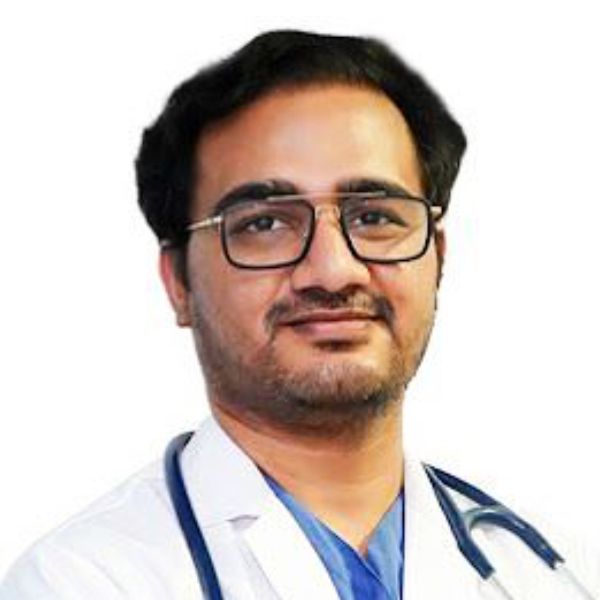
Dr. Seshi Vardhan Janjirala
MBBS, DNB (General Medicine), DM (Cardiology), Certified ROTA Operator (Mount Sinai, Newyork), Certified TAVI Operator (UMC, Astana), Certified CTO Operator (Sakurabashi Watanabe Hospital, Japan)
Experience : 40+ years
Consultant Interventional Cardiologist, Specialist in Endovascular Procedures, Certified CTO Operator, ROTA Operator and TAVI Operator
Cardiology Diseases and Disorders Explained
Get a free second opinion before beginning cardiovascular diseases treatment.
At PACE Hospitals, we are committed to providing our patients with the best possible care, and that includes offering second medical opinions with super specialists for treatment or surgery. We recommend everyone to get an expert advance medical second opinion, before taking decision for your treatment or surgery.
Frequently Asked Questions (FAQs) on Cardiology Treatments
What are cardiology surgeries or procedures?
Cardiology surgeries or procedures are medical treatments used to diagnose or manage heart and blood vessel problems. They range from simple tests, such as heart imaging and electrical studies, to treatments that improve blood flow or heart function. Some procedures use thin tubes passed through blood vessels, while others involve surgery. The primary goal is to reduce symptoms, prevent heart damage, and lower the risk of serious events such as heart attacks or heart failure.
Are cardiology procedures the same as open-heart surgery?
No, cardiology procedures are not always the same as open-heart surgery. Many advanced heart treatments are now minimally invasive and do not require opening the chest. These procedures are done through small tubes inserted into blood vessels and usually allow fast recovery. Open-heart surgery is required for certain serious conditions like complex valve disease or major artery blockages.
What is coronary angioplasty and how does it help?
Coronary angioplasty is a procedure used to open narrowed or blocked heart arteries. A small balloon is guided to the blocked area and gently inflated to widen the artery. Also, a tiny metal support called a stent is placed to keep the artery open. This improves blood flow to the heart muscle, reducing chest pain and improving physical activity.
Can heart valve problems be treated without open surgery?
Some heart valve disorders can be treated with catheter-based approach rather than open surgery. In these treatments, thin tubes are guided through blood vessels to repair or replace damaged valves. Examples include balloon valvuloplasty, which widens a stenotic valve, and transcatheter valve replacement, in which a new valve is placed inside the old one. These methods are especially useful for patients who are at high risk from open-heart surgery due to age or other medical conditions.
What is EECP therapy, and who needs it?
Enhanced external counter pulsation, or EECP therapy, is a non-invasive treatment for chronic chest pain caused by poor blood flow in the heart. Inflatable cuffs are placed on the legs and rhythmically inflated during heart relaxation, helping push blood toward the heart. This may improve circulation and reduce symptoms over time. EECP is mainly used for patients with persistent angina who are not suitable for surgery or angioplasty after standard medical treatments have failed.
What is coronary artery disease, and how is it treated?
Coronary artery disease (CAD) is a condition in which the coronary arteries that supply blood to the heart muscle become narrowed or obstructed due to the fatty deposition called plaque (atherosclerosis). This reduced blood flow can cause symptoms such as chest pain (angina), shortness of breath, or a heart attack. Treatment for CAD depends on the severity of the blockage and may include lifestyle modifications, medications to control cholesterol and blood pressure, minimally invasive procedures such as coronary angioplasty with stent placement, or CABG surgery to restore blood flow to the heart.
What treatment options are available for heart failure?
Heart failure treatment focuses on improving the heart’s ability to pump blood and reducing symptoms. Frequently, treatment options are medications such as diuretics, ACE inhibitors, beta-blockers, and other drugs that help reduce strain on the heart. In more advanced cases, device therapies like pacemakers, implantable cardioverter-defibrillators (ICDs), or ventricular assist devices (VADs) may be recommended. In severe cases, advanced interventions such as heart transplantation may be considered.
Can lifestyle changes really help treat heart conditions?
Yes. Lifestyle changes play a key role in treating and preventing heart diseases. Healthy habits like a balanced diet, regular exercise, quitting smoking, managing stress, maintaining a healthy weight, and controlling blood pressure and cholesterol can improve heart health and reduce the risk of complications like Heart Attack and Stroke.
What are the common treatment options for cardiology conditions?
Common treatment options for cardiology conditions depend on the type and severity of the disease. They may include:
- Lifestyle modifications such as a healthy diet, regular exercise, and smoking cessation, along with medications to control blood pressure, cholesterol, and heart rhythm.
- Minimally invasive procedures like coronary angioplasty, catheter ablation, or valve interventions.
- Implantable devices such as pacemakers or defibrillators and surgical procedures such a CABG surgery or valve repair may be required.
When is angioplasty recommended for heart disease?
Angioplasty is recommended when one or more coronary arteries become narrowed or blocked due to plaque buildup, reducing blood flow to the heart muscle. It is commonly used in patients with coronary artery disease who experience symptoms such as angina or shortness of breath, and it is also performed during or after a heart attack to quickly restore blood flow.
What emergency treatments are used during a heart attack?
Emergency treatments used during a Heart Attack include:
- Medications: Doctors give medicines like antiplatelets, anticoagulants, and pain relievers to prevent further clotting and reduce pain.
- Clot-dissolving therapy: Thrombolysis uses special medicines to dissolve the blood clot blocking the artery.
- Emergency procedure: Coronary Angioplasty (PCI) is done to open the blocked artery and restore blood flow.
- Life-saving support: If the heart stops, Cardiopulmonary Resuscitation (CPR) and Defibrillation may be used to restart the heart.
Why choose PACE Hospitals for cardiology treatment in Hyderabad?
PACE Hospitals in Hyderabad is recognized for its comprehensive cardiology care, offering advanced diagnosis and treatment for a wide range of heart conditions. Key reasons to choose PACE Hospitals are:
- Experienced specialists: A skilled team of cardiologists and cardiac surgeons provides expert care.
- Advanced technology: Modern diagnostic tools and cardiac catheterization labs for accurate diagnosis and treatment.
- Comprehensive care: Treatment for conditions like Coronary Artery Disease, Heart Failure, and Arrhythmia.
- Minimally invasive procedures: Advanced treatments such as Coronary Angioplasty are available.
- 24/7 emergency care: Immediate treatment for emergencies like a heart attack.
- Patient-focused approach: Personalized treatment plans for better recovery and outcomes.
Which hospital is best for cardiology treatment in Hyderabad?
PACE Hospitals is considered one of the leading hospitals for cardiology treatment in Hyderabad due to its advanced cardiac care services and experienced medical team. The hospital provides complete care such as preventive cardiology, diagnostic testing, interventional cardiology procedures, cardiac device implantation, and complex cardiac surgeries. Our hospital is equipped with state-of-the-art infrastructure and round-the-clock emergency services for heart attacks and other cardiac emergencies. PACE Hospitals focuses on accurate diagnosis, timely treatment, and long-term heart health management for patients.
Why choose PACE Hospitals?
- A Multi-Super Speciality Hospital.
- NABH, NABL, NBE & NABH - Nursing Excellence accreditation.
- State-of-the-art Liver and Kidney transplant centre.
- Empanelled with all TPAs for smooth cashless benefits.
- Centralized HIMS (Hospital Information System).
- Computerized health records available via website.
- Minimum waiting time for Inpatient and Outpatient.
- Round-the-clock guidance from highly qualified super specialist doctors, surgeons and physicians.
- Standardization of ethical medical care.
- 24X7 Outpatient & Inpatient Pharmacy Services.
- State-of-the-art operation theaters.
- Intensive Care Units (Surgical and Medical) with ISO-9001 accreditation.


