
Gastroenterology Treatment for Digestive Disorders
PACE Hospitals provides comprehensive gastroenterology treatments for diseases affecting the digestive system, including the esophagus, stomach, intestines, liver, pancreas, and gallbladder. Our specialists evaluate a wide range of digestive disorders such as acid reflux, gastritis, ulcers, and inflammatory bowel disease.
Using advanced technology and a patient-centered approach, we ensure accurate evaluation to identify the underlying cause and provide timely and effective treatment for digestive disorders.
Book an Appointment
Gastroenterology Treatment Appointment Enquiry
Why Choose PACE Hospitals for Gastrointestinal Disease Treatment?
Comprehensive Evaluation of Digestive Disorders
Thorough assessment of digestive disorders and gastrointestinal conditions using advanced diagnostic tests to identify the exact cause of symptoms such as abdominal pain, indigestion, bleeding, or changes in bowel habits.
Advanced Gastroenterology Diagnostic Technology
Modern diagnostic tools including endoscopy, colonoscopy, ultrasound, CT scans, and specialized gastrointestinal tests to accurately detect digestive disorders and gastroenterology conditions.
Experienced Gastroenterology Specialists
Skilled gastroenterology specialists who carefully evaluate diagnostic findings to identify digestive disorders and gastrointestinal diseases and guide the most suitable treatment approach.
Full Spectrum of Gastroenterology Treatments
At PACE Hospitals, we provide comprehensive and personalised treatments for a wide range of digestive disorders. Our team of skilled
gastroenterologists uses the latest medical advancements and minimally invasive procedures to effectively treat various gastrointestinal conditions. We ensure the best care for your digestive health, helping you achieve lasting relief and recovery.
Non-Pharmacological Treatment
These treatments do not involve medications or surgery and mainly focus on lifestyle and dietary management.
Lifestyle Modifications
- Balanced diet and proper nutrition: A balanced diet provides important nutrients that support overall digestive health, improve gut function, and aid in the healing of GI tissues.
- Weight management: Maintaining a healthy body weight relieves pressure on the digestive system, helps in the prevention of illnesses such as GERD, and improves overall metabolism.
- Regular physical activity: Exercise promotes healthy digestion, prevents constipation, and supports weight management. It also helps in managing conditions like irritable bowel syndrome (IBS) and reduces the risk of developing chronic GI diseases.
- Adequate hydration: Proper hydration aids digestion and promotes smooth bowel movements, preventing constipation and other GI problems such as bloating and gas.
- Stress management: Stress can exacerbate conditions like IBS, GERD, and ulcers. Meditation, yoga, and mindfulness are the techniques that help to reduce stress and improve GI function.
Dietary Modifications
- High-fiber diet for constipation: A fiber-rich diet helps to prevent constipation and maintain regular bowel motions.
- Avoid spicy and acidic foods in GERD: Avoiding these foods helps prevent flare-ups and improve the patient's comfort.
- Low-fat diet for gallstones: Reducing fat intake can prevent the formation of gallstones and ease the symptoms of existing ones.
- Gluten-free diet for celiac disease: In patients with celiac disease, a gluten-free diet helps reduce inflammation and promotes healing of the intestinal lining.
- Alcohol restriction in liver cirrhosis: Reducing or eliminating alcohol intake helps to prevent liver damage.
Behavioral and Supportive Therapy
- Smoking cessation: Smoking worsens conditions like GERD, ulcers, and inflammatory bowel disease. Quitting smoking helps improve gut health and reduces the risk of complications.
- Stress reduction techniques: These techniques, such as relaxation exercises, help manage symptoms of IBS, gastritis, and other stress-related GI disorders.
- Nutritional counseling: A trained nutritionist can guide patients in making healthier food choices, improving digestion, and managing conditions like obesity and IBS.
- Probiotics and prebiotics: Use of probiotics to restore gut microbiota balance in cases of diarrhea, IBS, and inflammatory bowel diseases (IBD).
- Hydration and fluids: Maintaining proper hydration is essential for managing conditions like constipation or diarrhea.
Pharmacological management
These treatments involve medications used to manage symptoms or treat the underlying disease.
Antacids and Proton Pump Inhibitors (PPIs)
- Antacids: These medications neutralise excess stomach acid and provide quick relief from heartburn, acid reflux, and indigestion, protecting the stomach and esophagus from acid damage.
- Proton Pump Inhibitors (PPIs): Reduce stomach acid production by blocking proton pumps and are used to treat GERD, peptic ulcer disease (PUD), and gastritis, allowing the stomach and esophagus to heal.
Antidiarrheal Medications
These medications are used to treat diarrhea by either slowing down bowel movements or absorbing excess fluid. These medications are particularly helpful in conditions like acute diarrhea, IBS, and infectious diarrhea.
Anti-inflammatory Drugs
Corticosteroids and 5-aminosalicylic acid are used to reduce inflammation in the GI tract. By reducing inflammation, these drugs help prevent tissue damage, alleviate symptoms (pain, diarrhea, bleeding), and promote healing. They are generally prescribed for conditions like Ulcerative Colitis and Crohn’s Disease
Antibiotics
Used to treat bacterial infections in various gastrointestinal conditions, such as helicobacter pylori infection, bacterial gastroenteritis, infectious diarrhea, diverticulitis, cholangitis, and liver-related infections like liver abscess. They work by eliminating harmful bacteria and preventing the spread of infection in the gastrointestinal tract.
Immunosuppressive Drugs
By suppressing the overactive immune system, these drugs help control inflammation and prevent further tissue damage in the digestive tract.
Prokinetics
Prokinetic medications are used to increase motility in the GI tract. They help in treating gastroparesis by enhancing the movement of food through the stomach and intestines. These medications improve symptoms like nausea, vomiting, and bloating, which can occur in conditions like GERD and functional dyspepsia.
Laxatives
Laxatives are used to relieve constipation by promoting bowel movements. Laxatives are commonly used for chronic constipation or irritable bowel syndrome with constipation (IBS-C).
Hepatoprotective Drugs
These medications help protect the liver from damage and promote liver cell regeneration. These drugs are helpful in managing liver diseases like hepatitis, cirrhosis, and fatty liver disease by reducing further damage and supporting liver function.
Surgical Management
Surgery is used when medical management fails or when complications occur.
Laparoscopic Surgeries (Minimally Invasive)
- Laparoscopic Cholecystectomy: Removal of the gallbladder, commonly performed for gallstones or cholecystitis.
- Laparoscopic Appendectomy: It is the removal of the appendix to treat appendicitis.
- Laparoscopic Colectomy: Removal of all or part of the colon, typically to treat conditions like colorectal cancer, Crohn's disease, or diverticulitis.
- Laparoscopic Hernia Repair: Surgery to repair abdominal hernias, often performed using a mesh.
- Laparoscopic Nissen Fundoplication: It is the surgical treatment for acid reflux that involves wrapping the top of the stomach around the lower esophagus to prevent acid reflux.
Endoscopic Surgeries (Non-Invasive)
- Endoscopic Mucosal Resection (EMR): Removal of early-stage cancers or large polyps from the gastrointestinal tract.
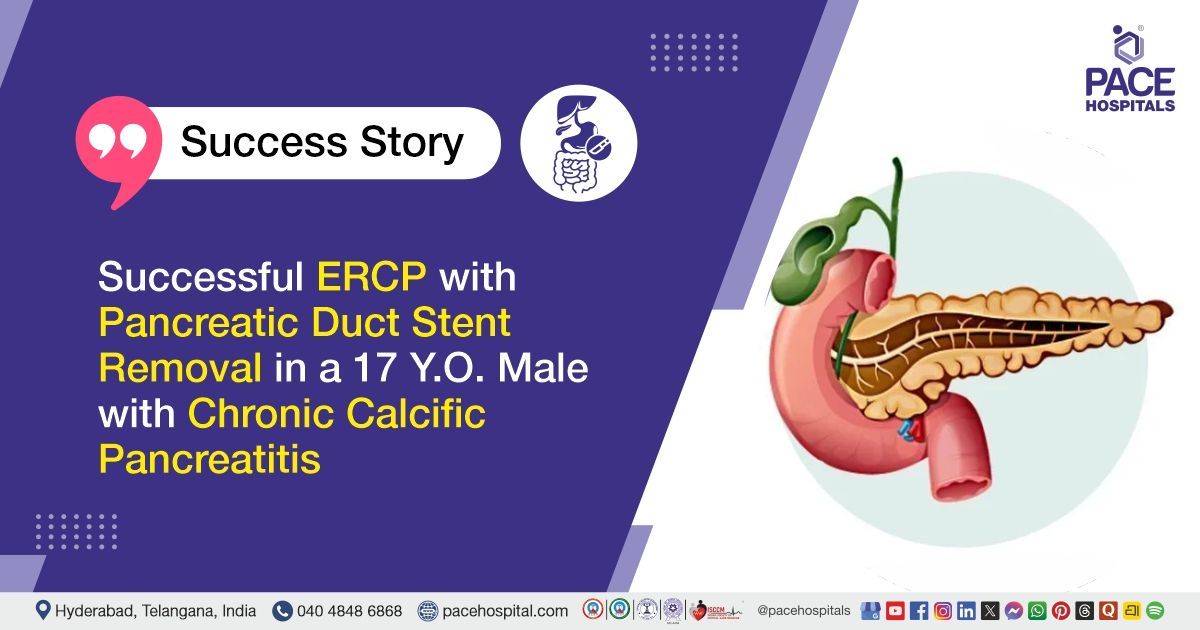
- Endoscopic Retrograde Cholangiopancreatography (ERCP): It is a procedure to diagnose and also to treat conditions in the bile and pancreatic ducts, including bile duct stones, strictures, and cancers.
- Endoscopic Variceal Ligation (EVL): A procedure to treat varices (enlarged veins) in the esophagus, often seen in cirrhosis, to prevent bleeding.
- Endoscopic Submucosal Dissection (ESD): A technique used to remove large tumors or lesions in the GI tract, typically in the stomach or colon.
- Percutaneous Endoscopic Gastrostomy (PEG) Tube Placement: Insertion of a feeding tube through the abdominal wall into the stomach, often for long-term nutritional support in patients with swallowing difficulties.
- Endoscopic Balloon Dilation: Used for conditions like achalasia or strictures in the esophagus, this procedure uses a balloon to widen narrow areas of the esophagus.
- Endoscopic Sinus Surgery: In some cases, used to treat GI disorders related to the sinuses, especially in patients with swallowing difficulties.
Open Surgeries
- Open Colectomy: Removal of part or all of the colon for conditions like colorectal cancer, IBD, diverticulitis, or bowel perforation.
- Open Gastrectomy: Removal of part or all of the stomach due to stomach cancer, ulcers, or other conditions.
- Liver Transplantation: Surgical replacement of a diseased or damaged liver with a healthy liver from a donor, often performed in patients with cirrhosis or liver failure.
- Whipple Procedure (Pancreaticoduodenectomy): A complex surgery to remove the head of the pancreas, part of the small intestine, gallbladder, and bile duct, usually for pancreatic cancer.
- Open Hernia Repair: Traditional surgery to repair abdominal or inguinal hernias, typically done when laparoscopic surgery is not an option.
- Esophagectomy: Surgical removal of part or all of the esophagus, usually for esophageal cancer or other severe esophageal disorders.
- Pancreatectomy: Surgical removal of part or all of the pancreas, usually for conditions like pancreatic cancer, chronic pancreatitis, or cystic fibrosis complications.
- Open Fundoplication: Surgical treatment for GERD where the stomach is wrapped around the lower esophagus, performed when laparoscopic surgery is not feasible.
3,28,338
99,825
684
2011
Best Gastroenterologists in Hyderabad | Top Gastroenterology Specialists
A team of leading gastroenterologists in Hyderabad, India provides expert treatment for a wide range of gastroenterology diseases and disorders, including acid reflux, ulcers, liver disorders, and inflammatory bowel disease (IBD). Our specialists carefully assess clinical findings and diagnostic results to ensure accurate and effective treatment.

Dr. Govind Verma
MD, DM (Gastroenterology), Fellowship in EUS
Experience : 30+ years
Interventional Gastroenterologist, Transplant Hepatologist, Pancreatologist & Endosonologist

Dr. M Sudhir
MBBS, MD (Internal Medicine), DNB (Internal Medicine), DNB (Gastroenterology), FICP
Experience : 40+ years
Senior Gastroenterologist & Liver Specialist (Hepatologist)
Gastroenterology Diseases and Digestive Disorders Explained
Trusted Results in Gastroenterology Treatment
Consult our specialists for a free second opinion on gastroenterology treatment.
At PACE Hospitals, we are committed to providing our patients with the best possible care, and that includes offering second medical opinions with super specialists for treatment or surgery. We recommend everyone to get an expert advance medical second opinion, before taking decision for your treatment or surgery.
Frequently Asked Questions (FAQs) on Gastroenterology Treatments
What types of gastroenterology diseases require surgical treatment?
Some gastrointestinal diseases may require surgery when they are severe or when other treatments have failed. These include:
- Colon cancer: Surgery to remove cancerous tumors and affected portions of the colon.
- Gallstones: Surgery to remove the gallbladder (cholecystectomy) when stones block bile flow.
- Peptic ulcers: In cases of severe ulcers causing bleeding or perforation, surgery may be needed.
- Crohn's disease and ulcerative colitis: Surgery may be necessary for severe cases, including bowel resection or removal of damaged sections of the intestine.
- Esophageal cancer: Surgery to remove tumors or part of the esophagus.
What are the non-surgical treatments available for gastrointestinal diseases?
Non-surgical treatments are commonly used to manage many gastrointestinal diseases. For conditions like GERD (acid reflux), medications such as antacids, H2 blockers, or proton pump inhibitors are prescribed. Dietary changes and lifestyle modifications, such as reducing alcohol and caffeine intake or eating smaller meals, also help. For conditions like irritable bowel syndrome (IBS) or Crohn’s disease, medications like antispasmodics, anti-inflammatory drugs, and immune system modulators can help to alleviate symptoms. Endoscopic procedures are utilised to remove polyps, dilate narrowed areas, or place stents without the need for open surgery.
What is laparoscopic surgery, and when is it used in gastroenterology?
Laparoscopic surgery, also known as minimally invasive surgery, uses small incisions and a tiny camera to perform procedures. This type of surgeries are utilised in gastroenterology for conditions like gallbladder removal and colon resections for colorectal cancer. Benefits of laparoscopic surgery include shorter recovery times, smaller scars, and less postoperative pain compared to traditional open surgery. It is typically used when the condition can be safely managed with minimal invasiveness.
When is surgery necessary for Crohn’s disease or ulcerative colitis?
Surgery for Crohn’s disease or ulcerative colitis is considered when medications and lifestyle changes no longer control symptoms, or if there are serious complications. In Crohn’s disease, surgery may be needed if there is intestinal blockage, fistulas, or abscesses. For ulcerative colitis, surgery may be necessary when the condition causes severe symptoms, like heavy bleeding, or if there is a risk of colon cancer.
In both cases, surgery might involve removing the diseased part of the intestine or colon, and in some cases, an ostomy (a surgically created opening in the abdomen) may be needed.
What happens after surgery for a GI condition?
After surgery, recovery may varies by procedure. Patients usually stay in the hospital for a few days, follow a gradual diet from liquids to solids, and may experience temporary discomfort or bloating. Following the doctor's advices on pain management, wound care, and activity is important. Most patients return to normal activities within weeks to a few months.
What is the recovery time after gastroenterology surgery?
The recovery time after gastroenterology surgery varies depending on the type of procedure performed. For laparoscopic surgery, recovery is generally quicker, and most patients can return to light activities in about 1-2 weeks, with full recovery taking around 4-6 weeks. For open surgeries, like colon resection or gallbladder removal, recovery may take 4-8 weeks before returning to normal activities. During recovery, the patient may need to follow a special diet, manage pain with prescribed medications, and gradually increase activity levels.
What are the risks and complications of gastroenterology surgery?
Like any surgery, gastroenterology surgery also carries risks and potential complications. Common risks include:-
- Infection: At the surgical site or internal organs.
- Bleeding: Can occur during or after surgery, which may require additional treatment.
- Bowel obstruction: Sometimes the bowel can become blocked after surgery, requiring further procedures.
- Anesthesia complications: It is very rare, but there can be reactions to anesthesia, especially in older patients or those with underlying health conditions.
- Blood clots: Deep vein thrombosis (DVT) or pulmonary embolism can occur, particularly if mobility is limited during recovery.
- Leakage or perforation: In some surgeries, especially those involving the intestine, there may be a risk of leakage or hole formation in the bowel.
What are the symptoms that indicate I need surgery for a GI condition?
Surgery is needed for gastrointestinal (GI) conditions if you experience symptoms that are severe, persistent, or unresponsive to other treatments. Some signs that surgery might be necessary include:
- Severe or persistent abdominal pain that doesn’t improve with medications.
- Uncontrolled bleeding from the digestive tract (e.g., vomiting blood or passing blood in stool).
- Obstructions in the gastrointestinal tract (e.g., blockage causing vomiting, constipation, or bloating).
- Unexplained weight loss or malnutrition due to inability to properly absorb nutrients.
- Complications from conditions like Crohn’s disease, ulcerative colitis, or gastroesophageal reflux disease (GERD), such as perforation, fistulas, or cancer.
- Failure of non-surgical treatments: When medications, dietary changes, and other interventions do not relieve symptoms or control the disease.
- If you experience any of these symptoms, it’s important to consult with a gastroenterologist to evaluate the need for surgery.
What is the difference between endoscopic treatment and surgery for gastrointestinal disorders?
Endoscopic treatment and open surgery are both used to treat gastrointestinal (GI) disorders, but they differ in their approach:
- Endoscopic procedures involve the use of an endoscope with a camera to visualise and treat areas inside the digestive tract without making large incisions.
- Open surgery, on the other hand, is more invasive and may involve making larger incisions to remove or repair damaged organs, tissues, or parts of the gastrointestinal tract.
The choice between endoscopic treatment and surgery depends on the severity of the condition, the location of the problem, and how the patient responds to other treatments.
Why choose PACE Hospitals for gastroenterology condition treatment in Hyderabad?
PACE Hospitals is an excellent choice for gastroenterology treatment in Hyderabad due to its comprehensive care, advanced technology, and expert gastroenterologists.
- Expert Team: Skilled gastroenterologists offer specialised care.
- Wide Range of Treatments: Management of GERD, IBS, Crohn’s disease, liver diseases, colorectal cancer, and more.
- Individualised Care: Patient-centric approach using evidence-based practices.
- Laparoscopic Surgeries: Ensure faster recovery and less discomfort.
- Emergency Support: 24/7 services available for urgent gastrointestinal issues.
- Advanced Technology: Latest medical tools and techniques for effective treatment and best outcomes.
Which hospital is best for gastroenterology treatment in Hyderabad?
PACE Hospitals is one of the best hospitals for gastroenterology treatment in Hyderabad. With a team of skilled specialists, cutting-edge diagnostic tools, and advanced treatment options, PACE Hospitals stands out as a leader in gastrointestinal care. The hospital provides multidisciplinary care for both common and complex gastrointestinal conditions to ensure that patients receive the best possible care for their conditions. With its state-of-the-art infrastructure, personalised treatment plans, and commitment to patient safety, PACE Hospitals is the preferred choice for many patients seeking expert gastroenterology care in Hyderabad.
Why choose PACE Hospitals?
- A Multi-Super Speciality Hospital.
- NABH, NABL, NBE & NABH - Nursing Excellence accreditation.
- State-of-the-art Liver and Kidney transplant centre.
- Empanelled with all TPAs for smooth cashless benefits.
- Centralized HIMS (Hospital Information System).
- Computerized health records available via website.
- Minimum waiting time for Inpatient and Outpatient.
- Round-the-clock guidance from highly qualified super specialist doctors, surgeons and physicians.
- Standardization of ethical medical care.
- 24X7 Outpatient & Inpatient Pharmacy Services.
- State-of-the-art operation theaters.
- Intensive Care Units (Surgical and Medical) with ISO-9001 accreditation.


