
Comprehensive Care for Urology Diseases in Hyderabad
PACE Hospitals provides comprehensive care for a wide range of urology diseases affecting the kidneys, ureters, bladder, urethra, prostate, and male reproductive organs. From urinary infections and kidney stones to prostate disorders and urological cancers, our specialists ensure accurate diagnosis and personalized treatment.
With advanced diagnostics, minimally invasive procedures, and expert urologists, we focus on early detection, effective management, and improved long-term outcomes for every patient.
Book an Appointment
Urology Disease Appointment Enquiry
Why Choose PACE Hospitals for Urology Disease Care?
Comprehensive Urology Care
We provide complete evaluation and treatment for a wide range of urological conditions, including kidney, bladder, prostate, and male reproductive disorders — from common infections to complex cancers.
Advanced Diagnostic and Treatment Facilities
Our department is equipped with modern diagnostic tools, advanced laser systems, and minimally invasive surgical technology to ensure accurate diagnosis and effective treatment.
Experienced Team of Urology Specialists
Our skilled urologists and surgeons bring extensive expertise in endoscopic, laparoscopic, and laser procedures, delivering safe and precise care.
Urological Conditions Managed by Our Specialists
At PACE Hospitals, we diagnose and manage a broad range of urological conditions. To help patients quickly identify relevant concerns, our urology diseases are categorized by organ system and specialty area below.
Kidney (Renal) related conditions
Acute kidney injury (AKI)
It's also known as acute kidney injury, characterized by elevated serum creatinine (1.5 times more than baseline value prior to 7 days or 0.3 mg/dL or more within 48 hours as per KDIGO) and decreased urine output (<0.5mL/kg/hour for at least 6 hours as per KDIGO). This condition is often reversible and is measured with the help of the global filtration rate (GFR).
Acquired cystic kidney disease
Acquired cystic kidney disease is a medical condition in which the kidneys develop cysts (fluid-filled sacs), which is different from polycystic kidney disease. This condition can occur in children and adults who are suffering from chronic kidney disease or end-stage renal failure. The exact etiology of this condition is idiopathic (unknown); however, the cyst mostly develops in people who are on dialysis (kidney failure). This condition is often asymptomatic; nevertheless, the complications of acquired cystic kidney disease show signs and symptoms such as fever, back pain, and haematuria (blood in urine).
End-stage renal disease (ESRD)
End-stage renal disease (ESRD), known as end-stage renal failure, is the last, irreversible stage of chronic kidney disease that occurs when kidney function has decreased to the point where the kidneys are no longer able to function independently. Dialysis or a kidney transplant are the only ways an end-stage renal failure patient can live more than a few weeks. Patients with ESRD might experience various symptoms that include drowsiness, difficulty urinating, skin itchiness, headache, nausea, bone pain, loss of weight, dry skin, etc.
Kidney abscess
A kidney abscess is a pus formation in a hollow area of the kidney. Patients with renal abscesses might have symptoms that include an increase in body temperature (fever), chills, pain in the abdomen, loss of body weight, pain while passing urine, and blood in urine. Kidney abscess can be caused by bacteria that spread to the kidney from the blood or from the urine that backs up into the kidney, thereby spreading the infection in the kidney.
Kidney stones
Kidney stones are strong, hard objects composed of chemicals in urine. There are four types of kidney stones: calcium oxalate, struvite, uric acid, and cystine. Common symptoms include pain, blood in urine, nausea, vomiting, fever, and chills. The most common causes of kidney stones are drinking little water, low exercise, weight loss surgery, obesity, consuming food with too much salt or sugar, family history, and infections. In addition to these, consuming excess fructose can increase the risk of kidney stones.
Polycystic kidney disease
Polycystic kidney disease (PKD) is a genetic condition that results in the growth of many fluid-filled cysts in the kidneys. In contrast to ordinary kidney cysts, PKD cysts can change the shape of the kidneys, resulting in an increase in their size. Kidney failure may result from PKD, a type of chronic kidney disease (CKD) that impairs kidney function. Autosomal recessive PKD and autosomal dominant PKD are the two types of polycystic kidney disease. An increase in blood pressure, chest pain, backside pain, blood in urine, and an increase in abdominal size are the symptoms of PKD.
Horseshoe kidney
Horseshoe kidney, also known as renal fusion, occurs when two kidneys are fused together and form a horseshoe-shaped kidney that might be located in a different position than typical kidneys. It occurs at the stage of fetal development, where the kidney first forms in the lower belly and moves up toward the back of the pelvic area.
Ectopic kidney
An ectopic kidney is a condition where the kidney is not located in its usual position or present above, below, or on the opposite side of the kidney's normal position in the urinary tract. Usually, the two kidneys are located just below the rib cage, middle of the back, on either side of the spine. The exact cause of this condition is idiopathic; however, researchers estimate that an ectopic kidney may result from a weakly developed kidney bud, the presence of a genetic disorder, a problem in the kidney tissue, and the presence of any disease or infection during fetal growth. An ectopic kidney is usually asymptomatic (doesn’t cause any symptoms or health problems), and it is usually found during a fetal ultrasound or during medical tests done to check for a urinary tract infection or to find the cause of abdominal pain.
Hydronephrosis
Hydronephrosis is the swelling of one or both kidneys due to the blockage of urine flow. It is usually caused by kidney stones, ureteral obstruction, tumors, an enlarged prostate, or congenital narrowing. Symptoms may include flank pain, nausea, vomiting, urinary tract infection, decreased urine output, or sometimes no symptoms if mild.
Glomerulonephritis
Glomerulonephritis is a condition characterized by inflammation and scarring of the glomerulus. The kidneys' capacity to filter waste products and extra fluid from the blood to produce urine gradually declines. Medicines (toxins), viral infections (HIV, hepatitis B& C), Lupus-related kidney inflammation, IgA nephropathy, and bacterial (strep or staph bacteria) infections are the causative factors for glomerulonephritis. Increased blood pressure, fatigue, protein in urine, blood in urine, and low urine output are the symptoms of glomerulonephritis.
Renal Artery Stenosis
Renal artery stenosis, also known as renal artery disease, is a narrowing or constricting of renal (kidney) arteries that carry oxygenated blood from the heart to the kidneys. People with atherosclerosis (plaque or obstruction that builds up due to fat accumulation on artery walls) are at high risk of renal artery stenosis.
Chronic Kidney Disease (CKD)
CKD is a long-term condition in which the kidneys gradually lose their ability to filter waste and excess fluid from the blood. It is mainly caused by diabetes and high blood pressure, but can also result from kidney infections, glomerulonephritis, polycystic kidney disease, urinary obstruction, or long-term use of certain medicines. Common symptoms include fatigue, swelling of the legs and face, reduced urine output, nausea, loss of appetite, high blood pressure, and shortness of breath, especially in later stages.
Pyelonephritis
It is a bacterial infection of the kidney and renal pelvis, usually caused by the spread of infection from the lower urinary tract (such as the bladder). The most common cause is Escherichia coli (E. coli). It can occur due to untreated urinary tract infection (UTI), urinary obstruction (like kidney stones), vesicoureteral reflux, catheter use, or weakened immunity.
Renal Tubular Acidosis (RTA)
RTA is a disorder in which the kidneys fail to properly maintain the acid–base balance of the blood due to a defect in the renal tubules. In this condition, the kidneys are unable to excrete acids or reabsorb bicarbonate effectively, leading to a buildup of acid in the body (metabolic acidosis). It is caused by inherited disorders, autoimmune diseases, certain medications, kidney diseases, or underlying conditions like diabetes.
Nephrotic syndrome
It is a kidney disorder characterised by excessive loss of protein in the urine due to damage to the glomeruli (the filtering units of the kidney). This leads to low protein levels in the blood and fluid accumulation in the body. Common causes include minimal change disease (especially in children), glomerulonephritis, diabetes, lupus, and certain infections or medications. Symptoms include swelling (edema) of the face, feet, and abdomen, frothy (foamy) urine due to proteinuria, weight gain from fluid retention, fatigue, and increased risk of infections.
Renal Cell Carcinoma (RCC)
RCC is the most common type of
kidney cancer in adults, arising from the lining of the renal tubules. It usually develops as a single tumor within one kidney but can sometimes affect both. Causing symptoms like blood in the urine (hematuria), flank pain, a palpable abdominal mass, unexplained weight loss, fever, and fatigue. Main risk factors include smoking, obesity, high blood pressure, chronic kidney disease, and certain genetic conditions.
Ureteral-related conditions
Ureteral Stones
Ureteral stones are hard mineral deposits that form in the kidney and move into the ureter, blocking urine flow. They are caused by dehydration, high calcium levels, metabolic disorders, or dietary factors. Symptoms include severe flank pain radiating to the groin, blood in urine, nausea, vomiting, and painful urination.
Ureteral Strictures
Ureteral strictures are abnormal narrowing of the ureter that restricts urine flow from the kidney to the bladder. Causes include prior surgery, injury, infection, radiation therapy, or congenital defects. Symptoms generally included are flank pain, recurrent urinary infections, hydronephrosis, and sometimes reduced kidney function.
Ureteropelvic Junction Obstruction
Ureteropelvic junction obstruction is a condition where there is a blockage at the junction where the ureter (that carries urine from the kidney to the bladder) connects to the kidney (ureteropelvic junction). This results in a decreased flow of urine to the bladder and increased fluid pressure inside the kidney. It is one of the causes of hydronephrosis in children, and if it is left untreated, it can result in kidney damage.
Ureteral Tumors
These are the abnormal growths in the ureter, most commonly transitional cell carcinoma. Risk factors include smoking, chemical exposure, and chronic inflammation. Symptoms typically include painless blood in urine, flank pain, and sometimes urinary obstruction.
Bladder-related conditions
Urinary Tract Infection (UTI)
UTI is an infection that affects any part of the urinary system, including the urethra, bladder, ureters, or kidneys. It is most commonly caused by bacteria, especially Escherichia coli (E. coli), which enter the urinary tract through the urethra. Common symptoms include burning sensation during urination, frequent urge to urinate, cloudy or foul-smelling urine, lower abdominal pain, and sometimes fever. If the infection spreads to the kidneys, it may cause high fever, back pain, nausea, and vomiting.
Cystitis
Cystitis is a bladder inflammation typically caused by a bladder infection. It is a common type of urinary tract infection (UTI), especially in women. Based on the cause, cystitis is classified into five types: bacterial cystitis, drug-induced cystitis, radiation cystitis, foreign body cystitis, and chemical cystitis. The possible cause of acute cystitis is due to the presence of bacteria such as Escherichia coli (E.coli), Proteus mirabilis, Klebsiella pneumoniae, Staphylococcus saprophyticus, lactobacillus etc, consumption of certain drugs, and exposure to radiation.
Interstitial Cystitis
Interstitial cystitis (IC) is a chronic (long-term) condition characterized by inflamed or irritated bladder walls, which cause painful urinary symptoms. Common symptoms include excessive frequency of urination, urinary urgency, and pelvic pain. The cause is unknown; however, researchers are investigating many theories to understand the exact causes of this condition and find the best treatments.
Overactive Bladder (OAB)
Overactive bladder (OAB) is a syndrome characterized by a sudden and uncontrollable feeling of urgency to urinate. Since it is uncontrollable, the urgency may arise at any time (either during the day or night), usually without warning. The cause is generally unknown, but it is common and may affect people of all ages.
Neurogenic Bladder (neuropathic detrusor dysfunction)
Neurogenic bladder is a bladder dysfunction caused by nerve damage affecting bladder control. It may result from spinal cord injury, diabetes,
stroke,
multiple sclerosis, or
Parkinson’s disease. Symptoms include urinary incontinence, urinary retention, frequent urination, weak stream, or recurrent urinary infections.
Bladder Outlet Obstruction
Bladder outlet obstruction is a blockage at the base of the bladder that reduces or prevents urine flow. Common causes are enlarged prostate (in men), urethral stricture, bladder neck contracture, or tumors. Common clinical presentations include weak urine stream, difficulty starting urination, incomplete emptying, urinary retention, and frequent urination.
Bladder Stones
Bladder stones are hard masses of minerals that form in the bladder, often due to incomplete emptying of urine. Causes include enlarged prostate, neurogenic bladder, foreign bodies, or chronic infections. Symptoms include lower abdominal pain, painful urination, blood in urine, frequent urination, and an interrupted urine stream.
Bladder Diverticulum
Bladder diverticula are protrusions of the bladder urothelium and mucosa via muscularis propria (muscle fibers of the bladder wall). They result in a thin-walled structure connected to the bladder lumen and poorly empties during micturition. Bladder diverticulum affects both adults and children and is caused by either congenital or acquired factors. A diverticulum can form in the bladder if its normal structure or composition is disturbed in any way.
Bladder Fistula
Bladder fistula is a medical condition where an opening in the bladder and other organs or the skin forms. There are two types of bladder fistula, depending upon its opening, enterovesical fistula (opens to the bowl) and vesicovaginal fistula (opens to the vagina). It is caused by damage to the bladder outlet, resulting in bladder outlet blockage. This might occur due to injury or prior surgery, the presence of gynecological cancer, bowel cancer, or inflammatory bowel diseases. The signs of bladder fistula are gas releasing from the urethra, urine that looks and smells like stool, and persistent and recurrent urinary tract infections.
Bladder cancer
Bladder cancer is a rare form of cancer that initiates in the cells of the urothelium (the lining of the bladder). The cells of the urothelium mutate or multiply abnormally, resulting in bladder tumours. Smoking and tobacco are the major risk factors for bladder cancer. Based on the bladder cells that are mutated, they are categorized into five types: squamous cell carcinoma, transitional cell carcinoma, adenocarcinoma, small cell carcinoma of the bladder, and sarcoma. Hematuria (blood in urine), pain and trouble while passing urine, frequent urination, and persistent bladder infections are the primary symptoms of bladder cancer.
Bladder prolapse
This condition is also known as cystocele, where the bladder ligaments and muscles have stretched or weakened with age. This condition is more often in females; however, it can also occur in males. In women, the vaginal wall supports the bladder; any damage to this wall can prolapse the bladder. Patients affected with this condition usually have pain while passing urine, pelvic pain, and leakage of urine while sneezing or exertion or coughing. Based on the proportion of bladder fall, bladder prolapse is further categorized into four grades (Grades 1 to 4).
Urinary Retention
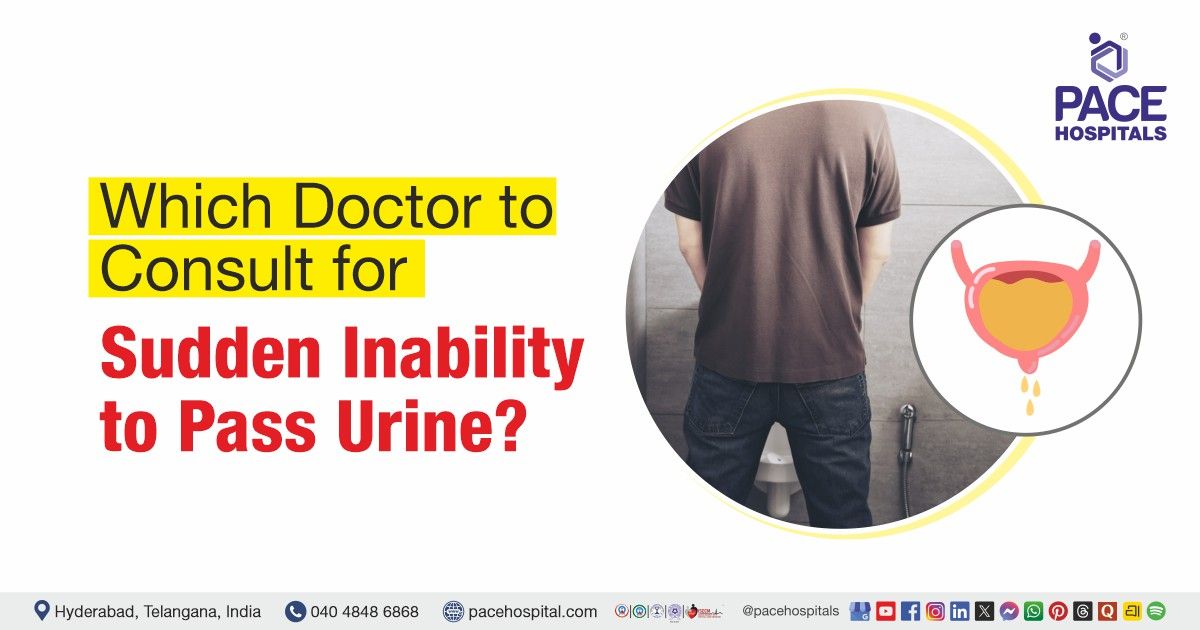
Urinary retention is the inability to empty the bladder completely or at all. It may be acute (sudden) or chronic. This occurs due to an enlarged prostate, urethral stricture, nerve problems, medications, or infections. Symptoms include difficulty urinating, a weak stream, lower abdominal pain, and a feeling of incomplete emptying.
Urethral- related conditions
Meatal Stenosis
Meatal stenosis is a urological condition in which the opening end of the pennis becomes narrower than usual.
People with meatal stenosis experience painful or burning urination, difficulty emptying the bladder completely, a drop of blood at the tip of the pennis following urination, narrow and spraying urine, and frequent urination.
Urethritis
Urethritis is inflammation of the urethra, usually caused by bacterial infections, including sexually transmitted infections such as gonorrhea or chlamydia. It may also be caused by irritation or trauma. Symptoms include burning during urination, discharge from the urethra, itching, and frequent urination.
Urethral Stricture
Urethral stricture is characterized by an abnormal narrowing of the urethra, which causes obstructive symptoms. It may be caused by scar tissue or swelling from surgery and also occur after an infection or injury. Rarely, it may occur due to pressure from a growing tumour near the urethra. Common symptoms include loss of bladder control, painful urination, discharge from the urethra, bloody or dark urine, and pain in the lower abdomen.
Urethral Trauma
Urethral trauma refers to injury to the urethra, the tube that carries urine out of the body. It most commonly occurs due to pelvic fractures, straddle injuries, catheterisation, or penetrating trauma. Patients may present with blood at the urinary opening, difficulty in passing urine, pelvic pain, or swelling in the perineal area.
Urethral Cancer
This is a rare malignant condition arising from the lining of the urethra. It may develop from chronic irritation, recurrent infections, urethral strictures, or HPV infection. Warning signs can include a visible mass, bleeding during urination, obstructed urine flow, or enlarged lymph nodes in advanced cases. Because it is uncommon, diagnosis is often delayed.
Prostate Disorders (Male)
Benign Prostatic Hyperplasia
Benign prostatic hyperplasia (BPH) is a non-cancerous common condition in men characterized by the proliferation of the prostate gland, resulting in the blockage of urine in the urethra. The early symptoms of Benign prostatic hyperplasia are sudden urgency to urinate, inability to empty bladder, pain while passing urine, urine incontinence, difficulty in urination, and urine discoloration. The exact cause for BPH is idiopathic (unknown); however, researchers opine hormonal imbalance between testosterone and estrogen might be the causative factor for prostate cell growth.
Prostatitis
It is inflammation of the prostate gland, which may be caused by bacterial infection or non-infectious factors. It can occur suddenly (acute prostatitis) or develop gradually (chronic prostatitis). Symptoms may include pain in the lower abdomen, pelvis, or lower back, painful or difficult urination, frequent urge to urinate, fever and chills (in acute cases), painful ejaculation, and discomfort in the genital area. Risk of developing prostatitis includes urinary tract infections, catheter use, prostate injury, or pelvic muscle problems.
Prostate Cancer
Prostate cancer is a common type of cancer in males that begins when cells in the prostate gland start to grow uncontrollably. Prostate cancer is a risk for all men. However, age is the most prevalent risk factor for this condition; hence, it is most common in older men. Signs of prostate cancer include frequent urination or a weak flow of urine.
Prostatic Abscess
A prostatic abscess is a localizsed collection of pus within the prostate gland, usually as a complication of acute bacterial prostatitis. It tends to occur in diabetics, immunocompromised individuals, or those with untreated infections. High fever, severe perineal pain, painful urination, and difficulty passing urine are typical features. Imaging confirms the diagnosis, and drainage is often required.
Urinary Incontinence Disorders
Stress Urinary Incontinence
This condition involves involuntary urine leakage during activities that increase abdominal pressure, such as coughing, laughing, sneezing, or lifting heavy objects. It happens due to weakness of pelvic floor muscles or urethral sphincter deficiency, commonly after childbirth or pelvic surgery. Leakage is usually small in amount and occurs without bladder contraction.
Urge Urinary Incontinence
Urge incontinence is characterized by a sudden, intense need to urinate followed by involuntary leakage. It results from overactivity of the bladder muscle (detrusor overactivity). Patients often complain of frequent urination, nighttime urination, and inability to delay voiding once the urge begins.
Overflow Incontinence
In overflow incontinence, the bladder becomes overly full and leaks urine involuntarily due to incomplete emptying. This may occur because of bladder outlet obstruction (such as an enlarged prostate) or weak bladder muscle activity. Symptoms include constant dribbling, a weak urine stream, and a sensation of fullness in the lower abdomen.
Mixed Urinary Incontinence
Mixed incontinence is a combination of both stress and urge incontinence. Patients experience leakage during physical activity as well as sudden urgency episodes. It is common in older adults and may require a combination of pelvic floor therapy, medication, or surgical management depending on the dominant symptoms.
Functional Incontinence
Functional incontinence occurs not because of a problem in the urinary tract itself, but due to physical or cognitive limitations that prevent a person from reaching the toilet in time. It is commonly seen in elderly individuals with mobility issues, arthritis, dementia, stroke, or severe illness. The urinary system may be normal, but environmental barriers or impaired awareness may lead to accidental leakage.
Nocturia
Nocturia is a urological condition in which people regularly wake up in the middle of the night to urinate. For an episode of urination to be considered nocturnal, it must be preceded by a period of sleep followed by a urinary episode. This condition is majorly caused by sleep disorders, global polyuria, bladder functional storage issues, and nocturnal polyuria, though it is multifactorial.
Congenital & Pediatric Urological Disorders
Congenital Hydronephrosis
This is a condition detected at birth (during prenatal ultrasound) where a baby’s kidney appears swollen due to impaired urine drainage. It may be caused by ureteropelvic junction blockage, vesicoureteral reflux, or anatomical problems. Some infants remain asymptomatic, while others experience urinary tract infections or stomach edema. Mild cases usually resolve on their own; severe cases may necessitate surgical intervention.
Hypospadias
It is a birth defect in males in which the urethral opening is located on the underside of the penis rather than at the tip. It occurs due to incomplete development of the urethra during fetal growth. It may be associated with penile curvature (chordee) and abnormal foreskin formation. Surgical repair is typically performed in early childhood to restore normal function and appearance.
Epispadias
It is a rare congenital (present at birth) defect in which the urethral opening is located on the upper (dorsal) surface of the penis in males or in an abnormal position in females. It occurs due to improper development of the urethra during fetal growth and is often associated with bladder exstrophy.
Posterior Urethral Valves (PUV)
These are aberrant membrane folds in the posterior urethra of male babies that prevent urine passage. This congenital disease can cause significant urine obstruction, resulting in hydronephrosis, inadequate urinary flow, urinary infections, and even kidney damage.
Vesicoureteral reflux
Vesicoureteral reflux (VUR) is characterized by the backward flow of urine from the bladder to one or both ureters and sometimes to the kidneys. It is commonly seen in infants and young children. When the reflux is more severe, the ureters and kidneys may widen and become large, which can be tied to a greater risk of kidney damage if an infection is present.
Multicystic Dysplastic Kidney
Multicystic dysplastic kidney is a developmental disorder in which one kidney is replaced by multiple non-functioning cysts instead of normal kidney tissue. It occurs due to abnormal interaction between the ureter and the kidney during fetal development. Usually affecting only one kidney, the other kidney often compensates. Most cases are discovered prenatally, and treatment typically involves monitoring unless complications arise.
Bladder exstrophy
It is a rare congenital (birth) defect in which the urinary bladder develops outside the body due to improper formation of the lower abdominal wall during fetal development. In this condition, the bladder is exposed and visible on the outside of the abdomen.
Prune belly syndrome also called Eagle–Barrett syndrome)
It is a rare congenital disorder characterized by a triad of features: absence or weakness of abdominal muscles, urinary tract abnormalities, and undescended testes in males.
Urological Infections
Epididymitis
Epididymitis is an inflammatory condition of the epididymis (a tube that carries sperms), resulting in pain in the testicles, fever associated with chills, blood in the semen, painful urination, testicular swelling, and redness. This can occur at any age; however, it happens most between the ages of 14 and 35. It is usually caused by E. coli infection, but in some cases, it is caused by sexually transmitted Mycoplasma or Chlamydia infections.
Orchitis
Orchitis refers to inflammation of one or both testicles. It may develop due to viral infections such as mumps or from bacterial infections, often spreading from epididymitis. Patients generally experience scrotal pain, swelling, fever, and tenderness. Proper treatment with antibiotics and supportive care helps to prevent complications like
infertility or abscess formation.
Urogenital tuberculosis
It is a form of tuberculosis that affects the kidneys, ureters, bladder, prostate, epididymis, or other parts of the genitourinary system. It is caused by Mycobacterium tuberculosis and usually spreads from a primary lung infection through the bloodstream to the kidneys.
Sexually Transmitted Infections (STIs) affecting the urinary tract
These are infections spread through sexual contact that involve the urethra, bladder, or nearby genital organs. Common STIs that affect the urinary tract include gonorrhea, chlamydia, trichomoniasis, and genital herpes. These infections usually cause urethritis (inflammation of the urethra). Symptoms may include burning sensation during urination, increased urinary frequency, abnormal discharge from the penis or vagina, pelvic pain, lower abdominal pain, and sometimes blood in urine. In women, untreated infections may lead to pelvic inflammatory disease (PID), and in men, they may cause epididymitis or infertility.
Urological Trauma & Functional Disorders
Genitourinary Trauma
This comprises injuries to the kidneys, ureters, bladder, urethra, and external genital organs. It can be caused by traffic accidents, falls, sports injuries, penetrating wounds, or pelvic fractures. Clinical symptoms vary depending on the organ implicated, but may include blood in urine, discomfort, edema, trouble urinating, or shock in extreme cases. Management varies from observation to emergency surgery.
Pelvic Floor Dysfunction
This occurs when the muscles and connective tissues that support pelvic organs become weak, tight, or uncoordinated. This can lead to
urinary incontinence, pelvic pain,
constipation, or difficulty emptying the bladder. The main causes are childbirth, aging, surgery, obesity, or chronic straining. Treatment involves pelvic floor physiotherapy, lifestyle changes, and sometimes surgical repair (if needed).
Chronic pelvic pain syndrome
This is a long-term condition characterized by persistent pain in the pelvic region lasting for at least 3 months, without an identifiable infection or clear cause. It is commonly seen in men and is often referred to as chronic prostatitis/chronic pelvic pain syndrome. The exact cause is not fully understood, but it may be related to pelvic floor muscle dysfunction, nerve irritation, inflammation, stress, or previous infections.
Voiding dysfunction
Voiding dysfunction is an inability to completely relax the bladder neck, urinary sphincter, or pelvic floor during voiding. It refers to a wide range of symptoms, including difficulty emptying the bladder, urinary hesitancy, urinary frequency, urinary urgency, and a weak urine stream. It usually occurs due to over-active pelvic floor muscles, and other possible causes include nerve problems and urethra blockages.
3,28,338
99,825
684
2011
Best Urology Doctor in Hyderabad | Top Urology Specialist in India
Team of Best Urologist Doctor in Hyderabad, Telangana, India; having 40+ years of experience, offers a wide range of expertise and surgical treatment for urinary disorders of the male and female urinary tracts, as well as conditions of the male genital tract or reproductive system. The team is having long term experience in diagnosing and treating Kidney Stones, Prostate Enlargement, Prostate Cancer, Kidney Cancer, Bladder Cancer and Incontinence, Male infertility and Erectile Dysfunction – Impotence.

Dr. Vishwambhar Nath
MBBS, MS (General Surgery), DNB (Urology), M.Ch (Urology)
40+ years of Exp.
Senior Consultant Urologist & Renal Transplant Surgeon

Dr. Abhik Debnath
MBBS, MS (General Surgery - IMS, BHU), MCh (Urology - CMC Vellore), DNB (Urology)
12+ years of Exp.
Consultant Laparoscopic Urologist, Endourologist, Andrologist & Kidney Transplant Surgeon
Get a Free Second Opinion before making decisions about your urology disease.
At PACE Hospitals, we are committed to providing our patients with the best possible care, and that includes offering second medical opinions with super specialists for treatment or surgery. We recommend everyone to get an expert advance medical second opinion, before taking decision for your treatment or surgery.
Urology Diseases and Conditions Explained by Drs
Frequently Asked Questions (FAQs) on Urology Diseases
What are urology diseases?
Urology diseases are conditions that affect the urinary system and, in men, the reproductive organs. The urinary system generally includes the kidneys, bladder, ureters, and urethra. These diseases can disturb how urine is made, stored, or passed. Common problems include infections, stones, blockages, and cancers. Urological diseases are common across all ages and genders, often causing pain, changes in urination, or blood in urine.
What is the most common disease in urology?
The most common diseases in urology are:
- Urinary tract infections (UTIs), including cystitis, pyelonephritis, urethritis, and prostatitis, are the most common urological conditions
- Benign prostatic hyperplasia (BPH) is common among ageing men
- Kidney stones (Urolithiasis)
- Prostate cancer
- Bladder cancer
- Overactive bladder/incontinence
What are the most common causes of urological diseases?
The common causes of urological diseases are infections, ageing, lifestyle habits, and blockages. Bacteria are a major cause of urinary infections. Ageing increases the risk of prostate and bladder problems. Poor fluid intake, cigarette smoking, obesity, low physical activity, and not passing urine for long periods can also contribute. In some cases, genetic factors or long-term medical conditions like diabetes increase the risk for urological disorders.
What are male urology problems?
Male urology problems mainly involve the prostate, testes, and penis, along with the urinary tract. Common conditions include prostate enlargement, prostate infection, erectile dysfunction, infertility, urinary blockage, and testicular pain. Many men also experience problems with urine flow as they age. These conditions may affect quality of life but are often manageable when detected early.
What are the signs and symptoms of urological conditions?
- Pain or burning sensation during urination (dysuria)
- Increased frequency of urination
- Urgent need to pass urine
- Difficulty initiating urine flow (hesitancy)
- Weak or intermittent urine stream
- Feeling of incomplete bladder emptying
- Blood in urine (hematuria)
- Cloudy or foul-smelling urine
- Lower abdominal, pelvic, or suprapubic pain
- Lower back or flank pain
- Fever and chills
- Nocturia (waking at night to urinate)
- Urinary incontinence (leakage of urine)
- Reduced urine output or urinary retention
- Pain radiating to the groin or genital area
- Fatigue or malaise in chronic or severe conditions
What causes blood in urine (hematuria)?
Blood in urine can result from several urological conditions. Common causes include urinary tract infections, kidney or bladder stones, prostate problems, and injuries to the urinary system. In some cases, tumors of the kidney or bladder are responsible, especially in older adults. Strenuous exercise, certain medications, or inflammation may also cause temporary blood in urine. Even painless blood in urine should always be medically evaluated.
What urological conditions affect women?
Compared to men, women experience certain urological conditions more frequently, those involving the bladder and urinary tract infections (UTIs). Women have a shorter urinary passage, which allows bacteria to enter the bladder more easily, resulting in a higher prevalence of urinary tract infections. Pregnancy, childbirth, and hormonal changes can weaken pelvic muscles, causing urine leakage or bladder control problems.
When should urological diseases be treated urgently?
Urological diseases require urgent treatment when symptoms suggest serious complications. Warning signs include severe pain, inability to pass urine, high fever with chills, sudden swelling, heavy bleeding in urine, or injury to the urinary organs. These symptoms may indicate blockage, infection spreading to the blood, or organ damage.
Are urological conditions age-related?
Many urological conditions are influenced by age, but they can occur at any stage of life. Children may develop birth-related urinary problems or infections, while adults commonly experience stones or infections. The likelihood of bladder control issues, prostate enlargement in men, and weaker pelvic muscles in women increases as one gets older. Ageing also decreases organ strength and immunity, making older people more susceptible to urological conditions.
Are urological diseases always serious?
Urological diseases are not always serious. Many conditions, like mild urinary infections or small stones, are temporary and easily managed. However, if some urological disorders are not treated, they can become serious, particularly those that cause obstruction, recurring infections, or bleeding. Cancer and serious renal disorders require quick medical attention.
Can urological conditions be prevented?
Many urological disorders can be prevented in part by maintaining good health practices. Drinking adequate water, practising good hygiene, quitting smoking, regulating body weight, and avoiding prolonged urine retention all minimise risk. Diabetes and blood pressure management may improve kidney health. Regular medical exams can help discover problems early on. While not all urological disorders are preventable, these precautions reduce the likelihood of frequent problems.
Do urological conditions affect quality of life?
Urological conditions can significantly affect quality of life. Problems such as frequent urination, urine leakage, pain, or sexual difficulties may disturb sleep, daily activities, work performance, and social interactions. Emotional effects like stress, embarrassment, and anxiety are also common. Long-term conditions may limit physical comfort and independence.
Is urology only related to urinary problems?
Urology is not limited to urinary problems alone. Urology covers diseases of the urinary system in both men and women and also includes the male reproductive system. This means that urologists treat kidney, bladder, and urine flow diseases, as well as prostate disorders, reproductive issues, and sexual health problems in men. Therefore, urology involves both urinary and reproductive health care.
Why choose PACE Hospitals for urology disease treatment in Hyderabad?
PACE Hospitals, Hyderabad, is recognised for providing advanced and comprehensive urology care, delivering patient-focused treatment for a wide range of urological diseases and disorders. Our hospital combines experienced urologists, modern infrastructure, and evidence-based practices to ensure safe, accurate, and effective care for patients of all ages.
Key reasons to choose PACE Hospitals are:
- Experienced expertise: Skilled urologists with extensive experience in managing kidney, bladder, prostate, and urinary tract-related conditions.
- Advanced technology: Modern diagnostic imaging, endoscopic devices, laser technologies, and well-designed operating rooms.
- Comprehensive care: Integrated services covering diagnosis, medical management, minimally invasive procedures, and post-treatment follow-up.
- Personalised treatment plans: Each patient receives an individualised care plan based on condition severity, age, and overall health.
- 24×7 emergency support: Round-the-clock services for urological emergencies such as urinary blockage, severe infection, or bleeding.
Which hospital is best for the treatment of urological diseases in Hyderabad?
PACE Hospitals is among the trusted centres for the treatment of urological diseases in Hyderabad, offering comprehensive care for kidney, bladder, prostate, and urinary tract conditions. The hospital provides evidence-based management using modern diagnostic tools, minimally invasive and endoscopic techniques where appropriate, and structured follow-up care.
Which hospital in Hyderabad provides complete treatment for urological diseases and disorders?
PACE Hospitals offers comprehensive treatment for urological diseases and disorders in Hyderabad, including diagnosis, medicinal management, minimally invasive surgeries, and long-term follow-up care. The hospital treats all urological conditions with evidence-based methods and cutting-edge technologies. A multidisciplinary team, advanced diagnostics, and patient-focused care ensure accurate treatment planning, safe outcomes, and comprehensive support throughout the recovery process.
How common are urological diseases?
Urological diseases are prevalent worldwide. Every year, millions of people suffer from urinary tract infections, kidney stones, bladder control issues, and prostate disorders. These disorders affect both men and women of all ages, but their frequency increases with age. Many people experience at least one urological problem during their lifetime.
Patient Testimonials
Successful and safe Ureteric stone surgery in the presence of multiple comorbidities.
Patient was suffering with kidney tumor. Surgical removal done using Laparoscopic Nephrectomy.
20 mm Kidney Stone Removal through Retrograde Intrarenal Surgery (RIRS).
Health Blogs & Patient Education on Urology

Why choose PACE Hospitals?
- A Multi-Super Speciality Hospital.
- NABH, NABL, NBE & NABH - Nursing Excellence accreditation.
- State-of-the-art Liver and Kidney transplant centre.
- Empanelled with all TPAs for smooth cashless benefits.
- Centralized HIMS (Hospital Information System).
- Computerized health records available via website.
- Minimum waiting time for Inpatient and Outpatient.
- Round-the-clock guidance from highly qualified super specialist doctors, surgeons and physicians.
- Standardization of ethical medical care.
- 24X7 Outpatient & Inpatient Pharmacy Services.
- State-of-the-art operation theaters.
- Intensive Care Units (Surgical and Medical) with ISO-9001 accreditation.


