Lower Abdominal Pain: Causes, Symptoms & When to Seek Medical Care
PACE Hospitals
Written by: Editorial Team
Medically reviewed by: Dr. Snigda Panuganti - Consultant General Physician and Diabetologist
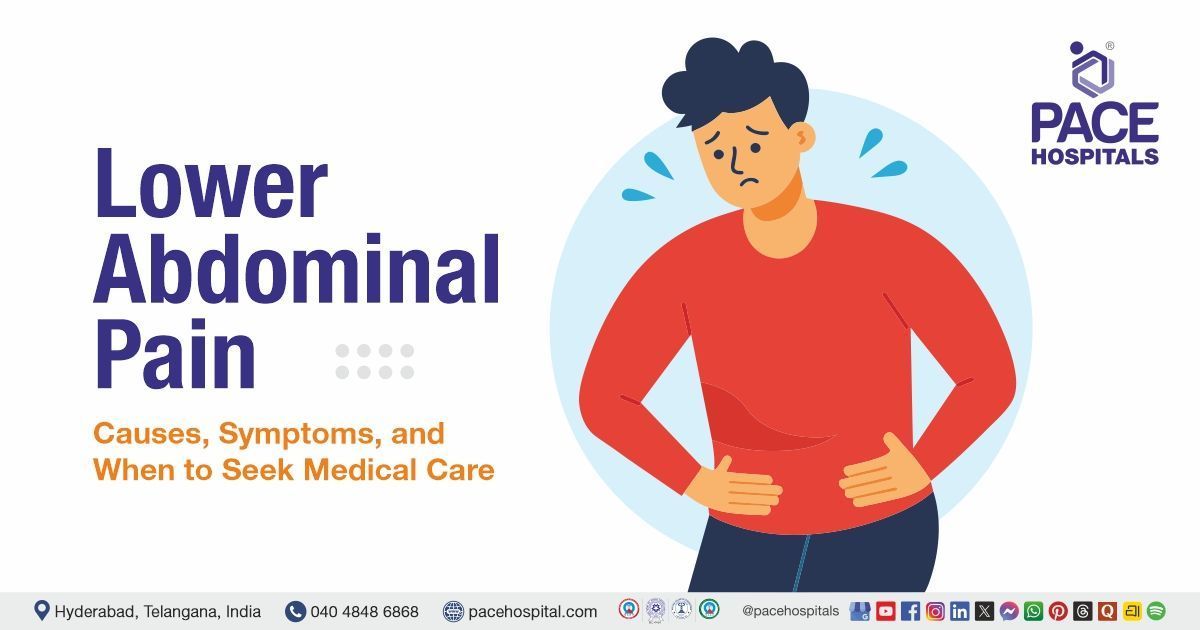
Lower abdominal pain is common health problem which affects millions of people worldwide. The lower abdomen, located below the belly button and extending to the pelvic region, contains vital organs including the intestines, bladder, reproductive organs, and appendix. Pain in this area can varies from mild discomfort to severe pain that may need prompt medical evaluation.
Understanding the location, type, and accompanying symptoms of lower abdominal pain can aid identify potential causes and determine when medical evaluation is necessary. This complete guide explores the various causes of lower abdominal pain, diagnostic approaches, and treatment options.
Understanding Lower Abdominal Pain
Lower abdominal pain refers to any discomfort or pain felt in the area between the belly button (umbilicus) and the pelvic bone. This area can be divided into quadrants to help doctor to identify the source of pain more accurately:
- Lower right quadrant: Contains the appendix, right ovary and fallopian tube (in women), right ureter, and portions of the intestines.
- Lower left quadrant: Contains the sigmoid colon, left ovary and fallopian tube (in women), left ureter, and sections of the intestines
- Central lower abdomen: Includes the bladder, uterus (in women), and portions of the small and large intestines
The pain can be acute (sudden onset) or chronic (lasting more than three months), and its character may be cramping, sharp, dull, or stabbing.
Lower Right Abdominal Pain
Common Causes of Lower Right Abdominal Pain
Appendicitis
Appendicitis is the most concerning cause of lower right abdominal pain and represents a medical emergency. The appendix is a small, tube-like organ, that is attached to the large intestine. When it becomes inflamed or infected, it causes progressive pain that typically starts around the navel and migrates to the lower right abdomen.
Symptoms include:
- Sharp pain that gets worse with movement, coughing, or pressing on the area
- Loss of appetite
- Nausea and vomiting
- Low-grade fever
- Inability to pass gas
- Abdominal swelling
Untreated appendicitis can lead to rupture, causing life-threatening peritonitis (infection of the abdominal cavity). Immediate surgical removal is typically required.
Ovarian Cysts (in Women)
Ovarian cysts are fluid-filled sacs that form on or inside the ovaries. Many ovarian cysts are harmless and may disappear without treatment, however, larger cysts or those that rupture can cause lower right abdominal pain if they occur on the right ovary.
Symptoms may include:
- Dull or sharp pelvic pain
- Bloating or heaviness in the abdomen
- Pain during intercourse
- Irregular menstrual periods
- Sudden, severe pain if the cyst ruptures or causes ovarian torsion
Ectopic Pregnancy
An ectopic pregnancy is a pregnancy that occurs when a fertilized egg attaches outside the uterus, most often in the fallopian tube. If this occurs on the right side, it causes pain in the lower right abdomen. This situation is a medical emergency that needs immediate treatment.
Warning signs include:
- Sharp, stabbing abdominal pain
- Vaginal bleeding
- Shoulder pain (from internal bleeding)
- Dizziness or fainting
- Rectal pressure
Kidney Stones
When kidney stones form in the right kidney or travel down the right ureter, they can cause severe lower right abdominal and flank pain. The pain often radiates from the back around to the front of the abdomen.
Additional symptoms include:
- Blood in urine
- Painful urination
- Frequent urge to urinate
- Nausea and vomiting
- Fever if infection is present
Other Conditions Affecting the Lower Right Abdomen
- Inflammatory bowel disease (IBD): Crohn's disease commonly affects the lower right abdomen where the small intestine meets the colon
- Hernia: Weakness in the abdominal wall can allow tissue to protrude, causing pain and a visible bulge
- Urinary tract infection: Infections can cause lower abdominal pain, particularly if the bladder or right ureter is involved
- Muscle strain: Physical activity or injury can cause muscular pain in the abdominal wall
Lower Left Abdominal Pain
Common Causes of Lower Left Abdominal Pain
Diverticulitis
Diverticulitis is the most frequent cause of lower left abdominal pain in adults over 40. This condition occurs when small pouches (diverticula) in the colon wall become inflamed or infected. The sigmoid colon, which is located in the lower left abdomen, is the most commonly affected area.
Symptoms include:
- Constant, severe pain in the lower left abdomen
- Fever and chills
- Nausea and vomiting
- Changes in bowel habits (constipation or diarrhea)
- Abdominal tenderness
- Bloating
Mild cases may respond well to antibiotics and dietary changes, while chronic cases may require hospitalisation or surgery.
Constipation
Chronic constipation can cause significant discomfort in the lower left abdomen, where stool accumulates in the descending and sigmoid colon. While not typically dangerous, severe constipation can significantly impact quality of life.
Indicators include:
- Infrequent bowel movements (less than three per week)
- Hard, dry stools
- Straining during bowel movements
- Feeling of incomplete evacuation
- Abdominal cramping and bloating
Ovarian Issues (in Women)
Similar to the right side, the left ovary can develop cysts, undergo torsion, or be affected by ectopic pregnancy, causing lower left abdominal pain with similar symptoms as described above.
Kidney Stones and Infections
Left-sided kidney stones or kidney infections (pyelonephritis) can cause lower left abdominal and flank pain with symptoms similar to right-sided kidney problems.
Additional Causes of Lower Left Abdominal Pain
- Irritable bowel syndrome (IBS): A chronic condition causing cramping, bloating, and changes in bowel habits
- Intestinal obstruction: Blockage in the intestines can cause severe pain, vomiting, and inability to pass gas or stool
- Endometriosis: It is a condition in which tissue identical to the uterine lining grows outside the uterus, causing pelvic pain that is more severe on one side.
- Pelvic inflammatory disease (PID): Infection of the female reproductive organs, causing lower abdominal pain, fever, and abnormal discharge
Central Lower Abdominal Pain
Conditions Affecting the Central Lower Abdomen
Bladder Issues
- Urinary tract infections (UTIs): Bacterial infections of the bladder cause central lower abdominal pain, burning during urination, and frequent urination
- Interstitial cystitis: Chronic bladder inflammation leads to pelvic pain and the urgent need to urinate
- Bladder stones: Deposition of minerals in the bladder, causing pain and urinary symptoms
Reproductive System Conditions
- Menstrual cramps (dysmenorrhea): Uterine contractions during menstruation cause cramping in the central lower abdomen
- Uterine fibroids: Benign growths of the uterus that may cause pelvic pressure and pain
- Prostatitis: In men, inflammation of the prostate gland, causing pelvic and lower abdominal discomfort
Gastrointestinal Disorders
- Gastroenteritis: Viral or bacterial infections causing cramping, diarrhea, and vomiting
- Lactose intolerance: Inability to digest lactose, causing bloating, cramping, and diarrhea
- Celiac disease: Autoimmune reaction to gluten causing abdominal pain and digestive issues
Lower Abdominal Pain by Age Group
The causes of lower abdominal pain can differ depending on age. Understanding age-specific patterns may help identify potentially serious conditions earlier and guide timely medical care.
Lower Abdominal Pain in Children
In children, lower abdominal pain is generally related to gastrointestinal or infectious causes, but surgical emergencies must not be missed.
Common causes include:
- Constipation – It is the most frequent cause, often associated with bloating and hard stools
- Gastroenteritis – viral or bacterial infections causing cramps, diarrhea, and vomiting
- Appendicitis – the most common surgical emergency in children, presenting with worsening right lower abdominal pain
- Urinary tract infections – more common in girls, causing pain with urination and fever
- Intussusception – a serious condition in infants and toddlers causing severe, intermittent pain and vomiting
Any child with persistent pain, fever, vomiting, abdominal swelling, or lethargy should be evaluated promptly.
Lower Abdominal Pain in Adults
In adults, causes are more diverse and may involve the gastrointestinal, urinary, or reproductive systems.
Common causes include:
- Appendicitis
- Diverticulitis
- Irritable bowel syndrome (IBS)
- Kidney stones or urinary infections
- Gynecological conditions in women (ovarian cysts, endometriosis, ectopic pregnancy)
- Hernias or muscle strain
Pain lasting more than a few days, worsening pain, or pain associated with fever or weight loss requires medical evaluation.
Lower Abdominal Pain in Older Adults
In older adults, abdominal pain should always be taken seriously, as symptoms may be subtle even in severe conditions.
Common causes include:
- Diverticulitis
- Bowel obstruction
- Colorectal cancer
- Urinary tract infections
- Abdominal aortic aneurysm (AAA) – a life-threatening cause of sudden, severe abdominal or back pain
Older adults should seek medical care promptly for new, severe, or unexplained abdominal pain, even if symptoms appear mild.
Lower Abdominal Pain in Men and Women
Lower abdominal pain may present differently in men and women due to differences in anatomy and reproductive organs.
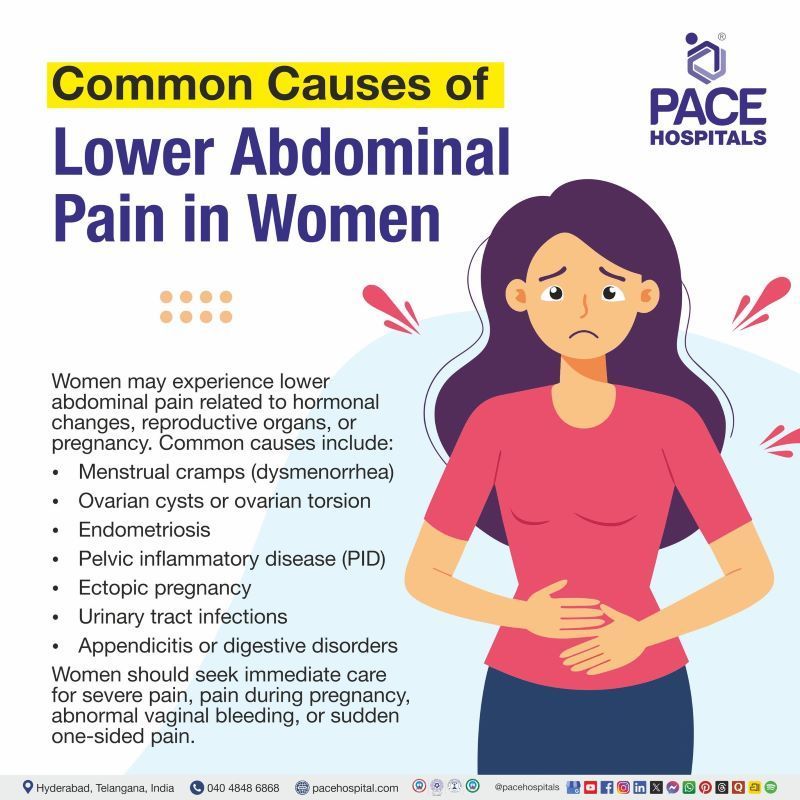
Common Causes of Lower Abdomen Pain in Women
Women may experience lower abdominal pain related to hormonal changes, reproductive organs, or pregnancy.
Common causes in women are:
- Menstrual cramps (dysmenorrhea)
- Ovarian cysts or ovarian torsion
- Endometriosis
- Pelvic inflammatory disease (PID)
- Ectopic pregnancy
- Urinary tract infections
- Appendicitis or digestive disorders
Women should seek immediate care for severe pain, pain during pregnancy, abnormal vaginal bleeding, or sudden one-sided pain.
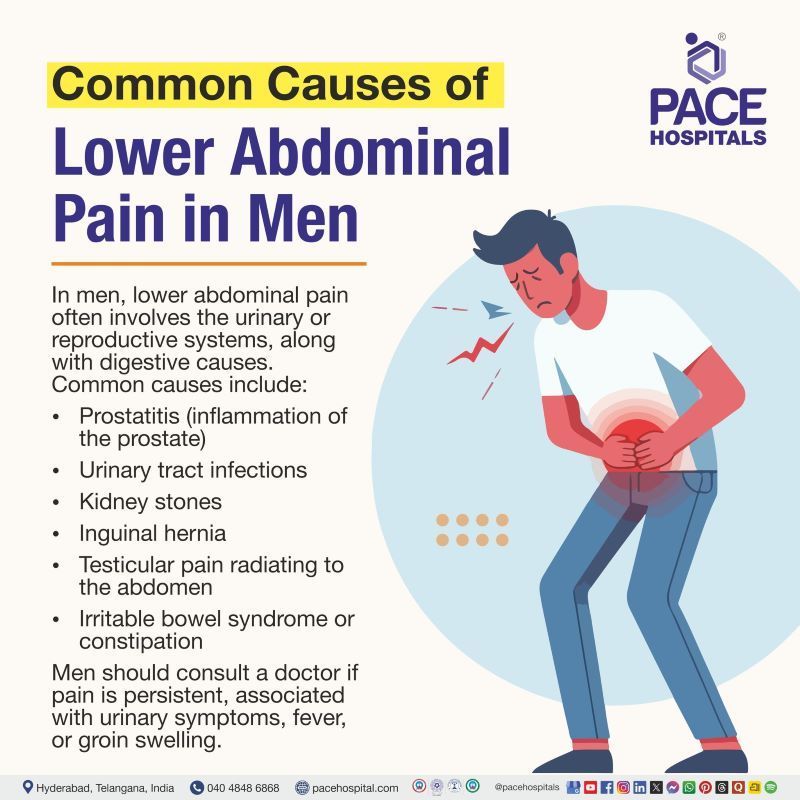
Common Causes of Lower Abdominal Pain in Men
In men, lower abdominal pain may involve the urinary or reproductive systems, along with digestive causes.
Common causes include:
- Prostatitis (inflammation of the prostate)
- Urinary tract infections
- Kidney stones
- Inguinal hernia
- Testicular pain radiating to the abdomen
- Irritable bowel syndrome or constipation
Men should consult a doctor if pain is persistent, associated with urinary symptoms, fever, or groin swelling.
Identifying the Cause of Lower Abdominal Pain Based on Pain Patterns
The pattern of lower abdominal pain—when it occurs, what worsens it, and associated symptoms—can provide valuable clues to the underlying cause.
- Pain after eating
- May indicate food intolerance, IBS, gastritis, constipation, or gallbladder-related digestive issues.
- Pain during urination
- Suggests urinary tract infection, bladder inflammation, or kidney stones.
- Pain during menstruation
- Commonly due to menstrual cramps, endometriosis, or uterine fibroids.
- Pain with fever
- This often indicates infection such as appendicitis, diverticulitis, PID, or kidney infection.
- Pain with bloating and gas
- Frequently caused by constipation, IBS, food intolerance, or excessive gas buildup.
- Pain radiating to the back or groin
- Common in kidney stones, urinary infections, or spinal-related referred pain.
- Sudden, severe one-sided pain
- May signal appendicitis, ovarian torsion, ectopic pregnancy, or kidney stones and requires urgent medical evaluation.
Recognizing pain patterns helps determine when home care is appropriate and when urgent medical attention is needed.
When to Seek Medical Attention for Lower Abdominal Pain?
While many cases of lower abdominal pain resolve on their own or with simple home remedies, certain symptoms warrant immediate medical evaluation.
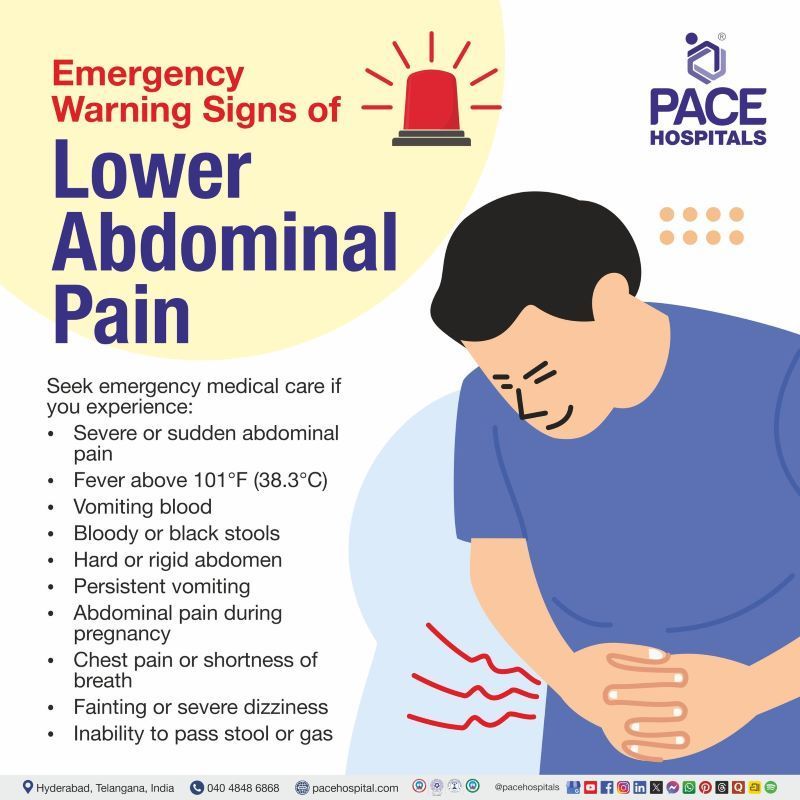
Emergency Warning Signs of Lower Abdominal Pain
Seek emergency medical care if you experience:
- Severe, sudden pain: Especially if it's different from any pain you've experienced before
- Pain accompanied by fever: Temperature above 101°F (38.3°C) may indicate infection
- Vomiting blood: Vomiting that contains blood or vomit that looks like coffee grounds
- Bloody or black, tarry stools: May indicate gastrointestinal bleeding
- Rigid, hard abdomen: Could indicate a serious condition like peritonitis
- Persistent vomiting: Unable to keep food or drink down
- Pain during pregnancy: Any abdominal pain during pregnancy requires evaluation
- Chest pain or shortness of breath: Accompanied by abdominal pain
- Fainting or severe dizziness: May indicate internal bleeding or other serious condition
- Inability to pass stool or gas: With increasing pain and bloating
When to Schedule a Doctor's Appointment for Lower Abdominal Pain?
Contact your healthcare provider within a day or two if you have:
- Abdominal pain lasting more than a few days
- Pain that worsens or doesn't improve
- Unexplained weight loss
- Persistent changes in bowel habits
- Pain with urination or abnormal vaginal discharge
- Fever with abdominal pain
- Bloating that doesn't resolve
Diagnosis of Lower Abdominal Pain
Healthcare providers use several approaches to diagnose the cause of lower abdominal pain:
Medical History and Physical Examination
Your doctor will ask detailed questions about:
- Location, onset, and duration of pain
- The type of pain (sharp, dull, cramping, constant, or intermittent)
- Activities or foods that worsen or relieve pain
- Associated symptoms
- Medical history and current medications
- Recent travel or dietary changes
A physical examination includes palpating (pressing on) the abdomen to identify tender areas, checking for masses or hernias, and listening to bowel sounds.
Laboratory Tests
- Blood tests: Complete blood count (CBC) to check for infection or anemia, metabolic panels
- Urinalysis: To identify urinary tract infections or kidney problems
- Pregnancy test: For women of childbearing age, this test needed to be conducted.
- Stool tests: To check for infections, bleeding, or inflammatory markers
Imaging Studies
- Ultrasound: This is a non-invasive imaging study utilised to examine reproductive organs and detect fluid or masses
- MRI: Offers detailed soft tissue imaging when needed
- CT scan: This scan provides a detailed cross-sectional image to identify conditions
- X-rays: Can reveal intestinal blockages or perforations
Specialized Procedures
- Colonoscopy: Examination of the colon using a flexible tube with a camera
- Laparoscopy: Minimally invasive surgery to directly visualize abdominal organs
- Cystoscopy: Examination of the bladder
Questions Your Doctor May Ask About Lower Abdominal Pain
When evaluating lower abdominal pain, your doctor may ask questions such as:
- Where exactly is the pain?
- When did it start?
- Is it constant or intermittent?
- Any fever, vomiting, or bleeding?
- Recent food changes or travel?
- Are you pregnant or could you be?
Lower Abdominal Pain Treatment Options
The treatment for lower abdominal pain may depend on its underlying cause.
Medical Treatments
Medications
- Antibiotics for bacterial infections (UTIs, diverticulitis, PID)
- Anti-inflammatory drugs for pain and inflammation
- Antispasmodics for cramping associated with IBS
- Pain relievers like non-steroidal anti-inflammatory drugs (NSAIDs)
- Hormonal treatments are used for conditions like endometriosis or menstrual cramps.
Surgical Management
- Appendectomy for appendicitis
- Surgery for gynaecological emergencies like ectopic pregnancy, ovarian torsion, or large ovarian cysts
- Hernia repair surgery
- Bowel surgery: For severe cases of diverticulitis or Crohn's disease.
- Removal of kidney stones that don't pass naturally
Home Remedies and Self-Care for Lower Abdominal Pain
For mild, non-emergency abdominal pain:
- Rest: Allow your body to recover
- Heat therapy: The application of a heating pad or warm compress to the affected area may help reduce pain
- Hydration: Adequate fluid intake is important for patients with constipation or urinary tract infections
- Dietary modifications:
- Avoid foods that trigger symptoms
- Consume smaller, more frequent meals
- Increase fibre intake to help relieve constipation
- Follow a bland diet during episodes of gastroenteritis
- Over-the-counter medications: Medications like antacids, anti-gas medications, or mild pain relievers as appropriate
- Stress management: Techniques such as meditation or yoga for IBS-related pain
Lifestyle Changes
- Maintain a healthy body weight
- Exercise regularly to promote digestive health
- Eat a balanced, high-fibre diet
- Stay hydrated through water and juices
- Limit alcohol and caffeine intake
- Practice healthy bowel habits (don't delay when you feel the urge)
- Manage stress effectively
When Hospitalization or Emergency Care Is Required for Lower Abdominal Pain?
While many causes of lower abdominal pain can be treated on an outpatient basis, certain conditions require urgent hospital admission or emergency care to prevent serious complications. Delaying treatment in these cases can be life-threatening.
Conditions That Commonly Require Hospitalization
Hospital care is usually necessary when lower abdominal pain is caused by:
- Appendicitis – requires urgent surgical removal of the appendix
- Ectopic pregnancy – a medical emergency that can cause internal bleeding
- Severe diverticulitis – especially with abscess, perforation, or obstruction
- Intestinal obstruction – blockage preventing movement of food or stool
- Ovarian torsion or ruptured ovarian cyst – causes sudden severe pain and risk to the ovary
- Kidney infection (pyelonephritis) – especially with high fever or vomiting
- Abdominal aortic aneurysm (AAA) – sudden abdominal or back pain with risk of rupture
- Peritonitis – It is a serious infection of the abdominal cavity due to perforation or rupture
- Severe pelvic inflammatory disease (PID) – with fever, abscess, or sepsis
Emergency Symptoms of Lower Abdominal Pain That Require Immediate Medical Attention
Seek emergency care without delay if lower abdominal pain is accompanied by:
- Sudden, severe, or rapidly worsening pain
- High fever or chills
- Persistent vomiting or inability to keep fluids down
- Fainting, dizziness, or signs of shock
- Severe abdominal tenderness or a hard, rigid abdomen
- Bloody or black stools
- Vomiting blood
- Severe pain during pregnancy
- Difficulty breathing or chest pain along with abdominal pain
- Inability to pass stool or gas with increasing bloating
What Happens During Hospital Evaluation?
If hospitalization is required, doctors may:
- Check vital signs and pain levels closely
- Order blood tests and imaging studies such as an ultrasound, CT scan, or MRI
- Administer intravenous fluids, antibiotics, or pain medications
- Consult specialists such as surgeons, gynecologists, or urologists
- Proceed with emergency or planned surgery when necessary
Early hospital care improves outcomes, shortens recovery time, and reduces the risk of complications.
When in Doubt, Seek Medical Care for Lower Abdominal Pain?
Lower abdominal pain can sometimes seem mild, but it can get worse quickly. If the symptoms feel unusual, severe, or worrying, it is always better to get a medical check-up right away instead of waiting.
If you experience severe or worsening lower abdominal pain, seek emergency medical care immediately.
Home Care vs Emergency Room: How to Decide for Lower Abdominal Pain?
You may manage lower abdominal pain at home if:
- Pain is mild to moderate and improving
- Pain is intermittent, crampy, or related to gas or constipation
- No fever, vomiting, or bleeding
- Normal urination and bowel movements
- Pain improves with rest, hydration, or a heating pad
- You feel generally well
Monitor symptoms closely and see a doctor if pain persists beyond 24–48 hours.
See a doctor soon (within 24–48 hours) if:
- Pain lasts more than a few days
- Pain worsens or keeps returning
- Pain occurs after eating or with urination
- Bloating, constipation, or diarrhea does not improve
- Fever is mild but persistent
- Unexplained weight loss or fatigue is present
Early evaluation helps prevent complications.
Go to the Emergency Room immediately if:
- Sudden, severe, or rapidly worsening pain
- Pain with high fever, vomiting, or chills
- One-sided severe pain, especially in women
- Pain during pregnancy
- Fainting, dizziness, or weakness
- Bloody stools, black stools, or vomiting blood
- Hard, swollen, or very tender abdomen
- Inability to pass stool or gas with increasing pain
These symptoms may indicate a medical emergency.
When to Worry About Lower Abdominal Pain?
Seek immediate medical care at PACE Hospitals if lower abdominal pain is:
- Sudden, severe, or rapidly worsening
- Accompanied by fever, vomiting, dizziness, or fainting
- One-sided and severe, especially in women
- Occurring during pregnancy
- Associated with bloody or black stools
- With a hard, swollen, or very tender abdomen
- Causing inability to pass stool or gas
- Not improving or worsening after 24–48 hours
If in doubt, it is always safer to seek prompt evaluation at a PACE Hospitals Emergency Department.
What Not to Do When You Have Lower Abdominal Pain?
Key points:
- Do not ignore worsening
- or persistent pain
- Avoid using laxatives if the pain is severe or unexplained
- Do not apply heat if appendicitis is suspected
- Avoid alcohol and heavy meals during episodes of pain
Do not self-medicate with antibiotics without medical advice
Prevention Strategies for Lower Abdominal Pain
While not all causes of lower abdominal pain can be prevented, certain measures can reduce your risk:
For Digestive Health
- Consuming a high-fiber diet with plenty of fruits, vegetables, and whole grains
- Stay adequately hydrated
- Exercise regularly to promote bowel movements
- Limit processed foods and excessive fat intake
- Identify and avoid food triggers
For Urinary Health
- Drink plenty of water throughout the day
- Urinate when you feel the urge; don't hold it
- Practice good hygiene
- Urinate after sexual intercourse
- Avoid irritating feminine products
For Reproductive Health
- Practice safe sexual activity to prevent sexually transmitted infections
- Attend regular gynecological exams
- Seek prompt treatment for any reproductive health concerns
- Be aware of your menstrual cycle and what's normal for you
General Health
- Maintain a healthy weight
- Don't smoke
- Limit alcohol consumption
- Manage chronic conditions effectively
- Stay current with recommended health screenings
Lower Abdominal Pain – Quick Summary
- Lower abdominal pain can arise from the digestive, urinary, or reproductive systems, and may range from mild discomfort to a medical emergency.
- Pain in lower right abdomen may suggest appendicitis or ovarian related issues, left side abdominal pain is often linked to diverticulitis or constipation, while central pain commonly relates to bladder or gynecological conditions.
- Seek urgent medical care for sudden, severe abdominal pain, pain accompanied by fever or vomiting, pain during pregnancy, or pain that worsens rapidly.
- Mild stomach pain that improves with rest, hydration, and simple home care can be monitored, but chronic or recurring pain needs medical evaluation.
Frequently Asked Questions (FAQs) on Lower Abdominal Pain
What causes lower abdominal pain in females?
There are several causes of lower abdominal pain in female. Common causes can be menstrual cramps, ovarian cysts, endometriosis, pelvic inflammatory disease, and ectopic pregnancy. Urinary tract infections and digestive issues like IBS or constipation, and appendicitis, can also lead to discomfort. In some cases, appendicitis may be responsible. The location of the pain (right, left, or central) can help narrow down the cause. Women should seek medical attention for severe pain, pain during pregnancy, or pain accompanied by fever, vomiting, or abnormal bleeding.
Can gas cause lower abdominal pain?
Yes, trapped gas is a common and usually harmless cause of lower abdominal discomfort. Gas can accumulate in the intestines due to swallowing air, consuming gas-producing foods such as beans, certain vegetables, or carbonated beverages, or as a result of digestive conditions like irritable bowel syndrome or lactose intolerance. Gas pain typically feels like cramping or bloating and may shift locations. It usually improves with passing gas or having a bowel movement. Walking and gentle abdominal massage can help relieve gas pain.
What causes lower left abdominal pain?
Pain on the lower left side of the abdomen can have several causes. Common reasons include diverticulitis (inflammation of pouches in the colon wall), constipation,IBS, kidney stones or infections on the left side, ovarian issues in women (cysts, torsion, ectopic pregnancy), muscle strain, or hernias. Diverticulitis is particularly common in adults over 40 and causes constant, severe pain along with fever. The specific diagnosis depends on pain characteristics and associated symptoms.
Is lower abdominal pain a sign of pregnancy?
Lower abdominal discomfort can be an early sign of pregnancy, that is caused by implantation or the uterus stretching. However, it can also indicate serious complications like ectopic pregnancy or miscarriage. Anyone of childbearing age who experience lower abdominal pain should consider pregnancy as a possibility. If pregnant, consult your healthcare provider about any abdominal pain, especially if it's severe, one-sided, or accompanied by bleeding, dizziness, or shoulder pain.
Can stress cause lower abdominal pain?
Yes, stress can contribute to or make lower abdominal pain worse. Emotional stress influences the connection between the brain and the digestive system, which can aggravate conditions such as irritable bowel syndrome (IBS), causing cramping, bloating, diarrhea, or constipation. Stress can also cause muscle tension in the abdominal wall and may alter digestive function. Treating stress through relaxation techniques, exercise, adequate sleep, and counseling can help reduce stress-related stomach pain.
What is the difference between cramping and sharp abdominal pain?
Cramping pain is commonly described as a squeezing or contracting sensations that come in waves, which is associated with digestive issues (gas, diarrhea, constipation, menstrual cramps) or muscle spasms. Sharp pain is sudden, stabbing, or piercing pain that may be continuous or intermittent, this indicating inflammation, infection, or structural problems (appendicitis, stones, kidney, ovarian cysts). Sharp pain, especially if severe and persistent, typically requires more urgent medical evaluation than cramping pain.
What helps relieve lower abdominal pain at home?
For mild, non-emergency pain, try these remedies: apply heat with a heating pad or take a warm bath, taking rest in a comfortable position, stay hydrated, eat bland foods in small amounts, take over-the-counter pain relievers, try gentle abdominal massage and practice relaxation techniques. Avoid eating large meals, limit caffeine and alcohol, and note what makes pain better or worse. If pain doesn't improve within 24-48 hours or worsens, consult a doctor.
What does lower right abdominal pain indicate?
Pain in the lower right abdomen can have several causes. The most serious and common cause is appendicitis, which requires prompt medical attention. Other causes may include ovarian cysts or ectopic pregnancy in women, kidney stones, UTIs, Crohn's disease, hernias. The specific cause depends on the pain's type, onset, and accompanying symptoms. Sharp, severe pain that worsens over hours suggests appendicitis and requires immediate medical evaluation.
How do I know if abdominal pain is serious?
Serious abdominal pain typically has one or more red flags like: sudden, severe onset; pain that progressively worsens; rigid or very tender abdomen; high fever; vomiting blood; bloody stools; signs of shock (rapid heartbeat, sweating, confusion); pain during pregnancy; or inability to pass gas or stool with increasing bloating. Trust your instincts, if pain feels different or more severe than you've experienced before, seek medical evaluation.
Can a UTI cause lower abdominal pain?
Yes. Urinary tract infections (UTI) commonly cause lower abdominal pain, particularly in the central lower abdomen where the bladder is located. Common symptoms of UTI are a burning feeling while urinating, the need to urinate frequently despite passing small amounts of urine, cloudy or blood-tinged urine, a strong urine odor, and pressure or discomfort in the pelvic region. Women are more prone to UTIs than men. If you suspect a UTI, see your doctor for antibiotics, as untreated infections can spread to the kidneys.
Why do I have lower abdominal pain after eating?
Lower abdominal pain after eating can result from food intolerances (lactose, gluten), irritable bowel syndrome, inflammatory bowel disease, constipation, gas and bloating, gastroenteritis, or eating too quickly. Maintain a food diary to find out triggering foods. Common causes are milk-based products, high-fat foods, spicy foods, beans, cruciferous vegetables, and carbonated beverages. If the pain often occurs after meals or comes with diarrhea, unexplained weight loss, or blood in the stool, you should see a gastroenterologist.
What does appendicitis pain feel like?
Appendicitis often starts with as dull, cramping pain near the belly button that gradually moves to the lower right abdomen over several hours. As the condition progresses, the pain becomes sharp and severe, worsening with movement, coughing, or pressure on the area. Other signs are loss of appetite, vomiting, low fever, inability to pass gas, and abdominal swelling. The abdomen becomes increasingly tender to touch. Appendicitis is a serious condition that needs urgent surgical intervention.
Can ovarian cysts cause constant pain?
Ovarian cysts can cause continuous pain if they are large in size, ready to rupture, or leading to ovarian torsion. Smaller cysts result in occasional discomfort, during ovulation or menstruation. Symptoms include dull aching or sudden sharp pain in the lower abdomen (usually one-sided), bloating, feeling of fullness, pain during intercourse, and irregular periods. A ruptured cyst causes sudden, severe pain with possible dizziness, while torsion causes severe pain with nausea and vomiting—both require emergency care.
How long does lower abdominal pain typically last?
The duration of lower abdominal pain depends on its cause. Gas pain may resolve in few hours, menstrual cramps last 1-3 days, and viral gastroenteritis generally gets better within 1 to 3 days. A urinary tract infection usually clears up in a few days with antibiotics. On the other hand, chronic conditions like IBS or endometriosis can cause ongoing pain for months or even years. Acute appendicitis gets worse over hours and needs emergency surgery. Any pain that lasts more than a few days without getting better, or severe pain at any point, should be checked by a doctor for proper diagnosis and treatment.
When should I worry about lower abdominal pain?
You should seek immediate medical attention if you experience severe, sudden pain; pain with high fever (above 101°F); vomiting blood; bloody or black stools; rigid abdomen; persistent vomiting; pain during pregnancy; chest pain or difficulty breathing; fainting; or inability to pass stool or gas. Also consult a doctor if pain lasts more than a few days, worsens over time, or is accompanied by unexplained weight loss.
Share on
Request an appointment
Fill in the appointment form or call us instantly to book a confirmed appointment with our super specialist at 04048486868
Appointment request - health articles
Recent Articles