Summer Care Tips for Children and Elderly People
PACE Hospitals
Written by: Editorial Team
Medically reviewed by:
Dr. Snigda Panuganti - Consultant General Physician and Diabetologist
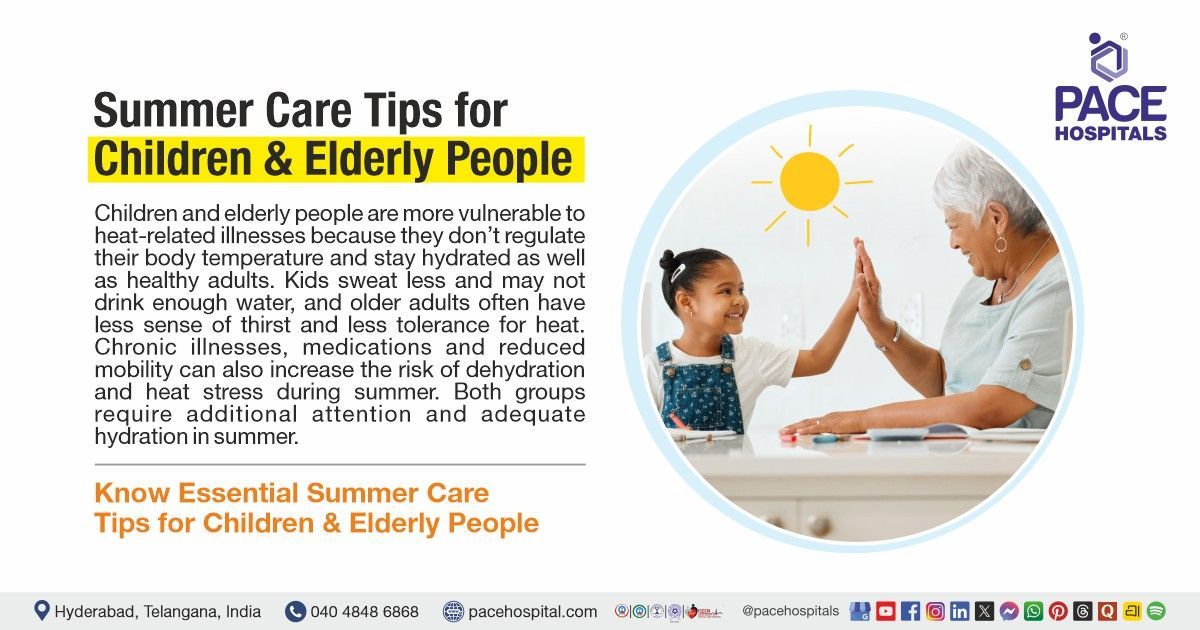
The summer season means longer days, brighter sunshine, and chances to be outside. But hotter temperatures and increased humidity can also be dangerous, especially for children and the elderly. The differences in body temperature regulation, hydration status, and general immunity make the above-mentioned age categories more vulnerable to heat-related illnesses.
This long guide provides practical and evidence-based summer care tips for children and elderly people. The aim is to help families to avoid complications, remain comfortable and promote general well-being during the hot season.
Why Children and the Elderly are More Vulnerable?
Children and older adults respond differently to heat than healthy adults. In children, the thermoregulatory system is still developing, and they sweat less, which decreases the body's ability to cool itself. They are also more active and may forget to drink water often.
Older people often don't drink enough fluids as the sensation of thirst decreases with age. Other age-related changes, such as reduced kidney function, chronic illnesses and some medications, can also lead to greater fluid loss or an inability of the body to cope with heat. Limited access to cooler environments and reduced mobility can further increase risk.
Because of these physiological differences, children and elderly people require special care in summer.
Summer Health Risks in Children and the Elderly
Summer can bring fun and outdoor activities, but it also increases the risk of health issues, especially for children and the elderly. Understanding common risks is crucial for prevention. These include:
Dehydration
Dehydration happens when the body loses more fluid than it consumes. It is fast in children because of their active play, while elderly people may not feel thirsty and hence are more prone to it. Symptoms include a dry mouth, lightheadedness and tiredness.
Heat Exhaustion
Heat exhaustion is the body's response to overheating, and it can develop after prolonged exposure to high temperatures and/or strenuous activity. Symptoms include heavy sweating, weakness, nausea and fainting. It needs to be cooled down and hydrated immediately to prevent more serious heat illnesses.
Heatstroke
Heatstroke is a medical emergency in which the body temperature exceeds 40°C, leading to confusion, seizures and loss of consciousness. Children and the elderly are more vulnerable and need urgent medical treatment to lower body temperature and replenish fluids.
Heat rash (Miliaria)
Heat rash occurs when sweat is trapped under the skin due to blocked sweat ducts. It is common in children who play outside in hot weather. Keeping the skin cool and dry can help to relieve the rash.
Sunburn and Skin Damage
When the sun's UV rays hit the skin, too much exposure causes sunburn, redness, irritation, and lasting skin damage. Kids and senior citizens have sensitive skin and are more likely to get sunburned and develop skin cancer over a period of time.
Gastrointestinal Infections
The summer heat creates an environment for bacteria to grow in food and water and increases the risk for foodborne illnesses such as diarrhoea and vomiting. Children and the elderly are more vulnerable due to their weak immune systems, and symptoms need immediate care to prevent dehydration.
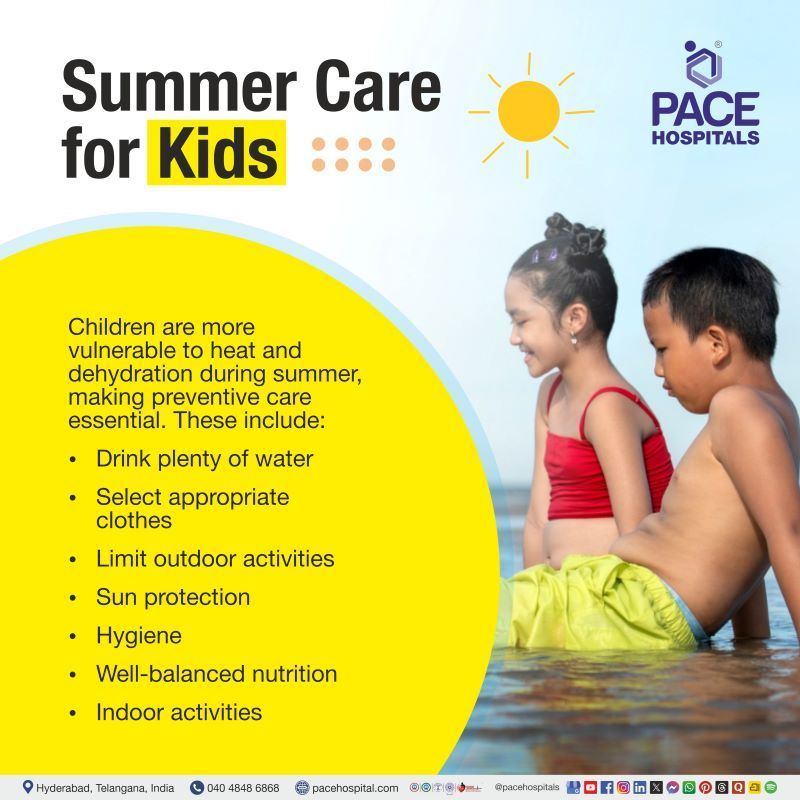
Summer Care for Kids
With the arrival of summer, children are more active outdoors but also more vulnerable to heat and dehydration. Taking simple preventive steps can help keep them safe and comfortable in the heat. These include:
Drink Plenty of Water
Kids need to drink water throughout the day, even if they’re not thirsty. Drinking healthy fluids like coconut water, lemon water and fresh fruit juices can help in proper hydration. Avoid sugary drinks and sodas because they can cause dehydration. It’s important to stay hydrated to prevent heat exhaustion and maintain energy.
Select Appropriate Clothes
Light-coloured, loose cotton clothing is best for hot weather because it lets air circulate and helps keep the body cool. Tight or synthetic fabrics trap heat and moisture, which increases body temperature. Breathable fabrics are comfortable and lower the chance of heat-related issues like heat rash or dehydration.
Limit Outdoor Activities
Play outside only in the early morning or late evening when the sun is not as strong. The sun's rays are strongest between 11 a.m. and 4 p.m., and can increase the risk of heat-related illnesses. To stay safe and cool, stay indoors during the hottest part of the day.
Sun Protection
Applying sunscreen (minimum SPF 30) to shield children’s skin from damaging UV rays. Hats, caps and sunglasses protect from the sun as well. Proper sun protection prevents sunburn, premature skin ageing, and long-term skin damage.
Hygiene
Bathing and skin cleaning regularly help prevent heat rash and infections. Focus on areas where sweat collects, such as the neck and under the arms."The most important thing is to keep the skin dry and cool, which prevents heat-related rashes and discomfort.
Well-Balanced Nutrition
Include fruits with high water content, such as watermelon, cucumber and oranges, in a child's diet. They are hydrated and provide essential nutrients. A good diet will help keep energy levels up and avoid dehydration in the warmer months.
Indoor Activities
Promote indoor activities during the hottest part of the day to keep children cool. Activities such as reading, puzzles, and arts and crafts are entertaining and help keep kids indoors, avoiding sun exposure. Indoor play keeps children engaged while minimising the risk of heat-related illnesses.
Special Considerations for Infants
Babies are very sensitive to temperature fluctuations and require additional care to stay hydrated. Frequent breastfeeding or bottle feeding will help to keep the baby hydrated. It is important to keep babies in a cool, shady environment and dress them in light, breathable clothing. If any signs of dehydration, such as irritability or fewer wet diapers, consult the doctor immediately.
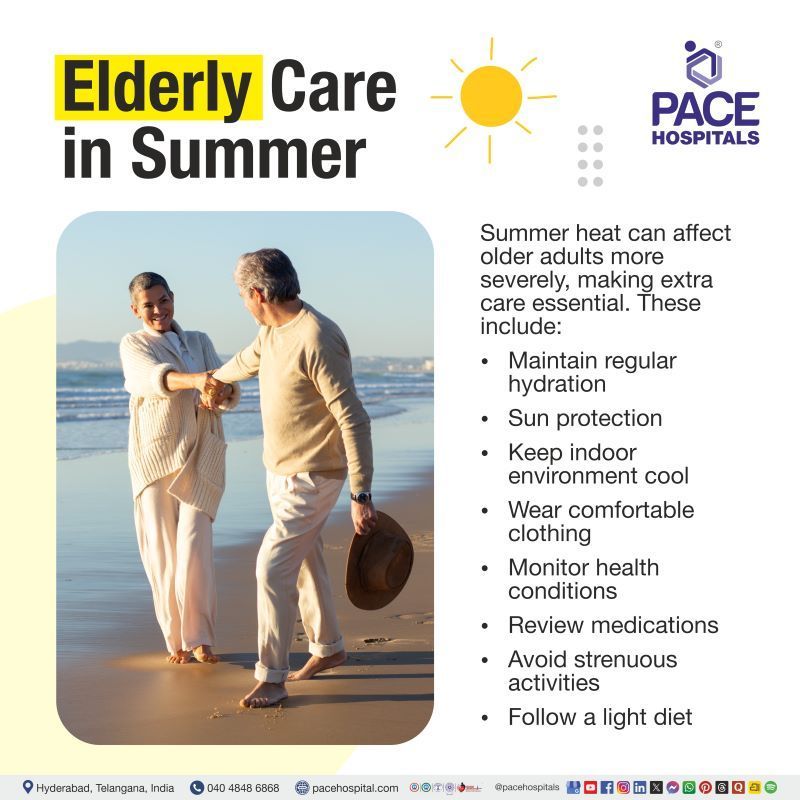
Elderly Care in Summer
Elderly individuals are more vulnerable to heat in summer and need extra care. Proper hydration, nutrition, and temperature management are key to their safety. These include:
Maintain Regular Hydration
Older people often don't feel as thirsty and may not drink enough fluids. Make sure they drink plenty of fluids throughout the day. Drinks such as coconut water or soup can also help restore lost electrolytes. It also helps to stay well hydrated, which reduces the risk of heat exhaustion and is good for general health.
Protection from Sun Exposure
Apply sunscreen liberally, especially if one has thinner skin. Clothing, sunglasses and hats are essential in minimising exposure to harmful UV rays. Avoid being outdoors during the most intense part of the day.
Keep Indoor Environment Cool
The heat can be more difficult on seniors, particularly those with mobility limitations. Fans, air conditioners or air coolers can help make indoor temperatures comfortable. Proper airflow and ventilation prevent overheating, keeping the environment cool and safe for the elderly during summer.
Wear Comfortable Clothing
In warm weather, older adults should wear loose, breathable clothing made of natural fabrics, such as cotton. These materials let the skin breathe and help maintain the body's coolness. Avoid tight-fitting or synthetic fabrics, which trap heat and moisture, making the body feel warmer and less comfortable.
Monitor Health Conditions
Heat can make chronic conditions like diabetes, high blood pressure and heart disease worse. Older people with these health issues should regularly monitor their vital signs and stay up to date with their treatments. Close monitoring of health during the summer prevents heat-related and condition-related complications.
Review Medications
Some medicines may interfere with the body’s ability to regulate heat or affect hydration. As seniors, it’s important to check in with a doctor about prescriptions, especially in warmer months. If necessary, medication adjustments are made to help the elderly cope with the summer heat and remain properly hydrated.
Avoid Strenuous Activities
The elderly should avoid vigorous physical activity during the hottest part of the day – normally between 11 a.m. and 4 p.m. Other good options are light walks or gentle exercises in the morning or evening. To reduce the risk of heatstroke or heat exhaustion, try to avoid physical activity in the hottest part of the day.
Follow a Light Diet
In summer, it's important to eat lighter, easier-to-digest foods. Fresh fruits, vegetables and soups are great for hydration and provide nutrients without putting a strain on the digestive system. A light and balanced diet helps to maintain energy levels and supports overall health during hot weather.
Summer Diet for Children and the Elderly
During the summer, both children and the elderly need a diet that supports hydration, provides sustained energy, and delivers essential nutrients to stay healthy in the heat. Here’s how to ensure proper nutrition during the warmer months. These include:
Hydration
Hydration is the main source for both children and the elderly. Water-rich foods like watermelon, cucumbers, and oranges help maintain the body hydrated. Elderly people and children should drink water more frequently, even when they’re not thirsty.
Fruits and Vegetables
Fruits and vegetables are high in water, vitamins and antioxidants important in summer. Fruits such as watermelon, strawberries and peaches aid hydration while vegetables such as cucumbers and bell peppers provide fibre and nutrients. These should be included in meals and snacks throughout the day for overall health.
Lean Proteins
Protein is important for muscle repair, immune function, and overall growth. Chicken, turkey, and eggs are good sources of protein in the summer diet. These proteins support physical activity and help children and older adults maintain strength, especially on active days in the heat.
Whole Grains
Whole grains like quinoa, brown rice, and oats provide sustained energy and fibre. These complex carbohydrates help maintain stable blood sugar levels, keeping both children and the elderly energised without crashes. Whole grains are easy to incorporate into a variety of dishes, from salads to side dishes.
Healthy Fats
Healthy fats such as those in avocado, olive oil and nuts are good for the heart and brain. Healthy fats also help children develop memory and help the elderly keep their brains functioning and vital. Add these healthy fats to meals to encourage a balanced diet.
Smaller, Frequent Meals
During the summer heat, a reduced appetite is common, so smaller, more frequent meals are a good idea. Go for lighter fare such as salads, soups or fruit with yoghurt instead of large meals. These are easier to digest and help energise throughout the day.
Limit Processed Foods
During the summer, they avoid processed foods that are high in sugar, salt and unhealthy fats. These foods can cause dehydration and energy crashes. Focus on whole foods, such as lean proteins, fresh fruits, and vegetables, to provide the nutrients the body needs in the heat.
Easy-to-Digest Foods
For the older people, especially those who have issues with digestion, lighter ones, easier to digest, are a must. Good choices in hot weather are soft foods such as mashed potatoes, smoothies and soups. These foods are gentle on the stomach while providing necessary nutrients.
When to Seek Medical Help?
It is important to know when to seek medical help during the summer months to avoid serious health problems, especially for children and the elderly. Early recognition of warning signs leads to prompt treatment and prevention of long-term problems. These include:
Heatstroke or Heat Exhaustion
Symptoms of heat exhaustion include dizziness, nausea, excessive sweating and muscle cramps. If these symptoms do not improve after resting in a cool place, seek medical help immediately. Heatstroke is a medical emergency that involves confusion, dry skin, and a body temperature above 104°F.
Severe Dehydration
Severe dehydration symptoms include dry mouth, dark yellow urine, dizziness, and confusion. If someone is too weak to drink fluids or their symptoms worsen, it is important to get medical help. Dehydration can lead to serious problems, such as kidney failure and shock.
Bad Sunburn or Skin Damage
Severe sunburns that cause blisters, swelling, or intense pain require medical attention. Sunburn can lead to complications such as infection and dehydration in children and older adults, so treatment is important to prevent further problems.
Breathing or Chest Problems
If someone is having trouble breathing, chest pain, or shortness of breath, seek medical help immediately. These could be signs of heart issues or respiratory difficulties, especially in older adults or people with underlying health problems.
Confusion or Disorientation
Confusion, disorientation or difficulty focusing can indicate heat exhaustion, dehydration or a more serious condition. When these symptoms appear, particularly in the elderly, it is important to seek medical attention immediately for examination and treatment.
Vomiting or Diarrhoea
Continuous vomiting or diarrhoea lasting more than 24 hours can cause dehydration, especially in children and the elderly. If symptoms are severe, or occur with blood, fever or pain, get medical help to prevent complications.
Severe Allergic Reactions (Anaphylaxis)
Severe Allergic Reactions (Anaphylaxis) Serious allergic reactions may result in swelling of the face or throat, difficulty breathing and dizziness. Known as anaphylaxis, this potentially fatal condition requires immediate emergency treatment.
Fainting or Loss of Consciousness
If someone faints or loses consciousness, especially if he or she has chest pain or difficulty breathing, call for emergency medical help immediately. These may be signs of dehydration, cardiac problems, or hypotension that require urgent attention.
Severe Headache or Migraines
Severe Headache or Migraines Severe, sudden headaches that do not improve with rest or hydration, and are associated with symptoms such as vomiting or confusion, should be evaluated by a doctor. Heat-related headaches or migraines can worsen quickly and need prompt attention.
Severe Fatigue or Weakness
Extreme fatigue or weakness that does not improve with rest can be a sign of heat exhaustion or dehydration. In children or the elderly, this can be a serious warning sign, and medical help should be sought if symptoms persist or worsen.
Conclusion
In conclusion, summer care for both children and the elderly demands additional attention to hydration, nutrition, and sun protection. Families can help keep their loved ones healthy and comfortable during the hot months by being aware of the risks of heat-related illnesses, eating a balanced diet and encouraging safe outdoor activities. Early detection of health problems is important for preventing serious complications. Everyone can enjoy the summer season safely and happily with the proper care and preparation.
Frequently Asked Questions (FAQs)
What are the signs of heatstroke in children and elderly individuals?
In children and the elderly, heatstroke symptoms include a body temperature above 104°F (40°C), dry, hot skin (no sweating), confusion, rapid pulse, nausea, dizziness and fainting. Severe cases can cause unconsciousness or seizures. Immediate medical attention is necessary, as heatstroke can be fatal without prompt treatment.
What are the best foods for hydration in the summer?
High in water content, watermelon, cucumbers, strawberries, oranges and celery are great for keeping hydrated in summer. These foods provide hydration and essential vitamins and minerals. Soups, broths, and smoothies also assist in keeping the body hydrated while providing essential nutrients for overall health.
How often should sunscreen be reapplied in summer for kids and the elderly?
Sunscreen should be reapplied every two hours for both children and the elderly, especially if they are swimming or sweating. For added protection, it should be reapplied more frequently during prolonged outdoor activities. This helps prevent sunburn and long-term skin damage from UV exposure.
What are the risks of sugary drinks for kids and seniors in summer?
Sugary drinks can cause dehydration, as they don't effectively hydrate the body. For children, they can cause energy loss and contribute to obesity, while for elder people, they may worsen conditions like diabetes. It's best to choose water, herbal teas, or natural fruit juices instead.
Are electrolyte drinks safe for elderly individuals in summer?
Electrolyte drinks can be safe for older people during the summer, especially if they are dehydrated or have electrolyte imbalances. But be wary of the sugar content, as it can cause blood sugar spikes. If one has existing health conditions such as heart disease or kidney problems, they should consult a healthcare provider.
What are the summer safety tips for elderly people?
Some summer safety tips for elderly people include keeping them hydrated, avoiding outdoor activities during peak heat, wearing lightweight, breathable clothing, and using sunscreen. It's also important to stay in cool, shaded areas, take frequent breaks and monitor for signs of dehydration or heat exhaustion.
Why are children more vulnerable to heat in the summer?
Children are more vulnerable to heat in the summer because of their smaller body size, higher metabolism, and increased physical activity. Their bodies produce more heat while playing, but they sweat less and may not recognise when they're overheating. This makes them more prone to heat exhaustion and dehydration than adults.
How can dehydration be prevented in the elderly during summer?
We can prevent dehydration in the elderly by advising them to take regular drinks, even when they do not feel thirsty. It is good to provide water, herbal teas and hydrating foods like fruits and soups more frequently to maintain hydration levels. It's also important to look out for signs of dehydration, such as dry mouth or confusion, and encourage hydration in hot weather.
Can dehydration cause long-term damage in elderly people?
Yes, dehydration can cause long-term harm in older adults, like renal impairment, urinary tract infections and cognitive impairment. Severe dehydration increases the risk of serious health complications like heart failure and electrolyte imbalances. Maintaining proper hydration is necessary to prevent these complications.
How can the elderly be protected from heat exhaustion?
The elderly people can be protected from heat exhaustion by staying in cool, shaded areas and drinking plenty of water. Wearing lightweight clothing and avoiding outdoor activities during the heat of the day are important. Regularly monitoring for signs of dehydration or weakness can help prevent heat-related conditions.
What type of clothing is best for children and the elderly in the summer heat?
In the summer heat, children and the elderly should wear lightweight, loose-fitting clothing made from breathable fabrics, such as cotton. Light-colored clothes help reflect sunlight and keep the body cool. Wide-brimmed hats and sunglasses also provide extra protection from the sun’s harmful rays.
How to manage the elderly's diet to prevent heat-related health issues?
Elderly people should focus on a hydrating diet packed with water-rich fruits and vegetables to help prevent heat-related health problems. Eat smaller, more frequent meals and opt for light, easy-to-digest foods like soups, salads, and grilled lean proteins. Steer clear of heavy, salty and fatty foods, as these will dehydrate and weigh down the body.
How can summer heat affect elderly individuals with mobility issues?
Older adults may have more trouble keeping cool and staying hydrated in the summer heat, which can make mobility problems worse. Those with limited mobility may have more difficulty getting to shaded areas or taking frequent breaks, thereby increasing their risk of dehydration and heat exhaustion.
How to keep children entertained while staying cool in summer?
To keep children entertained while staying cool in the summer, offer indoor activities like arts and crafts, puzzles, or board games. Set up a small pool or water play area in the backyard for safe outdoor fun. Indoor movie marathons or reading sessions are also great ways to stay cool while keeping them engaged.
Share on
Request an appointment
Fill in the appointment form or call us instantly to book a confirmed appointment with our super specialist at 04048486868
Appointment request - health articles
Recent Articles