Heat Stroke (Sun Stroke): Symptoms, Prevention Tips and Treatment
PACE Hospitals
Written by: Editorial Team
Medically reviewed by: Dr. Manasa Gaddam - Consultant Critical Care Specialist
Heat stroke, also known as Sun stroke, is a severe heat-related illness that occurs when the body’s temperature rises above 104°F (40°C), overwhelming its ability to cool down. Unlike heat exhaustion, heat stroke can result in organ damage, traumatic brain injury (TBI), or even death if not treated immediately. The body’s natural cooling mechanisms, such as sweating, stop working effectively in extreme heat, leading to a dangerous rise in internal temperature.
Heat stroke (sun stroke) is a life-threatening emergency with a high mortality rate, ranging from 10-65% in classic cases and 3-5% in exertional cases. Based upon studies the prevalence of heat-related deaths is increasing globally due to climate change, with approximately 489,000 annual heat-related fatalities, disproportionately affecting the elderly and those exposed to extreme, humid heat.
As summer temperatures rise, particularly during heat waves, recognizing heat stroke and its symptoms becomes a decisive factor. Immediate detection and care can help prevent long-term consequences like brain damage or brain injury and other neurological disorders. This article discusses the causes, symptoms, risk factors, warning signs, and prevention measures for staying safe and lowering the risk of heat stroke and associated brain damage.
What is Heat Stroke?
Heat stroke is a serious heat-related illness that occurs when the body's temperature rises to dangerous levels and can no longer be controlled through normal cooling methods such as sweating. It has clinical indications of central nervous system malfunction, such as disorientation, ataxia, delirium, or seizures, which occur after intensive physical activity or exposure to hot temperatures. It is considered a medical emergency because the internal temperature can quickly exceed safe limits, putting vital organs (brain, heart, lungs, liver, and kidneys) at risk. If not managed promptly, heat stroke can lead to severe complications and requires immediate medical attention.
Types of Heat Stroke
Heat stroke is typically categorized into two categories based on how and why it occurs. This includes:
Classic Heat Stroke (Non-Exertional): This kind of heat stroke is caused by prolonged exposure to high ambient temperatures, particularly during summer heat waves. It primarily affects the elderly, small children, and people with underlying chronic medical issues. In this condition, the body gradually loses its ability to regulate temperature, even without intense physical activity. It is often seen in people who are indoors without proper cooling or ventilation.
Exertional Heat Stroke: This type of heat stroke develops after vigorous physical exercise in hot or humid weather. Even if they are healthy, outdoor workers, athletes, and persons who perform heavy tasks in the heat are more likely to experience it. The body generates excessive internal heat as a result of activity, which, when paired with external heat, causes a fast rise in body temperature. Symptoms may appear suddenly and progress quickly.
Stages of Heat Stroke
Understanding the progression of heat stroke helps in early detection and timely intervention. The condition usually progresses from mild heat stress to a life-threatening stage if not managed properly.
Stage 1: Heat Cramps (Early Stage)
This is the initial phase where the body starts struggling with rising heat and painful muscle cramps/spasms, often in legs or abdomen.
- Increased sweating
- Mild fatigue and discomfort
- Thirst and slight dehydration
- Body still able to regulate temperature
At this stage, simple measures like rest and hydration can reverse the condition.
Stage 2: Heat Exhaustion (Moderate Stage)
If heat stress continues, it progresses to heat exhaustion, where the body begins to lose control over temperature balance.
- Heavy sweating and weakness
- Dizziness, headache, and nausea
- Rapid pulse and low energy
- Skin may feel cool or clammy
This stage requires immediate cooling and fluid replacement to prevent worsening.
Stage 3: Heat stroke (Severe Stage)
This is the most dangerous stage where the body’s cooling system fails completely.
- Very high body temperature (above 104°F / 40°C)
- Confusion, disorientation, or altered behavior
- Hot skin (often dry)
- Fainting, seizures, or unconsciousness
Heat stroke is a serious is a life-threatening emergency and needs immediate hospital care.
Understanding the major characteristics between heat exhaustion and heat stroke is critical for early detection and therapy. The table below highlights how these conditions vary in severity, symptoms, and required action:
| Feature | Heat Exhaustion | Heatstroke |
|---|---|---|
| Severity | Moderate condition | Life-threatening emergency |
| Body Temperature | Usually below 104°F | Above 104°F |
| Sweating | Heavy sweating present | May stop (dry or hot skin) |
| Mental Status | Weakness, dizziness | Confusion, unconsciousness |
| Skin | Cool, moist | Hot, flushed or dry |
| Action Needed | Rest, fluids, cooling | Immediate medical treatment |
Heat Stroke Symptoms
Heatstroke develops when the body overheats and begins to affect normal brain and organ function. The symptoms can appear suddenly or build up over time, and early recognition is important to prevent serious complications.
Early Symptoms of Heat Stroke
In the initial stage, the body may show subtle changes that indicate rising heat stress. These early signs are often overlooked but act as important warnings as it includes:
- Intense thirst and dryness of the mouth
- Headache or a feeling of heaviness in the head
- Dizziness (Vertigo/Imbalance) or lightheadedness
- Unusual fatigue or weakness
- Nausea or mild discomfort in the stomach
At this stage, the body is still trying to cope with heat, and timely cooling and hydration can prevent worsening the situation further.
Mild Heat Stroke Symptoms
As the condition progresses, symptoms become more noticeable and begin to affect daily functioning:
- Rapid heartbeat and faster breathing rate
- High body temperature with a hot, flushed appearance
- Excessive sweating or, in some cases, reduced sweating
- Muscle cramps or body aches
- Irritability or difficulty concentrating
These signs indicate that the body’s cooling system is under strain and may soon fail.
Severe Heat stroke and Medical Emergency Symptoms
In advanced stages, heat stroke becomes life-threatening and affects the central nervous system. Immediate emergency management of heat stroke is required if any of the following symptoms appear:
- Confusion, disorientation, or unusual behavior
- Fainting or loss of consciousness
- Seizures in severe cases
- Very high body temperature (above 104°F / 40°C)
- Hot, dry skin or skin that feels unusually warm
Early Warning Signs of Heat stroke You Should Never Ignore
Recognizing the early signs of heat stroke is critical for avoiding major problems, particularly those involving the brain and nervous system. The warning signs include:
- Persistent headache, confusion and dizziness
- Excessive thirsty feeling and dry mouth
- Nausea or general discomfort of breathing
- Unusual fatigue or weakness
- Heavy sweating or sudden reduced sweating
- Difficulty concentrating or mild confusion
- Muscle cramps or restlessness
- Rapid heartbeat or feeling uneasy
These early signs indicate rising body heat. Immediate cooling and hydration can help prevent severe heat stroke.
Causes of Heat Stroke
Heat stroke happens when the body's cooling system becomes overwhelmed by excessive heat or internal heat buildup. This syndrome can be caused by a variety of personal and environmental causes, including:
- Prolonged exposure to extreme heat, especially during heat waves
- Dehydration due to inadequate fluid intake or excessive sweating
- High humidity, which reduces the body’s ability to cool through sweating
- Strenuous physical activity in hot or poorly ventilated environments during peak hot hours
- Wearing tight or non-breathable clothing that traps heat
- Staying in enclosed or poorly ventilated spaces (e.g., parked vehicles)
- Lack of proper rest or continuous sun exposure without cooling breaks
- Underlying health conditions affecting temperature regulation
- Certain medications that interfere with sweating or fluid balance
- Poor acclimatization to hot weather conditions
Heat Stroke Risk Factors
Certain conditions and situations can increase the likelihood of developing heat stroke, especially during hot weather and risk factors for heatstroke include:
- Dehydration or inadequate fluid intake
- Prolonged sun exposure, especially during peak heat hours (11AM to 4PM)
- Strenuous physical activity in hot or humid environments
- High humidity, which limits effective sweating and cooling
- Older adults and young children (reduced ability to regulate body temperature)
- Chronic health conditions such as heart disease, diabetes, or obesity
- Use of certain medications (e.g., diuretics, antihistamines, beta-blockers)
- Alcohol and caffeinated drinks consumption, which affects hydration and body control
- Wearing tight or heavy clothing that prevents heat loss
- Poor acclimatization to hot climates or sudden temperature changes
How Heat stroke Affects the Brain and Body?
Heat stroke has a profound impact on the brain, as rising body temperature directly disrupts the function of the central nervous system. When the body overheats, brain cells become highly sensitive to heat, leading to confusion, hallucinations, headache, altered behavior, poor coordination, and in severe cases, loss of consciousness or seizures. This condition is often referred to as heat-induced brain injury, which can become life-threatening if not treated quickly. Some common brain-related problems due to heat stroke include:
Brain Inflammation and Neurological Effects: Excess heat interferes with normal brain signaling and can cause inflammation and swelling of brain tissues such as cerebral edema or ischemia due to hyperthermia. This may result in disorientation, memory disturbances, or difficulty responding to surroundings. If exposure continues, it can lead to permanent neurological damage, affecting thinking ability and motor functions.
Severe Complications Related to the Brain: In advanced stages, heatstroke can lead to coma or long-term brain dysfunction if ignored. Delayed immediate treatment raises the chance of long-term harm, thus early cooling and medical care are crucial for brain health.
Impact on Other Vital Organs due to Heat stroke: While the brain is most sensitive, heat stroke also affects other vital organs such as the heart, kidneys, and muscles, increasing the risk of multi-organ complications or multi-organ dysfunction, affecting the liver, lungs, and other systems. However, the neurological effects are often the most immediate and dangerous.
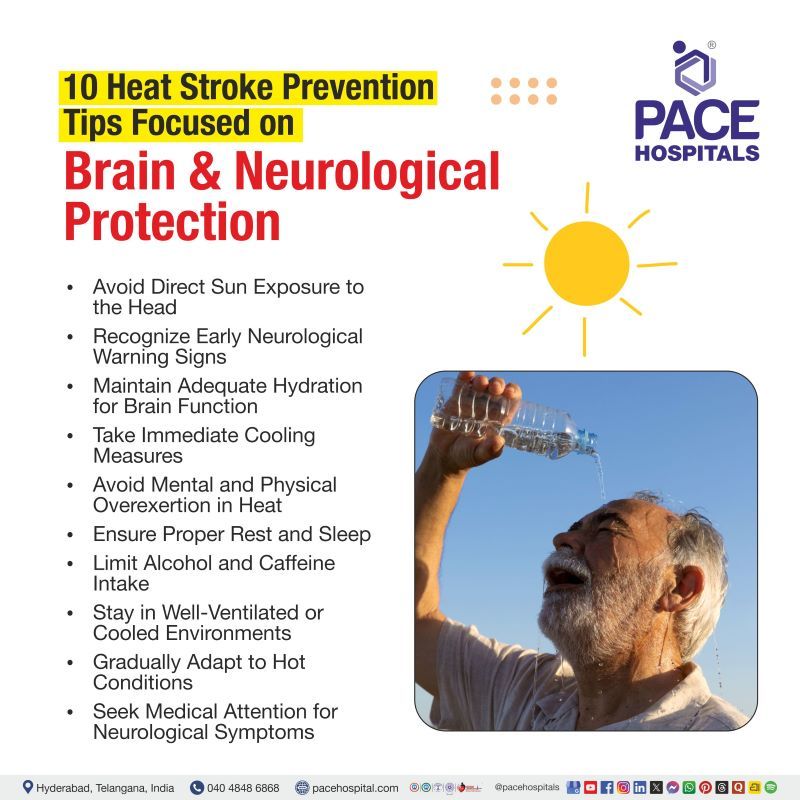
10 Heat Stroke Prevention Tips Focused on Brain and Neurological Protection
Protecting the brain during extreme heat is quite essential, as heat stroke can quickly affect the central nervous system if not addressed with safety measures. These targeted measures help reduce the risk of neurological complications:
1. Avoid Direct Sun Exposure to the Head
Use umbrellas, hats, or caps, to protect your head from direct sunlight while going outside, as without using them, it can raise your brain temperature and cause neurological issues.
2. Recognize Early Neurological Warning Signs
Pay attention to warning signs such as intense headaches, nausea, irritability, poor focus, or lightheadedness, low breathing as these may suggest early heat-induced brain stress.
3. Maintain Adequate Hydration for Brain Function
Regular fluid consumption promotes healthy blood flow to the brain and helps to prevent dehydration-related disorientation or dizziness.
4. Take Immediate Cooling Measures
To safeguard brain function, move to a cool environment, shady area and apply cold compresses, particularly around the head and neck, as soon as overheating occurs to avoid any sudden mishap.
5. Avoid Mental and Physical Overexertion in Heat
Excessive physical activity in hot conditions boosts internal temperatures, compromising brain function, as high heat can overwhelm the body's thermoregulation, causing core temperatures to exceed 40°C and resulting in confusion.
6. Ensure Proper Rest and Sleep
Taking adequate rest or short sleep break promotes brain recovery and adequate temperature control, lowering the danger of neurological strain.
7. Limit Alcohol and Caffeine Intake
Donot consume alcohol, coffee, etc. as these can contribute to dehydration and affect alertness, increasing the chances of confusion and reduced brain efficiency in heat.
8. Stay in Well-Ventilated or Cooled Environments
Spending time in cool, shaded, or air-conditioned spaces helps prevent overheating and protects the brain from heat stress and other heat related brain problems.
9. Gradually Adapt to Hot Conditions
Allow the body and brain to adjust slowly to rising temperatures during summer heat, especially after sudden weather changes or while travelling in vehicles.
10. Seek Medical Attention for Neurological Symptoms
If symptoms like disorientation, confusion, or fainting appear, consult a doctor immediately, as these may indicate serious brain involvement.
Heat stroke Treatment: What to Do in an Emergency?
Heatstroke is a life-threatening condition that requires immediate action. Quick response can prevent serious complications, especially damage to the brain and vital organs. The goal is to lower body temperature rapidly while arranging urgent medical care. Follow this simple roadmap:
Immediate Steps to Take When Someone Experiences Heatstroke
- Call for emergency medical help immediately – Dial 108 or 112 (This is applicable only in India)
- Move the person to a shaded, cool, or well-ventilated place
- Loosen or remove tight clothing to allow heat to escape
- Lay the person down in a comfortable position
- Avoid crowding around the person to ensure proper airflow
First-Aid and Emergency Care for Heatstroke
- Start cooling immediately using available methods:
- Pour normal water over the body or use a wet cloth/towel to wipe out body
- Place wet clothes on the head, neck, and underarms
- Use a fan or hand fan (newspaper/cloth) to enhance cooling
- If conscious, give small sips of water or ORS (Oral Rehydration Solution)
- Continuously observing breathing, pulse, and alertness
- If unconscious, place the person in the recovery position
When to Seek Medical Attention?
- Immediately in all suspected cases of heat stroke
- If there is confusion, disorientation, or unusual behavior
- In case of fainting, seizures, or unconsciousness
- If body feels very hot or temperature is extremely high (above 104°F / 40°C)
- If symptoms do not improve quickly with cooling measures
Heat Stroke Recovery
Recovery after heat stroke requires certain steps to be followed which include adequate rest, proper hydration, and gradual return to normal activities. The body, especially the brain and vital organs, may take time to recover fully, so avoiding heat exposure during this period is important. Continued symptoms like fatigue, dizziness, or confusion should not be ignored and may need medical follow-up to ensure complete recovery.
Frequently Asked Questions (FAQs) on Heat Stroke (Sun Stroke)
How to avoid heat stroke?
Preventing heat stroke involves staying hydrated, limiting outdoor activity during peak heat hours, and wearing light, breathable clothing. Spending time in shaded or cool environments also helps maintain normal body temperature for those individuals involved in strenuous outdoor activity like construction workers, sports persons.
How long does heat stroke last?
The duration varies with severity. Mild recovery may take a few days, however severe cases may necessitate additional medical treatment and rest for complete recovery.
What causes heat stroke?
Heat stroke is caused by extended exposure to high temperatures, particularly during summer heat waves, dehydration, or strenuous physical activity in the summer heat. These factors overload the body's cooling system.
How to recover from heat stroke?
Recovery requires rest, hydration, and avoiding heat exposure. Gradual return to normal activity and medical follow-up help ensure complete healing.
What does heat stroke feel like?
If you have a heat stroke, you may have early signs of headaches, dizziness, and weariness, followed by disorientation, weakness, and a feeling of extreme heat. Without medical attention, symptoms might rapidly escalate.
What to eat in heat stroke?
Light, easily digestible foods and water-rich fruits are recommended. Fluids like water and ORS help restore hydration and electrolyte balance.
What to do when someone has a heat stroke?
Move them to a cool area, begin cooling with water or cloths, and contact emergency services right away. Quick action can be life-saving.
Can heat stroke cause brain damage?
Yes, prolonged high temperature can affect the brain, leading to confusion, memory issues, or long-term neurological damage if untreated.
What is the first aid of heat stroke?
Immediate cooling, relocating to the shade, removing unnecessary clothing, and providing water if conscious are critical first-aid procedures before medical assistance comes.
Is heat stroke life threatening?
Yes, it is a medical emergency that can lead to death if not treated quickly. Early action greatly improves survival. It may require neurocritical care.
How do you treat heat stroke?
Heat stroke treatment focuses on quick cooling and immediate medical attention. Moving the victim to a cool environment, administering water or moist cloths, and getting quick medical attention are all critical steps to avoiding problems.
What happens in heat stroke?
In heat stroke, the body loses its ability to control temperature, leading to overheating. This affects the brain and organs, causing confusion, weakness, and, in severe cases, unconsciousness.
How does a heat stroke happen?
Heat stroke occurs when the body absorbs or generates more heat than it can release. Reduced sweating and fluid loss lead to a rapid rise in internal temperature.
Can heat stroke cause fever?
Yes, heat stroke causes a very high body temperature (absolutely causes a very high fever), often above 104°F (40°C). Unlike infections, this rise is due to heat exposure, not illness as often misjudged.
How do people die of heat stroke?
Death occurs when prolonged overheating leads to organ failure, especially affecting the brain, heart, and kidneys. Delayed treatment increases this risk.
What are the signs and symptoms of heat stroke?
Common signs of heat stroke include high body temperature, confusion, dizziness, rapid pulse, and loss of consciousness. Early symptoms should be addressed immediately.
What is the root cause of heat stroke?
The main cause of heat stroke is failure of the body's cooling system due to extreme heat, dehydration, or exertion, leading to uncontrolled rise in body temperature.
What are do's and don’ts for heat stroke?
Do stay hydrated and cool the body quickly. Don’t delay medical help or give alcohol or heavy food (avoid high-protein food and do not eat stale food, donot take coffee and carbonated soft drinks, which dehydrates the body) during an emergency.
How does heat stroke cause rhabdomyolysis?
Extreme heat can damage muscle tissue, causing breakdown of muscle fibers. This releases harmful substances into the blood, affecting kidney function.
What temperature causes heat stroke?
Heat stroke frequently occurs when the body's temperature rises above 104°F (40°C) due to continuous heat exposure or physical activities done during summer peak hours.
Can babies get heat stroke?
Yes, infants are highly proned to heat stroke because their bodies cannot regulate temperature efficiently. Extra care is needed during hot weather.
Can heat stroke cause liver failure?
Yes, in severe cases it can affect the liver, leading to temporary or serious dysfunction if not treated promptly.
What are the side effects of heat stroke?
After heat stroke, some individuals may experience lingering effects such as fatigue, weakness, headache, or difficulty concentrating. In more severe cases, there can be temporary or lasting impact on the brain, kidneys, or other organs. Proper rest and medical follow-up are important to ensure full recovery and prevent complications.
Can heat stroke cause brain swelling?
Yes, severe overheating can lead to brain swelling (cerebral edema), which affects normal brain function and and necessitates immediate treatment.
Does heat stroke raise blood pressure?
Heat stroke may initially affect blood pressure, but severe cases often lead to instability due to dehydration and circulation changes.
Is heat stroke contagious?
No, heat stroke is not contagious. It is caused by environmental heat exposure or due to summer heat waves and not by infections.
How does PACE Hospitals manage heat stroke emergencies?
At PACE Hospitals, our Emergency Medicine Specialists are trained to handle severe heat-related emergencies like heat stroke. Our team follows immediate treatment protocols that include rehydration, cooling techniques, and monitoring vital signs. For any serious cases of dehydration, confusion, or unconsciousness, we provide urgent care to stabilize the patient and prevent complications.
Share on
Request an appointment
Fill in the appointment form or call us instantly to book a confirmed appointment with our super specialist at 04048486868
Appointment request - health articles
Recent Articles