10 Effective Tips to Stay Safe During Summer: Heat Wave & El Niño Effects
PACE Hospitals
Written by: Editorial Team
Medically reviewed by: Dr. Mounika Jetti - General Physician and Diabetologist
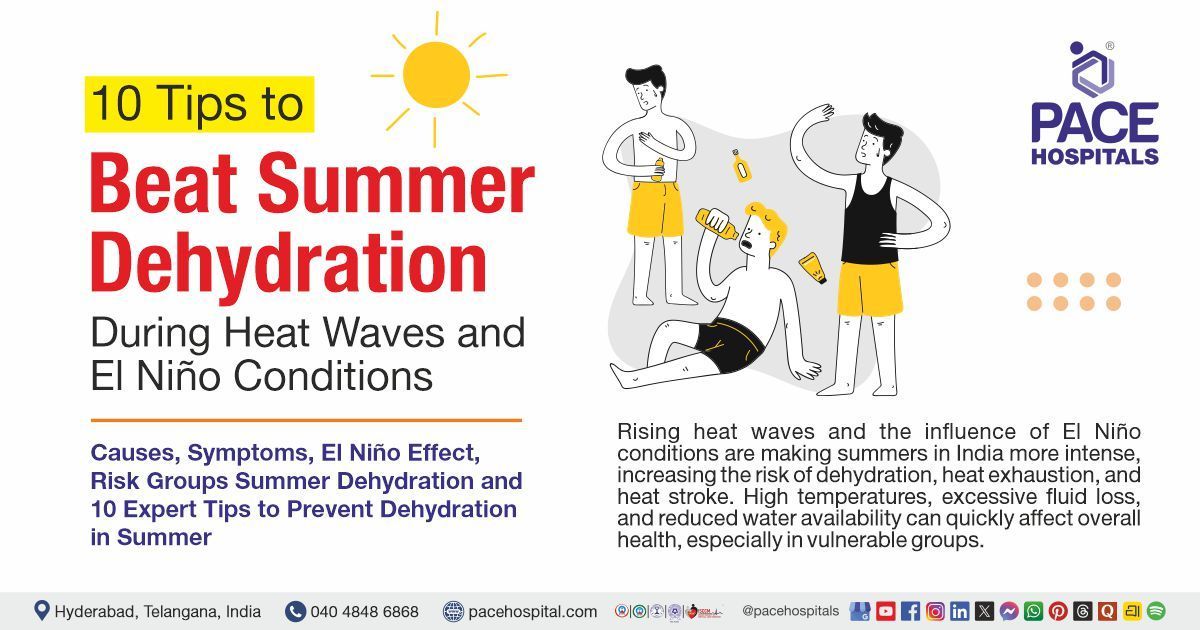
Summers in India are growing increasingly extreme, with abrupt rises in temperatures, frequent heat waves, and long dry spells impacting daily life in many places. These poor weather conditions disrupt regular daily activities and increase the risk of dehydration, heat exhaustion, and heat stroke, especially in children, the elderly, outdoor workers, and people with chronic illnesses. Changing climate patterns have increased these summer health risks, necessitating prevention.
The El Niño phenomena disrupts typical climate cycles, including the monsoon in India, resulting in more extreme summer conditions. As a result, temperatures rise, rainfall becomes less consistent, and water supply may decrease, raising the danger of dehydration. In these conditions, remaining vigilant and implementing preventive actions becomes important to escape from this tragic situation. This article provides 10 practical effective tips for staying safe and hydrated during heat waves and El Niño conditions in India.
Quick Navigation
- Rising Heat Waves and Health Risk in India
- What is Dehydration?
- Dehydration Causes During Heat Waves
- Dehydration Symptoms and Signs of Heat Exhaustion
- Heat Wave and Its Impact on Human Health
- El Niño Effect: Why Summers Become More Dangerous
- What Happens to the Body in Extreme Heat?
- High-Risk Groups During Heat Waves and Summer Dehydration
- 10 Expert Tips to Stay Safe and Prevent Dehydration
- Long-Term Dehydration Prevention and Public Health Measures
- What to Do If You Experience Dehydration in Summer?
Rising Heat Waves and Health Risk in India
Heat waves are those periods of unusually high temperatures that last for several days and exceed normal regional limits. In India, the India Meteorological Department (IMD) defines a heat wave based on temperature thresholds that vary by region in accordance to different location.
In recent years, the frequency and intensity of heat waves have increased due to global warming and urbanization. Concrete cities trap heat, resulting in "urban heat islands," making conditions unpleasant and worsening.
Children, elderly individuals, outdoor workers, and people with heart or kidney diseases are most vulnerable. One of the earliest and most common consequences of heat exposure is dehydration, which can progress quickly if ignored.
What is Dehydration?
Dehydration occurs when the body loses more fluids than it takes in, leading to an imbalance in essential minerals like sodium and potassium.
In summer, excessive sweating is the primary cause of fluid loss. Water is also lost through breathing and urine, and if not replaced properly, it leads to fatigue and weakness.
Electrolytes are vital for neuron and muscle function. Even minor imbalances can impair concentration, energy, and body temperature regulation.
Dehydration Causes during Heat Waves
Several factors lead to dehydration during the harsh summer include:
- Direct sun exposure for long hours without any break
- Excessive sweating due to high temperatures
- Inadequate water intake
- Physical labor or exercise in heat
- Increased consumption of caffeine or alcohol
When the body cannot regulate temperature effectively, heat stress builds up, leading to faster fluid loss. The lack of greenery in urban areas exacerbates heat exposure.
Dehydration Symptoms and Signs of Heat Exhaustion
Dehydration often develops in stages, with symptoms worsening if fluids aren't replenished promptly. Symptoms of Dehydration can progress gradually as mentioned:
- Mild dehydration brings subtle signs like increased thirst, a dry mouth, and general fatigue.
- In the moderate phase, an individual might notice headaches, lightheadedness, and noticeably less urine output.
- Severe dehydration necessitates immediate medical attention, as symptoms include confusion, a racing pulse, and the possibility of fainting.
Heat exhaustion adds clues such as heavy sweating, muscle weakness, and nausea. Without quick intervention, it can escalate to heat stroke—a critical emergency that requires immediate medical help.
Heat Wave and Its Impact on Human Health
Heat waves have a variety of effects on different physiological systems. The cardiovascular system works harder to control temperature, putting more strain on the heart.
Kidneys are also affected due to reduced fluid levels, sometimes leading to acute kidney injury (AKI) in severe cases.
Children and the elderly have greater difficulty regulating their body temperature. Outdoor workers, such as farmers and construction workers, are constantly exposed, increasing their risk of heat-related sickness and hospitalization during the peak summer months.
El Niño Effect: Why Summers Become More Dangerous
What is El Niño?
El Niño is a natural climate phenomenon where sea surface temperatures rise in the central and eastern tropical Pacific Ocean. The warm phase of the El Niño-Southern Oscillation (ENSO) cycle happens every 3-7 years, typically peaking around December. El Niño occurs when weak trade winds allow warm water to migrate eastward, interrupting global air circulation and producing dramatic weather changes, including floods in South America and droughts in Southeast Asia.
Statistics on El Niño, Heat Trends and Rising Risk of Dehydration
Recent climate studies from the World Meteorological Organization (WMO), National Aeronautics and Space Administration (NASA), and the India Meteorological Department (IMD) show a clear link between El Niño events and rising global temperatures, with direct consequences on human health—especially dehydration and heat-related illnesses.
Strong El Niño years can cause world average temperatures to rise by 0.5°C to 1.5°C above normal. In India, this frequently results in 20-40% extra heatwave days, especially in the north, south-eastern and central areas. At the same time, monsoon rainfall may decrease by 5-15%, resulting in longer dry periods and increasing water scarcity.
These combined climatic changes and alterations significantly increase the risk of summer dehydration, as high temperatures stimulate fluid loss from the body and reduced water availability make regular drinking more difficult. Simultaneously, El Niño can increase warning symptoms for hospitalized patients, such as heat stroke, dehydration, and electrolyte imbalance.
When temperatures rise, the body loses water faster through sweating. If this loss is not replaced, it can lead to:
- Blood volume drops
- Electrolytes become imbalanced
- Organs like kidneys and heart are stressed
Early symptoms may appear to be moderate, but if neglected, they can swiftly grow into medical problems.
High-Risk Groups during Heat Waves and Summer Dehydration
Certain individual or groups of population require extra care during extreme summer and heat waves:
- Elderly individuals with reduced thirst sensation
- Infants and young children
- Outdoor workers exposed to direct sun
- Patients with chronic diseases like diabetes, heart or kidney disorders
Some medications may also increase fluid loss, making dehydration more likely.
10 Expert Tips to Stay Safe and Prevent Dehydration
Staying well hydrated plays an important role in protecting the body from heat-related problems, especially during very hot weather and El Niño-driven conditions. As temperatures rise, fluid loss increases, making it necessary to be more mindful of daily habits. The following 10 practical tips highlight simple steps to help stay safe and lower the chances of dehydration during extreme summer conditions:
1. Drink Water Before You Feel Thirsty
It is vital to drink plenty amount of water throughout the day, not just when thirsty. Thirst signals that a person is dehydrated; drink 2-3 liters per day, sipping every 15-20 minutes during heat exposure, to stay hydrated.
2. Avoid Peak Sun Hours (11 AM – 4 PM)
It is required to limit a person's outside exposure during the hottest hours of the day, particularly for everyday occupations such as farmers. Plan your outside work for the early morning or evening; this simple modification decreases UV exposure and heat buildup, minimizing the risk of dehydration by up to 50%.
3. Replenish with Use of Electrolytes
Consuming different forms of electrolytes such as oral rehydration solutions (ORS), coconut water (naturally obtained), or plain or spiced buttermilk might help replenish salt, potassium, and magnesium lost through perspiration, minimizing cramping and disorientation issues.
4. Choose Lightweight, Breathable Cotton Attire
It is better to have loose-fitting garments in light hues drain away moisture and encourage ventilation, allowing your body to cool down without excessive sweating.
5. Eat Water-Rich Foods
It is highly preferable to have water-rich fruits and vegetables such as watermelon (92% water), cucumbers, oranges, and greens like spinach—they provide fluids, vitamins, and fiber for long-term hydration without overwhelming your stomach.
6. Reduce Strenuous Activity in Heat
It is required to save workouts or labor for cooler times; if unavoidable, may take frequent shaded breaks to let a person core temperature recover and avoid fluid loss spikes.
7. Keep Your Home Cool
At home it would be better to draw curtains to block sunlight, run fans or AC, and take lukewarm showers—this lower ambient heat, reducing unconscious sweat and easing your body's hydration demands.
8. Never Leave Children or Elderly in Vehicles
It is advisable to not leave kids or elderly persons even a few minutes inside a parked car can become life-threatening. Parked vehicles can hit 50°C+ in minutes, trapping deadly heat—always take kids, pets, or elders with you to prevent rapid dehydration and collapse.
9. Protect Skin from Direct Sunlight
While walking outside in direct sunshine, need to use umbrellas, helmets, and sunscreen can be extremely beneficial. To avoid sunburn, wear broad-spectrum sunscreen (SPF 30+), hats, and umbrellas, which affects sweat glands and accelerates fluid loss.
10. Act Quickly if Symptoms Appear- Spot Early Warning Signs and Respond Fast
Need to follow cooling and hydrating the body immediately if anything happens suddenly like fainting or heat stroke; seek medical attention if symptoms worsen. Cool down with damp cloths, rehydrate, and see a doctor if you notice confusion or a rapid heartbeat—timely action saves lives.
Long-Term Dehydration Prevention and Public Health Measures
To mitigate the growing impact of heat waves and dehydration, governments and public health organizations are enhancing heat action plans that include real-time weather alert messages, early warning systems, and community warnings. These measures allow people to plan ahead of time and take necessary safeguards under excessive heat conditions.
At the same time, urban areas with modern cities are focused on long-term remedies such as creating shaded public spaces, increasing green space, and establishing cooling centers for vulnerable people. Public awareness initiatives are critical for educating populations on hydration, heat safety, and early symptom recognition.
Furthermore, enhanced urban development strategies—including heat-resistant infrastructure, better ventilation, and fewer heat-absorbing surfaces—are becoming increasingly important for climate adaptation. Collaboration is crucial for reducing health risks and strengthening resilience to climate change, including rising temperatures and El Niño.
Conclusion: Staying Safe during Extreme Summer Conditions
Extreme summer conditions in India, exacerbated by rising heat waves and El Niño, pose a significant health danger. However, most of the repercussions, such as dehydration, heat exhaustion, and heat stroke, are preventable with early detection and simple daily precautions. Maintaining adequate hydration, limiting peak heat exposure, and recognizing early warning signs are all important measures toward maintaining general health.
Adapting to changing climate patterns involves both individual responsibility and community understanding channelized for combating summer problems. Even in the most intense summer weather, it is possible to reduce threats and be safe by taking practical steps and remaining informed.
What to Do If You Experience Dehydration in Summer?
If symptoms of dehydration occur during strong heat waves, prompt care is necessary to avoid problems. The first actions are to move to a cool environment, rest, and drink fluids such water or oral rehydration treatments. Mild instances normally recover with adequate fluids, but persistent or increasing symptoms necessitate prompt medical intervention.
- If there is any problem with dehydration or heat exhaustion, consult a General Physician (Primary Care Doctor) for initial evaluation and treatment.
- If symptoms are moderate or involve electrolyte imbalance or other medical conditions, consult an Internal Medicine Specialist.
- If dehydration affects kidney function or there is a history of kidney disease, consult a Nephrologist.
- If there are severe symptoms such as heat stroke, confusion, fainting, or very low urine output, immediate care from an Emergency Medicine Specialist is required.
Prompt consultation ensures appropriate treatment, including fluid correction and monitoring, especially during El Niño-driven extreme summer conditions.
FAQs on Summer Safety Tips for Dehydration and Heat Waves
What are the early signs of dehydration in summer?
In the summer, the early indicators of dehydration include increased thirst, dry mouth, and sensations of depletion (tired) or low energy. Urine may be darker than usual and emerge less frequently. Detecting these signs early can assist to avoid more serious heat-related illnesses.
What is a heatwave and how does it affect the human body?
A heatwave is a prolonged period of exceptionally hot weather condition, sometimes accompanied by high humidity (profusely sweating), during which temperatures exceed the usual maximum for a certain region. It puts additional strain on the human body, increasing the danger of dehydration, heat exhaustion, and deadly heatstroke as the body strives to cool down.
Who is at higher risk of dehydration during summer?
Summer heat waves are more likely to impact the senior citizens or elderly (over the age of 65), children, outdoor laborers, and people with chronic conditions such as hypertension and diabetes. These populations may lose fluids faster or have a lower ability to control body temperature. They require extra care and hydration.
Does El Niño increase the risk of dehydration?
Yes, El Niño a naturally occurring climate phenomenon can lead to various unwanted situations with higher temperatures and reduced rainfall, increasing the intensity of heat waves. This results in more fluid loss and limited water availability, thereby increasing dehydration risk.
What is the difference between heat exhaustion and heat stroke?
Heat exhaustion is a milder condition characterized by perspiration, weakness, and dizziness whereas heat stroke is more severe, causing high body temperature, disorientation, and possibly loss of consciousness.
Can dehydration cause headache, dizziness, or low blood pressure?
Yes, dehydration is a common cause of fatigue, dizziness, headaches, and low blood pressure. It occurs when the body loses more fluids than it takes in, reducing blood volume and causing brain tissue to temporarily shrink. These symptoms often improve quickly with fluids and electrolytes, but severe cases may require immediate medical attention.
What foods help prevent dehydration?
Fruits and vegetables having high water content can help people stay hydrated to combat dehydation and prevent any health issues. Foods such as cucumber, melons, oranges, and leafy greens give both fluids and important nutrients, encouraging overall health.
How to prevent dehydration during extreme heat conditions?
Preventing dehydration in excessive heat necessitates consistent fluid intake—aiming for 2-3 liters per day—even before feeling thirsty, as thirst is a late indicator of dehydration. Drink small amounts of water on a regular basis, prefer water to sugary drinks, wear lightweight, loose-fitting clothing, and limit activity during peak hours (11 AM-4 PM).
What are the home remedies for dehydration?
Home remedies for dehydration mainly aim to replace lost fluids and salts using simple, everyday options. In mild cases, the following measures can help:
- Drink water at regular intervals: Taking small sips frequently helps the body absorb fluids better.
- Oral rehydration solution (ORS): This is one of the most reliable ways to restore fluid and salt balance. It can be made at home using clean water, sugar, and a small amount of salt.
- Coconut water: A natural drink that helps replace important electrolytes and supports hydration.
- Lemon water (nimbu pani): It is made by mixing lemon juice, water, a little salt, and sugar. It helps the body stay energized and keeps fluid levels balanced.
- Buttermilk (chaas): It helps keep the body hydrated and also supports proper digestion.
- Water-rich foods: Fruits such as watermelon and oranges, and vegetables like cucumber, contain a lot of water and help increase daily fluid intake.
- Light soups or rice water: These provide fluids along with some essential nutrients, especially during weakness or illness.
These methods are helpful in early dehydration. If symptoms worsen or do not improve, medical attention may be needed.
What are the best ways to stay safe in summer?
Summer safety emphasizes limiting heat exposure and fluid loss. The best ways to stay safe in summer is to include following habits such as drinking plenty of water, staying indoors during the hottest hours, and clothing lightly can all help significantly. Simple acts like resting in shaded areas and avoiding overexertion can also help the body cope with hot temperatures.
How much water should be consumed daily during heat waves?
Excessive perspiration increases fluid requirements during heat waves. The daily consumption is determined by temperature, activity level, and individual health conditions. Drinking enough amount of water throughout the day, rather than waiting until you feel thirsty, helps you stay hydrated.
Can dehydration cause serious health problems?
Yes, untreated dehydration can give rise to problems such as heat exhaustion, electrolyte imbalance, and even heat stroke in severe situations. It can also impair renal function, leading to acute kidney injury (AKI) and cardiovascular problems.
What are the best fluids to prevent dehydration?
Normal water is the most effective hydration option. Fluids such as oral rehydration solutions, coconut water, and buttermilk also aid to replenish electrolytes lost through sweating. These are especially good for prolonged heat exposure.
Can caffeinated drinks cause dehydration?
Yes, excessive use of caffeinated beverages such as coffee and tea, which have mild diuretic effects, might lead to fluid loss. While moderate consumption is normally acceptable but it is not advisable to replace water in hot conditions.
When should medical help be sought for dehydration?
Medical attention is required if symptoms persist despite fluid intake or if warning signs such as fainting, confusion, or very low urine output appear.
Which doctor should be consulted for dehydration problems?
A General Physician (Primary Care Doctor) is usually the first point of contact for evaluating dehydration and related symptoms that occur during intense summer conditions. They can assess the severity, provide initial treatment, and guide further management if required.
When should an Internal Medicine Specialist be consulted about dehydration?
If dehydration is recurring, moderate, or associated with underlying medical conditions, an Internal Medicine Specialist should be consulted without any delay to find out next step to follow. They can identify electrolyte abnormalities and handle challenging situations.
When is a Nephrologist required in dehydration cases?
When dehydration impairs kidney function or in people who already have kidney disease, a nephrologist (kidney specialist) should be consulted right away. They aid in fluid homeostasis and avoid kidney-related problems.
When should emergency care be sought for dehydration?
Emergency care from an Emergency Medicine Specialist is required in severe cases such as heat stroke, confusion, fainting, or very low urine output. These conditions require immediate medical intervention.
Can dehydration affect kidney function?
Yes, severe dehydration can reduce blood flow to the kidneys, causing stress or harm. So, maintaining sufficient hydration is important, especially for those who already have kidney problems.
Is dehydration common during heat waves in India?
Yes, cases of dehydration increase considerably during the summer months and ongoing heat waves, particularly in places with high temperatures and limited water access. Preventive measures are important during the high summer months.
How can outdoor workers prevent dehydration?
Outdoor workers should wear protective measures to get rid of sunshine exposure (caps and turbans), take frequent water breaks, and avoid working in hot conditions. Access to water and shaded areas are crucial in reducing danger.
Can dehydration cause dizziness or fainting?
Yes, dehydration can lead to reducing blood volume, which can impair blood flow to the brain. This may cause dizziness, lightheadedness, or fainting spells.
Are electrolyte drinks necessary in summer?
Electrolyte drinks can aid to restore minerals lost through sweating after prolonged heat exposure. However, they should be used in conjunction with regular water consumption.
What is the best way to stay safe during heat waves?
Following few steps such as reducing peak heat exposure, staying hydrated, dressing in light clothing, and detecting early warning signs are all key. These simple precautions can significantly reduce the risk of dehydration and heat-related illness.
What are the main properties of a heatwave?
A heatwave is a prolonged period of unusually high temperatures that exceed the average range for a certain region. It's distinguished by the following:
- Dry air, hot winds, and minimal night-time cooling.
- Reduced cooling at night prevents the body from recovering from daytime heat exposure.
These combined factors increase overall heat stress and make daily activities more difficult.
What should be done immediately when dehydration occurs?
If dehydration is suspected, the first step is to get out of the heat and rest in a cooler environment. Fluids should be taken slowly and steadily rather than all at once. If symptoms such as weakness, confusion, or very little urination continue, medical care should not be delayed.
Share on
Request an appointment
Fill in the appointment form or call us instantly to book a confirmed appointment with our super specialist at 04048486868
Appointment request - health articles
Recent Articles