Thyroid Cancer: Symptoms, Causes & Treatment
PACE Hospitals
Written by: Editorial Team
Medically reviewed by: Dr. Ramesh Parimi - Senior Consultant Surgical Oncologist
Overview | Statistics | Types | Symptoms | Causes | Risk Factors | Complications | Diagnosis | Treatment | Prevention | Papillary vs Follicular thyroid cancer | FAQs | When to consult a Doctor
Thyroid cancer definition
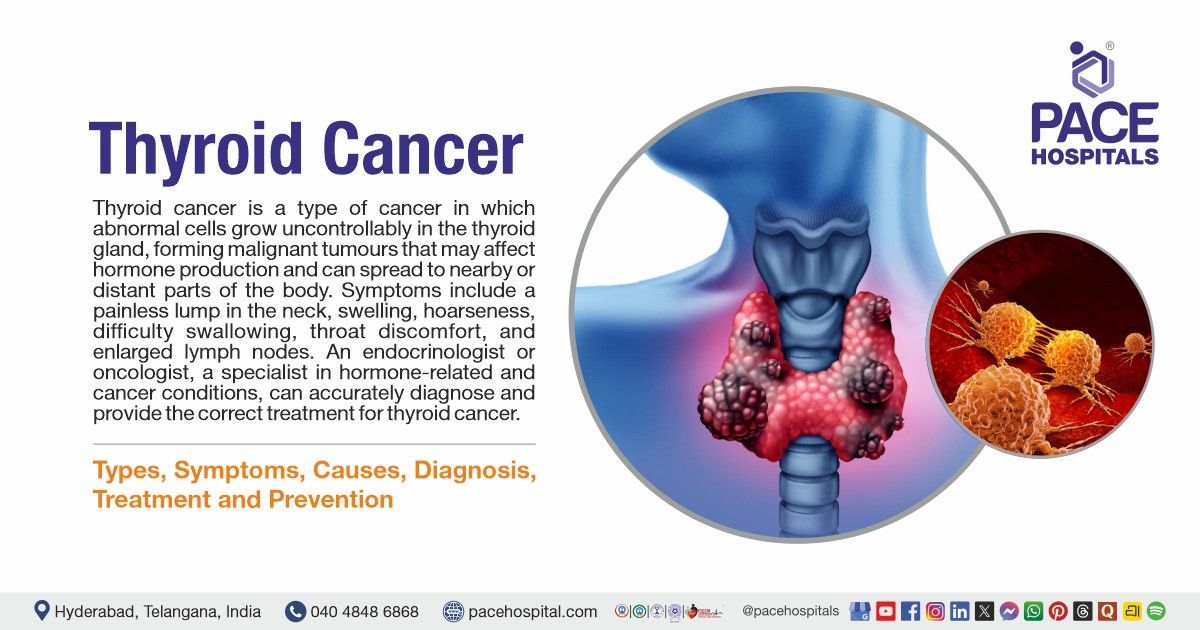
Thyroid cancer is a type of cancer in which abnormal cells grow uncontrollably in the thyroid gland, forming malignant tumours that may affect hormone production and can spread to nearby or distant parts of the body. Symptoms include a painless lump in the neck, swelling, hoarseness, difficulty swallowing, throat discomfort, and enlarged lymph nodes.
Common causes are genetic mutations, radiation exposure (especially during childhood), family history of thyroid cancer, and specific inherited conditions. In some cases, the exact cause is unknown. Complications can include difficulty breathing or swallowing, spread of cancer to other parts of the body, recurrence after treatment, and long-term hormone imbalance.
An
endocrinologist or
oncologist, a specialist in hormone-related and cancer conditions, can accurately diagnose and provide the correct treatment for thyroid cancer.
Thyroid cancer meaning
The term “thyroid cancer” is derived from:
- “Thyroid” – from the Greek word thyreos, meaning “shield,” referring to the shape of the thyroid gland.
- “Cancer” – from the Latin word cancer, meaning "crab," used to describe the spreading nature of malignant tumours.
Thus, thyroid cancer means an abnormal and uncontrolled growth of cells in the thyroid gland, forming a malignant tumour that can affect normal function and may spread to other parts of the body.
Thyroid Cancer Statistics
Thyroid cancer statistics worldwide
Recent data show that about 13.5 out of every 100,000 people in the U.S. get thyroid cancer. In 2025, there were about 44,020 new cases and 2,290 deaths. The chances of surviving are very favourable, with more than 98% of people with localized disease living for at least 5 years. Estimates for 2026 suggest that there will be about 45,240 new cases and 2,320 deaths, with women being more likely to get the disease. Globally, cases among adolescents and young adults have increased significantly, with a further increase expected by 2050. However, U.S. incidence trends have stabilized after peaking around 2009.
Thyroid cancer statistics in India
In India, an estimated 38,574 thyroid cancer cases were reported recently, with women being affected more than men. Over the years, the number of cases has increased largely because of advanced imaging techniques that have made them easier to identify. The southern regions, particularly Kerala, have the highest rates, with some areas reporting rates up to 4 times higher. Thyroid cancer is more commonly seen in younger age groups and in females.
Types of Thyroid Cancer
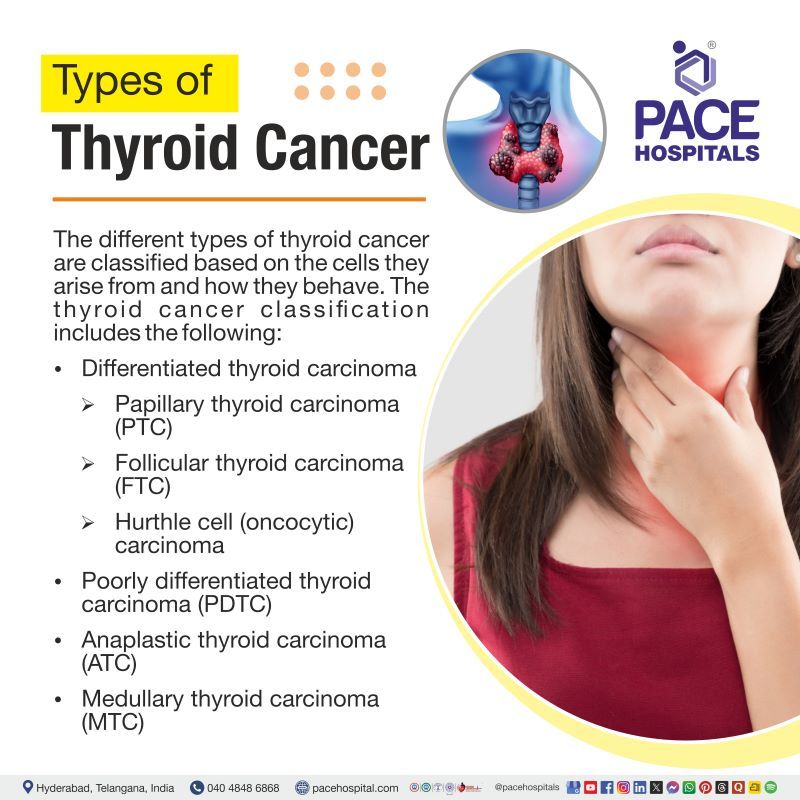
The different types of thyroid cancer are classified based on the cells they arise from and how they behave. Each type varies in growth pattern, spread, and treatment response. The thyroid cancer classification includes the following:
- Differentiated thyroid carcinoma
- Papillary thyroid carcinoma (PTC)
- Follicular thyroid carcinoma (FTC)
- Hurthle cell (oncocytic) carcinoma
- Poorly differentiated thyroid carcinoma (PDTC)
- Anaplastic thyroid carcinoma (ATC)
- Medullary thyroid carcinoma (MTC)
Differentiated Thyroid Carcinoma
Differentiated thyroid carcinomas arise from follicular epithelial cells and generally retain some ability to concentrate iodine, which influences their diagnosis and treatment. It includes:
Papillary thyroid carcinoma (PTC)
Papillary thyroid carcinoma is the most common type of thyroid cancer, usually seen in women and younger individuals. It arises from the follicular cells of the thyroid gland, which are responsible for producing thyroid hormones. It usually grows slowly and may spread to nearby lymph nodes in the neck. Despite this, it has an excellent prognosis with proper treatment. Early diagnosis leads to very high survival rates.
Follicular thyroid carcinoma (FTC)
Follicular thyroid carcinoma is the second most common type and tends to occur in middle-aged adults. It spreads through the bloodstream to distant organs, such as the lungs and bones, rather than through lymph nodes. It generally grows slowly but can be more aggressive than papillary cancer. With timely treatment, outcomes remain favourable.
Hurthle cell (oncocytic) carcinoma
Hurthle cell carcinoma is a rare type of follicular thyroid cancer with unique cell features. It is more aggressive and has a higher chance of spreading compared to other differentiated cancers. In some cases, it responds less effectively to radioactive iodine therapy. Proper evaluation is essential for treatment planning.
Poorly differentiated thyroid carcinoma (PDTC)
Poorly differentiated thyroid carcinoma is an intermediate type between slow-growing and highly aggressive cancers. It tends to grow faster and spread more easily than papillary or follicular types. Patients may develop symptoms earlier due to their behaviour. It often requires more aggressive treatment and monitoring.
Anaplastic thyroid carcinoma (ATC)
Anaplastic thyroid carcinoma is a rare but very aggressive form of thyroid cancer. It grows rapidly and spreads quickly to nearby tissues and distant organs. Symptoms such as a rapidly growing neck swelling and breathing difficulty are common. The prognosis is poor, and treatment focuses on controlling the disease.
Medullary thyroid carcinoma (MTC)
Medullary thyroid carcinoma arises from specialised cells (C cells) of the thyroid that produce a specific hormone. It occurs sporadically or as part of inherited genetic syndromes. It may spread to lymph nodes and other organs early. Early diagnosis with genetic testing and biomarkers helps in management and outcomes.
Thyroid Cancer Symptoms
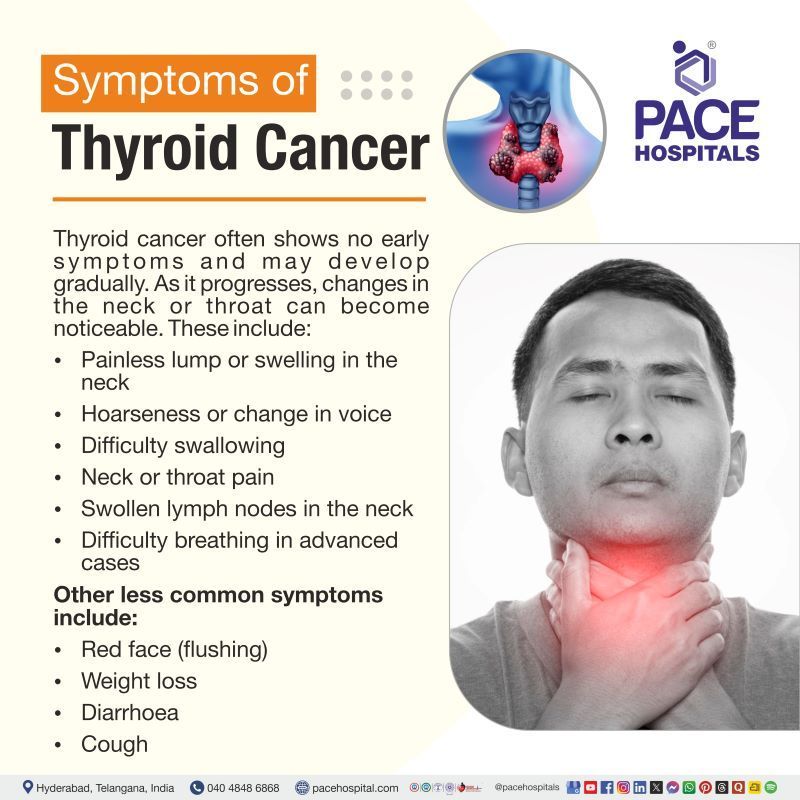
Thyroid cancer often shows no early symptoms and may develop gradually. As it progresses, changes in the neck or throat can become noticeable. Thyroid cancer symptoms in females are often similar to those in males but may occur more frequently and sometimes be noticed earlier. These include:
- Painless lump or swelling in the neck
- Hoarseness or change in voice
- Difficulty swallowing
- Neck or throat pain
- Swollen lymph nodes in the neck
- Difficulty breathing in advanced cases
Other less common symptoms include:
- Red face (flushing)
- Weight loss
- Diarrhoea
- Cough
Painless lump or swelling in the neck: A painless lump in the neck is one of the most common signs of thyroid cancer. It usually develops in the front of the neck and may gradually enlarge. Most thyroid nodules are benign, but any persistent swelling should be evaluated.
Hoarseness or change in voice: Changes in voice, like persistent hoarseness, can occur if the tumour affects the vocal cord nerves. This symptom may not improve over time and can gradually worsen. It is an important sign that requires medical assessment.
Difficulty swallowing: Thyroid cancer can press on the oesophagus, leading to difficulty in swallowing food or liquids. Patients may feel a sensation of something stuck in the throat. This symptom may become more noticeable as the tumour grows.
Neck or throat pain: Pain in the neck or throat may occur and can sometimes radiate to the ears. It may be persistent and not related to common infections. This type of pain should be checked if it does not resolve.
Swollen lymph nodes in the neck: Enlarged lymph nodes can appear as firm, painless swellings in the neck. This may indicate that the cancer has spread locally. Persistent lymph node swelling needs further evaluation.
Difficulty breathing in advanced cases: In advanced stages, the tumour may press on the windpipe, causing breathing difficulty. Patients may experience shortness of breath or a choking sensation. This is a serious symptom that requires urgent medical attention.
Other less common symptoms include:
Red face (flushing): Facial flushing (redness) is a less common symptom and may occur in certain types of thyroid carcinoma. It happens due to the release of hormones or substances that affect blood vessels. This leads to sudden redness or warmth in the face.
Weight loss: Unexplained weight loss can be seen in some people with thyroid cancer. It may result from increased metabolism or reduced appetite. Persistent, unintentional weight loss should be medically evaluated.
Diarrhoea: Diarrhoea is a rare symptom, more commonly associated with medullary thyroid cancer. It occurs due to excess hormone secretion affecting the digestive system. Frequent or unexplained diarrhoea requires further investigation.
Cough: A persistent cough not related to infection can be a symptom of thyroid cancer. It may occur if the tumour irritates nearby structures like the windpipe. A long-lasting cough without a clear cause should be checked by a doctor.
Thyroid Cancer Causes
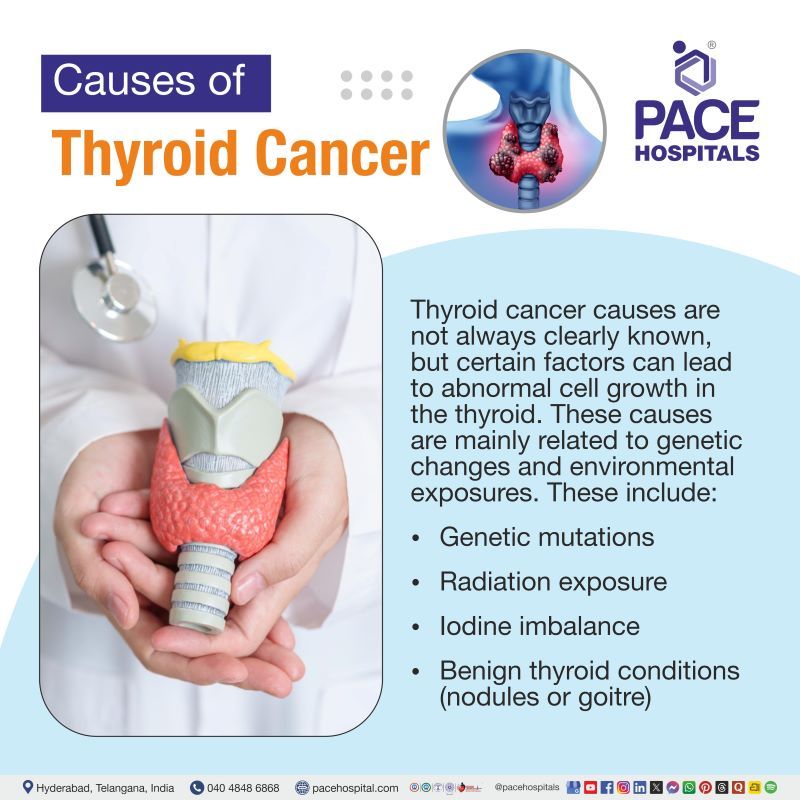
Thyroid cancer causes are not always clearly known, but certain factors can lead to abnormal cell growth in the thyroid. These causes are mainly related to genetic changes and environmental exposures. These include:
- Genetic mutations
- Radiation exposure
- Iodine imbalance
- Benign thyroid conditions (nodules or goitre)
Genetic mutations: Genetic mutations are a primary contributing factor to thyroid cancer, resulting in unregulated cell growth within the thyroid gland. Changes in DNA can happen on their own or be passed down from one generation to the next. Some changes in genes are linked to certain types of thyroid cancer. They interfere with normal cell regulation and promote the growth of tumours.
Radiation exposure: Radiation exposure, particularly during childhood, is a well-established cause of thyroid cancer. Sources include medical treatments to the head and neck or environmental exposure. The thyroid gland is highly sensitive to radiation effects. The risk may develop years after exposure.
Iodine imbalance: Iodine is important for normal thyroid function, and an imbalance can affect the gland. Both deficiency and excess iodine intake have been associated with thyroid disorders and cancer risk. Long-term imbalance may alter normal thyroid cell activity. This can contribute to abnormal growth.
Benign thyroid conditions (nodules or goitre): Non-cancerous thyroid conditions like nodules or goitre may increase the likelihood of developing thyroid cancer. Most nodules are harmless, but a small number can become malignant. Regular monitoring helps detect any suspicious changes early. Early diagnosis improves treatment outcomes.
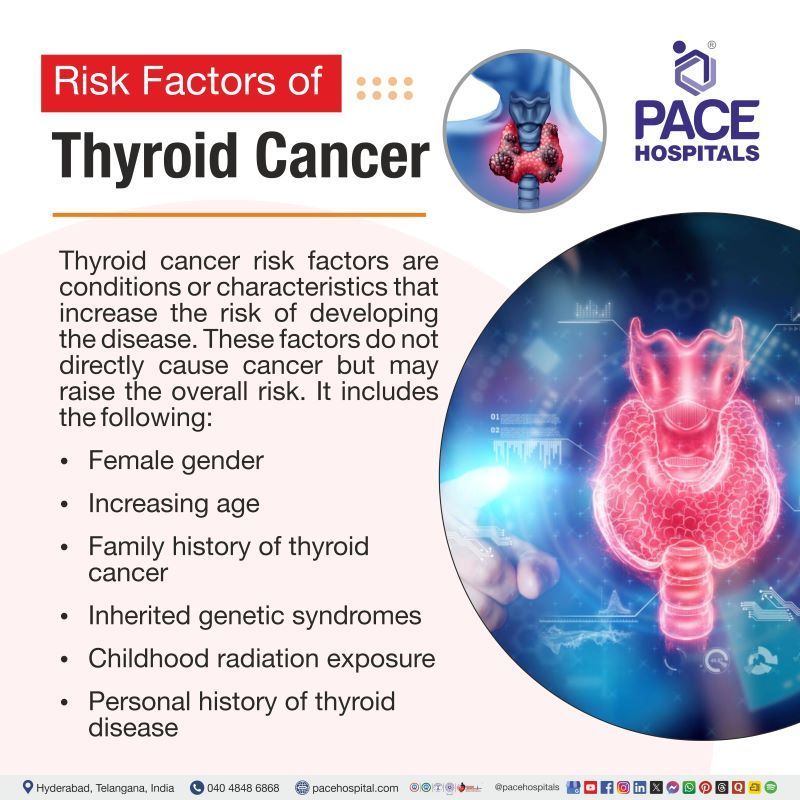
Thyroid Cancer Risk Factors
Thyroid cancer risk factors are conditions or characteristics that increase the risk of developing the disease. These factors do not directly cause cancer but may raise the overall risk. It includes the following:
- Female gender
- Increasing age
- Family history of thyroid cancer
- Inherited genetic syndromes
- Childhood radiation exposure
- Personal history of thyroid disease
Female gender: Thyroid gland cancer is more prevalent in women than in men, possibly related to hormonal factors. These hormones may affect the growth and function of thyroid cells. Women are diagnosed more often, especially when they are of childbearing age. But scientists are still trying to determine the reason why this higher risk exists.
Increasing age: The risk of thyroid cancer usually increases with advancing age, although it can manifest at any life stage. Some types are more common in younger adults, while aggressive forms are more common in older people. As humans grow older, cells may undergo more genetic changes. This makes it more probable that cells will grow abnormally.
Family history of thyroid cancer: Having a close relative with thyroid cancer increases the risk of developing the disease. This suggests a possible inherited genetic component. Individuals with a family history should consider regular screening. Early detection improves outcomes.
Inherited genetic syndromes: Certain inherited conditions, such as multiple endocrine neoplasia (MEN), can increase the risk of thyroid cancer. These conditions are commonly caused by genetic mutations passed from one generation to another. They are commonly used for the treatment of specific conditions, such as medullary thyroid carcinoma. Identifying these conditions through genetic testing helps detect and manage risk early.
Childhood radiation exposure: Exposure to radiation during childhood is a strong risk factor for thyroid cancer. This includes radiation therapy to the head and neck or environmental exposure. The thyroid gland is highly sensitive to radiation effects at a young age. The risk appears many years later.
Personal history of thyroid disease: Individuals with thyroid conditions such as goitre or thyroid nodules may have an increased risk. While most of these conditions are benign, some can progress to cancer. Regular monitoring is important for early detection. Proper management helps reduce complications.
Thyroid Cancer Complications
Thyroid cancer complications can occur when the disease progresses or spreads to nearby or distant parts of the body. These complications may also arise as a result of treatment and can affect normal body functions. It has the following:
- Local invasion into surrounding tissues
- Regional lymph node metastasis
- Distant metastasis (lungs, bones)
- Tumor recurrence
- Recurrent laryngeal nerve injury
- Dysphagia
- Airway obstruction/breathing difficulty
- Hormonal imbalance (hypothyroidism or hyperthyroidism)
Local invasion into surrounding tissues: Thyroid cancer can spread beyond the thyroid gland and into nearby structures like the trachea, oesophagus, or muscles. This can cause pain, trouble swallowing, or trouble breathing, among other conditions. Local invasion means that the disease has become progressively worse. Identifying it early helps slow down this process.
Regional lymph node metastasis: Cancer cells can spread from the thyroid to nearby lymph nodes in the neck. This often looks like swollen nodes or firm, painless swelling. It develops frequently in papillary thyroid cancer. It can be treated, but it needs to be carefully staged and followed up accordingly. Early management leads to better results and fewer problems.
Distant metastasis (lungs, bones): In advanced cases, thyroid cancer can spread to organs that are far away, like the lungs or bones. This can cause symptoms like a persistent cough, chest pain, or bone pain. A more advanced stage of cancer is indicated by distant spread. It might have an effect on health and quality of life as an entire entity. Most of the time, treatment involves more intense and long-term methods.
Tumor recurrence: Even after successful treatment, thyroid cancer can come back. Recurrence can happen in the lymph nodes, thyroid bed, or distant organs. Regular follow-up and monitoring are very important to identify issues early. Symptoms may be similar to the initial presentation. Early treatment of recurrence improves long-term survival.
Recurrent laryngeal nerve injury: The tumour or surgery may affect the recurrent laryngeal nerve, which controls the function of the vocal cords. Damage to this nerve can cause hoarseness or changes in voice. It can make it hard to speak or breathe in some cases. This problem can be either short-term or long-term. Careful surgical techniques help reduce this risk.
Dysphagia: Dysphagia occurs when the tumour causes pressure or invades the oesophagus. It causes discomfort or a sensation of food getting stuck while swallowing. This symptom can worsen as the tumour grows. It leads to decreased food intake and causes weight loss.
Airway obstruction/breathing difficulty: When thyroid cancer grows large, it can press on the windpipe and make it hard to breathe. A person may feel short of breath, hear a wheezing sound, or feel like they are choking. This can be serious and dangerous if ignored. It is important to get medical help quickly. Early treatment can prevent severe breathing problems.
Hormonal imbalance (hypothyroidism or hyperthyroidism): Thyroid cancer or its treatment can interfere with normal hormone production in the body. Removal of the thyroid gland commonly results in hypothyroidism, requiring lifelong thyroid hormone replacement therapy. In some cases, hormone levels may increase, which leads to tiredness, weight changes, and metabolic imbalance. Regular monitoring is necessary to maintain proper hormonal control.
Thyroid Cancer Diagnosis
A thyroid cancer is diagnosed by clinical evaluation, blood tests, imaging, and biopsy. These help detect cancer, determine its type, and guide treatment decisions. The following are the thyroid cancer diagnostic tests:
- Medical history
- Physical examination
- Laboratory tests (Blood tests)
- Thyroid function blood tests
- Serum calcitonin
- Carcinoembryonic Antigen (CEA)
- Imaging tests
- Thyroid ultrasound
- Computed tomography (CT) scan
- Magnetic Resonance Imaging (MRI)
- Positron Emission Tomography (PET)
- Radioactive iodine scan
- Biopsy test
- Fine needle aspiration biopsy (FNAB)
- Genetic testing
- B-Rapidly Accelerated Fibrosarcoma (BRAF)
- Rat Sarcoma (RAS)
- Rearranged during Transfection (RET)
- Endoscopy
- Laryngoscopy
Thyroid Cancer Treatment
Treatment of thyroid cancer depends on the type, stage, and overall health of the patient. It generally involves surgery, medications, and other therapies to remove or control the cancer and prevent recurrence. It includes:
Non-Pharmacological management
- Active surveillance of thyroid cancer
- Lifestyle and supportive care
Thyroid cancer surgery
- Thyroidectomy
- Lobectomy
- Lymph node dissection
Pharmacological/Adjunctive Treatment
- Radioactive iodine (RAI) therapy
- Thyroid hormone suppression therapy
- Targeted therapy
- Chemotherapy
- Immunotherapy
Why Choose PACE Hospitals?
Expert Super Specialist Doctors
Advanced Diagnostics & Treatment
Affordable & Transparent Care
24x7 Emergency & ICU Support
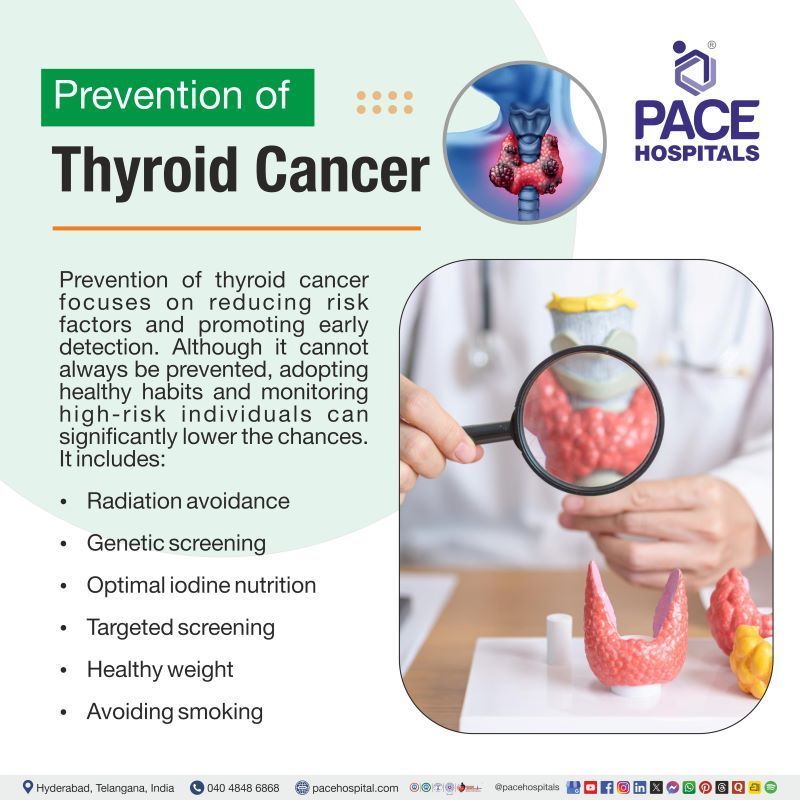
Thyroid Cancer Prevention
Prevention of thyroid cancer focuses on reducing risk factors and promoting early detection. Although it cannot always be prevented, adopting healthy habits and monitoring high-risk individuals can significantly lower the chances. It includes:
- Radiation avoidance
- Genetic screening
- Optimal iodine nutrition
- Targeted screening
- Healthy weight
- Avoiding smoking
Radiation avoidance: Radiation exposure, especially when young, is a big risk factor for thyroid cancer. Avoid getting unnecessary medical imaging, like repeated CT scans, unless it's necessary. Protective measures should be taken in medical and occupational settings. Avoiding exposure to radiation lowers the risk of damage to thyroid cells.
Genetic screening: Individuals with a family history of thyroid cancer or genetic syndromes should undergo genetic testing. This helps identify mutations associated with certain thyroid cancers. Early detection through screening allows timely monitoring and preventive care. Family members may also benefit from testing.
Optimal iodine nutrition: Maintaining adequate iodine intake is essential for proper thyroid function. Both iodine deficiency and excess can impact the thyroid gland. Using iodized salt and eating foods high in iodine, like seafood, assists in maintaining balance. Having the right amount of iodine can lower the risk of thyroid problems.
Targeted screening: People who are at high risk, such as those who have had exposure to radiation or have thyroid nodules, get regular screenings. Imaging, such as an ultrasound, can help find problems early on. Finding the problem early makes treatment much more effective. Routine check-ups are important for timely intervention.
Healthy weight: Maintaining a correct body mass index (BMI) reduces the risk of various cancers, including thyroid cancer. A diet rich in fruits and vegetables provides antioxidants that protect cells from damage. Regular physical activity also supports overall health. These habits strengthen the body's defence system.
Avoiding smoking: Smoking releases harmful chemicals that can affect thyroid function and overall health. It may increase the risk of thyroid disorders and cancers. Quitting smoking improves immune function and reduces cancer risk. Avoiding tobacco is also an essential preventive measure.
Difference between Papillary and Follicular Thyroid Cancer
Papillary vs follicular thyroid cancer
Papillary and follicular thyroid cancers are the two most common types of Thyroid cancer arising from follicular cells. They differ in their spread, diagnosis, and clinical behaviour, which affects treatment and prognosis. The following are the differences between papillary and follicular thyroid cancer:
| Parameters | Papillary thyroid cancer | Follicular thyroid cancer |
|---|---|---|
| Definition | The most common type of thyroid cancer arises from follicular cells; it grows slowly and often spreads to lymph nodes. | The second most common type arises from follicular cells; it tends to spread through the blood to distant organs. |
| Causes / Risk factors | Strongly linked to radiation exposure and genetic mutations. | Linked to iodine deficiency, certain genetic mutations are less associated with radiation exposure. |
| Symptoms | Usually, a painless thyroid nodule may have neck swelling, difficulty swallowing, and enlarged cervical lymph nodes. | Painless thyroid nodule; less lymph node involvement; may present with symptoms of distant metastasis (bone pain, lung issues) |
| Mode of Spread | Primarily spreads via lymphatics to nearby lymph nodes | Primarily spreads hematogenously (through blood) to the lungs, bones |
| Prognosis | Excellent prognosis; very high survival rate | Good prognosis, but slightly worse than papillary |
| Treatment | Surgery (thyroidectomy) with or without radioactive iodine therapy | Surgery with radioactive iodine therapy is more often needed. |
Frequently Asked Questions (FAQs) on Thyroid Cancer
What is thyroid cancer?
Thyroid cancer is a condition where abnormal cells grow uncontrollably in the thyroid gland, located at the base of the neck. The thyroid produces hormones that help regulate the body's metabolism. When these cells begin to divide and grow uncontrollably, they form a tumour, which may interfere with normal thyroid function. Early detection and treatment usually lead to good outcomes, as most thyroid cancers are slow-growing.
What are the early signs and symptoms of thyroid cancer?
The early signs and symptoms of thyroid cancer can be subtle and may cause a painless lump or swelling in the neck, difficulty swallowing, or a hoarse voice. Some people may also experience neck pain or discomfort, especially when swallowing or turning the head. While these symptoms can indicate thyroid cancer, they can also be linked to other thyroid conditions, so it’s important to consult a doctor for an accurate diagnosis.
Is thyroid cancer curable?
Yes, thyroid cancer can often be cured, especially if it can be detected early. Surgery and treatments like radioactive iodine have a high success rate for the most common types of thyroid cancer, such as papillary and follicular thyroid cancer. But for more aggressive types of thyroid cancer, like medullary and anaplastic, the prognosis may not be as good, but treatment can still help control the disease. Regular follow-up care is very important to check for any signs of recurrence and the best possible outcome.
Is thyroiditis a cancer?
No, thyroiditis is not a cancer. It is an inflammation of the thyroid gland caused by infections, autoimmune conditions, or medications. Although thyroiditis can cause symptoms such as neck swelling similar to thyroid cancer, it does not involve cancerous cell growth. A proper diagnosis is used to differentiate it from thyroid cancer or other thyroid conditions.
Is thyroid cancer dangerous?
Yes, thyroid cancer can be dangerous, but most cases can be treated if diagnosed early. Certain types, such as papillary and follicular thyroid cancer, have a great survival rate; more aggressive forms, like anaplastic thyroid cancer, are difficult to treat and may be life-threatening. Early detection and proper management are important for a better prognosis.
Can thyroid cancer spread?
Yes, thyroid cancer can spread, although it typically remains confined to the thyroid for an extended period. When it spreads, it most commonly affects nearby lymph nodes in the neck. In some cases, it may also spread to distant areas such as the lungs or bones. The risk of spread varies depending on the type and stage of the cancer.
Can patients with thyroid cancer get pregnant?
Yes, patients with thyroid cancer can get pregnant even after treatment. Women who have had a thyroidectomy and even had radioactive iodine therapy can retain the ability to conceive. However, doctors recommend waiting about 6–12 months after radioactive iodine treatment before trying to become pregnant. Age and overall health are important factors, but a history of thyroid cancer does not usually prevent a successful pregnancy when thyroid hormone levels are well-managed.
Can hypothyroidism cause thyroid cancer?
No, people with hypothyroidism (an underactive thyroid) are not directly responsible for thyroid cancer. Having an underactive thyroid gland does not increase the risk of thyroid cancer. Some benign thyroid conditions, such as nodules or inflammation, may be linked to a slightly elevated cancer risk, but hypothyroidism itself is not considered a causative factor.
Is thyroid cancer treatment painful?
Yes, treatment for thyroid cancer can be uncomfortable, but it usually isn't painful. There is no pain during surgery to remove the thyroid or affected tissues because the patient is under anaesthesia. Some mild pain or soreness may occur after surgery, but it generally fades away with pain relievers. Other treatments, like radioactive iodine therapy and thyroid hormone replacement therapy, do not require surgery and cause minimal discomfort.
What does a thyroid cancer lump feel like?
A thyroid cancer lump is firm or hard and may not cause any pain. It can vary in size and might move slightly when swallowing, as the thyroid is located close to the windpipe. Most of the time, these lumps aren't painful, but larger ones can make swallowing difficult or cause a hoarse voice.
Can thyroid cancer come back after surgery?
Yes, thyroid cancer can come back after surgery. Even though the main tumour is removed, small clusters of cancer cells may remain or later grow in the neck or elsewhere in the body, leading to recurrence. So doctors advise regular follow up with blood tests and imaging after surgery. Most recurrences occur within the first few years and can be successfully treated when detected early.
How long does it take for thyroid cancer to spread?
The time it takes for thyroid cancer to spread varies based on the type of cancer. Papillary and follicular thyroid cancers grow gradually, often taking months to years to spread, usually to nearby lymph nodes. However, more aggressive forms like anaplastic thyroid cancer can spread rapidly within weeks or even days. Early detection and treatment are important for better outcomes.
Is thyroid cancer hereditary?
Yes, thyroid cancer can be hereditary, but this is uncommon. Around 5-10% of cases are linked to family history. A hereditary factor may slightly increase the risk, but the majority of thyroid cancer cases occur without any family connection.
What happens if thyroid cancer is left untreated?
If thyroid cancer is left untreated, the tumour can continue to grow and may invade nearby structures in the neck, making treatment more difficult later. It can also spread to lymph nodes and other organs such as the lungs or bones. Over time, this progression can lead to symptoms like pain, voice changes, difficulty swallowing or breathing, and can reduce overall survival. Early diagnosis and treatment significantly improve outcomes.
What lifestyle changes help with thyroid cancer?
Maintaining a balanced diet, staying physically active, and managing stress are the lifestyle changes that can help with recovery from thyroid cancer. It is crucial to quit smoking and limit alcohol intake to improve overall health. Regular medical tests and follow-up care are also essential for monitoring recovery and detecting any potential recurrence.
What kind of doctor treats thyroid cancer?
Thyroid cancer is treated by a team of specialists, including endocrinologists, surgeons, medical oncologists, and radiation oncologists. They work together to manage surgery, hormone therapy, chemotherapy, and radiation treatments.
When to Consult a Doctor for Thyroid Cancer?
Consult a doctor for thyroid cancer if there is a persistent lump or swelling in the neck, especially if it grows over time. Early symptoms are often subtle, so paying attention to changes in the neck area is important. Signs that indicate a need for medical assistance are:
- A painless lump or nodule in the neck
- Swelling or enlargement in the thyroid region
- Difficulty swallowing or a feeling that something is stuck in the throat
- Hoarseness or changes in voice that do not improve
- Persistent cough not related to a cold
- Pain in the neck or throat (sometimes radiating to the ears)
- Enlarged lymph nodes in the neck
If these symptoms persist, it is best to see a thyroid cancer specialist for appropriate diagnosis and treatment. Seek emergency medical attention if any symptoms like severe difficulty breathing, sudden rapid enlargement of a neck mass, or significant trouble swallowing, as these may indicate advanced disease or complications. An endocrinologist, oncologist or general physician can provide the right evaluation and best thyroid cancer treatment to manage the condition and improve outcomes.
Share on
Request an appointment
Fill in the appointment form or call us instantly to book a confirmed appointment with our super specialist at 04048486868
Appointment request - health articles
Recent Articles