Diabetic ketoacidosis (DKA): Symptoms, Causes & Treatment
PACE Hospitals
Written by: Editorial Team
Medically reviewed by: Dr. Manasa Gaddam - Consultant Critical Care Specialist
Overview | Epidemiology | Types | Pathophysiology | Symptoms | Causes | Risk Factors | Complications | Diagnosis | Treatment | Prevention | Diabetic ketoacidosis vs Starvation | FAQs | When to consult a Doctor
Diabetic ketoacidosis definition
Diabetic ketoacidosis (DKA) is a serious and life-threatening acute complication of diabetes (mostly type 1 diabetes), but it also occurs in type 2 diabetes. It occurs when the body doesn't have enough insulin to let glucose into cells for energy production. This causes the body to break down fat and make acidic ketones that build up in the blood. Some common symptoms are extreme thirst, frequent urination, nausea, vomiting, stomach pain, tiredness, fast or deep breathing, breath that smells like fruit, headaches, and confusion.
The main causes are hyperglycemia (very high blood sugar levels) and low insulin levels because of an illness or infection, missing insulin doses, problems with an insulin pump, physical stress (like an injury or heart attack), alcohol or drug use, or some medications. Blood and urine tests that show high blood glucose, high ketones, and metabolic acidosis are used to make the diagnosis. If not treated, DKA can lead to complications like dehydration, electrolyte imbalances, cerebral edema (brain swelling), low blood sugar or potassium levels, loss of consciousness, coma, and death.
Treating diabetic ketoacidosis (DKA) involves a multidisciplinary healthcare team, primarily in emergency or hospital settings. General physicians, Emergency physicians, endocrinologists, and critical care specialists lead acute management.
Diabetic ketoacidosis meaning
The word "diabetic ketoacidosis" components include:
- Diabetes is derived from the Greek word “diabainein", meaning to "pass through", referring to excessive urination.
- The word "keto" comes from "ketone," which comes from the German word "Aketon." A French chemist named Jean-Baptiste Dumas coined the word "Aketon" in 1848. He got it from "acetone," which is related to acetic acid through "aceto-."
- Acidosis comes from the Latin word “acidus” meaning “sour” or “sharp”, combined with the Greek word “osis” meaning “condition”.
Diabetic ketoacidosis (DKA) is a life-threatening complication of diabetes characterized by inadequate insulin levels, resulting in the breakdown of fats and the production of excess ketone bodies that induce metabolic acidosis. It mostly occurs in individuals with type 1 diabetes, but it can also happen to people with type 2 diabetes. It usually happens when someone is ill, misses an insulin dose, or is under a lot of stress.
Diabetic Ketoacidosis Epidemiology
Epidemiology of diabetic ketoacidosis worldwide
Emerging evidence shows a rise in DKA worldwide, with admissions showing a marked increase, especially in type 1 diabetes (3 times higher in some countries) and increasingly in type 2 diabetes related to SGLT2 receptor inhibitors, infections, and non-adherence to therapy. Mortality rates are lower in resource-rich environments (0.2% - 2.5%) but can be as high as 10-30% in resource-poor countries due to delayed care.
Epidemiology of diabetic ketoacidosis in India
In India, DKA occurs in patients suffering from both types 1 and 2 of diabetes, with an increased prevalence due to the growing incidence of diabetes cases, infection, and non-compliance. It is also important to point out that around 20-35% of all type 1 diabetes cases are associated with DKA, acute kidney injury and higher pediatric mortality from delayed intervention.
Diabetic Ketoacidosis Types
DKA can be classified based on severity, clinical presentation, and the underlying diabetes condition. It may also be grouped with other related forms of ketoacidosis that occur due to different metabolic causes. They include:
DKA Classification by Severity
- Mild DKA
- Moderate DKA
- Severe DKA
DKA Classification by Clinical Presentation
- Classic DKA
- Euglycemic DKA (EDKA)
- Fulminant type 1 diabetes
DKA Classification by Diabetes Type
- Type 1 DKA
- Type 2 DKA
Other related ketoacidosis
- Alcoholic ketoacidosis
- Starvation ketoacidosis
DKA Classification by Severity
Mild DKA
Mild diabetic acidosis is characterised by an arterial pH between 7.25 and 7.30 and a serum bicarbonate level of 15-18 mmol/L, accompanied by positive ketones. At the same time, the patient remains alert (normal mental status), indicating mild metabolic acidosis.
Moderate DKA
Moderate diabetic ketoacidosis is characterised by arterial/venous pH levels ranging from 7.0 to 7.25 or serum bicarbonate concentrations between 10 and 15 mmol/L, accompanied by ketonemia (elevated ketone body levels) and hyperglycemia (high serum glucose), with patients presenting as either alert or drowsy.
Severe DKA
The most serious type of diabetic ketoacidosis (DKA) is severe DKA, which is characterized by an arterial/venous pH of less than 7.0 and a serum bicarbonate level of less than 10 mmol/L, along with a change in mental status, such as stupor (state of near-unconsciousness) or coma. It shows severe metabolic acidosis with high ketone levels, and because of the high risk of death and illness, it usually needs to be managed in an intensive care unit.
DKA Classification by Clinical Presentation
Classic DKA
The most frequently occurring type of diabetic ketoacidosis, characterized by increased blood glucose (typically >250 mg/dL), ketonuria (presence of ketones in the urine), and acidosis caused by a significant deficiency of insulin.
Euglycemic DKA(EDKA)
A subtype of DKA in which blood glucose levels remain within the normal range (less than 250 mg/dL) but ketonuria (ketone bodies present in the urine) and acidosis continue to occur. It typically occurs during fasting, during pregnancy, and when taking SGLT2 inhibitor drugs.
Fulminant type 1 diabetes
This rare subtype of type 1 diabetes is characterized by acute and rapid damage to beta cells, leading to hyperglycemia and DKA. Its characteristic feature is a close-to-normal HbA1c value due to a sudden onset. Immediate insulin treatment is required.
DKA Classification by Diabetes Type
Type 1 DKA
DKA is mostly seen in type 1 diabetics since the amount of insulin produced by the body is minimal. Without insulin, the body uses fats for energy and, in the process, produces ketones that can cause ketoacidosis. DKA can occur at the time of diagnosis of type 1 diabetes or with missed insulin doses, infections, and illnesses.
Type 2 DKA
People with type 2 diabetes can experience DKA when there is extreme sickness or stress. Insulin deficiency due to illness, surgery, or dehydration may lead to DKA. In addition to these factors, some drugs, such as Sodium–Glucose Cotransporter 2 (SGLT2) inhibitors, increase the chances of having DKA.
Other related ketoacidosis
Alcoholic ketoacidosis
A condition that affects individuals who have chronic alcoholism, liver dysfunction, and/or acute alcohol ingestion, characterised by ketonemia and hyperanion-gap metabolic acidosis, low, normal or high glucose levels may accompany it.
Starvation ketoacidosis
Starvation ketoacidosis arises from fasting-induced fat metabolism and mild acidosis with low/normal glucose, while DKA involves insulin deficiency and hyperglycemia.
Diabetic Ketoacidosis Pathophysiology
The following are the steps involved in the pathophysiology of diabetic ketoacidosis (DKA), which include:
- Insulin deficiency: An absolute or relative deficiency of insulin arises, frequently due to missed doses, infection, or the onset of diabetes. This results in hormones that work against each other.
- The Rise of Hyperglycemia: Gluconeogenesis (producing glucose from non-carbohydrate sources) and glycogenolysis (conversion of glycogen to glucose) in the liver accelerate, leading to excessive glucose production. Insulin resistance and low insulin levels make it harder for glucose to enter peripheral cells. Blood sugar levels rise and exceed the threshold for renal reabsorption.
- Lipolysis and Ketogenesis: Counter-regulatory hormones help break down fat cells into free fatty acids. The liver changes these into ketone bodies like acetoacetate, beta-hydroxybutyrate, and acetone. When ketones build up in the blood, it can cause ketonemia and metabolic acidosis.
- Osmotic Diuresis: When blood sugar levels are too high, glucose leaks into the urine, taking water and electrolytes (sodium and potassium) with it. This makes the body dehydrated, lose volume, and disrupts electrolyte balance.
- Acidosis and Compensating: Ketone bodies make the blood more acidic (lower pH); bicarbonate levels drop. To get rid of CO2, the body uses Kussmaul breathing (fast, deep breathing) to compensate.
Diabetic Ketoacidosis Symptoms
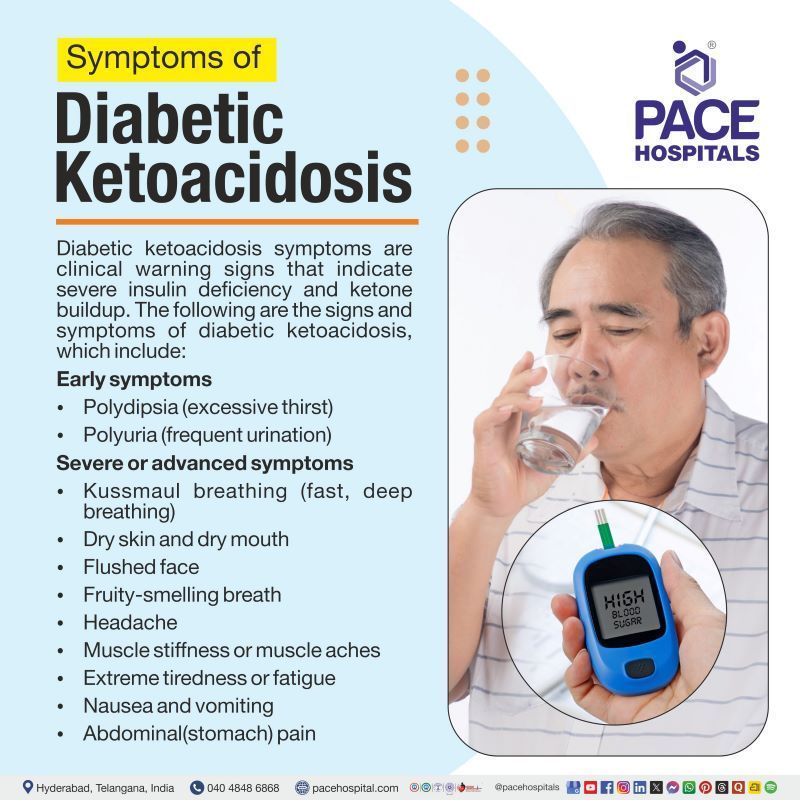
Diabetic ketoacidosis symptoms are clinical warning signs that indicate severe insulin deficiency and ketone buildup. This means urgent treatment is required in medical emergencies. The following are the signs and symptoms of diabetic ketoacidosis, which include:
Early symptoms
- Polydipsia (excessive thirst)
- Polyuria (frequent urination)
Severe or advanced symptoms
- Kussmaul breathing (fast, deep breathing)
- Dry skin and dry mouth
- Flushed face
- Fruity-smelling breath
- Headache
- Muscle stiffness or muscle aches
- Extreme tiredness or fatigue
- Nausea and vomiting
- Abdominal (stomach) pain
- Confusion or decreased consciousness
Polydipsia (excessive thirst): It is a symptom of diabetic ketoacidosis that makes a person feel very thirsty because of high blood sugar levels, which make the body dehydrated and cause excessive urination. Early signs of DKA include "being very thirsty," which is a sign of osmotic diuresis and fluid loss from the body.
Polyuria (frequent urination): Polyuria is indicated as excessive urination because of high blood sugar that causes osmotic diuresis, in which the body loses water and electrolytes. It also means that urinating a lot more than usual is an early sign of DKA, which is caused by high blood sugar and insulin deficiency.
Kussmaul breathing (fast, deep breathing): It is a fast, deep breathing pattern that happens as a way for the body to get rid of extra carbon dioxide and acid when there is a lot of metabolic acidosis. Along with other signs like fruity breath and stomach pain, it is a serious sign of DKA.
Dry skin and dry mouth: Diabetic ketoacidosis causes severe dehydration because high blood sugar levels cause excessive urination, which dries out the skin and mouth as signs of fluid loss and less body hydration. It also indicates that "dry skin and mouth" are serious signs of DKA.
Flushed face: When excessive blood sugar and ketones build up in the body, it can cause dehydration and metabolic changes that result in flushed (reddish) and dry skin.
Fruity-smelling breath: A high level of ketones in the blood causes this classic symptom, which makes the breath smell "fruity." Along with other signs like deep breathing, dry skin, and tiredness.
Headache: Headaches in diabetic ketoacidosis (DKA) are primarily caused by dehydration and metabolic disturbances like acidosis and electrolyte imbalances.
Muscle stiffness or muscle aches: In DKA, muscle stiffness or aches occur as a symptom of severe dehydration and electrolyte imbalance caused by high blood sugar and ketone buildup in the blood. These metabolic disturbances irritate muscles and nerves, leading to generalized muscle pain or stiffness during the acute condition.
Extreme tiredness or fatigue: People with diabetic ketoacidosis may feel very tired or weak because their bodies can't use glucose for energy due to a lack of insulin. It also says that "being very tired" is a sign of DKA, which often happens with dehydration and other metabolic problems (electrolyte disturbances).
Nausea and vomiting: Diabetic ketoacidosis often causes nausea and vomiting because of severe metabolic problems and a buildup of ketones in the body. These signs mean that DKA is getting worse, associated with dehydration and stomach pain.
Abdominal (stomach) pain: Abdominal or stomach pain is a common sign of DKA. It usually happens with nausea and vomiting because the buildup of ketones and metabolic acidosis affects the digestive system.
Confusion or decreased consciousness: In diabetic ketoacidosis, severe hyperglycemia, dehydration, and metabolic acidosis can impair brain function, leading to diminished alertness, confusion, or reduced consciousness.
Diabetic Ketoacidosis Causes
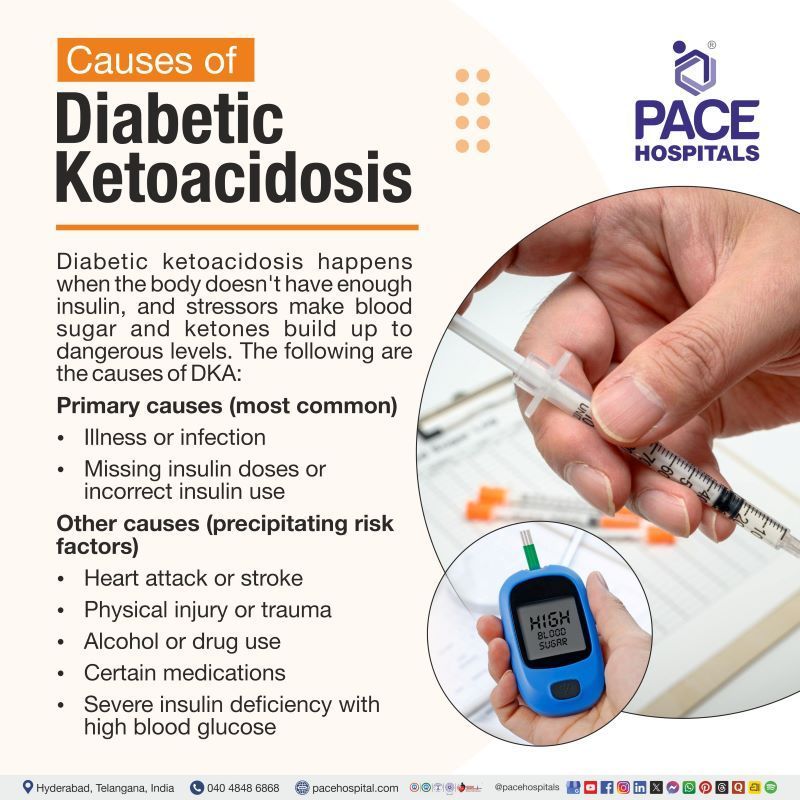
Diabetic ketoacidosis happens when the body doesn't have enough insulin, and stressors make blood sugar and ketones build up to dangerous levels. The following are the causes of DKA:
Primary causes (most common)
- Illness or infection
- Missing insulin doses or incorrect insulin use
Other causes (precipitating risk factors)
- Heart attack or stroke
- Physical injury or trauma
- Alcohol or drug use
- Certain medications
- Severe insulin deficiency with high blood glucose
Illness or infection: Infections, like urinary tract infection or pneumonia, can cause DKA because they make the body release stress hormones that work against insulin, which raises blood sugar levels and makes ketones. Other common infections include sepsis, gastrointestinal infections, and respiratory illnesses such as Klebsiella pneumoniae infections.
Missing insulin doses or incorrect insulin use: Missing an insulin dose or having a pump clogged causes high blood sugar (hyperglycemia). The body breaks down fat for energy when glucose can't get into cells without insulin. This makes ketones, which can lead to diabetic ketoacidosis (DKA). Hypoglycemia, or low blood sugar, happens when there is excessive insulin, not when doses are missed.
Heart attack or stroke: Diabetic ketoacidosis (DKA) can happen after a heart attack or stroke because stress hormones make insulin less effective and make hyperglycemia worse. DKA is a medical emergency that needs immediate treatment because heart problems can make metabolic instability and complications worse.
Physical injury or trauma: Both Physical injury or trauma can cause diabetic ketoacidosis because stress hormones released after an injury suppress insulin and raise blood glucose and ketone levels. Physical injury, like trauma from accidents, is a known cause that can lead to DKA in people with diabetes.
Alcohol or drug use: Drugs and alcohol can cause DKA because they can affect insulin function and disrupt blood sugar control, resulting in higher levels of ketones and serum glucose in the blood, which is dangerous.
Certain medications: Some medications, including corticosteroids and diuretics, can elevate blood glucose levels or enhance insulin resistance, potentially precipitating DKA in susceptible individuals. Some reports say that SGLT2 inhibitor diabetes drugs can also raise the risk of ketoacidosis, even when blood sugar levels are normal.
Severe insulin deficiency with high blood glucose: Severe insulin deficiency prevents glucose from entering body cells, which makes blood sugar levels go up while cells "starve" for energy. The body then uses fat as fuel, which makes a lot of ketones that build up in the blood and cause diabetic ketoacidosis.
Diabetic Ketoacidosis Risk Factors
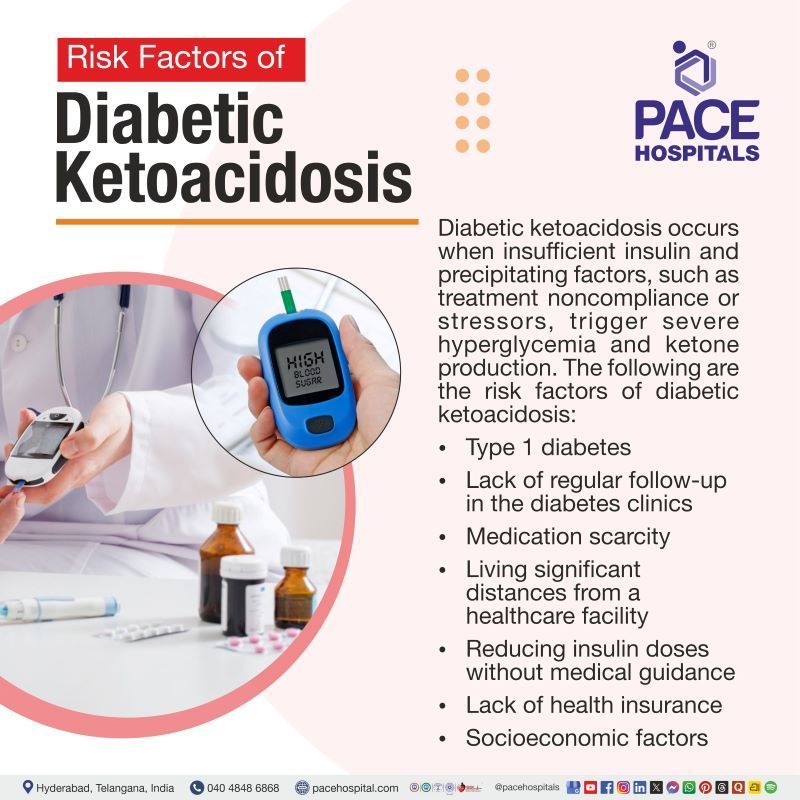
Diabetic ketoacidosis occurs when insufficient insulin and precipitating factors, such as treatment noncompliance or stressors, trigger severe hyperglycemia and ketone production. The following are the risk factors of diabetic ketoacidosis:
- Type 1 diabetes
- Lack of regular follow-up in the diabetes clinics
- Medication scarcity
- Living significant distances from a healthcare facility
- Reducing insulin doses without medical guidance
- Lack of health insurance
- Socioeconomic factors
Type 1 diabetes: People with type 1 diabetes are more likely to get diabetic ketoacidosis (DKA) because of insulin deficiency. DKA can happen when there isn't enough insulin or when it's missed, especially during illness or under a lot of stress. DKA is also a common first sign of type 1 diabetes in people who have just been diagnosed with it because they don't have enough insulin.
Lack of regular follow-up in the diabetes clinics: Not going to regular diabetes clinic follow-ups is a significant risk factor for diabetic ketoacidosis (DKA) because of poor monitoring conditions, and due to delayed treatment, can cause blood sugar levels to rise too high and complications to be missed. Research indicates that patients lacking regular follow-up appointments were approximately 2–6 times more susceptible to developing DKA than those with regular clinic follow-ups.
Medication scarcity: It is because of a lack of access to insulin or diabetes medicines that low insulin levels in the body can occur. This makes the body break down fat and produce excess ketones, which raises the risk of diabetic ketoacidosis. In crisis situations, not getting regular diabetes care and having trouble getting medications have been linked to more cases of DKA.
Living significant distances from a healthcare facility: People with diabetes who live far away from health care facilities may not go to their regular follow-up visits, get their insulin on time, or get treatment on time. This makes them more likely to get diabetic ketoacidosis. It also shows that people who lived more than 5 km from a healthcare facility were more likely to get DKA because being far away makes it harder to get care and keep up with diabetes management.
Reducing insulin doses without medical guidance: Lowering insulin doses without consulting a physician is a risk factor for diabetic ketoacidosis (DKA), as inadequate levels of insulin result in elevated blood glucose levels and increased ketone production.
Lack of health insurance: Lack of health insurance is a socioeconomic risk factor for diabetic ketoacidosis (DKA) because individuals who don't have insurance may delay or skip medical care and insulin treatment, which can make diabetes harder to control. Being poor, like not having health insurance, has been linked to a higher risk of hyperglycemic crises like DKA.
Socioeconomic factors: Low socioeconomic status, such as low family income, limited education, and poor access to diabetes care, can increase the risk of diabetic ketoacidosis by delaying diagnosis and reducing adherence to insulin and medical treatment.
Diabetic Ketoacidosis Complications
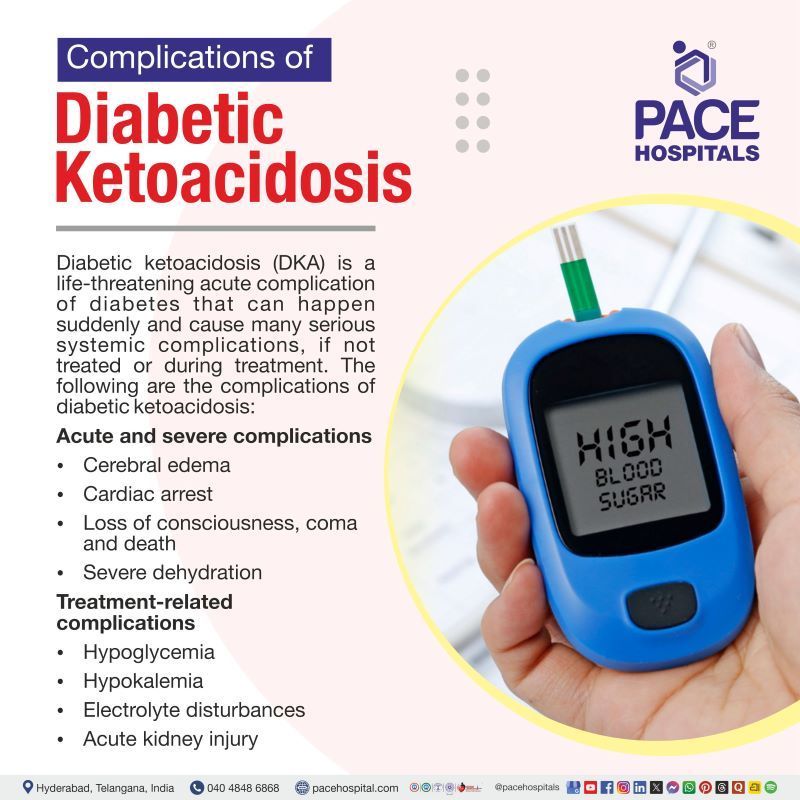
Diabetic ketoacidosis (DKA) is a life-threatening acute complication of diabetes that can happen suddenly and cause many serious systemic complications, if not treated or during treatment. The following are the complications of diabetic ketoacidosis:
Acute and severe complications
- Cerebral edema
- Cardiac arrest
- Loss of consciousness, coma and death
- Severe dehydration
Treatment-related complications
- Hypoglycemia
- Hypokalemia
- Electrolyte disturbances
- Acute kidney injury
Cerebral edema: Cerebral edema is the swelling of the brain due to excessive fluid buildup, and it is one of the most dangerous side effects of diabetic ketoacidosis, especially in children. It can damage the brain, and this can happen due to the impaired blood flow to the brain during DKA and additional injury when blood flow is restored during treatment.
Cardiac arrest: Severe electrolyte imbalances, particularly hypokalemia, during diabetic ketoacidosis can induce dangerous cardiac arrhythmias that may progress to cardiac arrest. So, during DKA treatment, it's important to monitor the heart and electrolyte corrections are important to avoid deadly heart problems.
Loss of consciousness, coma and death: Diabetic ketoacidosis (DKA) can cause loss of consciousness when severe hyperglycemia, metabolic acidosis, electrolyte disturbances and dehydration impair brain function. If DKA is untreated, it can lead to loss of consciousness and death. This complication shows that the metabolism is severely disrupted and is affecting the central nervous system. It needs immediate emergency treatment to prevent coma and death.
Severe dehydration: Dehydration associated with diabetic ketoacidosis (DKA) is severe and results from the high levels of glucose in the blood that induce excessive urination, which in turn causes massive fluid loss. Dehydration may manifest as hypotension (low blood pressure), tachycardia (rapid heart rate), thirst, and poor perfusion. Immediate IV fluids are needed to prevent kidney failure and shock.
Hypoglycemia: Insulin therapy can quickly lower blood sugar levels during treatment for diabetic ketoacidosis, which can lead to hypoglycemia (low blood sugar). This is one of the most common problems that can happen during treatment for DKA.
Hypokalemia: Insulin and fluid therapy can lower serum potassium levels during treatment for DKA by moving potassium into cells, which can cause hypokalemia. Low potassium can affect the heart, muscles, and nerve function, so potassium replacement is often given during DKA management.
Electrolyte disturbances: Diabetic ketoacidosis often leads to electrolyte imbalances, such as hyponatremia (lower serum sodium levels) and hypomagnesemia (lower serum magnesium levels), caused by osmotic diuresis and the translocation of electrolytes into cells due to insulin treatment. A serious imbalance of electrolytes can cause muscle weakness, heart arrhythmias, or heart failure, which need to be monitored closely and corrected promptly.
Acute kidney injury: It is a known complication that can happen during diabetic ketoacidosis when the body is very dehydrated, and the kidneys don't get enough blood flow. It also says that DKA is a medical emergency requiring immediate medical attention and treatment because if it isn't treated early, it can lead to serious organ complications.
Diabetic Ketoacidosis Diagnosis
Diabetic Ketoacidosis (DKA) is a medical emergency requiring rapid diagnosis through a combination of clinical assessment and laboratory tests. The triad of hyperglycemia, metabolic acidosis, and ketosis characterizes it.
The following are the steps commonly included in diabetic ketoacidosis diagnostic criteria:
- Medical history
- Physical examination
- Laboratory investigations
- Serum glucose
- Venous blood gas
- Anion gap
- Serum or capillary β-hydroxybutyrate (preferred over urine ketones)
- Serum electrolytes
- Serum BUN/creatinine
- Serum sodium calculation
- Complete blood picture (CBC)
- Urinalysis
- Additional tests
- Electrocardiogram (ECG)
- Chest X-ray
- Glycosylated hemoglobin (HBA1C)
- Serum lactate
- Cultures (blood/urine/sputum)
- Diagnostic criteria for severity
- Mild
- Moderate
- Severe
Diabetic Ketoacidosis Treatment
DKA is a life-threatening medical emergency that needs to be treated in a hospital, preferably in an ICU or high-dependency unit. The main goals of diabetic ketoacidosis management are to restore volume of blood flow, correct electrolyte imbalances, prevent ketosis, and normalize blood sugar.
The following flow chart and steps are based on standardized diabetic ketoacidosis treatment algorithm for adults, focusing on the first 24 hours of care, which include:
- Initial Steps (Phase I: 0-6 hours)
- Collection of a blood sample before starting IV fluids
- Fluid replacement (essential Step 1)
- Potassium correction (essential Step 2)
- Insulin therapy (essential Step 3)
- Ongoing management (Phase II: 6-12 hours)
- Glucose monitoring
- Fluid type switch
- Potassium management
- Resolution and transition (Phase III: 12-24 hours)
- Resolution criteria
- Precipitant management
- Specialist consultation
Non-pharmacological treatment
- Fluid resuscitation
- Monitoring and surveillance
- Nutritional management
- Patient education
- Supportive care
Why Choose PACE Hospitals?
Expert Super Specialist Doctors
Advanced Diagnostics & Treatment
Affordable & Transparent Care
24x7 Emergency & ICU Support
Diabetic Ketoacidosis Prevention
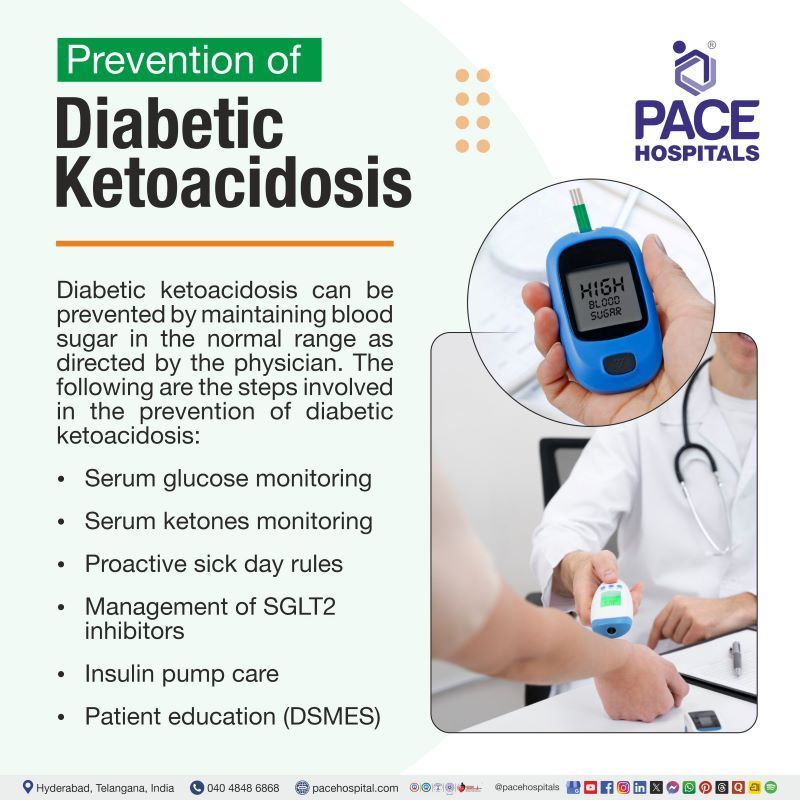
Diabetic ketoacidosis can be prevented by maintaining blood sugar in the normal range, taking diabetes medications as directed, and checking blood sugar regularly, especially during illness, can help prevent diabetic ketoacidosis. The following are the steps involved in the prevention of diabetic ketoacidosis:
- Serum glucose monitoring
- Serum ketones monitoring
- Proactive sick day rules
- Management of SGLT2 inhibitors
- Insulin pump care
- Patient education (DSMES)
Serum glucose monitoring: Checking blood sugar levels regularly helps detect rising glucose levels early, allowing timely insulin adjustment and preventing DKA from worsening. Patients should check their blood sugar levels often, especially during illness.
Serum ketones monitoring: People with diabetes should switch from urine testing to blood ketone meters when their blood glucose level is 250 mg/dL or higher during illness. Blood ketone meters give more accurate, immediate readings. High levels of ketones are an early sign of DKA and should be treated immediately.
Testing for ketones on a regular basis can help find metabolic imbalances early and prevent them from getting worse and leading to diabetic ketoacidosis.
Proactive sick day rules: Individuals with diabetes during illness should continue their insulin and diabetes medications, check their blood sugar more often, drink a lot of fluids, and try to eat normally because illness can raise blood sugar and lead to ketone production and DKA if untreated.
Management of SGLT2 inhibitors: Individuals during acute illness, surgery, fasting, or in other situations that raise the risk of ketoacidosis should not take Sodium-Glucose Cotransporter 2 (SGLT2) inhibitors (oral diabetic medications) and should be aware of "euglycemic DKA" (normal blood sugar, high ketones). They should also not skip or lower their insulin dose without a good reason. Patients should follow the sick-day protocols and only start therapy again when stable and ketone levels are normal.
Insulin pump care: People who use insulin pumps should check their blood sugar levels often, test for ketones when blood sugar stays high, and have a backup plan in case the pump breaks down to avoid diabetic ketoacidosis. It is very important to use an insulin pump correctly and always to take insulin, because missing insulin (for example, in case the pump breaks) can rapidly lead to DKA.
Patient education (DSMES): Patients should receive diabetes self-management education and support (DSMES), including insulin use, glucose and ketone monitoring, and sick-day rules, because tailored education before discharge helps patients recognise early symptoms and prevent future DKA episodes.
Difference between Diabetic Ketoacidosis and Starvation Ketoacidosis
Diabetic ketoacidosis vs starvation
Diabetic ketoacidosis and starvation ketoacidosis are distinct metabolic acidosis conditions resulting from varying underlying mechanisms and clinical contexts. It is important to differentiate between these two conditions to treat them appropriately. The main differences between DKA and starvation ketoacidosis are listed below:
| Characteristics | Diabetic ketoacidosis | Starvation ketoacidosis |
|---|---|---|
| Cause | It occurs because of a lack of insulin, either completely or relatively, leading to uncontrolled fat breakdown and ketone production. | It usually occurs when the body doesn't get enough glucose for a long time, so it starts using fat as its main source of energy. |
| Underlying condition | Occurs mainly in type 1 diabetes | Occurs in non-diabetic individuals during prolonged fasting or starvation conditions. |
| Blood glucose level | High (>250 mg/dL) | Normal or low blood glucose levels. (<200 mg/dL) |
| Pathophysiology | Insulin deficiency leads to increased lipolysis, which in turn produces more ketone bodies, resulting in metabolic acidosis. | A long-term lack of glucose leads to the use of fatty acids as fuel, resulting in the buildup of ketones. |
| Severity | An acute complication of uncontrolled diabetes can be potentially life-threatening. | Usually milder but can become severe with prolonged starvation. |
| Metabolic state | Severe acidosis (pH <7.1, bicarbonate <10). | Mild to moderate acidosis (pH >7.1, bicarbonate >18). |
| Symptoms | Polyuria, polydipsia, fruity breath, nausea, Kussmaul respirations, and confusion | Fatigue, nausea, vomiting, abdominal pain, and mild ketosis signs |
| Treatment | IV fluids, insulin infusion, electrolyte replacement. | IV dextrose, nutritional support (insulin rarely needed) |
Frequently Asked Questions (FAQs) on Diabetic Ketoacidosis
What is diabetic ketoacidosis?
Diabetic ketoacidosis (DKA) is a life-threatening, acute metabolic emergency. It happens when there isn't enough insulin in the body, which causes blood sugar levels and ketone levels to rise. Some common symptoms are intense thirst, frequent urination, nausea, vomiting, stomach pain, breath that smells like fruit, and deep, fast breathing. People with Type 1 diabetes are most likely to get it, but people with Type 2 diabetes can also get it, usually because of an infection, illness, or missed insulin. Intravenous fluids, electrolyte replacement, and insulin are all parts of immediate treatment.
How long does it take to recover from diabetic ketoacidosis?
With early treatment, recovery from diabetic ketoacidosis (DKA) usually happens within 24 to 36 hours, but it may take longer in severe cases. Patients can often leave the hospital when blood sugar and metabolic acidosis levels return to normal, but it may take longer for them to recover, depending on chronic complications.
Can diabetic ketoacidosis be fatal?
Yes. Diabetic ketoacidosis (DKA) is a very serious medical emergency that can be fatal if untreated. DKA is a serious complication of diabetes that "can be life-threatening" because it causes dangerous levels of ketones and acid to build up in the body.
Why is abdominal pain seen in diabetic ketoacidosis?
Abdominal pain in DKA happens because severe metabolic acidosis and dehydration can slow down the movement of food through the digestive system and cause visceral ischemia (impaired blood flow and oxygen supply) or organ stretching, which can make the stomach hurt. Pancreatitis or an infection are two underlying conditions that can worsen abdominal pain during DKA.
Can diabetic ketoacidosis cause kidney failure?
Yes, Diabetic Ketoacidosis (DKA) can cause Acute Kidney Injury (AKI), which can lead to temporary or, in rare cases, permanent kidney failure. DKA causes severe dehydration and loss of blood volume, which slows down blood flow (hypoperfusion) to the kidneys and damages them. Kidney failure caused by DKA is a serious problem that can be corrected with rapid treatment.
Who is at risk of diabetic ketoacidosis?
People with type 1 diabetes are more likely to get DKA, but people with type 2 diabetes can also get it. It can also happen in individuals who don't have diabetes yet, and diabetic ketoacidosis can be the first sign. When insulin is missed or insufficient, during illness or physical stress, it becomes harder to control blood sugar.
What happens if diabetic ketoacidosis is left untreated?
Without treatment, diabetic ketoacidosis (DKA) can prove fatal, leading to the development of coma, cerebral edema (brain swelling), kidney and heart failure, and ultimately death in just 24 hours. This disease causes an imbalance in the body's electrolytes and blood acidity, requiring urgent hospitalization.
What is recommended in the diet after diabetic ketoacidosis?
After recovery from DKA, people with diabetes should eat a healthy diet and work with a diabetes care team to adjust their insulin based on what they eat, activity level, and illness, to keep blood sugar in the normal range. Education and personalized nutritional guidance via diabetes self-management education support (DSMES) are recommended to facilitate diabetes management and prevent subsequent DKA episodes.
Why is diabetic ketoacidosis rare in type 2 diabetes?
Diabetic ketoacidosis (DKA) is rare in type 2 diabetes, as individuals with this condition generally continue to produce insulin, which prevents fat breakdown and ketone production. As a result, DKA is mostly seen in people with type 1 diabetes and happens less often in people with type 2 diabetes because they still make some insulin.
What are the warning signs of diabetic ketoacidosis?
Early warning signs of diabetic ketoacidosis include excessive thirst, frequent urination, high blood glucose, and high ketone levels in urine. As it gets worse, symptoms can include nausea, vomiting, stomach pain, breath that smells like fruit, fast breathing, and confusion. These are medical emergencies that need immediate attention.
What causes diabetic ketoacidosis?
When the body doesn't have enough insulin to let blood sugar into the cells to be used as energy, it forces the body to break down fat, resulting in a dangerous buildup of acids called ketones, causing diabetic ketoacidosis (DKA). Very high blood sugar and low insulin levels can cause DKA, which is most often triggered by illness, missed insulin doses, trauma or newly diagnosed type-1 diabetes.
Why are ketones present in the urine with diabetic ketoacidosis?
The body breaks down fat when there isn't enough insulin. This process creates acids called ketones. Ketones build up in the blood and then get into the urine. Ketones are made when fat breaks down. If diabetes is not under control, it can build up in the blood and then be excreted via urine.
What is the difference between diabetic ketoacidosis (DKA) and Hyperosmolar Hyperglycemic State (HHS)?
The main difference between diabetic ketoacidosis and Hyperosmolar Hyperglycemic State is the low insulin levels in DKA. It occurs when there isn't enough insulin, leading to ketone production and metabolic acidosis. In HHS, there is a relative (insufficient) lack of insulin, which is enough to stop lipolysis (breakdown of fat) and ketogenesis (production of ketone bodies), but not enough to control hyperglycemia. This leads to severe hyperglycemia and dehydration without ketoacidosis.
Can diabetic ketoacidosis be prevented?
Yes, proper diabetes management, checking blood sugar regularly, keeping it in the target range, and taking medications as directed can all help avoid complications like diabetic ketoacidosis. Patients should change their insulin doses under medical care and monitor them closely to reduce the risk.
What are the early signs of diabetic ketoacidosis?
Early signs of DKA can appear in the first 24 hours and may include symptoms such as extreme thirst, increased urination, high blood glucose, and high blood/urine ketones. Other early signs of DKA include nausea, vomiting, stomach pain, fatigue, and a strong fruity odour on the breath. DKA is a medical emergency requiring immediate management.
What tests will the doctor recommend to evaluate diabetic ketoacidosis?
The assessment of diabetic ketoacidosis (DKA) is done using a triad of tests consisting of elevated blood glucose levels (typically above 250 mg/dL), presence of high blood or urinary ketones (preferably beta-hydroxybutyrate), and metabolic acidosis (pH less than 7.3, bicarbonate level below 18 mEq/L). Additional testing may involve laboratory analysis of the blood and urine to assess kidney function and dehydration.
Can DKA occur in pregnant women?
Yes, Diabetic Ketoacidosis (DKA) does occur in pregnant women, and it is a life-threatening emergency for both mother and fetus. The occurrence is common among pregnant women who had type 1 diabetes before conception. Usually, DKA occurs during the second or third trimesters of pregnancy and is precipitated by infections, non-adherence to insulin or drugs (corticosteroids). In pregnant women, the risk of having euglycemic DKA is high, with relatively normal blood glucose levels, potentially delaying diagnosis.
How does stress or illness trigger diabetic ketoacidosis?
Diabetic ketoacidosis (DKA) results from a combination of stress and diseases that cause the production of counter-insulin hormones, leading to extreme insulin resistance. The hormones result in the rapid breakdown of fats in the body, thereby causing an accumulation of ketones, while increased glucose from stress causes dehydration and inadequate insulin, resulting in metabolic acidosis.
What is the relationship between diabetic ketoacidosis and hypoglycemia?
Diabetic ketoacidosis (DKA) and hypoglycemia are opposite but acute conditions that usually occur in relation to one another due to their treatments; DKA occurs when there is very high glucose and ketones (absence of insulin), whereas hypoglycemia occurs as a result of low blood glucose levels, which happens because of the rapid reduction of blood glucose levels during DKA correction.
How do I know if my child is at risk for diabetic ketoacidosis?
Childhood diabetic ketoacidosis (DKA) is an acute medical condition that is marked by intense thirst, frequent urination, nausea and vomiting, stomachache, a sweet breath odour, and rapid breathing. It usually arises in cases of undiagnosed type 1 diabetes, which is marked by unexpected weight loss, excessive fatigue, and confusion. If these signs are suspected, children should seek immediate medical attention.
What is the blood sugar level in diabetic ketoacidosis?
In Diabetic Ketoacidosis, blood glucose levels are often elevated, most commonly above 250 mg/dL (13.9 mmol/L). Yet, there have been cases where patients suffer from euglycemic diabetic ketoacidosis, where their levels of blood glucose are either normal or slightly elevated (less than 250 mg/dL), particularly when using specific drugs for diabetes. DKA is diagnosed based on high blood sugar, ketone bodies, and metabolic acidosis.
How to differentiate acute kidney injury from diabetic ketoacidosis?
Acute renal failure is characterised by an acute reduction in kidney function, increased levels of creatinine, and decreased urine production. At the same time, DKA presents with hyperglycemia, ketonemia, and metabolic acidosis. DKA results in symptoms of dehydration, vomiting, and increased respiratory rate, while acute renal failure leads to decreased urine output and edema.
When to consult a doctor for diabetic ketoacidosis (DKA)?
Consult a doctor for diabetic ketoacidosis if there is persistently high blood sugar along with symptoms such as excessive thirst, frequent urination, nausea, or unusual fatigue. Signs that indicate a need for medical assistance are:
- Vomiting and inability to keep down food or fluids
- Fruity-smelling breath or rapid breathing
- Confusion, fatigue, or extreme weakness
- Abdominal pain or blurred vision
- Blood sugar persistently over 300 mg/dL (especially with illness)
If these symptoms continue, it is best to see an emergency physician/endocrinologist for an accurate diagnosis and immediate treatment. Seek urgent medical attention if severe abdominal pain persists, if trouble breathing persists, or show signs of confusion or unconsciousness, as these may indicate severe DKA and can be life-threatening. An emergency physician, endocrinologist, or primary care specialist can provide the right DKA treatment to stabilize blood sugar levels, correct dehydration, and prevent serious complications.
Share on
Request an appointment
Fill in the appointment form or call us instantly to book a confirmed appointment with our super specialist at 04048486868
Appointment request - health articles
Recent Articles