
Best Nephrologists in Hyderabad, India | Top Kidney Specialists
PACE Hospitals brings together some of the Best Nephrologists in Hyderabad, Telangana, India, recognised for excellence in evidence-based treatment of acute and chronic kidney diseases. Our highly experienced nephrologists, kidney specialists, and renal transplant physicians specialise in chronic kidney disease (CKD), acute kidney injury (AKI), diabetic kidney disease, glomerular disorders, dialysis, kidney transplantation, and electrolyte disorders. With advanced renal diagnostics, evidence-based treatment protocols, and personalised care, we help preserve kidney function and improve long-term kidney health for every patient.
Book an appointment with
Nephrologists
Nephrologists Appointment Enquiry
Thank you for contacting us. We will get back to you as soon as possible. Kindly save these contact details in your contacts to receive calls and messages:-
Call or WhatsApp: +914048486868
Regards,
PACE Hospitals
HITEC City and Madeenaguda
Hyderabad, Telangana, India.
Please try again. Kindly save these contact details in your contacts to receive calls and messages:-
Call or WhatsApp: +914048486868
Regards,
PACE Hospitals
HITEC City and Madeenaguda
Hyderabad, Telangana, India.

Dr. A Kishore Kumar
Consultant Nephrologist & Renal Transplant Physician
- Qualifications: MBBS, MD (General Medicine - JIPMER), DM (Nephrology - AIIMS)
- Experience: 13+ years
- Areas of Expertise: Management of chronic kidney disease (CKD), acute kidney injury (AKI), glomerular diseases, diabetic kidney disease, nephrotic and nephritic syndromes, hypertension-related kidney disease, electrolyte and acid-base disorders, inherited and autoimmune kidney diseases, dialysis-dependent kidney failure, end-stage renal disease (ESRD), and comprehensive pre- and post-kidney transplant care.
- Highlight: Dr. A. Kishore Kumar is regarded as one of the trusted nephrologists in Hyderabad, India, with over 13 years of experience in diagnosing and treating a wide range of kidney disorders. As a Consultant Nephrologist and Renal Transplant Physician, he has extensive expertise in haemodialysis, peritoneal dialysis, kidney transplant evaluation, renal biopsy, and long-term kidney disease management. Known for his evidence-based approach, clinical expertise, and compassionate patient care, Dr. Kishore Kumar provides comprehensive nephrology services focused on preserving kidney function and improving long-term patient outcomes.
Consultation Details
Languages Spoken: English, Hindi, Telugu
Timings: Mon to Sat – 10:00 AM to 7:00 PM
Location: PACE Hospitals, HITEC City
Why Choose PACE Hospitals for Nephrology Care in Hyderabad?
13+ Years of Expertise in managing Complex Kidney Diseases
Dedicated Kidney, Dialysis & Renal Transplant Specialists
Advanced Dialysis, Renal Diagnostics & Transplant Expertise
Personalized, Evidence-Based Kidney Care
Acute & Chronic Kidney Disorders Managed by the Best Kidney Specialists at PACE Hospitals, Hyderabad
Glomerular Disorders
- Glomerulonephritis (Acute & Chronic)
- IgA Nephropathy (Berger's Disease)
- Minimal Change Disease (MCD)
- Focal Segmental Glomerulosclerosis (FSGS)
- Membranous Nephropathy
- Membranoproliferative Glomerulonephritis (MPGN)
- Lupus Nephritis
- Post-Infectious Glomerulonephritis
- Rapidly Progressive Glomerulonephritis (RPGN)
- Nephrotic Syndrome
- Nephritic Syndrome
Chronic Kidney Diseases (CKD)
- Chronic Kidney Disease (CKD Stages 1–5)
- End-Stage Renal Disease (ESRD)
- Chronic Renal Failure
- Hypertensive Kidney Disease
- Diabetic Kidney Disease (Diabetic Nephropathy)
- Chronic Tubulointerstitial Nephritis
- Obstructive Nephropathy
- Ischaemic Nephropathy
Acute Kidney Disorders
- Acute Kidney Injury (AKI)
- Acute Renal Failure
- Acute Tubular Necrosis (ATN)
- Acute Interstitial Nephritis
- Acute Glomerulonephritis
- Contrast-Induced Nephropathy
- Drug-Induced Kidney Injury
Diabetic & Hypertension-Related Kidney Disorders
- Diabetic Kidney Disease
- Diabetic Nephropathy
- Hypertensive Nephrosclerosis
- Proteinuria Associated with Diabetes
- Microalbuminuria
- Chronic Kidney Disease due to Diabetes or Hypertension
Inherited & Cystic Kidney Disorders
- Polycystic Kidney Disease (PKD)
- Medullary Cystic Kidney Disease
- Alport Syndrome
- Thin Basement Membrane Disease
- Congenital Kidney Disorders
- Renal Dysplasia
Autoimmune & Systemic Kidney Diseases
- Lupus Nephritis
- ANCA-Associated Vasculitis
- Goodpasture Syndrome
- Amyloidosis Affecting the Kidneys
- Scleroderma Renal Crisis
- Thrombotic Microangiopathy (TMA)
Tubular & Electrolyte Disorders
- Electrolyte Imbalances
- Hyponatraemia
- Hypernatraemia
- Hypokalaemia
- Hyperkalaemia
- Metabolic Acidosis
- Metabolic Alkalosis
- Renal Tubular Acidosis (RTA)
- Calcium & Phosphate Disorders
Dialysis & Renal Replacement Therapy
- Haemodialysis
- Peritoneal Dialysis
- Continuous Renal Replacement Therapy (CRRT)
- Dialysis Access Planning
- AV Fistula Evaluation
- Long-Term Dialysis Care
- Dialysis-Related Complications
Kidney Transplantation
- Pre-Kidney Transplant Evaluation
- Living Donor Kidney Transplant Assessment
- Deceased Donor Kidney Transplant Assessment
- Post-Kidney Transplant Follow-Up
- Immunosuppressive Therapy Monitoring
- Transplant Rejection Evaluation
- Kidney Transplant Complications
Proteinuria & Urinary Abnormalities
- Proteinuria
- Albuminuria
- Persistent Microscopic Haematuria
- Nephrotic-Range Proteinuria
- Foamy Urine Evaluation
- Kidney Disease Detected During Health Check-Ups
Renal Diagnostic & Interventional Nephrology
- Native Kidney Biopsy
- Transplant Kidney Biopsy
- Kidney Function Assessment
- Estimated Glomerular Filtration Rate (eGFR) Evaluation
- Proteinuria Assessment
- Renal Imaging Interpretation
- CKD Risk Assessment & Progression Monitoring
Symptoms That May Need Evaluation by a Nephrologists
Kidney-related symptoms should never be ignored, especially when they are persistent, progressive, recurrent, or accompanied by abnormal kidney function tests. Early evaluation by a nephrologist can help identify kidney diseases, preserve kidney function, and prevent complications such as chronic kidney disease, kidney failure, or the need for dialysis.
Swelling of the Legs, Feet, Face, or Around the Eyes
Persistent swelling (oedema) in the feet, ankles, legs, hands, or around the eyes may indicate reduced kidney function, protein loss through the urine, nephrotic syndrome, or chronic kidney disease.
Foamy or Frothy Urine
Foamy urine may be a sign of excess protein in the urine (proteinuria), which can occur due to diabetic kidney disease, glomerular diseases, or other kidney disorders requiring nephrology evaluation.
Blood in the Urine (Hematuria)
Visible or microscopic blood in the urine should always be evaluated, as it may indicate glomerular disease, kidney inflammation, inherited kidney disorders, infections, or other renal conditions.
Reduced or Excessive Urination
Passing significantly less or more urine than usual, especially when associated with swelling, fatigue, or abnormal kidney function tests, may indicate acute kidney injury, chronic kidney disease, or other kidney disorders.
High Creatinine or Abnormal Kidney Function Tests
Elevated serum creatinine, reduced estimated glomerular filtration rate (eGFR), or abnormal kidney function tests may indicate impaired kidney function and should be assessed by a nephrologist.
Persistent High Blood Pressure
High blood pressure that is difficult to control or develops at a young age may be caused by underlying kidney disease. Kidney disorders can both cause and worsen hypertension.
Fatigue, Weakness, or Loss of Appetite
Persistent tiredness, poor appetite, nausea, weakness, or difficulty concentrating may occur as kidney function declines and waste products accumulate in the body.
Persistent Nausea, Vomiting, or Metallic Taste
Ongoing nausea, vomiting, bad breath, or a metallic taste in the mouth may occur in advanced kidney disease due to the buildup of waste products in the bloodstream.
Frequent Urinary Abnormalities
Repeated episodes of protein in the urine, blood in the urine, recurrent urinary abnormalities, or abnormal urine reports should be evaluated to identify underlying kidney disease.
Diabetes or Long-Standing High Blood Pressure with Kidney Problems
People with diabetes or long-standing hypertension who develop proteinuria, elevated creatinine, or declining kidney function should undergo early nephrology evaluation to prevent progression to chronic kidney disease.
When to Seek Immediate Kidney or Nephrology Emergency Care
Certain kidney-related symptoms may indicate a medical emergency and require immediate evaluation by a nephrologist or emergency care team. Prompt treatment can help prevent permanent kidney damage and life-threatening complications.
Sudden Reduction or Complete Absence of Urine
A sudden decrease in urine output or inability to pass urine may indicate acute kidney injury, severe dehydration, urinary obstruction, or kidney failure requiring urgent medical attention.
Severe Swelling with Difficulty Breathing
Rapid swelling of the legs, face, or body associated with breathlessness may indicate severe fluid overload due to advanced kidney disease or kidney failure.
Very High Potassium Levels or Abnormal Electrolytes
High potassium or severe electrolyte imbalance can affect heart rhythm and muscle function and requires immediate medical treatment.
Rapid Rise in Creatinine or Sudden Kidney Failure
A sudden deterioration in kidney function, rapidly increasing creatinine levels, or acute kidney injury requires urgent nephrology assessment to identify and treat the underlying cause.
Severe Shortness of Breath in Kidney Disease
Breathlessness associated with advanced kidney disease may occur due to fluid accumulation in the lungs or severe anaemia and requires emergency medical evaluation.
Persistent Vomiting with Severe Weakness
Continuous vomiting, dehydration, confusion, or extreme weakness in patients with kidney disease may indicate worsening kidney failure or significant electrolyte disturbances requiring urgent care.
Confusion, Drowsiness, or Altered Consciousness
Severe kidney failure can lead to the accumulation of toxins in the blood, resulting in confusion, drowsiness, reduced alertness, or altered consciousness, all of which require immediate medical attention.
Not Sure About Your Kidney Diagnosis or Treatment Plan?
Get a free second opinion
Get a second opinion from our experienced nephrologists and kidney transplant physicians. We review your kidney function tests, urine reports, scans, dialysis advice, and transplant recommendations to help you make informed decisions with confidence.
Success Stories and Case Studies of Complex Kidney Disorders Treated at PACE Hospitals

Successful ABO Incompatible Kidney Transplant Overcoming Medical, Surgical & Bureaucratic Challenges


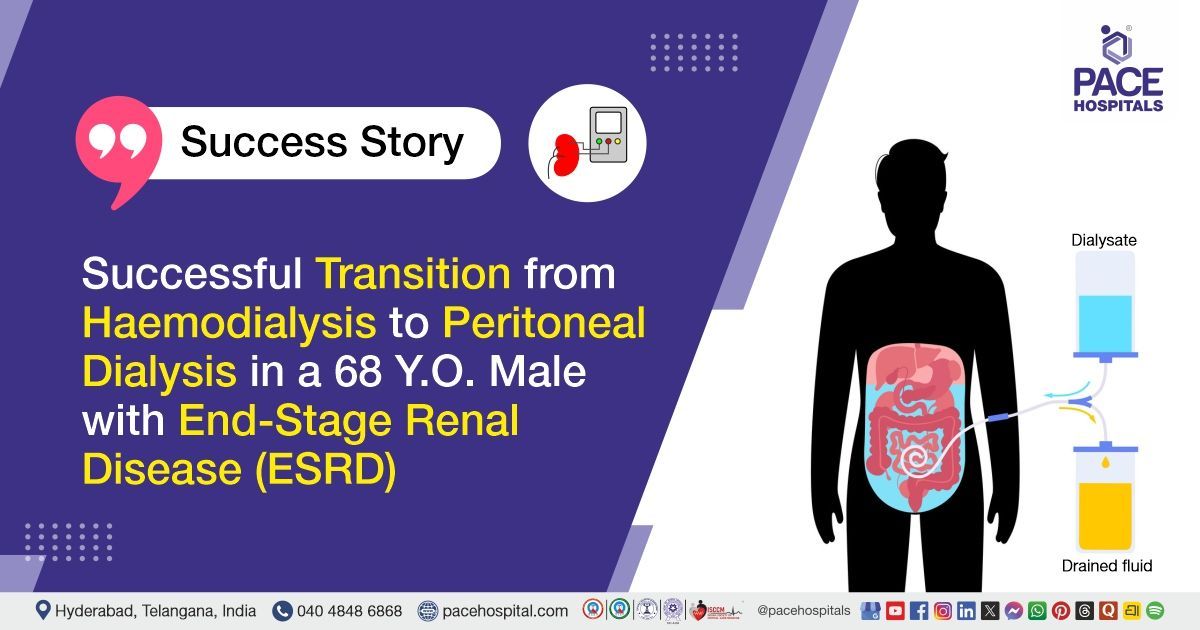


Kidney Diseases, Treatments & Procedures Explained by Our Nephrologists
Consult Top Nephrologists in Hyderabad, Telangana, India
Meet one of the Top 5 Nephrologists in Hyderabad, India – Dr. A. Kishore Kumar, an experienced Kidney Specialist and Renal Transplant Physician with over 13 years of expertise in treating chronic kidney disease, acute kidney injury, diabetic kidney disease, glomerular disorders, dialysis-dependent kidney failure, and renal transplant patients. His patient-centric approach and clinical expertise make him a trusted choice for comprehensive kidney care at PACE Hospitals.
Frequently Asked Questions (FAQs)
Who is the best nephrologist in Hyderabad, Telangana, India?
Dr. A. Kishore Kumar is regarded as one of the best nephrologists in Hyderabad, Telangana, India, with over 13 years of experience in diagnosing and managing acute and chronic kidney diseases. As a Consultant Nephrologist and Renal Transplant Physician at PACE Hospitals, he specialises in chronic kidney disease (CKD), acute kidney injury (AKI), diabetic kidney disease, dialysis, and kidney transplant care, delivering evidence-based and patient-centred treatment.
Why choose PACE Hospitals for nephrologist/kidney specialist consultation in Hyderabad?
PACE Hospitals is trusted for expert nephrologists and kidney specialists in Hyderabad, India, offering comprehensive care for acute and chronic kidney diseases. Our multidisciplinary nephrology team combines clinical expertise, advanced technology, and evidence-based treatment to deliver personalised kidney care focused on preserving kidney function and improving long-term outcomes.
Why choose PACE Hospitals?
- Experienced Nephrologists & Renal Transplant Physicians with expertise in managing CKD, AKI, diabetic kidney disease, glomerular disorders, and complex renal conditions.
- Comprehensive Dialysis Services, including haemodialysis, long-term dialysis management, and renal replacement therapy.
- Advanced Kidney Transplant Care, providing complete pre-transplant evaluation, post-transplant follow-up, and immunosuppressive management.
- State-of-the-Art Renal Diagnostics, including kidney function assessment, urine analysis, renal biopsy, and advanced laboratory support for accurate diagnosis.
- Multidisciplinary Team Approach, with nephrologists working closely with urologists, transplant surgeons, endocrinologists, cardiologists, intensivists, and dietitians to provide coordinated care.
- Personalised, Evidence-Based Treatment Plans tailored to each patient's kidney condition, lifestyle, and long-term health goals.
- Focus on Early Detection & Kidney Function Preservation, helping slow disease progression and reduce the risk of kidney failure and dialysis whenever possible.
What does a nephrologist treat?
A nephrologist is a kidney specialist who diagnoses and treats medical conditions affecting the kidneys. These include chronic kidney disease (CKD), acute kidney injury (AKI), diabetic kidney disease, glomerular diseases, electrolyte disorders, high blood pressure related to kidney disease, kidney failure, dialysis-dependent conditions, and patients undergoing kidney transplantation.
When should I consult a nephrologist?
You should consult a nephrologist if you have high creatinine levels, protein or blood in the urine, swelling of the legs or face, uncontrolled high blood pressure, declining kidney function, chronic kidney disease, or diabetes affecting the kidneys. Early consultation can help slow kidney damage and prevent complications.
What is the difference between a nephrologist and a urologist?
A nephrologist treats medical diseases affecting kidney function, such as chronic kidney disease, kidney failure, glomerular diseases, electrolyte disorders, and dialysis. A urologist treats surgical conditions involving the kidneys and urinary tract, including kidney stones, enlarged prostate, urinary obstruction, and urological cancers. Both specialists often work together when patients require comprehensive kidney care.
Can I consult a nephrologist online?
Yes. At PACE Hospitals, you can conveniently consult an experienced nephrologist through our dedicated Nephrologist Appointment Booking Portal or opt for an Online Video Consultation. During the consultation, the nephrologist reviews your symptoms, kidney function reports, medications, and medical history to recommend appropriate investigations or treatment. However, certain conditions may require an in-person examination or additional diagnostic tests.
What should I expect during my first nephrologist consultation?
During your first consultation, the nephrologist will review your medical history, symptoms, blood pressure, medications, and kidney function reports. Additional investigations such as blood tests, urine analysis, ultrasound, or other renal tests may be recommended to determine the underlying cause and develop a personalised treatment plan.
What are the early symptoms of kidney disease?
Early kidney disease often causes few or no symptoms. As kidney function declines, patients may develop swelling in the legs or face, foamy urine, fatigue, poor appetite, high blood pressure, changes in urination, or abnormal kidney function tests. Early evaluation by a nephrologist can help prevent disease progression.
Does foamy urine indicate kidney disease?
Foamy urine may indicate the presence of excess protein in the urine (proteinuria), which is often an early sign of kidney disease. Although occasional foamy urine may not be serious, persistent foaming should be evaluated by a nephrologist to identify underlying kidney disorders.
When should I consult a kidney specialist for abnormal kidney function tests?
You should consult a kidney specialist if your blood tests show elevated creatinine, reduced eGFR, persistent proteinuria, abnormal urine findings, or other signs of impaired kidney function. Early nephrology evaluation can help diagnose the cause and slow the progression of kidney disease.
Should I consult a nephrologist for persistent swelling in my face, hands, or ankles?
Yes. Persistent swelling of the face, hands, feet, or ankles may occur when the kidneys are unable to remove excess fluid or protein is lost through the urine. A nephrologist can determine whether the swelling is related to kidney disease and recommend appropriate treatment.
Can a kidney specialist help if my creatinine level is increasing?
Yes. Increasing creatinine levels may indicate reduced kidney function, dehydration, medication-related kidney injury, or chronic kidney disease. A nephrologist can identify the underlying cause, assess kidney function, and recommend treatment to prevent further deterioration.
Should I see a nephrologist if my urine output suddenly decreases?
Yes. A sudden reduction in urine output can be a sign of acute kidney injury, severe dehydration, urinary obstruction, or worsening kidney disease. Prompt evaluation by a nephrologist is important to identify the cause and restore kidney function whenever possible.
When should I consult a nephrologist for recurrent urinary abnormalities or proteinuria?
Repeated findings of protein, blood, or other abnormalities in urine tests should never be ignored. Persistent proteinuria or abnormal urine reports may indicate glomerular disease, diabetic kidney disease, or chronic kidney disease. Early consultation with a nephrologist helps ensure timely diagnosis and treatment.
Can fatigue, loss of appetite, and nausea be signs of kidney disease?
Yes. Persistent fatigue, weakness, poor appetite, nausea, vomiting, or difficulty concentrating can occur when kidney function declines and waste products accumulate in the body. If these symptoms are associated with abnormal kidney function tests or swelling, you should consult a nephrologist.
Where can I find the best kidney specialist in Hyderabad for chronic kidney disease (CKD)?
If you are looking for the best kidney specialist in Hyderabad for chronic kidney disease (CKD), PACE Hospitals offers comprehensive nephrology care through experienced nephrologists and renal transplant physicians. Our team specialises in early CKD diagnosis, medical management, dialysis planning, and kidney transplant care to help preserve kidney function and improve long-term outcomes.
Which nephrologist in Hyderabad provides the best dialysis and kidney transplant care?
At PACE Hospitals, Dr. A. Kishore Kumar, Consultant Nephrologist and Renal Transplant Physician, provides comprehensive care for patients requiring haemodialysis, long-term dialysis management, pre-kidney transplant evaluation, and post-transplant follow-up. His evidence-based approach ensures personalised care for patients with advanced kidney disease.
Where can I consult a nephrologist in Hyderabad for high creatinine and kidney failure?
PACE Hospitals offers specialised nephrology services for patients with high creatinine levels, chronic kidney disease, acute kidney injury, and kidney failure. Our experienced nephrologists provide comprehensive evaluation, advanced diagnostics, dialysis services, and long-term kidney care to help manage and preserve kidney function.
Can a nephrologist help if I have high creatinine but no symptoms?
Yes. High creatinine levels can be an early sign of reduced kidney function, even if you do not have noticeable symptoms. A nephrologist can identify the underlying cause through kidney function tests, urine analysis, and imaging studies, and recommend treatment to slow or prevent further kidney damage.
Can high blood pressure damage my kidneys, and when should I see a nephrologist?
Yes. Long-standing or poorly controlled high blood pressure can damage the kidneys over time and may lead to chronic kidney disease (CKD). If your blood pressure remains difficult to control or your kidney function tests are abnormal, consulting a nephrologist can help prevent further kidney damage and preserve renal function.
When should I consult a nephrologist if I have diabetes?
People with diabetes should consult a nephrologist if they develop protein in the urine, elevated creatinine levels, reduced eGFR, or signs of diabetic kidney disease. Early nephrology care can help slow kidney damage, improve kidney function, and reduce the risk of kidney failure.
Can a nephrologist help delay or prevent dialysis?
Yes. Early diagnosis and timely treatment by a nephrologist can help slow the progression of chronic kidney disease and, in many cases, delay or even prevent the need for dialysis. Treatment may include controlling blood pressure, managing diabetes, dietary modifications, medications, and regular monitoring of kidney function.
Can kidney disease be detected before symptoms appear?
Yes. Early kidney disease often develops without noticeable symptoms and is commonly detected through routine blood and urine tests, including serum creatinine, estimated glomerular filtration rate (eGFR), and urine protein analysis. Regular screening is especially important for people with diabetes, high blood pressure, obesity, or a family history of kidney disease.
Which hospital has the best nephrologist in Hyderabad for comprehensive kidney care?
PACE Hospitals is recognised as a trusted destination for comprehensive kidney care, bringing together experienced nephrologists, renal transplant physicians, dialysis specialists, and advanced renal diagnostic facilities. From early kidney disease to dialysis and kidney transplantation, we provide personalised, evidence-based care under one roof.
Where can I find the best nephrologist near me for kidney disease?
If you are searching for the best nephrologist near me in Madhapur, Hitec City, Kondapur, Gachibowli, or Jubilee Hills, PACE Hospitals, located near Hitec City Metro Station and close to these major Hyderabad locations, offers access to experienced nephrologists for comprehensive kidney care. Our specialists diagnose and treat CKD, AKI, diabetic kidney disease, glomerular disorders, high creatinine, electrolyte imbalances, and kidney failure with advanced diagnostics and personalised treatment.
What Our Patients Say About Our Kidney Specialists at PACE Hospitals
Patient Testimonials
I was diagnosed with chronic kidney disease, and my kidney function had been declining steadily. At PACE Hospitals, Dr. A. Kishore Kumar explained my condition in detail and started a personalised treatment plan. With regular follow-ups and proper guidance, my kidney function has remained stable, and I feel much more confident about managing my health.
R. Srinivas, Kukatpally, Hyderabad, India
My creatinine levels had been increasing, and I was constantly feeling tired and swollen. After consulting Dr. A. Kishore Kumar at PACE Hospitals, the underlying kidney problem was identified early, and treatment was started immediately. His clear explanations and compassionate care helped me recover well and avoid further complications.
P. Rajyalakshmi, Ameerpet, Hyderabad, India
I required regular dialysis, and I was worried about how it would affect my daily life. Dr. A. Kishore Kumar carefully guided me through every step of my treatment and made the entire process much less stressful. His expertise and reassuring approach have helped me continue my treatment with confidence and improved quality of life.
Mohammed Ismail, Mehdipatnam, Hyderabad, India
As a diabetic, I was shocked to learn that my kidneys had started getting affected. Dr. A. Kishore Kumar thoroughly evaluated my condition and helped me manage my diabetic kidney disease with the right treatment and lifestyle changes. His patient-friendly approach and continuous support have helped me protect my kidney health and avoid further deterioration.
P. Suresh Babu, Malakpet, Hyderabad, India
Patient Education and Health Blogs on Kidney Diseases & Renal Disorders






Google Reviews
Nephrology Disease Specialists
- Best Kidney Stone Specialist in Hyderabad, Telangana, India
- Best Doctor for Diabetic Nephropathy Treatment in Hyderabad, Telangana, India
- Top Chronic Kidney Disease Specialists in Hyderabad, Telangana, India
- Best Polycystic Kidney Disease Doctor in Hyderabad, Telangana, India
- Best Acute Kidney Injury Specialist in Hyderabad, Telangana, India
- Best Kidney Transplant Surgeons in Hyderabad, Telangana


