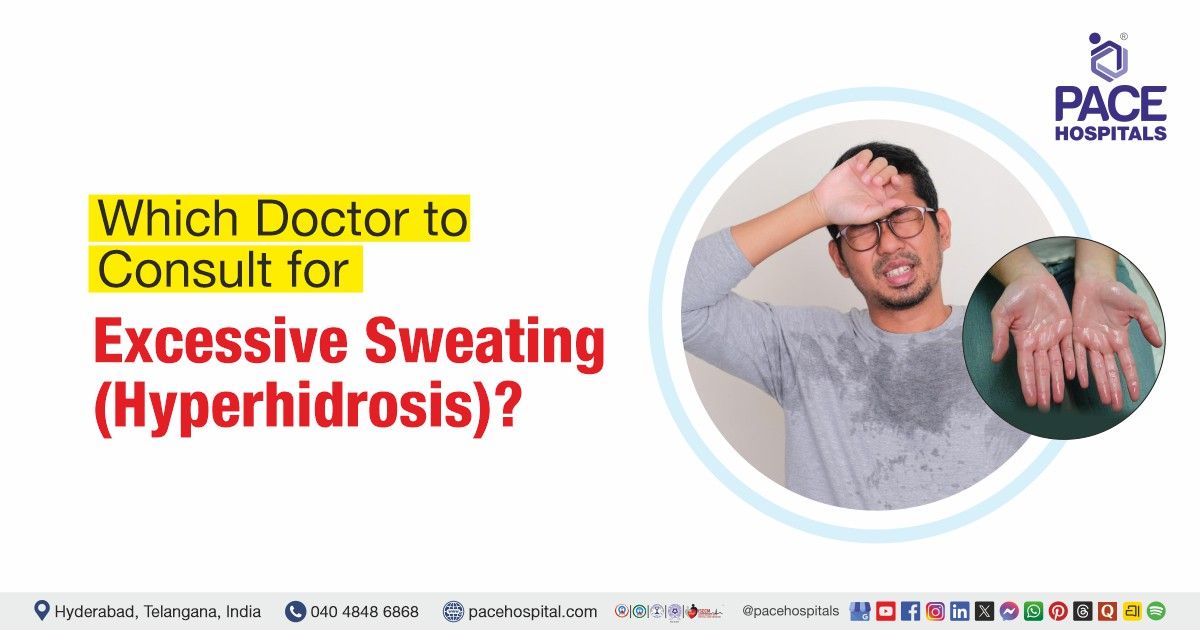
Which Doctor to Consult for Excessive Sweating (Hyperhidrosis)?
PACE Hospitals
Written by: Editorial Team
Medically reviewed by: Dr. Shiva Shankar Marri - Consultant Dermatologist & Cosmetologist
Introduction
Sweating is a normal and essential body function. It helps regulate your body temperature when you are warm, exercising, or under stress. But when sweating becomes excessive — soaking through your clothes without physical activity, dripping from your palms in a cool room, or interrupting your daily life — it deserves medical attention.
Excessive sweating, medically known as hyperhidrosis, affects millions of people around the world. In India, many patients feel embarrassed or uncertain about which doctor to approach or consult. Should they see a skin specialist? A general physician? An endocrinologist? The answer depends on what type of sweating they have, where it occurs, and whether any other symptoms accompany it.
This article by PACE Hospitals, Hyderabad, explains the different types of excessive sweating, identifies the right specialist for each situation, and helps you understand when sweating is a medical emergency that needs urgent care.
Quick Answer: Which Doctor for Excessive Sweating?
For excessive sweating or hyperhidrosis, consult a Dermatologist — especially if sweating affects the palms, soles, underarms, face, or clothing, or if it affects your confidence and daily activities. If sweating is sudden, generalized, occurs at night, or is associated with weight loss, fever, tremors, palpitations, diabetes, thyroid symptoms, or low blood sugar symptoms, consult a General Physician or Endocrinologist first. Sweating with chest pain, breathlessness, fainting, confusion, or severe weakness requires emergency medical care immediately.
What Is Excessive Sweating or Hyperhidrosis?
Hyperhidrosis is a medical condition in which the body produces sweat far beyond what is needed to maintain a normal body temperature. It can occur at rest, in cool temperatures, during sleep, or without any obvious trigger.
Sweating is controlled by the autonomic nervous system, which regulates involuntary body functions. In hyperhidrosis, the sweat glands — particularly the eccrine glands, which are distributed throughout the body — become overactive. The result is sweating that is unpredictable, excessive, and often socially distressing.
There are two broad categories of hyperhidrosis:
- Primary (focal) hyperhidrosis: Sweating confined to specific body areas such as the palms, feet, underarms, or face, without an identifiable underlying medical cause.
- Secondary (generalized) hyperhidrosis: Sweating caused by an underlying medical condition such as thyroid disease, diabetes, infections, hormonal changes, or certain medications.
Understanding which type applies to you is the first step toward finding the right doctor.
Excessive Sweating Should Not Be Ignored
Many people accept excessive sweating as part of their personality or lifestyle. They avoid handshakes, change clothes multiple times a day, or withdraw from social situations. This is not something patients should simply live with.
Hyperhidrosis can significantly lower a person's quality of life. Research based studies published through the International Hyperhidrosis Society notes that the condition affects an estimated 1–3% of the global population, and many patients wait years before seeking proper medical care. In India, social stigma around sweating means the condition is widely underreported.
Beyond quality of life, excessive sweating in some cases signals a serious underlying medical condition — including thyroid disorders, uncontrolled diabetes, heart problems, or infections. These conditions require timely diagnosis and management.
Seeking medical advice is the responsible step. A doctor can distinguish whether your sweating is primary hyperhidrosis — a manageable condition — or secondary sweating that points to something else requiring treatment.
Doctor Selection Guide
The table given below helps you identify which doctor to see first depending on your symptoms and situation.
| Situation | First Doctor to Consult | Specialist Needed If |
|---|---|---|
| Sweaty palms, soles, underarms, or face affecting daily life | Dermatologist | Symptoms do not improve, or an underlying cause is suspected |
| Sweating with no known trigger, affecting whole body | General Physician / Internal Medicine | Blood tests reveal thyroid, blood sugar, or hormonal abnormality |
| Sweating with tremors, palpitations, unknown weight loss, or due to heat intolerance | General Physician (urgent) → Endocrinologist | Thyroid or adrenal cause is confirmed |
| Sweating at night with unexplained weight loss or fever | General Physician (urgent) | Infectious disease, oncology, or endocrinology evaluation needed |
| Sweating linked with panic attacks, anxiety, or any social circumstances | General Physician first | Psychiatrist or Psychologist after medical causes are ruled out |
| Sweating in a diabetic patient, especially sudden cold sweat | Emergency / General Physician (urgent) | Endocrinologist for ongoing diabetes management |
| Sweating with chest pain, breathlessness, or fainting | Emergency Room Immediately | Cardiologist evaluation after stabilisation |
| Sweating after starting a new medication | General Physician | May require medication review or specialist referral |
| Sweating in women with hot flushes, missed periods | General Physician or Gynaecologist | Endocrinologist if hormonal cause confirmed |
| Sweating with severe headache and high blood pressure | Emergency Room Immediately | Endocrinologist (rule out adrenal tumour) |
When Excessive Sweating Needs Urgent Medical Attention?
Red-Flag Symptoms — Seek Emergency Care without Delay
Certain types of sweating are warning signs of a medical emergency. Do not wait for a regular appointment if you or someone nearby experiences sweating along with any of the following:
- Chest pain or tightness — may indicate a heart attack
- Breathlessness or difficulty breathing — may indicate a cardiac or pulmonary emergency
- Fainting or loss of consciousness
- Confusion, disorientation, or sudden change in behaviour
- Severe generalised weakness
- Very high fever with sweating and chills — may indicate serious infection or sepsis
- Sudden cold sweating in a diabetic patient — may indicate dangerously low blood sugar (hypoglycaemia)
- Severe trembling with sweating and fast heartbeat
- Sweating with a severe, sudden headache — may indicate high blood pressure crisis or adrenal tumour (phaeochromocytoma)
- Coughing blood with drenching night sweats and weight loss — may indicate tuberculosis or other serious illness
- Sweating with dehydration, dry mouth, or very reduced urine output
- Sweating after taking a new medicine, especially if combined with fever, muscle stiffness, or confusion
If any of these symptoms are present, call emergency services or proceed to PACE Hospitals Emergency immediately.
When to See a Dermatologist?
A Dermatologist is usually the first specialist to consult for excessive sweating when:
- Sweating is confined to the palms, soles, underarms, or face
- Sweating has been present since childhood or adolescence
- Sweating occurs even when the person is at rest and in a cool environment
- There are no associated symptoms such as weight loss, fever, or palpitations
- Sweating is affecting clothing, work, handshakes, or confidence
- The patient has already seen a general physician and systemic causes have been excluded
Dermatologists are trained to diagnose primary hyperhidrosis and offer the widest range of treatment options including topical agents, oral medicines, iontophoresis, botulinum toxin injections for appropriate cases, and other interventional procedures where indicated. They assess the severity of sweating using validated tools and tailor the treatment plan to the individual patient's needs and lifestyle.
When to See a General Physician or Internal Medicine Doctor?
A General Physician or Internal Medicine specialist is the appropriate first contact when:
- Sweating is generalised — affecting the whole body rather than a specific area
- The cause of sweating is unclear
- Sweating is new, sudden, or has worsened recently
- There are associated symptoms that could point to a systemic illness — fever, fatigue, unexplained weight loss, body pain
- The patient wants an overall assessment before visiting a specialist
- The patient has multiple health conditions and is unsure which is causing the sweating
General Physicians conduct a thorough history and physical examination, order relevant investigations, and refer patients to the appropriate specialist based on findings. They are particularly important as the first point of care for sweating in older patients, patients with multiple existing health conditions, and when the cause is clearly not confined to the skin.
When to See an Endocrinologist?
An Endocrinologist — a specialist in hormonal and metabolic conditions — should be consulted when excessive sweating is accompanied by:
- Thyroid symptoms: Weight loss despite good appetite, tremors, fast heartbeat, feeling hot all the time, irritability, or hair thinning
- Diabetes or blood sugar problems: Sudden sweating with feeling of weakness, dizziness, or confusion (possible hypoglycaemia), or getting unknown sweating as part of poorly controlled diabetes
- Menopausal-type symptoms: Hot flushes, night sweats, irregular or absent periods, altered moods, insomnia (sleep disturbance)
- Adrenal symptoms: Severe high blood pressure, severe headache, episodes of pounding heartbeat, pallor, and profuse sweating (possible phaeochromocytoma — a rare adrenal tumour)
- Unexplained weight changes: Significant weight loss or weight gain accompanying sweating
- Growth-related changes: Changes in hand or foot
Hormonal conditions are a well-recognised cause of secondary hyperhidrosis. The Endocrine Society and published clinical guidelines consistently recommend endocrine evaluation when sweating is accompanied by any of the above systemic features.
When to See a Psychiatrist or Psychologist?
Excessive sweating can have a strong emotional and psychological dimension. In some patients, sweating is directly triggered by anxiety, social fear, or panic. However, it is important to note that:
- Anxiety-related sweating is a diagnosis that should only be made after medical and hormonal causes have been properly excluded
- Many patients who attribute their sweating to stress or anxiety may have an underlying physical condition that has not yet been investigated
- A Psychiatrist or Psychologist can be extremely helpful for patients whose sweating is confirmed to be related to anxiety disorder, social anxiety disorder, or panic disorder — especially when sweating leads to significant social withdrawal, distress, or loss of confidence
A mental health specialist may use psychological therapies, relaxation techniques, cognitive behavioural approaches, or other evidence-based methods to help manage sweating linked with emotional triggers. Pharmacological management of anxiety may also reduce sweating in appropriate cases.
The decision to refer to a mental health professional should always be based on a full medical assessment, not on assumptions.
Primary Hyperhidrosis vs Secondary Excessive Sweating
Understanding the difference between primary and secondary hyperhidrosis is important because the doctor you need — and the treatment approach — can differ significantly.
| Condition/Cause | Common Features | Doctor/Specialist to Consult | Why? |
|---|---|---|---|
| Primary focal hyperhidrosis | Sweaty palms, soles, underarms, or face; starts in childhood or young adulthood; symmetric; worsens with heat or stress; no systemic symptoms | Dermatologist | To assess severity, confirm diagnosis, and offer targeted treatment |
| Thyroid overactivity (hyperthyroidism) | Generalised sweating, weight loss, tremors, fast heartbeat, heat intolerance, anxiety | General Physician → Endocrinologist | Thyroid blood tests needed; hormonal management required |
| Diabetes / hypoglycaemia | Sudden sweating with weakness, shakiness, or confusion in diabetic patients | Emergency / General Physician | Risk of dangerously low blood sugar; urgent assessment needed |
| Menopause / hormonal change | Hot flushes, sweating, mood changes, irregular periods | Gynaecologist or Endocrinologist | Hormonal evaluation and management |
| Infections (e.g., tuberculosis) | Drenching night sweats, cough, weight loss, fever | General Physician (urgent) | Requires investigation for infection including TB |
| Medicines / drug side effect | Sweating after starting new medication | General Physician | Medication review; possible substitution |
| Adrenal tumour (phaeochromocytoma) | Episodic sweating, severe headache, very high blood pressure, pounding heartbeat | Emergency → Endocrinologist | Rare but serious; requires specialised investigation and management |
| Lymphoma or cancer | Night sweats, weight loss, enlarged lymph nodes, fatigue | General Physician → Oncologist | Specialist investigation required |
| Anxiety / panic disorder | Sweating during anxiety, panic attacks, or social situations; no other systemic cause | Psychiatrist / Psychologist (after medical exclusion) | Psychological evaluation and therapy |
| Obesity or poor fitness | Sweating with mild exertion; improving with weight loss | General Physician / Dietitian | Lifestyle modification and metabolic assessment |
Sweaty Palms and Sweaty Feet
Sweating from the palms (palmar hyperhidrosis) and from the soles of the feet (plantar hyperhidrosis) is among the most commonly reported forms of primary hyperhidrosis. These patients often describe:
- Palms that drip with sweat even in cool environments
- Difficulty writing, typing, or using touchscreens
- Wet footprints when walking barefoot
- Foot odour caused by moisture-related bacterial activity
- Avoiding handshakes, feeling embarrassed at work or in social settings
A Dermatologist is considered as the appropriate specialist for sweaty palms and sweaty feet. They can assess whether this is isolated focal hyperhidrosis or part of a broader pattern, and recommend the most suitable management approach for the individual.
In young adults and adolescents, palmar and plantar hyperhidrosis can have a pronounced impact on academic performance and social confidence, making early medical consultation especially valuable.
Underarm Sweating
Axillary hyperhidrosis — excessive sweating from the underarms — is another very common form of primary hyperhidrosis. It can cause:
- Visible sweat stains on clothing shortly after dressing
- Need to change clothes multiple times daily
- Avoiding certain fabrics or colours
- Social discomfort and anxiety about body odour
- Impact on professional and personal life
This condition is treatable, and patients should not feel embarrassed to seek help. A Dermatologist is the right specialist to consult for persistent, troublesome underarm sweating. Treatment options depend on the severity and individual circumstances; a doctor will guide the patient through the available choices.
It is important not to assume all underarm sweating is primary hyperhidrosis. If underarm sweating is new, sudden, accompanied by swollen lymph nodes, weight loss, or fever, a General Physician should be consulted promptly.
Excessive Sweating at Night
Night sweats — waking up drenched in sweat despite a comfortable room temperature — deserve careful medical evaluation. Night sweats are different from simply feeling warm during sleep. They can be a sign of:
- Infections, particularly tuberculosis (TB), which remains relevant in the Indian context
- Lymphoma and some other cancers
- Hormonal changes including menopause and thyroid overactivity
- HIV infection
- Certain medications including antidepressants and some blood pressure medicines
- Hypoglycaemia (low blood sugar) in diabetic patients
- Less commonly, primary hyperhidrosis
Night sweats should never be dismissed without evaluation, especially when accompanied by unexplained weight loss, persistent cough, swollen glands, or fatigue. A General Physician is the appropriate first contact for night sweats, and they will guide further specialist referral based on findings.
Excessive Sweating with Thyroid Symptoms
The thyroid gland regulates the body's metabolic rate. When the thyroid gland becomes overactive — a condition called hyperthyroidism — the body's metabolism speeds up, generating more heat and causing sweating. Common accompanying symptoms include:
- Unexplained weight loss despite a normal or increased appetite
- Trembling or fine tremors of the hands
- Palpitations or a racing heartbeat
- Feeling excessively warm even in cool environments
- Irritability, anxiety, or mood changes
- Hair thinning or hair loss
- Frequent bowel movements
If you’re excessive sweating comes with any of these features, a General Physician or Endocrinologist should be consulted. A simple blood test measuring thyroid hormone levels (TSH, T3, T4) can confirm or exclude this diagnosis. Treating the thyroid condition typically resolves or greatly reduces the associated sweating.
Excessive Sweating with Diabetes or Low Blood Sugar
Sweating is a well-recognised warning sign of hypoglycaemia — dangerously low blood sugar — in patients with diabetes. This type of sweating:
- Comes on suddenly and may be accompanied by trembling, weakness, confusion, or palpitations
- Is typically cold and clammy
- May occur during sleep (causing night sweats in diabetic patients)
- Can happen when a patient skips a meal, takes too much insulin or diabetes medication, or exercises more than usual
This is a medical emergency. A diabetic patient experiencing sudden sweating with confusion, weakness, or loss of responsiveness must receive immediate care.
Beyond acute hypoglycaemia, sweating can also be part of autonomic neuropathy — a complication of long-standing diabetes that affects the nerves controlling sweat glands. An Endocrinologist is the appropriate specialist for diabetes-related sweating and its long-term management.
Excessive Sweating with Anxiety or Panic
The connection between sweating and emotional states is real and well-recognised. The autonomic nervous system triggers sweating as part of the body's stress response — the well-known "fight or flight" reaction. In patients with anxiety disorders or panic disorder, this response can become exaggerated.
Features of anxiety-related sweating include:
- Sweating that occurs specifically in feared or stressful situations (social events, public speaking, examinations)
- Sweating that accompanies a pounding heartbeat, breathlessness, trembling, or feeling of impending doom
- Significant social withdrawal
However, medical causes of sweating — particularly thyroid overactivity, hypoglycaemia, and hormonal conditions — can themselves cause symptoms that resemble anxiety, including palpitations and trembling. It is therefore essential that a General Physician evaluates the patient first to exclude physical causes before labelling sweating as purely anxiety-driven.
Once physical causes are excluded, a Psychiatrist or Psychologist can provide valuable support through therapy, lifestyle strategies, and where appropriate, medications.
Excessive Sweating in Young Adults
Primary hyperhidrosis typically begins in childhood, adolescence, or early adulthood. Young adults aged 18–35 represent a significant portion of those affected. For this group:
- Sweating from the palms or underarms during college, job interviews, or social situations is a common concern
- The condition tends to run in families — a positive family history is seen in many cases of primary hyperhidrosis
- Sweating may worsen during
Young adults should not simply accept this as a personality trait. A Dermatologist can evaluate the severity and recommend safe, effective options appropriate for their age and lifestyle.
In young adults, secondary causes including thyroid disorders should also be kept in mind, particularly if there has been recent weight change, fatigue, or other systemic symptoms.
Excessive Sweating in Women
Women can experience excessive sweating at different life stages for distinct reasons:
- Menopause and perimenopause: Hot flushes and night sweats are among the most recognisable symptoms of hormonal transition in women around the age of 45–55. A Gynaecologist or Endocrinologist can help evaluate and manage these symptoms.
- Polycystic ovary syndrome (PCOS): Hormonal imbalances in PCOS may contribute to sweating in younger women.
- Pregnancy: Sweating can increase during pregnancy due to metabolic and hormonal changes.
- Thyroid disorders: Women are statistically more likely to develop thyroid conditions, which can cause sweating as described above.
- Primary hyperhidrosis: Women are equally affected by primary hyperhidrosis and should consult a Dermatologist for focal sweating not linked to hormonal triggers.
Understanding the underlying cause is essential to receiving the right treatment. Women are encouraged not to accept excessive sweating as an inevitable part of life at any stage.
Tests Doctors May Recommend
After a thorough history and clinical examination, a doctor may order one or more of the following tests to understand the cause of excessive sweating:
| Test | What It Checks? | Why It May Be Ordered? |
|---|---|---|
| Thyroid function tests (TSH, T3, T4) | Thyroid hormone levels | To rule out hyperthyroidism |
| Fasting blood glucose and HbA1c | Blood sugar levels and diabetes control | To detect diabetes or hypoglycaemia risk |
| Complete blood count (CBC) | Red cells, white cells, platelets | To look for infection, anaemia, or blood disorders |
| Erythrocyte Sedimentation Rate (ESR) and CRP | Markers of inflammation and infection | To assess for underlying infection or inflammatory cause |
| Chest X-ray | Lung and chest health | To screen for tuberculosis or other chest conditions |
| Urine and plasma catecholamines or metanephrines | Adrenal hormone products | To investigate rare adrenal tumour (phaeochromocytoma) |
| Cortisol levels | Adrenal function | To assess for hormonal disorders including Cushing's syndrome or adrenal insufficiency |
| Starch-iodine test (Minor's test) | Maps areas of active sweating on the skin | To confirm and localise hyperhidrosis |
| Gravimetric test | Measures sweat volume objectively | To assess severity of focal hyperhidrosis |
| HIV test | If indicated by history and clinical features | Night sweats with other risk factors |
| Hormonal profile (FSH, LH, oestrogen) | Ovarian/menopausal hormones | For women with hot flushes and irregular periods |
Not every patient will need all these tests. The doctor will order investigations based on the individual patient's history, symptoms, and physical examination findings.
Treatment Options for Excessive Sweating
Treatment depends on the type of sweating, its cause, its severity, and the individual patient's situation. Only a qualified doctor can determine the most appropriate treatment after a proper evaluation.
For Primary Hyperhidrosis:
- Topical treatments: Prescribed topical agents applied to the affected area to reduce sweat gland activity
- Oral medications: Certain medicines that reduce nerve signals to sweat glands, prescribed by a doctor after assessing suitability
- Iontophoresis: A non-invasive procedure that uses a mild electric current passed through water to the skin surface, used particularly for palmar and plantar hyperhidrosis
- Neuromodulators injections: Injections into the affected skin area (particularly underarms) that temporarily block the nerves controlling sweat glands; performed by trained specialists in appropriate cases
- Microwave-based or other energy-based procedures: For axillary hyperhidrosis, certain advanced outpatient procedures are available at specialised centres
- Surgical options (ETS — Endoscopic Thoracic Sympathectomy): A surgical procedure considered in very severe, treatment-resistant cases; carries its own risks and is only recommended after thorough specialist evaluation
For Secondary Hyperhidrosis:
- Treating the underlying cause is the primary approach. Managing thyroid overactivity, stabilising blood sugar, treating infections, adjusting medications, or addressing hormonal changes typically reduces sweating significantly.
Important: No single treatment is right for every patient. Self-medication, using unprescribed tablets or injections, or stopping prescribed medications without guidance can be harmful. Always follow your doctor's advice.
Specialists at PACE Hospitals, Hyderabad
PACE Hospitals, Hyderabad offers multi-specialty care for patients with excessive sweating and hyperhidrosis. The clinical team includes:
- Dermatologists with expertise in diagnosing and managing primary hyperhidrosis, including focal sweating of the palms, underarms, soles, and face, and access to advanced treatment modalities
- General Physicians / Internal Medicine Specialists who provide comprehensive initial evaluation, blood tests, and referral coordination for patients with generalised or secondary sweating
- Endocrinologists for patients whose sweating is linked with thyroid disease, diabetes, adrenal conditions, hormonal disorders, or metabolic causes
- Gynaecologists for women experiencing sweating related to menopause, perimenopause, PCOS, or pregnancy-related hormonal changes
- Psychiatrists and Psychologists for patients in whom anxiety, panic disorder, or social anxiety disorder contributes significantly to sweating after physical causes have been excluded
- Emergency Medicine Team available 24 hours a day for patients presenting with sweating accompanied by chest pain, breathlessness, fainting, confusion, severe weakness, or low blood sugar crisis
The multi-disciplinary approach at PACE Hospitals ensures that each patient receives a comprehensive, coordinated evaluation — avoiding unnecessary delays in diagnosis and ensuring the most appropriate specialist manages their care.
Why Choose PACE Hospitals?
PACE Hospitals, Hyderabad, is a leading multi-specialty hospital serving patients from across Telangana, Andhra Pradesh, and neighbouring states. Here is why patients with excessive sweating and related conditions choose PACE Hospitals:
- Multi-Specialty under One Roof: Dermatology, Endocrinology, Internal Medicine, Gynaecology, Psychiatry, and Emergency care are all available at a single centre — removing the need for patients to travel between multiple hospitals
- Experienced Clinical Team: PACE Hospitals brings together highly experienced doctors with specialist training and extensive clinical experience in diagnosing and managing both primary and secondary hyperhidrosis
- Advanced Diagnostic Facilities: A comprehensive in-house diagnostic and laboratory facility enables rapid and accurate investigation, from basic blood tests to specialised hormonal assays
- Patient-Centred Care: The team at PACE Hospitals prioritises clear communication, patient comfort, and personalised treatment planning — ensuring patients understand their condition and their options at every step
- Accessible Emergency Care: For patients who need immediate attention — sweating with chest pain, loss of consciousness, or diabetic emergency — PACE Hospitals' 24-hour emergency team is equipped to respond immediately
- Convenient Location: Situated in Hyderabad with easy access from multiple areas of the city and surrounding regions
- Online Appointment Booking: Patients can book appointments at their convenience through the PACE Hospitals online booking system
Key Takeaway
- Excessive sweating or hyperhidrosis is a medical condition — not a character trait — and it is treatable.
- A Dermatologist is the right first specialist for sweaty palms, soles, underarms, or face without other symptoms.
- A General Physician is the right first contact when sweating is generalised, sudden, of unclear cause, or accompanied by other systemic symptoms.
- An Endocrinologist is needed when sweating is linked to thyroid disease, diabetes, blood sugar problems, adrenal conditions, or hormonal changes.
- A Psychiatrist or Psychologist can help when sweating is confirmed to be driven by anxiety or panic after medical causes are excluded.
- Sweating with chest pain, breathlessness, fainting, confusion, high fever, or sudden severe weakness is a medical emergency — seek care immediately.
- Do not self-medicate for excessive sweating. Always consult a qualified doctor for diagnosis and treatment.
Frequently Asked Questions (FAQs)
Which doctor should I consult for excessive sweating?
For excessive sweating, the right doctor depends on your specific situation. If sweating is confined to your palms, soles, underarms, or face without other symptoms, a Dermatologist is the appropriate first specialist. If sweating is generalised, sudden, or accompanied by other symptoms such as weight loss, fever, or palpitations, start with a General Physician who can assess you thoroughly and refer you onward. If sweating comes with chest pain, breathlessness, fainting, or severe weakness, go to the Emergency Room immediately without delay. At PACE Hospitals, Hyderabad, you can access all these specialists under one roof.
What causes excessive sweating?
Excessive sweating has two main categories of causes. Primary hyperhidrosis — the most common — occurs without an identifiable underlying medical condition; the sweat glands are simply overactive, usually in specific body areas. Secondary hyperhidrosis occurs because of an underlying medical condition or trigger, which can include thyroid overactivity, diabetes, low blood sugar, infections such as tuberculosis, hormonal changes including menopause, certain medications, adrenal tumours, anxiety disorders, or some cancers. Identifying which type applies is important because the treatment approach differs significantly. A doctor will take a detailed history and may order investigations to determine the cause.
Can thyroid problems cause excessive sweating?
Yes. Thyroid overactivity (hyperthyroidism) is a well-recognised cause of secondary excessive sweating. When the thyroid gland produces excess amount of thyroid hormone, the body's metabolic rate increases, generating additional body heat and triggering sweating. This sweating tends to be generalised — affecting the whole body — rather than confined to specific areas. Other symptoms of hyperthyroidism include unexplained weight loss, tremors, fast heartbeat, and intolerance to heat, irritability, and hair thinning. If you have these symptoms alongside sweating, consult a General Physician or Endocrinologist. Blood tests to measure thyroid hormone levels will confirm or exclude this diagnosis, and treatment of the thyroid condition usually resolves the sweating.
What tests are done for excessive sweating?
The tests ordered for excessive sweating depend on the suspected cause of an individual. For primary hyperhidrosis, a Dermatologist may use the starch-iodine test (Minor's test) to map areas of sweating, and gravimetric measurement to quantify sweat output. For secondary sweating, a General Physician may order thyroid function tests, fasting blood glucose and HbA1c, a complete blood count, ESR, CRP, chest X-ray (especially for tuberculosis screening), and hormonal tests relevant to the suspected cause. If an adrenal tumour is suspected, specialised tests including urinary or plasma catecholamines and metanephrines are requested. The doctor will choose investigations based on your individual history, symptoms, and physical examination.
Can anxiety cause excessive sweating?
Yes, anxiety can trigger excessive sweating. The body's stress response activates the nervous system, which stimulates sweat glands as part of the "fight or flight" reaction. In patients with anxiety disorders or panic disorder, this response is more easily triggered and more intense. However, it is essential to note that many medical conditions — including thyroid overactivity and hypoglycaemia — can cause symptoms that closely resemble anxiety, including palpitations, trembling, and sweating. A General Physician should evaluate you first to exclude physical causes. If anxiety is confirmed as the driving factor, a Psychiatrist or Psychologist can provide effective support through evidence-based therapies and management strategies.
Can hyperhidrosis be treated?
Yes, hyperhidrosis is a treatable condition. Primary hyperhidrosis — which affects specific body areas — has several management options including topical treatments, oral medicines prescribed by a doctor, iontophoresis (a non-invasive procedure using mild electrical current), botulinum toxin injections in appropriate cases, and other procedures for more severe cases. Secondary hyperhidrosis — caused by an underlying condition — improves significantly or resolves when the underlying cause is identified and treated. No single treatment is appropriate for every patient; a qualified doctor will evaluate your situation and recommend the most suitable approach. Patients are encouraged not to self-medicate and to seek professional advice.
Which is the best hospital for excessive sweating treatment in Hyderabad?
Patients searching for experienced, multi-specialty care for excessive sweating in Hyderabad can consider PACE Hospitals, which brings together Dermatologists, Endocrinologists, General Physicians, Gynaecologists, and Psychiatrists under one roof. This multi-disciplinary team enables comprehensive evaluation — from confirming primary hyperhidrosis to investigating hormonal, metabolic, or other systemic causes — and ensures each patient receives an individualised treatment plan. PACE Hospitals also offers 24-hour emergency care for sweating-related emergencies such as diabetic hypoglycaemia or chest pain. To consult a specialist, you can call 040-4848-6868 or book an appointment at https://book.pacehospital.com.
Should I see a dermatologist for hyperhidrosis?
Yes, a Dermatologist is typically the main specialist for primary hyperhidrosis — the kind that causes excessive sweating from specific areas like the palms, feet, underarms, or face, without an obvious underlying medical cause. Dermatologists are trained to diagnose hyperhidrosis, assess its severity, and offer a range of treatment options tailored to your individual situation. If your doctor suspects an underlying systemic cause — such as a hormonal or metabolic condition — they will refer you appropriately. Starting with a Dermatologist is a good choice when your sweating is localised and not accompanied by other concerning symptoms.
When should I see an endocrinologist for excessive sweating?
See an Endocrinologist when your sweating is accompanied by symptoms suggesting a hormonal or metabolic condition. These include unexplained weight loss, tremors, palpitations, or feeling constantly warm — signs that may suggest thyroid overactivity (hyperthyroidism). Also see an Endocrinologist if you have diabetes and experience sudden cold sweating — this can indicate dangerously low blood sugar (hypoglycaemia). Women with sweating alongside hot flushes, irregular periods, or other hormonal symptoms should also seek an Endocrinologist's evaluation. In all cases, your General Physician can assess you first and arrange the appropriate referral.
What is primary hyperhidrosis?
Primary hyperhidrosis is excessive sweating that occurs without an identifiable underlying medical condition. It typically begins in childhood, adolescence, or early adulthood, often runs in families, and affects specific body areas — most commonly the palms, soles of the feet, underarms, and face. The sweating tends to be symmetrical (affecting both sides equally), occurs during waking hours, and is often worsened by stress, heat, or emotional situations. Primary hyperhidrosis does not cause sweating during sleep. A Dermatologist is the most appropriate specialist to diagnose and manage this condition, and several effective treatment options are available.
What is secondary excessive sweating?
Secondary excessive sweating occurs when an underlying medical condition, medication, or hormonal change causes the body to sweat excessively. Unlike primary hyperhidrosis, secondary sweating tends to affect the whole body rather than specific areas, may occur during sleep (night sweats), and is usually accompanied by other symptoms related to the underlying cause. Common causes include thyroid overactivity, diabetes, low blood sugar, tuberculosis, certain medications, lymphoma, menopause, adrenal disorders, and anxiety. It is important to identify and treat the underlying cause — this usually reduces or resolves the sweating. A General Physician is the appropriate first point of contact for evaluation.
Which doctor treats sweaty palms?
Sweaty palms — medically known as palmar hyperhidrosis — are best evaluated and managed by a Dermatologist. This is a common form of primary hyperhidrosis and can significantly impact daily activities such as writing, typing, holding objects, and greeting people. A Dermatologist will assess the severity and recommend an appropriate treatment plan. If there are associated symptoms such as tremors, weight loss, or palpitations that suggest an underlying hormonal cause, your doctor will refer you to a General Physician or Endocrinologist as needed. Effective treatments are available, and patients should not simply accept sweaty palms as unavoidable.
Which doctor treats sweaty feet?
Sweaty feet — plantar hyperhidrosis — are best managed by a Dermatologist. Excessive foot sweating can lead to discomfort, foot odour, and skin infections due to persistent moisture. A Dermatologist can confirm whether this is primary hyperhidrosis and recommend appropriate management. In some cases, sweaty feet occur alongside sweaty palms as part of a generalised pattern of primary focal hyperhidrosis. If there are accompanying symptoms suggesting an underlying medical cause — such as fever, weight loss, or other changes — a General Physician should be involved. Early consultation is encouraged to prevent complications such as skin breakdown or fungal infections.
Which doctor treats underarm sweating?
Underarm sweating — axillary hyperhidrosis — is one of the most common reasons patients seek care for excessive sweating. A Dermatologist is the appropriate specialist to consult. Underarm sweating can stain clothing, cause body odour, and significantly affect confidence and daily life. Dermatologists assess the severity and offer a range of treatments appropriate to the individual. However, if underarm sweating is new or sudden, or is accompanied by swollen lymph nodes, weight loss, fever, or fatigue, a General Physician should evaluate you first to exclude conditions such as lymphoma or infection, which can cause generalised sweating that may be particularly noticeable in the underarms.
Can diabetes or low blood sugar cause sweating?
Yes. Low blood sugar (hypoglycaemia) is an important and potentially serious cause of sweating, particularly in patients with diabetes. The symptoms include sudden cold, clammy sweating — often accompanied by trembling, weakness, rapid heartbeat, confusion, or difficulty concentrating. This can occur during the day or at night (causing night sweats in diabetic patients), particularly if a meal is missed or insulin or diabetes medication is taken in excess. This is a medical emergency — a diabetic patient with sudden sweating and confusion needs immediate care. In the longer term, an Endocrinologist can help optimise diabetes management to prevent such episodes and address any contribution of autonomic neuropathy to sweating.
Conclusion
Excessive sweating is more than an inconvenience — it is a recognised medical condition that has an impact on daily life, confidence, and in some cases points to an underlying health issue that deserves attention. The good news is that help is available, and with the right medical evaluation, most patients can achieve meaningful improvement.
The most important first step is knowing which doctor to see. A Dermatologist is the right specialist for localised sweating of the palms, soles, underarms, or face. A General Physician provides the comprehensive initial evaluation needed when the cause is unclear or sweating is generalised. An Endocrinologist is essential when hormonal or metabolic causes are involved. And a Psychiatrist or Psychologist can provide crucial support for sweating driven by anxiety or emotional triggers — but only after physical causes have been properly excluded.
If any person or someone you know experiences sweating with any of the following signs of chest pain, fainting, breathlessness, confusion, severe weakness, very high fever, or sudden cold sweating in a diabetic patient, seek emergency care without delay.
At PACE Hospitals, Hyderabad, experienced specialists across multiple departments are ready to help you understand your symptoms, identify the cause, and receive the most appropriate care — all under one roof.
Share on
Request an appointment
Fill in the appointment form or call us instantly to book a confirmed appointment with our super specialist at 04048486868
Appointment request - health articles
Recent Articles