Ligament Injury: Types, Symptoms, Causes, Diagnosis & Treatment
PACE Hospitals
Written by: Editorial Team
Medically reviewed by: Dr. Anand Agroya - Senior Orthopedic Consultant, Trauma Surgeon & Sports Medicine Specialist
What is Ligament Injury?
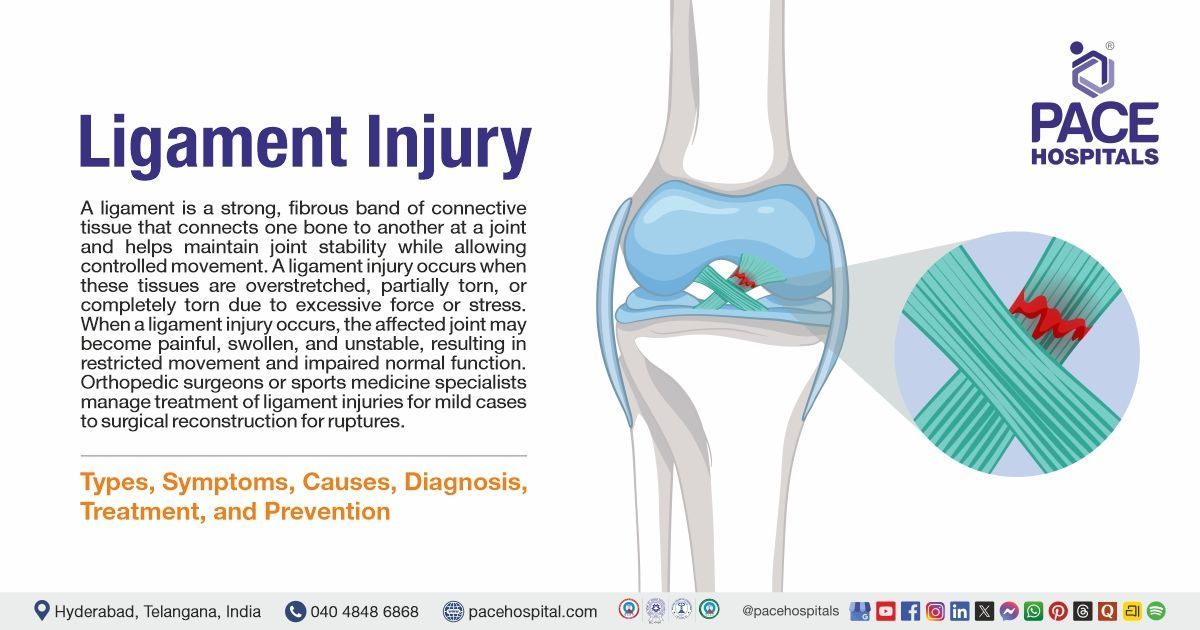
A ligament is a strong, fibrous band of connective tissue that connects one bone to another at a joint and helps maintain joint stability while allowing controlled movement. An injury to a ligament is called a ligament injury and occurs when these tissues are stretched, torn, or damaged. When an injury to a ligament happens, the affected joint may become painful, swollen, and unstable, leading to limited movement and impaired normal function.
A sprain specifically refers to the stretching or tearing of a ligament, which connects bones to each other and provides joint stability. Ligament injuries may range from mild overstretching to a ligament tear, where the fibers are partially or completely disrupted, leading to joint instability. In contrast, a strain involves injury to a muscle or tendon, which connects muscle to bone, and is typically caused by twisting, pulling, or overuse. Many individuals get strains while playing sports.
Orthopedic surgeons or sports medicine specialists manage treatment of ligament injuries for mild cases to surgical reconstruction for ruptures.
Ligament injury meaning
The term “ligament” comes from the Latin word ligamentum, meaning “a band” or “that which binds.” It is derived from ligare, which means to bind or tie.
A ligament injury refers to damage to these fibrous bands that connect bones and help stabilise joints.
Types of Ligament Injuries
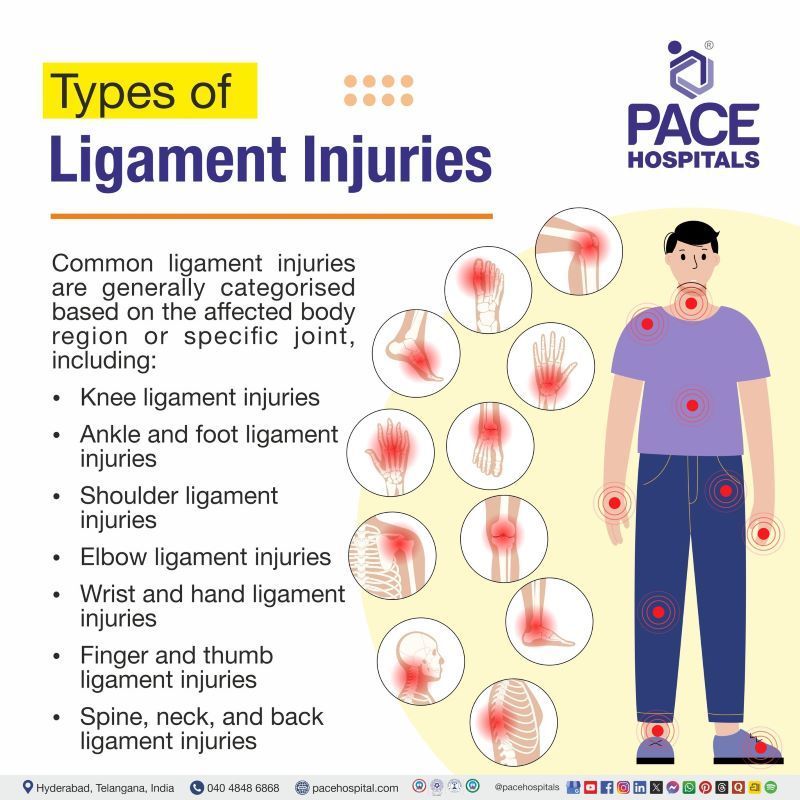
Ligament injuries are commonly classified using two main criteria: the anatomical location of the ligament and the extent or severity of tissue damage. Classification based on anatomy focuses on the specific joint or body region/area involved, as ligaments perform different stabilising roles depending on their location. This approach helps in understanding how joint function, movement demands, and load-bearing influence the injury pattern.
Severity-based classification considers how much the ligament fibres are damaged and how joint stability is affected. Injuries may range from mild stretching to partial or complete disruption of the ligament, and this grading helps guide treatment decisions and predict recovery.
Common Ligament Injuries (Categorized by Anatomical location and Ligament injuries by region)
Ligament injuries can affect nearly any joint in the body, though they most commonly involve those joints that bear weight or allow a wide range of motion.
The following are some of the most common ligament injuries, categorized by the affected body region or specific ligament:
- Knee Ligament Injuries
- Ankle and Foot Ligament Injuries
- Shoulder Ligament Injuries
- Elbow Ligament Injuries
- Wrist and Hand Ligament Injuries
- Finger and Thumb Ligament Injuries
- Spine, Neck and Back Ligament Injuries
Knee Ligament Injuries
The knee joint is stabilised by a complex network of ligaments that control forward–backward movement, side-to-side stability, and rotational control. A knee ligament injury occurs when these stabilising structures are either over-stretched, partially torn, or completely ruptured due to sudden accidents, trauma, sudden twisting, or high-impact force activities. Such injuries commonly occur during sports, falls, or road accidents and may significantly impair mobility and joint function.
Knee ligament injuries may involve a single ligament or multiple stabilising structures within the joint. Depending on the severity and structures involved, patients may experience pain, swelling, stiffness, instability, or a sensation that the knee is “giving way.”
Cruciate Ligament Injuries
The cruciate ligaments lie at the centre of the knee and are essential for controlling forward, backward, and rotational movements.
A cruciate ligament injury most commonly affects the anterior cruciate ligament (ACL injury), which plays a key role in preventing excessive forward movement of the tibia. ACL injuries frequently occur during sudden pivoting, abrupt stops, or awkward landings and are often associated with immediate swelling and instability.
The posterior cruciate ligament (PCL injury) is typically injured due to a direct blow to the front of the knee or during high-impact trauma. Compared to ACL injuries, PCL injuries may present with less dramatic instability but can still compromise knee function if untreated.
Collateral Ligament Injuries
Collateral ligaments provide side-to-side stability to the knee joint.
A medial collateral ligament (MCL injury) occurs when force is applied to the outer side of the knee, causing stress on the inner ligament. This injury is common in contact sports and may lead to pain and tenderness along the inner knee.
A lateral collateral ligament (LCL injury) results from force applied to the inner side of the knee, stressing the outer ligament. LCL injuries are less common but can significantly affect lateral knee stability, especially when associated with other ligament damage.
Multiple Structure Involvement
In more severe cases, a knee joint ligament injury may involve damage to more than one ligament. Such injuries are usually caused by high-energy trauma and result in marked instability, swelling, and difficulty bearing weight. These complex injury patterns require thorough evaluation and a structured treatment plan to restore joint stability.
Ankle and Foot Ligament Injuries
The ankle and foot contain multiple ligaments that work together in a coordinated way to maintain stability, support body weight, and allow smooth movement during walking, running and some daily activities. An ankle ligament injury occurs when these ligaments are excessively overstretched or torn due to falls, sudden twisting, uneven surfaces, or high-impact activities. Such injuries are common in sports and daily activities and may range from mild sprains to complex midfoot ligament disruptions.
Lateral Ankle Ligament Injuries
The lateral ligament complex stabilises the outer side of the ankle and is most commonly injured when the foot rolls inward. A lateral ankle ligament injury frequently involves the talofibular ligaments and presents with outer ankle pain, swelling, and tenderness. These injuries are often referred to as ankle sprains and may become recurrent if not adequately rehabilitated.
The lateral side of the ankle is stabilised by a group of ligaments that are commonly involved in sprain injuries. The anterior talofibular ligament (ATFL) is the most frequently injured structure in lateral ankle ligament injuries, particularly during inward rolling of the foot. It connects the talus to the fibula and plays a key role in controlling ankle stability during movement. The calcaneofibular ligament (CFL) runs from the fibula to the heel bone and provides extra support to the outer ankle, especially during weight-bearing activities (like jogging, dancing, hiking and climbing stairs). The posterior talofibular ligament (PTFL) is located at the back of the ankle and helps limit excessive backward movement of the talus, contributing to overall joint stability.
Medial Ankle and Deltoid Ligament Injuries
The medial side of the ankle is supported by a strong ligament complex. A deltoid ligament injury typically occurs due to forceful outward twisting of the foot or high-impact trauma. Because of its strength, injury to this ligament is less common but often more severe, leading to significant pain, swelling on the inner ankle, and difficulty walking.
Midfoot Ligament Injuries
Ligaments in the midfoot play a crucial role in maintaining the arch and distributing weight. Injuries occuring and involving the navicular, cuboid, and supporting ligaments may cause swelling, midfoot pain, and difficulty pushing off while walking. A Lisfranc ligament injury is a particularly serious midfoot injury that can result in long-term instability and altered foot mechanics if not checked and identified early.
Plantar and Arch-Supporting Ligament Injuries
Ligaments along the sole of the foot help support the longitudinal arch. Injury to structures such as the spring ligament or long plantar ligament may lead to arch collapse, heel pain, and altered gait. These injuries may develop following trauma or repetitive stress and often worsen with prolonged standing or walking.
Complex Foot Ligament Injuries
In more severe cases, multiple ligaments of the foot may be involved, resulting in widespread instability and impaired weight-bearing ability. These injuries often require a detailed, proper clinical evaluation and imaging tests to determine the full extent of ligament damage and guide appropriate treatment.
Shoulder Ligament Injuries
The shoulder is a highly mobile joint supported by several ligaments that work together to maintain stability while allowing a wide range of motion. A shoulder ligament injury occurs when these stabilising structures are stretched or torn due to trauma, sudden force, repetitive overhead activity, or joint instability.
Glenohumeral Ligament Injuries
The glenohumeral ligaments are key stabilisers of the shoulder joint, particularly during rotation and overhead motion. Injury to these ligaments may result in pain, restricted movement, and recurrent shoulder instability, especially following dislocation or repetitive strain.
Coracoacromial and Coracoclavicular Ligament Injuries
Ligaments connecting the shoulder blade to surrounding bony structures help maintain alignment of the shoulder girdle. Injury to the coracoacromial ligament may contribute to impingement-related pain, while damage to the coracoclavicular ligament can lead to instability of the collarbone and difficulty lifting the arm.
Costoclavicular and Scapular Ligament Injuries
The costoclavicular ligament stabilises the clavicle against the rib cage, and injury may cause pain with shoulder elevation or carrying heavy loads. Scapular supporting ligaments play a role in coordinated shoulder movement, and injury to these structures may result in altered shoulder mechanics and fatigue with activity.
Rotator Cuff–Related Ligament Injury
Although the rotator cuff primarily consists of muscles and tendons, injury in this region may also involve supporting ligaments and joint capsule structures. Such injuries often present with shoulder pain, weakness, and difficulty performing overhead or rotational movements.
Elbow Ligament Injuries
The elbow joint relies on a group of ligaments to maintain stability while allowing smooth bending and rotational movements of the forearm. An elbow ligament injury occurs when these stabilising structures are overstretched or torn due to trauma, repetitive stress, or excessive valgus or rotational forces. Such injuries are commonly seen in throwing athletes, contact sports, falls, and activities involving repetitive arm use.
Ulnar Collateral Ligament (UCL) Injuries
The ulnar collateral ligament is a primary stabiliser on the inner side of the elbow, particularly during overhead throwing motions. An ulnar collateral ligament injury of the elbow typically results from repetitive valgus stress or sudden force, leading to pain on the inner elbow, reduced throwing speed, and loss of accuracy. In more severe cases, individuals may feel a popping sensation followed by instability and difficulty continuing activity.
Radial Collateral Ligament Injuries
The radial collateral ligament complex stabilises the outer side of the elbow and helps control rotational movement. Injury to this ligament may cause pain in the outer elbow, weakness during gripping, and discomfort with forearm rotation. These injuries are often associated with trauma or elbow dislocation.
Annular Ligament Injuries
The annular ligament encircles the radial head and allows smooth rotation of the forearm. Injury to this structure may lead to pain, limited rotation, and mechanical symptoms. Annular ligament injuries are more commonly seen following sudden traction injuries or joint instability.
Wrist and Hand Ligament Injuries
The wrist and hand are supported by a complex network of ligaments that stabilise the small joints while allowing precise and coordinated movements. A wrist ligament injury usually occurs when these ligaments are overstretched or torn due to falls on an outstretched hand, sudden twisting, repetitive strain, or sports-related trauma. Such injuries can disrupt joint alignment, leading to pain, swelling, weakness, and reduced grip strength.
Triangular Fibrocartilage Complex (TFCC) Injuries
The TFCC plays a key role in stabilising the ulnar side of the wrist and absorbing load during gripping and rotational movements. A TFCC injury often presents with pain on the little-finger side of the wrist, clicking sensations, and discomfort during forearm rotation. These injuries may develop from acute trauma or repetitive loading.
Scapholunate and Intercarpal Ligament Injuries
Ligaments connecting the small wrist bones are essential for coordinated motion. Injury to the scapholunate ligament can lead to wrist instability, pain, and weakness, particularly during weight-bearing or gripping activities. Damage to other intercarpal ligaments may cause similar symptoms and, if untreated, can alter normal wrist mechanics over time.
Radiocarpal and Ulnocarpal Ligament Injuries
Ligaments on the palmar and dorsal aspects of the wrist help maintain alignment between the forearm and wrist bones. Injury to these stabilising structures may result in pain during wrist extension or flexion, stiffness, and reduced range of motion. Such injuries are commonly associated with falls or repetitive strain.
Finger and Thumb Ligament Injuries
Ligaments of the fingers and thumb are essential for maintaining joint alignment and stability during gripping, pinching, and fine motor activities. A finger ligament injury commonly occurs due to sudden bending, jamming, twisting, or direct trauma, especially during sports or accidental falls.
Thumb Ligament Injuries
A thumb ligament injury most often affects the stabilising ligaments at the base of the thumb and can significantly impair hand strength. Injury may occur when the thumb is forcefully pulled away from the hand, such as during a fall or sports injury. A thumb collateral ligament injury can cause pain, swelling, and difficulty pinching or holding objects, while a right thumb ligament injury may interfere with dominant-hand activities and daily tasks.
Finger Collateral Ligament Injuries
Collateral ligaments support the sides of finger joints and prevent excessive sideways movement. An index finger collateral ligament injury frequently results from jamming injuries during ball sports. Damage to the MCP collateral ligament injury (at the knuckle) or the PIP joint collateral ligament injury (middle finger joint) may lead to joint instability, tenderness, and limited bending or straightening of the finger. Ulnar collateral ligament injury of the thumb, also known as skier's thumb or gamekeeper's thumb, is an injury of the ulnar collateral ligament of the first metacarpophalangeal joint.
Phalanges and Toe Ligament Injuries
Ligament injuries may also involve the small joints of the fingers and toes. A phalanges ligament injury can cause stiffness and pain in the finger segments, particularly during gripping or repetitive hand use. Similarly, a toe collateral ligament injury may occur due to stubbing injuries or excessive side loading, leading to pain and difficulty walking or wearing footwear.
Spine, Neck and Back Ligament Injuries
Ligaments of the spine play a crucial role in maintaining alignment, stability, and controlled movement of the vertebral column. A spinal ligament injury occurs when these supportive structures are overstretched or torn due to trauma, sudden force, repetitive strain, or poor posture over time.
Cervical and Neck Ligament Injuries
The cervical spine's ligaments support the neck and allow for regulated head movements. A cervical ligamentous injury often occurs due to accidental falls, sudden acceleration–deceleration forces, or direct trauma faced by an individual. A neck ligament injury may present with neck pain, stiffness, reduced range of motion, and muscle tightness, sometimes accompanied by headaches or discomfort radiating to the shoulders.
Thoracic Ligament Injuries
Ligaments in the thoracic spine contribute to stability of the upper back and rib cage. A thoracic ligament injury may develop following trauma or repetitive strain and often causes localised mid-back pain, stiffness, and discomfort during twisting or prolonged sitting.
Lumbar and Interspinous Ligament Injuries
The lower back depends on healthy ligaments to support body weight and movement. A lumbar interspinous ligament injury is related with damage to the ligaments between adjacent vertebrae and may cause central lower back pain that worsens with bending or lifting. Injury to the interspinous ligament or supraspinous ligament can lead to tenderness along the spine, stiffness, and difficulty maintaining upright posture.
Lower Back Ligament Injuries
A back ligament injury, particularly a lower back ligament injury, may occur due to sudden lifting, twisting, prolonged poor posture, or repetitive mechanical stress.
Other Ligament Injuries
Some ligament injuries involve less commonly affected but clinically important structures that support specialised joints and organs. Injury to the alar ligament or apical ligament—both stabilisers of the upper cervical spine—may occur after significant trauma and can contribute to neck pain or instability. A medial canthal ligament injury involves the stabilising structures of the eyelids and is usually seen with facial trauma.
In specific contexts, a suspensory ligament injury, including suspensory ligament penile injury, can result from direct trauma or excessive mechanical stress.
Ligament injuries can vary from mild stretching of the ligament fibers to complete ligament tears or ruptures that significantly affect joint stability and necessary movement. These injuries may occur suddenly due to trauma, sports activity, accidents or develop gradually from repetitive stress and overuse. The following are some of the ligament injuries seen based on the extent or severity of tissue damage:
- Acute Ligament Injuries
- Chronic Ligament Injuries
- Partial Ligament Tears
- Complete Ligament Tears
- Traumatic Ligament Injuries
- Ligament Avulsion Injuries
- Degenerative / Overuse Ligament Injuries
Acute Ligament Injuries
Acute ligament injuries refer to sudden damage to a ligament caused by an unexpected force such as twisting, impact, or rapid change in joint direction. These acute ligamentous injuries commonly occur during sports, falls, or any road accidents in most cases and may range from mild stretching of ligament fibers to partial or complete tears. Acute ligament injuries often present with immediate pain, swelling, tenderness, and joint instability, and early recognition is important to prevent long-term joint dysfunction.
The following are some of the common acute ligament injuries seen in clinical practice:
- Ankle sprain ligament injury: It occurs when one or more ligaments supporting the ankle joint are overstretched or torn, usually due to sudden inward or outward twisting of the foot. It is one of the most common acute ligament injuries and is typically associated with pain, swelling, bruising, and difficulty bearing weight.
- Acute ankle ligament injury: It involves sudden injury to the stabilising ligaments of the ankle joint, often occurring during sports or accidental missteps. Some persons usually develop rapidly and include sharp pain, swelling, warmth, and difficulty walking. Without appropriate management, acute ankle ligament injuries may progress to chronic ankle instability.
Chronic Ligament Injuries
Chronic ligament injuries develop when a ligament fails to heal completely after an initial injury or is repeatedly subjected to stress over time. Unlike acute injuries, chronic ligament damage evolves gradually and is often associated with joint stiffness, recurrent swelling, persistent pain, and long-standing instability. A chronic ligament injury refers to continuous, slowly structural damage to a ligament lasting for several weeks or for some months after the occurrence of initial trauma. These injuries commonly affect weight-bearing joints and may significantly impair daily activities and athletic performance if not properly managed.
The following are some of the common types of chronic ligament injuries seen in clinical practice:
- Recurrent ligament injury: It occurs when a previously injured ligament is repeatedly damaged again and again, usually due to unresolved joint instability or inadequate rehabilitation. Recurrent injuries can progressively decrease ligament integrity, increasing the risk of chronic pain, joint laxity, and long-term functional impairment. This pattern is commonly observed in ankle and knee ligaments.
- Multiple ligament knee injury: It involves injury to two or more stabilising ligaments of the knee joint, often caused by high-energy trauma or repeated instability episodes. This condition leads to marked joint instability, pain, and difficulty with weight-bearing and movement. Multiple ligament knee injuries are complex and usually require detailed evaluation and prolonged rehabilitation, and in some cases, surgical management.
Partial Ligament Tears
Partial ligament tears occur when a ligament is damaged but not completely ruptured, meaning some of the ligament fibers remain intact. These injuries often result from moderate force applied to a joint, such as twisting, sudden directional changes, or minor trauma. Partial tears may cause pain and swelling but usually preserve some degree of joint stability.
The following are some of the common forms of partial ligament tears:
- Mild ligament injury: It represents the least severe form of ligament damage, where the ligament fibers are overstretched with minimal microscopic tearing. Joint stability is often maintained, and individuals are often only experiencing modest discomfort, swelling, and tenderness. Individuals are normally able to move the joint, however discomfort may occur with activities.
- Partial collateral ligament injury: It involves incomplete tearing of the collateral ligaments, which provide side-to-side stability to joints such as the knee, elbow, or fingers
Complete Ligament Tears
Complete ligament tears occur when a ligament is fully ruptured, resulting in a complete loss of its stabilising function at the joint. These injuries are usually caused by high-energy trauma, sudden forceful twisting, or direct impact, and are commonly seen in sports injuries, road traffic accidents, or severe falls. Complete ligament tears often lead to significant pain at the time of injury, rapid swelling, marked joint instability, and functional impairment.
The following are some of the common types of complete ligament tears:
- Complete cruciate ligament injury: It refers to full rupture of one of the cruciate ligaments, most commonly the anterior cruciate ligament (ACL) injury or posterior cruciate ligament (PCL) injury of the knee. This sort of injury typically results in immediate swelling, difficulty bearing weight, and a feeling that the knee is unstable or "giving way." Complete cruciate ligament tears significantly disrupt knee biomechanics as well as functionality and often require structured rehabilitation, with surgical reconstruction considered in selected cases to restore joint stability and function in proper manner.
- Bicruciate ligament injury: It involves complete tears of both the anterior and posterior cruciate ligaments within the same knee joint. This is a severe injury pattern usually associated with high-velocity trauma, such as motor vehicle accidents or major sports injuries. Bicruciate ligament injuries result in profound knee instability, pain, and loss of normal joint control.
Traumatic Ligament Injuries
Traumatic ligament injuries occur when a ligament is damaged due to a sudden, forceful external event, such as a collision, fall, or abrupt change in movement. These injuries are often noticed when countered with any vigorous activities and typically result from forces that exceed the ligament's normal tensile strength and often lead to swelling, acute pain, bruising, and joint instability. Traumatic ligament injuries are commonly associated with sports, road traffic accidents, and high-energy impacts, and they may involve partial or complete ligament tears.
Ligament Avulsion Injuries
Ligament avulsion injuries occur when a ligament is subjected to a sudden, forceful pull that causes it to tear away from its attachment site on the bone, sometimes along with a small fragment of bone.
- Deltoid ligament avulsion injury: It involves damage to the strong medial ligament complex of the ankle, where the ligament is forcibly detached from its bony attachment. This type of injury typically occurs following severe ankle trauma, such as forceful eversion of the foot or high-impact injury.
Degenerative / Overuse Ligament Injuries
Degenerative or overuse ligament injuries develop gradually as a result of repetitive stress, microtrauma, or prolonged mechanical loading rather than a single traumatic event. Over time, repeated strain can weaken ligament structure, reduce elasticity, and impair the ligament’s ability to stabilise the joint. These injuries are commonly seen in individuals involved in repetitive activities, occupational strain, or long-term athletic training.
Causes of Ligament Injury
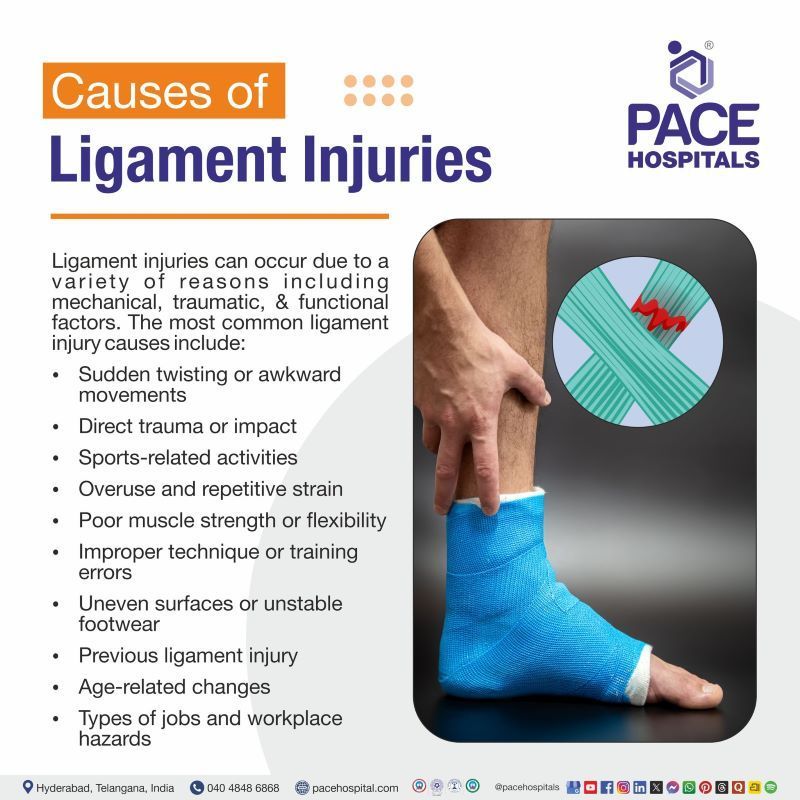
Ligament injuries can occur due to a variety of reasons and the risk factors of ligament injury can be based upon different features including mechanical, traumatic, and functional factors. The most common ligament injury causes include:
- Sudden twisting or awkward movements: Rapid direction changes or improper joint alignment might cause ligaments to stretch beyond their typical limits.
- Direct trauma or impact: Events like collisions, falls, or blows to a joint may place excessive force on ligaments, leading to sprains or ligament tears.
- Sports-related activities: High-intensity sports (Basketball, Soccer, Football and Ice Hockey) involving jumping, pivoting, or contact increase stress on ligaments, particularly around the knee, ankle, and shoulder.
- Overuse and repetitive strain: Repeated stress over time can weaken ligaments, making them more prone to injury even with minor movements and small physical actions.
- Poor muscle strength or flexibility: Weak supporting muscles or limited joint flexibility can increase ligament load during movement and can be one of the causes.
- Improper technique or training errors: Incorrect posture, sudden increases in activity level, or inadequate warm-up may predispose ligaments to injury.
- Uneven surfaces or unstable footwear: Walking or running on irregular surfaces or wearing poorly supportive footwear can increase the risk of ligament damage.
- Previous ligament injury: A history of ligament injury may reduce joint stability and increase the likelihood of re-injury.
- Age-related changes: Reduced elasticity and strength of ligaments with aging can make them more susceptible to injury also including chronic conditions such as osteoarthritis or rheumatoid arthritis.
- Types of jobs and workplace hazards: Certain types of jobs and workplace hazards-such as repeated lifting, improper handling of heavy objects, or prolonged computer work with poor posture-can place continuous strain on muscles and ligaments, leading to chronic ligament injury.
Knee Ligament Injury Causes
Knee ligament injuries commonly result from sudden trauma or repetitive stress, with the cruciate and collateral ligaments being particularly vulnerable due to their role in joint stability.
- Cruciate ligaments: The anterior cruciate ligament (ACL) is often injured during sudden stops, quick direction changes, or awkward landings when the foot is planted and the knee twists giving rise to anterior cruciate ligament (ACL) injury; the posterior cruciate ligament (PCL) is more commonly damaged by a direct blow to the front of a bent knee, such as during a fall or collision and leads to posterior cruciate ligament (PCL) injury.
- Collateral ligaments: These ligaments stabilise the sides of the knee; medial collateral ligament (MCL) injury typically occurs due to a forceful impact to the outer knee, while lateral collateral ligament (LCL) injury results from force applied to the inner side of the knee, stretching the outer ligament.
Ligament Injury Symptoms
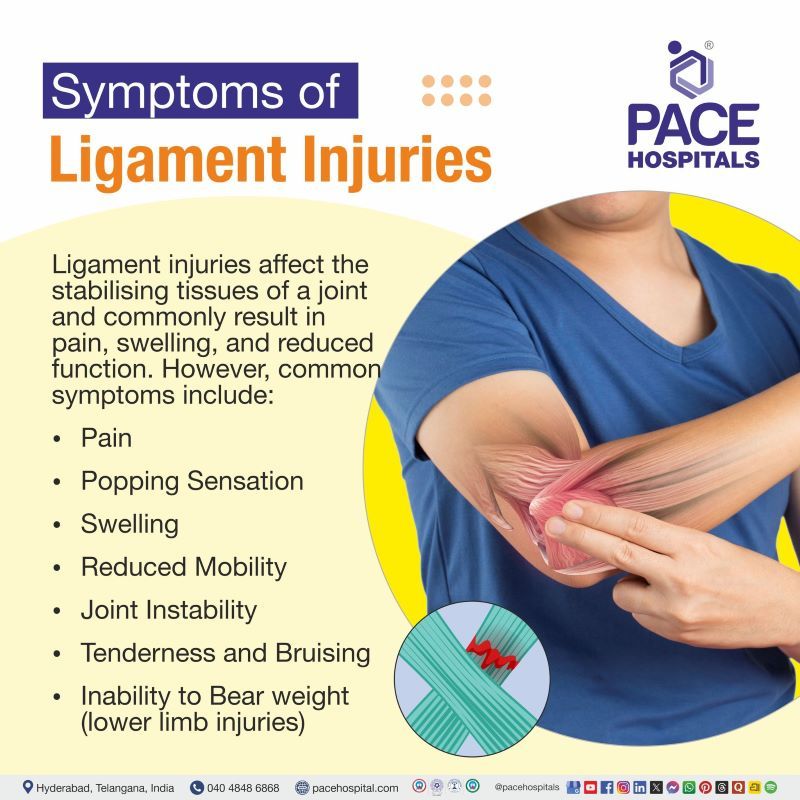
Ligament injuries affect the stabilising tissues of a joint and commonly result in pain, swelling, and reduced function. Symptoms may appear immediately after injury or develop over several hours, depending on the severity of ligament damage. However, common symptoms include:
- Pain
- Popping Sensation
- Swelling
- Reduced Mobility
- Joint Instability
- Tenderness and Bruising
- Inability to Bear weight (lower limb injuries)
Pain: It is usually the first and most noticeable symptom of a ligament injury. It may range from mild discomfort to severe pain and often worsens with movement or weight bearing. In some cases, pain is accompanied by a feeling that the joint is unstable.
Popping Sensation: At the time of injury, some individuals experience or hear a popping or snapping sensation. This symptom is more commonly associated with moderate to severe ligament tears (especially in severe ligament tears like ACL injuries in the knee) and is often followed by rapid swelling.
Swelling: It typically develops within a few hours after injury due to inflammation or bleeding within the joint. The affected area may appear visibly swollen and feel warm or tight.
Reduced Mobility: Ligament injuries can limit the normal range of motion of a joint. Pain, swelling, and stiffness may make bending, straightening, or rotating the joint difficult.
Joint Instability: A sensation that the joint cannot properly support body weight or may “give way” is a key symptom of ligament injury. This instability is especially noticeable during walking, standing, or changing direction.
Tenderness and Bruising: The injured area may be tender to touch, and bruising can appear as blood spreads into surrounding tissues and adjacent body parts, particularly in more severe injuries.
Inability to Bear Weight (Lower Limb Injuries): When ligaments of the knee, ankle, or foot are injured, putting weight on the affected leg may become painful or unstable. In more severe cases, the individual may be unable to stand or walk without support due to loss of joint stability.
Ligament injury symptoms can be further categorised based on the site of involvement and on the affected joint, as follows:
- Knee ligament injury symptoms
- Ankle and foot ligament injury symptoms
- Shoulder ligament injury symptoms
- Elbow, wrist, and hand ligament injury symptoms
- Spine, neck, and back ligament injury symptoms
- Pelvic ligament injury symptoms
Knee Ligament Injury Symptoms
Knee ligament injuries often affect joint movement and stability and may present with:
- Pain around the knee joint, especially during movement
- Swelling that may appear soon after the injury
- Stiffness and reduced ability to bend or straighten the knee
- A feeling of weakness or instability while standing or walkin
Cruciate Ligament Injury Symptoms
Anterior cruciate ligament injury symptoms are commonly associated with sudden changes in knee function, such as:
- Sudden knee pain at the time of injury
- Rapid swelling caused by bleeding within the joint
- Difficulty bearing weight on the affected leg
- Sensation that the knee may buckle or give way
Collateral Ligament Injury Symptoms (Knee)
Collateral ligament injuries to the MCL or LCL often cause pain on the inner (MCL) or outer (LCL) usually cause symptoms along the sides of the knee, including:
- Localised pain along the inner or outer side of the knee
- Tenderness when pressure is applied to the affected area
- Mild to moderate swelling around the knee
- Increased discomfort during sideways or twisting movements
Ankle and Foot Ligament Injury Symptoms
Ligament injuries affecting the ankle and foot often interfere with weight bearing and balance and may include:
- Pain around the ankle or foot joint
- Swelling and bruising near the injured area
- Difficulty standing or walking normally
- Recurrent ankle instability if the injury is not properly treated
Shoulder Ligament Injury Symptoms
Ligament injuries of the shoulder often affect movement and joint control and may present with:
- Pain during shoulder movement or lifting
- Reduced range of motion and moving the shoulder freely
- Sensation of looseness or instability in the joint
- Difficulty performing overhead or reaching activities
Elbow, Wrist, and Hand Ligament Injury Symptoms
Ligament injuries involving the upper limb joints may lead to functional limitations, including:
- Localised pain and swelling around the joint such as Ulnar Collateral Ligament (UCL) Injuries of the Elbow
- Reduced grip strength
- Stiffness during bending, twisting, or rotation
- Difficulty performing fine motor or gripping tasks
Spine, Neck, and Back Ligament Injury Symptoms
Ligament injuries affecting the spine commonly cause posture-related discomfort, such as:
- Localised neck or back pain
- Muscle tightness or spasm
- Reduced flexibility with movement
- Pain that worsens with prolonged sitting or poor posture
Pelvic Ligament Injury Symptoms
Ligament injuries in the pelvic region may present more subtly and include:
- Deep pelvic or lower back discomfort
- Pain during sitting, standing, or movement
- Postural discomfort or a sense of instability
- Symptoms that gradually worsen over time (Chronic Pelvic Pain)
- Buttock pain
- Sacroiliac joint pain due to instability
- Pelvic floor and prostate pain
Ligament Injury Complications
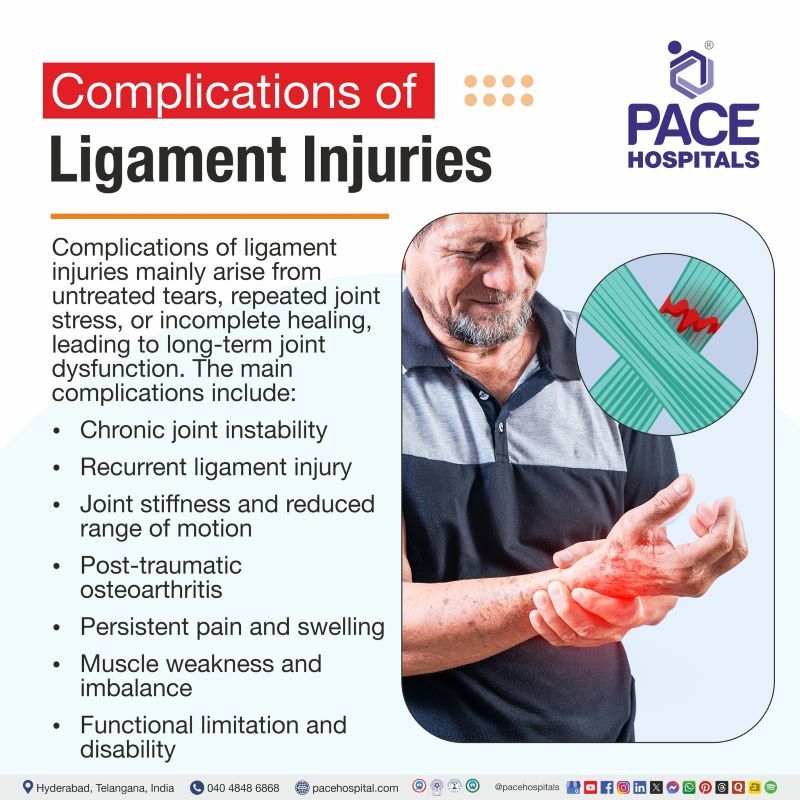
Complications of ligament injuries mainly arise from untreated tears, repeated joint stress, or incomplete healing, leading to long-term joint dysfunction. When ligament damage alters normal joint stability and biomechanics, it can affect surrounding bones, cartilage, muscles, and nerves. The main complications include:
- Chronic joint instability
- Recurrent ligament injury
- Joint stiffness and reduced range of motion
- Post-traumatic osteoarthritis
- Persistent pain and swelling
- Muscle weakness and imbalance
- Functional limitation and disability
Chronic joint instability: When a ligament does not heal adequately, it may fail to stabilise the joint properly. This leads to a repeated sensation of the joint “giving way,” particularly during movement or weight-bearing. Ongoing instability increases stress on surrounding structures and raises the risk of further injury.
Recurrent ligament injury: A previously injured ligament is more vulnerable to re-injury, especially if rehabilitation is incomplete or return to activity occurs too early. Recurrent sprains or tears can progressively weaken joint support and complicate future treatment.
Joint stiffness and reduced range of motion: Prolonged inflammation, scar tissue formation, or extended immobilisation after ligament injury can restrict normal joint movement. This stiffness may persist even after pain subsides, affecting daily activities and athletic performance.
Post-traumatic osteoarthritis: Ligament injuries can disrupt normal joint alignment and load distribution. Over time, this abnormal joint mechanics accelerates cartilage wear, increasing the risk of developing osteoarthritis, particularly in weight-bearing joints such as the knee and ankle.
Persistent pain and swelling: Chronic inflammation following ligament damage may result in long-term pain, swelling, or joint tenderness. These symptoms can fluctuate with activity and may indicate incomplete healing or associated joint pathology.
Muscle weakness and imbalance: Ligament injury often leads to altered movement patterns and reduced joint use. This can cause weakening of surrounding muscles and imbalance across the joint, further compromising stability and increasing injury risk.
Functional limitation and disability: Severe or untreated ligament injuries may limit the ability to perform work, sports, or daily activities. In advanced cases, long-term disability may occur due to persistent instability, pain, or degenerative joint changes.
Diagnosis of Ligament Injury
The diagnosis of a ligament injury involves a structured approach with step-by-step evaluation that combines proper clinical assessment, targeted physical tests, and appropriate imaging tests, and combined studies. This method including all test evaluation taking into minute details of anatomical deviations with imaging scan reports study helps to confirm the presence of ligament damage, determine its severity, and guide treatment planning. The diagnostic process usually includes:
- Taking Patient’s Medical History
- Performing Physical Examination
- Imaging Tests
- Assessment of Injury Severity
Taking Patient’s Medical History
- The doctor will ask about how the injury occurred, including any twisting, impact, or sudden movement.
- Details such as pain onset, swelling, instability, and difficulty using the joint are noted.
- Previous injuries or recurrent joint problems are also considered.
Performing Physical Examination
- The affected joint is examined for swelling, bruising, tenderness, and range of motion.
- Specific stress tests may be performed to assess joint stability and ligament integrity.
- Comparison with the uninjured side helps identify abnormal movement or laxity.
Imaging Tests
- X-rays may be used to rule out fractures or bone-related injuries associated with ligament damage.
- Magnetic resonance imaging (MRI) is commonly used to confirm ligament tears and assess the extent of soft tissue injury.
- Ultrasound may be used in certain cases to evaluate ligament structure and surrounding tissues.
Assessment of Injury Severity
- Based on clinical findings and imaging results, ligament injuries are classified by severity.
- This assessment helps decide whether conservative management or further intervention is required.
Ligament Injury Treatment
Treatment for ligament injuries depends on the severity of the injury, the ligament involved, and the affected joint. The main goals of treatment are to reduce pain and swelling, restore joint stability, and regain normal function. Management may range from conservative care to surgical intervention in severe cases. In overall ligament injury treatment options are given below:
- Initial Management (Acute Phase)
- Non-Surgical (Conservative) Treatment
- Physiotherapy and Rehabilitation
- Surgical Treatment
Initial Management (Acute Phase)
Early treatment focuses on controlling inflammation and protecting the injured ligament.
- Activity modification: It is advised for avoiding movements that place stress on the injured ligament is and rest is first step followed.
- Cold therapy: Ice application helps to reduce pain and swelling, particularly in the first 48 hours.
- Compression and elevation: It is applied to minimise swelling and support the injured area.
- Short-term protection: In some cases, temporary use of braces or supports to prevent further injury is used.
In most cases the above method is known as the RICE Method using Rest, Ice, Compression, and Elevation to reduce swelling and pain.
Non-Surgical (Conservative) Treatment
Most mild to moderate ligament injuries respond well to conservative care.
- Bracing or taping: This helps to stabilise the joint during healing.
- Anti-inflammatory medication: In this process anti-inflammatory drugs (NSAIDs) used to manage pain and swelling.
- Early guided movement: Gentle motion is encouraged to prevent stiffness while protecting the ligament.
Physiotherapy and Rehabilitation
Rehabilitation is a cornerstone of ligament injury recovery and long-term joint health.
- Range-of-motion exercises: In certain cases, to restore flexibility without overstressing healing tissue range-of-motion exercises are advised.
- Strength training: This helps to improve muscular support around the joint.
- Proprioceptive and balance training: In order to enhance joint control and stability proprioceptive and balance training helps a lot.
Surgical Treatment
Surgery is considered for complete ligament tears, significant joint instability, or when conservative treatment fails.
- Ligament repair: It is performed while reattaching the torn ligament to bone when tissue quality allows.
- Ligament reconstruction: It is conducted by replacing the damaged ligament using graft tissue.
- Post-operative rehabilitation: This is done post-surgery and is essential for restoring joint strength, motion, and stability.
Why Choose PACE Hospitals?
Expert Super Specialist Doctors
Advanced Diagnostics & Treatment
Affordable & Transparent Care
24x7 Emergency & ICU Support
Prevention of Ligament Injury
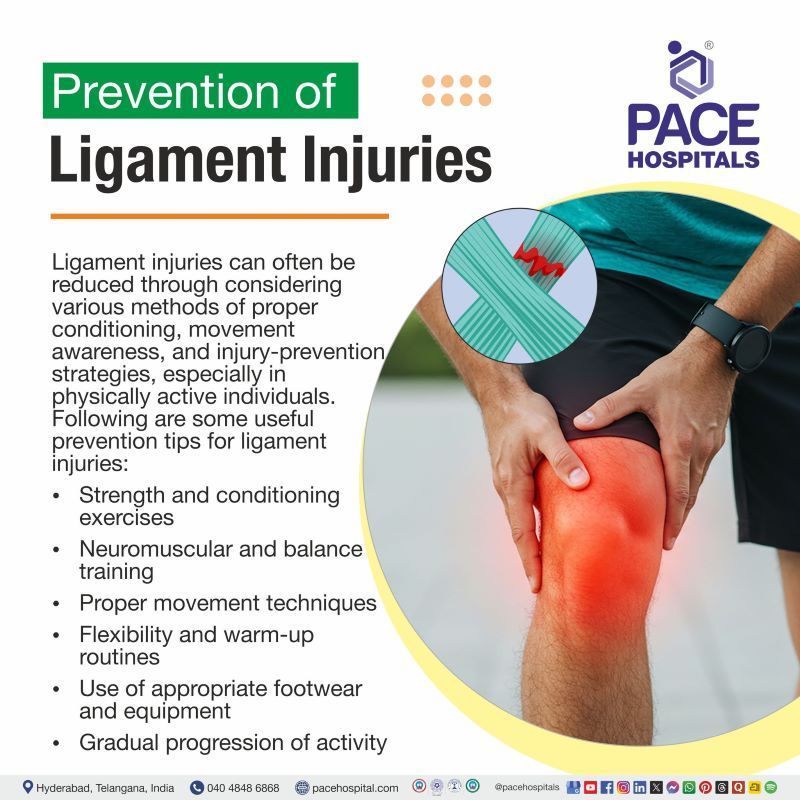
Ligament injuries can often be reduced through considering various methods of proper conditioning, movement awareness, and injury-prevention strategies, especially in physically active individuals. Preventive measures focus on improving joint stability, muscle strength, balance, and safe movement patterns to minimise excessive stress on ligaments. Following are some useful prevention tips for ligament injuries:
- Strength and conditioning exercises
- Neuromuscular and balance training
- Proper movement techniques
- Flexibility and warm-up routines
- Use of appropriate footwear and equipment
- Gradual progression of activity
- Adequate rest and recovery
Strength and conditioning exercises: It is required to do some physical activities for building strength in the muscles surrounding major joints—particularly the hips, thighs, and core—which helps absorb forces that would otherwise strain ligaments. Balanced muscle development supports better joint control.
Neuromuscular and balance training: For active individuals, exercises that improve coordination, balance, and body awareness help the joints respond more effectively to sudden movements, reducing the risk of awkward landings or twisting injuries.
Proper movement techniques: Many individuals can learn correct techniques for jumping, landing, pivoting, and changing direction, which can significantly lower ligament strain, especially around the knee. Emphasis on controlled alignment of the hip, knee, and ankle is important.
Flexibility and warm-up routines: Those involved in vigorous physical activities need to have adequate warm-up before physical activity increases muscle elasticity and joint readiness, while regular stretching helps maintain a healthy range of motion and reduces injury risk.
Use of appropriate footwear and equipment: Certain individuals can wear sport-specific footwear and protective gear, which provide better support, traction, and shock absorption, which helps reduce undue ligament stress.
Gradual progression of activity: Those professionals who are new to sports or any strenuous activity after major surgery need to avoid sudden increases in training intensity or duration, as it takes some time to allow ligaments and supporting structures time to adapt, lowering the risk of overuse or acute injury.
Adequate rest and recovery: It is advised to take adequate rest and allow sufficient recovery time between training sessions, which helps prevent fatigue-related injuries, as tired muscles are less effective at protecting ligaments.
Understanding the Difference between Tendon and Ligament Injury
Tendon vs Ligament Injury
Tendon and ligament injuries are both conditions affecting connective tissues of the musculoskeletal system, but they differ in their function, causes, and clinical presentation, and are managed in distinct ways, including:
| Aspect | Tendon Injury | Ligament Injury |
|---|---|---|
| Primary function | Connects muscle to bone and enables movement | Connects bone to bone and stabilises joints |
| Common cause | Repetitive strain or overuse | Sudden trauma, twisting, or joint stress |
| Typical symptoms | Pain during active movement or muscle contraction | Joint pain, swelling, and instability |
| Effect on function | Reduces the strength and efficiency of movement | Compromises joint alignment and control |
| Injury mechanism | Usually develops gradually | Often occurs suddenly |
| Healing characteristics | Healing depends on the tendon blood supply and load management | Healing influenced by joint stability and ligament blood supply |
| Rehabilitation focus | Gradual loading and strengthening | Stability, proprioception, and controlled movement |
Frequently Asked Questions (FAQs) on Ligament Injury
Is knee support for ligament injury helpful?
Yes, knee support for ligament injury is commonly used to provide external stability, reduce strain on the injured ligament, and improve confidence during movement. The type of support, such as knee braces and sleeves, reduces flexion and abduction movement, but it also depends on the severity of the injury and activity level.
Can physiotherapy for knee ligament injury be helpful?
Yes, physiotherapy for knee ligament injury is a key component of recovery. It helps improve joint mobility, strengthen supporting muscles, and enhance balance. Structured rehabilitation program and advanced plans also reduces the risk of re-injury and supports safe return to daily activities or sports.
How to cure ligament injury in knee?
Healing a knee ligament injury depends on the severity of the damage. Mild injuries (grade 1 ligament injury and grade 2 ligament injury) often recover with rest, bracing, and structured physiotherapy that restores strength and stability. More severe ligament tears (Grade 3 ligament injury) may require surgical intervention followed by a supervised rehabilitation program to regain full knee function and prevent long-term instability.
How to heal ligament injury?
Healing a ligament injury requires protecting the joint, controlling inflammation, and following a gradual rehabilitation program to ensure an individual to their pre-injury level of activity. Recovery involves strengthening exercises, flexibility training, and functional movement retraining. Healing time varies based on injury severity.
How to prevent knee ligament injury?
Preventing knee ligament injury involves strengthening muscles around the knee, improving balance and coordination, and using proper movement techniques. Regular warm-up exercises and appropriate training reduce injury risk.
How to recover from ligament injury knee faster?
Recovery from a knee ligament injury can be optimised through early and appropriate management. Initial care focuses on reducing pain and swelling using rest, ice application, compression, and elevation, (RICE) followed by gradual reintroduction of movement. Structured physiotherapy-based rehabilitation plays a key role by improving muscle strength, joint stability, and neuromuscular control around the knee. Adhering to prescribed rehabilitation protocols and avoiding premature return to high-impact activities helps decrease recovery time and lowers the risk of reinjury.
Can physiotherapy for medial collateral ligament injury help recovery?
Physiotherapy for medial collateral ligament injury plays a key role in recovery by improving knee strength, flexibility, and side-to-side stability. Most MCL injuries respond well to physiotherapy without the need for surgery.
Do shoes for ligament injury make a difference?
Wearing appropriate shoes for ligament injury can help reduce joint stress, improve alignment, and enhance balance during walking or activity. Supportive footwear is especially important for lower-limb ligament injuries.
What does a knee ligament injury feel like?
A knee ligament injury commonly causes pain around the joint, swelling, and stiffness. Some individuals experience a feeling of looseness or instability, especially during walking or changing direction. In more severe injuries, a popping sensation may be felt at the time of injury.
What if we continue playing after a knee ligament injury?
Continuing physical activity after a knee ligament injury can worsen the damage and increase joint instability. Ongoing stress on the injured ligament may delay healing and raise the risk of chronic knee problems. Early rest and medical evaluation are important to prevent further injury.
What should we eat after ligament injury?
Nutrition after a ligament injury plays a supportive role in healing. A balanced diet that includes adequate protein, vitamins, and minerals helps support tissue repair and recovery. Proper hydration and overall nutritional intake are also important during rehabilitation.
Why to put ice on sprain ligament injury?
Applying ice to a sprained ligament injury helps reduce pain and swelling by limiting inflammation and blood flow to the injured area. Ice therapy is most effective during the early phase of injury and is commonly used as part of initial management.
Will cycling heal ligament injury?
Cycling can be a useful low-impact activity during ligament injury recovery when advised by a healthcare professional. It helps maintain joint mobility and muscle strength without placing excessive stress on the ligament. However, it should be introduced gradually and only after the acute pain and swelling have reduced.
Can people walk with ligament injury?
Walking with a ligament injury may be possible in mild cases, though pain and discomfort are common. Moderate to severe injuries can cause instability, making weight-bearing difficult. Medical assessment is advised before continuing normal activities.
How to prevent ligament injuries in badminton?
Preventing ligament injuries in badminton involves improving joint stability, muscle strength, and movement control, as the sport needs rapid directional changes and jumping. Proper warm-up routines, lower-limb strengthening, and balance training help in protecting ligaments from excessive strain. Learning correct landing and cutting techniques reduces stress on the knee and ankle ligaments. Adequate footwear with good grip and shock absorption, along with sufficient rest between training sessions, further lowers injury risk.
When to Consult a Doctor for Ligament Injury?
Consult a doctor for a ligament injury if joint pain, swelling, or instability persists beyond a few days, worsens over time, or interferes with normal movement and daily activities. Certain warning signs indicate the need for medical evaluation, including:
- Persistent or increasing joint pain and swelling
- A feeling that the joint is unstable or giving way
- Difficulty bearing weight or using the affected limb
- Reduced range of motion or stiffness that does not improve
- Bruising or deformity around the joint
If these symptoms continue, it is important to consult a medical professional experienced in musculoskeletal injuries to confirm the diagnosis and initiate appropriate treatment. Urgent medical attention should be sought if there is severe pain, sudden inability to move the joint, numbness, or signs of a fracture or nerve injury. An orthopaedic specialist or sports medicine physician is best suited to evaluate ligament injuries and can provide the best ligament injury treatment to prevent long-term joint damage and functional limitations.
Share on
Request an appointment
Fill in the appointment form or call us instantly to book a confirmed appointment with our super specialist at 04048486868
Appointment request - health articles
Recent Articles