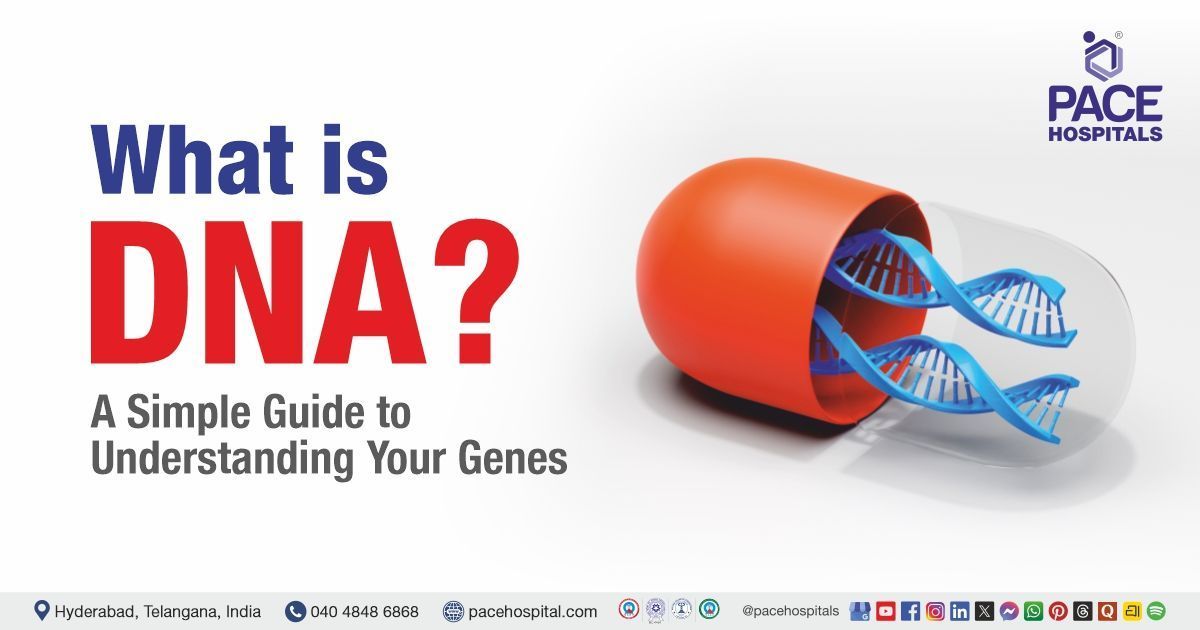
What Is DNA? A Simple Guide for Everyone & How Your Genes Affect Health
PACE Hospitals
Introduction
Understanding DNA is one of the most important steps toward understanding your health. While the term "DNA" is commonly heard in medical shows, health articles, or school textbooks, many people still wonder what DNA really means and how it affects their body. Today, with advancements in medical science, DNA plays a crucial role in early disease detection, personalized treatment, cancer prevention, pregnancy care, metabolism, and even how your body processes medicines.
This comprehensive guide explains importance of DNA in simple terms for patients and families. It also highlights how genetic testing helps diagnose conditions, plan treatments, and prevent future health problems. Because PACE Hospitals operates under the philosophy of Next Gen Medicare, DNA-based care perfectly aligns with the hospital's commitment to advanced, evidence-based healthcare.
What Is DNA?
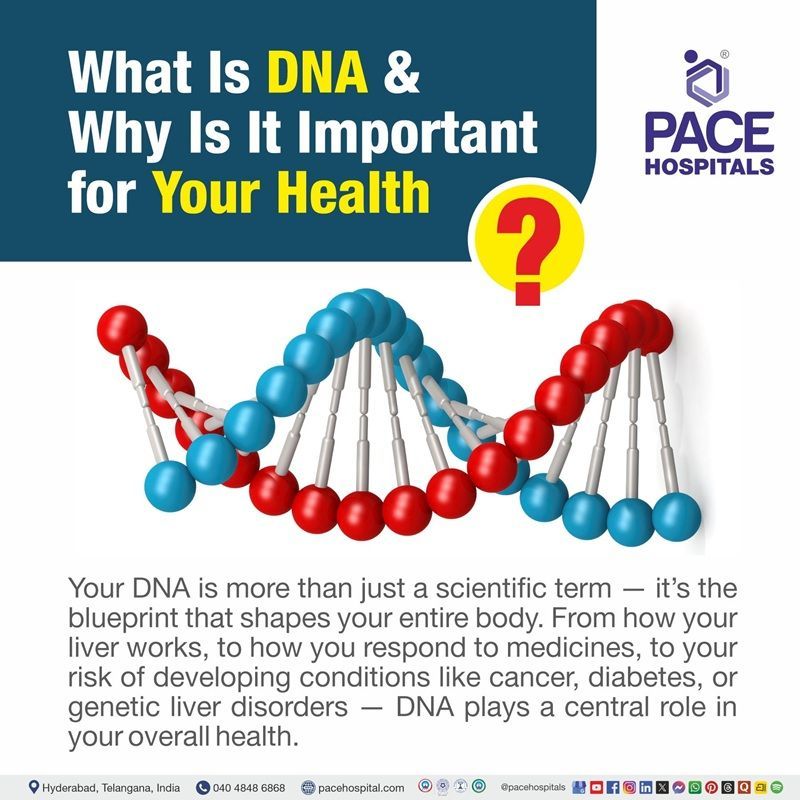
DNA (Deoxyribonucleic Acid) is the instruction manual of your body. Just like a recipe book contains instructions to prepare food, DNA contains the instructions your body needs to grow, function, repair, and stay healthy. Every cell in your body—whether in the liver, brain, skin, bones, or blood—contains DNA. It tells cells:
- What proteins to make
- How to grow and divide
- How to repair themselves
- How to respond to the environment
- What traits you inherit from parents
- In simple terms, DNA is the foundation of life.
Where Do You Get Your DNA From?
You inherit:
- 50% of DNA from your mother
- 50% of DNA from your father
This is why you may share similarities with your parents or siblings, such as:
- Eye color
- Skin tone
- Hair type
- Body shape
- Health patterns
- Disease tendencies
What Are Genes?
Genes are smaller units within DNA. Think of DNA as a book and genes as individual chapters. Each gene carries a specific instruction.
For example:
- One gene controls blood group
- One affects height
- One regulates liver enzymes
- One controls how your cells repair damage
- One influences metabolism
- Some manage brain development
Humans have 20,000–25,000 genes, and even a tiny change in one gene can affect health.
How DNA Works Inside the Body?
DNA works like a blueprint for building proteins. These proteins control every biological process in the body:
- Digestion
- Immunity
- Hormones
- Brain signals
- Blood circulation
- Liver function
- Muscle growth
- Skin repair
When DNA instructions are accurate, the body works smoothly. When the instructions contain errors, it can lead to diseases.
What Are Genetic Mutations?
A mutation is a change or "spelling mistake" in the DNA code. Some mutations are harmless, but others can affect how the body works.
Types of Mutations
- Inherited (from parents)
- Acquired (due to lifestyle or environmental factors)
- Spontaneous (random changes)
What Causes Mutations?
- Smoking
- Alcohol
- Obesity
- Viral infections
- Radiation
- Aging
- Chemical exposure
- Poor nutrition
Some mutations are also present from birth and may cause lifelong conditions.
How DNA Affects Your Health?
DNA affects many aspects of your physical and mental well-being.
1. Disease Risk
Genetic variations may increase the risk of:
- Cancer (breast, ovarian, colorectal, liver, prostate)
- Diabetes
- Heart disease
- Liver disorders
- Neurological diseases
- Autoimmune disorders
For example, BRCA gene mutations significantly increase breast and ovarian cancer risk.
2. Response to Medications
DNA controls how your body reacts to medicines. This is called pharmacogenomics.
Some people:
- Need higher doses
- Need lower doses
- Should avoid certain medicines completely
This is why one medicine works for one person but not for another.
3. Inherited Disorders
Some genetic diseases pass from parent to child because they are carried in DNA as genetic material such as:
- Thalassemia
- Hemophilia
- Sickle cell anemia
- Cystic fibrosis
- Wilson disease
- Tay-Sachs disease
4. Cancer Development
All cancers occur due to DNA damage inside cells. Identifying mutations early helps in:
- Early detection
- Personalized cancer treatment
- Monitoring recurrence
5. Metabolism & Obesity
Genes control:
- How quickly you burn calories
- Fat storage
- Appetite
- Hormone levels
This explains why some people gain weight easily even with moderate food intake.
6. Brain and Mental Health
Genes play roles in:
- Autism
- ADHD
- Epilepsy
- Alzheimer's
- Parkinson's
- Depression
Examples of Common Genetic Disorders
Here are some well-known disorders caused by changes in DNA:
- Wilson Disease: A rare genetic disorder causing copper accumulation in the liver, brain, and eyes. Early detection through DNA testing can prevent liver failure and neurological complications.
- BRCA-related Breast & Ovarian Cancer: Women with BRCA mutations have a much higher risk of developing cancer early.
- Thalassemia: An inherited blood condition that leads to significant anemia.
- Hemophilia: A condition where blood does not clot properly.
- Down Syndrome: Caused by an extra chromosome 21.
- Neurogenetic Disorders: Such as spinal muscular atrophy, muscular dystrophy, and certain types of epilepsy.
- Metabolic Disorders: Includes rare enzyme deficiencies affecting digestion or energy production.
How DNA Testing Is Done?
DNA can be tested using:
- Blood sample
- Saliva
- Cheek swab
- Amniotic fluid (in pregnancy)
- Tumor tissue (in cancer patients)
DNA testing is simple, quick, and minimally invasive.
Types of DNA Tests
- Newborn Screening: Tests for genetic metabolic disorders soon after birth.
- Carrier Testing: Tells whether parents carry genes that may cause disease in children.
- Predictive Genetic Testing: Determines whether you are susceptible to diseases like cancer, diabetes, or neurological disorders.
- Prenatal DNA Testing (NIPT): Non-invasive test to detect genetic disorders in pregnancy.
- Diagnostic Genetic Testing: Aids in the diagnosis of illnesses with inexplicable symptoms.
- Pharmacogenomic Testing: Determines which medicines work best for your DNA type.
- Tumor DNA Testing: Helps plan cancer treatment for best outcomes.
Benefits of DNA Testing
- Early Detection of Diseases: Helps detect diseases before symptoms appear.
- Personalized Treatment: Doctors can choose medicines based on genetics.
- Better Cancer Management: Tumor DNA testing helps oncologists create targeted therapy plans in accordance to individuals.
- Family Planning: Couples can understand the risk of passing disorders to children.
- Preventive Lifestyle Planning: If a person has a gene linked to diabetes or heart disease, early intervention can reduce future complications.
Limitations of DNA Testing
- Cannot detect all diseases
- Some results may need expert interpretation
- May require repeat testing
- Results may cause emotional stress
- Environmental and lifestyle factors still play major roles
- DNA testing gives probabilities, not guarantees.
When Should You Consider a DNA Test?
You should consider genetic testing if you have:
- Strong family history of illness
- Multiple relatives with the same disease
- Cancer at a young age
- Unexplained liver disease
- Repeated miscarriages
- Developmental delays in children
- Unusual symptoms
- Rare disorders in the family
- Difficulty finding the right medication
- Pregnant women may also consider NIPT.
DNA Testing at PACE Hospitals
PACE Hospitals provides comprehensive diagnostic and clinical evaluation for conditions with a genetic basis, including:
- Liver genetic disorders (e.g., Wilson disease)
- Cancer-related genetic mutations
- Prenatal & reproductive genetic counseling
- Neurological genetic conditions
- Endocrine genetic disorders
With a team of multidisciplinary specialists—Gastroenterologists, Oncologists, Neurologists, Endocrinologists, and Obstetricians—PACE Hospitals ensures accurate diagnosis, advanced treatment, and personalized care plans.
Read More: Learning more about DNA
Frequently Asked Questions (FAQs) on DNA (Deoxyribonucleic Acid)
What is DNA in simple language?
DNA is your body's instruction manual. It decides how your body grows, functions, and responds to the environment. DNA is present in nearly every cell of the body.
What are genes?
Genes are smaller sections of DNA that tell your body how to make proteins. These proteins control all bodily functions.
How do genetic disorders occur?
They happen when there is a mutation or error in DNA that affects how cells work.
Is DNA testing painful?
No. Most tests require only a blood sample or saliva.
What diseases can DNA testing detect?
It can detect cancers, metabolic disorders, genetic liver diseases, blood disorders, neurological conditions, and inherited syndromes.
Can DNA predict cancer?
DNA testing can identify mutations that increase cancer risk, helping with early detection and prevention.
Is genetic testing accurate?
Most DNA tests are highly accurate, but some results may need additional testing for confirmation.
Should couples get DNA tests before pregnancy?
Yes. Carrier screening helps understand the risk of passing genetic disorders to children.
What is NIPT?
Non-Invasive Prenatal Testing, a safe DNA test during pregnancy to detect genetic abnormalities in the fetus.
Can DNA results change over time?
Your inherited DNA remains the same, but tumor DNA may change in cancer cases.
How long does it take to get DNA test results?
Depending on the test type, results may take around 5–21 days approximately.
Is DNA testing expensive?
Costs vary. Some tests are affordable, while advanced genomic panels may cost more.
Can lifestyle changes reduce genetic disease risk?
Yes. Genes load the gun, but lifestyle pulls the trigger.
Do all genetic mutations cause disease?
No. Numerous mutations are benign, and some even provide the body with protection.
Where can I get DNA testing?
PACE Hospitals offers comprehensive genetic assessments, including diagnostic testing, counseling, and condition-focused management for patients who require specialized evaluation.
Conclusion
Your DNA is a powerful tool for understanding and managing your health, but it's not the whole story. Think of genetic information as one piece of your overall health puzzle—important, but not deterministic.
At PACE Hospitals, we combine cutting-edge genetic testing with comprehensive medical care to help you make informed decisions about your health. Whether you're concerned about a family history of disease, planning a pregnancy, or facing a current health challenge, understanding your DNA can empower you to take proactive steps for better life in future.
Remember, having genetic information is just the beginning. What matters most is working with your healthcare team to turn that knowledge into action—through prevention, early detection, and personalized treatment approaches that are right for you.
Share on
Request an appointment
Fill in the appointment form or call us instantly to book a confirmed appointment with our super specialist at 04048486868
Appointment request - health articles
Recent Articles