Irritable Bowel Syndrome (IBS): Dos and Dont's
PACE Hospitals
What is Irritable Bowel Syndrome (IBS)?
IBS is also known as spastic colon, irritable colon, mucous colitis, and spastic colitis. It is a separate condition from inflammatory bowel disease and isn’t related to other bowel conditions. IBS is a group of intestinal symptoms that typically occur together. The symptoms vary in severity and duration from person to person. However, they last at least three months for at least three days per month.
IBS can cause intestinal damage in some cases. However, that is not common.
IBS doesn’t increase your risk of gastrointestinal cancers, but it can still have a significant effect on your life. Learn more about the specific ways IBS can affect your bowels.
Click to know more about Inflammatory Bowel Disease: Risk Factors, Symptoms and Treatment
Ways to get relief from Irritable Bowel Syndrome (IBS)
Making a few changes to your lifestyle will go a long way in controlling Irritable Bowel Syndrome (IBS).

1.Eat more fibre and drink more water
Eating fiber adds bulk to stool, helping it to move through the colon easily. Drink at least eight glasses of fluid, such as water, Juice or herbal tea per day.
2.Avoid triggered foods and habits
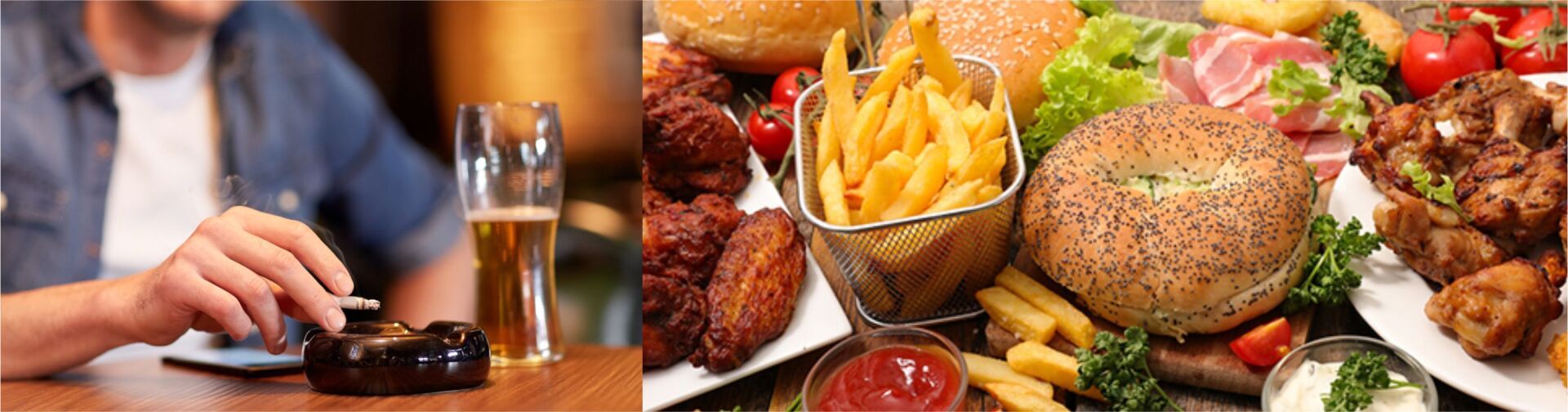
Avoid Caffeine, alcohol, fatty fried foods, dairy products, canned foods and quit smoking. Some Medications can trigger your symptoms, so make sure that you tell your doctor all the medications you are taking.

3.Manage Stress
Stress and sleep disturbances can trigger Irritable Bowel Syndrome (IBS) symptoms. You can get professional help to relieve these problems

4.Be More Active
The body content of your post goes here. To edit this text, click on it and delete this default text and start typing your own or paste your own from a different source.

5.Medications
There are different groups of medications available to control the different symtoms of Irritable Bowel Syndrome (IBS). Do not take any medications without consulting doctor.
Frequently Asked Questions on Irritable Bowel Syndrome (IBS): Do’s and Don’ts
Why is regular meal timing advised for IBS patients?
Eating at irregular intervals may stimulate intestinal motility and cause pain to individual. Regular meals improve digestive system health, lowering discomfort, bloating, and irregular bowel movements.
Can small lifestyle changes really make a difference in IBS?
Yes. Simple changes, such as mindful eating, following a consistent meal plan, and managing stress, can all have a major impact on gastrointestinal sensitivity. These changes can assist to stabilize gastrointestinal function and reduce symptom fluctuation.
Is eating slowly important for IBS management?
Eating slowly improves appropriate, efficient digestion and reduces air swallowing.This can help to reduce the bloating and stomach discomfort that many IBS patients feel.
How does stress affect IBS symptoms?
Stress has a direct impact on how the gut and brain interact. Stress can increase gut sensitivity, impair pain perception, and disturb bowel habits, therefore stress management is an important "do" for IBS treatment.
Should caffeine be avoided in IBS?
Caffeine might stimulate bowel movements and create urgency in certain people. Caffeine consumption can be avoided or monitored to see if it worsens individual symptoms.
Is physical activity helpful for IBS management?
Moderate physical activity increases gastrointestinal motility and lowers stress. Walking and yoga are also mild exercises that can improve bowel regularity and symptom control.
Why is self-medication discouraged in IBS?
Frequent use of laxatives or anti-diarrheal medications without any proper guidance and supervision can impair bowel function. Instead of sel-medication, professional medical consultation helps to ensure that symptoms are managed safely and effectively under the guidance of healthcare practitioner.
Can poor sleep habits worsen IBS?
Yes. Inadequate sleep reduces gastrointestinal sensitivity and increases stress levels. Good and proper sleep enhances digestion and symptom stability.
Why is following specific do’s and don’ts important in Irritable Bowel Syndrome (IBS)?
IBS symptoms vary greatly between people, making everyday behaviors an important element of symptom management. Following the advised dos and don'ts helps to lessen gut irritation and avoid flare-ups. Consistency in habits often improves long-term digestive comfort.
Why should IBS patients avoid skipping meals?
Skipping meals may lead to overeating later, which stresses the digestive system. Sudden large meals can trigger cramping and altered bowel movements in sensitive individuals.
Are certain cooking methods better for IBS?
Yes. Simple cooking methods such as steaming, boiling, or light sautéing are easier on digestion. Heavy frying or spicy preparations may aggravate symptoms in some individuals.
Why is hydration considered a “do” for IBS?
Adequate water promotes easy digestion and helps to regulate bowel movements. It can be especially beneficial for people who suffer from constipation-predominant IBS.
Why is overeating considered a “don’t” in IBS?
Large meals stretch the intestines, requiring more digestive effort. In IBS patients, this can cause pain, bloating, and bowel issues.
Can late-night eating worsen IBS symptoms?
Eating late at night may disturb digestion and sleep. Poor digestion during rest may cause bloating and pain the following day along with a uneasy feeling.
Should IBS patients avoid all trigger foods permanently?
No, not necessarily. Individuals' trigger foods in some cases varies. Identifying personal triggers and regulating intake is preferable to completely eliminating all foods.
How does PACE Hospitals guide patients on IBS do’s and don’ts?
PACE Hospitals supports IBS care by:
- Educating patients on daily habits that influence gut health
- Helping identify individual symptom triggers
- Providing practical lifestyle and dietary guidance
- Monitoring progress and adjusting recommendations over time
When should someone consult PACE Hospitals for IBS management?
Before the conditions becomes severe, consultation is recommended when:
- Pain, bloating, or bowel changes affect daily activities
- IBS symptoms persist despite lifestyle changes
- There is uncertainty about dietary or lifestyle modifications
- Professional guidance is needed for long-term symptom control
How does PACE Hospitals personalize IBS lifestyle advice?
At PACE Hospitals personalized IBS lifestyle advice are provided including:
- Reviewing dietary habits and stress levels
- Assessing symptom patterns and severity
- Tailoring do’s and don’ts to individual tolerance
- Ensuring changes are practical and sustainable
Does PACE Hospitals combine lifestyle guidance with medical treatment?
Yes. IBS management at PACE Hospitals may involve following plan of actions:
- Lifestyle and dietary counseling
- Medical therapy when required
- Stress-management strategies
- Regular follow-up to refine the care plan
Why choose PACE Hospitals for IBS care?
PACE Hospitals is preferred choice for IBS care because it offers treatment through:
- Highly experienced and well-renowned gastroenterologists
- Patient-centered, stepwise IBS management
- Focus on long-term quality of life
- Integrated care addressing both symptoms and lifestyle
Share on
Request an appointment
Fill in the appointment form or call us instantly to book a confirmed appointment with our super specialist at 04048486868
Appointment request - health articles
Recent Articles