Myositis Disease -Types, Symptoms, Causes, Diagnosis & Treatment
PACE Hospitals
Written by: Editorial Team
Medically reviewed by: Dr. Shweta Bhardwaj - Consultant Rheumatologist and Clinical Immunologist
Myositis definition
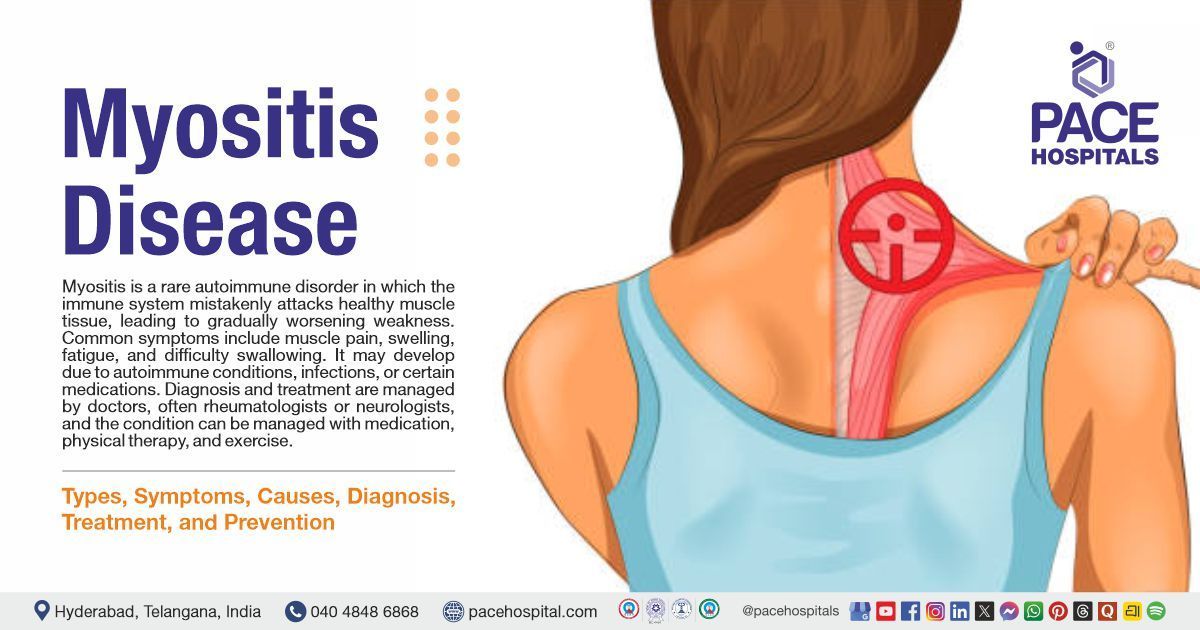
Myositis refers to a group of rare conditions in which the body’s immune system attacks healthy muscle tissue, rather than repairing or building it. It is also called idiopathic inflammatory myopathy (IIM). These conditions lead to progressive muscle weakness that worsens over time.
Myositis disease is associated with symptoms like muscle weakness, pain, swelling, dysphagia (difficulty swallowing), fatigue, and limited range of motion (ROM). It can be caused by autoimmune disorders, infections, certain medications, or other underlying medical conditions. Although myositis is chronic, treatment with medications, physical therapy, and exercise can help in managing symptoms and slowing disease progression.
Diagnosis and treatment are managed by a doctor, often a rheumatologist or neurologist, using blood tests, imaging studies, and sometimes a muscle biopsy to identify the cause and guide therapy.
Myositis meaning
The term “myositis” is originated from Greek, where “myo-” means muscle and “-itis” means inflammation. Thus, the word myositis means inflammation of the muscles, which reflects the important characteristics of the condition, like swelling, weakness, and pain in the affected muscles.
Medically, this word refers to a group of rare disorders characterised by muscle inflammation caused primarily by autoimmune mechanisms.
Myositis Prevalence
Myositis prevalence in the world
The global prevalence of myositis, including idiopathic inflammatory myopathies (IIMs) such as polymyositis, dermatomyositis, and inclusion body myositis, ranges from 2 to 25 cases per 100,000 people, with incidence rates of 0.2 to 2 per 100,000 person-years. In 2023, the United States reported approximately 91,700 cases; Germany had the highest number of cases in Europe, while Spain had the lowest; and Japan recorded roughly 26,000 cases.
It affects women two to three times more often than men and is most commonly diagnosed around age 50. Differences between regions may be due to genetics, the environment, or access to healthcare. Although rare, myositis can seriously affect those who have it, making early diagnosis and proper medical care very important.
Myositis prevalence in India
In India, myositis, particularly idiopathic inflammatory myopathies (IIMs), is considered a rare condition. While national prevalence data are limited, estimates suggest that approximately 50,000 people in India are affected by myositis. A study from a tertiary care center reported that polymyositis and dermatomyositis accounted for 41.1% and 35.2% of inflammatory muscle diseases, respectively. Additionally, a retrospective data review indicated that active tuberculosis occurred in 14.4% of adults with IIM, highlighting the importance of monitoring for infections in this population.
Types of Myositis
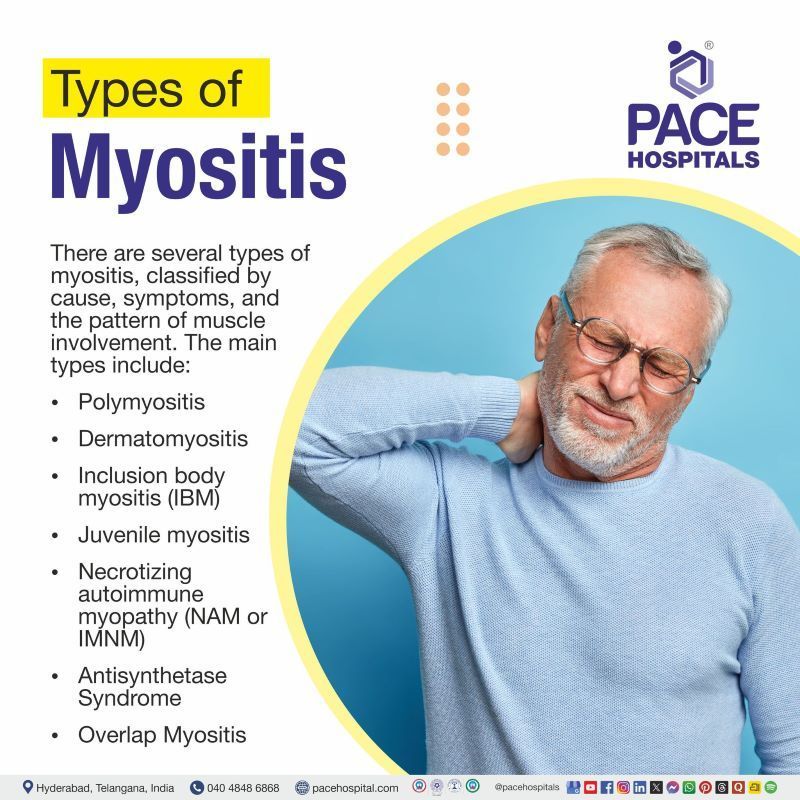
There are several types of myositis, classified by cause, symptoms, and the pattern of muscle involvement. The main types include:
- Polymyositis
- Dermatomyositis
- Inclusion body myositis (IBM)
- Juvenile myositis
- Necrotizing autoimmune myopathy (NAM or IMNM)
- Antisynthetase Syndrome
- Overlap Myositis
Polymyositis
It is an inflammatory muscle disease that causes weakness in multiple muscles, especially those near the trunk, such as the hips, thighs, shoulders, and neck. It usually affects both sides of the body symmetrically. The condition is more common in adults and is believed to be autoimmune in nature.
Dermatomyositis
It involves inflammation of the muscles, along with a distinctive skin rash that typically appears on the face, neck, chest, and knuckles. It causes muscle weakness similar to that seen in polymyositis and may also affect internal organs. This condition can occur in both children and adults and is often autoimmune in origin.
Inclusion body myositis (IBM)
It is a chronic and slowly progressive muscle disorder that usually affects older adults. It causes weakness in both proximal (near the trunk) and distal (farther from the trunk) muscles, particularly in the thighs and forearms. The condition often leads to difficulty walking, gripping, or climbing stairs.
Juvenile myositis
It occurs in children and presents with symptoms such as muscle weakness, fatigue, and a skin rash similar to that seen in dermatomyositis. It can also cause joint pain and calcium deposits under the skin. Early diagnosis and treatment are important to prevent long-term complications.
Necrotizing autoimmune myopathy (NAM or IMNM)
Immune-mediated necrotizing myopathy (IMNM or NAM) is a rare, severe myositis subtype with quick muscle weakness, necrosis, and high creatine kinase levels, often associated to anti-SRP/HMGCR antibodies or statins. It shows minimal inflammation on biopsy and risks permanent damage without prompt intervention.
Antisynthetase Syndrome
It involves anti-synthetase antibodies causing myositis, arthritis, interstitial lung disease (ILD), fever, fatigue, Raynaud's phenomenon, and mechanic's hands rash.
Overlap Myositis
Overlap myositis pairs myopathy with diseases like scleroderma, lupus, or rheumatoid arthritis, adding muscle weakness to skin thickening or joint erosions. Tailored immunosuppression targets both conditions.
Myositis Symptoms
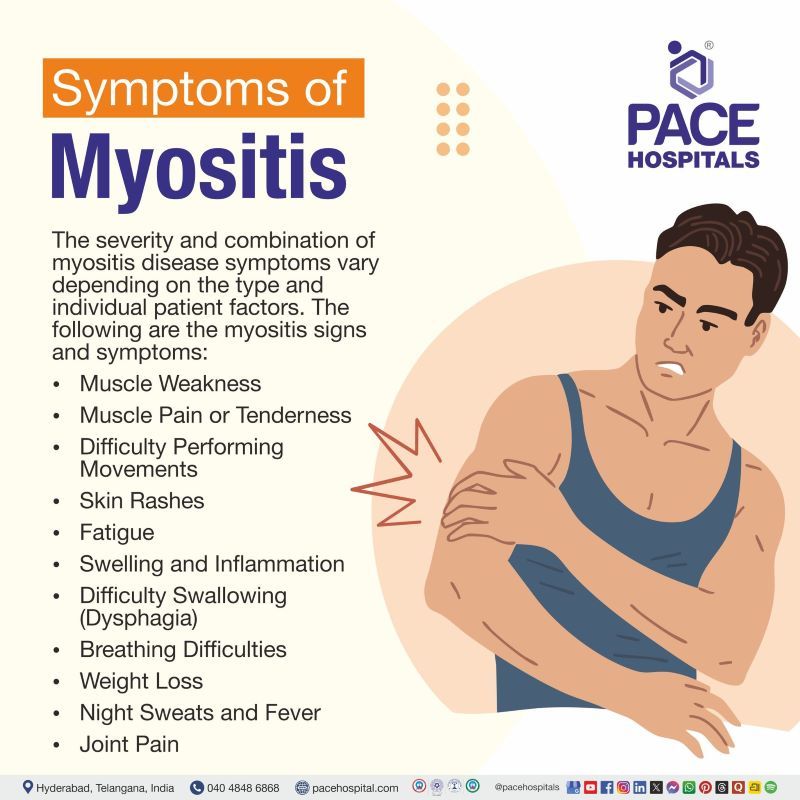
The severity and combination of myositis disease symptoms vary depending on the type and individual patient factors, with some experiencing only mild symptoms and others having more severe muscle and systemic involvement. The following are the myositis signs and symptoms:
- Muscle Weakness
- Muscle Pain or Tenderness
- Difficulty Performing Movements
- Skin Rashes
- Fatigue
- Swelling and Inflammation
- Difficulty Swallowing (Dysphagia)
- Breathing Difficulties
- Weight Loss
- Night Sweats and Fever
- Joint Pain
Muscle Weakness: In myositis, the immune system attacks proximal muscles like the hips, shoulders, and neck, causing gradual weakness. Patients struggle with climbing stairs, rising from chairs, or lifting arms. Elevated creatine kinase levels confirm muscle fiber injury.
Muscle Pain or Tenderness: Autoimmune inflammation injures muscle fibers in myositis, leading to pain and tenderness that worsens with activity. It affects about one-third of patients, often with stiffness. Pain reflects ongoing immune cell infiltration.
Difficulty Performing Movements: Weakness from myositis affects daily tasks like combing hair or gripping objects due to proximal muscle involvement. Distal muscles may affect hand dexterity in some subtypes. This progresses slowly, limiting function.
Skin Rashes: Dermatomyositis features a heliotrope rash on the eyelids and Gottron's papules on the knuckles, both due to skin inflammation. These rashes signal systemic myositis activity and often precede muscle symptoms. They are usually seen on the face and hands.
Fatigue: Chronic inflammation and reduced muscle endurance in myositis lead to profound fatigue, which worsens during flares. It accompanies weakness and systemic effects. Rest does not fully relieve it.
Swelling and Inflammation: Immune infiltration causes muscle swelling, oedema, and tenderness in myositis, as evidenced by elevated creatine kinase levels. It leads to puffiness in proximal areas during active disease. This correlates with flares.
Difficulty Swallowing (Dysphagia): Pharyngeal and esophageal muscle weakness in myositis causes dysphagia, risking choking or aspiration. It requires immediate nutritional assessment. Often linked to neck weakness.
Breathing Difficulties: Respiratory muscle weakness or lung involvement in myositis leads to shortness of breath and cough. Urgent assessment is needed during flares. Diaphragm function may decline.
Weight Loss: Inflammation, poor appetite, and dysphagia in active myositis cause weight loss, signaling flares. High metabolism contributes to systemic activity. It tracks the severity of the disease.
Night Sweats and Fever: Autoimmune flares in myositis can lead to night-time sweating and fever, mimicking infection and elevating enzymes. They are associated with fatigue and weight loss. These indicate systemic inflammation.
Joint Pain: Overlapping arthritis in myositis causes small-joint pain, stiffness and swelling, affecting mobility as in rheumatoid arthritis (RA). It affects hands without full synovitis. It adds to the weakness burden.
Myositis Causes and Risk Factors
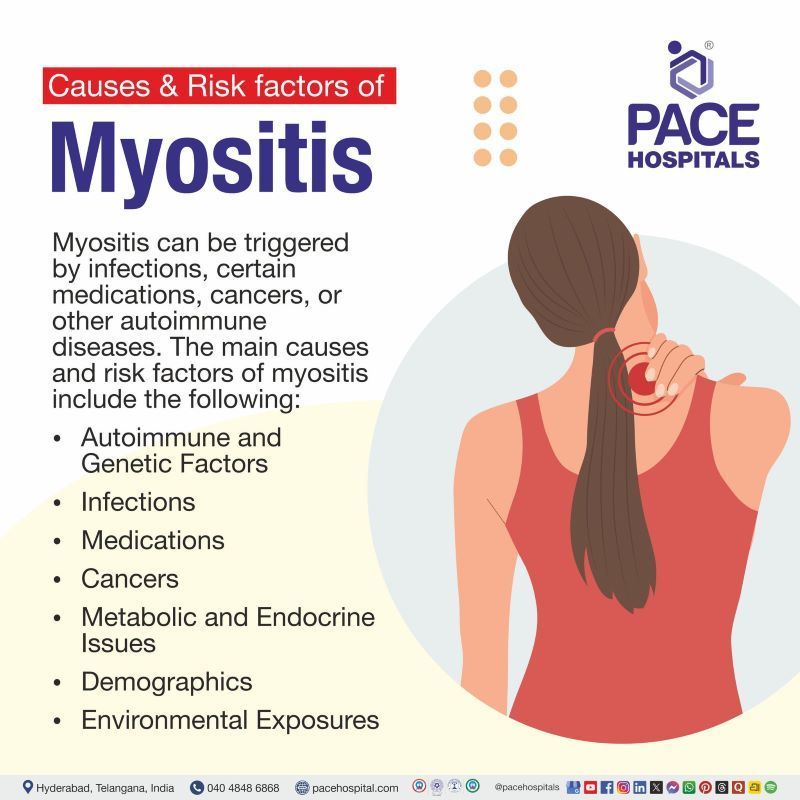
Myositis occurs when the immune system mistakenly attacks healthy muscle tissue, leading to inflammation and muscle damage. This can be triggered by infections, certain medications, cancers, or other autoimmune diseases. The myositis risk factors and causes include the following:
- Autoimmune and Genetic Factors
- Infections
- Medications
- Cancers
- Metabolic and Endocrine Issues
- Demographics
- Environmental Exposures
Autoimmune and Genetic Factors: Autoimmune diseases like lupus or rheumatoid arthritis can make the immune system attack muscles. A family history of autoimmune conditions and certain HLA gene types increases susceptibility, showing a hereditary component.
Infections: Viral, bacterial, fungal, or parasitic infections can directly inflame muscles or trigger immune responses that mistakenly target muscle tissue. These infections can act as a "trigger" in genetically susceptible individuals.
Medications: Certain drugs, like statins and immune-modulating agents, can provoke muscle inflammation or autoimmune necrotizing myopathy. Risk may be higher in people with underlying susceptibility.
Cancers: Some malignancies, particularly lung cancer, are associated to myositis. Muscle inflammation may occur as a paraneoplastic syndrome, sometimes appearing near the time of cancer diagnosis.
Metabolic and Endocrine Issues: Electrolyte imbalances like low potassium or calcium can affect muscle function and trigger inflammation. Endocrine disorders like thyroid disease or diabetes may also contribute to muscle weakness and inflammatory myopathies.
Demographics: Most myositis types are seen in middle-aged group adults, while inclusion body myositis usually affects those individuals who are above 50. Women are generally at higher risk, except for inclusion body myositis, which is more common in men.
Environmental Exposures: Smoking, ultraviolet (UV) radiation, and occupational hazards can interact with genetic predisposition to trigger or worsen myositis. Environmental factors often act as catalysts in susceptible individuals.
Myositis Complications
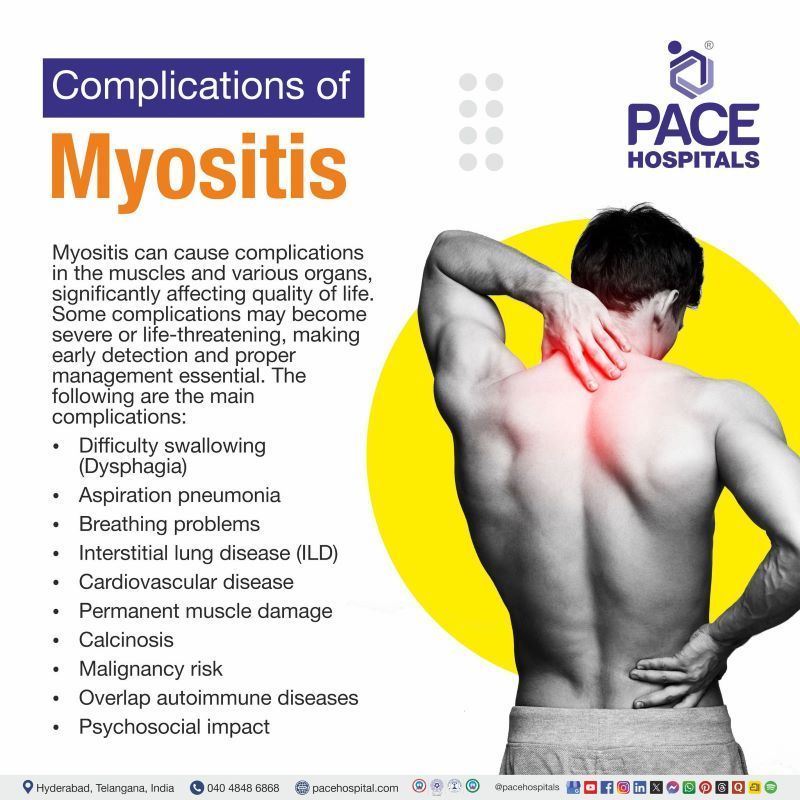
Myositis is a chronic inflammatory muscle disease that can cause complications in the muscles and other organs, often lowering quality of life. Some of these complications can be severe or even life-threatening, necessitating careful management. The following are the main myositis complications:
- Difficulty swallowing (Dysphagia)
- Aspiration pneumonia
- Breathing problems
- Interstitial lung disease (ILD)
- Cardiovascular disease
- Permanent muscle damage
- Calcinosis
- Malignancy risk
- Overlap autoimmune diseases
- Psychosocial impact
Difficulty swallowing (Dysphagia): Muscle inflammation can involve the esophagus, resulting in difficulty swallowing and increasing the risk of choking, aspiration, and malnutrition.
Aspiration pneumonia: Swallowing difficulty may cause food or liquids to accidentally enter the lungs, leading to serious lung infections that may require treatment.
Breathing problems: Weakness of chest and diaphragm muscles impairs breathing, leading to shortness of breath or, in severe cases, respiratory failure.
Interstitial lung disease (ILD): Scarring and inflammation of lung tissue are common in myositis and are major contributors to illness and death among patients.
Cardiovascular disease: Muscle inflammation can involve the heart, leading to conditions like myocarditis, arrhythmias, and heart failure, which can be life-threatening.
Permanent muscle damage: Chronic inflammation may cause muscle tissue to waste away or become fibrotic, leading to lasting weakness and disability.
Calcinosis: Calcium deposits may form in the muscles and skin, particularly in juvenile cases, causing pain and, in some cases, skin ulcers.
Malignancy risk: 12-15% higher risk of cancer (like lung cancer or ovarian cancer in dermatomyositis), often at the same time; needs screening.
Overlap autoimmune diseases: Having other autoimmune diseases can make myositis more severe and harder to treat. Managing it typically needs a personalised treatment approach and ongoing medical monitoring.
Psychosocial impact: Persistent symptoms and disability may cause depression, anxiety, reduced work capacity, and dependence on caregivers.
Myositis Diagnosis
Myositis diagnosis is primarily based on clinical evaluation, including medical history and physical examination, to assess muscle involvement and related features. Below are the steps involved in the diagnosis of myositis:
- Medical history
- Physical examination
- Laboratory tests
- Creatine kinase (CK), also known as creatine phosphokinase (CPK)
- Aldolase, lactate dehydrogenase (LDH)
- Transaminases (AST, ALT)
- Erythrocyte sedimentation rate (ESR)
- Antinuclear antibody (ANA) test
- C-Reactive Protein (CRP)
- Myositis-specific antibody panel
- Electromyography (EMG)
- Nerve Conduction Studies
- Imaging
- Magnetic Resonance Imaging (MRI)
- Muscle Biopsy
Myositis Treatment
Myositis treatment aims to reduce inflammation and help strengthen the muscles. Physical therapy and supportive care are used to maintain movement and prevent further muscle damage. Treatment involves:
- Non-Pharmacological Management
- Pharmacological Management
- Surgical Management (rare)
Non-Pharmacological Management
- Physical Therapy
- Occupational Therapy
- Lifestyle & Supportive Care
- Respiratory Support
Pharmacological Treatment
- First-line Therapy
- Corticosteroids
- Steroid-sparing or Immunosuppressive Agents
- Biologic Agents
- Symptomatic Pharmacological Management
Surgical Management
- Muscle or Tendon Surgery
- Joint Surgery
Why Choose PACE Hospitals?
Expert Super Specialist Doctors
Advanced Diagnostics & Treatment
Affordable & Transparent Care
24x7 Emergency & ICU Support
Myositis Prevention
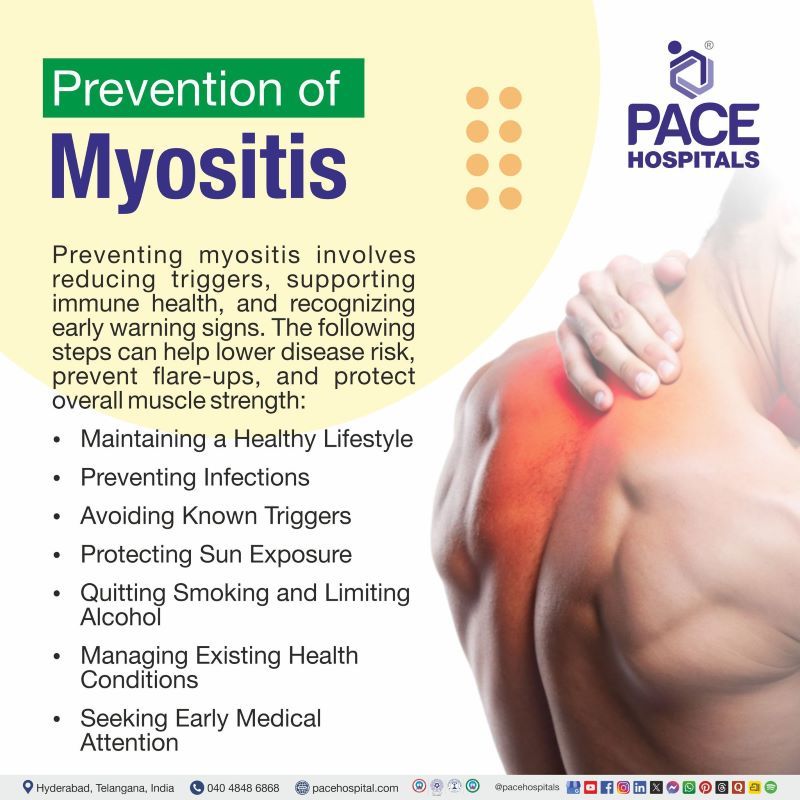
Preventing myositis focuses on reducing potential triggers, supporting immune health, and recognizing early warning signs. The following preventive steps can help reduce the risk of developing the disease, prevent flare-ups, and preserve overall muscle mass:
- Maintaining a Healthy Lifestyle
- Preventing Infections
- Avoiding Known Triggers
- Protecting Sun Exposure
- Quitting Smoking and Limiting Alcohol
- Managing Existing Health Conditions
- Seeking Early Medical Attention
Maintaining a Healthy Lifestyle: Eating a balanced diet rich in protein and nutrients supports muscle health, while regular moderate exercise keeps muscles flexible and strong.
Preventing Infections: Good hygiene, vaccinations, and early treatment of infections help reduce triggers that may lead to inflammation or the onset of myositis.
Avoiding Known Triggers: Reducing exposure to harmful medications, chemicals, and toxins can help prevent drug-induced muscle inflammation and lower the risk of flare-ups.
Protecting Sun Exposure: Using sunscreen and wearing protective clothing helps prevent UV-triggered flare-ups, especially in conditions like dermatomyositis.
Quitting Smoking and Limiting Alcohol: Avoiding smoking and drinking less alcohol helps the immune system work better and lowers inflammation, which can reduce the risk of developing problems.
Managing Existing Health Conditions: Proper control of autoimmune diseases, thyroid disorders, or chronic illnesses reduces the risk of immune overactivity associated with myositis.
Seeking Early Medical Attention: Recognising early symptoms, such as unexplained muscle weakness or skin rashes, and seeking prompt evaluation can help prevent progression.
Difference between Myopathy and Myositis
Myopathy Vs Myositis
Myopathy and myositis are often confused because both cause muscle weakness, but they have different causes, symptoms, and treatments. Understanding these differences helps rheumatologists diagnose and treat them correctly. The table below highlights the key differences between the two conditions:
| Feature | Myopathy | Myositis |
|---|---|---|
| Definition | A general term for any muscle disease | A type of myopathy specifically caused by muscle inflammation. |
| Cause | Can be genetic, metabolic, toxic, endocrine, or inflammatory | Mostly autoimmune; includes conditions such as dermatomyositis and polymyositis |
| Muscle Pain | Usually absent or mild | Often present with pain, swelling, and tenderness |
| CK Levels | Normal or mildly elevated | Typically, significantly elevated due to active muscle inflammation |
| Systemic Involvement | It is usually limited to muscles | May affect skin, lungs, joints, or other organs |
| Treatment Approach | Depends on cause, may include metabolic correction, genetic counseling, or supportive care | Focuses on reducing inflammation using steroids, immunosuppressants, and biologics |
Frequently Asked Questions (FAQs) on Myositis
What is myositis disease?
Myositis refers to a group of idiopathic inflammatory myopathies characterised by chronic (long-term) inflammation of skeletal muscles, leading to muscle weakness and damage. It includes subtypes such as dermatomyositis, polymyositis, necrotizing myopathy, and inclusion body myositis. Diagnosis often requires a muscle biopsy and detection of myositis-specific autoantibodies.
What causes inclusion body myositis?
Inclusion body myositis (IBM) is idiopathic with an uncertain cause. It involves both inflammatory and degenerative changes in muscle fibres, including abnormal protein deposits. Autoimmune T cell responses, particularly CD8+ T cells, play a pathogenic role, but other mechanisms remain under study.
Is myositis contagious?
No, myositis is not contagious. It is an autoimmune condition where the body's immune system attacks its own muscles, resulting in inflammation and weakness, and it cannot be spread from person to person.
Is myositis hereditary?
No, myositis is not directly hereditary, but genetic susceptibility may influence risk. It is primarily an autoimmune disease rather than a genetic one.
What causes myositis?
Myositis is an autoimmune-mediated muscle inflammation in which autoreactive T cells and autoantibodies target muscle fibres. Environmental triggers are suspected but not fully defined.
Can you live a long life with myositis?
With appropriate treatment and management, many patients live a long life despite chronic symptoms. Disease severity and complications vary widely by subtype.
What are the symptoms of myositis?
Symptoms commonly include progressive muscle weakness, especially in proximal muscles, muscle pain, fatigue, and, in some types, skin rashes. Systemic involvement, such as lung inflammation, may occur. Symptoms vary by subtype and severity.
How rare is myositis?
Myositis, including its subtypes, is rare and has a low prevalence in the general population. Inclusion body myositis is less common and typically affects people over 50 years old.
Does inclusion body myositis affect the heart?
While myositis primarily affects skeletal muscle, cardiac involvement is uncommon but possible, manifesting as myocarditis or conduction abnormalities in some cases. Lung involvement is more frequent.
What does myositis disease mean?
Myositis refers to a group of conditions characterized by inflammation of the muscles. The term comes from Greek—“myo” meaning muscle and “itis” meaning inflammation. This inflammation leads to symptoms such as muscle weakness, pain, swelling, and fatigue and can sometimes affect other organs, such as the skin, lungs, or joints.
How does massage lead to myositis ossification?
Myositis ossificans can arise after muscle trauma, sometimes worsened by deep massage. This condition involves abnormal bone formation in the muscle post-injury, not autoimmune myositis.
How do you differentiate growing pains from myositis?
Growing pains are benign, intermittent, and do not cause muscle weakness or inflammation. Myositis presents with persistent muscle weakness, inflammatory signs, and often systemic symptoms.
What are the first signs of myositis?
Initial signs include progressive proximal muscle weakness, difficulty climbing stairs, getting up from a chair, or lifting arms. Muscle pain and fatigue may be early symptoms.
Does stress cause myositis?
Myositis is not caused by psychological or emotional stress. It is an autoimmune disease characterised by the immune system's attack on muscle fibres, leading to inflammation and cellular stress responses within the muscle tissue. While cellular stress pathways within muscle cells (like ER stress) are implicated in the disease process, external mental or emotional stress does not cause myositis.
When to consult a doctor for myositis?
Consult a doctor for myositis if muscle weakness, pain, or fatigue (tiredness) persist for several days, worsen, or start to interfere with everyday activities. Early diagnosis helps prevent muscle damage and chronic(long-term) complications.
Signs that need attention include:
- Difficulty climbing stairs or lifting objects
- Trouble raising arms or getting up from a seated position
- Frequent falls or balance problems
- Painful or tender muscles
- Skin rashes suggestive of dermatomyositis
- Dysphagia (difficulty swallowing) or breathing
A myositis specialist, such as a rheumatologist or neurologist, needs to be consulted if the above symptoms still persist. They can assess the cause and guide the best course of treatment. Seek emergency medical care if you experience severe breathing difficulty, sudden worsening of muscle weakness, or signs of a severe infection, which could indicate rapid disease progression. A specialist can provide the best myositis treatment to control the disease and prevent complications.
Share on
Request an appointment
Fill in the appointment form or call us instantly to book a confirmed appointment with our super specialist at 04048486868
Appointment request - health articles
Recent Articles