Cardiogenic Shock: Symptoms, Causes & Treatment
PACE Hospitals
Written by: Editorial Team
Medically reviewed by: Dr. Seshi Vardhan Janjirala - Consultant Interventional Cardiologist
Cardiogenic shock definition
Cardiogenic shock, also known as cardiac shock, is a life-threatening medical emergency in which the heart suddenly fails to pump enough blood to meet the body’s needs. As a result, vital organs such as the brain, kidneys, and liver do not receive enough oxygen and nutrients. It mostly occurs as a severe complication of a large heart attack, but it can also result from advanced heart failure, severe heart muscle damage, serious heart rhythm disturbances, or mechanical problems of the heart valves or walls.
Cardiogenic shock can be identified by persistently low blood pressure (usually systolic blood pressure below 90 mmHg), signs of poor organ perfusion (such as cold, clammy skin; confusion; reduced urine output), and evidence of reduced cardiac output despite adequate fluid levels. Symptoms may include chest pain, severe shortness of breath, rapid or weak pulse, extreme fatigue, dizziness, altered mental status, and fainting.
Major causes include acute myocardial infarction (heart attack), severe cardiomyopathy, myocarditis, life-threatening arrhythmias, valvular heart disease, and complications such as ventricular septal rupture or papillary muscle rupture. Complications can involve multi-organ failure, kidney injury, respiratory failure, metabolic acidosis, abnormal heart rhythms, and death if not treated urgently.
A
cardiologist or critical care specialist can accurately diagnose and provide emergency treatment for cardiogenic shock.
Cardiogenic shock meaning
The word cardiogenic is derived from two Greek words:
- “cardio”: meaning “heart”
- “-genic”: meaning “produced by” or “originating from”
- “shock”: derives from the Old French choc, meaning “violent impact”, and in medical use refers to acute circulatory failure.
Thus, cardiogenic shock means “shock originating from the heart,” reflecting the condition’s hallmark feature: severe circulatory collapse caused by the heart’s inability to pump enough blood to meet the body’s needs, not due to blood loss or infection.
Incidence of Cardiogenic Shock
Incidence of cardiogenic shock Worldwide
Around the world, cardiogenic shock most often happens after a major heart attack and affects about 5–10% of patients admitted with acute myocardial infarction. In high-income countries, it occurs in about 30–50 people per 100,000 each year, and the numbers have slightly increased due to better diagnosis and an aging population. Even with modern treatment, the death rate remains high at about 30–50%.
Incidence of cardiogenic shock in India
Indian registry data show that cardiogenic shock occurs in approximately 3% to 10% of patients hospitalized with acute myocardial infarction (AMI). Large national datasets such as the National Interventional Council registry (2018) report cardiogenic shock in about 3.3% of PCI cases, while regional STEMI registries like the CSI–Kerala registry report rates around 3–5%.
Types of Cardiogenic Shock
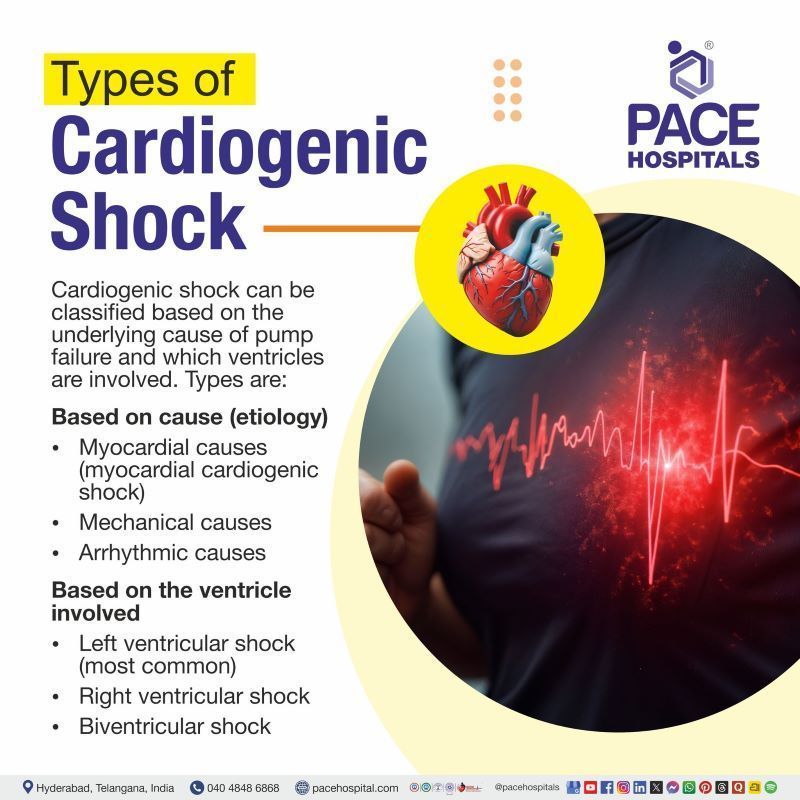
Cardiogenic shock can be classified in different ways depending on the cause of pump failure and which ventricle is involved. These classifications help doctors identify the underlying problem and decide on the most appropriate emergency treatment. The cardiogenic shock classifications are as follows:
Based on cause (etiology)
- Myocardial causes (myocardial cardiogenic shock)
- Mechanical causes
- Arrhythmic causes
Based on the ventricle involved
- Left ventricular shock (most common)
- Right ventricular shock
- Biventricular shock
Based on cause (etiology)
Myocardial causes: Myocardial cardiogenic shock happens when the heart muscle is severely damaged, most commonly due to a large heart attack. The weakened muscle cannot pump enough blood, leading to low blood pressure and poor blood supply to vital organs.
Mechanical causes: Mechanical cardiogenic shock is caused by rapid structural injury to the heart, such as valve or septal rupture, or cardiac tamponade. Although the heart muscle can contract, the structural abnormality hinders effective blood flow, resulting in a dramatic reduction in cardiac output and blood pressure.
Arrhythmic causes: Arrhythmic cardiogenic shock occurs due to severe abnormal heart rhythms. Very fast or very slow heart rates reduce effective blood pumping, leading to decreased cardiac output and signs of shock, even if the heart muscle is structurally normal.
Based on the ventricle involved
Left ventricular shock: Left ventricular cardiogenic shock occurs when the left side of the heart is unable to adequately pump blood, usually as a result of a massive heart attack. This causes blood to back up in the lungs, resulting in shortness of breath and fluid accumulation. At the same time, diminished blood flow to the body causes low blood pressure, inadequate organ perfusion, and shock.
Right ventricular shock: Right ventricular cardiogenic shock occurs when the right side of the heart fails to properly pump blood, which is frequently caused by a right-sided heart attack or excessive lung pressure. This lowers blood flow to the left heart, resulting in lower overall cardiac output. As a result, blood pressure lowers, causing shock.
Biventricular shock: Biventricular cardiogenic shock occurs when both the left and right ventricles fail simultaneously. This may happen in extensive heart damage, advanced heart failure, or severe cardiomyopathy. This leads to severe hypotension, widespread congestion, and a high risk of organ failure, making it a more critical and complex form of cardiogenic shock.
Cardiogenic Shock Pathophysiology
Understanding the pathophysiology is important because it explains how initial heart damage progresses to low blood pressure, poor organ perfusion, and life-threatening complications. The condition follows a series of interconnected mechanisms that create a worsening cycle of pump failure and reduced circulation. Below are the mechanism involving on pathogenesis of cardiogenic shock:
Primary cardiac pump failure
Cardiogenic shock typically begins with substantial heart muscle injury, which is usually caused by a severe heart attack, myocarditis, or progressive heart failure. When a large section of the heart muscle is weakened, it is unable to contract properly, reducing heart contractility and limiting the heart from pumping enough blood forward to nourish the body's organs.
Reduced cardiac output and systemic hypoperfusion
Because the heart’s pumping ability decreases, cardiac output falls. As a result, blood pressure drops and vital organs such as the brain, kidneys, and liver receive less oxygen and nutrients. This poor circulation (hypoperfusion) leads to symptoms such as confusion, low urine output, cold skin, and fatigue. If continued, it causes tissue hypoxia and buildup of lactic acid.
Compensatory neurohormonal activation
To compensate for low blood pressure, the body engages its stress systems. These mechanisms raise the heart rate, constrict the blood arteries, and retain salt and water to keep blood pressure stable. This raises the heart's strain and oxygen demand, weakening the injured cardiac muscle and exacerbating the shock.
Pulmonary congestion and the vicious cycle of organ failure
When the left side of the heart cannot pump blood forward, blood backs up into the lungs, increasing pressure and causing fluid accumulation. This leads to severe breathlessness and reduced oxygen levels. Meanwhile, low blood flow to the heart itself further reduces coronary circulation, causing additional heart damage. This creates a vicious cycle of worsening pump failure, falling blood pressure, and progressive multiorgan dysfunction if not treated urgently.
Cardiogenic Shock Symptoms
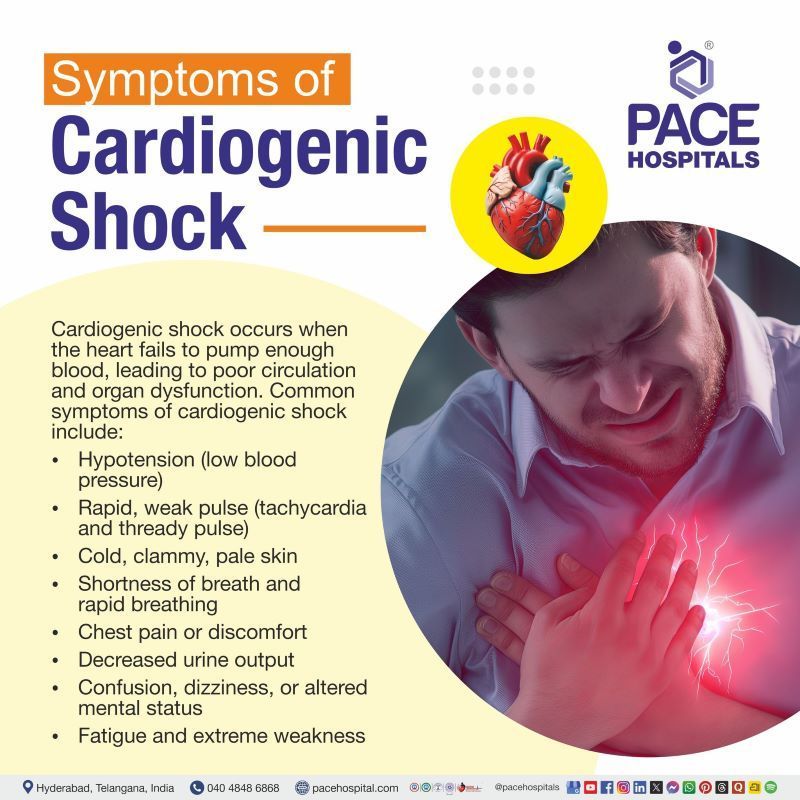
Cardiogenic shock occurs when the heart cannot pump enough blood to meet the body's needs, resulting in poor circulation and organ dysfunction. Early recognition of symptoms is important, as this is a medical emergency. Common signs and symptoms of cardiogenic shock are:
- Hypotension (low blood pressure)
- Rapid, weak pulse (tachycardia and thready pulse)
- Cold, clammy, pale skin
- Shortness of breath and rapid breathing
- Chest pain or discomfort
- Decreased urine output
- Confusion, dizziness, or altered mental status
- Fatigue and extreme weakness
Hypotension (low blood pressure): In cardiogenic shock, the heart is unable to pump blood effectively, leading to a drop in blood pressure. This insufficient pressure means organs like the brain, kidneys, and liver do not receive enough blood and oxygen, which can cause dizziness, fainting, and, if untreated, organ damage.
Rapid, weak pulse (tachycardia with thready pulse): When the heart cannot pump strongly, the body tries to compensate by increasing the heart rate. However, even though the heart beats faster, each beat is weak because of poor pumping ability. As a result, the pulse feels rapid but faint or thready when checked at the wrist or neck.
Cold, clammy, pale skin: When the heart cannot circulate blood properly, the body redirects blood to vital organs like the brain and heart. This reduces blood flow to the skin, causing it to feel cold, appear pale, and become sweaty. These changes are visible signs of reduced circulation.
Shortness of breath and rapid breathing: If blood backs up into the lungs due to poor pumping, fluid can accumulate in the lungs, making it hard to breathe. The body responds by breathing faster to try to get more oxygen, which may also cause a feeling of breathlessness.
Chest pain or discomfort: Chest pain is caused by a heart attack or severe heart injury. It occurs because parts of the heart muscle are not receiving enough blood, which can damage heart tissue and worsen heart function.
Decreased urine output: The kidneys depend on sufficient blood flow to filter waste and produce urine. In cardiogenic shock, reduced circulation limits kidney function, which may result in lower urine output.
Confusion, dizziness, or altered mental status: In cardiogenic shock, inadequate circulation can cause confusion, dizziness, difficulty concentrating, or even fainting. These neurological changes are an important sign that the body is not receiving enough oxygen.
Fatigue and extreme weakness: With poor blood flow and oxygen delivery to muscles and organs, patients feel unusually tired and weak. Even simple activities may become exhausting, reflecting the body’s struggle to maintain essential functions.
Cardiogenic Shock Causes
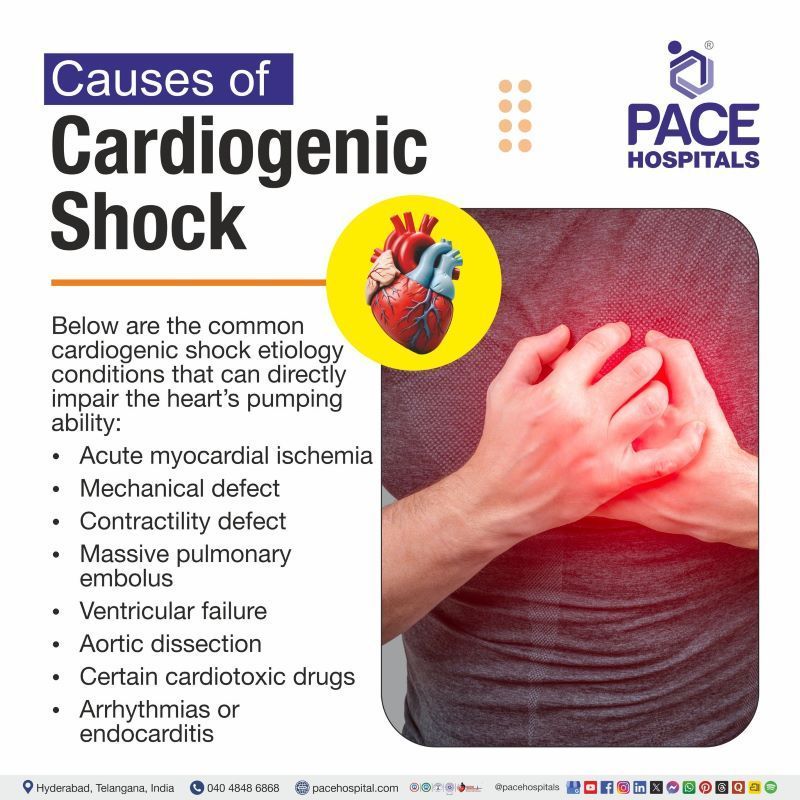
Cardiogenic shock occurs when the heart suddenly fails to pump enough blood to meet the body’s needs. The following are common cardiogenic shock etiology conditions that can directly impair the heart’s pumping ability:
- Acute myocardial ischemia
- Mechanical defect
- Contractility defect
- Massive pulmonary embolus
- Ventricular failure
- Aortic dissection
- Certain cardiotoxic drugs
- Arrhythmias or endocarditis
Acute myocardial ischemia: A sudden blockage of a coronary artery reduces blood flow to the heart muscle, causing oxygen deprivation and weakened contraction. This reduces the heart's ability to pump, resulting in low blood pressure and insufficient blood supply to the organs. If not treated promptly, it might lead to cardiac arrest.
Mechanical defect: This is structural damage to the heart that happens quickly, usually following a major heart attack. Examples include rupture of the ventricular septum, papillary muscle rupture causing severe mitral regurgitation, or free wall rupture. These structural abnormalities interfere with normal blood flow within the heart, impair effective pumping, and rapidly produce decreased cardiac output, resulting in cardiac shock.
Contractility defect: This refers to the inability of the heart muscle to contract with adequate strength. This may occur due to prior heart damage, inflammation, or metabolic disturbances. When the heart cannot generate sufficient force to pump blood effectively, cardiac output decreases, resulting in poor tissue perfusion and signs of cardiogenic shock.
Massive pulmonary embolus: It is a blood clot that blocks one of the pulmonary arteries in the lungs. This blockage increases resistance to blood flow from the right side of the heart, causing sudden strain and possible right ventricular failure. When the right ventricle cannot pump blood forward, overall cardiac output decreases, which may lead to shock.
Ventricular failure: Left ventricular failure is the most common direct cause of cardiogenic shock. When the left ventricle cannot pump blood effectively into the systemic circulation, blood pressure drops, and organs receive inadequate oxygen. In severe cases, both ventricles may fail (biventricular failure), worsening circulatory collapse and leading to shock.
Aortic dissection: Aortic dissection is a life-threatening condition in which there is a tear in the inner layer of the aorta. If the dissection affects the coronary arteries or causes severe aortic valve leakage, it might reduce blood supply to the heart muscle. This reduces cardiac output and may rapidly lead to cardiogenic shock.
Certain cardiotoxic drugs: Certain cardiotoxic drugs, such as some chemotherapy agents or overdose of certain medications (beta-blockers or calcium channel blockers), can directly damage heart muscle cells. This damage weakens the heart’s contractility and may cause acute heart failure. When the heart cannot pump sufficient blood due to drug-induced injury, cardiogenic shock may develop.
Arrhythmias or endocarditis: Severe arrhythmias (such as ventricular tachycardia and total heart block) or infective endocarditis interfere with heart pumping by disrupting rhythm or damaging valves, reducing cardiac output and increasing the risk of cardiogenic shock.
Cardiogenic Shock Risk Factors
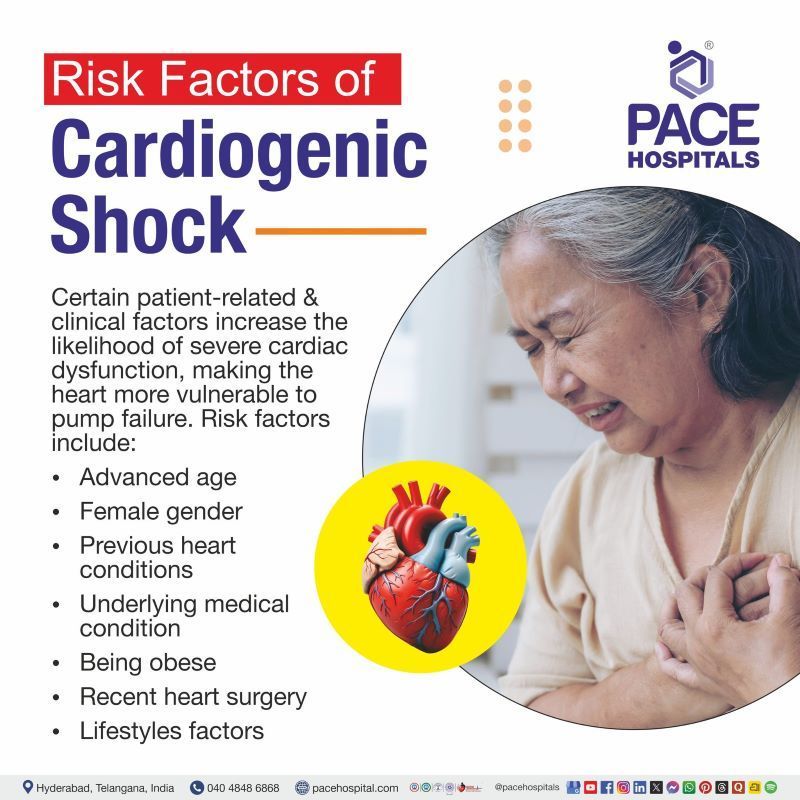
Cardiogenic shock usually develops as a serious complication of acute heart problems, especially after a major heart attack. Certain patient-related and clinical factors increase the likelihood of severe cardiac dysfunction, making the heart more vulnerable to pump failure. The following are important risk factors of cardiogenic shock and how they contribute to its development:
- Advanced age
- Female gender
- Previous heart conditions
- Underlying medical condition
- Being obese
- Recent heart surgery
- Lifestyles factors
Advanced age: Older individuals have a higher risk because the heart muscle and blood vessels naturally lose strength and elasticity with age. Elder patients are more likely to have extensive coronary artery disease and reduced cardiac reserve. When a heart attack or acute cardiac event occurs, the weakened heart may not tolerate the stress, increasing the risk of cardiogenic shock.
Female gender: Women, particularly older women, may present with atypical symptoms of a heart attack, leading to delayed diagnosis and treatment. Studies shown that women have smaller coronary arteries and may experience more complications following myocardial infarction. These factors can increase the severity of cardiac injury and the risk of shock.
Previous heart conditions: A history of coronary artery disease, previous myocardial infarction, heart failure, cardiomyopathy, or valve disease significantly increases cardiogenic shock risk. If the heart is already weakened or scarred, it has less ability to compensate during an acute event.
Underlying medical conditions: Chronic conditions like diabetes, hypertension, chronic kidney disease, and chronic lung disease contribute to vascular damage and cardiac strain over time. These disorders increase the severity of coronary artery disease and reduce the heart’s functional reserve, making cardiogenic shock more likely during acute cardiac stress.
Being obese: Obesity is associated with hypertension, diabetes, dyslipidemia, and coronary artery disease. Excess body mass index (BMI) increases the workload of the heart and contributes to structural and functional heart changes.
Recent heart surgery: Cardiac surgeries, including bypass or valve replacement procedures, temporarily stress the heart. Postoperative complications such as myocardial injury, arrhythmias, bleeding, or infection may impair cardiac output. In high-risk patients, these complications can progress to cardiogenic shock.
Lifestyle factors: Lifestyle habits like smoking, excessive alcohol intake, physical inactivity, and an unhealthy diet contribute to coronary artery disease and heart failure. These behaviours accelerate atherosclerosis and weaken cardiac function over time. When a major cardiac event occurs, individuals with these risk factors are more likely to develop severe pump failure leading to cardiogenic shock.
Complications of Cardiogenic Shock
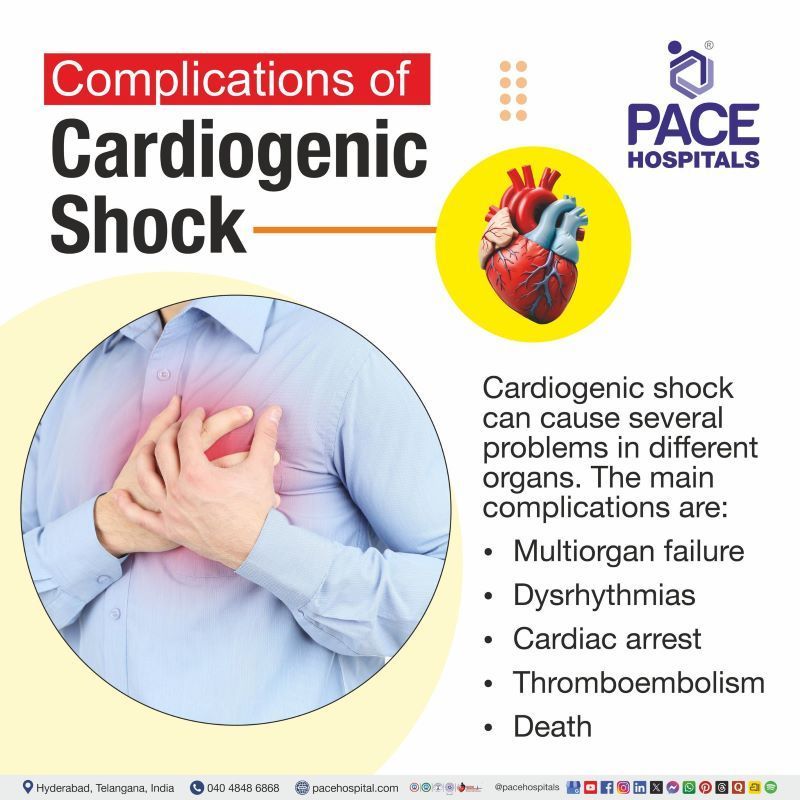
Cardiogenic shock is a serious condition that happens when the heart cannot pump enough blood for the body, often after a major heart attack. This can cause several problems in different organs. The main complications are:
- Multiorgan failure
- Dysrhythmias
- Cardiac arrest
- Thromboembolism
- Death
Multiorgan failure: In cardiogenic shock, the heart pumps much less blood, so vital organs do not get enough oxygen. If this lasts too long, it can cause kidney injury, liver problems, intestinal damage, and eventually failure of several organs. This greatly raises the risk of serious illness and death.
Dysrhythmias: When the heart muscle does not get enough blood and electrolytes are out of balance during shock, the heart's electrical system can be affected. This can lead to dangerous heart rhythms like ventricular tachycardia or ventricular fibrillation. These rhythm problems make the heart pump even less effectively and can worsen shock.
Cardiac arrest: If the heart fails badly, does not get enough blood, or develops dangerous rhythms, it can stop working completely. Cardiac arrest is a very serious complication of cardiogenic shock and requires immediate resuscitation. Without prompt treatment, the chances of survival drop.
Thromboembolism: Lack of blood flow within a poorly contracting ventricle increases the risk of clot formation. These clots can detach and spread to other parts of the body, leading to complications like stroke, pulmonary embolism, or peripheral artery obstruction.
Death: Cardiac shock carries a high mortality rate if not managed promptly. Persistent hypotension, organ failure, and cardiac arrest can increase the risk of death. That is the reason why early recognition and aggressive management are critical to improving survival outcomes.
Cardiogenic Shock Diagnosis
The diagnosis of cardiogenic shock is a medical emergency that requires rapid clinical assessment and prompt confirmation. The diagnosis is based on clinical observations, hemodynamic evidence, and confirmation of heart dysfunction. Below are the diagnostic criteria for cardiogenic shock:
- Medical history
- Physical examination
- Hemodynamic criteria
- Hypotension (SBP < 90 mmHg for > 30 minutes)
- Reduced cardiac index (< 2.2 L/min/m²)
- Elevated filling pressures (e.g., pulmonary capillary wedge pressure > 15 mmHg)
- Laboratory Investigations
- Complete blood count (CBC)
- Cardiac enzymes
- Cardiac troponins T and I
- NP or NT-proBNP (brain natriuretic peptide)
- Arterial blood gas (ABG)
- Serum lactate
- Renal and liver function tests
- Electrolytes
- Electrocardiogram (ECG)
- Imaging studies
- Chest X-ray
- Coronary Angiography
- Echocardiography
- Nuclear scan of the heart (optional)
- Invasive hemodynamic monitoring (Swan-Ganz catheterisation)
Cardiogenic Shock Treatment
Management of cardiogenic shock focuses on restoring adequate circulation, improving cardiac output, treating the underlying cause (most commonly acute myocardial infarction), and preventing organ failure. The following are the treatments for cardiogenic shock:
Non-pharmacological management
- Oxygen therapy and ventilatory support
- Hemodynamic monitoring
- Fluid management
- Mechanical circulatory support
- Intra-aortic balloon pump (IABP)
- Ventricular assist devices (VAD)
- Extracorporeal membrane oxygenation (ECMO)
- Continuous renal replacement therapy (CRRT)
Pharmacological management
- Vasopressors
- Inotropes
- Antithrombotic agents
- Diuretics
- Vasodilators
- Antiarrhythmics
Surgical & procedural interventions
- Revascularization
- Percutaneous coronary intervention (PCI)
- Coronary artery bypass graft (CABG)
- Mechanical repair
- Heart transplantation
Why Choose PACE Hospitals?
Expert Super Specialist Doctors
Advanced Diagnostics & Treatment
Affordable & Transparent Care
24x7 Emergency & ICU Support
Cardiogenic Shock Prevention
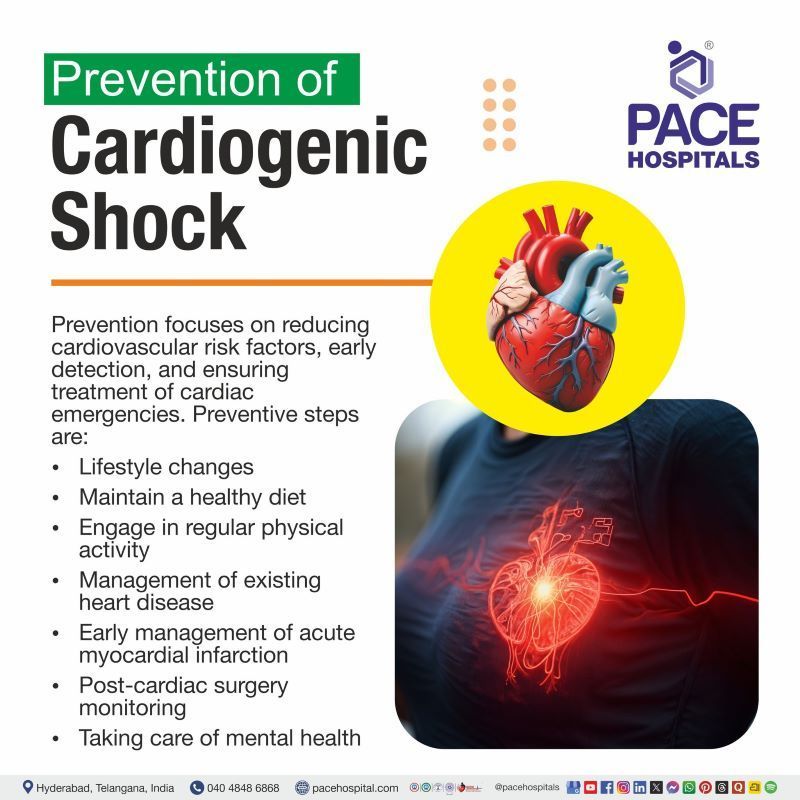
Prevention involves reducing cardiovascular risk factors, identifying heart conditions early, and responding promptly to cardiac emergencies. The following strategies can help lower the risk of cardiogenic shock:
- Lifestyle changes
- Maintain a healthy diet
- Engage in regular physical activity
- Management of existing heart disease
- Early management of acute myocardial infarction
- Post-cardiac surgery monitoring
- Taking care of mental health
Lifestyle changes: Healthy habits help to lower the risk of heart disease. Not smoking, drinking less alcohol, managing stress, keeping a healthy weight, and getting enough sleep all help protect your heart. These steps can slow down heart disease and heart failure, which lowers the risk of cardiogenic shock.
Maintain a healthy diet: A heart-healthy diet low in saturated fats, Trans fats, salt, and processed foods helps control cholesterol levels and blood pressure. Including fruits, vegetables, whole grains, low-fat protein, and healthy fats supports vascular health and reduces plaque buildup in coronary arteries.
Engage in regular physical activity: Moderate physical activity strengthens the heart, improves blood flow, and helps it work more efficiently. Exercise also helps control blood pressure, blood sugar, and weight.
Management of existing heart disease: People with heart failure, coronary artery disease, cardiomyopathy, or valve problems need to follow their treatment plans and see their doctor regularly. Taking medicine as prescribed and keeping up with health checks can slow down the disease and lower the risk of sudden heart problems.
Early management of acute myocardial infarction (AMI): Recognising and treating a heart attack is very important. Fast medical care, like angioplasty or other treatments, can restore blood flow to the heart and limit damage.
Post-cardiac surgery monitoring: After heart surgery, close monitoring helps detect problems such as irregular heartbeats, bleeding, infection, or heart weakness early.
Taking care of mental health: Chronic anxiety, stress, and depression can increase the risk of heart problems because they affect hormones and inflammation. Managing stress with relaxation, counselling, or support can help keep your heart healthier and reduce long-term risk.
Difference between Cardiogenic Shock and Heart Failure
Cardiogenic shock vs Heart failure
Cardiogenic shock and heart failure are two closely similar cardiovascular disorders, although their severity, clinical presentation, and treatment urgency vary greatly. Understanding the distinction between these two conditions is essential for accurate diagnosis, timely intervention, and appropriate treatment planning. The key differences are:
| Parameters | Cardiogenic shock | Heart failure |
|---|---|---|
| Definition | A life-threatening condition where the heart suddenly fails to pump enough blood to maintain adequate circulation and blood pressure. | A chronic or acute condition in which the heart cannot pump blood efficiently to meet the body’s needs, but blood pressure may be preserved initially. |
| Onset | Sudden and acute, often following a large myocardial infarction (MI) or severe cardiac event. | Usually gradual and progressive, though it can acutely worsen (acute decompensated heart failure). |
| Severity | Extremely severe and immediately life-threatening. Requires emergency treatment. | Serious but manageable with long-term treatment and lifestyle changes. |
| Primary cause | Most commonly caused by a large acute myocardial infarction; may also result from mechanical complications or severe arrhythmias. | Caused by long-term conditions such as hypertension, coronary artery disease, cardiomyopathy, or valve disease. |
| Prognosis | High short-term mortality if not treated rapidly. | Variable prognosis: many patients live for years with appropriate treatment. |
Difference between Cardiogenic and Hypovolemic Shock
Cardiogenic shock vs Hypovolemic shock
Both conditions are life-threatening forms of circulatory failure, but they differ fundamentally in their underlying causes and pathophysiology. The table describes the differences between the two conditions:
| Parameters | Cardiogenic shock | Hypovolemic shock |
|---|---|---|
| Definition | A type of shock caused by failure of the heart to pump blood effectively, leading to reduced cardiac output and poor organ perfusion. | A type of shock caused by significant loss of blood or body fluids, resulting in decreased circulating blood volume. |
| Common causes | Large myocardial infarction, severe heart failure, arrhythmias, valve rupture, cardiomyopathy. | Severe bleeding (trauma, surgery), dehydration, burns, vomiting, diarrhea. |
| Cardiac function | Heart muscle function is severely impaired. | Heart function is usually normal initially, but it lacks enough blood to pump. |
| Skin findings | Cold, clammy skin due to poor perfusion. | Cold, pale, clammy skin due to vasoconstriction from volume loss. |
| Treatment focus | Improve heart pumping (inotropes, vasopressors, revascularisation, and mechanical support). | Restore blood volume (IV fluids, blood transfusion, control bleeding). |
| Mortality risk | High if not treated urgently. | High if severe and untreated, but often reversible with rapid volume replacement. |
Frequently Asked Questions (FAQs) on Cardiogenic Shock
What is Cardiogenic Shock?
Cardiogenic shock is a potentially fatal disorder in which the heart fails to pump enough blood to meet the body's needs. It usually happens after a major heart attack, which affects a large percentage of the heart muscle. Because blood flow is reduced, organs like the brain and kidneys do not receive enough oxygen. This results in low blood pressure, weak pulse, breathing difficulty, and reduced urine output. Immediate medical treatment is essential to prevent organ failure and death.
What causes cardiogenic shock?
The most common cause of cardiogenic shock is a major heart attack, especially when a large area of heart muscle is affected. Other causes may include severe heart failure, myocarditis (inflammation of the heart muscle), serious heart rhythm problems, heart valve rupture, or mechanical complications such as a torn heart wall.
How to differentiate cardiogenic and hypovolemic shock?
Cardiogenic shock: Cardiogenic shock occurs due to failure of the heart to pump effectively, most commonly after a myocardial infarction. It is characterised by hypotension, weak rapid pulse, high jugular venous pressure, pulmonary edema with shortness of breath, cold clammy skin, and reduced urine output. Echocardiography (ECG) may show poor ventricular contractility, and this condition worsens with fluid administration.
Hypovolemic shock: This results from severe loss of blood or body fluids such as hemorrhage or dehydration. The heart function is usually normal, but reduced circulating volume leads to hypotension, rapid thready pulse, low jugular venous pressure, clear lungs, cold, pale skin, and decreased urine output. Echocardiography shows normal contractility, and the patient improves with fluid resuscitation.
What is refractory cardiogenic shock?
Refractory cardiogenic shock refers to severe shock that does not improve despite standard medical treatment such as fluids, medications to support blood pressure, and oxygen therapy. In this condition, the heart continues to fail in maintaining circulation, and organs remain poorly supplied with blood. Advanced treatments like mechanical heart support devices (intra-aortic balloon pump or extracorporeal membrane oxygenation) may be required. It carries a very high risk of complications and requires intensive care management.
How long can a person survive after cardiogenic shock?
Survival after cardiogenic shock depends on the cause, severity, and how quickly treatment is started. Without treatment, survival is usually very low due to rapid organ failure. With modern intensive care and early heart attack treatment, hospital survival rates have improved to around 40–60%. Long-term survival depends on heart recovery and overall health.
How does myocardial infarction (MI) cause cardiogenic shock?
A myocardial infarction (heart attack) develops when a coronary artery is stopped, cutting off blood supply to a portion of the heart muscle. If a large area of the heart is damaged, especially the left ventricle, the heart is unable to pump enough blood to meet the body's needs. This severe reduction in pumping ability leads to cardiogenic shock. As circulation fails, organs such as the brain and kidneys receive less oxygen, which can quickly become life-threatening without urgent treatment.
Is cardiogenic shock the same as a heart attack?
No, cardiogenic shock is not the same as a heart attack, although a heart attack is the most common cause. A heart attack refers to damage to the heart muscle due to blocked blood flow. Cardiogenic shock is a serious complication in which the damaged heart cannot pump enough blood to maintain normal blood pressure and organ function. Not all heart attacks lead to shock, but when shock occurs, it requires immediate intensive medical care.
What are the early symptoms of cardiogenic shock?
Early symptoms of cardiogenic shock include:
- Low blood pressure (hypotension)
- Rapid and weak pulse
- Cold, clammy skin
- Dyspnea (shortness of breath)
- Chest discomfort or pain
- Dizziness or lightheadedness
- Confusion or altered mental status
- Extreme weakness or fatigue
- Oliguria (decreased urine output)
Why does blood pressure drop in cardiogenic shock?
Blood pressure depends on how effectively the heart pumps blood and how well blood vessels maintain tone. In cardiogenic shock, the heart’s pumping power is severely reduced due to muscle damage or dysfunction. As cardiac output falls, less blood is pushed into circulation, causing a drop in blood pressure. Although the body attempts to compensate by narrowing blood vessels and increasing heart rate, these measures are often insufficient, leading to persistent low blood pressure and poor organ perfusion.
Can lifestyle changes prevent cardiogenic shock?
Preventing cardiogenic shock involves both lifestyle changes and careful management of medical risk factors. A heart-healthy diet, regular exercise (150 minutes/week), quitting smoking, and limiting alcohol help control blood pressure, cholesterol, and strengthen the heart. Maintaining a healthy body weight, getting adequate sleep, and managing stress through mindfulness or yoga further protect the cardiovascular system. For those with conditions like diabetes or high blood pressure, following prescribed medications and attending regular screenings.
Can cardiogenic shock recur?
Cardiogenic shock can recur, particularly in patients with severe underlying heart disease. Recurrent heart attacks, ongoing heart failure, serious rhythm disturbances, or untreated coronary artery disease increase the risk. Proper treatment of the initial cause, long-term heart medications, lifestyle changes, and close follow-up care significantly reduce the risk of recurrence.
What are the complications of cardiogenic shock?
Cardiogenic shock occurs when the heart cannot pump enough blood to vital organs. If not treated quickly, it can lead to multi-organ failure, including kidney failure, liver damage, and brain injury due to poor blood supply. Life-threatening irregular heartbeats and cardiac arrest may occur. Reduced oxygen delivery can also cause confusion, coma, or permanent neurological damage. Despite modern treatment, mortality remains high in severe cases when associated with large heart attacks.
Is cardiogenic shock common in India?
Cardiogenic shock is uncommon in the general population but is a serious complication of acute myocardial infarction (heart attack). In India, about 5–10% of patients hospitalized with a heart attack develop cardiogenic shock. It often occurs at a younger age (around 58 years) compared to Western countries, frequently due to risk factors such as diabetes, smoking, hypertension, and delays in receiving timely medical care. Mortality remains high (35–50%), particularly when treatment is delayed or access to advanced cardiac care is limited. Early interventions like percutaneous coronary intervention (stents), thrombolysis, or mechanical support devices have improved survival rates.
When to consult a doctor for cardiogenic shock?
Consult a doctor for cardiogenic shock immediately if there are symptoms suggesting a severe heart problem or reduced blood circulation. Cardiogenic shock is a medical emergency and requires urgent hospital care. Signs that indicate the need for immediate medical attention include:
- Severe or persistent chest pain
- Sudden shortness of breath or rapid breathing
- Cold, clammy, or pale skin
- Rapid, weak pulse
- Confusion, dizziness, or fainting
- Very low blood pressure or extreme weakness
If these symptoms appear, it is best to see a cardiogenic shock doctor for an accurate diagnosis and treatment. People with known heart disease should seek urgent evaluation if symptoms suddenly worsen. Immediate care from a cardiologist or emergency physician can provide the right cardiogenic shock treatment to manage symptoms and reduce long-term risks.
Share on
Request an appointment
Fill in the appointment form or call us instantly to book a confirmed appointment with our super specialist at 04048486868
Appointment request - health articles
Recent Articles