How to Prevent Kidney Stones: 5 Simple and Effective Steps
PACE Hospitals
Written by: Editorial Team
Medically reviewed by: Dr. Abhik Debnath - Consultant Urologist, Andrologist & Kidney Transplant Surgeon
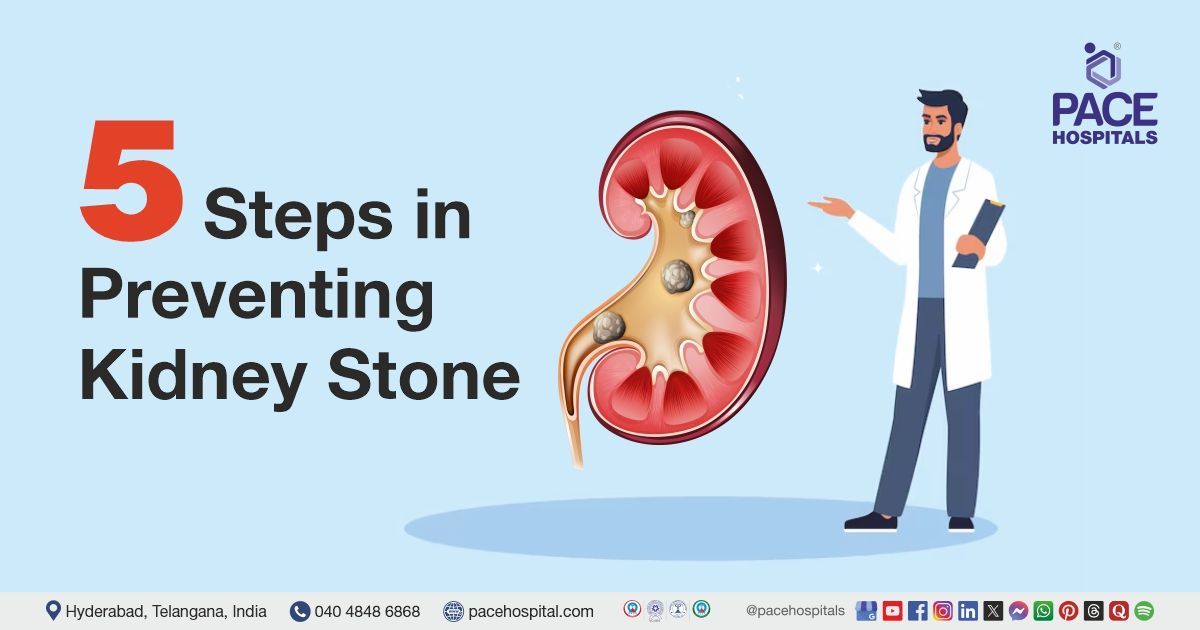
Kidney stones can often be prevented by drinking enough water, limiting sodium intake, balancing calcium intake, and reducing intake of high-oxalate foods. Staying hydrated during daily activities also helps keep minerals from forming crystals in the kidneys. For personalised kidney stone prevention and urology care, PACE Hospitals offers expert evaluation and treatment across Hyderabad.
Understanding Kidney Stones
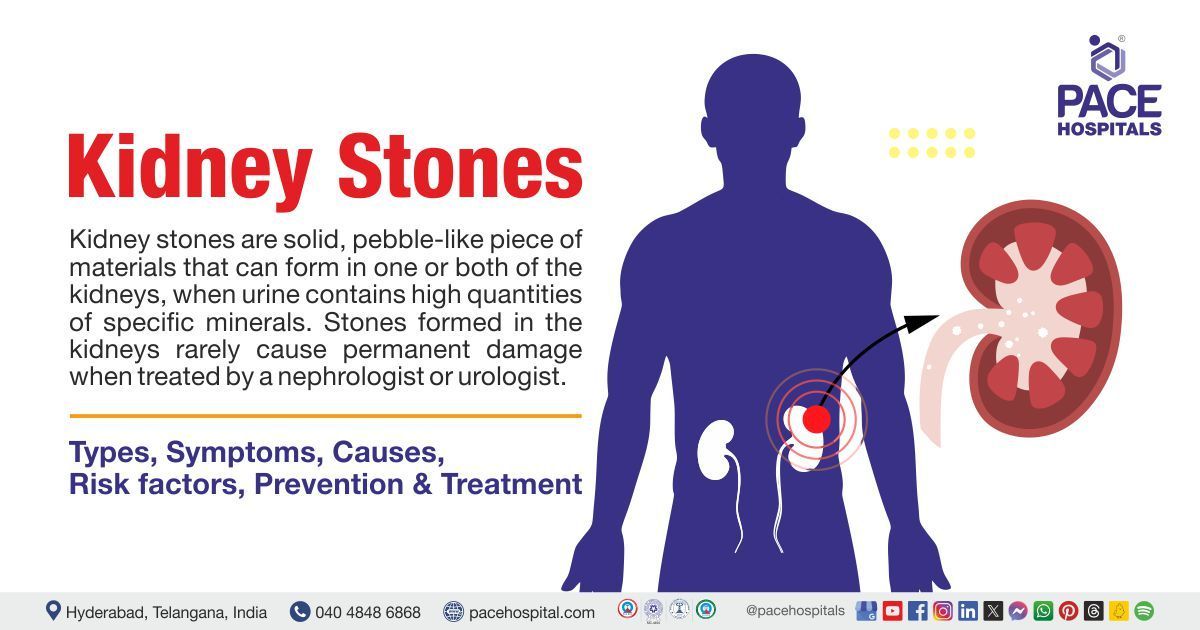
A kidney stone is a hard, crystalline deposit formed when certain substances in the urine, like calcium, oxalate, or uric acid, become concentrated enough to crystallize. These stones can differ in size from a grain of sand to a golf ball.
While small stones may pass unnoticed, larger stones (over 5 mm) can block the urinary tract, leading to:
- Intense, stabbing pain in the flank or abdomen
- Blood in the urine (hematuria)
- Nausea or vomiting
- Frequent urge to urinate
- Pain during urination
Kidney stones are not only painful but also leads to the risk of kidney infection or chronic kidney disease (CKD) if left untreated.
Types of Kidney Stones
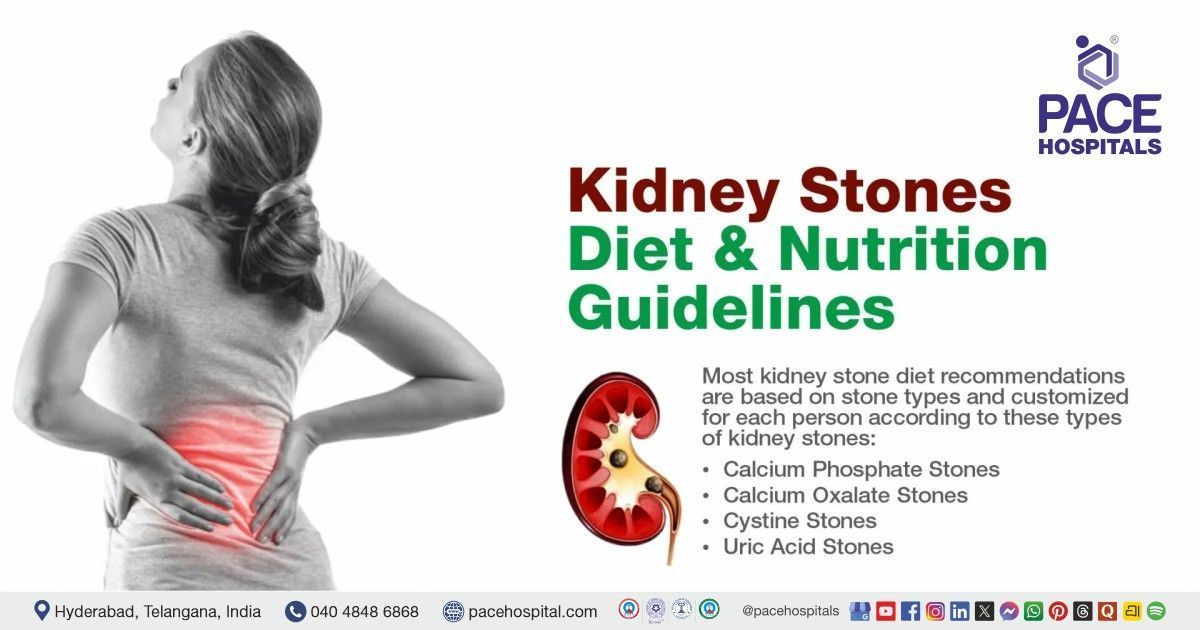
Understanding the type of stone helps tailor prevention strategies:
- Calcium Oxalate Stones - Most common; caused by excess calcium and oxalate in urine.
- Uric Acid Stones - Associated with high protein consumption and dehydration.
- Struvite Stones - Linked to urinary tract infections.
- Cystine Stones - Rare and hereditary, caused by a genetic disorder.
5 Simple Steps to Prevent Kidney Stones
If you’ve ever experienced severe pain in your lower back or side, blood in urine, or pain while urinating, you might have had a kidney stone. Kidney stones are a common yet painful condition affecting millions of people every year. Fortunately, with awareness and the right preventive measures, kidney stones can be largely prevented.
This guide explores five simple, science-backed ways to prevent kidney stones, along with additional lifestyle and dietary recommendations to keep your kidneys healthy.
1. Stay Hydrated — Your Best Defense
Water is the most effective medicine against kidney stones. Staying well-hydrated dilutes urine and prevents the concentration of stone-forming minerals.
How Much to Drink?
Aim to produce at least 2 to 2.5 liters of urine per day — usually achieved by drinking about 8 to 10 glasses (2.5–3 liters) of water daily. If you live in a hot climate or engage in physical activity that causes sweating, you’ll need even more.
Pro Tip:
- Drink water evenly throughout the day — not all at once.
- Include citrus beverages like lemonade or orange juice — they contain citrate, a compound that helps prevent stones by binding calcium in the urine.
- Limit sugary sodas and colas, which can increase stone risk.
Remember: Clear or pale-yellow urine indicates proper hydration, while dark urine is a warning sign of dehydration.
2. Avoid Overexertion and Excessive Sweating
Although regular exercise is good for overall health, extreme workouts, saunas, or hot yoga sessions can lead to excessive sweating without adequate rehydration, reducing urine output and promoting stone formation.
Why It Matters:
When the body loses water through sweat, urine becomes concentrated, increasing the chance of crystal formation.
Smart Exercise Habits:
- Stay hydrated before, during, and after workouts.
- Avoid prolonged exposure to heat without water.
- Balance intense or heavy workouts with lighter activities like walking or swimming.
3. Get Enough Calcium (from Food, Not Supplements)
Contrary to popular belief, low calcium consumption can increase kidney stone risk. The reason behind this is dietary calcium binds with oxalate in the intestine, preventing oxalate from entering the bloodstream and forms stones in the kidneys.
Recommended Intake:
- Adults (19–50 years): 1,000 mg/day
- Adults over 50 years: 1,200 mg/day
Best Sources:
- Milk, yogurt, and cheese
- Fortified plant milks (soy, almond, oat milk)
- Green leafy vegetables (kale, broccoli)
- Tofu, sesame seeds, and almonds
However, calcium supplements should be taken only under medical guidance, as excessive supplementation may raise stone risk.
4. Limit Oxalate-Rich Foods
High levels of oxalate — a natural compound found in many plant-based foods — can bind with calcium to form calcium oxalate stones. While these foods are nutritious, they need to be consumed to a limit.
Common Oxalate-Rich Foods:
- Spinach and beets
- Nuts (especially almonds and cashews)
- Dark chocolate and cocoa
- Tea (especially black tea)
- Sweet potatoes and rhubarb
Tips to Reduce Oxalate Absorption:
- Pair oxalate-rich foods with calcium sources (e.g., spinach with yogurt).
- Stay well hydrated to flush out oxalate.
- Avoid crash diets and high-protein ketogenic diets, which increase acid load in urine.
5. Reduce Sodium Intake
A high-sodium diet raises calcium levels in urine, which can lead to stone formation.
How Sodium Affects the Kidneys:
Too much salt in the body causes the kidneys to excrete more calcium into the urine, in enhancing the likelihood of calcium-based stones.
Dietary Recommendations:
- Limit sodium to 1,500–2,000 mg/day (about 1 teaspoon of table salt).
- Avoid processed and packaged foods like canned soups, chips, and fast or junk foods.
- Add herbs, lemon juice, or spices to flavor food instead of salt.
Cutting down on sodium not only helps prevent kidney stones but also supports heart and blood pressure health.
Foods to Prevent Kidney Stones
Choosing the right foods can play an important role in lowering the chance of kidney stones. The list below includes some of the Best Foods to Prevent Kidney Stones, focusing on options that support hydration, maintain mineral balance, and reduce the buildup of stone-forming substances.
Recommended Foods for Kidney Stone Prevention:
- Citrus fruits (lemons, limes, oranges) – provide natural citrate that helps protect against stone formation.
- Water-rich fruits (watermelon, muskmelon) – help maintain good hydration.Calcium-rich foods (milk, yogurt, cheese) – bind with oxalate in the intestines and naturally reduce stone risk.
- Low-oxalate vegetables (broccoli, cabbage, kale) – safe for regular meals.
- Bananas - offer potassium that helps maintain mineral balance.
- Tomatoes - contain natural citrate and helpful antioxidants.
- Whole grains like oats, barley, and brown rice - support a healthy metabolism.
- Coconut water - helps maintain urine flow and hydration.
Quick Tip: Combining oxalate-containing foods with a calcium source can reduce oxalate absorption and may lower the risk of kidney stones.
Additional Lifestyle Habits That Reduce Kidney Stone Risk
1. Eat a Balanced Diet
Include your diet plan with plenty of fruits, vegetables, and whole grains. Limit red meat and animal protein intake, as it can increase uric acid levels in the body.
2. Maintain a Healthy Weight
Obesity increases the risk of kidney stones and other kidney diseases. Regular exercise and portion control are essential.
3. Avoid Excess Vitamin C Supplements
High doses of vitamin C (ascorbic acid) can increase urinary oxalate levels, especially in men.
4. Regular Check-Ups
If you’ve had kidney stones before, schedule periodic urine and imaging tests. Recurrence is common — around 50% of people develop another stone within 5 years.
When to See a Doctor for Kidney Stones
Seek immediate medical help if you experience any of the following signs related to kidney stones:
- Persistent or severe flank pain
- Blood in urine (reddish or brown urine)
- Vomiting and nausea
- Difficulty urinating or Urinary retention
- Fever and chills (signs of infection)
A urologist may recommend or advise for imaging (like an ultrasound or CT scan), including the lab tests to identify the type of stone and its underlying cause of formation.
Advanced Kidney Stone Care at PACE Hospitals
PACE Hospitals provides well-rounded care for people dealing with kidney stones. Our team offers guidance on prevention, metabolic evaluation, accurate diagnosis, and kidney stone treatment options, including laser stone removal and minimally invasive procedures. At our Hitech City and Madinaguda branches, urologists, nephrologists, and kidney health specialists work together to help patients reduce the risk of stones, manage symptoms, and receive the care they need.
Kidney Stone Prevention Summary: Quick Reference
| Step | Action | Benefit |
|---|---|---|
| 1 | Stay hydrated | Dilutes urine, prevents the risk of crystal formation |
| 2 | Avoid dehydration | Maintains urine flow, reduces risk |
| 3 | Adequate calcium consumption | Prevents oxalate absorption |
| 4 | Limit oxalate-rich foods | Reduces stone-forming minerals |
| 5 | Lessen sodium | Lowers urinary calcium level and protects kidneys |
Habits That Raise Kidney Stone Risk vs Habits That Protect You
Habits That Increase Kidney Stone Risk
| Habit | Why It Increases Risk |
|---|---|
| Not drinking enough water | Concentrated urine leads to crystal formation |
| Eating too much salt | Raises urinary calcium |
| Excess sweating without hydration | Reduces urine volume |
| High oxalate intake without calcium | More oxalate reaches kidneys |
| Drinking sodas or colas | Increases acidity |
Habits That Reduce Kidney Stone Risk
| Habit | Why It Helps |
|---|---|
| Drinking 2.5–3 liters of water daily | Dilutes urine minerals |
| Eating citrus fruits | Citrate prevents stone formation |
| Eating calcium-rich foods | Calcium binds oxalate |
| Low-sodium diet | Reduces urinary calcium |
| Maintaining healthy weight | Reduces recurrence risk |
Related Resources
FAQs on How to Prevent Kidney Stones
What causes kidney stones?
Kidney stones usually develop when substances like calcium, oxalate, or uric acid become too concentrated in the urine, forming crystals that harden into stones.
How much water should I drink daily to prevent kidney stones?
Look forward to producing at least 2 liters of urine per day, which usually means drinking 2.5–3 liters of fluids, depending on climate and activity level.
What foods should I avoid if I have kidney stones?
Limit foods high in oxalate (like spinach, beets, and chocolate), salt, and red meat. Also, cut back on sugary drinks and sodas.
How are kidney stones diagnosed?
Doctors use urine tests, blood tests, and imaging scans (ultrasound or CT) to detect stones and determine their size and type.
When should I see a doctor for kidney pain?
Seek medical attention immediately if you observe severe pain, blood in urine, vomiting, or fever. These could indicate a blocked ureter or infection.
Do kidney stones recur?
Yes, recurrence is common. Preventive measures; proper hydration, diet modification, and regular check-ups, reduce recurrence risk.
Can exercise help prevent kidney stones?
Moderate exercise improves overall kidney function and metabolism, helping prevent obesity and dehydration, both major risk factors.
How to prevent kidney stones naturally?
Kidney stones can be prevented naturally by drinking enough water, limiting salt, reducing oxalate-rich foods, getting calcium from food sources, and including citrus fruits in the diet. Maintaining a healthy weight and avoiding excessive animal protein also helps reduce the risk.
Does beer prevent kidney stones?
No, beer does not prevent kidney stones. It may make you urinate more for a short time, but the alcohol in it can lead to dehydration, which actually increases the chance of stones forming. Choosing water or citrus-based drinks is a much safer option for supporting kidney health.
Can kidney stones go away on their own?
Small kidney stones (less than 5 mm) often pass naturally through urine. Larger stones usually require medication, lithotripsy (shockwave therapy), or surgical removal.
Are kidney stones genetic?
Yes, a family history of kidney stones increases the risk. However, lifestyle and diet play a more significant role in prevention.
Is lemon water good for kidney stones?
Yes. Lemon juice contains citrate, which prevents calcium from binding with oxalate, helping to reduce stone formation.
Can calcium supplements cause kidney stones?
Excessive calcium supplements may increase risk, but dietary calcium from food is protective. Always consult your doctor before supplementing.
Can children get kidney stones?
Yes. Though less common, dehydration, high-salt diets, or genetic factors can lead to stones even in children.
Conclusion
Kidney stones are painful but largely preventable with simple, consistent lifestyle habits. By staying hydrated, eating a balanced diet rich in calcium and low in sodium, and avoiding oxalate-heavy foods,the kidneys functions at their best.
By adopting these five steps and maintaining regular medical check-ups, you can drastically lower your risk of kidney stones, and protect your kidneys for a lifetime.
Remember: Your kidneys quietly keep you healthy - it’s time to return the favor.
Share on
Request an appointment
Fill in the appointment form or call us instantly to book a confirmed appointment with our super specialist at 04048486868
Appointment request - health articles
Recent Articles