
Atherosclerosis Diagnosis, Treatment & Cost
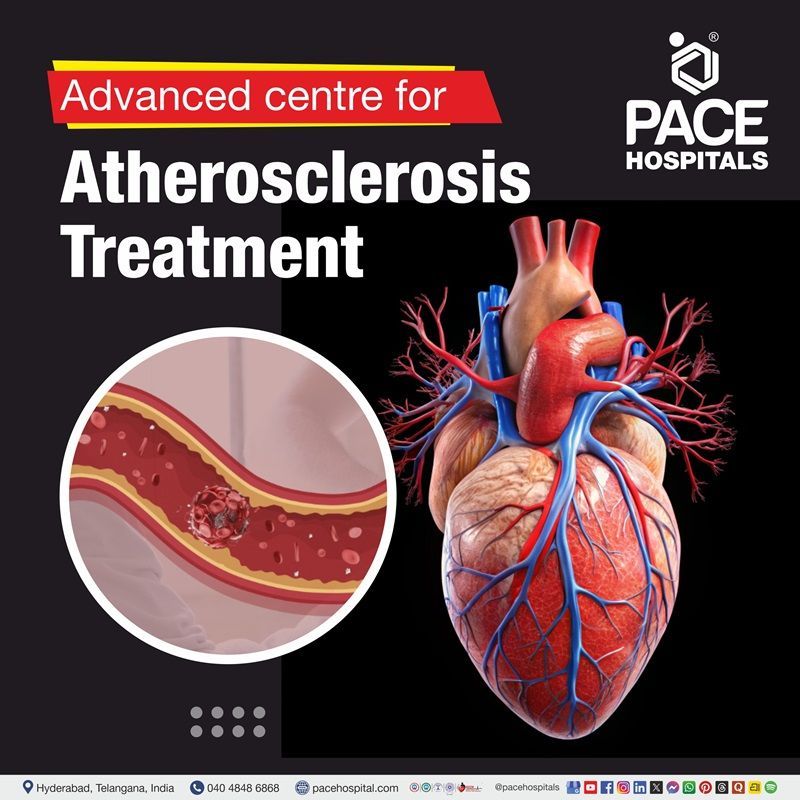
PACE Hospitals offers advanced atherosclerosis treatment in Hyderabad, India, providing comprehensive care for all types of arterial atherosclerosis, including coronary atherosclerosis, aortic atherosclerosis, and diffuse atherosclerosis. Our cardiologists ensure accurate atherosclerosis diagnosis using detailed clinical evaluation, imaging tests, and laboratory investigations, followed by personalized treatment plans for better cardiovascular outcomes.
From early-stage to complex conditions like coronary artery atherosclerosis and its complications, we provide both medical and interventional management with precision and high success rates. Our goal is to slow plaque progression, reduce cardiovascular risk, prevent complications such as heart attack and stroke & improve overall vascular health.
Book Appointment for Atherosclerosis Treatment
Atherosclerosis Treatment Appointment
Why Choose PACE Hospitals for Atherosclerosis Treatment?
Comprehensive Diagnostic Facilities: Lipid profile, ECG, carotid ultrasound, coronary angiography, CT/MRI angiography, and ankle-brachial index (ABI) assessment
Expert Cardiologists in Hyderabad for Complete Atherosclerosis Management
Personalized Atherosclerosis Treatment with Lifestyle Modifications, Statins, Antiplatelet Therapy, Angioplasty & Bypass Surgery
24x7 Cardiac Care & Transparent Atherosclerosis Treatment with Insurance & Cashless Options
Recognized for excellence in healthcare delivery with
NABH, NABL, NBE/DNB, NABH Nursing Excellence, and ISCCM accreditations.
Atherosclerosis Diagnosis
Diagnosis of atherosclerosis depends on factors such as the patient’s medical history, risk factors, presenting symptoms, and physical examination, which help the doctor identify early or advanced arterial disease. A cardiologist primarily evaluates and diagnoses atherosclerosis, especially when it involves the heart and coronary arteries. Depending on the affected blood vessels, neurologists, vascular surgeons, or nephrologists may also be involved in diagnosis and management.
These specialists consider the following factors before selecting appropriate diagnostic tests for atherosclerosis:
- Medical history
- Physical examination
- Screening tests
- Blood pressure check-up
- Record body mass index (BMI)
Medical history
- Medical history plays an important role in diagnosing atherosclerosis because it helps doctors identify risk factors and early warning signs of arterial plaque buildup.
- During history taking, the doctor asks about medical conditions like diabetes, high blood pressure, high cholesterol, obesity, and a family history of heart or vascular disease, all of which increase the likelihood of atherosclerosis.
- The doctor also evaluates lifestyle habits like smoking, poor diet, physical inactivity, and chronic stress, which are also carefully reviewed, as they accelerate arterial damage.
- Patient presented signs and symptoms, including notes such as chest pain, shortness of breath, claudication (pain, cramping, or fatigue in the leg while walking), dizziness, or previous events like a heart attack or stroke, which provide important clues about the location and severity of arterial narrowing.
- By correlating these details, the doctor can assess the probability of atherosclerosis and decide which diagnostic tests are needed for confirmation.
Physical examination
Physical examination allows the doctor to detect signs of reduced blood flow caused by narrowed or hardened arteries. During the examination, the physician may check pulses in the arms and legs, listen for abnormal sounds (bruits) over arteries, and look for physical signs such as cold extremities, poor wound healing, skin colour changes, or swelling.
Screening tests
These tests are used to identify early risk factors for atherosclerosis, often before symptoms appear or in asymptomatic patients.
- Blood pressure check-up: This helps detect hypertension, which damages the arterial walls and accelerates plaque formation. Persistently high blood pressure increases the likelihood of atherosclerotic narrowing in major arteries.
- Record Body mass index (BMI): An individual's body weight helps to evaluate overweight and obesity, both of which are strongly linked to high cholesterol, insulin resistance, and inflammation that promote atherosclerosis.
✅Atherosclerosis Tests
Based on the above information, a cardiologist or vascular specialist advises diagnostic tests to confirm the presence of arterial plaque and to assess possible complications such as arterial narrowing, reduced blood flow, or risk of thrombosis.
The following is the diagnostic evaluation of atherosclerosis:
- Laboratory examinations
- Blood tests
- Lipid profile
- High-sensitivity C-reactive protein (hs-CRP)
- Renal function tests (RFT)
- Fasting blood glucose
- Non-invasive diagnostic tests
- Vascular function tests
- Ankle-brachial index (ABI) test
- Electrocardiogram (ECG/EKG)
- Echocardiogram
- Exercise stress test
- Imaging studies
- Carotid/Doppler ultrasound
- Coronary artery calcium (CAC) score (CT-based)
- Computed tomography angiography (CTA)
- Cardiac magnetic resonance imaging (MR angiography)
- Cardiac positron emission tomography (PET) scanning
- Invasive diagnostic tests
- Conventional angiography
- Genetic testing (selected high-risk cases)
Laboratory examinations
These tests provide important information about metabolic and biochemical abnormalities that contribute to the development and progression of atherosclerosis. These tests are:
Blood tests
- Lipid profile: This test shows that abnormal cholesterol levels are a primary cause of plaque buildup in arteries. Elevated low-density lipoprotein (LDL) cholesterol and triglycerides promote fat deposition within arterial walls, while low high-density lipoprotein (HDL) cholesterol diminishes the body's ability to remove excess cholesterol. An abnormal lipid profile strongly indicates increased risk and progression of atherosclerotic disease.
- High-sensitivity C-reactive protein (hs-CRP): This is a sensitive marker of low-grade systemic inflammation, that is associated with atherosclerosis. Increased hs-CRP levels indicate ongoing arterial inflammation and are linked to a higher risk of plaque rupture, heart attack, and stroke, even in people with normal cholesterol levels.
- Renal function tests (RFT): This helps in diagnosing atherosclerosis by checking how well the kidneys are working, since poor kidney function is often linked with disease in blood vessels throughout the body. When atherosclerosis affects the renal arteries (arteries supplying the kidneys), it can reduce blood flow to the kidneys and lead to abnormal creatinine and urea levels in blood tests. At the same time, chronic kidney disease can itself speed up atherosclerosis because of ongoing inflammation and changes in the body's metabolism.
- Fasting blood glucose / HbA1c: These tests are used to detect diabetes or prediabetes, both of which increase the risk of atherosclerosis. When blood sugar stays high for a long time, it can damage the inner lining of blood vessels, increase inflammation, and speed up plaque buildup inside arteries. HbA1c (glycated hemoglobin) shows the average blood sugar level over the past few months, helping doctors understand long-term damage to blood vessels related to atherosclerosis.
Non-invasive diagnostic tests
These tests help detect arterial narrowing, stiffness, and impaired circulation at an early stage, making them useful for screening and risk assessment. This test mainly contains vascular function tests:
Vascular function tests
- Ankle-brachial index (ABI) test: This test is valuable in identifying atherosclerosis affecting the peripheral arteries. The ABI test compares blood pressure measured at the ankle with blood pressure measured in the arm.
- Lower ankle pressure: Indicates reduced blood flow due to narrowing or blockage of arteries in the legs caused by atherosclerotic plaque.
- Abnormal ABI value: It confirms the presence of peripheral artery disease and reflects the overall burden of atherosclerosis in the body.
Electrocardiogram (ECG / EKG)
An ECG records the electrical activity of the heart. In people with atherosclerosis, narrowed or blocked arteries may reduce blood flow to the heart muscle. This can cause changes in the ECG pattern, especially if there has been reduced oxygen supply or a past silent heart attack. Although an ECG does not directly show artery blockages, it helps doctors detect signs that suggest underlying coronary artery disease and decide if further testing is needed.
Echocardiogram (2D Echo)
An echocardiogram is a test that uses ultrasound waves to create moving images of the heart. In atherosclerosis, where blood flow through the arteries is reduced, the heart muscle may not receive enough oxygen, which can affect how well it contracts. This test can show problems like weak pumping of the heart or abnormal movement of the heart walls due to reduced blood supply. It also helps in checking how well the heart valves are working and gives an overall idea of heart health, which can indirectly suggest narrowing of the arteries.
Exercise Stress Test (Treadmill Test)
This test checks how the heart works during exercise, usually on a treadmill. In atherosclerosis, reduced blood flow during exertion may cause chest discomfort or ECG changes. It helps detect reduced blood supply to the heart due to narrowing or blockage of the coronary arteries.
Imaging studies
- Ultrasound (Doppler): This test uses ultrasound to measure blood flow through the arteries and helps detect narrowing caused by atherosclerotic plaques. It is commonly used to examine the carotid arteries (in the neck), peripheral arteries (in the limbs), and abdominal arteries. The scan can show reduced blood flow, thickening of the artery walls, and the presence of plaque build-up. Because it is safe, simple, and non-invasive, it is often used as a first-line imaging test.
- Coronary artery calcium (CAC) score (CT-based): This is a specialised CT-based test that measures the amount of calcified plaque in the coronary arteries. A high CAC score suggests increased burden of atherosclerosis and a higher risk of heart attack. This test is especially useful for early detection and risk stratification in asymptomatic individuals.
- Computed tomography angiography (CTA): This test, called CT angiography (CTA), creates detailed cross-sectional images of the blood vessels. It helps doctors clearly see plaque build-up (both calcified and non-calcified), narrowing of arteries, and any blockages with high accuracy. CTA is especially useful for checking the coronary arteries (heart vessels), carotid arteries (neck), and peripheral arteries (limbs). It also helps in assessing how severe atherosclerosis is and how much the arteries are affected.
- Cardiac magnetic resonance imaging (MR angiography): This test, called MR angiography (MRA), uses magnetic resonance imaging to evaluate the structure of arteries, blood flow, and the nature of plaque build-up. It helps in assessing atherosclerosis in the major blood vessels of the body. MRA is also especially useful for patients who cannot be given iodinated contrast dye, used in some other scans.
- Cardiac positron emission tomography scanning (PET): This detects reduced blood flow to the heart muscle and identifies metabolically active, inflamed plaques. PET imaging provides functional information about plaque activity and myocardial perfusion and helps to predict the risk of plaque rupture and cardiac events.
Invasive diagnostic tests
Invasive tests are used when non-invasive methods are inconclusive or when detailed visualisation of arterial blockages is required for treatment planning. These tests are:
- Conventional angiography: This is considered the gold standard for diagnosing atherosclerosis. This procedure clearly shows areas of narrowing, blockage, or reduced blood flow caused by atherosclerotic plaques. This is especially useful in coronary artery disease and peripheral artery disease. It also allows for therapeutic interventions such as angioplasty or stent placement.
Genetic testing
This test identifies inherited genetic conditions that increase the risk of cardiovascular disease. It is particularly useful for individuals with early-onset atherosclerosis or a strong family history of heart disease. Early detection enables prompt diagnosis, targeted treatments, and preventive strategies to slow disease progression and reduce complications.
✅Atherosclerosis Stages
These stages show how atherosclerosis develops gradually in the arteries over time. It starts with early lipid deposition in the artery wall, which slowly builds up into plaques. As the disease progresses, plaques may become larger, harder, or unstable and can lead to thrombosis (blood clot formation). The staging helps doctors understand disease severity and how it reduces blood flow, leading to ischemic cardiovascular conditions like a heart attack or stroke.
The following are the stages of atherosclerosis:
Stage 1: Adaptive intimal thickening
This is the first stage of atherosclerosis and is a natural response of the artery wall to stress, which can be elevated blood pressure or changed blood flow. In this stage, smooth muscle cells accumulate in the intimal layer, leading to slight thickening of the arterial wall, while lipids are low or absent.
Stage 2: Early fatty streak
At this stage, LDL cholesterol penetrates the damaged endothelium and accumulates within the arterial wall. After this, immune cells, particularly macrophages, ingest these lipids and become foam cells, forming fatty streaks.
Stage 3: Early fibroatheroma
As atherosclerosis progresses, continued lipid accumulation and inflammation lead to the formation of a lipid-rich necrotic core. Smooth muscle cells produce collagen and extracellular matrix, forming a fibrous cap over the lipid core. This structure, known as a fibroatheroma, causes further thickening of the arterial wall and begins to narrow the vessel lumen.
Stage 4: Advancing atheroma (thin-cap fibroatheroma)
It is 4 stages of atherosclerosis, in which the plaque enlarges, and the fibrous cap becomes thin due to ongoing inflammation and degradation of structural proteins. The necrotic core expands, and the plaque becomes unstable. Causing symptoms that are still mild or absent.
Stage 5: Plaque rupture and thrombosis (advanced stage)
This is the final stage, which occurs when the thin fibrous cap ruptures, exposing the thrombogenic core to the bloodstream. This triggers platelet aggregation and clot (thrombus) formation, which can partially or completely block the artery. Plaque rupture and thrombosis are responsible for acute, life-threatening events such as myocardial infarction, stroke, or sudden cardiac death.
✅Atherosclerosis Differential Diagnosis
The differential diagnosis includes other conditions that can also cause narrowing of arteries, reduced blood flow, or ischemic symptoms similar to atherosclerosis. These conditions may look alike clinically, so they need to be carefully ruled out. This helps ensure the correct diagnosis and proper treatment plan.
Common conditions considered in the diagnosis of atherosclerosis include:
- Coronary artery diseases: This is the most common clinical manifestation of atherosclerosis and therefore closely overlaps with it. However, CAD can also occur due to non-atherosclerotic causes such as vasospasm or congenital anomalies.
- Thromboembolism: This can mimic atherosclerosis by causing sudden arterial blockage and ischemia (Reduced blood flow). Unlike atherosclerosis, which develops gradually, thromboembolic events usually have an acute onset and arise from clots formed elsewhere rather than from progressive plaque buildup.
- Vasculitis: This causes arterial narrowing via inflammation of the vessel wall rather than lipid deposition. It may present with ischemic symptoms similar to atherosclerosis.
- Peripheral arterial spasm: This can cause a temporary decrease in blood flow because the blood vessels suddenly tighten (vasoconstriction). The symptoms may feel similar to peripheral atherosclerosis, but there is an important difference. In this case, the narrowing is not due to fixed plaque blockage; instead, it is due to a short-term arterial spasm that comes and goes. It usually improves with vasodilators, which help relax and widen the blood vessels.
- Aortic dissection or aneurysm-related compression: These conditions can reduce blood flow to major branches of the aorta, producing ischemic symptoms similar to advanced atherosclerosis.
- Coronary artery vasospasm: This causes transient narrowing of the coronary arteries due to smooth muscle contraction. It can cause chest pain and ECG changes similar to atherosclerotic coronary disease.
- Dilated cardiomyopathy (DCM): This is generally presented with heart failure and reduced cardiac output, mimicking ischemic heart disease.
- Hypertensive heart disease: This leads to myocardial thickening and impaired relaxation due to long-standing high blood pressure, causing symptoms such as chest pain or breathlessness that may resemble coronary atherosclerosis.
- Pulmonary embolism (PE): Pulmonary embolism (PE) can cause sudden chest pain, shortness of breath, and unstable blood circulation. These symptoms can look similar to acute coronary events caused by atherosclerosis, making it important to differentiate between the two conditions quickly.
- Right ventricular infarction: This may present with hypotension, chest pain, and shock, similar to severe coronary atherosclerosis.
Considerations of a cardiologist before treating atherosclerosis
Cardiologists consider several key clinical and investigative factors before treating atherosclerosis are:
- Overall cardiovascular risk profile: Doctors first assess age, gender, smoking status, diabetes, blood pressure, cholesterol levels, and family history. These factors together estimate the patient’s risk of heart attack or stroke and determine how aggressive treatment needs to be.
- Severity and location of atherosclerosis: The amount of plaque buildup and the specific arteries involved are carefully assessed. Imaging tests help doctors identify whether the disease is stable or if there are advanced, high-risk plaques that have a higher chance of rupturing and causing serious complications.
- Plaque stability and risk of complications: A cardiologist considers whether plaques appear stable or prone to rupture and clot formation. Thin-cap, inflamed plaques increase the risk of sudden heart attacks and strokes.
- Co-existing medical conditions: Conditions such as chronic kidney disease (CKD), heart failure, liver disease, or bleeding disorders, which can influence drug choice, dosage, and procedural decisions. Treatment is tailored to balance benefit with safety.
- Patient-specific factors and treatment feasibility: Lifestyle, medication tolerance, adherence potential, and patient preferences are important. Studies show long-term outcomes improve when treatment plans align with individual capacity for lifestyle change and follow-up.
Atherosclerosis Treatment Goals
The goals of atherosclerosis treatment are:
- Stopping or reversing plaque buildup: Treatment aims to slow or halt the buildup of fatty plaques in arteries by controlling cholesterol, blood pressure, diabetes, and lifestyle risk factors. Medicines and healthy lifestyle changes reduce vessel inflammation, stabilise plaques, and lower the chance of plaque rupture.
- Relieving symptoms: By improving blood flow to the affected organs, treatment reduces symptoms of chest pain, leg pain while walking, and shortness of breath.
- Preventing life-threatening complications: Effective treatment reduces the chance of a heart attack, stroke, or abrupt vascular blockage. Long-term medication use and prompt procedures help to avoid blood clot formation and protect vital organs.
Need clarity on atherosclerosis diagnosis or treatment options? Get a free second opinion today.
At PACE Hospitals, we are committed to providing our patients with the best possible care, and that includes offering second medical opinions with super specialists for treatment or surgery. We recommend everyone to get an expert advance medical second opinion, before taking decision for your treatment or surgery.
As outlined in management considerations, treatment of atherosclerosis is determined by disease severity, symptom burden, and the presence of complications. Several therapeutic options are available for patients with atherosclerotic disease. The most common interventions include lifestyle modification, pharmacological therapy, and revascularisation procedures. Treatment includes:
- Non-pharmacological treatment of atherosclerosis
- Lifestyle modification
- Regular physical activity
- Weight reduction
- Stress management
- Pharmacotherapy of atherosclerosis
- Lipid-lowering therapy
- Antiplatelet therapy
- Blood pressure control
- Glycemic control
- Antianginal therapy
- Vasodilators
- Thrombolytic medicines
- Surgical management of atherosclerosis
- Percutaneous coronary interventions (PCI)
- Coronary artery bypass grafting (CABG)
- Coronary endarterectomy
- Carotid endarterectomy
Non-pharmacological treatment of atherosclerosis
Lifestyle modification
Lifestyle modification is important for treating atherosclerosis because the disease is strongly linked to unhealthy habits such as poor diet, physical inactivity, smoking, and chronic stress. Improving lifestyle factors helps slow plaque progression, stabilise existing plaques, reduce inflammation, and lower the risk of heart attack and stroke.
Regular physical activity
This can improve blood circulation, lowers LDL (bad) cholesterol, raises HDL (good) cholesterol, and enhances insulin sensitivity. Exercise also helps control blood pressure and reduces inflammation within blood vessels.
Weight reduction
Managing weight means reducing extra body fat, which is linked to problems like inflammation, insulin resistance, high cholesterol, and high blood pressure. When body weight goes down, cholesterol (lipid) levels improve, and blood sugar becomes easier to control. It also reduces the pressure on the heart, helping it work more easily. Overall, it supports a healthier heart and blood vessels.
Stress management
Stress management helps control the release of stress hormones such as cortisol and adrenaline, which can raise blood pressure, increase heart rate, and promote unhealthy behaviours like overeating and smoking.
Pharmacotherapy of atherosclerosis
Lipid-lowering therapy
This is the main part of atherosclerosis management because excess LDL cholesterol is a key driver of plaque formation. Medications such as statins reduce LDL cholesterol levels, decrease vascular inflammation, and help stabilise existing plaques.
Antiplatelet therapy
Antiplatelet medicines reduce the "stickiness" of platelets in the blood, so they do not easily clump together to form clots. In atherosclerosis, fatty plaques can build up in arteries and may sometimes crack or rupture, resulting in sudden clot formation that can block blood flow. By preventing this clot formation, these medicines help lower the risk of serious events like heart attack and stroke. They are commonly used in people with narrowed or diseased arteries to support smoother blood flow and reduce long-term cardiovascular risk.
Blood pressure control
Hypertension (high blood pressure) increases pressure on the artery walls, which can speed up the formation of atherosclerotic plaques and make them more likely to rupture. Keeping blood pressure under control reduces this stress on the blood vessels, lowers the workload on the heart, and decreases the risk of serious complications such as heart attack and stroke.
Glycemic Control
Managing blood sugar levels is important in preventing further complications of atherosclerosis. High blood sugar can speed up plaque buildup in the arteries, increasing the risk of heart disease and stroke. By keeping blood sugar under control through lifestyle changes and medications, damage to the blood vessels can be slowed down.
Antianginal Therapy
Antianginal therapy helps control chest pain caused by atherosclerosis. Medications like nitrates, beta-blockers, and calcium channel blockers work by improving blood flow to the heart and easing its workload. This treatment helps reduce angina and can improve overall heart health.
Vasodilators
These medicines help by relaxing and widening the blood vessels, which improves blood flow to organs affected by narrowed arteries. Vasodilators do not remove the plaque buildup inside arteries, but they help improve blood flow around it. By doing this, they increase oxygen supply to tissues and reduce symptoms such as chest pain (angina).
Thrombolytic medicines
These medicines are used in emergency situations when atherosclerotic plaque ruptures and causes a sudden blood clot that blocks blood flow. They work by dissolving the already formed clot and restoring blood circulation. They are commonly used in serious conditions like acute myocardial infarction (heart attack) or ischemic stroke, where quick restoration of blood flow is needed to prevent damage to the heart or brain.
Atherosclerosis treatment surgery
Percutaneous coronary interventions (PCI)
PCI is a catheter-based procedure used to reopen coronary arteries narrowed by the deposition of atherosclerotic plaque. This reduces chest pain and, in heart-attack settings, can quickly restore blood flow and limit heart muscle damage.
Coronary artery bypass grafting (CABG)
Coronary Artery Bypass Graft (CABG) surgery is used to treat advanced atherosclerosis in the heart arteries. In this procedure, a new pathway (bypass) is created for blood to flow around the severely blocked coronary arteries. This helps improve the oxygen supply to the heart muscle, reduces symptoms like chest pain, and improves overall survival and heart function.
Coronary endarterectomy
It is a surgical procedure in which the hardened atherosclerotic plaque is directly removed from inside a coronary artery. This is usually done when the plaque is widespread (diffuse) and cannot be effectively treated with stents or bypass surgery alone.
Carotid endarterectomy
This surgery treats atherosclerosis in the carotid arteries, which supply blood to the brain. By surgically removing plaque deposits, this procedure minimises the risk of stroke in patients with carotid artery narrowing, especially those who have symptoms such as transient ischemic attacks.
Atherosclerosis Prognosis
The prognosis for atherosclerosis is generally very good when detected early and managed with medical therapy and lifestyle changes. Early intervention can effectively slow, stop, or partially regress plaque buildup. However, the prognosis worsens if the disease is left untreated until it reaches end-organ stages. Many people remain asymptomatic for years and are discovered to have atherosclerosis during a life-threatening event like a heart attack or stroke.
Atherosclerosis Treatment Cost in Hyderabad, India
The cost of Atherosclerosis Treatment in Hyderabad generally ranges from ₹30,000 to ₹3,00,000 and above (approx. US $360 – US $3,610).
The exact cost of atherosclerosis treatment depends on the severity of the condition, the affected arteries (coronary, carotid, or peripheral), and the treatment approach (lifestyle modifications, medications, or surgical interventions). Non-surgical treatments like medications (statins, blood thinners), lifestyle changes, and monitoring are generally more affordable, while surgical treatments such as angioplasty, stenting, or bypass surgery tend to cost more. Additional factors such as diagnostic tests (ECG, angiography, CT scan), hospital stay, and post-treatment rehabilitation can also influence the overall cost. Availability of cashless treatment options, TPA corporate tie-ups, and insurance assistance may also impact treatment expenses.
Cost Breakdown According to Type of Atherosclerosis Treatment
- Lifestyle Modifications & Medications – ₹30,000 – ₹60,000 (US $360 – US $720)
- Non-Invasive Treatments (Medications & Monitoring) – ₹40,000 – ₹1,00,000 (US $480 – US $1,205)
- Angioplasty and Stenting (For Coronary Arteries) – ₹1,50,000 – ₹3,00,000 (US $1,805 – US $3,610)
- Bypass Surgery (CABG – Coronary Artery Bypass Grafting) – ₹2,00,000 – ₹5,00,000 (US $2,410 – US $6,020)
- Carotid Artery Surgery (For Stroke Prevention) – ₹1,00,000 – ₹2,50,000 (US $1,205 – US $3,010)
- Peripheral Artery Disease Surgery – ₹1,50,000 – ₹3,00,000+ (US $1,805 – US $3,610+)
Frequently Asked Questions (FAQs) on Atherosclerosis
What is the best treatment for atherosclerosis?
The best treatment is a long-term plan that lowers heart attack and stroke risk. Important steps are stopping smoking, a heart-healthy diet, regular activity, and weight control, as well as control of blood pressure and diabetes. Statins are first-line because they lower LDL (“bad”) cholesterol and reduce events in very high-risk disease. Antiplatelet therapy is used in established disease when the benefits outweigh the bleeding risk.
What dietary factors may decrease risk for atherosclerosis?
To lower the risk of atherosclerosis, focus on a healthy diet with:
- Plenty of fruits, vegetables, and whole grains
- Healthy fats like those from olive oil, nuts, and fish
- Lean proteins, such as chicken or legumes
- Avoiding trans fats and cutting back on saturated fats (found in processed foods and fatty meats)
- Limiting salt and sugary foods, which can raise blood pressure and increase risk.
What is the success rate of atherosclerosis surgery?
The success of atherosclerosis surgery depends on the type of procedure and how severe the condition is. For surgical treatments like bypass surgery or stent placement, the success rate is generally high, especially when performed by experienced surgeons. However, surgery is a last option after lifestyle changes or medication are not effective enough. Most patients recover well and can lead normal lives with proper aftercare.
What are the early signs of atherosclerosis?
Early stages of atherosclerosis usually do not cause clear symptoms, which is why it can go unnoticed for years. When signs do appear, they are usually mild and depend on which arteries are affected. People may experience chest discomfort or tightness if the heart arteries are involved, leg pain or cramping during walking, or fatigue and reduced exercise tolerance.
Other early warning signs can include high blood pressure, slightly elevated cholesterol levels, and general symptoms like shortness of breath or dizziness. Because these signs are often non-specific and develop slowly, atherosclerosis is frequently detected only after it has progressed or caused complications such as a heart attack or stroke.
Which Is the best Hospital for Atherosclerosis Treatment in Hyderabad, India?
PACE Hospitals, Hyderabad, is a trusted centre for the diagnosis and management of atherosclerosis and related cardiovascular diseases.
We have highly experienced cardiologists, vascular surgeons, and interventional radiologists who follow evidence-based treatment protocols for atherosclerosis, focusing on medication, lifestyle modification, and advanced surgical interventions like angioplasty, stenting, and bypass surgery.
We provide excellent facilities including state-of-the-art diagnostic imaging (angiography, CT, ultrasound), cutting-edge stent and surgical technologies, and dedicated cardiovascular care units (CCU), PACE Hospitals ensures comprehensive and patient-centred treatment for atherosclerosis.
What Is the cost of Atherosclerosis Treatment at PACE Hospitals, Hyderabad?
At PACE Hospitals, Hyderabad, the cost of atherosclerosis treatment typically ranges from ₹25,000 to ₹2,50,000 and above (approx. US $300 – US $3,010), making it an affordable and competitive option for cardiovascular care in Hyderabad. However, the final cost depends on:
- Type of atherosclerosis (coronary, carotid, or peripheral artery)
- Severity and stage of the condition (mild vs. severe)
- Type of treatment required (medication, angioplasty, surgery)
- Diagnostic tests (ECG, angiography, CT scan, ultrasound)
- Duration of hospital stay and ICU care
- Post-treatment rehabilitation and follow-up care
For early-stage atherosclerosis with lifestyle changes and medications, treatment costs remain at the lower end, while advanced cases requiring angioplasty, stenting, or surgery may fall toward the higher range.
After a detailed cardiovascular evaluation, imaging, and risk assessment, our specialists provide a transparent cost estimate tailored to the patient’s condition and treatment needs.
Looking for the best Atherosclerosis Treatment Hospital Near Me?
If you’re searching for the top atherosclerosis treatment hospital near me in areas like HITEC City, Madhapur, Kondapur, Gachibowli, Kukatpally, or KPHB, it is important to choose a hospital with experienced cardiologists, vascular surgeons, and access to advanced diagnostic and treatment technologies.
Effective atherosclerosis treatment requires:
- Early diagnosis through imaging (angiography, CT scan, ultrasound)
- Medications to manage cholesterol, blood pressure, and clotting factors
- Surgical intervention (angioplasty, stenting, bypass surgery) when needed
- Post-surgery rehabilitation and lifestyle management
At PACE Hospitals, Hyderabad, we provide comprehensive care with a multidisciplinary approach, ensuring optimal outcomes and reduced risk of cardiovascular complications.
How is atherosclerosis diagnosed?
Atherosclerosis is diagnosed by combining a patient's risk factors, symptoms, and tests that check for narrowing of the arteries. Doctors first take a detailed medical history and assess conditions like hypertension, high cholesterol, and diabetes, along with a physical examination. Blood tests are also done to evaluate cholesterol and sugar levels. Non-invasive tests such as the ankle-brachial index (ABI) help detect reduced blood flow in the leg arteries, carotid ultrasound is used to identify plaque in the neck arteries, and coronary artery calcium scoring on a CT scan helps estimate the amount of plaque in the heart arteries.
Can atherosclerosis be reversed with exercise?
Exercise alone can't completely reverse atherosclerosis, but it helps slow and partly reverse plaque buildup. Regular moderate activity, like brisk walking or swimming for 30 minutes daily, improves blood flow, lowers bad cholesterol, and reduces artery wall thickness.
How to reduce atherosclerosis?
The goal of reducing atherosclerosis is to lower LDL cholesterol and total risk. Important steps include quitting smoking, following a Mediterranean-style diet (vegetables, fruits, whole grains, legumes, fish, and unsalted nuts), reducing saturated and trans fats, and engaging in physical activity on a daily basis. Managing underlying medical conditions and body weight is also important.
Do statins reverse atherosclerosis?
Statins (atherosclerosis drugs) help to lower bad cholesterol and can partially reverse atherosclerosis by shrinking the size of the plaque. They also aids to stabilise artery walls to prevent rupture that causes heart attacks. They work best with diet and exercise. Doctors use them as first-line drugs for most patients.
Are atheroma and atherosclerosis the same?
An atheroma is the actual fatty plaque (a build-up of cholesterol, inflammatory cells, and fibrous tissue) inside an artery wall. Atherosclerosis is the disease process in which these plaques form, grow, and can harden or rupture, leading to narrowed blood flow or clots. They are closely related but not the same.
What is atherosclerosis of the aorta?
Atherosclerosis of the aorta means plaque build-up in the body’s largest artery. It can stay silent for years, but large or unstable plaques may be linked with serious problems such as stroke or embolism (plaque material or clot travelling to smaller arteries). It is often detected incidentally on imaging or by specialised ultrasound from the esophagus in selected cases.
How does alcohol cause atherosclerosis?
The effect of alcohol depends on how much and how often it is consumed. Excessive or binge drinking can raise blood pressure and triglyceride levels, increase oxidative stress, and promote inflammation, all of which can damage the inner lining of blood vessels and encourage plaque formation. Alcohol can also contribute to weight gain and disturb sleep and blood sugar control in some people, which indirectly increases the risk of atherosclerosis and related heart problems.
What is the role of lipid profile in the diagnosis of atherosclerosis?
A lipid profile blood test measures total cholesterol, LDL, HDL, and triglycerides. High LDL and low HDL signal a higher atherosclerosis risk as they fuel plaque growth. Doctors use it with other tests, like ultrasounds, for a complete diagnosis.
How does coronary artery calcium scoring aid in diagnosis?
Coronary artery calcium (CAC) scoring uses a low-dose CT scan to measure calcified plaque in coronary arteries.
- More calcium generally means more plaque and a higher future risk of a heart attack.
- A CAC score of 0 suggests very low short-term risk in many adults and can support delaying statins when risk is uncertain.
- Scores of 1–99 often favour preventive therapy, and scores ≥100 support starting or intensifying treatment.
What is the difference between atheroma and atherosclerosis?
An atheroma is a fatty deposit or plaque that forms inside the walls of blood vessels. Over time, these plaques can cause the arteries to narrow. Atherosclerosis is the process that happens when these plaques build up in the arteries, causing them to become stiff and narrow. So, an atheroma is part of the condition of atherosclerosis.
Is Atherosclerosis Treatment Covered by Insurance at PACE Hospitals?
Yes, atherosclerosis treatment is generally covered under most health insurance policies at PACE Hospitals, subject to policy terms and approval. Since atherosclerosis often requires medication, surgical interventions like angioplasty or bypass surgery, it is typically included under cardiovascular disease treatment in private insurance and corporate health plans.
At PACE Hospitals, patients can benefit from:
- Cashless hospitalization facilities with empaneled insurance providers
- Assistance from a dedicated insurance and TPA coordination team
- Pre-authorization support and documentation guidance
- Transparent cost estimates before admission
- Support for government health schemes where applicable
Coverage depends on procedure clauses, inpatient care coverage, sum insured limits, and policy inclusions. Patients are encouraged to share insurance details at the time of admission so the hospital’s insurance desk can verify eligibility and streamline approvals.


