
Cholangitis Diagnosis, Treatment & Cost
PACE Hospitals offers advanced cholangitis treatment in Hyderabad, India, providing comprehensive care for all types of cholangitis, including Acute Cholangitis, Primary Sclerosing Cholangitis, Primary Biliary Cholangitis, and Recurrent Pyogenic Cholangitis. Our specialists provide accurate diagnosis using liver function tests, cholangitis blood tests, ultrasound, MRCP, CT scan, ERCP, and advanced radiology evaluation, followed by personalized treatment plans.
From mild bile duct infections to severe cholangitis emergencies, we offer rapid medical care, IV antibiotics, ERCP, biliary drainage, ICU support, and advanced hepatobiliary care with high precision and success rates.
Book Appointment for Cholangitis Treatment
Cholangitis Treatment Appointment
Why Choose PACE Hospitals for Cholangitis Treatment?
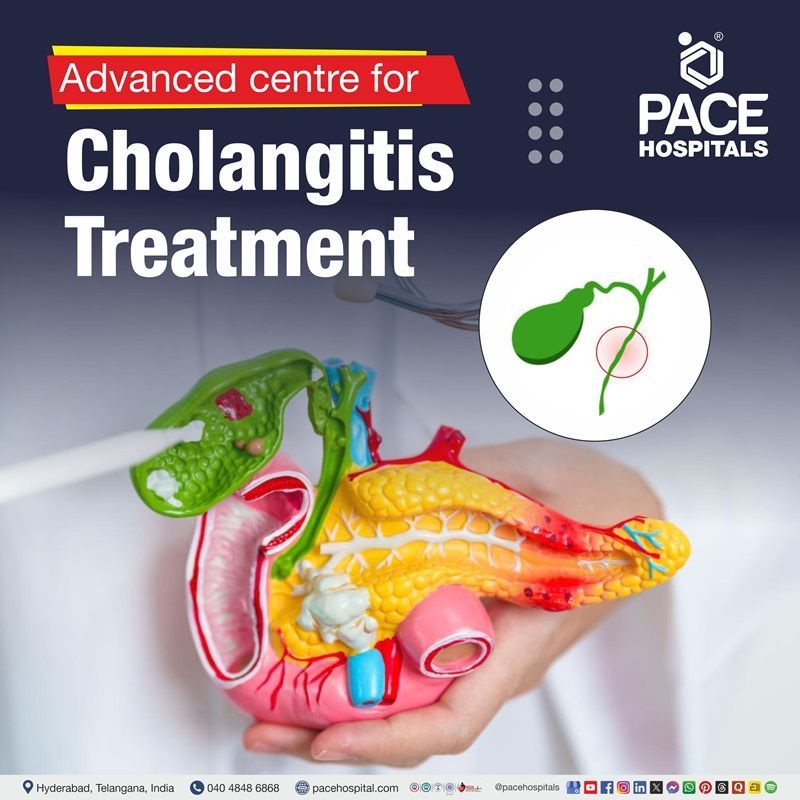
Comprehensive Diagnostic Facilities: Liver function tests, cholangitis blood tests, ultrasound, MRCP, CT scan, ERCP, bile duct imaging, and intensive vital monitoring
Expert Gastroenterologists & Hepatobiliary Specialists in Hyderabad for Complete Cholangitis Management
Personalized Cholangitis Treatment with IV Antibiotics, ERCP, Biliary Drainage, Stenting, Supportive Care & ICU Management
24x7 Emergency Liver & Biliary Care with Insurance & Cashless Treatment Options
Recognized for excellence in healthcare delivery with
NABH, NABL, NBE/DNB, NABH Nursing Excellence, and ISCCM accreditations.
Cholangitis Diagnosis
Diagnosis of cholangitis requires a combination of clinical symptoms, physical examination findings, and diagnostic tests to confirm the presence of a bile duct infection and obstruction. Early diagnosis is important, as cholangitis can progress rapidly and can lead to severe complications such as sepsis or liver failure.
To determine the appropriate diagnostic approach, the gastroenterologist considers the following factors before selecting the tests to diagnose cholangitis:
- Medical history
- Physical examination
Medical history
- A detailed medical history plays an important role in diagnosing cholangitis, as it helps identify characteristic symptoms, underlying causes, and predisposing factors.
- The gastroenterologist starts their investigation by assessing the patient's presenting symptoms, particularly the classic Charcot's triad of fever, right upper quadrant abdominal pain, and jaundice (yellowing of skin and eyes). These symptoms strongly indicate cholangitis. If the patient also reports confusion and low blood pressure, forming Reynolds' pentad, it suggests a severe or septic form of the disease.
- A history of gallstones, bile duct stones, or biliary strictures is very important because they are major causes of bile duct obstruction, which leads to infection.
- The doctor also inquires about any previous biliary procedures, such as ERCP, stent placement, or gallbladder removal, since these can increase the risk of bile duct infection or injury.
- Also, the presence of underlying conditions like primary sclerosing cholangitis, biliary malignancy, pancreatitis (inflammation of the pancreas), or immunosuppressive disorders (such as diabetes or HIV infection) may predispose the patient to cholangitis.
- Understanding the duration and recurrence of symptoms, such as repeated episodes of fever and jaundice, can also help identify chronic or recurrent cholangitis.
Physical examination
- Physical examination is an important step in diagnosing cholangitis, as it helps the doctor identify key clinical signs that suggest inflammation and infection of the bile ducts. During the examination, the gastroenterologist carefully evaluates the patient’s general condition and specific findings in the abdomen and skin.
- One of the most important signs is right upper quadrant (RUQ) tenderness, which indicates inflammation in the biliary system. The doctor may also observe jaundice.
- In patients with cholangitis, the combination of fever, RUQ pain, and jaundice forms Charcot’s triad, which is a classic clinical indicator of the disease. In more severe cases, if the patient also presents with low blood pressure (hypotension) and mental confusion, it completes Reynolds’ pentad, seen in septic or advanced cholangitis. Other findings, such as an enlarged and tender liver (hepatomegaly), may also be noted due to bile congestion.
- Physical examination also helps assess the patient's overall appearance, such as signs of dehydration, pallor, or distress, which can reflect the severity of infection or sepsis.
✅Cholangitis Diagnostic Tests
Based on the above information, a gastroenterologist or hepatologist advises diagnostic tests to detect cholangitis. The following are the tests that might be recommended to diagnose cholangitis:
- Laboratory tests
- Complete blood count (CBC)
- C-reactive protein (CRP)
- Liver function tests
- Coagulation profile
- Renal function tests
- Blood cultures
- Urine analysis
- Serum lipase
- Imaging studies
- Ultrasonography (USG)
- Abdominal computed tomography (CT)
- Magnetic resonance cholangiopancreatography (MRCP)
- Endoscopic retrograde cholangiopancreatography (ERCP)
- Percutaneous transhepatic cholangiography (PTC)
Laboratory tests
Complete blood count (CBC)
Complete blood count helps detect signs of infection and inflammation. In cholangitis, there is an elevated white blood cell count with a predominance of neutrophils, indicating a bacterial infection. In severe or septic cases, the WBC count may be very high or, in late stages, even drop due to intense infection.
C-reactive protein (CRP)
CRP is an inflammatory marker produced by the liver in response to infection or tissue injury. Elevated CRP levels indicate acute inflammation and may support the diagnosis of cholangitis. It can also be used to monitor the severity of the problem and how well treatment is working.
Liver function tests (LFTs)
In cholangitis, there is usually an increase in bilirubin, alkaline phosphatase (ALP), and gamma-glutamyl transferase (GGT) due to bile duct obstruction. Aspartate aminotransferase (AST) and alanine aminotransferase (ALT) may also be elevated, which may indicate liver inflammation or damage secondary to biliary blockage.
Coagulation profile
These include tests such as prothrombin time (PT) and international normalised ratio (INR), which assess the liver’s ability to produce clotting factors. In cholangitis, especially if the liver is affected, prolonged PT or elevated INR may occur, indicating impaired liver function or vitamin K deficiency due to reduced bile flow.
Renal function tests
Kidney function tests like serum creatinine and blood urea nitrogen (BUN) are important in cases of severe cholangitis. This is because the condition can sometimes progress to sepsis, which may affect multiple organs, including the kidneys and lead to acute kidney injury (AKI). Checking kidney function helps doctors understand how severe the illness is and also guides decisions on fluid management and antibiotic treatment.
Blood cultures
Blood cultures are essential in diagnosing cholangitis because the condition is often associated with bacteremia (bacteria in the bloodstream). Identifying the specific microorganism allows doctors to choose the most effective antibiotic treatment.
Urine analysis
Urine examination is useful to exclude other possible causes of fever and jaundice, such as a urinary tract infection or blood in the urine, which can sometimes look similar to cholangitis. It also gives an idea about the patient's hydration status and can detect bilirubin in the urine, which further supports the presence of jaundice.
Serum lipase
Serum lipase is not usually used as a main test for diagnosing cholangitis, but it is frequently checked to rule out a condition called acute pancreatitis. It is important because pancreatitis can have similar symptoms, like abdominal pain and raised liver enzymes. A normal range of lipase helps doctors to distinguish cholangitis from pancreatitis more clearly.
Imaging studies
Ultrasonography (USG)
Ultrasonography is the first-line imaging and non-invasive technique that helps to detect bile duct dilation, gallstones, and biliary sludge, which are common causes of obstruction. The presence of a dilated common bile duct, thickened bile duct walls, or visible stones strongly supports the diagnosis. Ultrasound can also identify liver abscesses or gallbladder inflammation, helping to rule out other causes of right upper quadrant pain.
Abdominal computed tomography (CT)
A CT (computed tomography) scan gives a clear and detailed view of the bile ducts and nearby organs. It helps identify problems such as bile duct blockage, gallstones, strictures, and signs of inflammation in the liver or pancreas. It is also very useful in detecting complications of cholangitis, including liver abscesses, perforation, or spread of infection.
Magnetic resonance cholangiopancreatography (MRCP)
MRCP is a non-invasive MRI technique that gives high-resolution images of the bile and pancreatic ducts without the use of contrast dyes or radiation. It is highly effective in detecting bile duct obstruction, stones, strictures, or tumours that cause cholangitis. MRCP is frequently used to confirm the diagnosis following an ultrasound and before planning interventional procedures such as ERCP, since it allows for the exact location and extent of ductal blockage.
Endoscopic retrograde cholangiopancreatography (ERCP)
ERCP is a procedure that helps both in diagnosing and treating problems in the bile ducts. It uses a flexible tube called an endoscope to pass a contrast dye into the bile ducts, followed by X-ray imaging to get a clear view of the area. This technique helps identify blockages, narrowing, or stones in the biliary system. One of its key advantages is that treatment can often be done at the same time, such as removing stones, placing a stent, or draining bile.
Percutaneous transhepatic cholangiography (PTC)
PTC is an invasive imaging technique performed when ERCP is not feasible or unsuccessful. Contrast dye is injected directly into the bile ducts through the liver using a fine needle under imaging guidance. PTC provides clear images of the biliary tree, showing any kind of obstructions, strictures, or leaks. This procedure can also be used therapeutically for biliary drainage or stent placement.
✅Cholangitis Stages
The Tokyo guidelines (TG13 and TG18) classify acute cholangitis into three grades of severity (mild, moderate, severe) to help determine the appropriate management strategy and timing of biliary drainage. The classification is based on the presence of organ dysfunction and the patient's response to initial medical treatment. Stages are:
- Grade I (mild) acute cholangitis: Grade I is the mildest form of acute cholangitis, characterised by the complete absence of organ dysfunction. Patients in this category respond positively and rapidly to initial, non-invasive medical management, which includes intravenous fluids and a course of appropriate antibiotics.
- Grade II (moderate) acute cholangitis: Grade II is classified as moderate severity. Patients do not yet exhibit full organ failure, but their condition is less stable than that of grade I patients. The diagnosis of grade II is applied to cases that do not improve with initial medical treatment or where the patient presents with two or more specific warning signs that indicate a higher risk of poor outcomes. These warning signs include extremes of age (>75 years), high fever (≥39°C), abnormal white blood cell counts (leukocytosis or leukopenia), significant hyperbilirubinemia, and low albumin levels.
- Grade III (severe) acute cholangitis: Grade III cholangitis is the most severe and life-threatening form of the condition and is considered a medical emergency. It is associated with failure of one or more organs, which may include low blood pressure due to shock, breathing difficulties, altered consciousness, kidney or liver dysfunction, or a low platelet count. Patients in this stage require immediate admission to the intensive care unit for close monitoring and organ support. Urgent biliary drainage is also needed, usually within a few hours, to control the infection and reduce the risk of death.
✅Cholangitis Differential Diagnosis
Before confirming the diagnosis of cholangitis, it is important to consider and rule out other conditions which may also cause similar clinical presentations. A differential diagnosis helps distinguish cholangitis from other causes of jaundice, fever, and abdominal pain
The following conditions should be considered in the differential diagnosis of cholangitis:
- Acute Cholecystitis
- Hepatitis
- Liver Cirrhosis
- Liver Failure
- Hepatic Abscess
- Pancreatitis
- Perforated Peptic Ulcer
- Acute Appendicitis
- Diverticulitis
- Pyelonephritis
Acute cholecystitis
This condition can closely resemble cholangitis because both cause right upper abdominal pain, fever, and tenderness. However, in acute cholecystitis, the inflammation is limited to the gallbladder rather than the bile ducts. Jaundice is uncommon unless a stone blocks the common bile duct.
Hepatitis
This inflammation of the liver can mimic cholangitis as both present with jaundice, fever, and elevated liver enzymes. The difference is that hepatitis results from viral or toxic injury to liver cells, not a bacterial infection of the bile ducts.
Liver cirrhosis
It is a long-standing liver disease that can sometimes mimic cholangitis because both may present with jaundice and abnormal liver function tests. However, cirrhosis usually develops slowly over time and is often related to clinical features like ascites (abnormal accumulation of fluid in the abdominal cavity), portal hypertension (elevated blood pressure in the portal vein), and a history of chronic liver damage. In contrast, cholangitis has a more sudden onset and is caused by an acute infection.
Liver failure
This severe condition can resemble cholangitis because both can present with jaundice, confusion, and coagulopathy. The difference lies in the cause; liver failure results from loss of liver function, not infection or obstruction.
Hepatic abscess
This condition may mimic cholangitis since both cause fever, right upper quadrant pain, and tenderness. However, a hepatic abscess is a localised pus-filled cavity within the liver, often due to bacterial spread from the biliary system or elsewhere.
Pancreatitis
This inflammation of the pancreas can appear similar to cholangitis as it causes abdominal pain, fever, and elevated liver enzymes. However, pancreatitis usually presents with epigastric pain radiating to the back and markedly elevated serum amylase and lipase levels.
Perforated peptic ulcer
It is a medical emergency that can sometimes look similar to cholangitis because both may present with sudden, severe abdominal pain along with signs of infection. However, in a perforated ulcer, the pain is due to leakage of stomach contents into the abdominal cavity, leading to peritonitis. This is different from cholangitis, which occurs due to infection and blockage in the bile ducts.
Acute appendicitis
Both cholangitis and acute appendicitis cause abdominal pain and fever, but they differ in pain location and symptoms. Cholangitis presents with upper right quadrant pain, jaundice, and elevated liver enzymes, often due to bile duct obstruction. Appendicitis causes lower right quadrant discomfort and an elevated white blood cell count.
Diverticulitis
This inflammation of diverticula in the colon can resemble cholangitis through fever, abdominal pain, and elevated inflammatory markers.
Pyelonephritis
This kidney infection can resemble cholangitis as both cause fever, flank or abdominal pain, and systemic illness. The difference lies in the location and nature of infection; pyelonephritis affects the urinary tract, not the biliary system.
✅Cholangitis Treatment Goals
The treatment goals for cholangitis are:
- To resolve the infections: The main goal is to eliminate bacterial infection in the bile ducts using broad-spectrum antibiotics, preventing sepsis and other serious complications.
- To relieve bile duct obstruction: Treatment aims to restore bile flow by removing stones or strictures through performing advanced procedures like Endoscopic Retrograde Cholangiopancreatography (ERCP) and Percutaneous Transhepatic Cholangiography (PTC), which helps infection resolve and prevents recurrence.
- For chronic types like primary biliary cholangitis to slow disease progression and prevent complications: In chronic cases, medications such as bile acid agents are used to improve bile flow, protect liver function, and delay progression to cirrhosis or liver failure.
Need clarity on cholangitis diagnosis, liver complications, or treatment options?
Get a free second opinion.
At PACE Hospitals, we are committed to providing our patients with the best possible care, and that includes offering second medical opinions with super specialists for treatment or surgery. We recommend everyone to get an expert advance medical second opinion, before taking decision for your treatment or surgery.
Cholangitis treatment aims to manage infection, relieve biliary blockage, and prevent complications like sepsis and liver failure. Cholangitis management is based on the severity of the condition and the existence of biliary blockage. The treatment is as follows:
- Non-pharmacological management
- Maintaining a healthy diet
- Fluid resuscitation
- Nutritional support
- Monitoring and supportive management
- Avoiding unnecessary invasive procedures
- Avoiding alcohol and smoking
- Pharmacological management
- Antibiotic therapy
- Pain management
- Correction of coagulopathy
- Bile acid agents
- Immunosuppressive drugs
- Biliary drainage
- Endoscopic retrograde cholangiopancreatography (ERCP)
- EUS-guided biliary drainage (EUS-BD)
- Percutaneous transhepatic biliary drainage (PTBD)
- Surgical interventions
- Cholecystectomy
- Laparoscopic CBD exploration (LCBDE)
- Liver transplantation
Non-pharmacological management
Maintaining a healthy diet
A healthy diet plays an important role in the recovery from cholangitis. Since the liver and biliary system are directly involved in digestion and metabolism, a well-balanced diet supports their function and reduces stress on the inflamed bile ducts. A low-fat diet is advised to minimise bile secretion and prevent further irritation. Intake of vitamins, minerals, and proteins helps promote tissue repair, boost immunity, and prevent malnutrition.
Fluid resuscitation
Patients with cholangitis may suffer from dehydration because of fever, vomiting, and sepsis. This helps to restore blood volume, maintain blood pressure, and ensure adequate tissue perfusion. By improving circulation, it supports kidney and liver function and helps in the elimination of toxins from the body.
Nutritional support
This support ensures that the body gets enough calories and protein to prevent tissue breakdown and muscle loss. It boosts the immune system, promotes liver cell regeneration, and improves overall health. In severe circumstances where oral intake is not possible, enteral or parenteral nutrition may be needed to keep the patient nourished until they stabilise.
Monitoring and supportive management
Cholangitis can progress rapidly to sepsis and organ failure, so close monitoring is important. The regular monitoring of vital signs, urine output, and liver function tests allows for the early diagnosis of damage. Supportive management, which generally includes oxygen therapy, correcting electrolyte imbalances, and kidney support, if required, helps to maintain organ stability.
Avoiding unnecessary invasive procedures
In the acute phase of cholangitis, invasive procedures can worsen the infection or lead to complications such as bile leakage or peritonitis. As a result, non-invasive imaging procedures such as ultrasound or MRCP are preferable first to determine the reason for the obstruction. Once the patient's condition is stabilised with medical management, endoscopic or surgical drainage can be safely performed.
Avoiding alcohol and smoking
Alcohol can increase liver inflammation and also impair the healing process, while smoking can reduce oxygen delivery to tissues and weaken immune defences. Avoiding these helps the liver recover, reduces additional liver damage, and lowers the risk of repeated biliary or liver infections.
Pharmacological management
Antibiotic therapy
Antibiotic therapy is the main part of management for inflammation in the bile ducts, as a bacterial infection usually causes the condition due to biliary obstruction. Broad-spectrum antibiotics are started immediately to cover common organisms. These antibiotics help control infection, reduce inflammation in the bile ducts, and prevent sepsis
Pain management
Pain is a common symptom in cholangitis due to inflammation and biliary distension. Pain relievers are given to relieve pain, reduce stress, and improve the patient's ability to eat and rest. Mild to moderate pain is well managed with non-opioid analgesics, while for severe pain, stronger analgesic agents may be required.
Correction of coagulopathy
In cholangitis, liver damage can affect the synthesis of clotting factors, resulting in coagulopathy and an increased risk of bleeding. This management is especially important before performing any invasive procedures, such as ERCP or biliary drainage, to prevent bleeding complications.
Bile acid agents
Bile acid agents are used to improve bile flow and reduce cholestasis. These agents help decrease bile viscosity and protect hepatocytes from the toxic effects of bile acids accumulated due to obstruction or infection. By promoting bile drainage, they help relieve symptoms like jaundice and itching, reduce inflammation, and support liver cell recovery.
Immunosuppressive drugs
They are used in autoimmune forms of cholangitis, where the body's immune system mistakenly attacks the bile ducts. Immune cells and inflammatory mediators cause damage to the bile duct lining in diseases such as primary biliary cholangitis (PBC) and IgG4-related cholangitis. These decrease the abnormal immune response by decreasing lymphocyte activity and cytokine production, which reduces inflammation, slows disease progression, and improves symptoms.
Biliary drainage
Endoscopic retrograde cholangiopancreatography (ERCP)
ERCP allows for direct biliary decompression by removing the blockage that causes infection. During this procedure, bile stones/sludge are removed, and stents can be inserted to restore bile flow into the intestine. This lowers pressure in the bile ducts, removes infected bile, and quickly controls sepsis, making endoscopic retrograde cholangiopancreatography the preferred treatment for cholangitis.
Endoscopic ultrasound-guided biliary drainage (EUS-BD)
This procedure creates a new internal drainage route between the bile duct and the digestive tract using ultrasound guidance. This restores bile flow while reducing infection and inflammation by permitting internal drainage without the need for surgery or external tubes, effectively curing cholangitis when regular endoscopic methods are not effective enough.
Percutaneous transhepatic biliary drainage procedure (PTBD)
This procedure allows external or internal bile drainage through a catheter, which is placed in the liver. It is helpful in the removal of infected bile, lowers the intra-ductal pressure, and manages septic symptoms when endoscopic procedures are not effective. PTBD improves infection resolution and liver healing in individuals with severe or complicated cholangitis.
Surgical interventions
Cholecystectomy
Cholecystectomy (surgical removal of the gallbladder) is performed when gallstones are the underlying cause of cholangitis. By removing the gallbladder, the source of stone formation is eliminated, preventing further episodes of bile duct obstruction and infection. This surgery is usually done after the acute infection is controlled to avoid recurrence of cholangitis.
Laparoscopic common bile duct exploration (LCBDE)
LCBDE is a procedure used to remove stones or obstructions from the common bile duct when endoscopic methods (like ERCP) are unsuccessful or unavailable. Directly clearing the bile duct restores normal bile flow and resolves the obstruction responsible for infection.
Liver transplantation
Liver transplantation is suggested for end-stage liver disease or secondary biliary cirrhosis caused by chronic or recurring cholangitis. It replaces the damaged liver with a healthy donor organ, thereby eliminating the source of chronic infection and liver failure. Transplantation restores normal liver and biliary function, providing a curative treatment for patients with irreversible liver damage due to cholangitis.
Cholangitis Prognosis
- Mild cases of acute cholangitis generally have a favourable prognosis, which is around 80–90% of patients responding well to medical treatment with antibiotics and supportive care. When diagnosed early and managed promptly, especially with timely biliary drainage, patients show rapid clinical improvement, and the mortality rate remains below 10%.
- However, in severe cases or when diagnosis and treatment are delayed, the prognosis worsens. Patients who develop sepsis, multiple organ failure, or hemodynamic instability have an estimated mortality rate up-to 50% without prompt intervention.
- Elderly individuals and those with renal failure, liver abscess, or malignancy are at particularly high risk, with death most often resulting from septic shock and multiple organ failure.
Cholangitis Treatment Cost in Hyderabad, India
The cost of Cholangitis Treatment in Hyderabad generally ranges from ₹30,000 to ₹3,50,000 and above (approx. US $360 – US $4,210). The exact cost of cholangitis treatment depends on the severity of the condition, whether the infection is acute or chronic, and the type of treatment (medical management, ERCP, surgery). Treatment often involves antibiotics, drainage procedures, and in some cases, surgical interventions. Additional factors such as diagnostic tests (ultrasound, CT scan, MRCP), hospital stay duration, ICU care, and post-treatment rehabilitation may also influence the total cost. Availability of cashless treatment options, TPA corporate tie-ups, and insurance assistance may further impact treatment expenses.
Cost Breakdown According to Type of Cholangitis Treatment
- Medical Management (Antibiotics & Monitoring) – ₹30,000 – ₹60,000 (US $360 – US $720)
- Endoscopic Retrograde Cholangiopancreatography (ERCP) – ₹50,000 – ₹1,50,000 (US $600 – US $1,805)
- Percutaneous Transhepatic Biliary Drainage (PTBD) – ₹80,000 – ₹2,00,000 (US $960 – US $2,410)
- Cholecystectomy (Gallbladder Removal) – ₹1,00,000 – ₹2,50,000 (US $1,205 – US $3,010)
- Biliary Stent Insertion (For Bile Duct Obstruction) – ₹1,50,000 – ₹3,00,000 (US $1,805 – US $3,610)
- Surgical Decompression of Bile Duct (In Severe Cases) – ₹2,00,000 – ₹4,50,000+ (US $2,410 – US $5,420+)
Frequently Asked Questions (FAQs) on Cholangitis
What causes cholangitis infection?
Cholangitis infection mainly arises from bacteria entering the bile ducts, commonly due to bile flow obstruction. The most frequent cause is gallstones blocking the ducts. Other causes include bile duct strictures, tumours, or medical procedures like endoscopic retrograde cholangiopancreatography (ERCP)that accidentally introduce bacteria. Common bacterial culprits include E. coli and Klebsiella species.
What are the symptoms of cholangitis?
Symptoms of cholangitis include fever, chills, abdominal pain (especially in the right upper stomach area), and jaundice. Other signs can be general discomfort, dark urine, pale stools, and itching. Severe cases may show confusion, low blood pressure, and signs of sepsis.
What is the life expectancy of cholangitis?
The life expectancy for someone with cholangitis depends on several factors, including the severity of the condition, the timeliness of treatment, the presence of complications, and the individual's underlying health. If cholangitis is diagnosed early and treated promptly with antibiotics and biliary drainage, the prognosis is generally good, and life expectancy is not significantly affected. However, if the condition is severe, with complications such as sepsis or multi-organ failure, and treatment is delayed, the risk of mortality increases, which can reduce life expectancy.
What happens if cholangitis is not treated?
If cholangitis is not treated, the infection can rapidly worsen and spread throughout the body, leading to sepsis, shock, and multi-organ failure. Severe untreated cases may result in death in up to half of patients, especially if they develop complications like kidney or liver failure. Other possible complications include abscesses in the liver, inflammation of the gallbladder, and blood clots in major veins near the liver.
What Is the cost of Cholangitis Treatment at PACE Hospitals, Hyderabad?
At PACE Hospitals, Hyderabad, the cost of cholangitis treatment typically ranges from ₹25,000 to ₹2,50,000 and above (approx. US $300 – US $3,010), making it a cost-effective and competitive option for cholangitis care in Hyderabad. However, the final cost depends on:
- Severity of cholangitis (acute vs. chronic)
- Type of treatment required (medication, ERCP, surgery)
- Need for preoperative imaging (ultrasound, CT, MRCP)
- Duration of hospital stay and ICU care
- Postoperative care and follow-up treatment
- Specialist consultations and rehabilitation
For mild cases, treatment costs remain toward the lower end, while severe cases requiring advanced procedures or surgery may fall toward the higher range.
After a detailed gastroenterological evaluation, diagnostic imaging, and specialist consultation, our team will provide a transparent cost estimate tailored to the patient’s condition and treatment plan.
What vitamin deficiency is linked to primary biliary cholangitis?
People with primary biliary cholangitis develop deficiencies in fat-soluble vitamins, with vitamin D deficiency being especially common. When the bile ducts are damaged, the flow of bile is blocked, making it hard for the body to absorb certain vitamins from food. Low vitamin D can lead to weak bones or osteoporosis, so regular vitamin D testing is recommended for those with PBC.
Who are more at risk of developing cholangitis?
People are more at risk of cholangitis when something blocks the bile duct or weakens the immune system. Studies show a higher risk in those with gallstones, previous bile-duct surgery, or narrow bile ducts from long-term disease. Older adults and people with diabetes or poor immune defences are also more vulnerable. Tumours, bile-duct scars, or infections from the intestine can also increase the risk.
Which Is the best Hospital for Cholangitis Treatment in Hyderabad, India?
PACE Hospitals, Hyderabad, is a trusted centre for the diagnosis and treatment of cholangitis and other biliary tract disorders.
We have highly experienced gastroenterologists, hepatologists, and interventional radiologists who follow evidence-based protocols to treat cholangitis. Our specialists provide personalized care, focusing on early diagnosis, timely drainage procedures (ERCP, PTBD), and post-treatment care to prevent recurrence.
We provide excellent facilities including state-of-the-art diagnostic tools (ultrasound, CT, MRCP), advanced endoscopic procedures, and surgical expertise, PACE Hospitals ensures safe, effective, and patient-centred cholangitis management.
Can cholangitis go away on its own?
No, acute cholangitis is a medical emergency that rarely goes away on its own and requires prompt medical treatment, such as antibiotics or biliary drainage, to prevent fatal complications like septic shock. Chronic cholangitis, such as primary biliary cholangitis (PBC), is a long-term, progressive disease with no cure, requiring ongoing management.
Looking for the best Cholangitis Treatment Hospital Near Me?
If you’re searching for the top cholangitis treatment hospital near me in areas like HITEC City, Madhapur, Kondapur, Gachibowli, Kukatpally, or KPHB, it is essential to choose a hospital with experienced gastroenterologists and access to advanced diagnostic and treatment technologies for biliary tract disorders.
Effective cholangitis treatment requires:
- Accurate diagnosis with imaging (ultrasound, CT, MRCP)
- Timely intervention with drainage procedures (ERCP, PTBD)
- Postoperative care and management for bile duct function
- Ongoing monitoring to prevent recurrence
At PACE Hospitals, Hyderabad, we provide comprehensive care with a multidisciplinary approach, ensuring optimal recovery and prevention of future episodes.
What is cholangitis disease?
Cholangitis is a serious condition characterized by inflammation and infection of the bile ducts. It usually happens when bacteria ascend from the intestine into the bile ducts, caused due to obstruction by gallstones or tumours. This blockage traps bile and allows bacteria to multiply, causing infection. It requires prompt medical treatment to prevent severe complications such as sepsis.
What foods need to be avoided with cholangitis?
For cholangitis, it's best to avoid fatty and fried foods (e.g., fried chicken, bacon, full-fat dairy), as they can strain the liver. Spicy foods, processed snacks, and sugary items need to be limited due to potential irritation and added stress on the liver. Alcohol needs to be avoided, as it can worsen liver damage. Red meat should be minimised. Instead, focus on lean proteins (chicken, fish, tofu) and high-fiber foods (vegetables, fruits, whole grains) while staying well-hydrated.
Can COVID cause cholangitis?
Yes, COVID-19 can cause a form of cholangitis, which is known as post-COVID cholangiopathy or secondary sclerosing cholangitis, mainly in critically ill patients. It leads to bile duct inflammation, cholestasis (liver conditions where bile flow is reduced or blocked), and liver injury, sometimes severe enough to require liver transplantation.
What is the survival rate for cholangitis?
The survival rate depends on several factors, including the severity of the condition, the underlying cause, and how quickly treatment is initiated.
- Mild to moderate cholangitis: This is promptly treated with antibiotics and biliary drainage; the survival rate is generally high, with most patients making a full recovery. Mortality rates in these cases are typically low, around 1-3%.
- Severe cholangitis (e.g., septic shock): In more severe cases, such as those with sepsis or multi-organ failure, the mortality rate increases. If left untreated or if treatment is delayed, mortality can rise significantly, reaching up to 30-50% in some cases.
What is the first-line treatment for cholangitis?
Medical guidelines describe two urgent steps as initial treatment. The first step is starting broad-spectrum intravenous antibiotics to control the infection. And secondly, it is crucial to relieve the blockage in the bile ducts, usually through a procedure called ERCP, where doctors open the duct and allow bile to drain. These two actions work together: antibiotics reduce the spread of bacteria, and drainage removes the source of infection.
What is the pathophysiology of cholangitis?
Cholangitis is an infection of the bile ducts, usually caused by a blockage that leads to bile buildup. This includes:
- Bile Duct Blockage: The most common cause is a blockage, often due to gallstones, strictures, or tumors. This blockage prevents bile from flowing from the liver to the small intestine.
- Bile Stasis: When bile can't flow freely, it accumulates in the bile ducts. This leads to an increased pressure in the ducts and an environment where bacteria can thrive.
- Bacterial Infection: Bile stasis and the backup of bile promote bacterial growth, especially from the gut (like Escherichia coli, Klebsiella, and Enterococcus). The bacteria can travel up into the bile ducts, causing an infection.
- Inflammation and Injury: The bacterial infection causes inflammation in the bile ducts. This can lead to further tissue damage and even sepsis if untreated.
- Systemic Effects: The infection can spread, resulting in fever, jaundice, and abdominal pain. In severe cases, it can lead to septic shock, which is a medical emergency.
What is the difference between Charcot’s triad and Reynold’s pentad?
Charcot’s triad describes three main signs often seen in cholangitis: fever, yellowing of the skin, and pain in the upper right abdomen. Whereas Reynold’s pentad includes these same three signs but adds two more: low blood pressure and confusion.
Is Cholangitis Treatment Covered by Insurance at PACE Hospitals?
Yes, cholangitis treatment is generally covered under most health insurance policies at PACE Hospitals, subject to policy terms and approval. Since cholangitis is a serious condition that requires hospitalization, diagnostic tests, and potentially surgery, it is typically covered under gastroenterology, surgery, and critical care provisions in private insurance and corporate health plans.
At PACE Hospitals, patients can benefit from:
- Cashless hospitalization facilities with empaneled insurance providers
- Assistance from a dedicated insurance and TPA coordination team
- Pre-authorization support and documentation guidance
- Transparent cost estimates before treatment
- Support for government health schemes where applicable
Coverage depends on the type of procedure, sum insured limits, waiting periods, and policy inclusions. Patients are encouraged to share their insurance details with the hospital’s insurance desk to ensure smooth verification and approval.


