
Endoscopic Spine Surgery, Procedure and Cost
PACE Hospitals offers advanced Endoscopic Spine Surgery in Hyderabad, India, providing minimally invasive treatment for conditions such as herniated discs, spinal stenosis, and nerve compression. Our specialists perform high-precision, image-guided endoscopic spine procedures to relieve pain, restore mobility, and improve overall outcomes.
With a focus on accurate diagnosis, minimally invasive techniques, and personalized care, we ensure reduced surgical trauma, shorter hospital stays, faster recovery, and improved quality of life after spine surgery.
Book an Appointment for Endoscopic Spine Surgery
Endoscopic Spine Surgery Appointment
Why Choose PACE Hospitals for Endoscopic Spine Surgery?
Expert Spine Surgeons in Hyderabad Specializing in Advanced Endoscopic Spine Procedures
Precision Endoscopic Spine Surgery with Smaller Incisions, Minimal Tissue Trauma & Faster Recovery
Transparent Endoscopic Spine Surgery with Insurance & Cashless Options
Recognized for excellence in healthcare delivery with
NABH, NABL, NBE/DNB, NABH Nursing Excellence, and ISCCM accreditations.
What is Endoscopic Spine Surgery?
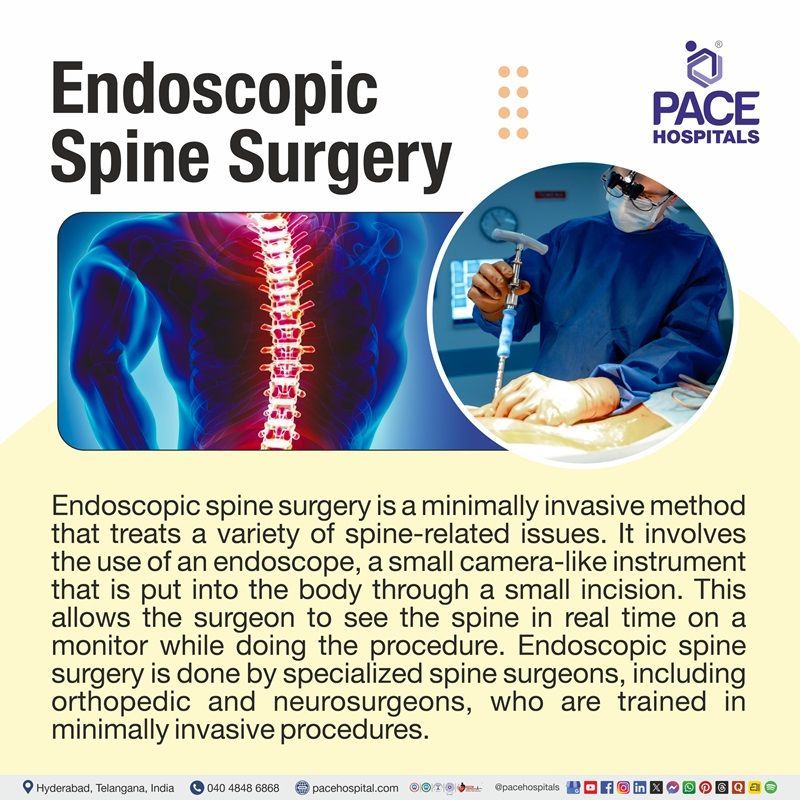
Endoscopic spine surgery is a minimally invasive method that treats a variety of spine-related issues. It involves the use of an endoscope, a small camera-like instrument that is put into the body through a small incision. This allows the surgeon to see the spine in real time on a monitor while doing the procedure. When compared to traditional open spine surgery, the endoscope allows surgeons to access the spine without the need for extensive incisions, lowering the risk of infection, reducing scarring, and resulting in faster recovery periods.
Endoscopic techniques are used to treat spinal conditions like herniated discs, spinal stenosis, and other degenerative diseases causing nerve compression. With advances in technology and surgical expertise, these methods are now applied to conditions such as foraminal stenosis and lateral recess stenosis, and in some cases, even fusion procedures. Clinical studies show that endoscopic discectomy and decompression can be as effective as or even superior to traditional surgery for selected patients.
Endoscopic spine surgery is done by specialized spine surgeons, including orthopedic and neurosurgeons, who are trained in minimally invasive procedures. Its success depends on selecting the right patients, thorough preoperative planning, and the surgeon’s expertise to alleviate risks such as nerve injury and to achieve optimal treatment outcomes.
Types of Endoscopic Spine Surgery
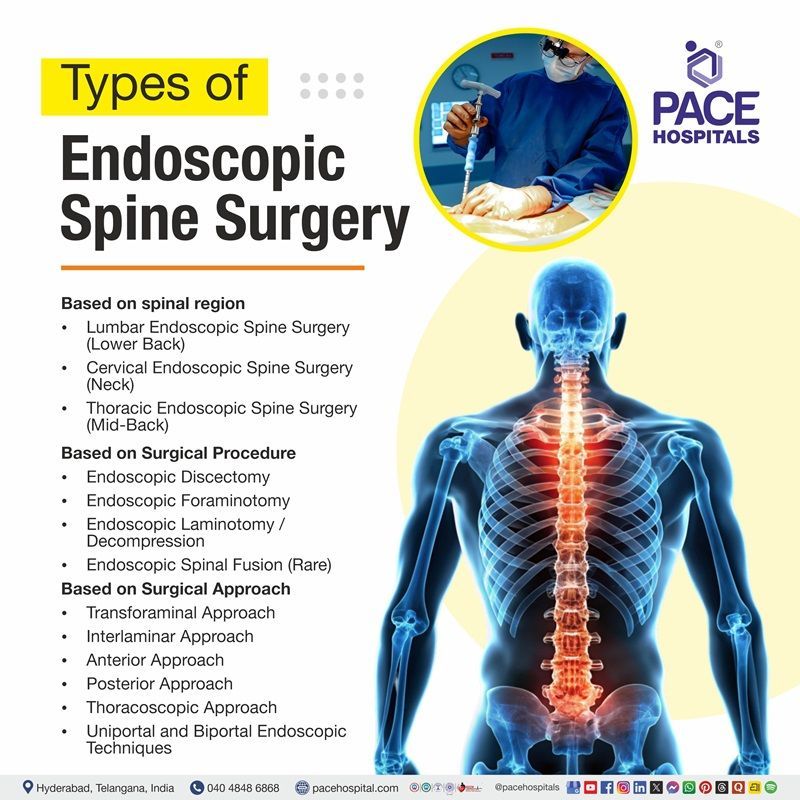
Endoscopic spine surgery can be classified in several ways, including by the spinal region, surgical procedure, and surgical approach. These classifications help tailor the treatment to the specific condition and location of the spinal pathology. The main types of endoscopic spine surgery are categorized as follows:
Based on spinal region
- Lumbar Endoscopic Spine Surgery (Lower Back)
- Transforaminal Endoscopic Discectomy (TFED)
- Interlaminar Endoscopic Lumbar Discectomy (IELD)
- Cervical Endoscopic Spine Surgery (Neck)
- Anterior Cervical Endoscopic Discectomy
- Posterior Cervical Endoscopic Foraminotomy / Decompression
- Thoracic Endoscopic Spine Surgery (Mid-Back)
- Transforaminal / Posterolateral Thoracic Approach
- Video-Assisted Thoracoscopic Surgery (VATS)
Based on Surgical Procedure
- Endoscopic Discectomy
- Endoscopic Foraminotomy
- Endoscopic Laminotomy / Decompression
- Endoscopic Spinal Fusion (Rare)
Based on Surgical Approach
- Transforaminal Approach
- Interlaminar Approach
- Anterior Approach
- Posterior Approach
- Thoracoscopic Approach
- Uniportal and Biportal Endoscopic Techniques
Based on Spinal Region
These categories classify endoscopic spine surgeries based on the region of the spine being treated. The choice of technique varies depending on whether the problem is in the lumbar (lower back), cervical (neck), or thoracic (mid-back) regions.
Lumbar Endoscopic Spine Surgery (Lower Back)
Endoscopic procedures for the lumbar spine focus on treating conditions such as herniated discs and spinal stenosis with minimal disruption to surrounding tissues. Two common techniques are used to access the lumbar spine:
- Transforaminal Endoscopic Discectomy (TFED): This method accesses the spine through the foramen, the natural opening where the spinal nerves exit. The surgeon removes herniated disc material, relieving nerve pressure.
- Interlaminar Endoscopic Lumbar Discectomy (IELD): In this technique, the surgeon accesses the spine through the lamina, removing disc material and decompressing the spinal cord to relieve pressure.
Cervical Endoscopic Spine Surgery (Neck)
Endoscopic methods are used to treat problems in the cervical spine, like herniated discs or stenosis in the neck. These methods make nerve decompression work well with little recovery time:
- Anterior Cervical Endoscopic Discectomy: Performed from the front of the neck, this technique removes herniated disc material to relieve pressure on the spinal cord or nerve roots.
- Posterior Cervical Endoscopic Foraminotomy / Decompression: This technique accesses the back of the neck to enlarge the foraminal space, relieving nerve compression caused by stenosis.
Thoracic Endoscopic Spine Surgery (Mid-Back)
It is used for conditions affecting the mid-back region, like thoracic disc herniations or tumors. These techniques often require specialized approaches due to the complex anatomy of the area:
- Transforaminal / Posterolateral Thoracic Approach: The surgeon accesses the spine through small incisions along the side, treating conditions such as disc herniations or stenosis.
- Video-Assisted Thoracoscopic Surgery (VATS): A minimally invasive procedure using a thoracoscope (camera) inserted through small incisions in the chest to treat thoracic spine conditions.
Based on Surgical Procedure
These procedures are categorized by the type of surgery performed to treat spinal conditions. The goal of each technique is to relieve pressure on the spinal cord or nerves while minimizing trauma to surrounding tissue.
Endoscopic Discectomy
A common procedure for treating herniated discs is where the surgeon uses an endoscope to remove the damaged disc material, compressing the nerve. This technique allows for precise removal with minimal disruption.
Endoscopic Foraminotomy
It is used to treat foraminal stenosis, this surgery widens the foraminal space where the nerves exit the spine, relieving pressure and improving nerve function.
Endoscopic Laminotomy / Decompression
In this procedure, the surgeon removes part of the lamina (the vertebral bone) to relieve pressure on the spinal cord or nerves, commonly used for treating spinal stenosis.
Endoscopic Spinal Fusion (Rare)
This uncommon operation helps prevent movement and relieve discomfort by fusing two or more vertebrae together using endoscopic techniques, usually in situations of degenerative disc degeneration or spinal instability.
Based on Surgical Approach
The surgical approach refers to how the surgeon accesses the spine. These approaches are chosen based on the location of the pathology and the type of surgery needed.
Transforaminal Approach
The surgeon accesses the spine through the foramen, allowing for the removal of herniated disc material or the decompression of nerves. This approach is commonly used for lumbar discectomy.
Interlaminar Approach
Using an incision between the vertebrae's lamina, this method gives access to the spinal canal for procedures like lumbar decompression or disc removal, typically utilized for problems such as spinal stenosis.
Anterior Approach
The anterior approach treats the spine from the front of the body, typically utilized for cervical disc removal or treatments that require better access to the vertebrae, including cervical discectomy.
Posterior Approach
This method is often used for procedures like lumbar decompression, which fix conditions like spinal stenosis or herniated discs by working from the back of the body.
Thoracoscopic Approach
This approach is used to access the thoracic spine via small incisions in the chest, often to treat disc herniations or tumors located in the mid-back.
Uniportal and Biportal Endoscopic Techniques
- Uniportal endoscopy uses a single incision for both visualization and instrument insertion, providing a less invasive way to perform surgeries.
- Biportal endoscopy involves two incisions, offering more space for instruments and better visualization, making it useful for more complex surgeries like lumbar decompression.
Endoscopic Spine Surgery Indications
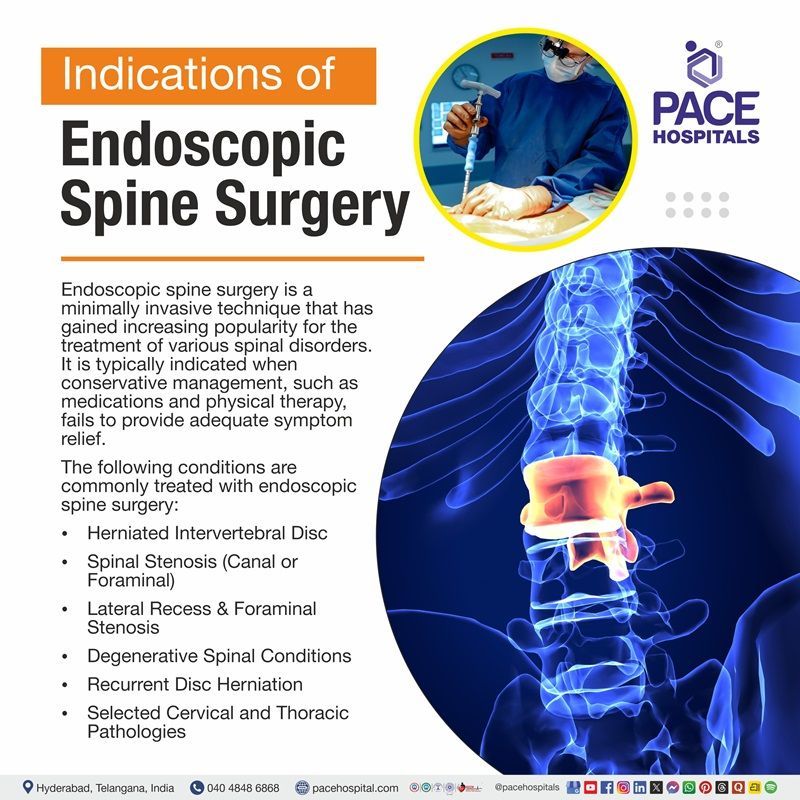
Endoscopic spine surgery is a minimally invasive technique that has gained increasing popularity for the treatment of various spinal disorders. It is typically indicated when conservative management, such as medications and physical therapy, fails to provide adequate symptom relief. The decision to proceed with surgery is based on the patient’s clinical symptoms, imaging findings, and the persistence or progression of the condition despite non-surgical treatment.
The following conditions are commonly treated with endoscopic spine surgery:
Conditions Treated with Endoscopic Spine Surgery
- Herniated Intervertebral Disc
- Spinal Stenosis (Canal or Foraminal)
- Lateral Recess & Foraminal Stenosis
- Degenerative Spinal Conditions
- Recurrent Disc Herniation
- Selected Cervical and Thoracic Pathologies
When to Consider Endoscopic Spine Surgery
- Positive Straight Leg Raising (SLR) Test
- Radiating Pain with or Without Neurological Deficits
- Leg Pain More Severe Than Back Pain
- Sufficient Conservative Treatment for 8 Weeks
- Radiological findings match symptoms
Conditions Treated with Endoscopic Spine Surgery
Herniated Intervertebral Disc
Endoscopic spine surgery is used to treat slipped discs in the lower back or neck that press on nerves and cause pain or weakness. It involves removing the affected disc through small cuts, which relieves pressure on the nerves and improves function.
Spinal Stenosis (Canal or Foraminal)
Endoscopic surgery can treat spinal stenosis (a condition where the spinal canal becomes narrow). It helps relieve pressure on the nerves, reducing pain and improving movement.
Lateral Recess & Foraminal Stenosis
When nerves are compressed in the lateral recess or foraminal spaces of the spine, endoscopic foraminotomy can be performed. This procedure widens these passages to relieve pressure on the spinal nerves, reducing pain, numbness, or weakness in the limbs.
Degenerative Spinal Conditions
Conditions such as degenerative disc disease or facet joint arthritis can cause spinal instability and nerve compression. Endoscopic decompression is used to manage these conditions, helping to preserve spinal function and alleviate pain caused by the degeneration.
Recurrent Disc Herniation
In cases of recurrent disc herniation at the same level after previous surgery, endoscopic techniques are effective for removing the herniated material again. This approach is less invasive when compared to traditional surgery, resulting in faster recovery and reduced risk of further complications.
Selected Cervical and Thoracic Pathologies
Endoscopic spine surgery is also used for treating conditions in the cervical and thoracic regions, such as disc herniations or nerve compression. Minimally invasive techniques allow access to these areas for decompression, with reduced risk compared to open surgery.
When to Consider Endoscopic Spine Surgery
Positive Straight Leg Raising (SLR) Test
A positive SLR test, where lifting the leg causes pain or discomfort, suggests nerve root irritation or compression, indicating that endoscopic discectomy or decompression may be beneficial for the patient.
Radiating Pain with or Without Neurological Deficits
When a patient experiences radiating pain (e.g., sciatica) due to a nerve root being compressed, even with or without neurological deficits, endoscopic surgery may help relieve pain and improve function by decompressing the affected nerve.
Leg Pain More Severe Than Back Pain
If a patient’s leg pain is more severe than their back pain, it may be a sign of nerve compression, such as from a lumbar disc herniation or foraminal stenosis. These conditions can often be effectively treated with endoscopic surgery.
Sufficient Conservative Treatment for 8 Weeks
When conservative treatments like medications, physical therapy, and rest have been attempted for 8 weeks without adequate symptom relief, endoscopic surgery may be considered to treat conditions that have not improved with non-surgical approaches.
Radiological findings match symptoms
Endoscopic spine surgery is typically indicated when radiological imaging (such as MRI or CT scans) confirms that structural issues, like disc herniations or stenosis, correlate with the patient's clinical symptoms, indicating that surgical intervention may provide relief.
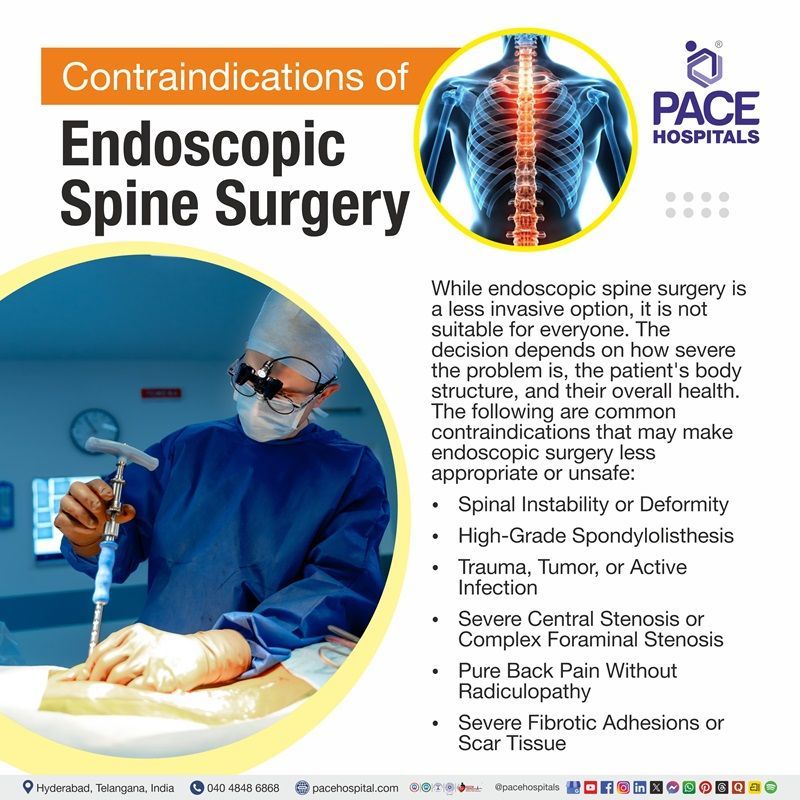
Endoscopic Spine Surgery Contraindications
While endoscopic spine surgery is a less invasive option, it is not suitable for everyone. The decision depends on how severe the problem is, the patient's body structure, and their overall health. The following are common contraindications that may make endoscopic surgery less appropriate or unsafe:
- Spinal Instability or Deformity
- High Grade Spondylolisthesis
- Trauma, Tumor, or Active Infection
- Severe Central Stenosis or Complex Foraminal Stenosis
- Pure Back Pain Without Radiculopathy
- Severe Fibrotic Adhesions or Scar Tissue
Spinal Instability or Deformity
Endoscopic techniques are generally unsuitable for patients with significant spinal instability or spinal deformities (e.g., severe scoliosis or kyphosis). These conditions require more complex interventions, such as fusion surgery, to stabilize the spine, which cannot be adequately addressed with endoscopic methods alone.
High Grade Spondylolisthesis
Patients with high-grade spondylolisthesis, where one vertebra significantly slips over another, may not benefit from endoscopic surgery. The instability caused by high-grade slippage often requires more extensive surgical approaches, such as fusion, to prevent further degeneration.
Trauma, Tumor, or Active Infection
Endoscopic spine surgery is contraindicated for patients with spinal fractures, tumors, or active infections (such as spondylodiscitis). These conditions often require more aggressive surgical interventions or treatments beyond the capabilities of minimally invasive techniques.
Severe Central Stenosis or Complex Foraminal Stenosis
Endoscopic techniques for severe central stenosis or complex foraminal stenosis may not give adequate access or decompression. The narrow or uneven anatomy may limit the procedure's effectiveness, necessitating other treatments such as open surgery for improved visualization and decompression.
Pure Back Pain Without Radiculopathy
Endoscopic spine surgery is generally indicated for radicular pain (pain radiating down the leg or arm due to nerve compression). Patients with pure axial back pain without clear nerve root involvement or radiculopathy are not ideal candidates for endoscopic procedures, as these techniques are not designed to treat non-radiating back pain.
Severe Fibrotic Adhesions or Scar Tissue
Patients who have had previous spinal surgeries may develop fibrotic adhesions or scar tissue around the spinal structures, which can make endoscopic surgery technically challenging and risky. In these cases, scar tissue can obscure anatomical structures, increasing the risk of injury and complications.
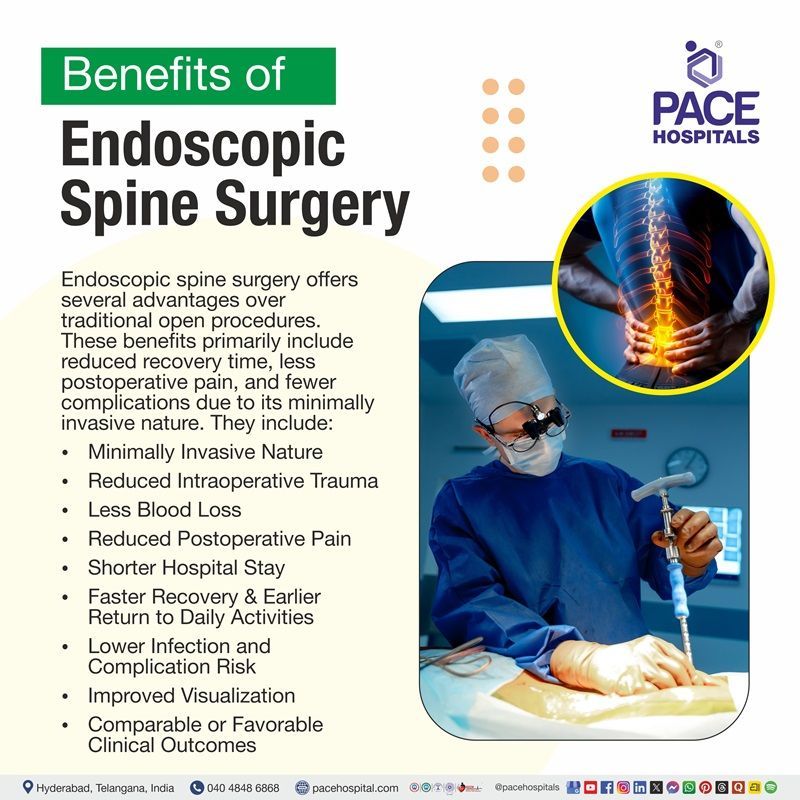
Endoscopic Spine Surgery Benefits
Endoscopic spine surgery offers several advantages over traditional open procedures. These benefits primarily include reduced recovery time, less postoperative pain, and fewer complications due to its minimally invasive nature. They include:
- Minimally Invasive Nature
- Reduced Intraoperative Trauma
- Less Blood Loss
- Reduced Postoperative Pain
- Shorter Hospital Stay
- Faster Recovery & Earlier Return to Daily Activities
- Lower Infection and Complication Risk
- Improved Visualization
- Comparable or Favorable Clinical Outcomes
Minimally Invasive Nature
It involves using small incisions, which significantly reduces the disruption to muscles, nerves, and tissues around the spine. This leads to less pain and quicker healing. It is far less invasive than traditional open surgeries, offering patients a more efficient treatment option.
Reduced Intraoperative Trauma
It minimizes trauma to surrounding tissues due to its precise technique and small instruments. This results in less swelling, muscle damage, and nerve irritation. Patients benefit from reduced surgical risks and a faster recovery compared to conventional spine surgery.
Less Blood Loss
Because of the smaller incisions and less tissue disruption, there is typically a significant reduction in blood loss during surgery. This lowers the need for blood transfusions, minimizing the risk of related complications. Less blood loss also contributes to quicker recovery and better overall outcomes.
Reduced Postoperative Pain
Endoscopic spine surgery causes less damage to muscles and tissues, which translates to less postoperative pain compared to traditional surgeries. Patients often require less pain medication and experience faster pain relief. This leads to greater comfort and a smoother recovery process.
Shorter Hospital Stay
With faster recovery times due to minimal invasiveness, many patients can leave the hospital within 24 hours or even the same day. This is a significant advantage over traditional open surgery, which usually requires longer hospital stays. Shorter stays reduce the risk of hospital-related complications like infections.
Faster Recovery & Earlier Return to Daily Activities
Patients undergoing endoscopic spine surgery often experience quicker functional recovery and can resume normal activities within days or weeks. In contrast, recovery from open spine surgery can take much longer. This makes endoscopic spine surgery an ideal choice for those seeking a rapid return to their regular lifestyle.
Lower Infection and Complication Risk
Endoscopic spine surgery involves smaller incisions, which limit bacterial exposure and lower the risk of surgical site infections. Its precise, minimally invasive technique enhances safety, especially in patients with preexisting health conditions.
Improved Visualization
Endoscopic spine surgery uses high-definition cameras that provide clear visualization of the spinal structures during the procedure. This allows surgeons to perform more precise and accurate operations. Better visualization leads to fewer errors and more successful outcomes, especially in complex spinal cases.
Comparable or Favorable Clinical Outcomes
Endoscopic spine surgery has been shown to achieve similar or better clinical outcomes than traditional spine surgeries, especially in terms of pain relief and functional improvement. The key advantages of quicker recovery and fewer complications make endoscopic spine surgery a highly effective treatment option. Many patients report being satisfied with their long-term results.
Get a Free Second Opinion for Endoscopic Spine Surgery from the best Spine Specialists
At PACE Hospitals, we are committed to providing our patients with the best possible care, and that includes offering second medical opinions with super specialists for treatment or surgery. We recommend everyone to get an expert advance medical second opinion, before taking decision for your treatment or surgery.
Endoscopic Spine Surgery Procedure
Endoscopic spine surgery is a minimally invasive procedure that uses small incisions and specialized instruments to treat spinal conditions. The steps of the surgery are carefully planned, from preoperative preparation to post-surgery recovery, ensuring minimal trauma, faster recovery, and fewer complications for patients.
Procedure steps for Endoscopic Spine Surgery include the following:
Before the Procedure
Preoperative Assessment
- The patient undergoes a thorough evaluation, which includes medical history, physical examination, imaging (X-rays, CT scans, MRI), and blood tests to assess general health and the extent of the spinal condition.
- Anesthesia consultation is also performed to assess the patient's suitability for the anesthesia plan (local, regional, or general anesthesia).
Patient Preparation
- The patient is instructed to stop certain medications (e.g., blood thinners) a few days before surgery to reduce the risk of complications.
- The surgical area (the spine) is shaved and cleaned with antiseptic solutions to reduce the risk of infection. A sterile field is established around the operation site.
- The patient is typically given a sedative to relax and an anesthetic to numb the area or induce general anesthesia depending on the type of surgery.
- Positioning
The patient is positioned on the operating table, often on their stomach or side, to allow optimal access to the spine. For lumbar spine surgery, the patient is typically positioned prone (on the stomach), whereas cervical procedures may require the patient to be positioned supine (on their back). - The spine is carefully aligned for optimal visualization during the procedure. The surgeon uses a special frame or supports to stabilize the patient.
During the Surgery
Anesthesia Administration
- Anesthesia is administered either locally or regionally (such as an epidural block), or general anesthesia depending on the procedure type and patient preference.
- Continuous monitoring of the patient's vital signs (heart rate, blood pressure, oxygen levels) is carried out throughout the surgery.
Small Incision and Introduction of Endoscope
- The surgeon makes a small incision (usually 1–2 cm) near the affected area of the spine. This incision allows the insertion of the endoscope (a small, flexible tube with a camera) and specialized instruments into the spinal area.
- The endoscope provides high-definition images of the spinal structures, which are projected onto a monitor, allowing the surgeon to navigate the area with precision.
Discectomy or Decompression:
- Once the endoscope is positioned, the surgeon uses specialized instruments to remove or repair the affected tissue, such as a herniated disc or bone spurs, causing pressure on the nerves.
- The surgeon may also remove any fragments or abnormal growths pressing on spinal nerves to relieve pain and other symptoms.
- In some cases, the surgeon might use a small drill or other surgical tools to perform the decompression or stabilize the spine if necessary.
Fluid Irrigation
- A sterile saline solution may be continuously irrigated into the surgical site to maintain a clear view and reduce the risk of infection.
- This fluid helps get rid of waste and makes sure that the spinal structures have sufficient space and protection for the spinal structures.
Confirmation of Results
- The surgeon regularly checks the patient’s progress via the endoscope, ensuring that the spinal nerves are properly decompressed and the problem area is fully addressed.
- A final check of the area is done to ensure no bleeding, and that the spinal structures are in proper alignment and functional.
Closure
- Once the procedure is complete, the instruments are carefully removed, and the small incision is closed using dissolvable sutures or adhesive strips. The wound is typically covered with a sterile dressing.
- There is minimal scarring because of the small incisions used.
After the Surgery
Postoperative Recovery:
- After the procedure, the patient is monitored in a recovery room for a few hours, especially if general anesthesia was used. Vital signs (blood pressure, pulse, and oxygen levels) are continuously monitored.
- Pain management is provided to ensure patient comfort, primarily using medications such as nonsteroidal anti-inflammatory drugs (NSAIDs). In cases of more intense pain, a nerve block or epidural may be administered.
Initial Movement
- In some cases, patients are encouraged to move or change position soon after surgery. Depending on the procedure, they may be asked to walk with assistance to start mobilizing the spine gently.
- For lumbar procedures, the patient may be asked to avoid bending, twisting, or lifting heavy objects for some time to allow the spine to heal properly.
Discharge
- Many patients undergoing endoscopic spine surgery can go home the same day or the day after the surgery. Before discharge, the surgeon provides instructions for post-surgery care, including pain management, medication prescriptions, and any activity restrictions.
- Patients usually have a follow-up visit 1–2 weeks after surgery to monitor recovery and remove stitches if needed.
Rehabilitation and Recovery
- Physical therapy or rehabilitation may be advised after surgery to strengthen the muscles around the spine and improve mobility.
- Most patients can return to light daily activities within a week, with more strenuous activities being reintroduced after several weeks or months based on recovery progress.
Long-Term Care
- Patients are typically monitored for signs of complications such as infection or nerve damage during follow-up visits. The surgeon may also order additional imaging (like X-rays or MRIs) to assess the healing of the spine.
- Long-term recovery generally continues for several months, with most patients experiencing full recovery of function and pain relief.
Endoscopic Spine Surgery Complications
Endoscopic spine surgery is generally safe, offering smaller incisions and faster recovery, but complications can still occur. The endoscopic spine surgery complications include:
- Infection
- Nerve Injury
- Bleeding
- Durability of Results
- Recurrence of Symptoms
- Instrumentation Failure
- Spinal Instability
- Cerebrospinal Fluid (CSF) Leak
Infection
Even though infections are less common with minimally invasive surgery, they can still happen after endoscopic spine surgery. They might affect just the skin at the incision or, rarely, the deeper tissues around the spine.
Nerve Injury
Endoscopic spine surgery is meant to protect tissues, but nerves can still be harmed. This might cause lasting or temporary issues with movement or sensation if nerves are accidentally touched or pressed while doing the procedure.
Bleeding
While the small incisions decrease blood loss, there is still a possibility of bleeding during or after the surgery, particularly in patients with clotting disorders or those on blood-thinning medications.
Durability of Results
Some studies show that endoscopic spine surgery can help reduce pain quickly, but in the long run, it may not work as well as traditional open surgery for some patients, especially if the spine condition gets worse over time.
Recurrence of Symptoms
In some cases, the symptoms for which the surgery was performed, such as pain or nerve compression, may recur if the surgery does not fully address the underlying issue, such as disc herniation or spinal instability.
Instrumentation Failure
The small, precise tools used in endoscopic spine surgery can sometimes fail, which may cause problems during the operation. This may require conversion to open surgery or additional intervention.
Spinal Instability
Though rare, endoscopic surgery can result in unintended injury to spinal structures, which may lead to instability or the need for additional stabilization procedures.
Cerebrospinal Fluid (CSF) Leak
In rare instances, endoscopic spine surgery can cause a tear in the dura mater, leading to a cerebrospinal fluid (CSF) leak. This may cause a headache or other complications and could need additional treatment.
Endoscopic Spine Surgery Recovery Time
Recovery from endoscopic spine surgery is usually quicker and less painful than with traditional open surgery because it is minimally invasive. The following timeline outlines the expected stages of recovery, from the immediate postoperative period to full functional recovery:
Immediate Postoperative Period (Day 0–2): After the surgery, patients are typically monitored for a few hours and often discharged within 24 hours. Due to the minimally invasive nature of endoscopic spine surgery, pain is minimal, and most patients can begin light walking and gentle movements soon after the procedure. This period involves minimal discomfort and quick recovery.
Early Recovery Phase (Week 1): In the first week, pain reduces, and patients can start doing light daily activities. Walking regularly is advised, but heavy lifting and hard physical work need to be avoided. This phase marks a steady improvement in comfort and mobility as the body starts to heal.
Intermediate Recovery (Weeks 2–4): By weeks 2 to 4, patients experience further improvements in mobility, pain relief, and functional capacity. Physical therapy may be initiated to restore muscle strength and flexibility. Patients can usually go back to most of their normal activities, but they need to be careful not to do too much too soon.
Return to Work & Activity (2–6 Weeks): Many patients can go back to light work in about 6–13 days, depending on their occupation. Pain keeps getting better, daily activities are slowly resumed, and harder tasks are added as they recover.
Full Functional Recovery (4–12 Weeks): Complete recovery generally occurs within 4 to 12 weeks, during which most patients achieve full pain relief and regain strength. By this stage, individuals can usually return to high-impact or strenuous activities, provided there are no complications.
This phase marks the final stage of recovery and a return to normal function.
What questions can patients ask the healthcare team about Endoscopic Spine Surgery?
Prior to endoscopic spine surgery, patients need to be well-informed about the procedure, potential risks, and what to expect during recovery. It is important to discuss key questions with the healthcare team to ensure clarity and confidence before surgery.
- What are the specific benefits of endoscopic spine surgery compared to traditional open surgery for my condition?
- What are the risks and potential complications associated with endoscopic spine surgery?
- How long is the recovery period after endoscopic spine surgery, and when can I return to normal activities?
- How soon can I expect to experience pain relief after the surgery?
- What type of anesthesia will be used during the procedure, and what are the associated risks?
- Will I need physical therapy after the surgery, and what will the rehabilitation process involve?
- How do you ensure the procedure is minimally invasive, and how does it reduce tissue damage?
- What is the likelihood that I will need additional treatments or surgeries in the future?
- What is the success rate of endoscopic spine surgery for my specific condition, and how is success measured?
- What type of follow-up care will I need after surgery, and how often will I need to consult a doctor?
Difference between Endoscopic spine surgery and Minimally invasive spine surgery
Endoscopic spine surgery vs Minimally invasive spine surgery
Endoscopic spine surgery and minimally invasive spine surgery (MISS) are modern techniques aimed at reducing tissue damage and speeding recovery compared with traditional open surgery. Both methods are less invasive, but they have different incision sizes, visualization methods, recovery times, and can be used for different spinal problems. The table below highlights the key differences between endoscopic spine surgery and MISS:
| Feature | Endoscopic Spine Surgery | Minimally Invasive Spine Surgery (MISS) |
|---|---|---|
| Incision Size | Uses a very small incision, typically less than 1 cm, reducing visible scarring. | Uses a slightly larger incision, usually 2–5 cm, allowing access to more structures. |
| Visualization | The surgeon visualises the surgical site directly through an endoscope with a camera. | A surgeon uses a microscope or tubular retractors to indirectly view the surgical area. |
| Tissue Damage | It causes very little damage to muscles, ligaments, and nearby tissues. | Reduces tissue damage compared to open surgery, but slightly more than endoscopic spine surgery. |
| Recovery Time | Patients often experience rapid recovery, with discharge usually on the same day. | Recovery is moderate, sometimes requiring a short hospital stay of 1–2 days. |
| Suitability | Ideal for disc herniation on a single level, nerve decompression, and other spine problems. | It can help with more complicated or multiple-level spine problems, like fusion and decompression. |
| Postoperative Pain | Typically minimal, allowing early walking and resumption of light activities. | Mild to moderate pain, gradually improving over 1–2 weeks, depending on procedure complexity. |
Endoscopic Spine Surgery Cost in Hyderabad, India
The cost of Endoscopic Spine Surgery in Hyderabad generally ranges from ₹1,50,000 to ₹5,50,000 and above (approx. US $1,805 – US $6,630).
The exact cost of endoscopic spine surgery depends on the type of spinal condition (disc herniation, spinal stenosis, nerve compression), number of spinal levels involved, and the complexity of the procedure. Additional factors such as preoperative imaging (MRI, CT scan), use of advanced endoscopic equipment, anesthesia, hospital stay, and postoperative rehabilitation may also influence the total cost. Availability of cashless treatment options, TPA corporate tie-ups, and insurance assistance may further affect overall expenses.
Cost Breakdown According to Type of Endoscopic Spine Surgery
- Endoscopic Discectomy (Single-Level Disc Removal) – ₹1,50,000 – ₹3,00,000 (US $1,805 – US $3,615)
- Endoscopic Spine Surgery for Lumbar Disc Herniation – ₹1,80,000 – ₹3,50,000 (US $2,170 – US $4,210)
- Endoscopic Decompression Surgery for Spinal Stenosis – ₹2,00,000 – ₹4,00,000 (US $2,410 – US $4,820)
- Multi-Level Endoscopic Spine Surgery – ₹2,50,000 – ₹5,00,000 (US $3,010 – US $6,020)
- Complex Endoscopic Spine Procedures with Advanced Navigation – ₹3,00,000 – ₹5,50,000+ (US $3,615 – US $6,630+)
Frequently Asked Questions (FAQs) on Endoscopic Spine Surgery
Is endoscopic spine surgery safe?
Endoscopic spine surgery is generally considered safe for many patients, with 80–90% of patients reporting positive outcomes. It offers benefits such as shorter recovery time, less postoperative pain, and minimal blood loss compared to traditional open surgery. However, safety depends on careful patient selection, the surgeon’s experience, and the complexity of the condition being treated. Endoscopic surgery may not be suitable for cases with spinal instability or severe deformities. Overall, it is a safe and effective option when performed by trained specialists.
Which Is the Best Hospital for Endoscopic Spine Surgery in Hyderabad, India?
PACE Hospitals, Hyderabad, is a trusted centre for minimally invasive spine surgery, including advanced endoscopic spine procedures.
We have highly experienced spine surgeons, neurosurgeons, orthopedic specialists, anesthesiologists, and rehabilitation teams who follow evidence-based protocols to treat spinal disorders with minimal tissue damage and faster recovery.
We provide excellent facilities including state-of-the-art modular operation theatres, high-definition endoscopic systems, spine navigation technology, intraoperative imaging, and structured physiotherapy programs, PACE Hospitals ensures safe, precise, and patient-centred endoscopic spine surgery.
How much rest is required after spine surgery?
Following spine surgery, strict bed rest is generally not recommended, and patients should begin walking within 24 hours to avoid problems and promote recovery. Early movement after surgery can support healing and help prevent complications such as blood clots and muscle weakness.
Most patients don't need complete rest but should limit activity for about 1–2 weeks at home, focusing on gentle, safe movements as recommended by their healthcare team.Full recovery is dependent on the type of surgery, with minimally invasive techniques recovering faster, whereas spinal fusion may take 3-6 months or more.
What are the complications of endoscopic spine surgery?
Despite being minimally invasive, endoscopic spine surgery can still result in problems such dural tears, nerve damage, infection, hematoma (collection of blood outside a blood vessel), and disc herniation recurrence. Additionally, some patients may have transient nerve-related symptoms, such as tingling or numbness.
Complication risk is affected by the surgeon's experience as well as the technique's learning curve. Proper patient selection and surgical expertise can help lessen these risks.
What is the success rate of endoscopic spine surgery in India?
Endoscopic spine surgery in India generally has a high success rate, with most studies and clinical reports showing outcomes in the range of 80–90% or higher, with patients experiencing significant pain relief and improved function after surgery.
Some studies and patient reports show even higher success rates, with about 90–95% of carefully selected patients with a lumbar disc herniation experiencing good to excellent results. However, results can vary depending on factors such as the patient's condition, surgical technique, and the surgeon's experience.
Looking for the Best Endoscopic Spine Surgery Hospital Near Me?
If you’re searching for the top minimally invasive spine surgery hospital near me in areas like HITEC City, Madhapur, Kondapur, Gachibowli, Kukatpally, or KPHB, it is important to choose a hospital with experienced spine surgeons and advanced endoscopic technology.
Effective endoscopic spine surgery requires:
- Accurate diagnosis with advanced imaging
- Minimally invasive surgical techniques
- Precision using endoscopic and navigation systems
- Faster recovery with structured rehabilitation
At PACE Hospitals, Hyderabad, patients receive comprehensive spine care focused on minimal pain, quicker recovery, and improved mobility.
What Is the Cost of Endoscopic Spine Surgery at PACE Hospitals, Hyderabad?
At PACE Hospitals, Hyderabad, the cost of endoscopic spine surgery typically ranges from ₹1,40,000 to ₹5,00,000 and above (approx. US $1,685 – US $6,020), making it a cost-effective and competitive option for minimally invasive spine surgery in Hyderabad. However, the final cost depends on:
- Type of spinal condition (disc prolapse, stenosis, nerve compression)
- Number of spinal levels involved
- Complexity of the procedure
- Use of advanced endoscopic and navigation systems
- Hospital stay and postoperative care
- Diagnostic imaging (MRI, CT scan)
- Rehabilitation and physiotherapy
For single-level procedures, costs remain toward the lower end, while multi-level or complex endoscopic spine surgeries may fall toward the higher range.
After a detailed spine evaluation, imaging review, and neurological assessment, our specialists provide a transparent cost estimate tailored to the patient’s condition and treatment plan.
Can symptoms recur after endoscopic spine surgery?
Yes, symptoms may recur after endoscopic spine surgery, although recurrence rates are usually low when the procedure is performed correctly.
Recurrence may occur due to re-herniation of the disc, progression of degenerative changes, or incomplete decompression. Following postoperative care and lifestyle modifications can help reduce the risk of recurrence.
Is endoscopic spine surgery a permanent solution?
Endoscopic spine surgery gives effective and long-lasting relief for many patients, but it may not always be a permanent solution.
The outcome depends on factors such as the underlying condition, disease progression, and adherence to rehabilitation. While many patients experience sustained improvement, some may require additional treatment in the future.
What is endoscopic spine surgery?
Endoscopic spine surgery is a minimally invasive method that treats herniated discs and spinal stenosis by making a small incision and inserting an endoscope. It has smaller incisions, less blood loss, and a faster recovery time than traditional open surgery. This method is used to decompress nerves and treat spinal problems in the lumbar, cervical, and thoracic areas, delivering excellent relief with minimal tissue disruption.
What are the precautions after endoscopic spine surgery?
After endoscopic spine surgery, patients need to avoid activities that put strain on the spine, such as heavy lifting, bending, twisting, and high-impact exercises. The incision site should be kept clean and dry, with any signs of infection carefully monitored. Patients are advised to take pain medications as prescribed, maintain good posture, and use supportive seating. Proper sleep positions are also crucial for recovery.
Attending regular follow-up appointments and beginning physical therapy as recommended are essential for a smooth recovery. Any unusual symptoms, such as leg weakness or numbness, should be reported to your doctor right away. Maintaining a healthy weight, avoiding smoking, and following a balanced diet can further support healing and overall recovery.
What are the disadvantages of endoscopic spine surgery?
Endoscopic spine surgery, while minimally invasive, has certain limitations. It involves a steep learning curve for surgeons and provides less visibility and working space compared with open surgery. In more complex cases, the procedure may need to be converted to an open operation. Moreover, not all spinal conditions are suitable for this approach, and there may be a slightly higher risk of incomplete decompression in some patients.
Can I climb stairs after spine surgery?
After spine surgery, patients can usually start climbing stairs once they have regained enough strength and mobility, often after a few weeks. It is important to follow the advice of the surgeon and physical therapist to stay safe. In the early stages of recovery, strenuous activities, including stair climbing, should be avoided until full strength returns. Always consult the healthcare provider for personalized advice based on the specific recovery progress.
Is endoscopic surgery risky?
Endoscopic surgery is usually regarded as a safe and low-risk procedure, with fewer risks than traditional open surgery because it uses smaller incisions, reduces blood loss, and allows faster recovery. Complications are uncommon, occurring in less than 5% of cases, and may include infection, bleeding, nerve irritation, or injury to surrounding structures. Overall, with careful patient selection and experienced surgeons, endoscopic surgery is a safe option for most patients.
What foods should you avoid after spine surgery?
After spine surgery, patients need to limit sugary, processed, and fried foods, as well as excess salt and alcohol, because these can increase inflammation, slow healing, and cause digestive problems. Instead, they should eat a balanced diet with lean proteins, fruits, vegetables, and whole grains to support tissue repair, maintain bone health, and aid overall recovery.
What is the fastest way to recover from spinal surgery?
Early mobilization, persistent walking, and adherence to a planned rehabilitation program can all help to speed up the recovery process. Physical activity soon after surgery improves functional recovery and reduces overall healing time. Effective pain management, following movement precautions, and participating in physiotherapy also play key roles. A gradual increase in activity, combined with proper guidance from healthcare providers, leads to faster and safer recovery.
Is spinal surgery considered a major surgery?
Spinal surgery is often regarded as significant surgery, especially when it involves treatments such as spinal fusion, deformity repair, or operations on many levels of the spine, which require more operating time and result in greater risks. Not all spine surgeries are the same. Less invasive procedures, like a discectomy or endoscopic surgery, are smaller and usually allow for a faster recovery. How a surgery is classified really depends on its type and how complex it is.
What are the advantages of endoscopic spine surgery?
Endoscopic spine surgery has advantages like smaller incisions, minimal muscle damage, reduced blood loss, and less postoperative pain, which help in shorter hospital stays and faster recovery compared to traditional open surgery. It also preserves normal anatomy better and decreases scar formation, leading to improved patient satisfaction. Many patients can return to daily activities more quickly when compared to conventional techniques.
Is endoscopic spine surgery better than minimally invasive spine surgery?
Endoscopic spine surgery is not always better than minimally invasive spine surgery, but it can be better for certain simple conditions. It uses a very small incision and a camera, which leads to less pain, minimal muscle damage, and faster recovery, particularly in cases like disc herniation or nerve compression. However, minimally invasive spine surgery (MISS) is commonly a better option for complex problems such as spinal instability or when fusion is required. Therefore, the choice depends on the type and severity of the condition, rather than one technique being universally better.
Is endoscopic spine surgery painful?
Endoscopic spine surgery is usually less painful than traditional open spine surgery because it involves small incisions and minimal tissue handling. After the procedure, discomfort is generally subtle (mild) to moderate and can be controlled with medications. Since there is less muscle and tissue disturbance, patients often experience immediate pain relief and a more comfortable recovery.
How long does endoscopic spine surgery take?
Endoscopic spine surgery typically takes about 30 minutes to 2 hours, depending on the complexity of the condition and the procedure performed. Simple procedures like endoscopic discectomy are usually quicker, while more complex decompression procedures may take longer. The minimally invasive approach helps reduce operative time and allows faster recovery.
Who is suitable for endoscopic spine surgery?
Endoscopic spine surgery is an option for patients with disc herniation, spinal stenosis, or nerve compression who haven't improved with treatments like medication or physical therapy. It is most effective in cases where imaging findings correlate with symptoms like radiating pain, numbness, or weakness. Proper patient selection by a spine specialist is essential for achieving optimal outcomes.
Who should not undergo endoscopic spine surgery?
Endoscopic spine surgery is not suitable for patients with spinal instability, high-grade spondylolisthesis, major spinal deformities, tumors, infections, or complex spine problems. It is also not ideal for cases with only back pain without nerve compression or where extensive surgical correction is necessary. In such situations, alternative surgical approaches may be recommended.
Is Endoscopic Spine Surgery Covered by Insurance at PACE Hospitals?
Yes, endoscopic spine surgery is generally covered under most health insurance policies at PACE Hospitals, subject to policy terms and approval. Since it is a medically necessary procedure for conditions like disc herniation and spinal stenosis, it is typically included under private insurance and corporate health plans.
At PACE Hospitals, patients can benefit from:
- Cashless hospitalization facilities with empaneled insurance providers
- Assistance from a dedicated insurance and TPA coordination team
- Pre-authorization support and documentation guidance
- Transparent cost estimates before admission
- Support for government health schemes where applicable
Coverage depends on implant coverage clauses, sum insured limits, waiting periods, and policy inclusions. Patients are encouraged to share insurance details in advance so the hospital’s insurance desk can verify eligibility and streamline approvals.
Why choose PACE Hospitals?
- A Multi-Super Speciality Hospital.
- NABH, NABL, NBE & NABH - Nursing Excellence accreditation.
- State-of-the-art Liver and Kidney transplant centre.
- Empanelled with all TPAs for smooth cashless benefits.
- Centralized HIMS (Hospital Information System).
- Computerized health records available via website.
- Minimum waiting time for Inpatient and Outpatient.
- Round-the-clock guidance from highly qualified super specialist doctors, surgeons and physicians.
- Standardization of ethical medical care.
- 24X7 Outpatient & Inpatient Pharmacy Services.
- State-of-the-art operation theaters.
- Intensive Care Units (Surgical and Medical) with ISO-9001 accreditation.


