Affordable Hip Replacement Surgery Cost in Hyderabad, India
PACE Hospitals
All you need to know about Hip Replacement Surgery
Hip replacement surgery, also known as hip arthroplasty, helps individuals with severe hip damage due to osteoarthritis, the most common cause. This condition causes pain, swelling, and reduced joint motion. Daily tasks become difficult because of it. Doctors often start with therapies such as physical therapy, pain medications, and exercise. Yet, if these methods don't work, hip replacement surgery might be needed to help you move again.
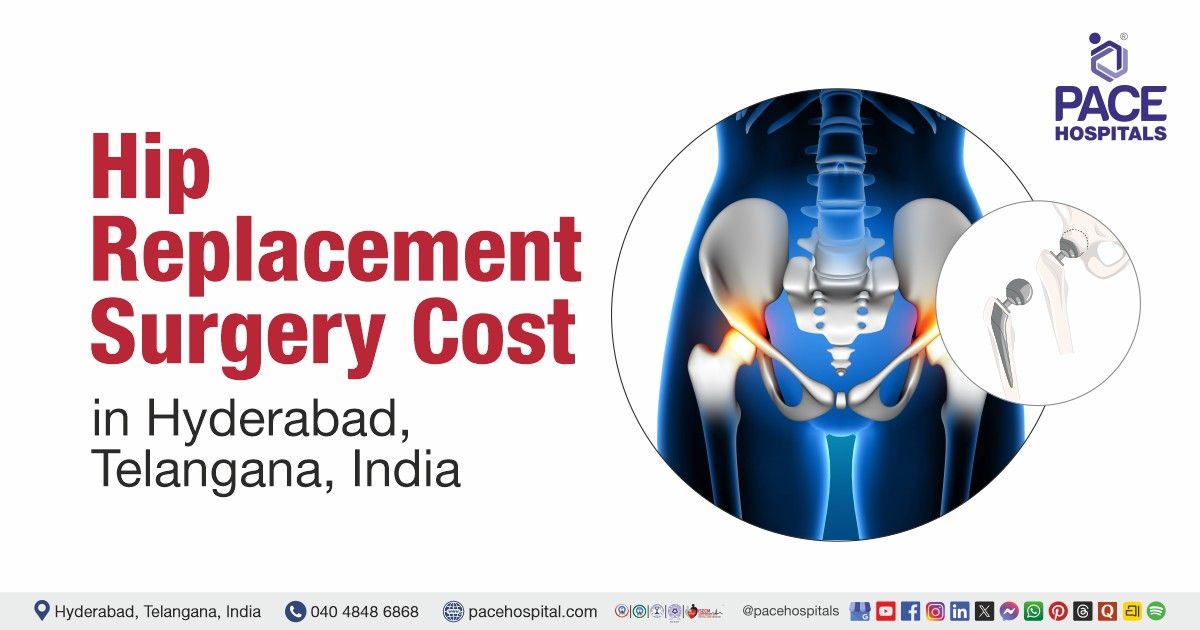
During a hip replacement, the surgeon removes damaged cartilage and bone from your hip joint and replaces them with new artificial parts. It is a life-changing procedure.
A hip replacement can:
- Relieve pain
- Help your hip joints work better
- Improve walking and other movements
Get a Cost Estimate for Hip Replacement Surgery
Hip Replacement Surgery Cost Query
Hip replacement surgery cost in India
Hip replacement surgery costs in India range from ₹2,50,000 to ₹8,00,000 (approximately US$2,632 to US$8,423). However, the actual cost may vary depending on several factors, including:
- The patient's age, overall health, and underlying diseases.
- The type of hip replacement surgery (partial, total, or revision hip replacement).
- The type and quality of the implant used.
- The surgical technique and technology involved in the procedure.
- The experience and expertise of the orthopedic surgeon.
- The type of hospital, room category, and facilities chosen.
- Insurance coverage or cashless treatment approvals.
- Pre-operative investigations, hospital stay, rehabilitation, and follow-up care requirements.
- Any complications that may arise during or after the surgery.
Hip Replacement Surgery Cost in Hyderabad, Telangana
Hip replacement surgery costs in Hyderabad range from ₹2,60,000 to ₹6,80,000 (approximately US $2,735 to US $7,155). A customized estimate is provided after orthopedic evaluation.
However, the cost of Hip Replacement Surgery in Hyderabad is influenced by several factors, such as:
- The type of implant, whether metal, ceramic, or advanced prosthesis, is important.
- Type of surgery needed, like a partial or total hip replacement.
- Doctors also check the patient's age, general health, and other medical issues.
- The surgeon's expertise and experience in joint replacement procedures.
- The hospital's infrastructure, room type, and hospital stay.
- Pre-op tests and the extent of post-op rehabilitation are also important.
- Insurance coverage or corporate approvals for cashless treatment
- Sometimes, complications require more care or a longer recovery time.
Cost breakdown by Hip Replacement Surgery type
- Total Hip Replacement(unilateral): Implant Cost: ₹60,000 – ₹1,20,000; Total surgery cost: ₹ 2,00,000 - ₹ 2,50,000 (US $2,100 – US $2,630) (approx.)
- Partial Hip Replacement (Hemiarthroplasty): Implant Cost: ₹40,000 – ₹90,000; Total surgery cost: ₹ 1,00,000 - ₹ 2,20,000 (US $1,050 – US $2,310) (approx.)
- Bilateral Hip Replacement (both sides): Implant Cost: ₹1,20,000 – ₹2,40,000; Total surgery cost: ₹ 4,20,000 - ₹5,30,000 (US $4,420 – US $5,580) (approx.)
- Revision Hip Replacement: Implant Cost: ₹80,000 – ₹2,00,000; Total surgery cost: ₹ 3,00,000 - ₹ 6,20,000 (US $3,150 – US $6,520) (approx.)
- Robotic Assisted Surgery: Implant Cost: ₹80,000 – ₹2,00,000; Total surgery cost: ₹ 3,90,000 - ₹ 8,00,000 (US $4,100 – US $8,420) (approx.)
Note: The costs for implants are estimates and can vary based on the material (metal, ceramic, or highly cross-linked polyethene) and the brand. It also depends on whether it's fixed with cement and on each person's specific needs. After thoroughly reviewing all the factors, the orthopedic surgeon selects the implant and determines the cost.
Additional information: The cost of hip replacement surgery depends on many factors such as the type and brand of the implant, the complexity of the condition, the method of surgery and the length of hospital stay. It also depends on rehabilitation needs and the skill of the surgeon. This helps to ensure that each patient is given a tailored treatment plan and an accurate cost estimate.
Breakdown of Hip Replacement Surgery Costs
The cost of Hip Replacement Surgery consists of a number of components that vary based on the type of implant, surgical technique, hospital and overall health of the patient. Below is a detailed cost breakdown for Hip Replacement Surgery:
Pre-surgery costs
- Consultation fees: The costs include consultation with orthopedic surgeons, anesthesiologists and other specialists who help plan the procedure. That means talking with doctors about how to prepare for surgery, so patients know what to expect before the actual operation.
- Diagnostic tests: Blood tests, X-rays, ECGs, and MRI or CT scans, as needed. They also do other investigations to assess joint damage and overall health before surgery.
- Pre-surgical evaluation: Comprehensive medical assessments to evaluate the patient's fitness for surgery and identify any conditions that may require special management during treatment.
- Pre-operative medications and medical optimization: This may include medicines and treatments to control blood pressure, diabetes, or other conditions and to reduce the risk of infection or complications before surgery.
Hip Replacement surgery costs
- Hospitalization charges: This covers room accommodation (such as general ward, semi-private, or private room), nursing care, meals, and other hospital services during the patient’s stay before and after surgery. ICU charges if critical monitoring is needed.
- Implant costs: Includes the artificial hip joint components used in surgery. The implant type may vary based on the patient's age, activity level, bone quality, and the surgeon's recommendations.
- Surgical procedure: Costs associated with the hip replacement operation, including the orthopedic surgeon's fees and operating theatre (OT) charges.
- Anesthesia and surgical team fees: The costs for anesthesia administration, the anesthesiologist’s services, and the surgical team's involvement in the procedure.
- Operating theatre and surgical consumables: This includes the use of the operating theatre, sterile instruments, medications, disposables, and other materials needed during surgery.
Post-surgery care costs
- Hospital recovery and monitoring: The cost of post-op observation, pain management, nursing care and medical supervision during hospital recovery is an important part of the overall cost.
- Physiotherapy and rehabilitation: Physiotherapy and rehab help you get moving again by improving joint movement, building muscle strength, and supporting overall recovery, so you can safely return to your daily activities.
- Medical equipment and mobility aids: include assistive devices such as walkers, crutches, raised toilet seats, and other equipment that may be required during the recovery period.
- Medications after discharge: Additional costs may include pain medicines, blood thinners to prevent clots, antibiotics (if prescribed), and other medications needed during recovery at home.
- Follow-up visits and recovery assessment: Healing of the implant and overall recovery progress are also monitored with follow-up visits, imaging tests, and clinical evaluations.
This cost structure provides transparency and allows patients to plan their finances effectively for Hip Replacement Surgery. We at PACE Hospitals, Hyderabad, provide detailed, patient-specific estimates based on their medical needs to offer affordable and comprehensive orthopaedic care.
Who Needs Hip Replacement Surgery?
Not everybody with hip pain or arthritis needs hip replacement surgery. Doctors usually suggest it when the joint's severely damaged, symptoms significantly affect daily life and conservative treatments such as medications, physiotherapy, weight management, or injections no longer provide adequate relief.
Common Conditions Indicating the Need for Hip Replacement Surgery
- Osteoarthritis: It is the most common reason for hip replacement. It slowly wears away and tears down the hip joint cartilage, causing constant pain and stiffness. This reduces mobility and makes it hard to do stuff like walk or climb stairs. Hip replacement can relieve pain and restore joint function.
- Rheumatoid arthritis: This autoimmune disorder results in the chronic inflammation of the hip joint, causing degradation of cartilage and bone over time. Patients report pain and swelling, with a stiffness of the joint that causes restriction of movement. Doctors may recommend a hip replacement if the joint damage is extensive and the quality of life has been greatly diminished.
- Avascular Necrosis (Osteonecrosis): This condition happens when the blood supply to the femoral head – the ball of the hip joint – gets reduced or cut off. It causes bone tissue to die and the joint to collapse. When the damage is severe, hip replacement can help restore mobility and ease pain.
- Hip Fractures: In older adults, severe fractures of the femoral neck or hip joint often don't heal well with just fixation procedures. So, doctors might instead recommend hip replacement for better pain relief, a faster recovery, and improved long-term function.
- Post-Traumatic Arthritis: Injuries and dislocations to the hip can worsen over time, with arthritis being a possible result. Chronic pain and stiffness can develop with a range of motion that becomes gradually restricted. When the symptoms of these issues become intolerable, hip replacement surgery can restore mobility and comfort.
- Congenital or Developmental Hip Disorders: Developmental dysplasia of the hip and other structural issues can lead to early joint deterioration. When this leads to ongoing pain and functional loss, hip replacement may be necessary.
Who is Not Eligible for Hip Replacement Surgery?
While hip replacement surgery is successful at alleviating pain and restoring mobility, this surgery isn't for everyone. Due to pre-existing conditions, surgery may not be as helpful or may pose a greater risk for some individuals.
- Active infections: Patients with ongoing infections anywhere in the body, especially near the hip joint, may be at increased risk of complications if surgery is performed.
- Severe or uncontrolled medical conditions: People with uncontrolled heart disease, lung issues, diabetes, or other major health problems might need to be stabilized first before surgery. So, doctors make sure these conditions are under control to reduce risks during surgery.
- Severe obesity: Excess body weight raises the risk of surgical complications and implant failure. It also increases the chances of infection and slows down recovery.
- Severe osteoporosis: People with severe osteoporosis or significant bone loss may not have strong enough bones to support a hip implant. So, they could be at higher risk for implant issues.
- Neurological or muscle disorders: Conditions that affect muscle control, balance, or joint stability might limit the effectiveness of hip replacement surgery. So certain problems could make recovery more difficult, potentially affecting the outcome negatively.
- Short life expectancy due to other illnesses: When serious non-orthopedic conditions significantly shorten life expectancy, the benefits of surgery may not outweigh the risks.
- Inability to participate in rehabilitation: For a successful recovery, adhering to physiotherapy and rehabilitation is key. Those who can't follow their post-op care instructions might not get the best results.
- Smoking and tobacco use: Smoking dramatically boosts the risk of infections and the need for future revision surgeries.
- Very young/Active patients: People under 50 who maintain a very active lifestyle may be discouraged from getting a hip replacement because the artificial joint will likely wear out and require revision surgeries.
An assessment from a qualified orthopedic surgeon is required to determine if someone is eligible. A full pre-op evaluation that includes imaging and a medical evaluation, along with an overall assessment of health, helps ensure that the surgery has the potential to provide the greatest benefit with the least risk.
How is Hip Replacement Surgery Done?
Hip replacement surgery is a major orthopedic procedure performed under general or spinal anesthesia. It removes damaged parts of the hip joint and replaces them with artificial components to boost mobility and reduce pain. The steps include:
- Pre-operative evaluation: The comprehensive assessment includes a physical examination, blood tests, and X-rays. If needed, they also order an MRI or CT scan. They also assess your overall health to ensure you're fit for surgery.
- Anesthesia administration: They administer general or spinal anesthesia to keep patients comfortable and entirely pain-free throughout the procedure.
- Surgical incision: The surgeon incises into the hip joint area, choosing a good surgical approach—posterior, lateral, or anterior.
- Removal of damaged joint: They remove the damaged femoral head and worn-out cartilage or bone from the hip socket. The surgeons do this carefully to prepare the ball and the acetabulum for the implants.
- Implant placement: They fix the artificial socket into the pelvic bone and slide a prosthetic femoral stem with a new ball into the thigh bone (femur). Both parts are essential for the prosthesis to work properly.
- Joint reconstruction: The new ball is placed into the artificial socket, recreating a smooth and stable hip joint.
- Closure of incision: They close the surgical site with either sutures or staples, and a sterile dressing is applied.
- Post-operative monitoring: Patients are closely monitored in the recovery area, with pain management, early mobilization, and physiotherapy initiated to support recovery.
Note: Hip replacement surgery generally takes about 1 to 2 hours. The exact duration depends on the procedure's complexity and type. To get the best long-term results, early rehabilitation and adherence to physiotherapy are highly significant.
Types of hip replacement surgery
Orthopedic surgeons evaluate multiple clinical factors before deciding on a specific hip reconstruction method. The primary considerations include the severity of the joint's structural degeneration, the patient's age, their functional demands, and any underlying medical comorbidities. The choice of procedure can influence both treatment outcomes and cost:
- Total Hip Replacement (Arthroplasty): This surgery replaces both the ball (femoral head) and socket (acetabulum). It's the most common and thorough option out there.
- Partial Hip Replacement (Hemiarthroplasty): They replace the femoral head here. Surgeons often do this for specific hip fractures.
- Revision Hip Replacement: This fixes a previously implanted artificial hip that's worn out, failed, loosened, or broken.
- Minimally Invasive/Robotic-Assisted Hip Replacement: Uses advanced surgical techniques for improved precision, smaller incisions, and potentially faster recovery.
Note: Costs depend on the procedure type, materials used, and technology involved. Usually, advanced or revision surgeries cost more than standard hip replacements so that costs can vary quite a bit.
Common Surgical Techniques for Hip Replacement Surgery
For hip replacement, surgeons might use different techniques based on the patient's health condition, anatomy and the surgeon's expertise.
- Traditional (Open) Hip Replacement: Traditional open hip replacement uses a larger incision, making it easier to reach the hip joint. This method works well for many people, but there are other options as well.
- Minimally Invasive Hip Replacement: Minimally invasive replacements use one or two small incisions, resulting in less soft-tissue damage, reduced pain, shorter hospital stays, and a faster recovery.
- Anterior Hip Replacement: The anterior approach to the hip is from the front of the body, avoiding major muscle cutting and often allowing quicker rehabilitation and improved mobility.
- Posterior Hip Replacement: Surgeons most commonly perform posterior hip replacements, which address the hip from the back. While it means great visibility of the joint, this approach suits a wide range of people.
- Lateral (Anterolateral) Hip Replacement: The lateral, or anterolateral, hip replacement approach comes from the side. This offers good implant stability and lowers the risk of dislocation in some patients.
- Robotic-Assisted Hip Replacement: It uses advanced robotic technology to help surgeons place implants more accurately. This makes surgeries much more accurate and helps improve long-term outcomes.
- Computer-Navigated Hip Replacement:
Uses computer-guided systems during surgery to enhance implant placement and optimize joint alignment.
Note: The choice of surgical technique depends on factors such as the patient's age, overall health, severity of joint damage, bone quality, lifestyle requirements, and the surgeon's experience.
Risks and Potential Complications After Hip Replacement Surgery
Hip replacement surgery is usually safe and effective. Still, it comes with some risks like any other major surgery. Possible complications exist, though the success rate is high.
- Infection: Infections can occur at the surgical site or around the implant area, sometimes requiring additional treatment.
- Blood Clots (Deep Vein Thrombosis): Blood clots can form in the legs and can be serious if they travel to the lungs (which is rare).
- Dislocation of the Artificial Joint: Also, dislocation of the new joint is possible, mostly when you're getting back to normal after surgery.
- Implant Loosening or Wear: The artificial parts may loosen or wear over time, requiring revision surgery to repair them.
- Nerve or Blood Vessel Injury: During surgery, there's a rare chance of injury to nearby nerves or blood vessels.
- Leg Length Difference: Some patients may notice a slight difference in leg length post-surgery.
- Fracture Around the Implant: There's a risk that the bone near the implant may fracture during or after the operation.
- Persistent Pain or Stiffness: Some individuals might still experience pain or limited mobility even after surgery.
- Allergic Reaction to Implant Materials: Rarely, patients may experience an allergic reaction to the materials used in the prosthetic joint.
- Anesthesia-Related Complications: Reactions to anesthesia, breathing difficulties, or cardiovascular complications may occur in some patients.
Note: The need for hip replacement surgery and the overall treatment approach vary depending on the severity of joint damage, the type of procedure required, and individual patient factors. Because managing surgical risks or complications requires additional medical resources and hospital time, these factors will directly impact your final treatment costs.
Post Hip Replacement Surgery Care Tips
After hip replacement surgery, focusing on your recovery is important for promoting healing and achieving the best possible outcomes.
- Doctors recommend attending every scheduled appointment to monitor your progress and ensure the implant is functioning properly.
- Also, keeping the surgical incision clean and dry is key, so follow your healthcare team's care instructions closely.
- Participating in any prescribed physiotherapy and rehab exercises will really help with mobility and strengthen the hip joint.
- It is advised to avoid strenuous activities, heavy lifting, and high-impact movements until the surgeon approves.
- Using a walker or cane, as advised, can make moving around easier and safer.
- If medications are prescribed, it is advised to take them as instructed and complete the recommended course.
- It is suggested to monitor for signs of complications, such as increased pain, swelling, redness, or fever, and seek medical attention if they occur.
By following this advice, you can support a smoother recovery and increase the chances of long-term success of hip replacement surgery.
Key Factors Influencing Hip Replacement Surgery Cost
Hip Replacement Surgery is a specialized orthopedic procedure, and several factors can influence the overall cost of treatment. Understanding these factors can help patients plan more effectively and make informed decisions about their surgery and recovery.
Type of implant
The cost of hip implants varies depending on what you choose. For example, premium implants made of ceramic or imported materials tend to be more expensive than standard ones.
Type of surgery
Total hip replacement, partial hip replacement, and revision hip replacement vary in complexity and resource requirements, leading to differences in cost.
Surgical technique
Advanced techniques like minimally invasive procedures, navigation, and robotics can increase overall costs due to the specialized equipment and technology required for surgery.
Surgeon’s expertise
Highly experienced orthopaedic surgeons may charge higher fees. This is due to their specialized training, expertise, and successful outcomes.
Hospital tier and location
Expenses are generally higher in super-speciality hospitals and metropolitan cities due to advanced infrastructure and higher operating costs. Cost also depends on the type of hospital, as private/corporate hospitals charge more than government/public hospitals.
Patient health status and age
Older patients or those with underlying medical conditions may require additional investigations, monitoring, and medical care, which can increase treatment expenses.
Pre-operative evaluation
Before surgery, patients must undergo medical tests and talk to doctors to ensure they're fit and can tolerate anaesthesia. This includes blood tests, X-rays, MRI, and ECGs and requires a doctor's approval from either a cardiologist or a general physician. All these tests and consultations add to the procedure's initial cost.
Post-operative care
The costs of hip replacement surgery include hospital stays, medications, physiotherapy, rehabilitation, and follow-up consultations, all billed together.
Why Choose PACE Hospitals for Hip Replacement Surgery in Hyderabad, India?
PACE Hospitals in Hyderabad is known for its Hip Replacement Surgery and comprehensive joint replacement care.
- They have a great team of highly experienced orthopedic surgeons, specialists, anesthesiologists, dedicated rehabilitation teams and physiotherapists. Everyone follows proven guidelines to guarantee safety and success in surgery.
- The hospital facilities include advanced theatres, modern surgical equipment, high-quality implants, and recovery support and rehabilitation services.
- Their patient-centered approach aims to restore mobility, improve quality of life and ease pain, through personalized treatment plans and transparent cost estimates tailored to each patient's needs.
For patients searching for the Best Hospital for Hip Replacement Surgery in Hyderabad, Telangana, India, PACE Hospitals offers advanced orthopedic expertise, comprehensive rehabilitation support, competitive treatment costs, and transparent care planning.
Financial Assistance and Payment Plans at PACE Hospitals
Hip replacement surgery should be accessible without unnecessary financial burden. Our team helps patients navigate insurance coverage, cashless support and payment-related processes for a smoother treatment experience.
- Cashless hospitalization with empanelled insurers and TPAs
- Pre-authorization and documentation guidance
- Reimbursement assistance if a cashless facility is unavailable
- Transparent pre-admission cost estimates
- Support for corporate and government health schemes
Hip Replacement Success Rate
Hip replacement surgery is highly successful, with a success rate of approximately 90-95% in most cases, and most artificial hip joints continue to function well for many years after surgery
Patients may experience:
- Significant relief from hip pain
- Improved mobility and joint function
- Better ability to perform daily activities
- Enhanced overall quality of life
Long-term success depends on proper rehabilitation, following post-op care instructions closely, maintaining a healthy weight, and attending regular follow-ups.
Frequently Asked Questions (FAQs) on Hip Replacement Surgery
How many days of hospital stay are required after Hip Replacement Surgery?
Most people need to stay in the hospital for 3 to 7days after Hip Replacement Surgery. This can vary depending on recovery progress, overall health, and any associated underlying medical conditions.
What is the success rate of Hip Replacement Surgery?
Hip replacement surgery is highly successful in selected patients—its success rate is approximately 90% to 95%. Most individuals experience significant pain relief, improved mobility, and enhanced quality of life.
How long does it take to recover from Hip Replacement Surgery?
It usually takes about 4 to 6 weeks of initial recovery for the patients to return to daily activities. It may take about 3 to 6 months for full recovery and complete joint function.
What are the risks associated with Hip Replacement Surgery?
There may be infection, blood clots, implant loosening, dislocation, nerve damage, and bleeding. Nonetheless, if performed by proficient orthopedic surgeons, these complications are rare.
What is the expected life expectancy after Hip Replacement Surgery at PACE Hospitals, Telangana, India?
Hip replacement surgery aims to boost mobility, reduce pain, and improve quality of life, rather than directly affect life expectancy. With successful surgery, proper rehabilitation and regular follow-up care, they can stay active for years.
What is the average cost of Hip Replacement Surgery in India?
The costs can range from ₹1,20,000 to ₹8,00,000. This depends on the type of implant used, the surgical method, and the quality of care at the hospital. They determine the precise cost after a thorough evaluation.
What factors affect the cost of Hip Replacement Surgery?
The cost of Hip Replacement Surgery depends on factors such as the type of procedure, the implant used, the surgeon's expertise, and the hospital facilities. Additional factors that affect the cost are the patient's health, the tests they need, how long they stay in the hospital, and post-surgery rehabilitation care.
Does health insurance cover Hip Replacement Surgery at PACE Hospitals?
Most health insurance plans usually cover Hip Replacement Surgery, but it depends on your policy's terms, any waiting periods, and what the insurer requires. PACE Hospitals also helps a lot, with cashless approvals and reimbursement advice, making it easier for patients to handle out-of-pocket costs.
Is cashless hospitalization available for Hip Replacement Surgery?
Cashless hospital stays are possible through your empanelled insurance provider or TPA, but you need to be eligible and get pre-approval. The hospital's insurance team can help with all the documentation and claim processing.
How long does Hip Replacement Surgery take?
Hip Replacement Surgery usually takes 1 to 3 hours, depending on the complexity of the procedure. Additional time may be required for anesthesia and recovery.
How long do hip implants last?
Due to improved technology, hip implants last longer, and as a result, they are now commonly expected to last 15 to 25 years. The durability of an implant is influenced by a person’s age, lifestyle, weight, and the health of their overall joints.
Will I need physiotherapy after Hip Replacement Surgery?
Yes, physiotherapy is an important part of recovery. Hip joint replacement surgery may cause pain during recovery. It helps restore strength, flexibility, balance, and mobility to support a faster, safer return to daily activities.
Who is a suitable candidate for Hip Replacement Surgery?
Suitable candidates are individuals suffering from arthritis, injury and degenerative joint disease who have severe hip pain and stiffness. Surgery is the option when conservative treatment no longer gives adequate relief.
When can I start walking after Hip Replacement Surgery?
Most patients start walking with support within 24 to 48 hours after surgery. This helps them recover faster, decreases complications, and boosts independence faster.
Can elderly patients undergo Hip Replacement Surgery?
Yes, elderly patients can get hip replacement surgery if they're healthy enough to handle it. Doctors assess them before proceeding to ensure it's safe and reduce any risks.
Share on
Request an appointment
Fill in the appointment form or call us instantly to book a confirmed appointment with our super specialist at 04048486868
Appointment request - health articles
Recent Articles