
Pacemaker Implantation Surgery
PACE Hospitals offers advanced pacemaker surgery in Hyderabad, India, providing effective treatment for patients with slow heart rhythms, heart block, arrhythmias, and other cardiac conduction disorders. Our experienced cardiologists and cardiac surgeons perform pacemaker implantation procedures using advanced techniques to restore normal heart rhythm, improve heart function, and enhance quality of life.
As a trusted center for comprehensive cardiac care, we ensure accurate diagnosis, thorough cardiac evaluation, and personalized treatment planning for every patient. With a focus on patient safety, precision, and long-term outcomes.
Book an Appointment for Pacemaker Surgery
Pacemaker Implantation Surgery Appointment
Why Choose PACE Hospitals for Pacemaker Implantation?
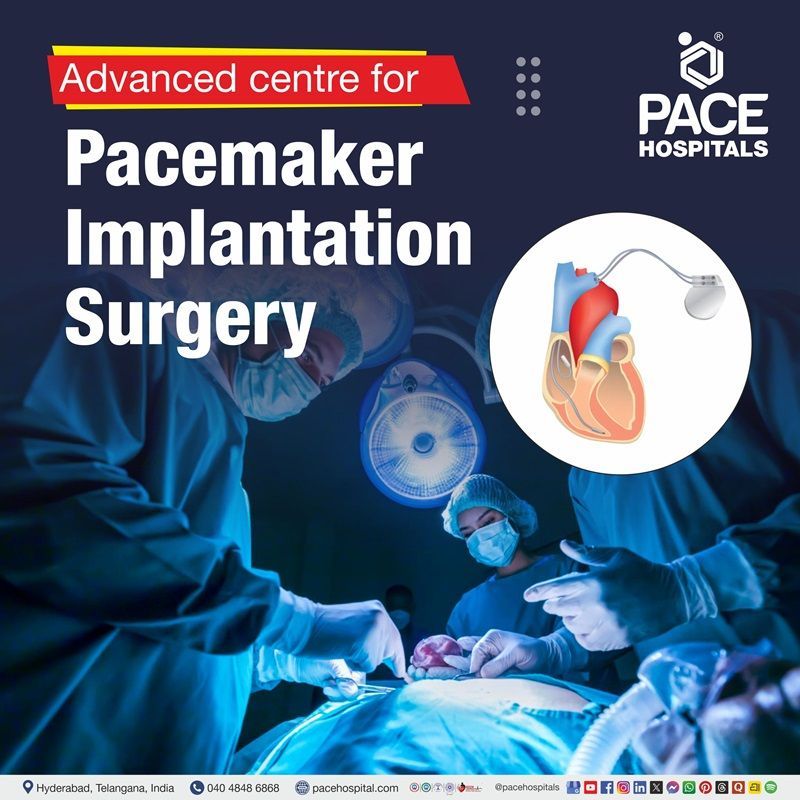
Top Cardiologists and Cardiac Surgeons with 30+ Years of Experience in Pacemaker Procedures
Precision-Guided Pacemaker Implantation Surgery with High Success Rates
Transparent Pacemaker Implantation Surgery with Insurance & Cashless Facilities
Pacemaker of the Heart
A pacemaker is a small medical device that is placed in the chest to help control abnormal heart rhythms. It provides tiny electrical impulses to the heart to maintain its functioning steadily, especially if the heart is beating too slowly (bradycardia) or irregularly. Pacemakers can help blood flow to the body, which can reduce symptoms such as fatigue, dizziness or fainting, and reduce the risk of heart complications.
Pacemaker implantation is generally recommended when medications or lifestyle changes are not effective enough to control heart rhythm problems. It is often prescribed for patients with slow heart rates, heart block or other conduction problems that interfere with normal heart function.
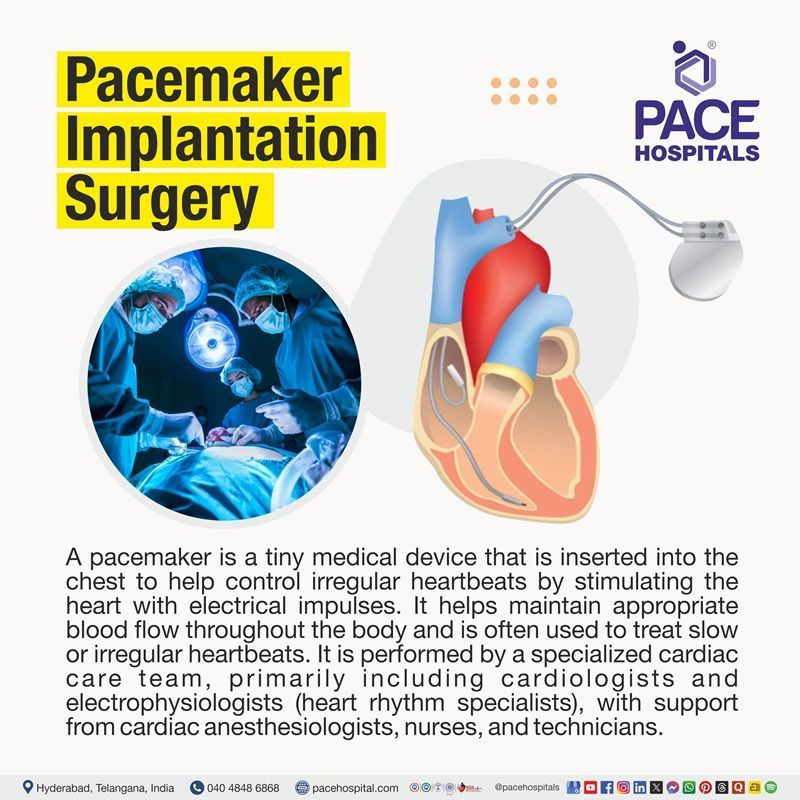
Pacemaker surgery is carried out by a multidisciplinary team of cardiac care specialists, including cardiologists and electrophysiologists who specialize in heart rhythm disorders. They work closely with cardiac anesthesiologists, nursing staff and technicians to evaluate the patient, program the device accordingly, and provide safe implantation and follow-up care.
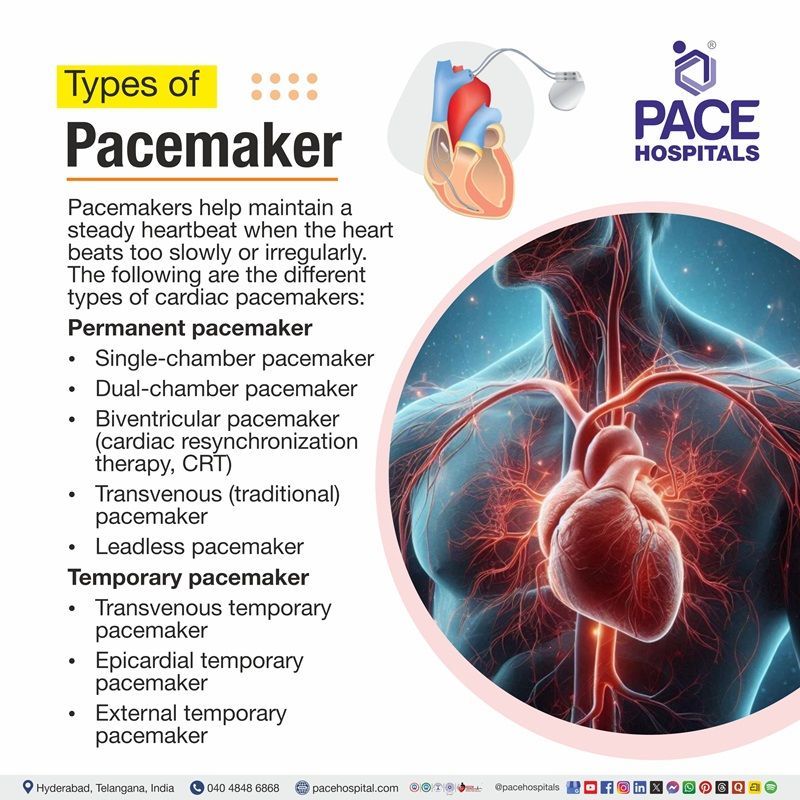
Pacemaker Types
Pacemakers help maintain a steady heartbeat when the heart beats too slowly or irregularly. They can be classified based on how long they are needed, either for long-term support or short-term use. The following are the different types of cardiac pacemakers:
- Permanent pacemaker
- Temporary pacemaker
Permanent pacemaker
Pacemakers are classified based on the number of heart chambers they pace and how they are implanted. Permanent pacemakers are implanted for long-term use to manage ongoing heart rhythm problems. They continuously regulate the heartbeat to improve blood flow and reduce symptoms. The following are the permanent pacemaker types:
By the number of heart chambers paced
- Single-chamber pacemaker
- Dual-chamber pacemaker
- Biventricular pacemaker (cardiac resynchronization therapy, CRT)
By the implantation method
- Transvenous (traditional) pacemaker
- Leadless pacemaker
- By the number of heart chambers paced
Single-chamber pacemaker
A single-chamber pacemaker has one lead that is inserted into either the right atrium or the right ventricle. It helps maintain a regular heartbeat in the affected chamber and ensures enough blood flow to the body. This type is often used in patients with slow heart rates or certain heart blocks. It controls the rhythm, and cuts down on symptoms such as fatigue, dizziness and fainting.
Dual Chamber Pacemaker
A dual-chamber pacemaker has two leads, one placed in the right atrium and one in the right ventricle. It helps measure both the upper and lower chambers of the heart. This coordination helps the heart work more efficiently and keep a steady rhythm. Patients commonly indicate increased energy, fewer palpitations and improved exercise tolerance.
Biventricular pacemaker (cardiac resynchronization therapy, CRT)
A biventricular pacemaker has leads in both the right and left ventricles, and sometimes in the atrium, to help the heart beat in a coordinated way. It is mainly used for patients with heart failure whose lower heart chambers do not pump together efficiently. Synchronizing the ventricles improves blood flow to the body. This reduces symptoms like fatigue, swelling in the legs, and shortness of breath. Overall, it helps patients feel more energetic and improves their quality of life.
By the implantation method
Transvenous (traditional) pacemaker
A transvenous pacemaker is implanted under the skin in the chest, with thin wires (leads) threaded through a vein and into the heart. These leads monitor the heartbeat and send out small electrical signals if the heart beats too slowly or irregularly. It keeps the heartbeat at a regular rate and pumps blood effectively to the body. This is the most common and safe way to help patients with slow or irregular heartbeats. After implantation, most people feel less tired and dizzy.
Leadless pacemaker
A leadless pacemaker is a very small, self-contained device that is implanted into the heart without any wires or leads. It is acceptable for patients with vein problems or with an increased risk of infection from conventional leads. Compact, yet effective in monitoring and correcting abnormal heart rhythms. The minimally invasive procedure reduces complications while maintaining proper heart function.
Temporary Pacemakers
Temporary pacemakers are used as short-term support during emergencies, after heart surgery or while waiting for a permanent device. They stabilize the heart rhythm until permanent pacing is needed. The following are the temporary pacemaker types:
- Transvenous temporary pacemaker
- Epicardial temporary pacemaker
- External temporary pacemaker
Transvenous temporary pacemaker
A transvenous temporary pacemaker has thin wires (leads) that pass through a vein into the heart chambers. It helps maintain a safe, steady heart rate until the patient's own rhythm comes back or a permanent pacemaker is placed. Doctors can quickly adjust the pace to suit the patient's needs. This type is commonly used in hospitals when someone's heart suddenly slows down or stops beating.
Epicardial temporary pacemaker
An epicardial temporary pacemaker involves wires placed directly on the surface of the heart during surgery. It controls the heart rate as the patient is recovering from heart procedures. It is connected to an external pacemaker outside the body. This helps the heart continue to beat at a regular rhythm until the normal electrical conduction is restored.
External temporary pacemaker
External temporary pacemakers send electrical impulses to the heart through electrodes or pads placed on the chest. It is frequently used in emergencies when immediate pacing is required. It’s a non-invasive device that can be removed once a patient’s heart rhythm is stable. It can temporarily help prevent symptoms such as fainting, dizziness or low blood flow.
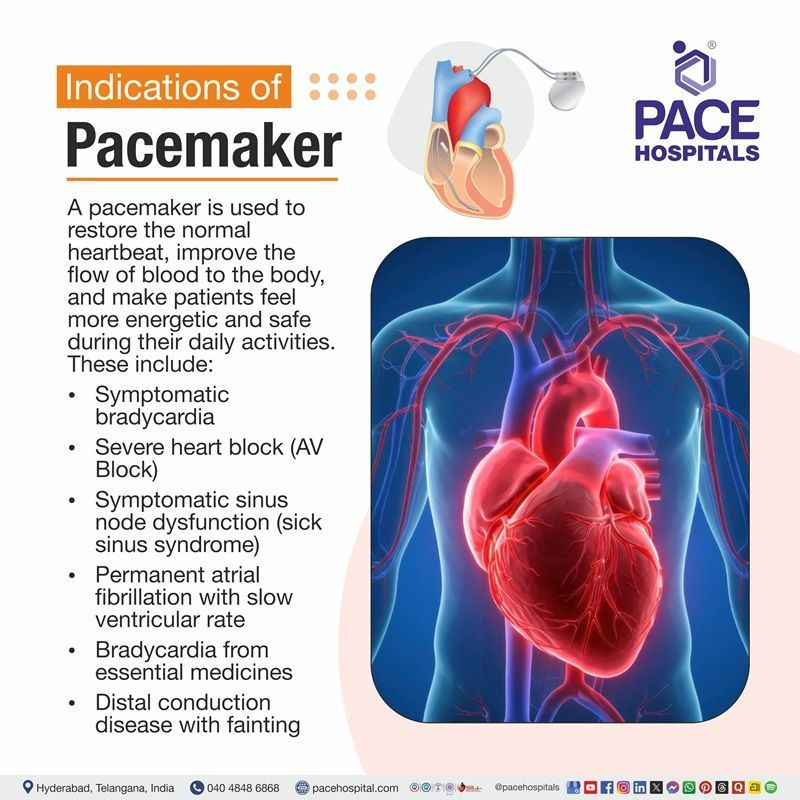
Pacemaker Indications
Pacemakers are used if the heart beats too slowly or irregularly, causing symptoms or health problems. A pacemaker is used to restore the normal heartbeat, improve the flow of blood to the body, and make patients feel more energetic and safe during their daily activities. These include:
- Symptomatic bradycardia
- Severe heart block (AV Block)
- Symptomatic sinus node dysfunction (sick sinus syndrome)
- Permanent atrial fibrillation with slow ventricular rate
- Bradycardia from essential medicines
- Distal conduction disease with fainting
Symptomatic bradycardia
Symptomatic bradycardia occurs when the heart beats abnormally slow and has symptoms such as fatigue, dizziness or fainting. A pacemaker helps the heart beat steadily. This ensures that there is enough blood and oxygen for the body. Patients are usually more energetic and safe in daily activities.
Severe heart block (AV block)
When the electrical impulses between the upper and lower chambers of the heart are slowed or blocked, this can cause an irregular heartbeat or slow heart rate. A pacemaker helps to correct the timing between the chambers. It prevents fainting, shortness of breath and problems caused by poor blood circulation.
Symptomatic sinus node dysfunction (sick sinus syndrome)
Sinus node dysfunction is when the heart’s natural pacemaker isn’t working properly. It can cause pauses, slow heart rates or irregular rhythms. The pacemaker makes sure the heart beats normally and regularly. Patients often experience reduced dizziness, fatigue, and improved quality of life.
Permanent atrial fibrillation with slow ventricular rate
Some patients with atrial fibrillation have a too slow rate of contraction of the lower chambers (ventricles). This can cause fatigue, dizziness or fainting. A pacemaker of the heart makes sure the ventricles beat at a safe, steady rate. This improves blood flow and relieves symptoms caused by slow heartbeats.
Bradycardia from essential medicines
Some heart or blood pressure medications can slow the heart as a side effect. It may not be safe for the patient to stop these medicines. A pacemaker helps keep a proper heartbeat while continuing to receive the treatment needed. It balances the medication benefits against the backdrop of protection against slow heart complications.
Distal conduction disease with fainting
Repeated unexplained fainting is caused by distal conduction disease, which affects the heart's lower electrical pathways. A pacemaker corrects the abnormal rhythm and prevents the heart rate from suddenly declining. It helps the blood flow to the body more easily and reduces the chance of injury from fainting. Patients are able to perform normal activities more safely.
Contraindications of Pacemaker
There are no specific contraindications to pacemaker implantation if it is clearly life-saving. However, in some situations, based on the patient's clinical status, pacemaker placement may be deferred or re-evaluated cautiously. Pacemaker contraindications include:
- Active infection or sepsis
- Infection at the implant site
- Patient refusal or no consent
- Reversible causes of bradycardia
- Asymptomatic sinus bradycardia
- Sleep-related bradycardia without other indication
- Symptoms unrelated to bradycardia or heart block
- Asymptomatic first-degree AV block
- Asymptomatic Mobitz type I AV block
- Terminal illness with no expected benefit
- Uncontrolled bleeding risk or coagulopathy
Active infection or sepsis
Pacemaker implantation is usually delayed if the patient has an active infection, fever, bloodstream infection, or sepsis. Placing a device during infection can increase the risk of pacemaker-related infection. Doctors usually treat and control the infection first. Once the infection clears, pacemaker surgery may be planned if still needed.
Infection at the implant site
If there is redness, swelling, pus, wound infection, or skin infection at the planned chest implant area, surgery may be postponed. Implanting a pacemaker through infected skin can spread infection to the device or leads. The local infection should be treated before the procedure. Surgery is considered only after the skin and soft tissue are healthy.
Patient refusal or no consent
Pacemaker surgery should not be performed if the patient refuses to undergo the procedure. Informed consent is necessary as the patient must understand the purpose, benefits, risks, and alternatives. Medical professionals explain the reason the pacemaker is recommended and what could happen without it. The final decision is supposed to be the patient’s choice.
Reversible causes of bradycardia
If the slow heart rate is due to a treatable problem, a permanent pacemaker may not be necessary. For instance, certain medications, electrolyte imbalances, thyroid problems, or short-term illnesses. In those situations, doctors treat the underlying cause first. If the slow rhythm does not respond to correction, implantation of a pacemaker is planned.
Asymptomatic sinus bradycardia
Sinus bradycardia means the heart beats slower than normal, but it may not always be dangerous. If there are no symptoms such as fainting, dizziness, breathlessness, or fatigue, a pacemaker is usually not required. Some healthy people naturally have a slow heart rate. Treatment depends on symptoms and clinical evaluation.
Sleep-related bradycardia without other indication
In some individuals, a slow heart rate develops only during sleep, especially in combination with sleep-related breathing problems. Alone, this is normally not a reason for pacemaker implantation. Doctors can evaluate and treat sleep apnea and its underlying cause. A pacemaker indication should be considered only in the setting of another clear pacing indication.
Symptoms unrelated to bradycardia or heart block
Symptoms like dizziness, tiredness, or fainting may occur due to many causes other than a slow heart rhythm. If tests show that the symptoms are not related to bradycardia or heart block, pacemaker surgery may not help. Doctors usually confirm the connection with ECG or rhythm monitoring. Treatment should target the real cause of symptoms.
Asymptomatic first-degree AV block
First-degree AV block is a mild delay in the electrical conduction between the upper and lower chambers of the heart. Pacemaker implantation is usually not needed if it does not cause symptoms or serious conduction problems. Many patients are observed without surgery. Treatment is based on symptoms, ECG changes, and general heart health.
Asymptomatic Mobitz type I AV block
Mobitz type I AV block can occur when electrical signals slow down gradually, resulting in one beat being missed. If it happens at the AV node and the patient is asymptomatic, there is usually no need for pacemaker surgery. Doctors will monitor the rhythm and look for reversible causes. Pacemaker insertion is considered only if the patient becomes symptomatic or has high-risk features.
Terminal illness with no expected benefit
Pacemaker implantation may be avoided in patients with advanced terminal illness if it is unlikely to improve survival, symptoms, or quality of life. The decision is usually made after discussion with the patient, family and healthcare team. Comfort, goals of care and expected benefit are discussed. Pacemaker surgery should be of actual clinical value.
Uncontrolled bleeding risk or coagulopathy
Patients with significant bleeding problems or uncontrolled blood-thinning effects may have the operation to implant the pacemaker delayed. Bleeding can lead to complications such as a pocket hematoma at the implant site. Doctors may correct clotting problems or adjust medicines before surgery. The procedure is planned carefully when the bleeding risk is controlled.
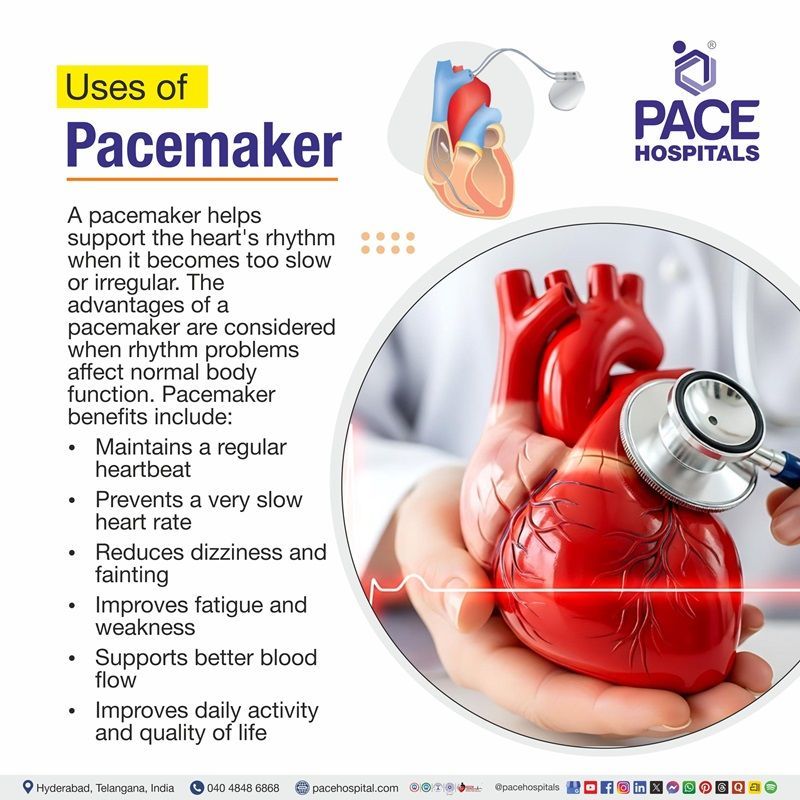
Pacemaker Uses
A pacemaker helps support the heart's rhythm when it becomes too slow or irregular. The advantages of a pacemaker are considered when rhythm problems affect normal body function. Pacemaker benefits include:
- Maintains a regular heartbeat
- Prevents a very slow heart rate
- Reduces dizziness and fainting
- Improves fatigue and weakness
- Supports better blood flow
- Improves daily activity and quality of life
Maintains a regular heartbeat
A pacemaker is a device that keeps track of the heart rhythm and sends out small electrical signals when the heartbeat is too slow or irregular. This helps the heart to beat at a more regular and fitting pace. It is frequently used for rhythm problems such as bradycardia and heart block.
Prevents a very slow heart rate
One of the main benefits of a pacemaker is preventing the heart from beating too slowly. When the heart rate drops too much, the body and brain may not receive enough oxygen-rich blood. A pacemaker helps maintain an appropriate heart rate when the natural rhythm is not reliable.
Reduces dizziness and fainting
A slow heartbeat can cause dizziness, light-headedness, fainting or near-fainting episodes. A pacemaker can improve heart rhythm and help maintain blood flow to the brain to reduce these symptoms. This is particularly useful in patients with symptoms clearly related to bradycardia or heart block.
Improves fatigue and weakness
If the heart beats too slowly, patients may feel unusually tired, weak or unable to do routine activities. By supporting a more suitable heart rate, a pacemaker can help reduce fatigue related to a slow heart rhythm. This may improve energy levels during daily activities.
Supports better blood flow
A pacemaker helps the heart pump at a more appropriate rate when the natural electrical system is not working properly. This supports better blood and oxygen supply to important organs, including the brain and body tissues. Better circulation can help reduce symptoms caused by inadequate blood flow.
Improves daily activity and quality of life
By reducing symptoms such as dizziness, fainting, tiredness, and breathlessness, a pacemaker can help patients perform daily activities more comfortably. Some modern pacemakers can also adjust the heart rate according to physical activity. This may help suitable patients maintain a more active lifestyle.
Get a Free Second Opinion for Pacemaker Surgery
At PACE Hospitals, we are committed to providing our patients with the best possible care, and that includes offering second medical opinions with super specialists for treatment or surgery. We recommend everyone to get an expert advance medical second opinion, before taking decision for your treatment or surgery.
Pacemaker Implant Procedure
Pacemaker procedure steps are as follows:
Before Pacemaker Surgery
- The doctor checks the heart rhythm using tests such as ECG, Holter monitoring, echocardiogram, or other cardiac tests to confirm the need for a pacemaker.
- Blood tests and general health assessments are done to check for infection, kidney function, blood sugar, clotting status, and overall fitness for the procedure.
- The patient’s current medicines are reviewed, especially blood thinners, diabetes medicines, and heart medicines, as some may need adjustment before surgery.
- The doctor asks about allergies, previous reactions to anaesthesia, bleeding problems, and past medical or surgical history.
- Existing conditions such as diabetes, high blood pressure, infection, or bleeding risk are controlled before the procedure.
- The patient may be asked to fast for a few hours before pacemaker implantation, depending on hospital protocol.
- The chest area is cleaned and prepared, and an intravenous line may be placed to give fluids or medicines.
- The doctor explains the procedure, benefits, possible risks, recovery instructions, and takes informed consent before surgery.
During the pacemaker surgery
- Anaesthesia Administration: Local anaesthesia is given to numb the chest area where the pacemaker will be placed. Mild sedation may also be given to keep the patient relaxed and comfortable. The patient is usually awake but does not feel pain during the procedure.
- Incision and Access: A small incision is made under the collarbone, usually at the top of the chest. This opening allows the doctor to create a small pocket under the skin for the pacemaker device. The area is kept clean to reduce the risk of infection.
- Lead Placement: Thin insulated wires, called leads, are threaded through a vein and into the heart. Imaging support is used to position the leads into the correct chamber of the heart. These leads carry electrical signals between the heart and the pacemaker.
- Lead Testing: Once the leads are in place, they are checked to see if they can properly sense the heart’s natural rhythm. The doctor also checks to see if the leads can send pacing signals when needed. This step ensures the leads are working safely and effectively.
- Pacemaker Generator Placement: The pacemaker generator contains the battery and electronic circuit of the device. It is connected to the leads and placed in the small pocket created under the skin. This generator controls the electrical signals sent to the heart.
- Device Programming: The pacemaker is programmed based on the patient’s heart rhythm problem and pacing requirement. The settings help the device monitor the heartbeat and send signals when the heart rate becomes too slow. The programming may be adjusted during follow-up visits if needed.
- Closure of Incision: Once the pacemaker function is confirmed, the incision is closed with sutures, staples, or surgical glue. A sterile dressing is applied over the wound to protect the area. The patient is then shifted to the recovery area for monitoring.
After Pacemaker Surgery
- After the procedure, the patient is monitored for heart rhythm, blood pressure, oxygen levels, wound condition, and pacemaker function.
- Mild pain, swelling, bruising, or soreness near the pacemaker site may occur for a few days and is usually managed with medicines.
- The wound should be kept clean and dry, and dressing care should be followed as advised by the healthcare team.
- Heavy lifting, strenuous exercise, and sudden shoulder movements on the pacemaker side are usually avoided for a few weeks.
- The arm on the pacemaker side may have limited movement initially to help prevent lead displacement, but gentle movement may be advised to avoid stiffness.
- The patient receives instructions about medicines, activity level, bathing, wound care, device precautions, and when to return to normal activities.
- Regular follow-up visits are needed to check pacemaker settings, lead function, and battery status.
- Medical attention is needed if there is fever, increasing pain, redness, swelling, wound discharge, dizziness, fainting, breathlessness, or palpitations.
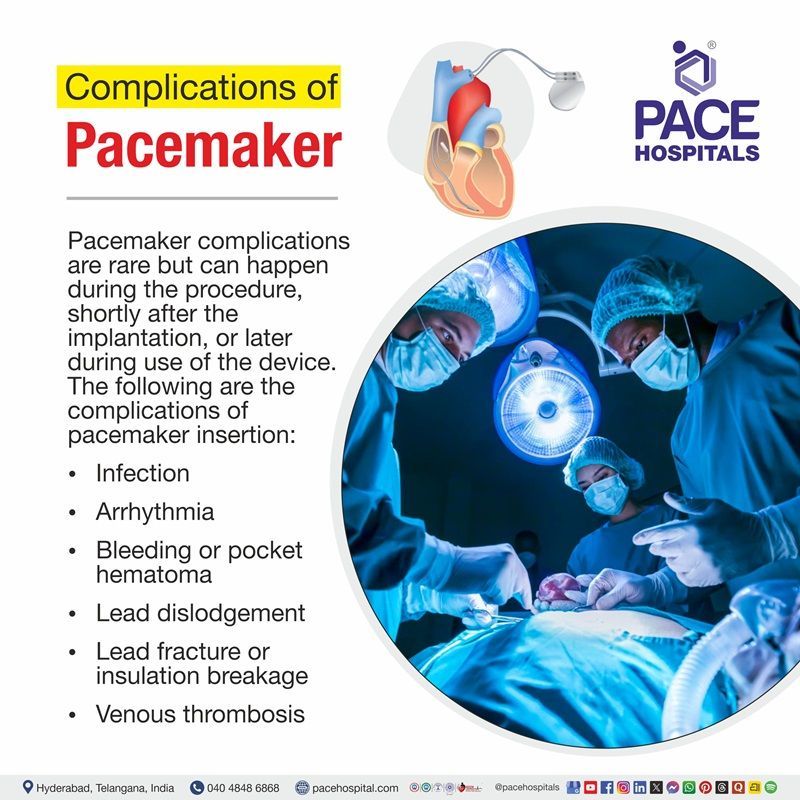
Pacemaker Complications
Pacemaker complications are rare but can happen during the procedure, shortly after the implantation, or later during use of the device. Regular follow-up helps detect problems early and ensures the pacemaker is working properly. The following are the complications of pacemaker insertion:
- Infection
- Arrhythmia
- Bleeding or pocket hematoma
- Lead dislodgement
- Lead fracture or insulation breakage
- Venous thrombosis
- Pneumothorax
- Cardiac perforation
- Device malfunction or battery depletion
Infection
Infection can be at the pacemaker implantation site or around the pocket of the device. It can cause redness, swelling, pain, warmth, wound drainage, or fever. Antibiotics or removal of the device may be required in severe cases.
Arrhythmia
Abnormal heart rhythms can happen during pacemaker lead placement, particularly when the lead is being moved around inside the heart. Most rhythm changes are temporary and are observed during the procedure. Sustained arrhythmias of clinical consequence are rare.
Bleeding or pocket hematoma
Bleeding may occur at the incision site or inside the pacemaker pocket. A pocket hematoma is blood that collects under the skin near the device. Major hematomas may need more treatment. They also increase the chance of infection.
Lead dislodgement
Lead dislodgement happens when the pacemaker wire moves from its correct position in the heart. This can affect the proper sensing or pacing of the heartbeat. If the lead does not work correctly, repositioning may be needed.
Lead fracture or insulation breakage
In rare cases, pacemaker leads can fracture or develop cracks or insulation damage over time. Electrical signals between the pacemaker and the heart may be interrupted. The device may require reprogramming, lead repair, or lead replacement.
Venous Thrombosis
Venous thrombosis is the formation of a blood clot in the vein into which the pacemaker leads are inserted. This may reduce blood flow and can cause swelling or discomfort in the arm. Treatment varies with the severity of the condition and the overall condition of the patient.
Pneumothorax
Pneumothorax occurs when air enters the thoracic cavity due to a puncture of the lung at the time of lead insertion. It can cause chest pain, breathlessness or low oxygen levels. Some cases require observation, some drainage.
Cardiac perforation
Cardiac perforation is a rare complication where the pacemaker lead pierces the wall of the heart. It can occur soon after implantation, but can also be detected later, rarely. Symptoms include chest pain, breathlessness or low blood pressure and require urgent treatment.
Device malfunction or battery depletion
Sometimes a pacemaker can malfunction and require reprogramming or replacement. The battery has a limited lifespan and will need to be checked at routine follow-up appointments. When the battery gets weak, it is planned to replace the generator.
Heart pacemaker surgery recovery time
The recovery time for heart pacemaker surgery depends on the type of pacemaker procedure done, age and health condition. Most patients can start gentle arm movements in a few days, but full recovery may take weeks to months. Generally, patients are advised not to lift heavy objects, overexert themselves or raise the arm on the side of the pacemaker for approximately 4 weeks. Follow-up is important to check wound healing, pacemaker function and battery status.
What questions can patients ask the healthcare team about pacemaker surgery?
- When can discharge from the hospital be expected after pacemaker surgery?
- When should the first follow-up visit be scheduled?
- What pain, swelling, or bruising is normal after pacemaker implantation?
- How should the pacemaker wound or dressing be cared for at home?
- What arm movements or activities should be avoided after surgery?
- When can normal daily activities, driving, or exercise be resumed?
- What is the typical recovery time after pacemaker surgery?
- What warning signs should be watched for after surgery?
- How often should pacemaker checks be done?
- How long does the pacemaker battery last, and when is replacement needed?
Difference between ICD and a pacemaker
ICD vs pacemaker
A pacemaker and an ICD are both implanted heart devices, but they are used for different rhythm problems. A pacemaker treats slow heart rhythms, while an ICD protects against dangerous fast rhythms that can lead to sudden cardiac arrest. The following are the ICD and pacemaker differences:
| Parameters | Implantable Cardioverter Defibrillator (ICD) | Pacemaker |
|---|---|---|
| Definition | An ICD is an implanted device that monitors the heart and gives a shock or pacing therapy when a dangerous fast rhythm occurs. | A pacemaker is a small implanted device that sends low-energy electrical signals to the heart when the heartbeat becomes too slow. |
| Main purpose | It mainly prevents sudden cardiac arrest from dangerous fast heart rhythms. | It mainly prevents or corrects a slow heart rate. |
| Indication | Ventricular tachycardia, ventricular fibrillation, previous cardiac arrest, or high risk of sudden cardiac death. | Bradycardia, heart block, sinus node dysfunction, and rhythm problems, where the heart beats too slowly. |
| How it works | It detects life-threatening abnormal rhythms and can deliver a shock to restore normal rhythm. | It sends small electrical impulses to keep the heart beating at a safe and regular rate. |
| Device size | Usually slightly larger than a pacemaker because it has shock-delivery functions. | Usually smaller than an ICD. |
| Contraindications / not advised | Active infection, no consent, reversible arrhythmia, terminal illness, no expected survival benefit. | Active infection, implant-site infection, no consent, terminal illness, high bleeding risk. |
| Battery life | Battery life also lasts several years, but may reduce faster if shocks or frequent therapies are delivered. | Battery life usually lasts several years and depends on pacing use and device type. |
Frequently Asked Questions (FAQs) on Pacemaker Surgery
Which heart conditions require a pacemaker?
Heart problems that cause a very slow or irregular heartbeat may require a pacemaker. Common conditions include bradycardia, heart block, sinus node dysfunction, and some rhythm problems following heart surgery or a heart attack. In some patients with heart failure, it may be used to help coordinate the heartbeats. The cardiologist will decide based on symptoms, ECG findings and rhythm monitoring.
Are there any restrictions on arm movement after pacemaker surgery?
Yes. After pacemaker surgery, patients are usually advised to limit movement of the arm on the side of the implant. Lifting the arm above shoulder level, heavy lifting, or strenuous activity should be avoided for a few weeks. Gentle movements may be done to prevent stiffness, but sudden or forceful motions are restricted. These precautions help protect the leads and ensure proper healing of the pacemaker site.
What is the recovery time after pacemaker surgery?
Recovery from pacemaker surgery is usually rapid, with most patients discharged on the same day or within 1-2 days. Mild soreness, swelling, or bruising at the implant site may persist for a few days. Generally, one may start to resume regular activities within 1 to 2 weeks, but heavy lifting and strenuous activity should be avoided for about 4 weeks. The adjustment to the device and wound healing takes about a month for complete recovery.
What is the success rate of pacemaker implantation?
Pacemaker implantation is a very successful procedure with success rates of 95-98%. Most patients have a marked reduction in symptoms such as dizziness, fainting, fatigue and shortness of breath. Complications are uncommon and are usually treatable if they do occur. Long-term follow-up is done to make sure the device continues to work well and is safe.
What lifestyle changes are recommended after pacemaker implantation?
After a pacemaker is installed, the patients are advised to have a healthy lifestyle so that the heart functions well. This involves light exercise on a regular basis as recommended by the doctor, a heart-healthy diet and avoiding heavy lifting or strenuous activity during the first few weeks. Avoid smoking and excessive use of alcohol. Regular follow-up appointments and taking the prescribed medications are also important for long-term device and heart health.
What are the risks and complications of pacemaker implantation?
Pacemaker implantation is relatively safe but does have some risks. Some of the complications include infection, bleeding, dislodgement or fracture of the lead, pneumothorax, and cardiac perforation. The battery may wear out, and the device may stop working after some time. Most complications are rare and treatable with prompt medical care and routine follow-up.
What are the warning signs where a pacemaker may be needed?
A pacemaker may be needed if a person experiences dizziness, fainting, extreme fatigue, or shortness of breath. These symptoms are commonly seen when the heart beats too slowly or abnormally. Other warning signs include chest discomfort, palpitations, or sudden weakness. A cardiologist assesses these signs using tests such as ECG and Holter monitoring to determine the need for a pacemaker.
Looking for the Best Pacemaker Implantation Surgery Hospital Near Me?
If you’re searching for the top pacemaker implantation surgery hospital near me in areas like HITEC City, Madhapur, Kondapur, Gachibowli, Kukatpally, or KPHB, it is important to choose a hospital with experienced cardiologists, electrophysiologists, and advanced cardiac care facilities.
Effective pacemaker implantation requires:
- Comprehensive cardiac rhythm evaluation
- Advanced electrophysiology and catheterization laboratory support
- Safe implantation techniques and device programming
- Long-term follow-up and pacemaker monitoring
At PACE Hospitals, Hyderabad, patients receive comprehensive cardiac care with a multidisciplinary approach, ensuring optimal heart rhythm management and improved quality of life.
What is a heart pacemaker?
A heart pacemaker is a small medical device that is implanted under the skin, usually near the chest, to help control abnormal heart rhythms. It sends gentle electrical signals to the heart when the heartbeat becomes too slow or irregular. A pacemaker helps the heart maintain a safe and regular rhythm. It is often used in conditions such as bradycardia, heart block and sinus node problems.
What tests are performed before pacemaker surgery?
Before pacemaker surgery, the doctor will perform tests to assess the rhythm of the heart and overall health. Common tests include electrocardiogram (ECG), Holter monitoring, echocardiogram and blood tests. These tests help identify slow heartbeat, heart block, or other rhythm problems. The results also help the cardiologist plan the pacemaker procedure safely.
Can a person with a pacemaker pass through a metal detector?
Yes, a person with a pacemaker can usually pass through a metal detector, but should not stand near it for a long time. Airport or security screening staff should be informed about the pacemaker before screening. A pacemaker ID card should be carried for safety and verification. Handheld metal detector wands should not be held directly over the pacemaker site for long.
Can a person with a pacemaker undergo an MRI scan?
Yes, a lot of pacemakers today are MRI-compatible, meaning patients can have MRI scans safely under certain conditions. But some older pacemakers or certain types can be dangerous for MRI. The cardiologist and radiologist should be informed before any MRI, and device settings might need to be changed. Always keep the pacemaker ID card. Follow medical advice before imaging.
How long can a person live with a pacemaker?
A pacemaker does not reduce life expectancy and helps patients lead normal, active lives. For most people with pacemakers, the pacemaker does not affect life expectancy, and they live many years, depending on their underlying heart condition and general health. Regular follow-ups help to keep the device working well and change batteries when needed. With good care, a pacemaker can allow a full and healthy life.
How often does a pacemaker battery need replacement?
The battery in a pacemaker generally lasts between 5 and 15 years, depending on usage frequency and device type. Battery life is evaluated at routine follow-up visits. A minor surgical procedure is performed to replace the pacemaker generator when the battery is nearly depleted. It will ensure the safe and effective functioning of the device if it is replaced in time.
Can children undergo pacemaker implantation?
Children can have a pacemaker placed if they have a slow or abnormal heart rhythm that needs treatment. The procedure is modified according to the child's condition and the condition of his heart. Pediatric cardiologists carefully monitor the child during and after surgery. Follow-up visits are important to monitor the proper functioning of the pacemaker as the child grows.
Can a pacemaker prevent stroke?
No, a pacemaker does not prevent stroke, as it only regulates slow or irregular heartbeats. It helps maintain a steady heart rhythm and reduces symptoms like dizziness or fainting. Stroke prevention requires managing risk factors such as high blood pressure, atrial fibrillation, diabetes, and high cholesterol. Doctors may also prescribe blood thinners to lower stroke risk alongside pacemaker care.
Can a person exercise after getting a pacemaker?
Yes, patients can exercise after pacemaker implantation, but specific precautions are necessary initially. In a few days, gentle activities like walking are usually allowed. Avoid heavy lifting or strenuous exercise for approximately 4 to 6 weeks. Most patients can gradually return to normal activity with their doctor's guidance. Regular follow-up ensures the pacemaker is functioning properly during exercise.
Is Pacemaker Implantation Surgery Covered by Insurance at PACE Hospitals?
Yes, pacemaker implantation surgery is generally covered under most health insurance policies at PACE Hospitals, subject to policy terms and approval. Since pacemaker implantation is considered a medically necessary procedure for treating serious heart rhythm disorders, it is typically included under private insurance and corporate health plans.
At PACE Hospitals, patients can benefit from:
- Cashless hospitalization facilities with empaneled insurance providers
- Assistance from a dedicated insurance and TPA coordination team
- Pre-authorization support and documentation guidance
- Transparent cost estimates before admission
- Support for government health schemes where applicable
Coverage depends on device coverage clauses, waiting periods, sum insured limits, pre-existing disease conditions, and policy inclusions. Patients are encouraged to share policy details in advance so the hospital’s insurance desk can verify eligibility and streamline the approval process.
Why choose PACE Hospitals?
- A Multi-Super Speciality Hospital.
- NABH, NABL, NBE & NABH - Nursing Excellence accreditation.
- State-of-the-art Liver and Kidney transplant centre.
- Empanelled with all TPAs for smooth cashless benefits.
- Centralized HIMS (Hospital Information System).
- Computerized health records available via website.
- Minimum waiting time for Inpatient and Outpatient.
- Round-the-clock guidance from highly qualified super specialist doctors, surgeons and physicians.
- Standardization of ethical medical care.
- 24X7 Outpatient & Inpatient Pharmacy Services.
- State-of-the-art operation theaters.
- Intensive Care Units (Surgical and Medical) with ISO-9001 accreditation.


