Pelvic Inflammatory Disease: Symptoms, Causes & Treatments by Gynaecologist

PACE Hospitals

Pelvic Inflammatory Disease (PID) Symptoms, Causes, Types, Risk Factors, Complications, Treatment
By Pace Hospitals September 12, 2023
PID full form - Pelvic Inflammatory Disease, It is a medical condition that primarily affects the female reproductive organs, including the uterus, fallopian tubes, and ovaries. PID is typically caused by a bacterial infection that spreads from the lower genital tract (e.g., cervix or vagina) upward into the upper reproductive organs. The most common bacteria responsible for PID are Chlamydia trachomatis and Neisseria gonorrhoeae, which are sexually transmitted infections (STIs).

Pelvic inflammatory disease (PID) is an infection of the female reproductive organs, often caused by sexually transmitted bacteria like chlamydia or gonorrhea. Symptoms may include lower abdominal pain, abnormal vaginal discharge, painful urination, fever, and pain during intercourse. If left untreated, PID can lead to complications like infertility and chronic pelvic pain. Treatment basically involves antibiotics to wipe out the infection, and in severe cases, hospitalization may be necessary. Early diagnosis and prompt treatment can help prevent long-term complications. Safe sexual practices and regular check-ups are essential for reducing the risk of PID.


Related Articles
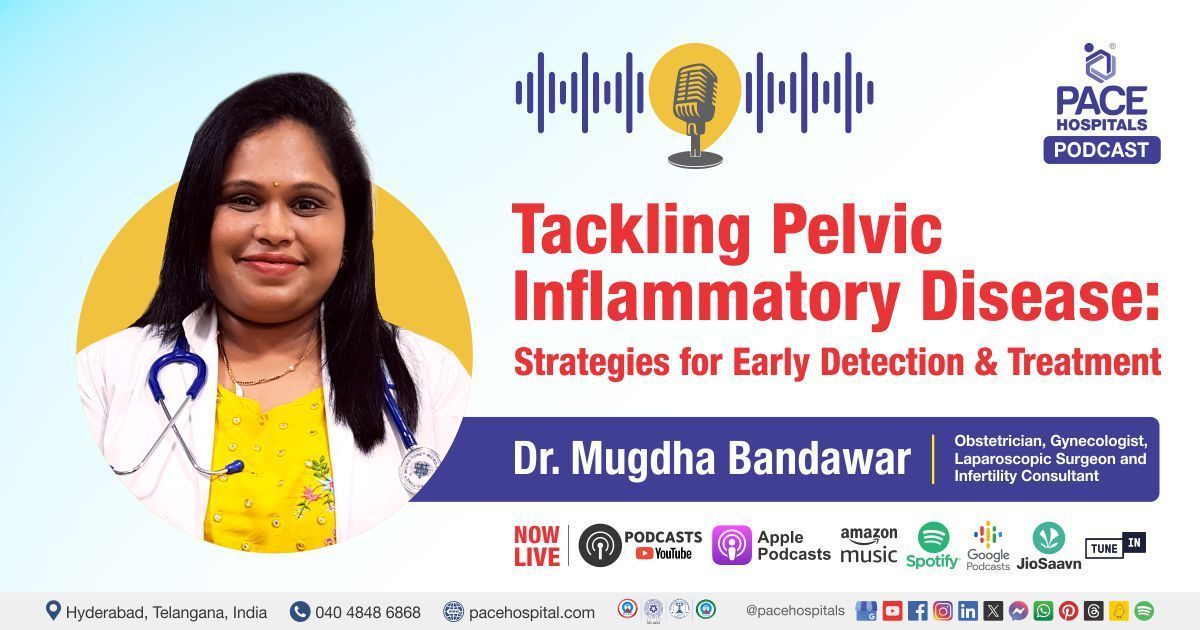
Pelvic Inflammatory Disease | what is Pelvic Inflammatory Disease | PID podcast
By PACE Hospitals April 4, 2024
Tune in to the PID Podcast to explore Pelvic Inflammatory Disease (PID) with Dr. Mugdha Bandawar at PACE Hospitals. Gain crucial health insights.
Pelvic Inflammatory Disease (PID) Symptoms, Causes, Types, Risk Factors, Complications, Treatment
By Pace Hospitals September 12, 2023
PID full form - Pelvic Inflammatory Disease, It is a medical condition that primarily affects the female reproductive organs, including the uterus, fallopian tubes, and ovaries. PID is typically caused by a bacterial infection that spreads from the lower genital tract (e.g., cervix or vagina) upward into the upper reproductive organs. The most common bacteria responsible for PID are Chlamydia trachomatis and Neisseria gonorrhoeae, which are sexually transmitted infections (STIs).


Share on

Request an appointment

Fill in the appointment form or call us instantly to book a confirmed appointment with our super specialist at 04048486868

Appointment request - health articles

Recent Articles

Telugu Podcast on chemotherapy  by Dr. Ramesh Parimi from PACE Hospitals
By PACE Hospitals April 30, 2026
Tune into the Chemotherapy Podcast with Dr. Ramesh Parimi at PACE Hospitals to learn its benefits, side effects, and supportive care tips.
Successful bilateral liposuction and gland excision for Grade 2B gynecomastia at PACE Hospitals
By PACE Hospitals April 29, 2026
Case study of a 38 Y.O. male with Grade 2B gynecomastia, treated with liposuction and gland excision for improved chest contour by plastic surgeons at PACE Hospitals
Successful Arthroscopic Rotator Cuff Repair done for Complete Right Shoulder Tear at PACE Hospitals
By PACE Hospitals April 28, 2026
Explore the case study of a 60-year-old male treated at PACE Hospitals with arthroscopic rotator cuff repair (supraspinatus & subscapularis) for right shoulder tear.
Theme of World Day for Safety and Health at Work, 2026 | importance of Safety and Health at Work
By PACE Hospitals April 27, 2026
World Day for Safety and Health at Work 2026 highlights the importance of safe workplaces, injury prevention, and employee well-being for a healthier, productive workforce.
Successful Sentinel Pile Excision done for Chronic Anal Fissure at PACE Hospitals
By PACE Hospitals April 27, 2026
Case study of a 50-year-old female with chronic anal fissure and bleeding, treated at PACE Hospitals with anal dilatation and sentinel pile excision.
Successful Laparoscopic Hysterectomy for Endometrial Hyperplasia Treatment at pace Hospitals
By PACE Hospitals April 25, 2026
Case study of a 54 Y.O. female with endometrial hyperplasia and dermoid cyst, treated with laparoscopic hysterectomy and cyst excision by gynecologists at PACE Hospitals