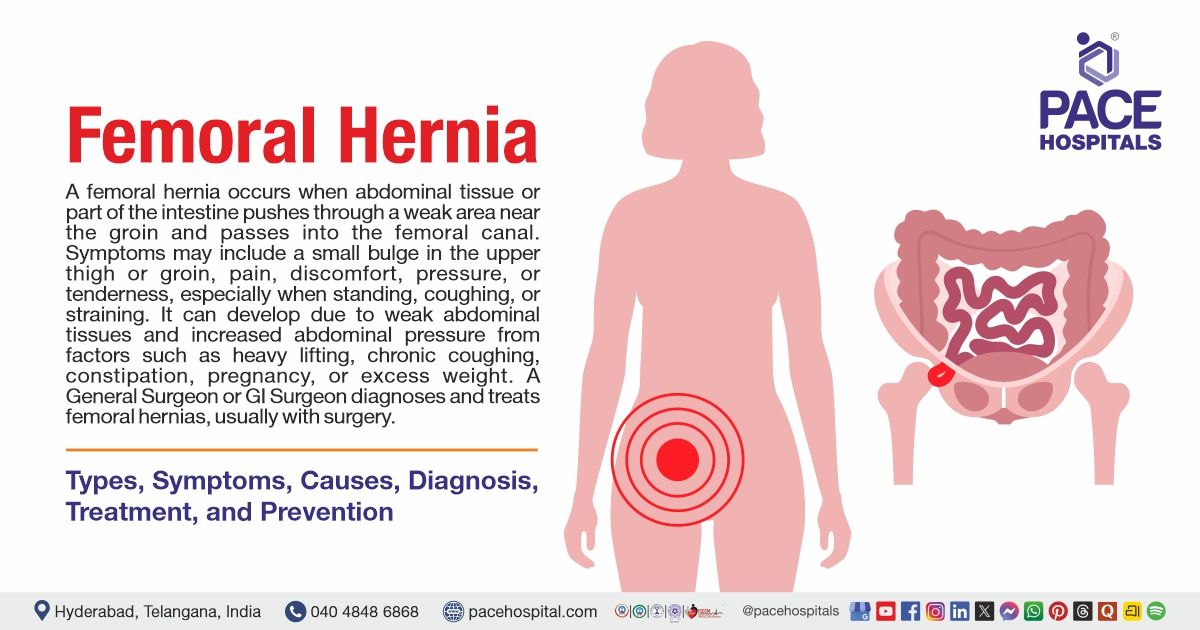
Affordable Whipple Procedure Cost in Hyderabad, India
PACE Hospitals
All You Need To Know About the Whipple Procedure
The Whipple procedure is a complex operation to remove the gallbladder, the head of the pancreas, the first part of the small intestine (duodenum), and to divide and reconstruct the bile duct.
The Whipple procedure, also known as pancreaticoduodenectomy, and it is a surgical procedure performed to treat tumours and other disorders of the pancreas, the intestine, and the bile duct. It is a complex procedure primarily used to treat pancreatic cancer confined to the head of the pancreas, the adjacent small intestine (duodenum), the common bile duct, and the gallbladder.
Whipple surgery is technically a complicated and high-risk procedure to carry out and the only option for pancreatic cancer. It is also lifesaving surgery for patients with pancreatic and other cancers.
Get a Cost Estimate for Whipple Procedure
Whipple Procedure Cost Query
Whipple Procedure Cost in India
On average, the Whipple Procedure costs in India range from ₹3,00,000 to ₹10,00,000 (approximately US $3168 to US $10563). However, the actual cost may vary depending on several factors, including:
- The patient's age, overall health, and underlying medical condition.
- The indication for surgery, such as pancreatic cancer, ampullary cancer, bile duct cancer, or benign pancreatic disorders.
- The type of Whipple procedure performed (standard, pylorus-preserving, open, laparoscopic, or robotic).
- The complexity of the surgery and whether additional procedures are required.
- The type of hospital (private, government, or trust hospitals).
- Hospital charges, including ICU stay, room category, and duration of hospitalization.
- The surgeon's expertise and the multidisciplinary team involved in the procedure.
- Pre-operative investigations, intraoperative requirements, and postoperative intensive care.
- Management of any complications that may arise during or after surgery.
- Insurance coverage or corporate approvals for cashless treatment.
Whipple Procedure Cost in Hyderabad, Telangana
On average, Whipple Procedure Cost in Hyderabad ranges from ₹3,50,000 to ₹9,00,000 (approximately US $3697 to US $9506). These rates offer a competitive and cost-effective option compared to other hospitals in the city, with advanced gastrointestinal and hepatopancreatobiliary (HPB) surgical care readily available.
However, the cost of a Whipple Procedure in Hyderabad is influenced by several factors, such as:
- The patient's overall health, age, and underlying medical condition.
- The indication for surgery and the disease's complexity.
- The type of Whipple procedure performed (standard, pylorus-preserving, open, laparoscopic, or robotic).
- The hospital facility chosen and its infrastructure.
- The duration of ICU stay, hospitalization, and postoperative recovery.
- Insurance or corporate approvals for cashless services.
- The extent of pre-operative investigations and postoperative care.
- Potential complications during or after the procedure.
Cost Breakdown According to Type of Whipple Procedure Performed
- Standard Whipple Procedure (Pancreaticoduodenectomy) – Procedure Cost: ₹3,50,000 – ₹6,00,000 (approximately US $3697 – US $6337)
- Pylorus-Preserving Whipple Procedure (PPPD) – Procedure Cost: ₹4,00,000 – ₹7,50,000 (approximately US $4225– US $7922)
- Open Whipple Procedure – Procedure Cost: ₹4,00,000 – ₹8,00,000 (approximately US $4225– US $8450).
- Laparoscopic Whipple Procedure – Procedure Cost: ₹5,00,000 – ₹8,50,000 (approximately US $5281– US $8978).
- Robotic Whipple Procedure – Procedure Cost: ₹7,00,000 – ₹10,00,000 (approximately US $7394– US $10563).
Note: These are estimated costs. The exact cost for an individual patient undergoing a Whipple Procedure is determined after a thorough evaluation by the gastrointestinal and hepatopancreatobiliary (HPB) surgical team.
Additional Information: The cost of a Whipple procedure varies from patient to patient and depends on several factors. These include the type of procedure performed, the surgical approach, the underlying condition being treated (such as pancreatic cancer, bile duct cancer, ampullary cancer, or other pancreatic diseases), the length of the hospital stay, the need for additional procedures or intensive postoperative care, and the expertise of the surgical team. Since every patient's condition is different, the treatment plan and cost estimate are prepared individually to match their specific clinical needs.
Breakdown of Whipple Procedure Costs
The cost of a Whipple procedure is made up of several components and can differ from one patient to another. It depends on the hospital, the type of Whipple procedure performed (such as standard, pylorus-preserving, open, laparoscopic, or robotic), and the patient's overall health and treatment requirements. Below is a detailed breakdown of the expenses typically associated with a Whipple Procedure:
Pre-Surgery Costs
- Consultation Fees: Charges for consultations with gastroenterologists and hepatopancreatobiliary (HPB) surgeons, depending on the doctor’s expertise and hospital.
- Diagnostic Tests: Includes blood tests, liver function tests, pancreatic function tests, CT scan, MRI, and other imaging studies to evaluate the pancreas and surrounding structures.
- Pre-Surgical Screening: Comprehensive assessment of cardiac, pulmonary, and overall health fitness to ensure the patient is suitable for major surgery.
Surgery Costs
- Hospitalization Charges: Room charges during pre-operative preparation and postoperative ICU or ward stay, depending on the patient's condition.
- Surgical Procedure: Costs associated with the Whipple Procedure, including surgeon’s fees, operating room charges, and surgical consumables.
- Anesthesia and Surgical Team Fees: Charges for anesthesia care and the medical specialists involved in performing and supporting the Whipple procedure.
Post-Surgery Care Costs
- ICU Stay Post-Surgery: Intensive monitoring in ICU for stabilization and early recovery, depending on clinical condition.
- Hospital Stay: General ward stay for continued recovery, pain management, and nutritional support after major abdominal surgery.
- Follow-Up Visits & Monitoring: Regular follow-ups for wound review, nutritional assessment, imaging studies, and monitoring for complications or recurrence.
This cost structure helps patients and their families understand the expected expenses and plan for the treatment with greater confidence. As every patient's condition and treatment requirements are different, the final cost is estimated after a thorough medical evaluation and discussion of the recommended treatment plan.
Who Needs Whipple Procedure?
A Whipple Procedure is not required for everyone with pancreatic or biliary disorders. It is recommended when tumors or other diseases affect the head of the pancreas, duodenum, bile duct, or surrounding structures, and surgical removal offers the best chance of cure or long-term disease control.
Common Conditions Indicating the Need for a Whipple Procedure
- Pancreatic Cancer: The Whipple Procedure is the standard surgical treatment for cancers located in the head of the pancreas when the tumor is localized and can be safely removed. It helps remove the cancer and offers the best chance for long-term survival.
- Ampullary Cancer: Cancer arising from the ampulla of Vater, where the bile duct and pancreatic duct empty into the duodenum, is commonly treated with a Whipple Procedure to completely remove the tumor and reduce the risk of recurrence.
- Distal Bile Duct Cancer (Cholangiocarcinoma): Tumors involving the lower portion of the bile duct may require a Whipple Procedure to remove the affected bile duct, surrounding tissues, and nearby lymph nodes for complete cancer treatment.
- Duodenal Cancer: A Whipple procedure may be recommended for certain cancers of the first part of the small intestine (duodenum), especially when the tumor is located close to the pancreas and needs to be removed completely.
- Benign or Premalignant Pancreatic Tumors: Some non-cancerous tumors and certain precancerous pancreatic cysts, including intraductal papillary mucinous neoplasms (IPMNs) and large cysts with a higher risk of becoming cancerous, may need to be removed with a Whipple Procedure to reduce the risk of future cancer.
- Chronic Pancreatitis: In carefully selected patients with severe chronic pancreatitis involving the head of the pancreas, a Whipple Procedure may be performed to relieve persistent pain, improve pancreatic drainage, and enhance quality of life when other treatments have failed.
- Traumatic Injuries or Other Rare Disorders: In rare cases, severe injuries to the pancreas or duodenum, or certain uncommon benign conditions affecting the pancreatic head region, may also require a Whipple Procedure.
Who is Not Eligible for Whipple Procedure?
While the Whipple Procedure is an effective treatment for selected pancreatic and biliary disorders, it is not suitable for every patient. Certain conditions or health risks may make the surgery unsafe or unlikely to provide significant benefit:
- Advanced or Metastatic Cancer: Patients whose cancer has spread to distant organs or cannot be completely removed with surgery are generally not suitable candidates for a Whipple Procedure.
- Poor General Health: Patients with severe heart, lung, liver, or kidney disease may have a higher risk of complications during and after this major operation.
- Uncontrolled Medical Conditions: Conditions such as uncontrolled diabetes, severe infections, or other serious illnesses should be stabilized before considering surgery.
- Tumors Involving Major Blood Vessels Beyond Surgical Repair: When the tumor extensively involves critical blood vessels and cannot be safely removed, surgery may not be feasible.
- Poor Nutritional Status or Severe Frailty: Patients with significant malnutrition or severe physical weakness may require nutritional optimization before undergoing surgery.
Assessment by a qualified gastrointestinal and hepatopancreatobiliary (HPB) surgeon is essential to determine eligibility. A thorough pre-operative evaluation, including blood investigations, imaging studies, cardiac assessment, and overall fitness evaluation, ensures that the Whipple Procedure provides maximum benefit with minimal risk.
How is Whipple Procedure Done?
The Whipple Procedure (pancreaticoduodenectomy) is a major open abdominal surgery performed under general anesthesia. It involves removal and reconstruction of parts of the digestive system in carefully planned surgical steps:
- Pre-procedure evaluation: A complete evaluation is performed using blood tests, liver and pancreatic function tests, and imaging such as CT scan or MRI, along with an overall health assessment to ensure the patient is fit for surgery.
- Anesthesia and preparation: The patient is given general anesthesia, and the abdomen is prepared and sterilized for surgery.
- Surgical removal (resection phase): The surgeon removes the head of the pancreas, duodenum, gallbladder, and part of the bile duct, and in some cases, a portion of the stomach if required.
- Reconstruction phase: The remaining pancreas, bile duct, and stomach are carefully reconnected to the small intestine to restore digestive continuity.
- Postoperative monitoring: The patient is transferred to the ICU for close monitoring, pain management, fluid balance support, and early detection of any complications.
- Recovery phase: Gradual return to oral intake, nutritional support, and monitoring of digestive function; hospital stay typically lasts 7–14 days depending on recovery.
Types of Whipple Procedure
The Whipple Procedure is performed in different ways depending on the patient’s condition, tumor location, and overall surgical requirement.
- Standard Whipple Procedure: Removes the head of the pancreas, duodenum, gallbladder, and part of the bile duct, followed by reconstruction of the digestive tract.
- Pylorus-Preserving Whipple (PPPD): Similar to the standard procedure, but the stomach outlet (pylorus) is preserved to improve digestion and nutritional outcomes.
- Open Whipple Procedure: A traditional surgical procedure done through a larger cut in the abdomen (belly), usually used in complex cases where the surgeon needs direct access to the area being operated on.
- Laparoscopic/Robotic Whipple: Minimally invasive technique using small incisions or robotic assistance, offering better precision and faster recovery in selected patients.
Post Whipple Procedure Care Tips
After a Whipple procedure, careful attention to recovery is essential to promote healing, restore digestive function, and reduce the risk of complications.
- It is advised to attend all scheduled follow-up appointments for assessment of recovery and nutritional status.
- It is recommended to consume small, frequent, high-protein meals and follow the dietary plan provided by the healthcare team.
- It is suggested to stay well hydrated and gradually increase oral intake as tolerated.
- It is advised to avoid heavy lifting, strenuous physical activity, and abdominal strain for approximately six to eight weeks or as directed by the surgeon.
- It is recommended to keep the surgical incision clean and dry and monitor for signs of infection, such as redness, swelling, or discharge.
- It is advised to take the prescribed medicines as instructed and report to the doctor without delay if there is persistent abdominal pain, fever, vomiting, jaundice, or difficulty in eating.
- It is recommended to gradually resume daily activities and maintain regular follow-up to monitor healing, nutritional status, and pancreatic function.
Following these recommendations supports a smooth recovery, minimizes postoperative complications, and promotes long-term health after a Whipple procedure.
Key Factors Influencing Whipple Procedure Cost
A Whipple procedure is a major gastrointestinal surgery, and its cost depends on several factors. Knowing these in advance can help patients and families prepare for the expenses involved.
Pre-Surgery Evaluation
The overall cost includes several diagnostic tests such as blood investigations, imaging like CT, MRI, or PET scans, endoscopy, and biopsy, along with consultations from surgical, gastroenterology, and anesthesia specialists.
Insurance Coverage
The extent of health insurance coverage or eligibility for cashless treatment can significantly reduce the patient's out-of-pocket expenses.
Hospital and Location
The cost can differ based on the hospital's infrastructure, accreditation, available facilities, and location, with higher charges usually seen in major city-based tertiary care hospitals.
Post-Surgery Care
Expenses related to intensive care, hospital stay, nutritional support, medications, follow-up consultations, and rehabilitation contribute to the overall treatment cost.
Complications During Surgery
If complications such as bleeding, infection, leakage from the surgical site, delayed stomach emptying, or the need for additional procedures occur, the overall hospital stay and treatment costs may increase.
Surgeon's Expertise
The cost may differ based on how experienced and specialized the gastrointestinal or hepatopancreatobiliary (HPB) surgeon is who performs the procedure.
Surgical Technique
The cost varies based on the surgical approach used, such as open, laparoscopic, or robotic-assisted methods, with minimally invasive procedures usually being more expensive.
Travel and Accommodation
Patients traveling from other cities or countries should also consider travel, accommodation, and caregiver expenses as part of the overall treatment cost.
Patient Health
A patient's age, nutritional condition, existing health problems, stage of disease, and overall fitness for surgery can influence how complex the treatment is, how long the hospital stay may be, and the total cost involved.
Why Choose PACE Hospitals for Whipple Procedure in Hyderabad, India?
PACE Hospitals, Hyderabad, is a trusted centre for Whipple Procedure and advanced hepatopancreatobiliary (HPB) surgery.
- We have highly experienced gastrointestinal surgeons, hepatopancreatobiliary (HPB) surgeons, gastroenterologists, anesthesiologists, intensivists, nutritionists, and specialised nursing staff who follow evidence-based protocols to ensure safe and effective surgical care.
- Our hospital is equipped with modern modular operation theatres, advanced surgical equipment, well-equipped intensive care units, and dedicated postoperative monitoring and rehabilitation services. We follow a patient-focused approach to ensure good surgical outcomes, with individualized treatment plans and clear, transparent cost estimates for each patient.
For patients searching for the Best Hospital for Whipple Procedure in Hyderabad, Telangana, India, PACE Hospitals provides advanced gastrointestinal surgical care, competitive costs, and transparent treatment planning.
Financial Assistance and Payment Plans at PACE Hospitals
Advanced gastrointestinal care should be available without financial burden. Our team helps patients undergoing a Whipple procedure with insurance support, cashless hospitalization, and guidance on financial planning throughout the treatment.
- Cashless hospitalization with empanelled insurers and TPAs
- Pre-authorization and documentation guidance
- Reimbursement assistance if the cashless facility is unavailable
- Transparent pre-admission cost estimates
- Support for corporate and government health schemes
Whipple Procedure Success Rate
Whipple Procedure is highly successful when performed at experienced, high-volume centres, with a success rate of approximately 90%–95%.
Patients experience:
- Successful removal of the diseased tissue
- Relief from symptoms such as jaundice, abdominal pain, or digestive obstruction
- Improved digestive function and quality of life
- Long-term results improve with regular follow-up visits, proper postoperative care, good nutritional support, and appropriate management of the underlying disease.
Frequently Asked Questions (FAQs) on Whipple Procedure
Can you eat normally after Whipple surgery?
Most patients can eat normally after Whipple surgery, but it happens gradually. In the early weeks, small and frequent meals are easier to digest than large meals. Fatty, oily, and heavy foods may cause discomfort or loose stools. Some patients may need pancreatic enzyme supplements to improve digestion.
What is the success rate of Whipple?
Whipple surgery has a good success rate when performed by an experienced pancreatic surgery team. In high-volume centres, most patients recover safely from the operation. Long-term success depends on the disease type, cancer stage, complete tumour removal, and overall health. Regular follow-up and further treatment may improve outcomes.
What is the quality of life after Whipple surgery?
Many patients regain a good quality of life after recovering from Whipple surgery. They can return to daily activities, work, and normal routines over time. Some may need diet changes, enzyme tablets, vitamin support, or diabetes care. With proper medical follow-up, most long-term issues can be managed well.
What organs are removed in Whipple surgery?
In a standard Whipple procedure, the head of the pancreas, duodenum, gallbladder, and part of the bile duct are removed. Sometimes, a small part of the stomach may also be removed. After removal, the remaining pancreas, bile duct, and stomach are connected to the intestine. This helps food, bile, and digestive juices flow normally again.
What is the recovery period after Whipple surgery?
Most patients stay in the hospital for about 1 to 2 weeks after Whipple surgery. Recovery at home usually takes 6 to 12 weeks, but appetite, digestion, and energy levels may improve slowly over a few months. Regular follow-up, proper diet, and gradually increasing activity are important for a smoother recovery.
How much weight do you lose after Whipple surgery?
Weight loss is common after Whipple surgery, especially in the first few months. It happens due to reduced appetite, changes in digestion, and recovery from major surgery. The amount of weight loss differs from patient to patient. Small frequent meals, protein-rich food, and enzyme supplements can help improve weight and strength.
What are the disadvantages of Whipple surgery?
Whipple surgery is a major and complex operation, so recovery can be slow. Some patients may face bleeding, infection, pancreatic leak, delayed stomach emptying, or digestion problems. Weight loss, loose stools, diabetes, and the need for pancreatic enzyme tablets may also occur. Regular follow-up helps manage these problems better.
Can you climb stairs after Whipple surgery?
Yes. After Whipple surgery, patients can usually climb stairs once they are stable, walking comfortably, and the surgeon gives permission. It is safer to climb slowly, hold the railing, and take rest if tired. Gentle walking supports recovery, but heavy lifting, sudden bending, and strenuous work should be avoided during the early recovery period.
What are the long-term problems after Whipple surgery?
Long-term problems after Whipple surgery may include weight loss, poor digestion, loose stools, acidity, vitamin deficiency, and diabetes. Some patients may find it difficult to digest fatty or large meals. These problems can often be controlled with small frequent meals, enzyme supplements, medicines, and regular follow-up. Nutrition support is important for recovery.
Is a Whipple the hardest surgery?
Whipple surgery is considered one of the most difficult abdominal surgeries. It involves removing and reconnecting parts of the pancreas, bile duct, intestine, and sometimes the stomach. The surgery needs advanced skill, careful planning, and close post-operative care. Outcomes are better when performed by experienced pancreatic surgeons.
How much bed rest is required after a laparoscopy?
After laparoscopic surgery, long bed rest is usually not required. Most patients are able to sit, stand, and walk slowly within 24 hours, depending on their condition and the surgeon's advice. Gentle movement is encouraged as it helps improve recovery and reduces the risk of blood clots (deep vein thrombosis). Full rest is generally needed only for a short period after surgery.
Is Whipple surgery risky?
Yes, Whipple surgery is a major operation, so like any complex surgery, it carries certain risks. These may include bleeding, infection, leakage at the surgical site, delayed stomach emptying, or blood clots. Choosing an experienced surgical team and following the doctor's advice before and after surgery can help lower the chances of complications.
Is Whipple surgery a major surgery?
Yes, Whipple surgery is a major surgery. It involves removing parts of the pancreas and digestive tract, followed by reconstruction of the food and bile pathway. Because of its complexity, the patient needs close monitoring after surgery. It should be performed by an experienced pancreatic or surgical gastroenterology team.
What percentage of people survive Whipple surgery?
Survival after Whipple surgery depends on the reason for surgery, cancer stage, complete tumour removal, and overall health. For non-cancer conditions, outcomes are generally better. In pancreatic cancer, survival is higher when the tumour is detected early and removed completely. Chemotherapy and regular follow-up may further improve long-term survival.
How to prepare for Whipple surgery?
Preparation for Whipple surgery includes blood tests, scans, heart and lung evaluation, anaesthesia check-up, and nutrition assessment. Diabetes, blood pressure, and other medical problems should be well controlled before surgery. Patients should stop smoking and avoid alcohol if advised. Follow fasting instructions and discuss all current medicines with the doctor.
What foods are good for pancreas repair?
After Whipple surgery, small and soft meals are usually easier to tolerate. Foods like eggs, fish, dal, curd, paneer, lean meat, fruits, and well-cooked vegetables can help with healing and strength. New foods should be added slowly based on digestion. Oily, fried, spicy, and very sugary foods are better avoided during the early recovery phase.
How many hours does a Whipple surgery take?
Whipple surgery usually takes around 4 to 8 hours. The exact duration depends on the patient’s condition, tumour location, previous surgeries, and surgical complexity. Open, laparoscopic, or robotic approaches may take different amounts of time. The surgeon will explain the expected duration based on the individual case.
Share on
Request an appointment
Fill in the appointment form or call us instantly to book a confirmed appointment with our super specialist at 04048486868
Appointment request - health articles
Recent Articles