Successful ABO Incompatible Kidney Transplant Overcoming Medical, Surgical & Bureaucratic Challenges
PACE Hospitals
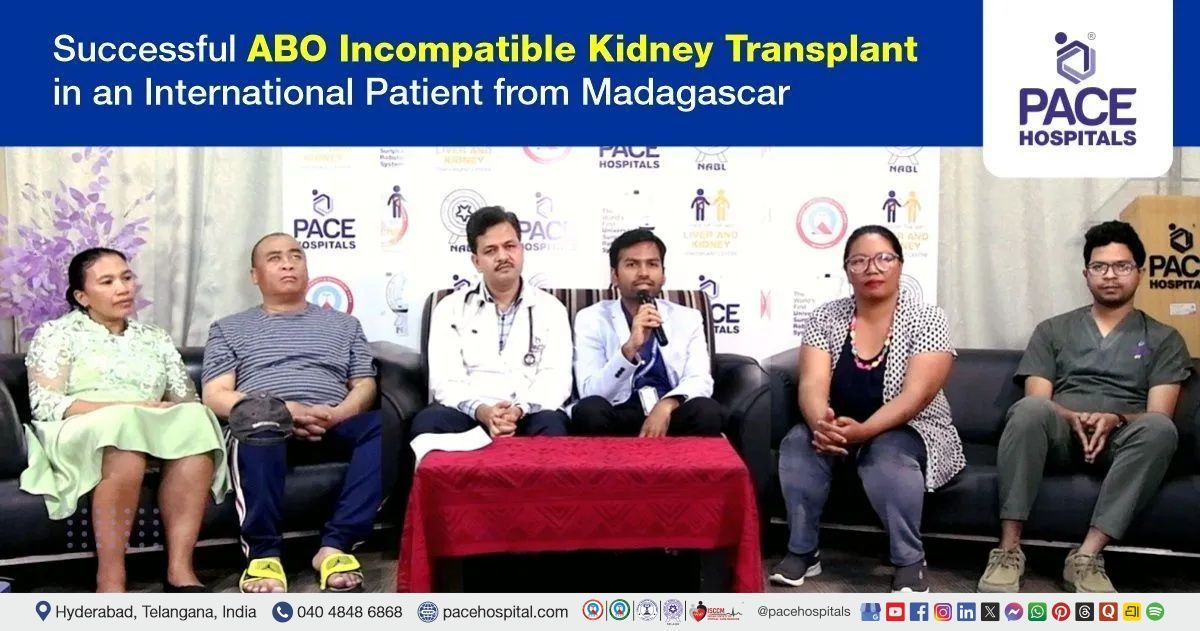
PACE Hospitals’ multidisciplinary Kidney Transplant team successfully performed an ABO-incompatible Living Donor Kidney Transplantation on a 45-year-old male patient from Madagascar diagnosed with end-stage renal disease (ESRD) secondary to diabetic nephropathy, along with type 2 diabetes mellitus, obesity, previous stroke, and blindness. The procedure aimed to restore kidney function, eliminate dependence on long-term dialysis, improve overall health, and enhance the patient's quality of life through successful kidney transplantation.
Chief Complaints
A 45-year-old male patient with a body mass index (BMI) of 22 presented to the Kidney Transplant Department at PACE Hospitals, Hitech City, Hyderabad, with complaints of progressive kidney failure. He had been undergoing regular dialysis and experienced fatigue, swelling, difficulty in breathing, and a decline in his overall quality of life.
Past Medical History
The patient had a significant past medical history of end-stage renal disease (ESRD) secondary to diabetic nephropathy and was on maintenance dialysis. He was also a known case of type 2 diabetes mellitus, obesity, previous stroke, and blindness, and was receiving regular medical management for his underlying conditions.
On Examination
On examination, the patient was conscious, coherent, oriented, and hemodynamically stable. General examination was consistent with advanced chronic kidney disease. Systemic evaluation was performed to assess his overall fitness for kidney transplantation, with particular attention to his cardiovascular status, metabolic control, and transplant suitability.
Diagnosis
Upon admission to PACE Hospitals, the multidisciplinary Kidney Transplant team conducted a comprehensive evaluation, including a detailed medical history, physical examination, and transplant work-up. The patient had end-stage renal disease (ESRD) requiring maintenance dialysis, with a background of long-standing type 2 diabetes mellitus.
A complete pre-transplant assessment included routine laboratory investigations, blood grouping, tissue typing, cross-match testing, renal function tests, viral screening, cardiac evaluation, imaging studies, and immunological assessment. The patient was diagnosed with end-stage renal disease (ESRD) secondary to diabetic nephropathy. Evaluation also confirmed ABO blood group incompatibility between the patient and the living donor, necessitating a desensitization protocol before transplantation.
Based on the confirmed diagnosis and comprehensive transplant evaluation, the patient was advised to undergo End-stage Renal Disease (ESRD) Treatment in Hyderabad, India, under the expert care of the Kidney Transplant team.
Medical Decision Making (MDM)
After a detailed consultation with the multidisciplinary Kidney Transplant team comprising Dr. Vishwambhar Nath (Senior Consultant Urologist and Kidney Transplant Surgeon), Dr. Abhik Debnath (Consultant Urologist & Kidney Transplant Surgeon), Dr. A. Kishore Kumar (Consultant Nephrologist & Renal Transplant Physician), a comprehensive clinical evaluation was performed to determine the most appropriate treatment approach.
Considering the patient's end-stage renal disease (ESRD) secondary to diabetic nephropathy, dependence on maintenance dialysis, and associated comorbidities including type 2 diabetes mellitus, obesity, previous stroke, and blindness, kidney transplantation was considered the most appropriate definitive treatment to improve long-term survival and quality of life.
As the available living donor was ABO blood group incompatible, detailed immunological evaluation and transplant work-up were performed. To minimise the risk of antibody-mediated rejection, a structured pre-transplant desensitisation protocol was planned. The patient also underwent preoperative optimisation of his diabetes, cardiovascular status, nutritional condition, and overall fitness through a multidisciplinary approach involving nephrologists, endocrinologists, cardiologists, and transplant specialists.
Based on the clinical assessment, donor evaluation, and immunological work-up, it was determined that ABO-incompatible Living Donor Kidney Transplantation was the most appropriate management strategy.
The patient, donor, and family members were counselled regarding the blood group incompatibility, desensitisation protocol, potential risks of rejection and infection, the transplant procedure, lifelong immunosuppressive therapy, and the importance of regular postoperative follow-up.
Surgical Procedure
Following the treatment decision, the patient was scheduled to undergo ABO-incompatible Living Donor Kidney Transplantation in Hyderabad at PACE Hospitals under the expert care of the multidisciplinary Kidney Transplant team.
The procedure involved the following steps:
- Pre-transplant Desensitisation: Before transplantation, the patient underwent a desensitisation protocol to reduce circulating antibodies and minimise the risk of rejection due to ABO blood group incompatibility.
- Donor Kidney Retrieval: After comprehensive donor evaluation, the living donor kidney was harvested using a laparoscopic donor nephrectomy. Despite complex renal vascular anatomy with early arterial branching, the donor nephrectomy was completed successfully.
- Recipient Preparation and Kidney Transplantation: Under general anaesthesia, the donor kidney was transplanted into the right iliac fossa. The renal artery, renal vein, and ureter were carefully anastomosed to the recipient's blood vessels and urinary bladder to restore kidney function.
- Restoration of Blood Flow: After completion of the vascular anastomoses, blood flow to the transplanted kidney was successfully restored, and satisfactory graft perfusion was confirmed.
- Completion of the Procedure: Haemostasis was ensured, the operative field was inspected, and the surgical wound was closed in layers. The patient was shifted to the transplant intensive care unit for close postoperative monitoring.
Postoperative Care
Following the ABO-incompatible Living Donor Kidney Transplantation, the patient was closely monitored in the transplant intensive care unit (ICU) for graft function, urine output, serum creatinine, vital signs, fluid balance, and overall clinical recovery. He received supportive treatment for rejection prevention, infection prevention, pain control, blood glucose management, hydration, and overall postoperative recovery. The patient showed satisfactory graft function with steadily improving kidney function and no evidence of immediate graft rejection. His diabetes management was adjusted according to his improving renal function, and he was discharged in a hemodynamically stable condition.
Discharge Medications
Upon discharge, the patient was prescribed medications for prevention of graft rejection, prevention of postoperative and opportunistic infections, blood glucose control, blood pressure control, gastric protection, pain relief, and overall postoperative recovery.
Advice on Discharge
The patient was advised to take all prescribed medications regularly, maintain adequate hydration, follow a healthy balanced diet, monitor urine output, avoid heavy physical activities, maintain good personal hygiene, and attend regular follow-up visits for graft function assessment and adjustment of immunosuppressive therapy.
Emergency Care
The patient was advised to contact the emergency ward at PACE Hospitals immediately in case of any emergency or development of symptoms such as fever, reduced urine output, pain or swelling over the transplanted kidney, breathing difficulty, persistent vomiting, wound redness or discharge, bleeding, or any other symptoms suggestive of infection or graft dysfunction.
Review and Follow-up Notes
The patient was advised to return for regular follow-up with the Kidney Transplant Surgeons in Hyderabad at PACE Hospitals for assessment of graft function, serum creatinine, urine output, blood glucose control, immunosuppressive therapy, and overall postoperative recovery.
Conclusion
This case highlights the successful management of end-stage renal disease secondary to diabetic nephropathy through ABO-incompatible Living Donor Kidney Transplantation. Despite the blood group incompatibility and multiple medical comorbidities, pre-transplant desensitisation and multidisciplinary transplant care resulted in successful graft function, improved kidney function, and an uneventful recovery. The patient was discharged in a hemodynamically stable condition with appropriate postoperative advice and scheduled follow-up.
ABO-Incompatible Kidney Transplantation Expands Access to Living Donor Transplantation
ABO-incompatible kidney transplantation has significantly increased the availability of living donor transplantation for patients who do not have a blood group-compatible donor. Advances in desensitisation protocols, including plasmapheresis and intravenous immunoglobulin (IVIG), help reduce harmful antibodies and lower the risk of rejection, making transplantation possible in carefully selected patients. A multidisciplinary Kidney Transplant Doctor/Specialist plays a vital role in patient selection, immunological evaluation, perioperative care, and lifelong follow-up to achieve successful graft function and long-term outcomes.
Frequently Asked Questions (FAQs)
How is an ABO-incompatible kidney transplant possible?
An ABO-incompatible kidney transplant is possible with special medical treatment before surgery to reduce the antibodies that would normally attack a donor kidney with a different blood group. Advances in transplant medicine have made this procedure a safe and effective option for many patients who do not have a blood group-compatible donor.
Why is desensitisation required before an ABO-incompatible kidney transplant?
Desensitisation is performed to lower the level of antibodies in the recipient's blood that could reject the donor kidney. This preparation helps reduce the risk of early antibody-mediated rejection and improves the chances of a successful kidney transplant.
How long does it take to recover after a kidney transplant?
Recovery after a kidney transplant varies from person to person. Most patients remain in the hospital for about 1–2 weeks, depending on kidney function and overall recovery. After discharge, light daily activities can usually be resumed gradually, while strenuous activities should be avoided until the transplant team advises otherwise. Full recovery may take several weeks to a few months. Regular follow-up, taking anti-rejection medicines as prescribed, and monitoring kidney function are important during this period.
Is an ABO-incompatible kidney transplant as successful as a compatible transplant?
With proper patient selection, desensitisation, experienced transplant teams, and regular follow-up, the success rates of ABO-incompatible kidney transplantation are now comparable to those of compatible living donor kidney transplants in many patients.
What are the risks of an ABO-incompatible kidney transplant?
Like any kidney transplant, there are risks such as organ rejection, infection, bleeding, blood clots, and side effects from immunosuppressive medicines. Because of the blood group mismatch, the risk of rejection may be higher initially, but careful monitoring and treatment help minimise these risks.
Will dialysis be required after a successful kidney transplant?
In most cases, dialysis is no longer needed once the transplanted kidney starts functioning well. However, some patients may require temporary dialysis if the new kidney takes time to recover after surgery. Your transplant team will closely monitor kidney function and guide further treatment.
Can a patient with diabetes undergo a kidney transplant?
Yes, many patients with diabetes successfully undergo kidney transplantation. Before surgery, blood sugar levels are carefully controlled, and after transplantation, diabetes continues to be closely monitored to help protect the new kidney and maintain overall health.
Does a previous stroke prevent kidney transplantation?
Not necessarily. A previous stroke does not automatically prevent kidney transplantation. Doctors carefully assess the patient's overall health, heart and blood vessel condition, and ability to tolerate surgery before deciding whether transplantation is safe.
Can kidney transplant recipients return to normal daily activities?
Yes, after recovery, most kidney transplant recipients can gradually return to work, exercise, travel, and other routine activities. The timing depends on individual recovery, and patients should follow their transplant team's advice before resuming strenuous activities.
What lifestyle changes help protect a transplanted kidney?
Taking immunosuppressive medicines exactly as prescribed, attending regular follow-up visits, eating a healthy balanced diet, maintaining good hydration, controlling blood pressure and blood sugar, avoiding smoking and excessive alcohol, maintaining a healthy body weight, and practising good hygiene can all help protect the transplanted kidney and support its long-term function.
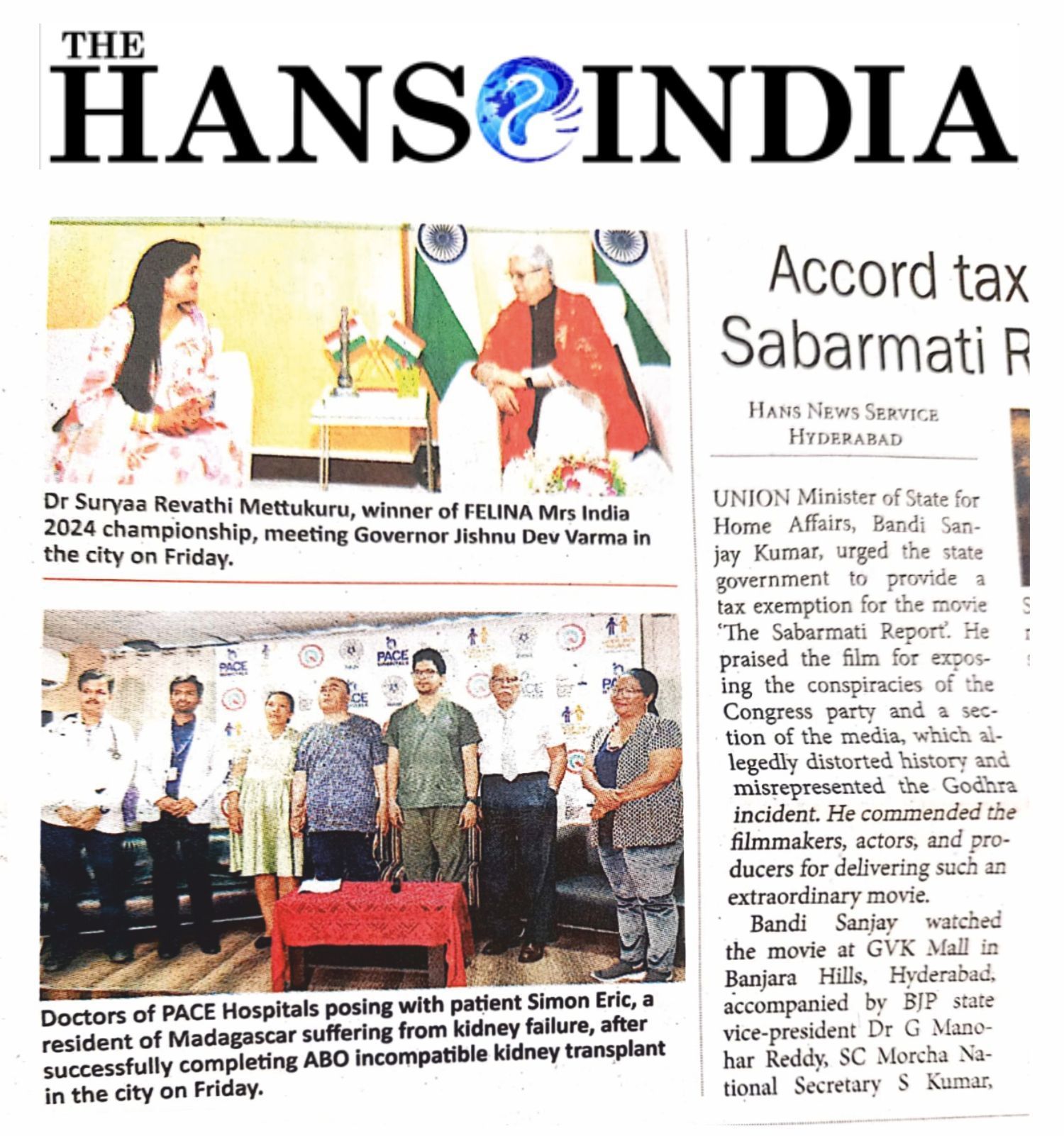
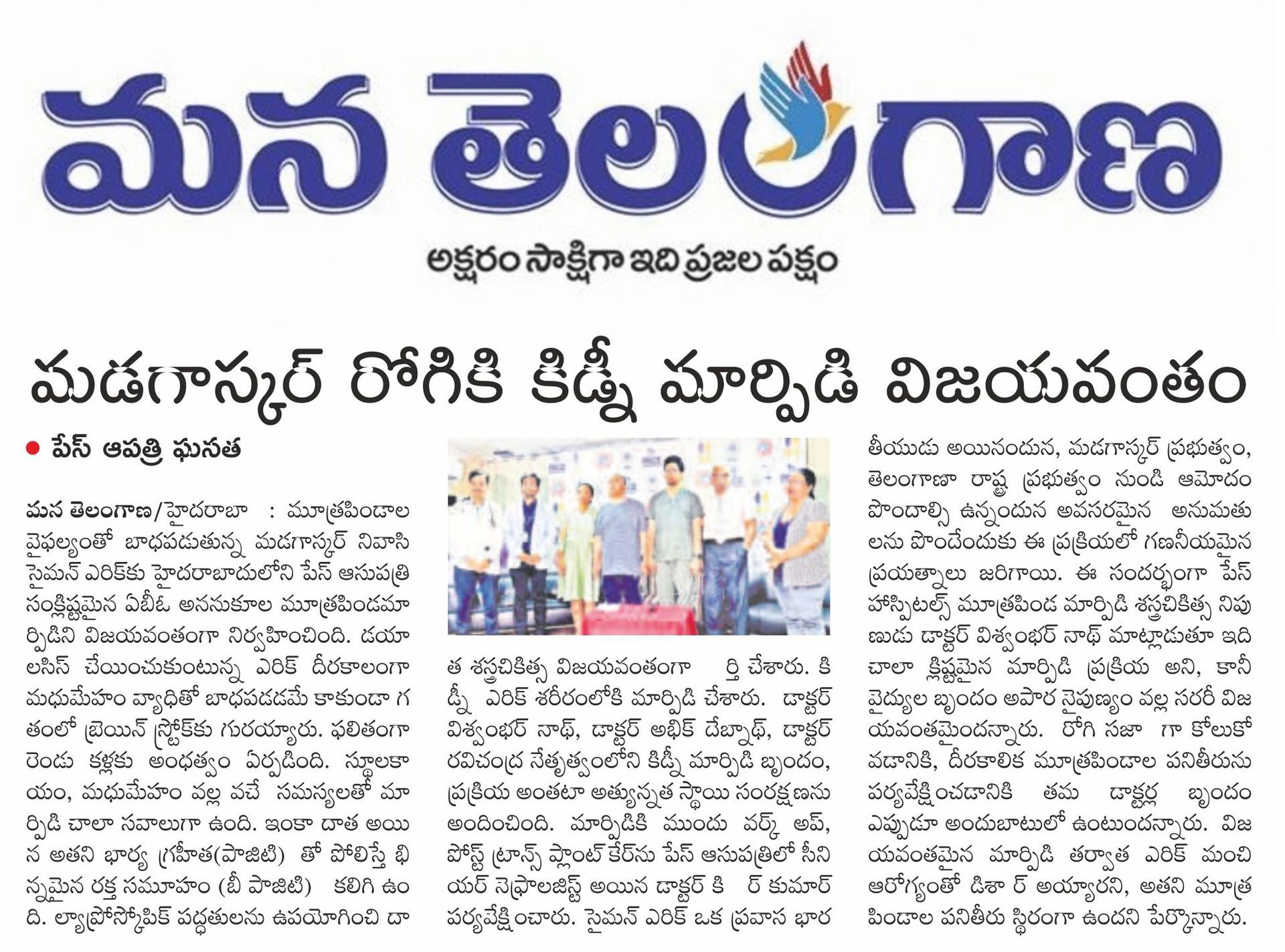
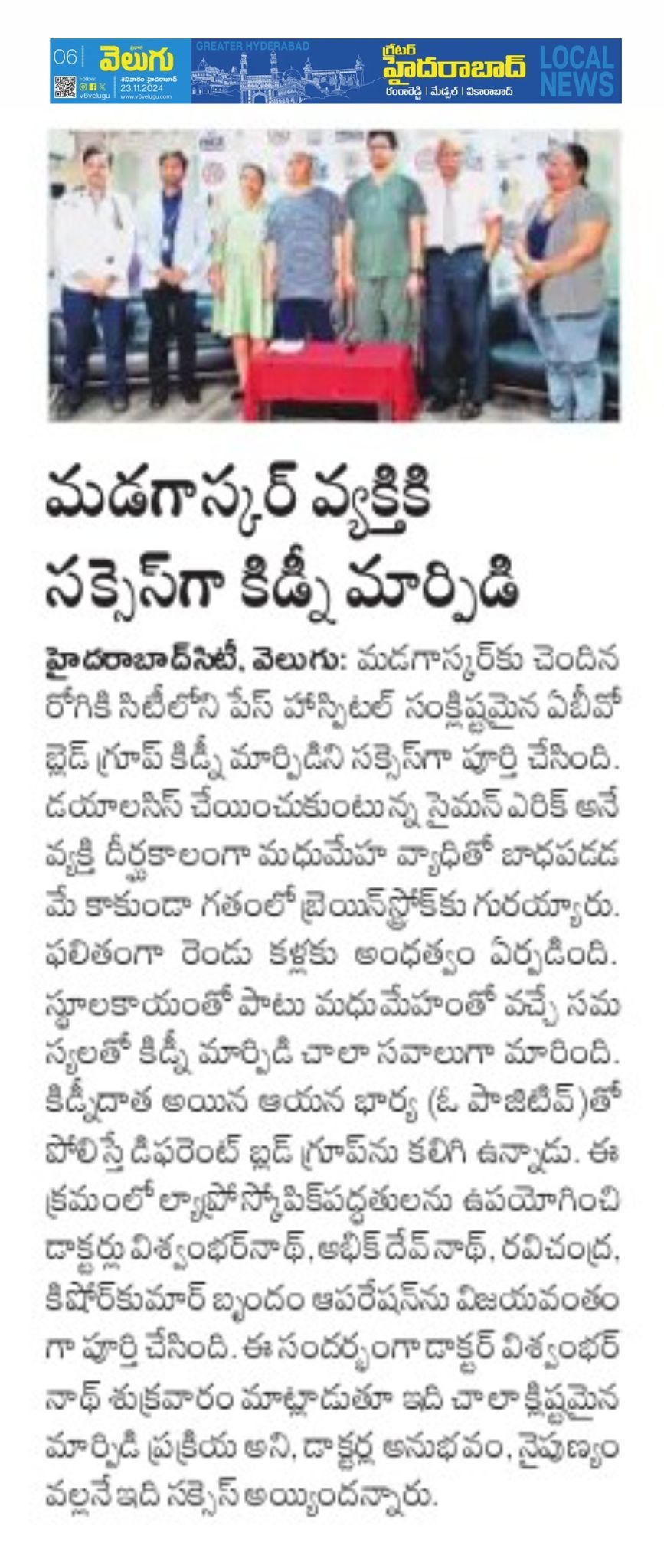
Media and News Coverage
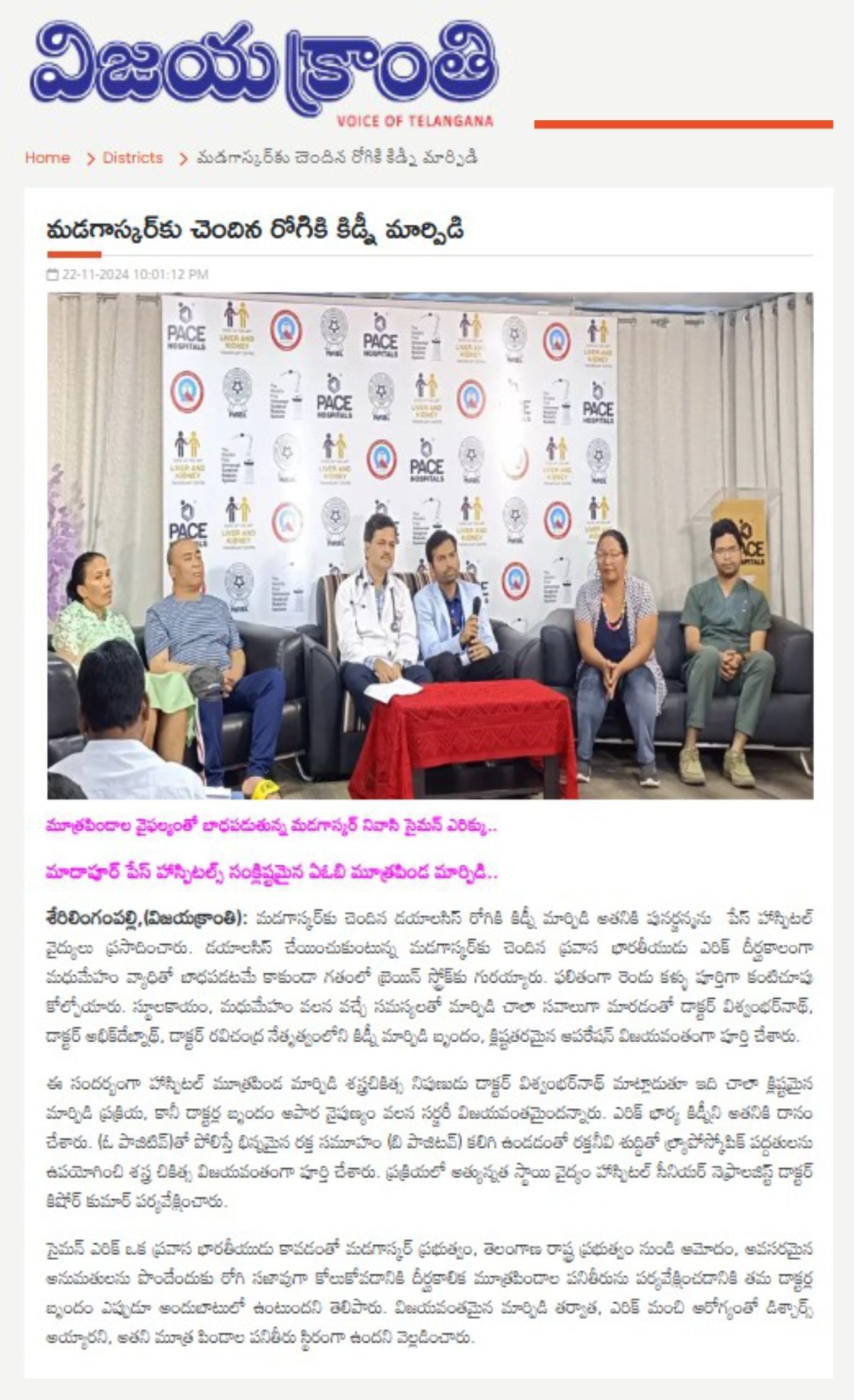
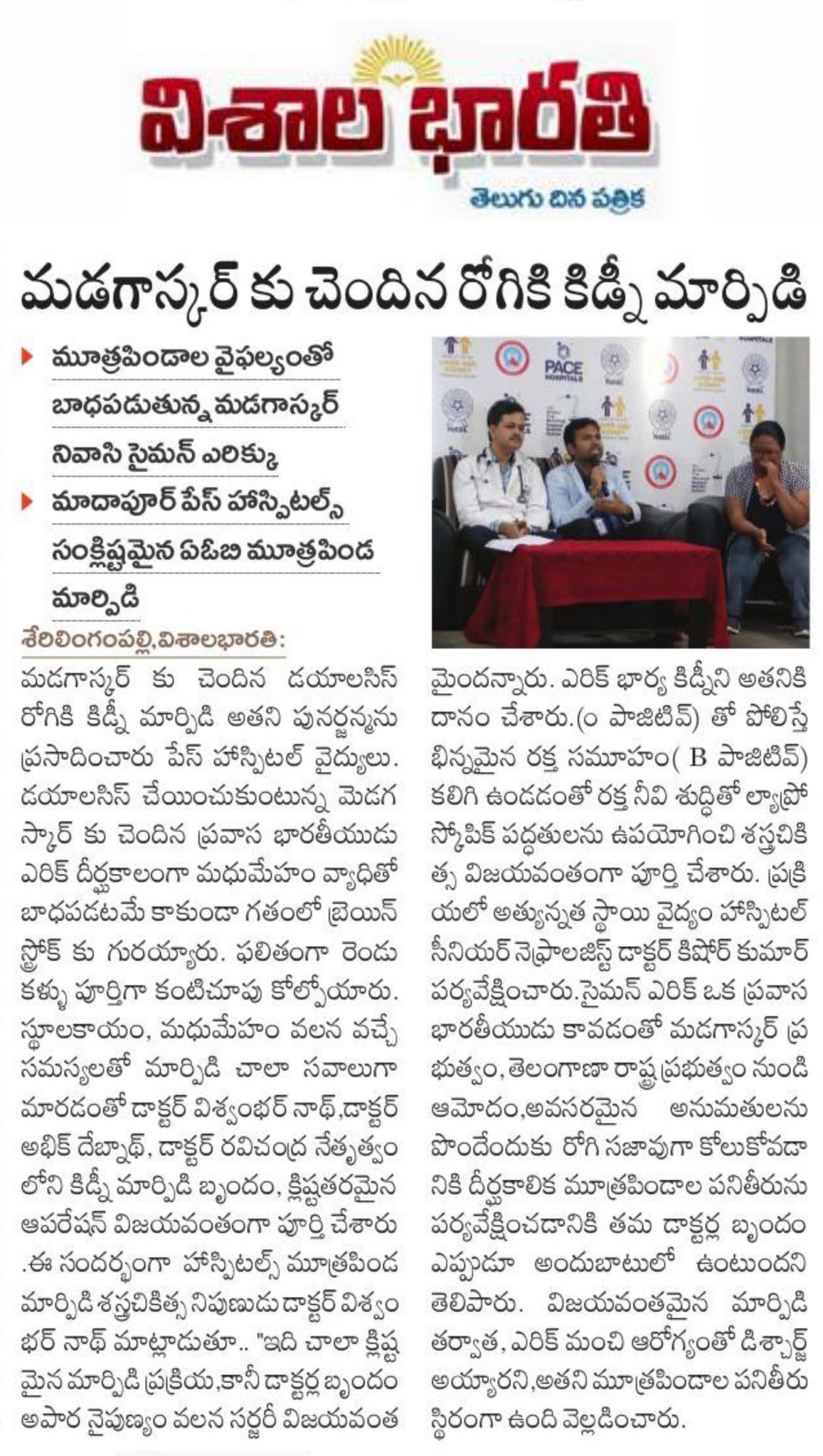
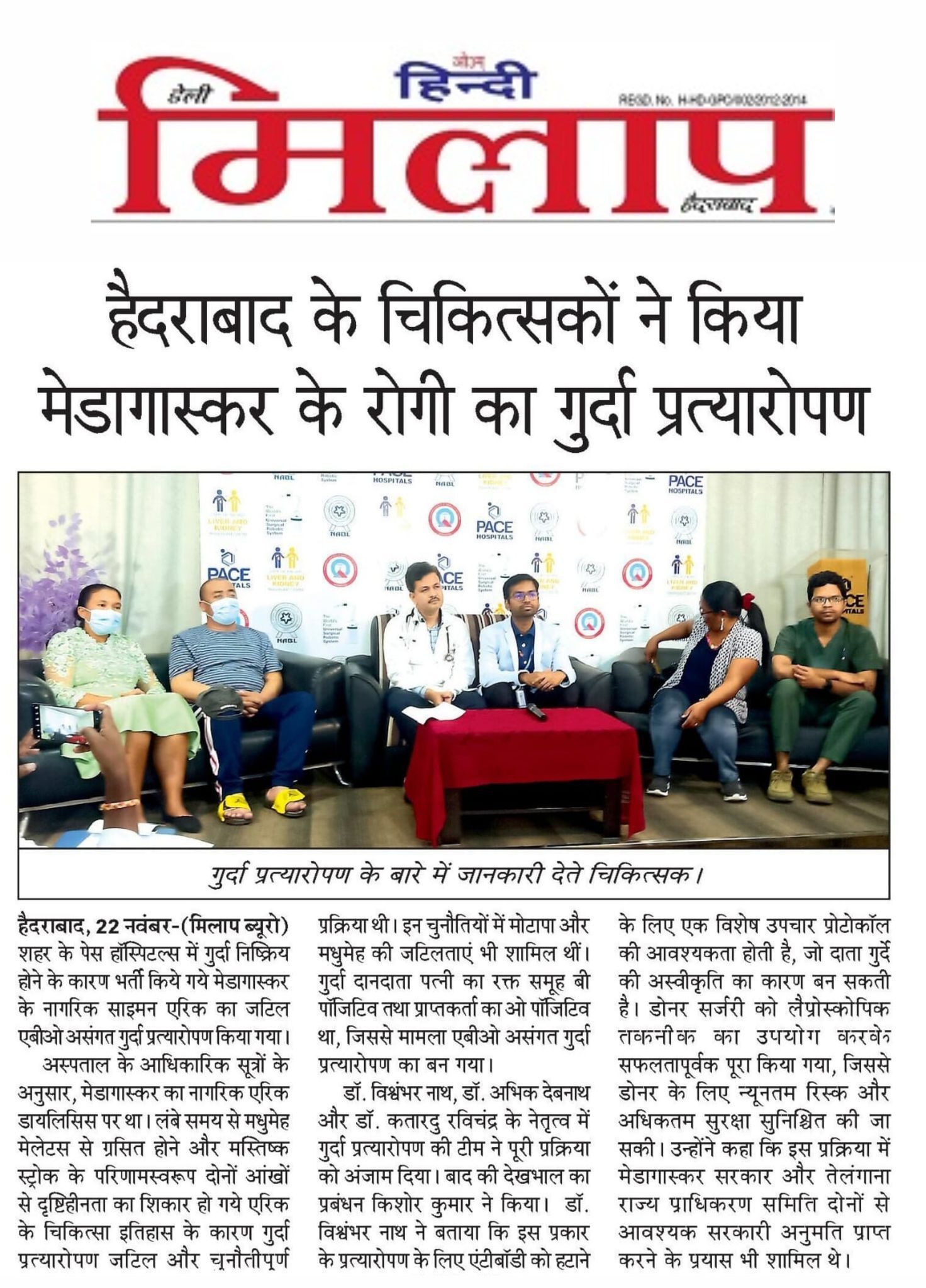
Share on
Request an appointment
Fill in the appointment form or call us instantly to book a confirmed appointment with our super specialist at 04048486868
Appointment request - health articles
Recent Articles