Advances in Liver Cancer Care - Liver Cancer Treatment
Pace Hospitals
In recent years, there have been several advances in treating liver cancer. While removing liver cancer through surgery can be an effective form of liver cancer treatment for some patients, it’s not suitable for all patients.
As researchers continue to uncover new and innovative treatments, doctors have more options to consider for their patients. Surgical treatment has also become more refined in order.
Chemotherapy Advances
In the past 2 decades, targeted therapy for liver cancer has seen revolutionary advances. Standard chemotherapy is ineffective in liver cancer patients with severe toxicity .Targeted medications, selectively target the cancer cells with minimal systemic side-effects and extend lifespan patients with terminal liver cancer. For some patients, chemotherapy is given along with another therapy. For example, it can shrink a tumor enough to allow doctors to perform surgery safely. As research continues -Better and even more targeted chemotherapies are on the horizon.
Intra-arterial Therapies for Liver Cancer
Liver tumors get their blood supply exclusively from the artery that supplies the liver while the rest of the liver receives dual blood supply. These tumors act as parasites to your body’s blood supply. In intra-arterial therapies such as chemoembolization beads deliver cancer-killing medication directly and selectively to the tumor through the artery. These beads also block blood flow to the tumor, which helps prevent it from growing. Likewise Transarterial radio embolisation uses Yittrium based microspheres to deliver focussed radiotherapy from within the tumor with minimum side effects to the body. These therapies significantly prolong the life span. They can also be used as a bridge to liver transplant and shrinking tumor prior to surgery.
Liver Tumor Ablation Techniques
Ablation therapies kill a liver tumor instead of removing it. In these techniques, doctors use a probe to kill tumors with hot or cold energy. This minimally invasive approach is most effective for smaller tumors less than 3 cm but may be used for even larger tumors. Microwave ablation and Radiofrequency ablation is usually can be performed safely as day care procedure under imaging guidance. For smaller tumors the results of ablational therapy are equal to surgery and are especially preferred in patients with severe liver disease who cannot tolerate surgery.
Liver Transplant Advances
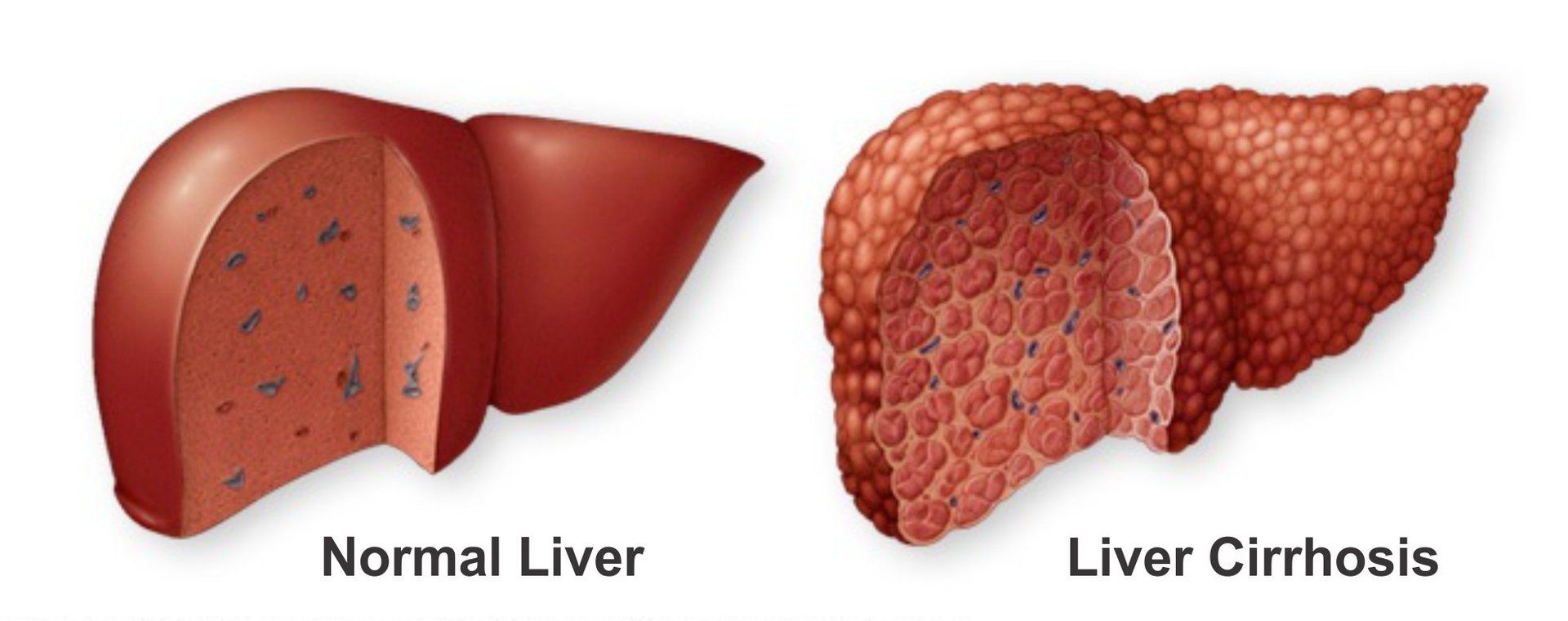
Liver transplantation can be an effective treatment for certain patients with hepatocellular carcinoma, a common type of liver cancer. If a patient has liver disease, such as cirrhosis, liver transplantation can also reduce further the risk of cancer. However, not all patients will be candidates for a transplant; this needs to be determined by a transplant surgeon and his or her team. The decision for liver transplant is made by a multidisciplinary team based on the size , number of tumors and patients health.
Surgical advances
Surgery for liver cancer which was once a very high risk , bloody affair has undergone major advances in past few decades. Newer instrumentation such as CUSA and waterjet have made bloodless liver resections a possibility. Robotic and laparoscopic liver resections have shortened the post op recovery. Advanced techniques of liver resection such as Parenchyma preserving hepatectomies, portal vein embolization, ALLPS, 3 D configurations liver imaging such as MEVIS have helped us perform major resections safely in diseased livers.
Share on
Request an appointment
Fill in the appointment form or call us instantly to book a confirmed appointment with our super specialist at 04048486868
Appointment request - health articles
Recent Articles