
Kidney and Dialysis Emergency Care in Hyderabad
24/7 Emergency Assessment and Treatment for Kidney and Dialysis-Related Emergencies
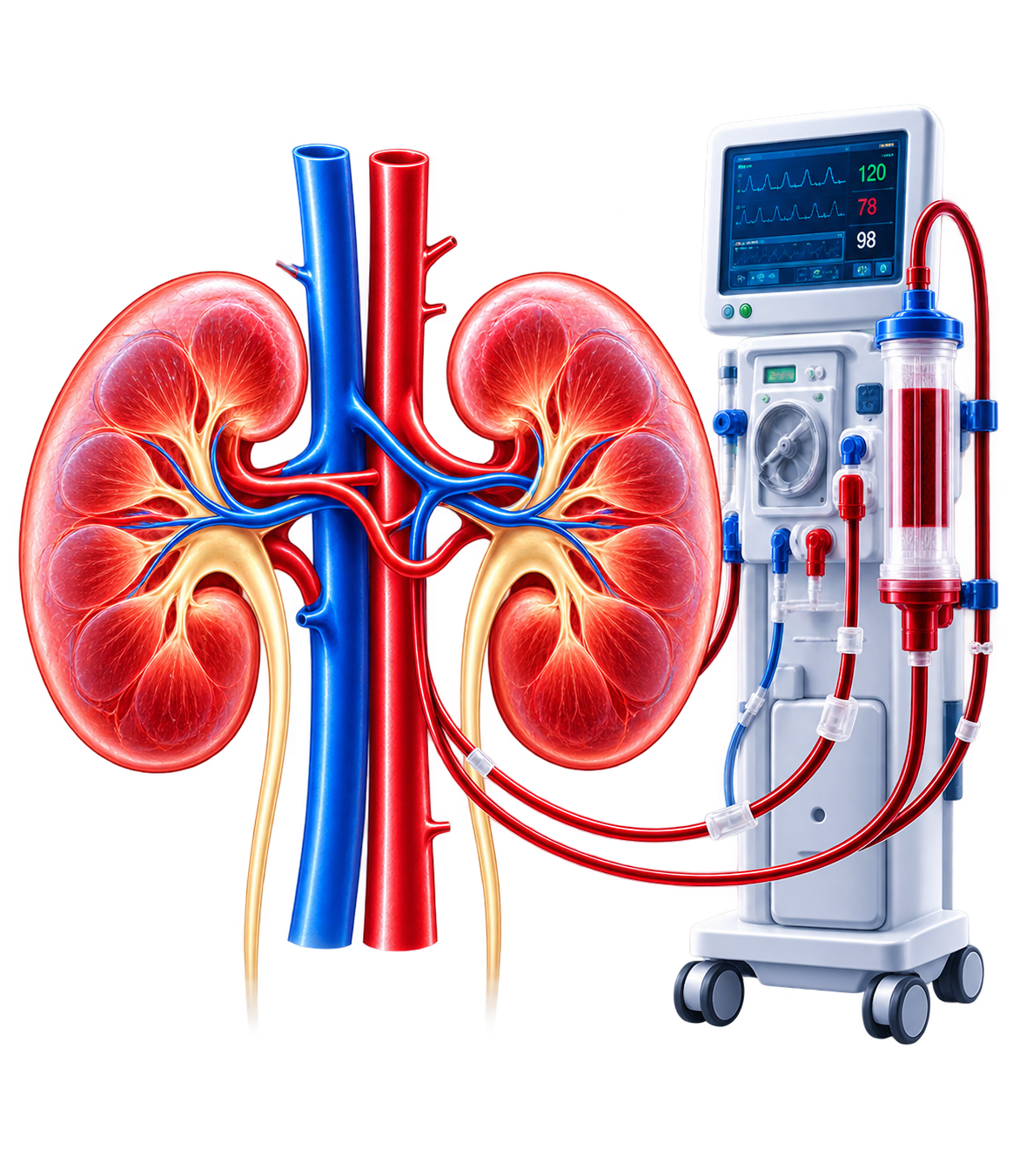
24 / 7
Renal Emergency Response
Rapid Labs
Kidney Function & Electrolyte Assessment
Urgent Dialysis
Emergency Renal Replacement Therapy
ICU · HDU
Continuous Renal & Critical Care
Emergency Signs
The following symptoms may need kidney or dialysis emergency. Seek immediate medical care
- Severe or sudden flank pain
- Difficulty breathing
- Very little or no urine
- Blood in the urine
- Sudden swelling
- Confusion
- Loss of consciousness
- Severe weakness
- Complications during or after dialysis
Seek immediate emergency care. Call PACE Hospitals:
04048486868.
What Is a Kidney and Dialysis Emergency?
A kidney or dialysis emergency is a sudden or severe kidney-related condition that requires immediate medical attention. It may involve acute kidney injury, severe fluid overload, dangerously high potassium levels, severe electrolyte or acid–base disturbances, very low urine output, complications related to dialysis access, or serious complications during or after dialysis.
PACE Hospitals provides 24/7 emergency and critical care for patients with suspected kidney or dialysis-related emergencies in Hyderabad. The emergency team quickly assesses the patient, checks vital signs and kidney-related parameters, identifies potentially life-threatening complications, and starts appropriate stabilization and treatment. Depending on the patient's condition, nephrologists, critical care specialists, dialysis teams, laboratory and imaging services, and other specialists may be involved.
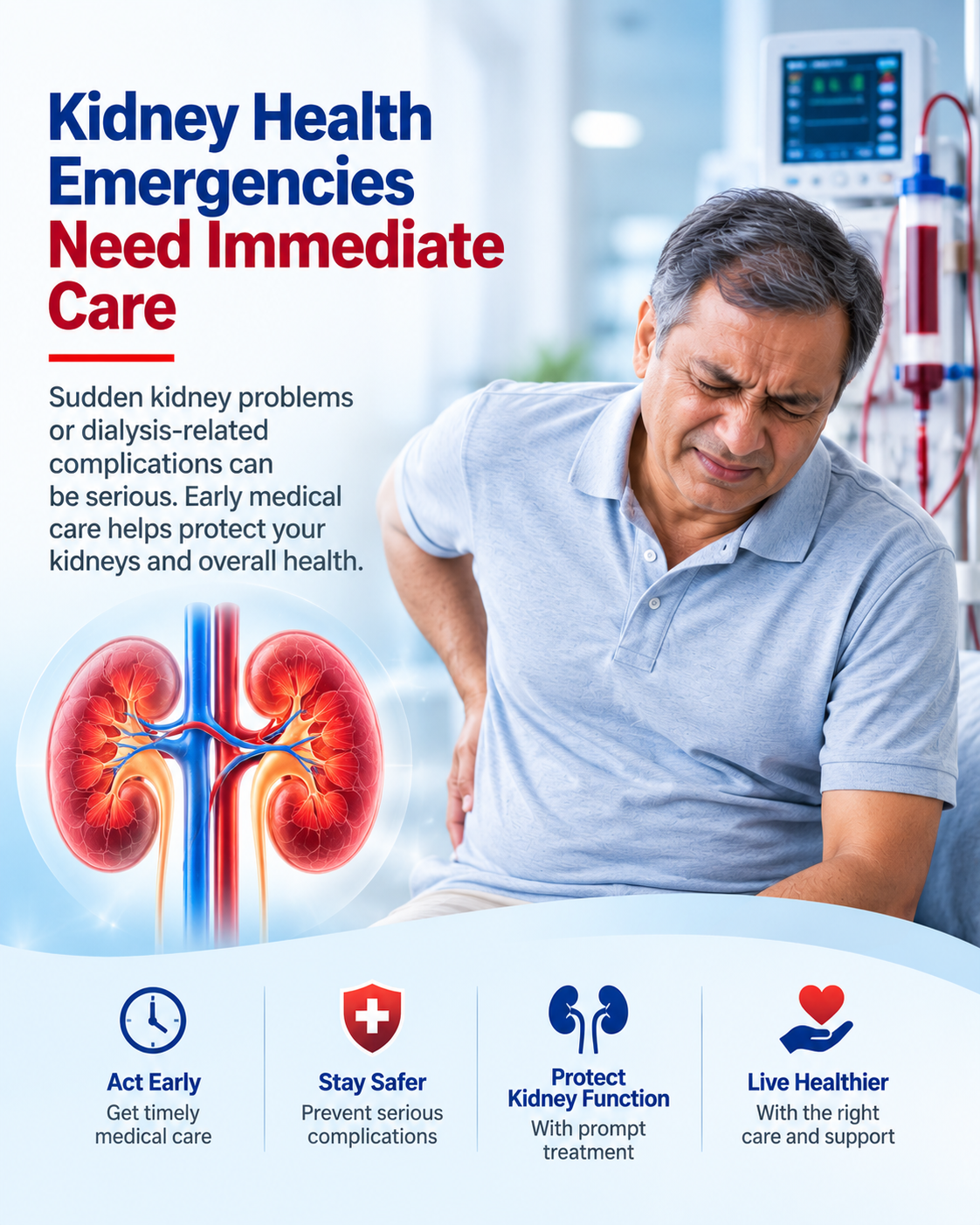
Acute kidney and dialysis-related emergencies can become serious within a short time. Problems such as excess fluid, abnormal potassium levels, changes in metabolic functions, infections, or complications with dialysis access may affect the patient's condition. Early medical care helps stabilize fluid and electrolyte levels, protect kidney and other organ function, identify the underlying problem, and determine whether urgent dialysis or other specialized treatment is needed.
When to Seek Emergency Care for Kidney or Dialysis Symptoms?
Immediate medical attention is needed if any of the following symptoms occur:
- Severe breathlessness or difficulty breathing, especially with swelling or difficulty lying flat.
- Chest pain, severe dizziness, fainting, or an irregular heartbeat.
- Very little or no urine, especially with sudden swelling or breathlessness.
- Severe weakness, confusion, unusual drowsiness, or seizures.
- Persistent vomiting, high fever, chills, or sudden worsening of health.
- Heavy bleeding from the dialysis access site that does not stop with pressure.
- Redness, swelling, severe pain, or discharge around the dialysis access, especially with fever.
A patient experiencing emergencies during dialysis may experience rapid deterioration of condition because of fluid overload, electrolyte imbalance, infection, or complications associated with dialysis access. Seek emergency care promptly if these warning signs occur.
Do Not Ignore Severe Kidney or Dialysis Symptoms
Kidney-related symptoms can sometimes have causes that are not immediately serious. However, severe or sudden symptoms in a person with kidney disease or on dialysis should not be ignored.
Treat it as an emergency when there is:
- A sudden increase in swelling, particularly with breathing difficulty.
- A significant change in the usual amount or frequency of urine.
- New confusion, extreme drowsiness, fainting, or difficulty responding normally.
- Repeated vomiting that prevents the person from taking prescribed medicines or keeping fluids down.
- Sudden severe muscle weakness, especially when associated with dizziness or an abnormal heartbeat.
- Persistent bleeding from the dialysis access after treatment.
- Fever or chills together with pain, redness, swelling, or discharge at the dialysis access site.
- Sudden severe symptoms during dialysis, including marked weakness, dizziness, breathing difficulty, or loss of consciousness.
For severe symptoms, ambulance transport is generally safer than driving to the hospital, as emergency assessment and support can begin during transfer when needed.
Not all chest pain is caused by heart disease. It may be related to the lungs, food pipe, stomach, muscles, ribs, or nerves. However, it is not safe to assume that chest pain is minor without medical evaluation.
Treat chest pain as an emergency when it is:
- New or unexplained.
- Severe or persistent.
- Associated with sweating, nausea, or breathlessness.
- Accompanied by fainting or severe dizziness.
- Spreading to the arm, jaw, neck, shoulder, back, or upper abdomen.
- Present in a person with diabetes, high blood pressure, high cholesterol, kidney disease, or known heart disease.
- For severe symptoms, ambulance transport is generally safer than driving to the hospital because emergency assessment and support can begin during transfer when needed.
Not all chest pain is caused by heart disease. It may be related to the lungs, food pipe, stomach, muscles, ribs, or nerves. However, it is not safe to assume that chest pain is minor without medical evaluation.
Treat chest pain as an emergency when it is:
- New or unexplained.
- Severe or persistent.
- Associated with sweating, nausea, or breathlessness.
- Accompanied by fainting or severe dizziness.
- Spreading to the arm, jaw, neck, shoulder, back, or upper abdomen.
- Present in a person with diabetes, high blood pressure, high cholesterol, kidney disease, or known heart disease.
- For severe symptoms, ambulance transport is generally safer than driving to the hospital because emergency assessment and support can begin during transfer when needed.
Common Kidney and Dialysis Emergencies Treated at PACE Hospitals
Acute Kidney Injury (AKI)
Acute Kidney Injury, or AKI, is a condition in which the kidneys suddenly lose their ability to filter waste and excess fluid from the body. Possible causes include dehydration, infections, low blood pressure, medications, blocked urine flow, or other serious illnesses.
Acute kidney injury requires prompt medical assessment. Treatment focuses on identifying and treating the underlying cause, correcting fluid and electrolyte problems, and supporting kidney function. Severe cases may require dialysis.
Symptoms may include:
- Reduced urine output or very little urine.
- Swelling of the legs, feet, or face.
- Shortness of breath.
- Nausea or vomiting.
- Confusion or unusual drowsiness.
- Severe weakness or tiredness.
- Changes in blood pressure.
Sudden Reduction in Urine Output or Anuria
A sharp decrease in urine output can point to acute kidney injury, urinary obstruction, severe dehydration, infections, or other illnesses. Anuria is a situation where there is little or no urine production at all.
Sudden loss of urine output requires prompt medical assessment. Evaluation may include blood and urine tests, assessment of fluid status and kidney function, bladder assessment, and imaging when required. Treatment depends on the underlying cause and may include fluids, medications, relief of urinary obstruction, infection treatment, or urgent dialysis when indicated.
Symptoms or signs may include:
- Very little or no urine output.
- Swelling of the legs, feet, or face.
- Shortness of breath due to fluid buildup.
- Nausea or vomiting.
- Weakness or unusual tiredness.
- Confusion or reduced alertness in severe cases.
- Pain or discomfort in the abdomen, back, or side, depending on the cause.
Severe Metabolic Acidosis
Metabolic acidosis occurs when the body has excessive acid or insufficient bicarbonate in the blood. Severe metabolic acidosis can occur in advanced kidney dysfunction and may also result from other serious conditions.
The presence of severe metabolic acidosis needs prompt investigation to determine the root cause of the condition. This investigation will include blood gas examination, electrolytes, and renal function studies. Management can entail correcting the problem at hand, fluid management, drug management, or even bicarbonate management where necessary, and emergency dialysis in cases of severe acidosis that does not respond to treatment.
Symptoms may include:
- Rapid or deep breathing.
- Shortness of breath.
- Nausea or vomiting.
- Weakness or severe tiredness.
- Confusion or reduced alertness.
- Low blood pressure in severe cases.
- Abnormal heart rhythms when associated electrolyte disturbances are present.
Uremic Complications
Uremia occurs when waste products build up in the blood because the kidneys cannot remove them adequately. It is usually associated with severe kidney dysfunction.
Uremic disorders need to be assessed by a physician immediately. The treatment involves dealing with the primary disorder of the kidneys as well as other accompanying complications. Depending on severity, treatment may include medication, fluid and electrolyte replacement, nutrition, and dialysis.
Symptoms or complications may include:
- Nausea or vomiting.
- Loss of appetite.
- Severe weakness or fatigue.
- Confusion or changes in alertness.
- Muscle twitching or cramps.
- Drowsiness.
- Seizures in severe cases.
- Chest pain or breathing difficulty due to complications such as uremic pericarditis or fluid overload.
Severe Electrolyte Imbalance
Patients with kidney disease or on dialysis may experience problems with electrolyte balance, specifically high levels of potassium. Electrolyte imbalance may affect the heart, muscles, and nervous system.
Severe electrolyte disturbances need immediate medical attention. Doctors may perform blood tests and monitor cardiac function closely, while treatment is given to restore electrolyte levels, manage the underlying problem, and provide urgent dialysis if necessary.
Warning signs may include:
- Severe weakness or muscle weakness.
- Nausea or vomiting.
- Palpitations or abnormal heartbeat.
- Chest discomfort.
- Difficulty breathing.
- Confusion or reduced alertness.
- Fainting or collapse.
Dialysis-Related Emergencies
Patients receiving hemodialysis can sometimes develop complications during or after a dialysis session. These may include a sudden drop in blood pressure, bleeding, infection, vascular access problems, muscle cramps, or significant fluid and electrolyte disturbances.
Dialysis emergencies need to be assessed without delay. Treatment varies depending on the problem and may involve medicines or fluids, controlling bleeding or infection, treating dialysis access problems, and correcting fluid or electrolyte disturbances. Emergency dialysis treatment may be required in selected cases, such as life-threatening high potassium levels, severe fluid overload, or severe metabolic acidosis.
Warning signs may include:
- Severe dizziness or fainting.
- Sudden breathlessness.
- Chest pain.
- Heavy or uncontrolled bleeding from the dialysis access site.
- Fever or chills with suspected access infection.
- Sudden confusion or loss of consciousness.
- Severe weakness or collapse.
Fluid Overload and Pulmonary Edema
Excessive fluid occurs when the body cannot eliminate enough fluid. Excess fluid can accumulate in the lungs, causing breathing problems.
Severe fluid overload can be life-threatening. Emergency treatment may include oxygen and breathing support, medicines to remove excess fluid when appropriate, treatment of the underlying cause, and urgent dialysis when necessary.
Symptoms may include:
- Severe dizziness or fainting.
- Sudden breathlessness.
- Chest pain.
- Heavy or uncontrolled bleeding from the dialysis access site.
- Fever or chills with suspected access infection.
- Sudden confusion or loss of consciousness.
- Severe weakness or collapse.
Kidney and Dialysis Emergency Assessment and Diagnosis
Patients suspected of having kidney or dialysis crises are evaluated according to the urgency and seriousness of their condition. Life-threatening conditions, including electrolyte imbalance, fluid overload, infection, and acute kidney damage, should be identified and managed immediately without delay.
01
Rapid Triage and Initial Stabilisation
The emergency team may immediately assess:
- Airway, breathing, circulation, and level of consciousness.
- Pulse, blood pressure, oxygen level, temperature, and pain severity.
- Urine output and recent changes in urination.
- Symptoms such as breathlessness, swelling, vomiting, weakness, confusion, or reduced urine output.
- History of chronic kidney disease, dialysis, kidney transplant, diabetes, or high blood pressure.
- Recent dialysis session, missed dialysis, dialysis access problems, or complications during dialysis.
- Current medicines and known medicine allergies.
- Need for oxygen, intravenous access, cardiac monitoring, urgent dialysis, or critical care support.
02
Blood and Urine Tests
Blood and urine tests help assess kidney function, electrolyte balance, infection, and other complications.
Tests may include:
- Serum creatinine and blood urea nitrogen (BUN).
- Potassium, sodium, calcium, and other electrolytes.
- Blood glucose.
- Complete blood count.
- Blood gas analysis, when required.
- Blood clotting tests, where appropriate.
- Urinalysis and urine culture, when infection is suspected.
- Blood cultures, when a serious infection or sepsis is suspected.
03
Dialysis-Related Assessment
For patients receiving dialysis, the team may assess:
- Dialysis access, including a fistula, graft, or catheter.
- Signs of access infection, blockage, bleeding, or poor blood flow.
- Recent dialysis treatment and whether any sessions were missed.
- Fluid balance and signs of fluid overload.
- Electrolyte and acid-base abnormalities.
- Symptoms suggesting the need for urgent dialysis.
04
Imaging and Additional Tests
Depending on the symptoms and initial findings, further tests may include:
- Kidney and urinary tract ultrasound.
- Bladder scan to check for urinary retention.
- Chest X-ray to assess fluid accumulation in the lungs.
- ECG to detect dangerous heart rhythm changes, particularly with severe potassium abnormalities.
- Echocardiography or bedside ultrasound when fluid overload or heart-related complications are suspected.
- CT scan, when obstruction, stones, bleeding, infection, or another serious condition is suspected.
These assessments help identify acute kidney injury, severe electrolyte abnormalities, fluid overload, dialysis complications, urinary obstruction, kidney infection, sepsis, and other potentially life-threatening kidney-related emergencies.
Kidney and Dialysis Emergency Treatment at PACE Hospitals
Management of kidney and dialysis emergencies depends on various factors, including the underlying cause, symptoms, test results, kidney health status, dialysis status and overall clinical condition. Emergency clinicians stabilize the patient, begin urgent investigations and treatment, and involve a nephrologist early when indicated.
Emergency Kidney and Dialysis Care May Include
- Continuous monitoring of vital signs and heart rhythm.
- Monitoring blood pressure, oxygen levels, urine output, and fluid balance.
- Oxygen support when clinically needed.
- Intravenous (IV) access and careful fluid management.
- Blood tests to assess kidney function, electrolytes, blood count, and other abnormalities.
- Treatment of dangerous electrolyte imbalances, especially severe potassium abnormalities.
- Medicines to control blood pressure, nausea, pain, infection, or other underlying problems when indicated.
- Treatment for severe dehydration or fluid overload, depending on the patient's condition.
- Urgent treatment of complications such as severe metabolic acidosis or toxin buildup.
- An emergency dialysis procedure when life-threatening fluid, electrolyte, acid–base, or uremic complications cannot be controlled with other treatments.
- Temporary dialysis catheter placement when urgent dialysis access is required.
- Management of dialysis-related complications, including low blood pressure, electrolyte disturbances, or suspected infection.
- ICU admission and specialized monitoring for critically ill patients.
Acute Kidney Injury Emergency Treatment
AKI requires prompt medical evaluation to identify the cause and start appropriate treatment. The assessment may include blood and urine tests, evaluation of fluid balance and electrolyte levels, and imaging tests when necessary.
- Use IV fluids carefully when dehydration or fluid loss contributes to kidney injury.
- Treatment of infections or other underlying causes.
- Correction of dangerous electrolyte or acid-base abnormalities.
- Management of fluid overload.
- Review and adjustment of medicines that may worsen kidney function.
- Urgent dialysis when there is a life-threatening complication or severe kidney dysfunction requiring renal replacement therapy.
The nephrology team will determine the appropriate treatment based on the patient's condition, test results, and response to initial care.
Dialysis Emergency Treatment
Dialysis emergencies call for quick evaluation and treatment. The emergency team could check the patient's blood pressure, heart rate, oxygen saturation, hydration levels, and blood test results.
Treatment may include:
- Immediate management of severe low or high blood pressure.
- Correction of dangerous electrolyte abnormalities.
- Treatment of fluid overload and breathing difficulty.
- Assessing and treating dialysis access problems.
- Treatment of suspected infection related to dialysis access.
- Management of bleeding or other dialysis-related complications.
- Urgent or additional dialysis when clinically required.
- ICU care for patients with severe or life-threatening complications.
Severe Hyperkalemia (High Potassium) Emergency Treatment
High potassium levels may affect the heart. In emergencies, the main aim is to protect the heart, lower potassium levels, and treat the underlying cause.
Treatment may include:
- Continuous heart rhythm monitoring.
- Emergency medicines to protect the heart when indicated.
- Medicines or other treatments to temporarily shift potassium into cells.
- Treatments to remove excess potassium from the body when appropriate.
- Urgent dialysis when potassium remains dangerously high or cannot be adequately controlled.
- Treatment of the underlying cause of the potassium imbalance.
What to Do During a Suspected Kidney or Dialysis Emergency?
- Call emergency medical services immediately.
- Keep the person calm and resting in a comfortable position.
- Avoid unnecessary walking or physical exertion.
- If the person is on dialysis, inform the dialysis team or healthcare professional about the symptoms.
- Follow instructions provided by emergency medical professionals.
- Do not give any additional medications, fluids, or electrolyte supplements unless a healthcare professional advises it.
- If there is bleeding from the dialysis access site, apply firm, direct, continuous pressure over the exact bleeding point with clean gauze or cloth and seek emergency help.
- If the person becomes unresponsive and is not breathing normally, begin CPR and use an AED if available and appropriate.
The safest approach is to seek professional emergency care quickly rather than waiting for severe symptoms to improve.
Why Timely Kidney and Dialysis Emergency Care Matters?
Kidney conditions and dialysis complications can rapidly deteriorate and affect fluid balance, blood pressure, electrolytes, and even cardiac function. Early intervention helps doctors identify the cause, stabilize the patient, and start treatment.
Prompt emergency care can help:
- Detect severe electrolyte disorders, fluid overload, and acute kidney dysfunction at an early stage.
- Help maintain blood pressure, respiration, circulation, and body fluids.
- Manage lethal complications like severe hyperkalemia, pulmonary edema, and shock.
- Manage complications related to dialysis, including low blood pressure, bleeding, infection, or problems with vascular access.
- Start urgent dialysis when clinically required.
- Monitor patients who need intensive or critical care.
- Coordinate care among emergency medicine, nephrology, critical care, dialysis, laboratory, and other specialist teams.
Who Is at Higher Risk of Kidney and Dialysis Emergencies?
Kidney emergencies can occur in anyone, but the risk may be higher in people with:
- Previous or advanced kidney disease.
- People receiving regular dialysis.
- Diabetes or high blood pressure.
- Severe dehydration or significant fluid loss.
- Heart failure or other serious medical conditions.
- Recurrent urinary tract or kidney infections.
- Kidney stones or urinary tract blockage.
- Recent major surgery, severe infection, or serious illness.
- Use of medicines or substances that can affect kidney function.
- Older adults, especially those with multiple health conditions.
People on dialysis may also be at risk of emergencies related to fluid or electrolyte imbalance, very low or high blood pressure, infection, or problems with their dialysis access.
Even without any history of kidney disease, symptoms like passing very little urine, swelling, difficult breathing, confusion, continuous vomiting, or worsening of weakness must not be overlooked.
Kidney and Dialysis Emergency Care at PACE Hospitals
PACE Hospitals provide 24/7 emergency and critical care for patients with sudden kidney-related complications, severe electrolyte disturbances, acute kidney injury, dialysis-related emergencies, and other critical conditions. The emergency team coordinates with nephrology, critical care, laboratory, imaging, and other specialist teams based on the patient's condition.
Emergency Kidney and Dialysis Care Pathway
- Immediate triage: Quick determination of symptoms, vital signs, fluid status, and emergency care.
- Renal and vital monitoring: Blood pressure, heart rate, oxygen saturation, urination, and any additional clinical tests needed.
- Diagnosis: Laboratory tests on blood and urine, electrolyte and renal function tests, ECG, diagnostic images, and consultation with a nephrologist if necessary.
- Stabilization and treatment: Fluid therapy, medications, electrolyte or acid/base disorders management, cause treatment, and emergency dialysis if necessary.
- Ongoing care: Admission to ICU, dialysis unit, ward, or transfer to the appropriate speciality service based on the patient’s condition.
Need urgent help? For severe breathing difficulty, chest pain, confusion, seizures, loss of consciousness, very low or no urine output, severe swelling, or a suspected dialysis-related emergency, seek emergency medical care immediately. Call PACE Hospitals: 04048486868.
When Should You Call an Ambulance for a Kidney or Dialysis Emergency?
Call emergency medical services immediately if someone has:
- Severe or sudden difficulty breathing
- Sudden chest pain or severe discomfort
- Loss of consciousness or sudden collapse
- Severe confusion or unusual drowsiness
- Seizures
- Severe or uncontrolled bleeding from a dialysis access site
- Severe swelling with worsening breathlessness
- Sudden, severe weakness or deterioration during or after dialysis
For a serious kidney or dialysis emergency, emergency medical transport is preferred because it allows early assessment, monitoring, and stabilization.
Do not delay emergency care to arrange your own transport if the person is seriously unwell.

Frequently Asked Questions on Kidney and Dialysis Emergencies
What is a kidney or dialysis emergency?
A kidney or dialysis emergency is a sudden, serious health problem that needs immediate medical attention. It may involve severe breathing difficulty, chest pain, high potassium, major bleeding, infection, or problems with dialysis access. Call emergency services or go to the nearest emergency department if symptoms are severe.
When should a dialysis patient go to the emergency department?
Contact a medical facility urgently for symptoms of extreme shortness of breath, chest pain, fainting, confusion, seizures, extreme weakness, or continuous palpitations. Also seek urgent care for excessive bleeding from a fistula or catheter, a fever accompanied by chills, or rapid swelling.
What should I do if I miss a dialysis session?
Call your dialysis centre or nephrologist as soon as possible for instructions. Do not wait for the next session without informing the care team. Seek urgent care if you develop breathlessness, swelling, chest pain, palpitations, severe weakness, or confusion.
Can missing dialysis cause high potassium?
Yes. Missing or omission of dialysis may result in potassium reaching dangerously high levels in the blood. High potassium levels can disrupt heart rhythms and may lead to muscle weakness, numbness, nausea, or palpitations. It may even occur without symptoms; hence, it requires immediate medical evaluation.
What are the signs of fluid overload?
Symptoms can vary but may include swollen feet, ankles, hands, or face; sudden weight gain; increased blood pressure; and increased breathlessness. Other symptoms include a cough, chest pain, or breathlessness when lying down. Sudden or severe breathlessness is a sign you need urgent treatment.
What should I do if I feel breathless before dialysis?
Sit up straight and contact your dialysis centre or see a doctor immediately. If you have difficulty breathing that gets worse rapidly or is accompanied by chest pain, blue lips, fainting, or confusion, call emergency services. Do not delay treatment until your next dialysis appointment.
Is bleeding from a fistula or graft an emergency?
Heavy or continuous bleeding from a fistula, graft, or catheter is an emergency. If bleeding is heavy, spurting, or doesn't stop with continuous firm pressure, apply firm direct pressure with a clean cloth or dressing, then call emergency services immediately. Do not use a tourniquet or repeatedly remove the dressing to check the site.
How do I know if my dialysis access is infected?
The warning signs may be redness, warmth, swelling, pain, discharge, fever, chills, or malaise. It is advised that if any of these signs appear, one should inform the dialysis unit immediately. Access site infection may spread to the bloodstream and require emergency treatment.
What if I cannot feel the thrill in my fistula?
A fistula normally has a vibration, called a thrill, over the access site. If it suddenly disappears or feels noticeably weaker, contact your dialysis unit immediately. It may indicate reduced blood flow or a clot in the fistula.
What should I do if my dialysis catheter is damaged or comes out?
Never attempt to reinsert the catheter. Cover the site with clean or sterile dressings, and report to the dialysis unit or the emergency room immediately. You must call emergency services if you experience profuse bleeding, dizziness, or if the catheter is completely out.
Can low blood pressure during dialysis be dangerous?
Low blood pressure can cause dizziness, nausea, sweating, muscle cramps, blurred vision, weakness, or fainting. Notify the dialysis nurse right away if this happens during treatment. Urgent medical care should be sought if these symptoms continue, lead to loss of consciousness, or occur with chest pain.
What should I do if I have chest pain or palpitations?
Tell the dialysis staff immediately if you are at the centre. If you are at home, call emergency services for new or severe chest pain, palpitations, fainting, severe dizziness, or breathlessness. These symptoms may be related to heart or electrolyte problems.
What are signs of peritonitis in peritoneal dialysis?
Any cloudy drained peritoneal dialysis fluid (effluent), abdominal pain, fever, nausea, vomiting, chills, or illness can be signs of peritonitis. If you notice cloudy drainage, inform the peritoneal dialysis team right away. Early treatment helps prevent serious infection and complications.
What should I do if home dialysis is interrupted by a power or water-supply failure?
Follow the emergency instructions provided by your home dialysis team and contact the unit as soon as possible. They can advise you on whether you need an alternative dialysis session or a hospital assessment. Seek emergency care if missed treatment causes severe breathlessness, chest pain, weakness, or confusion.
What information should I carry for a dialysis emergency?
Carry the contact number of your dialysis facility, your dialysis schedule, a list of your medicines, allergies, and your emergency contact information. It is also necessary to carry information about your dialysis access (type and site) and medical conditions. This helps emergency teams provide safe and timely care.
Conclusion
Kidney and Dialysis Emergencies require immediate evaluation and appropriate treatment. Any person suffering from breathing difficulty, chest pain, confusion, loss of consciousness, weakness, continuous vomiting, seizures or any problems with dialysis must immediately seek medical help.
PACE Hospitals provides emergency care in Hyderabad for patients with acute kidney-related complications, dialysis emergencies, severe electrolyte disturbances, fluid overload, and other urgent renal conditions. Prompt emergency treatment can help identify the cause, stabilize the patient, manage complications, and provide appropriate dialysis or other treatment when required.


