
Gastrointestinal (GI) Emergency Care in Hyderabad
24/7 Emergency Assessment and Treatment for Gastrointestinal Emergencies
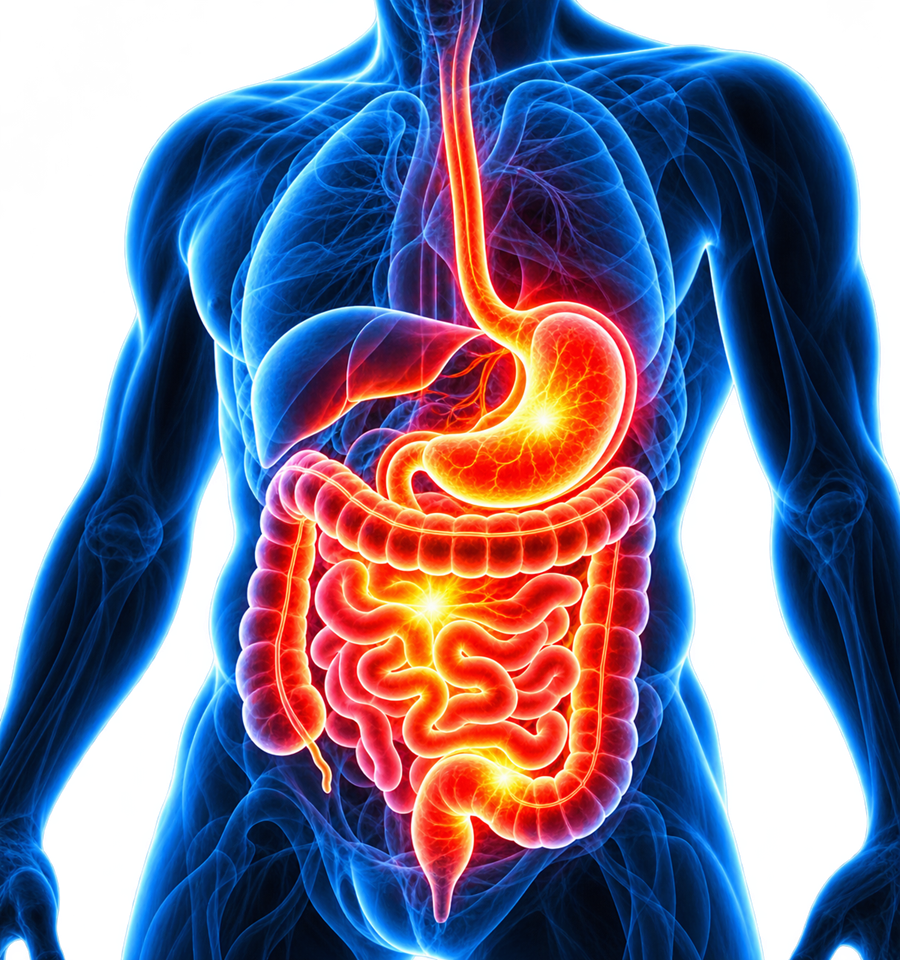
Rapid Assessment - Acute GI Emergency Evaluation
Prompt assessment of severe abdominal pain, vomiting, bleeding and other acute gastrointestinal symptoms.
GI Bleeding · Endoscopy - Emergency Endoscopic Care
Urgent evaluation and endoscopic management of gastrointestinal bleeding when clinically indicated.
GI Surgery - Emergency Gastrointestinal Management
Coordinated medical and surgical care for conditions requiring urgent intervention.
ICU · Critical Care - Support for Severe GI Emergencies
Continuous monitoring and critical care for patients with serious gastrointestinal conditions.
Emergency Signs
Vomiting blood, black or bloody stools, severe or persistent abdominal pain, repeated vomiting with dehydration, abdominal swelling with severe pain, or sudden difficulty passing stool or gas may indicate a gastrointestinal emergency. Seek immediate emergency care. Call PACE Hospitals: 04048486868.
What Is a Trauma and Accident Emergency?
What Is a Rheumatology Emergency?
What Is a Gastrointestinal Emergency?
A gastrointestinal emergency is a sudden or rapidly worsening condition involving the digestive system that needs urgent medical assessment and treatment. It may involve gastrointestinal bleeding, severe abdominal pain, acute pancreatitis, bowel obstruction, bowel perforation, cholangitis, or severe vomiting with dehydration.
PACE Hospitals provides 24/7 gastrointestinal emergency care in Hyderabad for patients with suspected gastro emergencies. The emergency team assesses the patient's condition, starts stabilisation when required, arranges appropriate investigations, and coordinates care with gastroenterologists, gastrointestinal surgeons, critical care specialists, radiologists, endoscopy teams, and other specialists when needed.
Some gastrointestinal emergencies can cause significant bleeding, infection, bowel injury, dehydration, or damage to other organs. Early assessment helps identify the cause and allows appropriate treatment to begin without unnecessary delay.
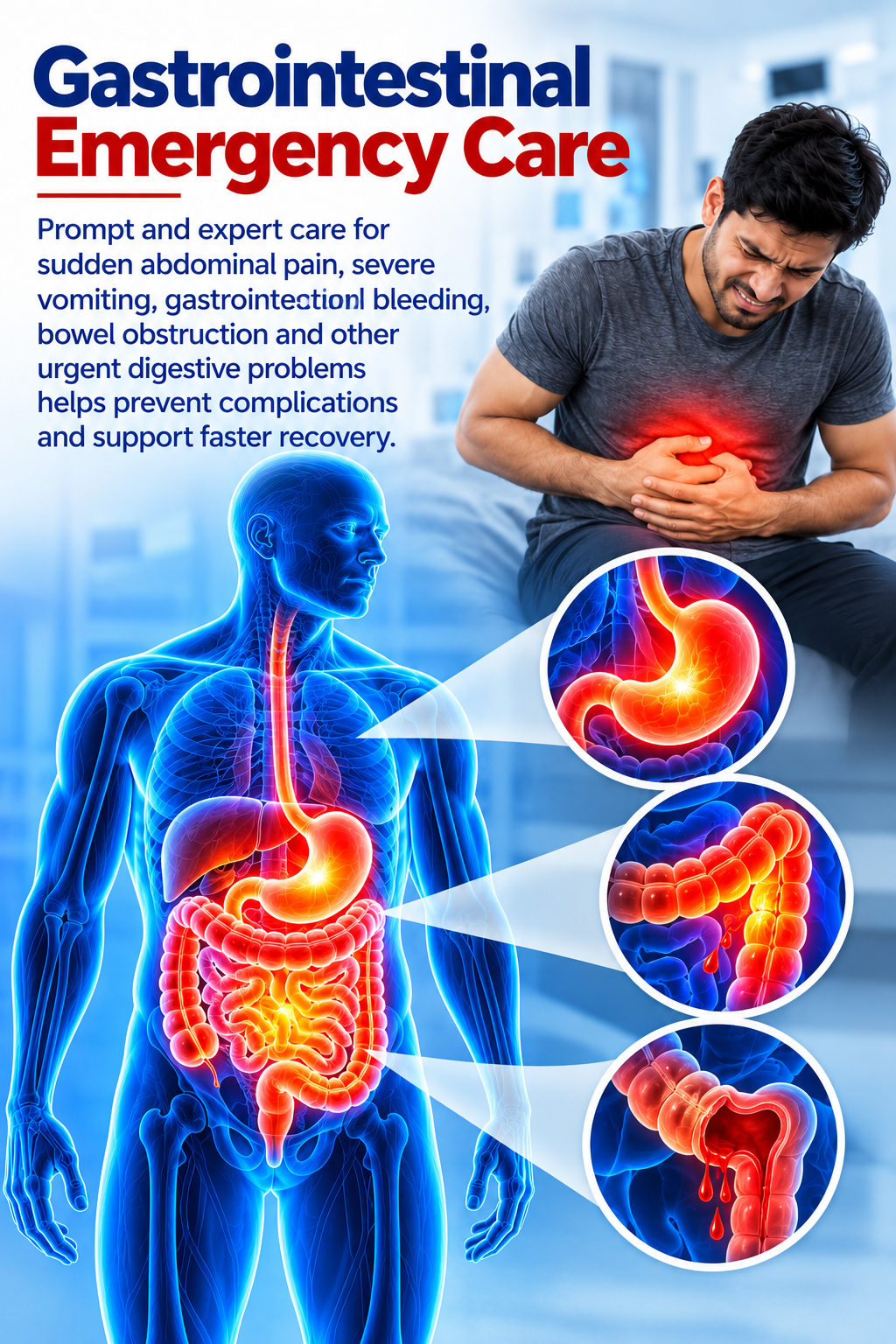
When to Seek Emergency Care for Gastrointestinal Symptoms?
Immediate medical attention is needed if any of the following symptoms occur:
- Vomiting bright red blood or dark material that looks like coffee grounds.
- Passing black, tarry, sticky stools.
- Passing a large amount of fresh blood through the rectum.
- Severe or persistent abdominal pain.
- Sudden abdominal pain with a rigid or very tender abdomen.
- Severe abdominal pain with repeated vomiting.
- Persistent vomiting with inability to keep fluids down.
- Signs of dehydration such as very little urine, severe weakness, dizziness, or fainting.
- Abdominal swelling with severe pain, repeated vomiting, or inability to pass stool or gas.
- Fever with severe abdominal pain or jaundice.
- Yellowing of the eyes or skin with fever, abdominal pain, or chills.
- Sudden severe upper abdominal pain that may spread to the back.
- Fainting, confusion, rapid heartbeat, or marked weakness associated with gastrointestinal symptoms.
Do Not Ignore Vomiting Blood or Black Stools
Vomiting blood, medically known as hematemesis, can indicate bleeding in the upper gastrointestinal tract. The blood may appear bright red or dark and may sometimes resemble coffee grounds.
Black, tarry stools, known as melena, can also occur when blood is digested as it passes through the gastrointestinal tract. Although the amount of bleeding can vary, these symptoms should not be ignored without medical evaluation.
Treat vomiting blood or black stools as an emergency when they are:
- Vomiting a large amount of blood or repeated episodes of blood in vomit.
- Black, tarry, or unusually dark stools, particularly when persistent or accompanied by other symptoms.
- Associated with dizziness, weakness, sweating, or a rapid heartbeat.
- Accompanied by fainting, confusion, breathlessness, or severe weakness.
- Occurring with severe or worsening abdominal pain.
- Present in a person with known liver disease, gastrointestinal ulcers, or a history of gastrointestinal bleeding.
Severe gastrointestinal (GI) bleeding can produce a considerable reduction in blood pressure and perhaps lead to shock. Do not expect the bleeding to stop on its own. Seek emergency medical attention right once, especially if the bleeding is severe or accompanied by weakness, dizziness, fainting, shortness of breath, or confusion.
Not all chest pain is caused by heart disease. It may be related to the lungs, food pipe, stomach, muscles, ribs, or nerves. However, it is not safe to assume that chest pain is minor without medical evaluation.
Treat chest pain as an emergency when it is:
- New or unexplained.
- Severe or persistent.
- Associated with sweating, nausea, or breathlessness.
- Accompanied by fainting or severe dizziness.
- Spreading to the arm, jaw, neck, shoulder, back, or upper abdomen.
- Present in a person with diabetes, high blood pressure, high cholesterol, kidney disease, or known heart disease.
- For severe symptoms, ambulance transport is generally safer than driving to the hospital because emergency assessment and support can begin during transfer when needed.
Sudden weakness or paralysis affecting one side of the face, arm, or leg is an important stroke warning sign. The weakness may appear suddenly and may occur with facial drooping, speech difficulty, vision changes, or loss of balance.
- Do not wait to see whether the weakness improves. Immediate emergency assessment is important because some stroke treatments are time-sensitive.
Sudden Paralysis or One-Sided Weakness
Sudden Vision Problems
A stroke can cause sudden changes in vision, including blurred or double vision or loss of vision in one or both eyes.
- Sudden unexplained vision problems, particularly when accompanied by other neurological symptoms, require urgent assessment.
Sudden Loss of Balance
A sudden loss of balance, coordination, or ability to walk normally can be a sign of stroke, particularly when it develops without an obvious explanation.
- Sudden dizziness with difficulty walking, weakness, vision changes, or speech problems should not be dismissed as a minor problem.
Sudden Severe Headache
A sudden, severe headache with no known cause can be a warning sign of a serious neurological emergency, including hemorrhagic stroke.
- When severe headache occurs with vomiting, weakness, speech difficulty, seizures, confusion, loss of consciousness, or other sudden neurological changes, emergency medical evaluation is required.
Common Gastro Emergencies Treated at PACE Hospitals
Gastrointestinal (GI) Bleeding
Gastrointestinal bleeding occurs when blood is lost from anywhere in the digestive tract. It may be visible as vomiting blood, black stools, or fresh blood in the stool, or may be detected through blood tests when the bleeding is not obvious.
GI bleeding emergency treatment depends on the amount and source of bleeding, the patient's blood pressure and overall condition, and the underlying cause. Treatment may include stabilisation, blood tests, medicines, endoscopic evaluation and treatment, and other procedures when required.
Possible symptoms may include:
- Vomiting blood or coffee-ground material.
- Black, tarry stools.
- Fresh blood in the stool.
- Dizziness or light-headedness.
- Weakness or unusual tiredness.
- Pale appearance.
- Rapid heartbeat.
- Fainting or low blood pressure in severe cases.
Vomiting Blood
Vomiting blood can occur because of bleeding from the oesophagus, stomach, or upper part of the small intestine. Stomach ulcers, inflammation, digestive tract tears, or bleeding from enlarged veins in patients with certain liver problems are all possible causes. The appearance of the blood can vary from bright red to dark, coffee-ground-like material.
- Vomiting blood should always be treated as a potential gastrointestinal emergency, especially when accompanied by dizziness, weakness, fainting, rapid heartbeat, or black stools.
Black Stools
Black, sticky, tar-like stools may indicate bleeding from the upper gastrointestinal tract. The medical term for this appearance is melena.
- Black stools can sometimes have other causes, including certain medicines or foods, but unexplained black or tarry stools should not be assumed to be harmless.
Emergency assessment is particularly important when black stools occur with vomiting blood, abdominal pain, weakness, dizziness, fainting, or signs of blood loss.
Severe Abdominal Pain
Severe abdominal pain can result from several gastro conditions, ranging from inflammation and infection to obstruction, perforation, bleeding, or problems involving the pancreas and bile ducts.
The location, timing, character, and associated symptoms of the pain help doctors determine which investigations and treatments may be required.
Emergency evaluation is important when abdominal pain is:
- Sudden or rapidly worsening.
- Severe or persistent.
- Associated with repeated vomiting.
- Associated with fever or chills.
- Associated with abdominal swelling or tenderness.
- Associated with vomiting blood or blood in the stool.
- Associated with fainting, confusion, or marked weakness.
- Accompanied by inability to pass stool or gas.
- Associated with yellowing of the eyes or skin.
Acute Pancreatitis
Acute pancreatitis is sudden inflammation of the pancreas. Gallstones and alcohol are common causes, although other conditions can also trigger pancreatitis.
The primary goals of acute pancreatitis emergency treatment are to assess the severity, improve circulation and hydration, control symptoms, diagnose the source, and monitor for consequences. Imaging and other tests are chosen based on the patient's clinical condition.
Symptoms may include:
- Sudden or severe upper abdominal pain.
- Pain that may spread to the back.
- Nausea and repeated vomiting.
- Abdominal tenderness.
- Fever.
- Fast heartbeat.
- Weakness or dehydration.
- Acute pancreatitis requires medical assessment because some patients can develop complications affecting breathing, circulation, kidneys, or other organs.
Bowel Obstruction
A bowel obstruction occurs when the normal passage of food, fluids, and intestinal contents becomes partly or completely blocked.
A bowel obstruction can become serious if blood supply to the intestine is reduced or if the bowel becomes damaged. Emergency assessment may include physical examination, blood tests, and abdominal imaging.
Treatment depends on the cause and severity. It may include bowel rest, intravenous fluids, correction of electrolyte abnormalities, decompression when required, and surgical treatment for selected patients.
Symptoms may include:
- Cramping or severe abdominal pain.
- Abdominal swelling or distension.
- Repeated vomiting.
- Inability to pass stool or gas.
- Constipation.
- Loss of appetite.
- Dehydration.
- Weakness or worsening pain.
Bowel Perforation
Bowel perforation occurs when a hole develops in the wall of the stomach or intestine, allowing digestive contents or bacteria to enter the abdominal cavity.
It can cause severe infection of the abdominal lining and may progress to sepsis.
Bowel perforation is a surgical emergency. Treatment usually focuses on rapid stabilisation, antibiotics when infection is suspected or confirmed, imaging to identify the problem, and urgent surgical or other specialist intervention when required.
Symptoms may include:
- Sudden severe abdominal pain.
- Marked abdominal tenderness.
- Abdominal rigidity or guarding.
- Abdominal swelling.
- Fever or chills.
- Nausea and vomiting.
- Rapid heartbeat.
- Weakness, confusion, or low blood pressure in severe cases
Gastrointestinal Emergency Assessment and Diagnosis
Patients with suspected gastrointestinal emergencies are assessed according to the severity of symptoms, vital signs, possible blood loss, dehydration, infection, and the suspected underlying condition. The first priority is to identify and stabilise life-threatening problem
01
Rapid Triage and Initial Stabilisation
The emergency team may assess:
- Airway, breathing, circulation, and level of consciousness.
- Pulse, blood pressure, oxygen level, temperature, and pain severity.
- Amount and duration of vomiting or bleeding.
- Appearance and frequency of stools.
- Location, duration, and severity of abdominal pain.
- Abdominal tenderness, swelling, guarding, or rigidity.
- Ability to pass stool or gas.
- Fluid intake and urine output.
- Previous gastrointestinal disease, liver disease, pancreatitis, ulcers, or abdominal surgery.
- Current medicines, including blood thinners and medicines that may affect the stomach or intestines.
- Medicine allergies.
- Need for intravenous access, fluid replacement, blood products, monitoring, or critical care support.
02
Blood Tests for Gastrointestinal Emergencies
Depending on the patient's symptoms and clinical condition, blood tests may include:
- Complete blood count.
- Blood group and cross-matching when significant bleeding is suspected.
- Kidney function tests.
- Electrolytes.
- Liver function tests.
- Blood glucose.
- Clotting tests.
- Serum lipase or other pancreatic tests when pancreatitis is suspected.
- Blood gas or lactate testing in selected critically ill patients.
- Other tests based on the suspected cause.
These investigations help assess blood loss, dehydration, infection, organ function, electrolyte disturbances, and the severity of the underlying condition.
03
Imaging and Additional Tests
Depending on the symptoms and initial findings, further investigations may include:
- Ultrasound of the abdomen.
- CT scan of the abdomen and pelvis.
- CT angiography in selected cases of active gastrointestinal bleeding.
- Magnetic resonance imaging or Magnetic Resonance Cholangiopancreatography (MRCP) for selected pancreaticobiliary conditions.
- Upper gastrointestinal endoscopy.
- Colonoscopy when appropriate.
- Endoscopic Retrograde Cholangiopancreatography (ERCP) for selected bile duct emergencies.
- Other endoscopic or radiological investigations when clinically required.
The choice of investigation depends on the suspected cause, the patient's stability, and the information needed to guide emergency treatment.
Gastrointestinal Emergency Treatment at PACE Hospitals
Gastrointestinal emergency treatment depends on the diagnosis, severity of symptoms, test results, blood pressure, hydration status, and overall clinical condition. The emergency team first focuses on stabilisation and then coordinates specialist treatment when required.
Emergency Gastrointestinal Care May Include:
- Continuous monitoring of vital signs.
- Intravenous access and fluid replacement.
- Correction of dehydration and electrolyte abnormalities.
- Medicines to control pain, nausea, vomiting, bleeding, infection, or other symptoms when clinically indicated.
- Blood tests and monitoring of haemoglobin and other relevant parameters.
- Blood or blood-component transfusion when clinically required.
- Medicines to reduce gastrointestinal bleeding when appropriate.
- Emergency endoscopy for selected gastrointestinal bleeding cases.
- Endoscopic treatment to control bleeding when indicated.
- Bowel decompression for selected bowel obstruction cases.
- Antibiotics for selected gastrointestinal infections or suspected perforation.
- ERCP or other procedures for selected bile duct emergencies.
- Surgical evaluation for bowel perforation, obstruction, uncontrolled bleeding, or other conditions requiring surgery.
- ICU or critical care admission for patients who require close monitoring or organ support.
GI Bleeding Emergency Treatment
GI bleeding emergency treatment begins with assessment of the patient's circulation, blood pressure, heart rate, symptoms, and likely source of bleeding.
Treatment may include:
- Intravenous fluids and stabilisation.
- Blood tests and blood group assessment.
- Blood transfusion when clinically required.
- Medicines to manage the suspected source of bleeding.
- Urgent upper gastrointestinal endoscopy for selected patients with suspected upper GI bleeding.
- Endoscopic treatment to control active bleeding when appropriate.
- Colonoscopy or other investigations for selected lower GI bleeding.
Interventional radiology or surgery for bleeding that cannot be controlled by other methods.
The treatment approach depends on the location and severity of the bleeding and the patient's clinical condition.
Acute Pancreatitis Emergency Treatment
Acute pancreatitis emergency treatment focuses on early assessment, symptom control, fluid management, identification of the cause, and monitoring for complications.
Treatment may include:
- Intravenous (IV) fluids based on the patient's hydration and clinical status.
- Pain management.
- Medicines to control nausea and vomiting.
- Monitoring of blood pressure, urine output, kidney function, and other indicators of severity.
- Early oral feeding when tolerated in suitable patients with mild disease.
- Enteral nutrition for patients with more severe disease when appropriate.
- Treatment of gallstone-related or other underlying causes.
- Endoscopic Retrograde Cholangiopancreatography (ERCP) when acute pancreatitis is complicated by cholangitis or another appropriate biliary indication.
- ICU or critical care support for organ failure or severe complications.
Bowel Obstruction Emergency Treatment
Emergency treatment for bowel obstruction depends on the location, cause, severity, and whether there is evidence of bowel injury.
Treatment may include:
- Intravenous fluids.
- Correction of electrolyte abnormalities.
- Monitoring of abdominal symptoms and vital signs.
- Bowel rest.
- Nasogastric decompression when indicated.
- Imaging to identify the level and cause of obstruction.
- Surgical evaluation when there is complete obstruction, suspected strangulation, perforation, or failure of non-operative management.
- Treatment of the underlying cause.
Bowel Perforation Emergency Treatment
Bowel perforation requires urgent medical and surgical assessment.
Treatment may include:
- Rapid stabilisation.
- Intravenous fluids.
- Antibiotics when bacterial infection or intra-abdominal infection is suspected.
- Pain management.
- Blood tests and urgent imaging.
- Critical care monitoring when necessary.
Emergency surgery or other appropriate intervention to control contamination and treat the source of perforation.
Cholangitis Emergency Treatment
Cholangitis requires prompt treatment because infection associated with bile duct obstruction can become severe.
Treatment may include:
- Intravenous fluids.
- Appropriate antibiotics.
- Blood tests and imaging.
- Monitoring for sepsis and organ dysfunction.
- Relief of bile duct obstruction when indicated.
- Endoscopic intervention such as ERCP in selected patients.
- Surgical or other drainage procedures when required.
What to Do During a Suspected Gastro Emergency?
Seek emergency medical care if there is vomiting blood, black stools, severe abdominal pain, repeated vomiting with dehydration, severe abdominal swelling, or other serious warning signs.
- Do not eat or drink if a healthcare professional has advised fasting because an emergency procedure may be required.
- Do not take additional medicines to treat bleeding or severe abdominal pain unless advised by a healthcare professional.
- Do not ignore black stools or vomiting blood even if the person feels better afterward.
- If the person is faint, confused, extremely weak, or has signs of shock, call emergency medical services immediately.
- Keep a list of current medicines, particularly blood-thinning medicines, if readily available.
- Note when the symptoms began and whether vomiting, bleeding, stool changes, fever, or pain have been getting worse.
- Follow instructions provided by emergency medical professionals.
Why Timely Gastrointestinal Emergency Care Matters?
Some gastrointestinal emergencies can worsen rapidly because of blood loss, dehydration, infection, bowel damage, or organ dysfunction. Timely emergency care helps doctors identify the cause and begin stabilisation before complications become more severe.
Prompt gastrointestinal emergency care can help:
- Identify and assess significant GI bleeding.
- Stabilise patients with dehydration, low blood pressure, or blood loss.
- Identify bowel obstruction or perforation.
- Assess acute pancreatitis and its severity.
- Recognise serious bile duct infections such as cholangitis.
- Arrange emergency endoscopy or other procedures when required.
- Coordinate care between emergency medicine, gastroenterology, endoscopy, surgery, radiology, and critical care teams.
Who Is at Higher Risk of Gastrointestinal Emergencies?
Gastrointestinal emergencies can occur in anyone. However, the risk may be higher in people with:
- Previous gastrointestinal bleeding or peptic ulcer disease.
- Liver disease or portal hypertension.
- Use of blood-thinning medicines.
- Regular use of medicines that can increase the risk of gastrointestinal bleeding.
- Previous abdominal surgery.
- Known gallstones or bile duct problems.
- Previous pancreatitis.
- Inflammatory or structural bowel disease.
- Known gastrointestinal or pancreatic disease.
- Older age or significant medical conditions.
Even people without known gastrointestinal disease can develop a serious digestive emergency. Sudden bleeding, severe abdominal pain, persistent vomiting, or other warning signs should be assessed promptly.
Gastrointestinal Emergency Care at PACE Hospitals
PACE Hospitals provides 24/7 gastrointestinal emergency care in Hyderabad for patients with GI bleeding, vomiting blood, black stools, severe abdominal pain, acute pancreatitis, severe vomiting with dehydration, bowel obstruction, bowel perforation, cholangitis, and other urgent adverse digestive system conditions.
The emergency department coordinates with gastroenterology, gastrointestinal surgery, critical care, endoscopy, radiology, diagnostic, and other specialist teams according to the patient's condition.
Emergency Gastrointestinal Care Pathway
- Immediate triage: Rapid assessment of gastro-related symptoms, vital signs, bleeding, dehydration, abdominal findings, and emergency needs.
- Stabilisation: Intravenous access, fluid replacement, monitoring, and other immediate measures based on the patient's condition.
- Rapid diagnosis: Blood tests, imaging, endoscopy, or other investigations selected according to the suspected cause.
- Specialist evaluation: Gastroenterology, gastrointestinal surgery, endoscopy, radiology, and critical care input when required.
- Definitive treatment: Medicines, endoscopic procedures, Endoscopic Retrograde Cholangiopancreatography (ERCP), surgery, or other treatment based on the diagnosis.
- Ongoing care: Admission to ICU, monitored care, ward, or the appropriate specialist service when required.
Need Urgent Help? For vomiting blood, black stools, severe abdominal pain, repeated vomiting with dehydration, abdominal swelling with severe pain, or suspected bowel obstruction or perforation, seek emergency medical care immediately.
Call PACE Hospitals:
04048486868.
Do not delay emergency care to arrange your own transport if the person is seriously injured or has signs of a potentially life-threatening condition.
When Should You Call an Ambulance for a Gastrointestinal Emergency?
Call emergency medical services immediately if someone has:
- Vomiting a large amount of blood.
- Black stools with dizziness, weakness, or fainting.
- Heavy rectal bleeding.
- Severe or rapidly worsening abdominal pain.
- Severe abdominal pain with a rigid or swollen abdomen.
- Repeated vomiting with severe dehydration.
- Fainting, confusion, very low blood pressure, or signs of shock.
- Severe abdominal pain with fever, chills, or jaundice.
- Suspected bowel obstruction with severe pain, vomiting, and inability to pass stool or gas.
- Suspected bowel perforation or sudden severe abdominal pain with abdominal rigidity.
Do not delay emergency care to arrange your own transport if the person is seriously unwell.

Frequently Asked Questions on Gastrointestinal Emergency
What is a gastrointestinal emergency?
A gastrointestinal emergency is a sudden or rapidly worsening digestive system problem that needs urgent medical assessment. It can include GI bleeding, severe abdominal pain, bowel obstruction, bowel perforation, acute pancreatitis, cholangitis, or severe vomiting with dehydration.
What are the common symptoms of a gastro emergency?
Common warning signs of a gastro emergency includes vomiting blood, black stools, severe abdominal pain, repeated vomiting, abdominal swelling, inability to pass stool or gas, fever with abdominal pain, jaundice, dizziness, fainting, and signs of dehydration.
Is vomiting blood always an emergency?
Vomiting blood should be treated as a potential emergency because it can indicate bleeding in the upper gastrointestinal (GI) tract. Immediate medical assessment is particularly important when vomiting blood is heavy or occurs with dizziness, fainting, weakness, rapid heartbeat, or black stools.
What do black stools mean?
Black, sticky, tar-like stools can be a sign of bleeding in the upper gastrointestinal (GI) tract. Some medicines and foods can also change stool colour, but unexplained black stools, especially with weakness or dizziness, should be medically assessed and need an evaluation by Gastroenterologist.
When should I go to the emergency room for abdominal pain?
Seek emergency care when abdominal pain is sudden, persistent, severe, rapidly worsening, or associated with repeated vomiting, fever, abdominal swelling, blood in vomit or stool, fainting, confusion, jaundice, or inability to pass stool or gas.
What is the emergency treatment for GI bleeding?
Treatment depends on the source and severity of the bleeding. It may include stabilisation, intravenous fluids, blood tests, medicines, blood transfusion when required, endoscopy or colonoscopy, endoscopic bleeding control, interventional radiology, or surgery in selected cases.
Can acute pancreatitis become an emergency?
Yes. Acute pancreatitis can range from mild illness to a severe condition involving organ dysfunction. If severe or persistent upper abdominal pain with vomiting, weakness, fever, or other concerning symptoms occurs it may require prompt medical assessment.
What tests are done for a gastrointestinal emergency?
Depending on the symptoms, doctors may order blood tests, abdominal ultrasound, CT scan, CT angiography, MRI or MRCP, upper GI endoscopy, colonoscopy, ERCP, or other investigations. The choice depends on the suspected condition and the patient's clinical status.
What is bowel obstruction and is it an emergency?
Bowel obstruction occurs when the normal movement of intestinal contents becomes blocked. Some of the conditions include severe abdominal pain, repeated vomiting, abdominal swelling, and inability to pass stool or gas can indicate a significant obstruction that requires urgent assessment.
What happens if the bowel gets perforated?
A bowel perforation allows intestinal contents and bacteria to enter the abdominal cavity and can cause severe infection and sepsis. Sudden severe abdominal pain, abdominal rigidity, fever, vomiting, weakness, or low blood pressure require immediate emergency care.
What is cholangitis and why is it an emergency?
Cholangitis is an infection of the bile ducts, often associated with obstruction of bile flow. Some of the symptoms such as fever, chills, abdominal pain, and jaundice are important warning signs. Severe infection can spread into the bloodstream, so urgent treatment may be necessary.
Can severe vomiting cause dehydration?
Yes. Repeated vomiting can lead to significant loss of fluids and electrolytes from body, especially when a person cannot drink or retain fluids. Very little urine, dizziness, weakness, rapid heartbeat, and confusion can indicate significant dehydration.
What should I do if I vomit blood?
Seek emergency medical care immediately. Do not wait to see whether the bleeding stops. If the person is faint, confused, extremely weak, or has heavy bleeding, call emergency medical services.
Should I go to the hospital for black stools?
Unexplained black, tarry stools can indicate gastrointestinal bleeding and should be medically assessed. Emergency care is particularly important when black stools occur with vomiting blood, dizziness, fainting, weakness, abdominal pain, or rapid heartbeat.
Can gallstones cause a gastrointestinal emergency?
Gallstones can sometimes cause unwanted and urgent problems when they block the bile ducts or pancreatic duct. If a person is having severe abdominal pain, fever, jaundice, repeated vomiting, or symptoms suggesting pancreatitis or cholangitis, it is required for prompt medical evaluation.
Conclusion
Gastrointestinal emergencies can involve bleeding, severe abdominal pain, infection, dehydration, obstruction, perforation, or inflammation of the digestive organs. Vomiting blood, black stools, severe abdominal pain, repeated vomiting, abdominal swelling, or signs of dehydration should not be ignored.
PACE Hospitals provides 24/7 gastrointestinal emergency care in Hyderabad for GI bleeding, vomiting blood, black stools, acute pancreatitis, bowel obstruction, bowel perforation, cholangitis, severe vomiting with dehydration, and other urgent gastrointestinal conditions.
Prompt assessment, stabilisation, appropriate diagnostic testing, specialist evaluation, and timely treatment can help identify the cause of a gastrointestinal emergency and reduce the risk of serious gastro-related complications.


